
12 min 58 sec
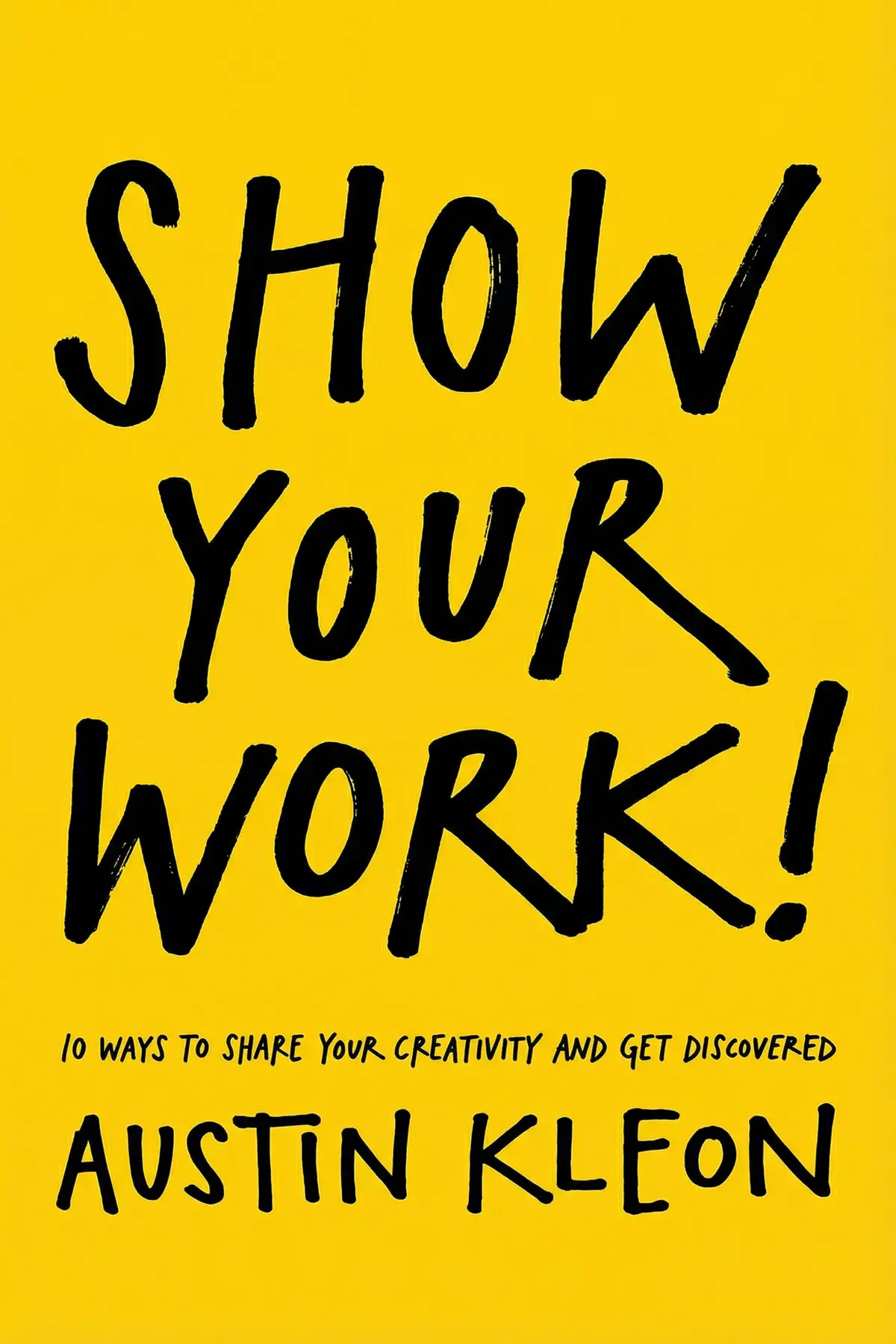
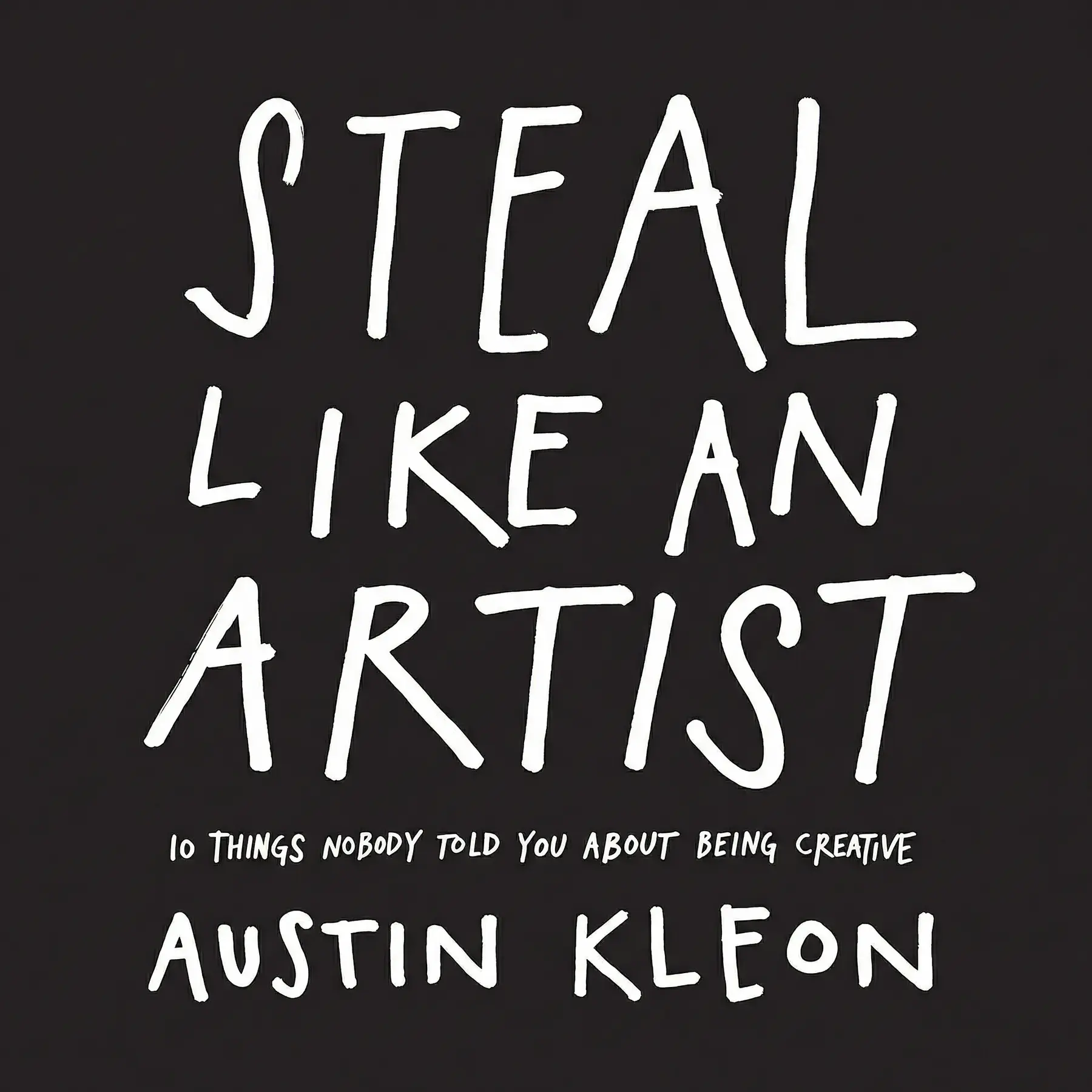
Steal Like an Artist: 10 Things Nobody Told You About Being Creative
By Austin Kleon
Steal Like an Artist redefines creativity for the modern era, showing that nothing is truly original. By embracing your influences and remixing the work of others, you can find your unique voice.
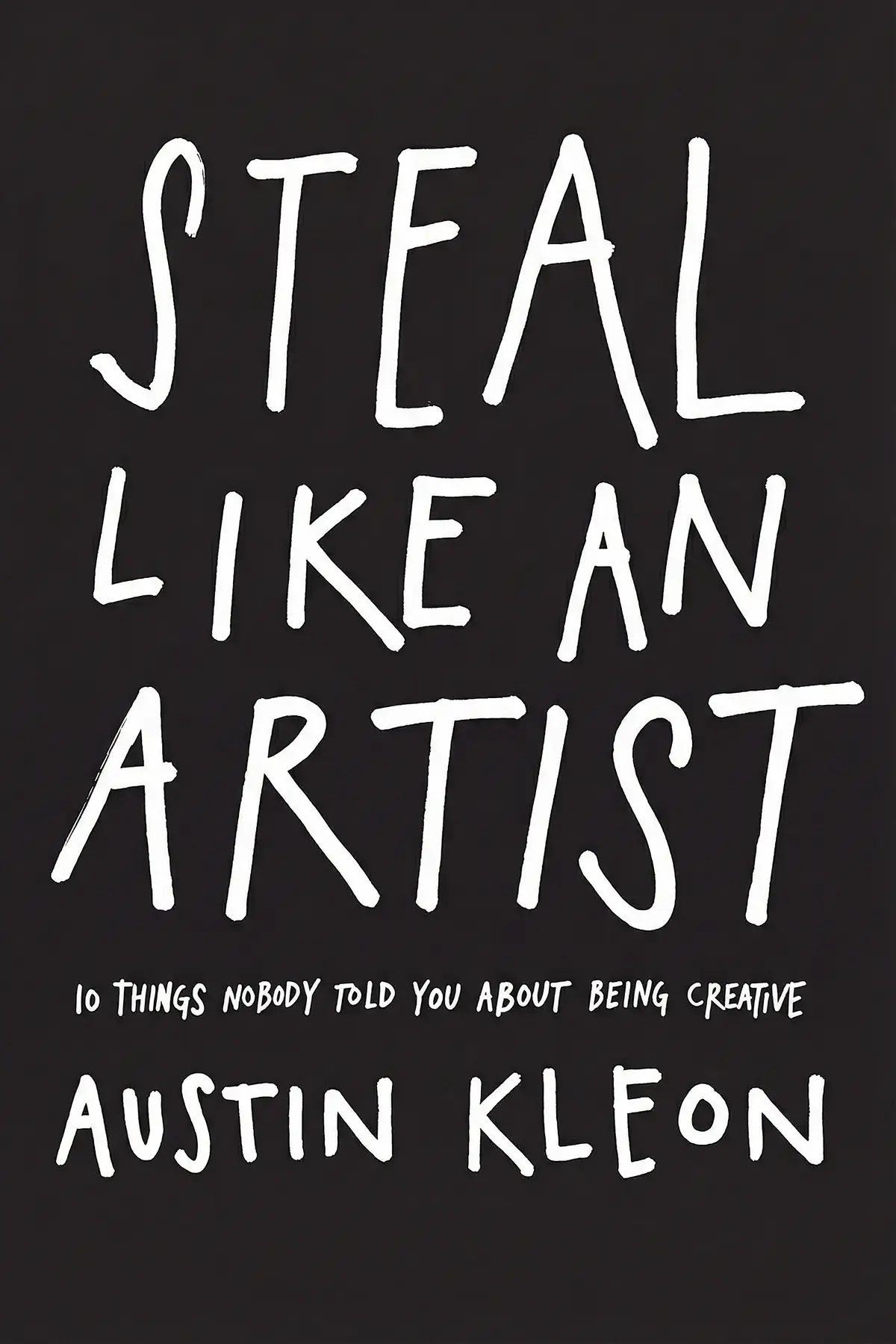
Table of Content
1. Introduction
1 min 34 sec
Have you ever looked at a blank page or a silent instrument and felt the crushing weight of having to create something entirely new? There is a persistent myth in our culture that great art is the result of a lone genius sitting in a room, waiting for a brand-new idea to descend from the heavens. We celebrate ‘originality’ as if it means creating something out of nothing. But the truth is much more liberating: nothing is completely original. Every single creative work is a remix or a mashup of what came before it.
In this exploration of Steal Like an Artist, we are going to tear down the wall between ‘thievery’ and ‘creativity.’ If you look closely at the history of the greatest thinkers and creators—from the painters of the Renaissance to the rock stars of the twentieth century—you will see a trail of borrowed ideas. These artists weren’t looking for a blank slate; they were looking for a lineage. They understood that to create something meaningful, you first have to acknowledge the giants whose shoulders you are standing on.
Over the next few minutes, we will look at how you can stop worrying about being ‘original’ and start focused on being ‘good.’ We’ll discuss how to build a family tree of influences, why your side projects might be more important than your main job, and how to use the digital world to your advantage without letting it swallow your creative soul. The goal here isn’t to encourage plagiarism, but to teach you how to ‘steal’ with integrity, curiosity, and a sense of purpose. By the end, you’ll see that being a creative ‘thief’ is actually the most honest way to find your own voice.
2. The Genealogy of Ideas
2 min 03 sec
Discover why the quest for pure originality is a dead end and how you can build a personalized family tree of artistic influences to fuel your own work.
3. Imitation as a Path to Discovery
2 min 08 sec
Learn why copying your heroes is a vital first step in your creative journey and how your inability to be exactly like them creates your unique style.
4. The Power of Productive Procrastination
1 min 59 sec
Discover why having multiple hobbies and a ‘messy’ creative life can actually boost your focus and help you overcome creative blocks.
5. Finding Freedom in the Shadows
1 min 52 sec
Explore the counterintuitive benefits of being unknown and how to navigate the transition from private experimentation to public sharing.
6. Curating Your World and Protecting Your Heart
2 min 06 sec
Learn how to design an environment that fosters creativity and how to handle the inevitable criticism that comes with sharing your work.
7. Conclusion
1 min 16 sec
As we wrap up this journey through the principles of creative thievery, the biggest takeaway is that you already have everything you need to begin. You don’t need a fancy degree, a perfectly clean studio, or a lightning bolt of original genius. You just need to start looking at the world with the eyes of a collector. Look for the ideas, the rhythms, and the images that make you feel alive, and give yourself permission to bring them into your own work.
Remember that creativity is a marathon, not a sprint. It’s about building a life that supports your art. This means keeping your day job if it pays the bills, maintaining your ‘useless’ hobbies because they keep you happy, and being willing to be bad at something for a long time before you get good at it. The path of the artist is often just the path of someone who refused to give up on their curiosity.
So, here is your call to action: go out and find your first ‘ancestor.’ Pick one artist or thinker you admire and start digging into their world. Build your family tree, set up a space where you can work with your hands, and don’t be afraid to share your progress with the rest of us. The world doesn’t need more ‘perfect’ art; it needs more honest art. By stealing like an artist, you are joining a conversation that has been going on for as long as humans have existed. It’s time to add your voice to the mix.
About this book
What is this book about?
This guide is built on the liberating premise that creative work is never born from a vacuum. Instead of waiting for a bolt of lightning to strike with a completely new idea, this summary explains how to look at the world as a giant library of potential inspiration. It provides ten core principles for anyone looking to build a creative life, regardless of their medium or experience level. You will learn how to build a lineage of influences, why your failures to perfectly copy your heroes are actually your greatest strengths, and how to manage the logistical side of a creative career. From the benefits of maintaining diverse hobbies to the importance of moving away from your home turf, the book offers a practical roadmap for surviving and thriving as a creator in a digital world where everyone is watching, yet no one knows who you are—at least not yet.
Book Information
About the Author
Austin Kleon
Austin Kleon is a multifaceted creative who works as an artist, a writer, and a poet. His unique approach to creativity and communication has earned him recognition in prominent outlets such as the Wall Street Journal and Morning Edition. In addition to his guides on the creative process, he is the author of the poetry collection Newspaper Blackout.
Ratings & Reviews
Ratings at a glance
What people think
Listeners find this work a quick listen that takes under an hour to finish, and they value its actionable guidance and original perspectives on the creative process. Furthermore, the material is encouraging, driving people to start making things, and listeners characterize it as an enjoyable, calming experience with an ideal duration. Also, the book’s principles are simple to understand and recall, rendering it a beneficial tool for numerous applications.
Top reviews
Teng
Wow. I didn’t expect a book this small to have such a massive impact on my morning routine. Kleon’s core message—that nothing is truly original and we are all a mashup of what we choose to let into our lives—is a total game-changer for anyone struggling with imposter syndrome. I’ve spent years trying to be unique, only to realize that stealing from my heroes is actually how I find my own voice. The layout is beautiful, filled with sketches and quotes that make the concepts stick. Personally, the idea of the praise file to combat insecurity is something I’m implementing immediately. It’s an easy read, but the weight of the ideas lingers long after you close the cover. If you need a spark to start creating again, this is it.
Show moreIsaiah
Picked this up during a particularly dry spell in my writing, and it was exactly the kick in the pants I needed. The truth is, most of us are paralyzed by the fear of being unoriginal, and this book grants you the permission to stop worrying and just start. I love how Kleon breaks down the process into easy-to-grasp steps, making the daunting task of being creative feel like something you can do in your pajamas. The suggestion to write the book you want to read is a classic for a reason, and seeing it here alongside tips on digital hygiene was perfect. It’s a motivating, bite-sized guide that I’ll probably revisit every time I feel the creative well starting to run dry.
Show moreA
After hearing so many people rave about this on social media, I finally gave in, and I’m so glad I did. This isn't your typical, dry how-to manual; it's a visual journey that treats creativity as a practical habit rather than a mystical gift. The 10 rules are punchy and memorable, especially the advice about creative subtraction being about what you choose to leave out. Not gonna lie, I was skeptical about the steal part of the title, but he explains the ethics of influence so clearly that it actually makes total sense. It’s a very fast read—less than an hour—but it's packed with fresh ideas that made me want to grab my notebook and start sketching immediately.
Show moreAria
Finally got around to reading this during my lunch break, and it’s exactly as advertised: a quick, punchy shot of adrenaline for the creative soul. While some might dismiss the advice as common sense, there’s something incredibly refreshing about the way Kleon packages these reminders into a visual manifesto. It took me less than forty-five minutes to finish, yet I found myself underlining several sections about the importance of side projects and hobbies. Truth is, we often overcomplicate the act of making things, and this book strips away that pretense. It's not a deep dive into art history, but it's a perfect companion for when you're feeling stuck in a rut. I especially appreciated the nudge to step away from the screen and use my hands more. It’s a relaxing read that doesn't demand too much but gives back plenty of motivation.
Show moreAnna
As a graphic designer, I spend 90% of my life staring at a monitor, so the chapter on using your hands really hit home for me. Kleon argues that the computer is great for editing, but terrible for generating ideas because it invites the internal censor too early. Since reading this, I’ve set up an analog desk with just markers and paper, and the difference in my output is noticeable. Gotta say, the concept of the swipe file is also much more practical than the vague inspiration boards most people talk about. It’s not a revolutionary text, and some of the 10 things are a bit filler-heavy, but the focus on physical movement and geography is great. It’s a solid, motivating resource for anyone who feels their digital life is sucking their soul dry.
Show morePakinee
The chapter on being boring was the most valuable part of this entire experience for me. So many books romanticize the struggling artist lifestyle of chaos and late nights, but Kleon tells it like it is: you need a routine and a day job to provide the stability for your art to flourish. Look, the book is incredibly brief, but that’s its strength. It doesn't bloviate. Instead, it offers a list of actionable habits—like keeping a logbook of your daily activities—that actually help you get the work done. I do think the Steal Like an Artist title is a bit clickbaity, as he's really just talking about synthesis and influence, but the sentiment is sound. It’s a fresh perspective on the logistics of creativity that focuses on the long game.
Show moreNew
Look, Kleon isn't claiming to have discovered fire here; he's just handing you a match. This book is a collection of essential truths about the creative process that we often forget in the rush of daily life. I particularly liked the section on side projects and hobbies—the idea that your productive work is actually fueled by the stuff you do just for fun. It’s a quick, relaxing read that feels more like a conversation with a mentor than a lecture. My only minor gripe is that it leans a little heavily on quotes from other people, though I suppose that reinforces his point about stealing. It’s a wonderful gift for any creative friend, and the physical design makes it a pleasure to flip through.
Show moreChloe
To be fair, I initially thought this was going to be a bit too lifestyle bloggy for my taste, but the practical tips won me over. The logbook idea is genius for tracking progress without the pressure of a traditional journal, and the advice on building an online community while staying focused on the work is very timely. It’s an easy read that manages to be both inspiring and grounded in reality. Some might find it a bit teeny or surface-level, but sometimes you just need the highlights to get moving. Kleon’s voice is friendly and encouraging, making this a great resource for anyone looking to inject a little more art into their 9-to-5 existence.
Show moreBook
Is this book a masterpiece or just a really well-marketed pamphlet? In my experience, it’s somewhere in the middle. Kleon is a talented communicator, and he makes artistic theft sound much more noble than simple plagiarism, which is a necessary distinction. However, I couldn’t help feeling like I was reading a summary of better, deeper books. The points about creative subtraction and geography not being our master are insightful, yet they feel like appetizers rather than a full meal. Not gonna lie, I finished it in twenty minutes and felt a bit cheated by the price tag. It’s a nice enough lightweight read for a plane ride, but don’t expect it to provide a rigorous framework for your career. Good for beginners, perhaps less so for seasoned pros.
Show moreWoravit
Frankly, this felt more like a curated Instagram feed than a substantial book on artistic theory. While the design is admittedly sleek, the actual content is spread so thin that it almost disappears. I found the advice to be a collection of platitudes we’ve all heard a thousand times: be nice, get a calendar, buy a notebook. At one point, he suggests that money is really important, which felt less like a revelation and more like a justification for the book's own existence. The contradictions also bothered me; he tells you to ignore critics but then suggests keeping a file of compliments? It’s a bit shallow and clearly geared toward a younger, perhaps more gullible, audience. To be fair, it’s a fast read, but that’s mostly because there isn’t much there to digest.
Show moreFeatured in
Readers also enjoyed
AUDIO SUMMARY AVAILABLE
Listen to Steal Like an Artist in 15 minutes
Get the key ideas from Steal Like an Artist by Austin Kleon, plus 5,000+ more titles in English and Thai.
- 5,000+ titles
- Listen as much as you want
- 7-day free trial
- Cancel anytime







