

ADHD an A-Z: Figuring It Out Step by Step
Leanne Maskell
Stress Resets provides immediate, science-based techniques to handle overwhelming emotions. Clinical psychologist Jennifer L. Taitz offers practical strategies for the mind, body, and behavior to build lasting resilience in minutes.
1 min 28 sec
Imagine your day starting on the wrong foot. You woke up late after a long night of work, and in your rush to get out the door, you accidentally knock a carton of milk onto the kitchen floor. As you scrub the floor in a state of high agitation, you accidentally cut your hand. Now, you’re forced to make a detour to the pharmacy for bandages, and because you’re replaying the morning’s frustrations in your head, you end up in a minor car accident on the way to the office. By the time you sit down at your desk, you are already mentally and physically depleted.
This downward spiral is a perfect illustration of how our initial reactions to minor inconveniences can mushroom into life-altering ordeals. We often feel like stress is something that happens to us, an external force that we are powerless to stop. However, as Jennifer L. Taitz explores in her work, the secret to a more resilient life isn’t necessarily removing every stressor—which is impossible—but changing how we respond to them. In this summary, we are going to dive into a series of actionable strategies that can help you hit the reset button on your emotional and physical state. We will look at how to pause when the world feels overwhelming, how to ground yourself in the present, and how to build a lifestyle that acts as a natural buffer against future pressure. The throughline here is simple but profound: by changing our internal response, we can transform potentially destructive moments into opportunities for reflection and personal growth.
1 min 57 sec
Discover why understanding the difference between temporary pressure and persistent anxiety is the first step to reclaiming control over your emotional life.
1 min 37 sec
Constant rumination can steal your joy and exhaust your mind, but there are specific ways to break the cycle and return to the present.
1 min 38 sec
Learning to adjust the intensity of your feelings rather than trying to suppress them is key to long-term emotional stability.
1 min 40 sec
Temporary coping mechanisms often hide deeper issues, but building structured routines can provide lasting relief from pressure.
1 min 45 sec
Even when faced with circumstances we cannot change, such as chronic pain, we can find peace by aligning our lives with our values.
1 min 45 sec
Discover the mind resets that can help you regain composure and make better choices when your thoughts are spinning out of control.
1 min 38 sec
Sometimes the fastest way to calm the mind is through the body. Learn how temperature and movement can provide instant relief.
1 min 55 sec
Break the cycle of impulsive reactions by learning how to stop, step back, and reconnect with your environment.
1 min 45 sec
Build a psychological shield by challenging old beliefs and managing your worries before they take over.
1 min 51 sec
From facing your fears to making small social connections, learn how to fortify your life against the impact of daily pressure.
1 min 12 sec
The journey toward a less stressful life is not about finding a magic wand that makes all your problems disappear. Instead, it is about the steady, intentional application of the resets and buffers we have explored. By understanding that stress is a manageable physiological and psychological response, you move from being a passive victim of your circumstances to being an active participant in your own well-being. Whether it is through the immediate physical relief of cold water, the mental clarity of the STOP method, or the long-term resilience built through value-driven living, you have the tools to change your life.
What this really means is that every stressful moment is a chance to practice a new way of being. Start by picking just one technique that felt particularly relevant to you today—perhaps it is the scheduled worry time or the grounding exercise—and try it the next time you feel your tension rising. As you become more skilled at these resets, you will find that you have more energy for the things that truly matter. You are building more than just a coping strategy; you are building a foundation for a more joyful, present, and meaningful life. Resilience is a skill, and with these tools in hand, it is a skill you are now ready to master.
Living in a fast-paced world often means navigating a constant stream of pressure, from minor daily mishaps to significant life challenges. Stress Resets serves as a practical guide for anyone feeling overwhelmed by these demands. The book moves beyond abstract advice, offering concrete tools rooted in cognitive-behavioral therapy and mindfulness. It promises to help you stop the cycle of escalating stress by providing three types of interventions: mind, body, and behavioral resets. By following these evidence-based techniques, you can learn to regulate intense emotions, break unhealthy coping habits, and align your daily actions with your core values. The book doesn't just promise temporary relief; it offers a blueprint for building long-term psychological buffers. Whether you are dealing with workplace anxiety, chronic physical pain, or the simple exhaustion of modern life, the promise here is a more balanced, resilient, and joyful existence achieved through small, intentional shifts in how you respond to the world around you.
Jennifer L. Taitz, PsyD, ABPP, is a renowned clinical psychologist with board certifications in cognitive and dialectical behavior therapy. She’s known for her academic role as an assistant clinical professor in the Department of Psychiatry at UCLA and her insightful contributions to prominent publications like the New York Times and the Wall Street Journal. She’s also the author of How to Be Single and Happy and End Emotional Eating, both of which have been recognized for their research-based approach and practical advice.
Listeners consider this work highly useful for navigating stress, specifically for people struggling with anxiety, and they value the excellent evidence-based techniques provided. Furthermore, the material is straightforward and easy to digest, with one listener highlighting that it offers simple yet logical approaches. Listeners also find the content both thought-provoking and compelling throughout.
Finally, a self-help book that doesn't just tell you to 'breathe' without explaining the physiological mechanics behind why it actually works. Dr. Taitz delivers a masterclass in clinical evidence, yet she manages to keep the tone accessible and remarkably compassionate. I especially connected with the 'dimmer switch' approach; it’s a relief to realize that I don't have to turn my emotions completely off to function effectively. The book categorizes techniques into mind, body, and behavior resets, which makes it feel like a structured toolkit rather than a random list of tips. Frankly, the ice water face plunge—aimed at activating the vagus nerve—was a revelation for my late-night anxiety spikes. While some might find seventy-five strategies a bit much, I appreciated having options that didn't require a yoga mat or a silent room. This is a must-read for anyone who feels like they are drowning in the 'always-on' culture of modern work.
Show morePicked this up on a whim during a particularly bad week and it was exactly what I needed. Dr. Taitz writes with a level of compassion that makes you feel seen without feeling judged. I specifically loved the 'miracle question' exercise; it helped me visualize a life where stress wasn't the main character. Most self-help books feel like they are lecturing you, but this felt more like a conversation with a very smart friend. The 'body resets,' like the simple act of placing a hand on your heart and belly, are so simple yet surprisingly effective at lowering my heart rate. It’s amazing how much we ignore our physical selves when we are stuck in our heads. Truthfully, I’ve already started recommending the 'worry time' habit to my coworkers. If you want a book that offers immediate, 10-minute solutions to spiraling thoughts, this is the one.
Show moreThe 'miracle question' exercise in the latter half of the book completely shifted my perspective on what recovery actually looks like. It’s not about the absence of stress, but about how we move toward our values despite the noise. Dr. Taitz has a way of making complex psychological concepts feel like common sense. I was especially moved by Sunil’s story about living a fulfilling life despite chronic pain; it really puts minor inconveniences into perspective. We often wait for a 'clear calendar' to be happy, but this book argues for finding joy in the middle of the mess. The 'stress buffers' section at the end is a brilliant way to wrap things up, giving you long-term strategies to build resilience. I’ve already started making my bed every morning as a small win, just like the book suggested. Small changes, big impact. Highly recommended.
Show moreManaging a high-pressure career while keeping my sanity intact is a daily struggle, so I appreciate how Taitz breaks these resets down into minutes. The 'ice water' trick and the 'jumping jacks' reset are now staples in my home office. Honestly, the book is incredibly engaging and the narrator’s voice (if you get the audio version) is so soothing. I love that she doesn't sugarcoat the process—change is non-linear and setbacks are expected. It’s refreshing to hear a professional acknowledge that we aren't going to get it right every time. The emphasis on 'monotasking' was a punch to the gut in the best way possible. If you are tired of the same old 'just meditate' advice, get this book. It offers a variety of tools that cater to different personality types and energy levels. It's a comprehensive toolkit for the modern, over-caffeinated world.
Show moreThe ice water bowl technique sounds like absolute torture until you actually try it during a genuine panic spiral. I was skeptical, but the science-backed grounding methods in this book are the real deal. Dr. Taitz moves beyond basic CBT and introduces DBT concepts in a way that feels fresh and actionable. I loved the STOP method for those moments when you feel an outburst coming on. It’s practical. It’s fast. However, I did find the layout a bit dense at times, and a few more diagrams would have helped break up the heavy blocks of text. The truth is, it’s a lot to take in if you’re already feeling overwhelmed by life. Still, the concept of 'urge surfing' for cravings and stress-habits is worth the price of the book alone. It changed how I view my afternoon caffeine and social media spirals. A solid 4-star resource for your mental health shelf.
Show moreAs someone who has dabbled in CBT for years, learning about the DBT framework through Taitz's lens was a total game-changer. She makes a compelling case for allowing yourself to experience emotions rather than just trying to strategize them away immediately. The section on 'mind resets' helped me untangle some pretty nasty thought loops regarding my annual performance review. I also appreciated the mention of the 'abstinence violation effect' because I tend to give up the moment I slip on a new habit. My only real gripe is that I wish she provided direct research links after each technique. It’s great to know things are science-backed, but I like to see the data myself! Regardless, the advice on building a 'values-driven life' instead of a 'pain-avoidant' one is a powerful shift in perspective. It’s a very grounding read that I’ll likely revisit when things get hectic again.
Show moreEver wonder if you're actually addicted to your own stress hormones? This book dives into that head-on. I found the 'behavior resets' particularly helpful because they focus on action rather than just thinking your way out of a problem. The STOP method and the advice on improv training to reduce perfectionism were highlights for me. I’ve been struggling with multitasking for years, and Taitz’s explanation of how it drains our architecture for focus was a much-needed reality check. The book is easy to read, even if it is a bit dense with case studies. I would have liked to see more on how to handle stress when you have zero control over the environment—like chronic illness or systemic issues. But for day-to-day anxiety and work pressure, these strategies are very logical and easy to implement. It’s a solid addition to any wellness library.
Show moreI have a love-hate relationship with the sheer volume of information packed into these pages. On one hand, Taitz provides an incredible array of methods, but on the other, the sheer number of 'resets' feels overwhelming for someone who is already stressed. Which one do I pick? How do I start? I found myself wishing for a clearer roadmap or a 'start here' guide for beginners. To be fair, the research is top-notch, and I appreciated the focus on psychological flexibility. The case studies were interesting, but they felt a bit narrow, often focusing on people whose lives seemed a bit more 'curated' than my own. If you’re looking for a deep dive into DBT techniques, you will find plenty here. Just be prepared to do a lot of highlighting and note-taking because the formatting isn't exactly 'quick-reference' friendly. It's informative but requires a lot of mental energy to digest.
Show moreWhy are there so many great techniques but no direct links to the specific studies mentioned throughout the chapters? I found the content insightful, but the academic in me was frustrated by the lack of citations for the '75 strategies.' Personally, I found the book a bit long-winded in its explanations. I think a more condensed, 'cheat sheet' style would have better served the purpose of a 'Stress Reset.' That being said, the distinction between stress and anxiety was helpful. I also liked the 'surfing the waves' metaphor for emotions. It’s a good book, don’t get me wrong, but it’s a bit of a slog to get through the anecdotes to find the actual steps for the resets. If you have the patience to dig through the text, there are gems in here, but it’s definitely not a 'quick' read in the traditional sense.
Show moreLook, the advice here is solid for someone with a very specific, singular type of stress, but it felt remarkably thin for my actual life. I was hoping for deep dives into complex cases—maybe a combination of ADHD, chronic physical pain, and career burnout. Instead, it felt like the examples were a bit too 'neat' and easily solved by making your bed or taking a social media break. Not gonna lie, the writing style is quite text-heavy and exhausting to navigate when you’re already in a brain-fogged state. While I think the 'dimmer switch' concept is clever, the book lacks the visual aids or simplified summaries that would make it truly useful in a crisis. It feels like it was written for a very narrow audience of high-performers who just need a slight nudge, rather than people dealing with layers of chronic issues. I really wanted to like this more, but it just didn't hit the mark for me.
Show moreLeanne Maskell
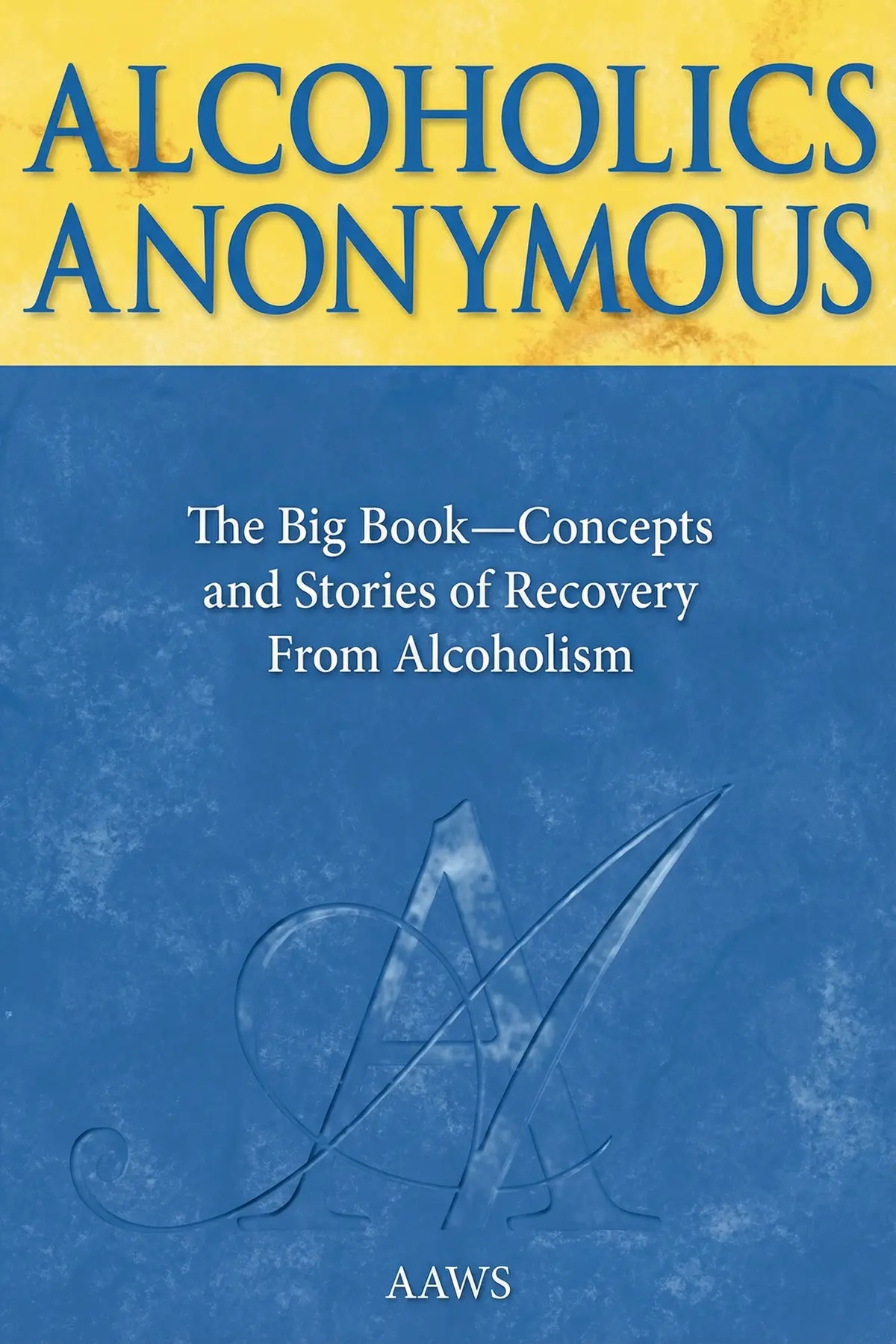
Alcoholics Anonymous World Services
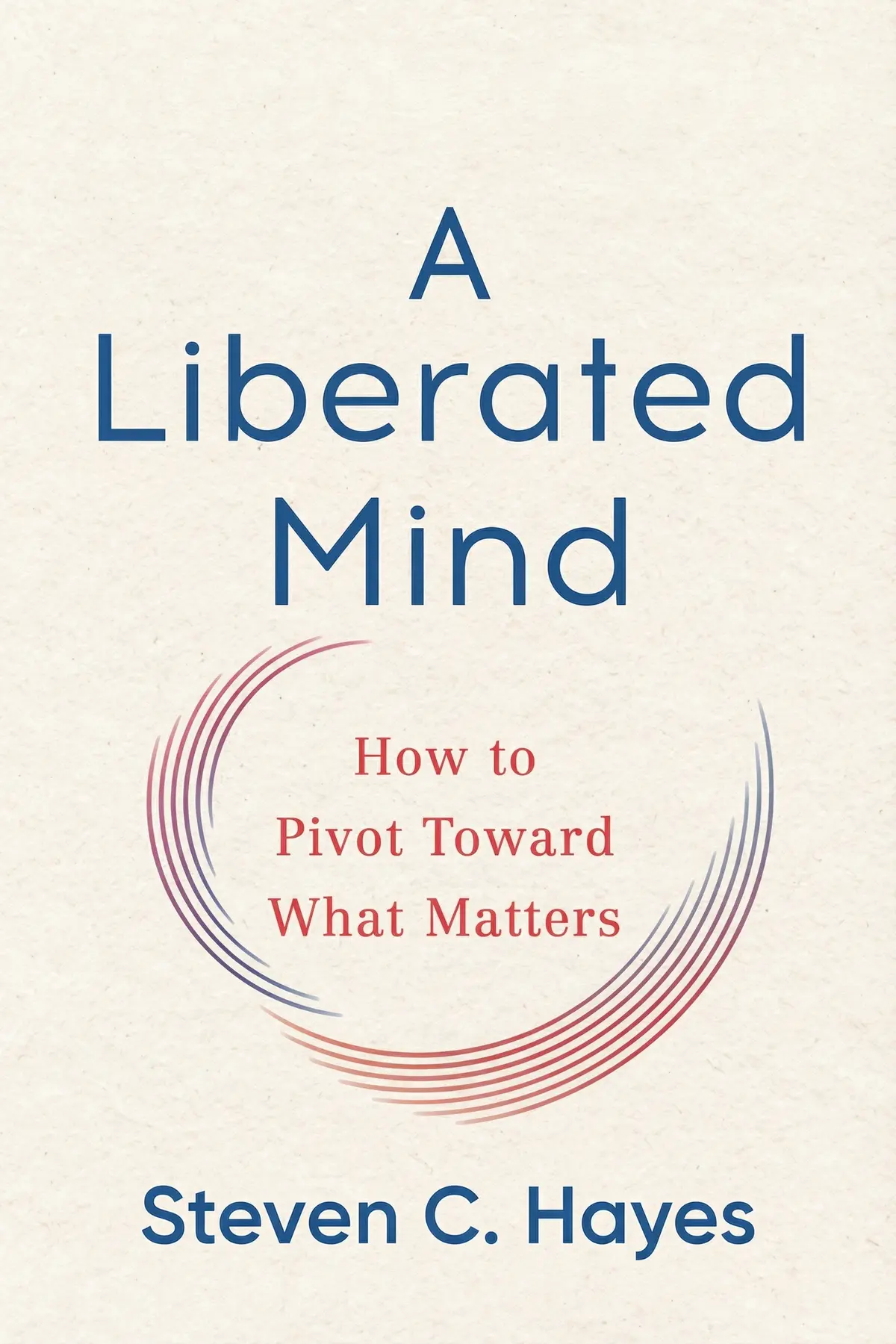
Steven C. Hayes
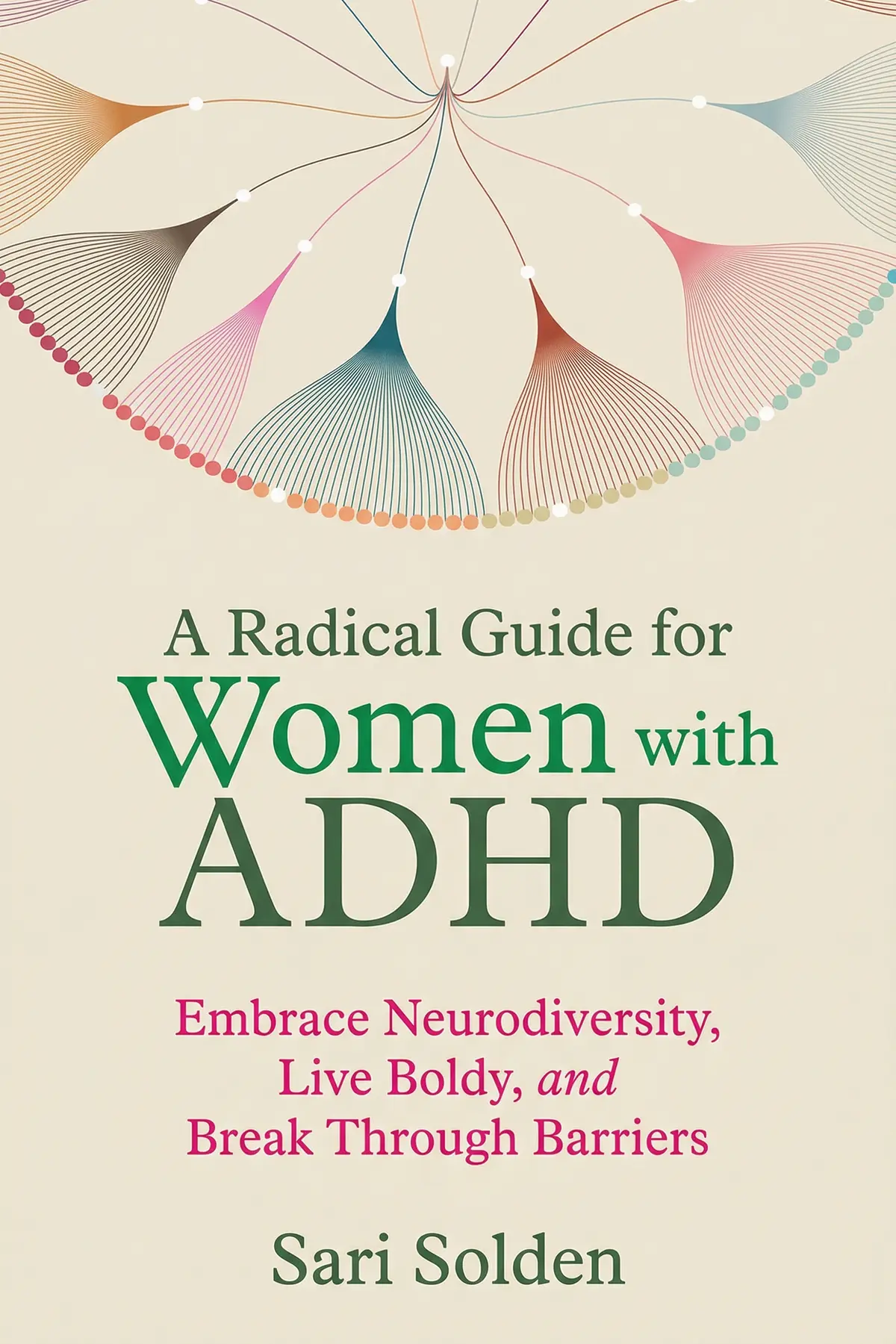
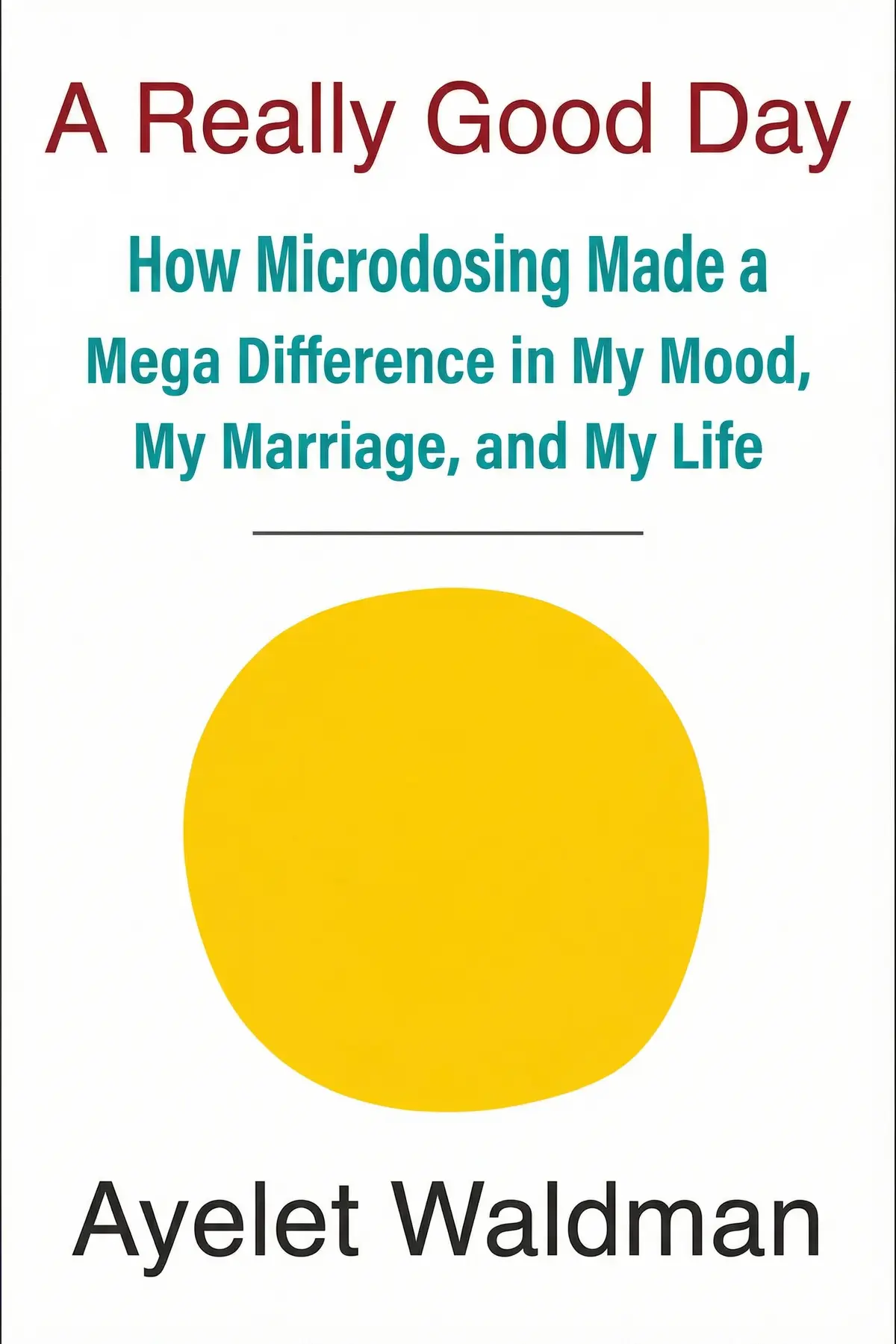
AUDIO SUMMARY AVAILABLE
Get the key ideas from Stress Resets by Jennifer L. Taitz, plus 5,000+ more titles in English and Thai.







