
23 min 37 sec
Subscribed: Why the Subscription Model Will Be Your Company’s Future – and What to Do About It
Subscribed explores the massive economic transition from selling individual products to offering continuous subscription services, providing a comprehensive roadmap for businesses to thrive in a customer-centric, digital-first marketplace.
Table of Content
1. Introduction
2 min 25 sec
Every few generations, the fundamental logic of commerce undergoes a seismic shift that renders the old ways of doing things obsolete. Think back to the dawn of the Industrial Revolution. Before that era, most goods were bespoke, created by individual craftsmen for local neighbors. Then came the division of labor and the assembly line—concepts championed by figures like Adam Smith and Henry Ford. Suddenly, the goal was mass production: creating as many identical units of a product as possible and pushing them out to a wide market. For over a century, this was the gold standard of success. If you could build a better widget and sell millions of them, you won.
But look around today. The world is changing again, and it’s happening right in your pocket. Think about how you watched your last movie, how you listened to your favorite album this morning, or even how you’re consuming this summary right now. You likely didn’t buy a plastic disc or a physical file; you accessed a service. This is the heart of the subscription revolution. We are moving away from a world of ‘things’ and into a world of ‘users.’
In the traditional model, a company would spend months designing a product, ship it to a retailer, and then hope someone bought it. Once the transaction was over, the relationship ended. The company had your money, and you had a piece of hardware that would eventually break or become outdated. Today, that model is being turned on its head. As Tien Tzuo, the architect of this movement, often observes, people don’t actually want the cow—they just want the milk. They want the utility, the joy, and the service, without the burden of maintenance or the finality of ownership.
This shift isn’t just for tech startups in Silicon Valley. It’s affecting how we move through our cities, how we feed our families, and how the world’s largest manufacturing giants operate. In this exploration of the subscription economy, we will walk through the landscape of this new world. We will see why the old Fortune 500 list is crumbling and what the survivors are doing differently. We’ll look at the tactical shifts required in every department of a company—from the way you count your money to the way you talk to your customers. By the end of this journey, you’ll see that the subscription model isn’t just a different way to bill customers; it’s a completely different way to exist as a business in the twenty-first century. Let’s dive in and see how the ‘as-a-service’ era is rewriting the rules of the global economy.
2. The Death of the Product-Centric Era
2 min 03 sec
Traditional business wisdom focused on selling units, but that logic is failing. Discover why most of the original Fortune 500 disappeared and how the survivors adapted.
3. The Transformation of Media and Retail
2 min 01 sec
Industries like music, video, and shopping were the first to feel the subscription shockwaves. See how these pioneers redefined value and captured massive markets.
4. Redefining Mobility and the News
1 min 56 sec
From the way we commute to how we consume information, the ‘as-a-service’ logic is dismantling traditional ownership and ad-based models.
5. Swallowing the Fish and the IoT Future
2 min 00 sec
Making the switch to subscriptions often involves a temporary financial dip. Learn about the ‘Fish’ curve and why the Internet of Things is the next frontier.
6. Innovation Through Agile Development
1 min 53 sec
In the subscription economy, a product is never truly finished. Explore how constant feedback and ‘beta’ mindsets lead to superior customer experiences.
7. The Four Ps of Subscription Marketing
1 min 56 sec
Marketing is no longer just about jingles and billboards. Learn how the classic ‘Four Ps’ are being reinvented for a world of recurring relationships.
8. A New Strategy for Sales and Growth
1 min 47 sec
Sales teams must move away from ‘closing deals’ and toward ‘opening relationships.’ Discover the strategies for long-term subscriber retention.
9. The Evolution of Financial Bookkeeping
1 min 44 sec
Standard accounting methods often make healthy subscription companies look like they’re failing. Learn a more accurate way to measure recurring revenue.
10. Building a Dynamic IT Infrastructure
1 min 48 sec
Old IT systems are too rigid for the constant changes of a subscription model. Explore the need for systems that can handle upgrades and usage in real-time.
11. The PADRE Framework for Transition
2 min 02 sec
How do you actually make the leap? Learn the PADRE system for organizing your business around the customer experience.
12. Conclusion
2 min 02 sec
As we look back at the landscape we’ve traveled through, one thing becomes strikingly clear: the subscription economy is not a passing trend. It is a fundamental realignment of how value is created and consumed in the modern world. The old ‘product-centric’ world, built on the foundations of the Industrial Revolution, was about the power of the factory. The new ‘subscriber-centric’ world is about the power of the relationship. We have seen how giants like Adobe and Amazon have leveraged this shift to build more resilient, data-driven, and customer-focused businesses. We’ve seen that whether you are in transport, media, or heavy manufacturing, the same rules apply: access is better than ownership, and service is better than a one-off sale.
Transitioning to this model requires courage. It requires ‘swallowing the fish’ and enduring temporary financial dips for the sake of long-term health. It requires a complete overhaul of how you market, how you sell, and even how you keep your books. But the rewards are massive. By focusing on Annual Recurring Revenue and building an agile, data-driven infrastructure, you create a business that is inherently more stable and more valuable. You move from guessing what your customers want to knowing exactly how they are using your service in real-time.
The most important takeaway is that this shift starts and ends with the customer. Every decision you make—from the way you design your software to the way you structure your sales team—must work backward from the customer’s needs. In the old days, the goal was to get the product out the door. In the subscription era, the goal is to keep the door open. If you can provide a service that continuously evolves, delivers real value, and treats the customer as a partner rather than a target, you won’t just be selling a subscription; you’ll be building the future of your company. The subscription revolution is here. The question is no longer whether you should join it, but how quickly you can adapt to thrive within it.
About this book
What is this book about?
The world is moving away from the era of ownership. Today, consumers are less interested in the physical objects they own and more interested in the outcomes those objects provide. This fundamental shift has birthed the subscription economy, where recurring relationships matter more than one-off transactions. Subscribed breaks down this revolution across every major sector—from software and retail to manufacturing and transport. In this summary, you will discover why traditional business models are failing to keep up with modern expectations and how companies like Adobe and Netflix have successfully reinvented themselves. The book offers a practical guide to the internal changes required to make this leap, covering shifts in marketing, sales, finance, and IT. By the end, you will understand how to build a business that prioritizes the long-term needs of the subscriber over the short-term goals of the factory line.
Book Information
About the Author
Tien Tzuo
Tien Tzuo is the cofounder and CEO of Zuora, a premier provider of cloud-based software solutions designed for companies transitioning to subscription-based models. He previously served as the chief marketing officer and chief strategist at Salesforce and hosts the global Subscribed conference. Gabe Weisert is the editor-in-chief of Subscribed and an experienced business writer.
Ratings & Reviews
Ratings at a glance
What people think
Listeners find the work filled with high-quality examples and citations, which makes it both deeply educational and simple to grasp. Beyond that, the title is suggested for anyone wanting to master the subscription business model, and one listener points out that it’s a necessary resource for SaaS organizations. They also enjoy the challenging insights provided, with one listener noting how it effectively widens their outlook on various subscription-based structures.
Top reviews
Samuel
As a veteran in the tech space, I found Tzuo’s perspective on the shift from products to services incredibly sharp. Having been an early employee at Salesforce, he has a front-row seat to how the subscription economy was built, and it shows in the depth of the case studies. The book moves beyond the obvious examples like Netflix and dives into how traditional manufacturing and retail can pivot to recurring revenue models. It’s less of a 'how-to' for pricing and more of a manifesto for a complete organizational culture shift. To be fair, some might find the praise for the model a bit one-sided, but the strategic frameworks for different departments are gold. If you’re building a SaaS company today, this isn't just helpful—it’s essential reading to understand why long-term relationships matter more than the initial sale.
Show moreWoramet
Forget everything you learned in those dry marketing textbooks. Subscribed offers a more practical education on modern business than a lot of high-priced seminars I've attended recently. I love the focus on building a community around a product where the customer becomes a participant rather than just a transaction. The authors do a great job explaining why middlemen are becoming obsolete in a direct-to-consumer world. It’s fascinating to see how even heavy industries are moving toward this 'membership' mindset. It's written in a very accessible way, so you don't need to be a CFO to get the main points. Just a heads up: it is definitely optimistic about the model, so you might want to pair it with some more skeptical readings on consumer rights. Overall, it's a must-read for any aspiring entrepreneur.
Show morePornthip
This book is a total game-changer for anyone stuck in the old 'sell a widget' mindset. Tzuo and Weisert explain that the subscription model isn't just a billing trick; it’s a fundamental transformation of how value is created. I loved the section on how Adobe successfully transitioned—it showed the real-world courage needed to cannibalize your own short-term profits for long-term survival. The writing is punchy and keeps you engaged throughout. I’ve recommended it to several colleagues already because it expands your thinking on what a 'product' even is. In my experience, the best business books are the ones that make you see the world differently, and this definitely did that. It’s an essential addition to any 2024 reading list for leadership teams looking to stay relevant.
Show moreAudrey
Is it just me, or could this have been a long-form article instead of a full book? While I appreciate the core concepts, the padding is definitely noticeable. The first half is basically a collection of success stories from companies like Adobe and Netflix that most business students already know by heart. However, the concept of the 'Subscription Economy' is vital for survival today. The writing often feels like a series of polished corporate reports, yet the section on how individual departments need to restructure was truly practical. Frankly, some parts felt like a long-form advertisement for Zuora. It’s a great primer if you’re totally new to the concept, but don’t expect a masterclass in strategy on every single page. The insights on organizational change alone make it worth the purchase.
Show moreGiulia
Wow, I never looked at my refrigerator or car that way before. This book really stretches your brain regarding the concept of 'outcomes over ownership.' Instead of just buying a piece of hardware, you’re buying a result, and that changes everything about how a business interacts with its customers. The insights on IoT were particularly eye-opening for me, showing how connected devices make these recurring relationships possible in industries we never would have expected. My only gripe is that it feels a bit repetitive in the middle chapters. Some of the case studies start to blend together after a while. Still, the core message is powerful: the old 'buy once and walk away' model is dying. If you want to understand where the global economy is heading, this is a fantastic starting point.
Show moreRatchanee
Finally got around to reading this while researching pricing structures for my startup. While I was hoping for more specific advice on actual price points, what I found instead was a comprehensive guide on organizational structure. The way the authors break down how Sales, Marketing, and Finance must evolve when switching to a subscription model is brilliant. It’s not just about the money coming in; it’s about how you measure success differently using metrics like churn and lifetime value. Truth is, the shift is harder than it looks, and this book highlights the pitfalls well. It’s packed with references that I’ve already started looking up for my own business plan. A solid four stars for the operational insights alone, even if the prose is a bit dry in the early chapters.
Show moreBam
Picked this up on a recommendation and wasn't disappointed. It’s a very informative look at the shift from a product-based economy to a service-based one. The examples are varied, ranging from Fender guitars to massive industrial companies, which helps prove that this isn't just for tech nerds. It's easy to understand and flows quickly, making it a good choice for a weekend read. Not gonna lie, some parts felt a little like a sales pitch for Tzuo’s company, but the underlying logic is hard to argue with. If you're wondering why every company from your car wash to your toothbrush brand is asking for a monthly fee, this book explains the 'why' perfectly. It's packed with great examples that make the complex concepts feel attainable.
Show morePrim
After hearing a lot of hype about the 'Subscription Economy,' I wanted to see if the book lived up to it. The breakdown of growth versus operating expenses in the second half was worth the price of admission alone. It provides a very deliberate way of looking at how to invest in a business once you have that predictable revenue stream. However, I do wish there was a bit more critical analysis of the 'greed' factor that some consumers feel. The authors are clearly cheerleaders for the model, which is fine, but it leaves some questions about long-term sustainability unanswered. To be fair, the frameworks provided are extremely useful for anyone in a management role. It’s a solid, well-researched piece of work that offers plenty of 'aha' moments for the observant reader.
Show moreJong
The authors make some bold claims, but I’m not sure they hold up across every industry. As someone who follows the gaming world closely, I found their examples a bit dated or misunderstood. They mention subscription models in gaming, but most of the industry has actually moved toward free-to-play with microtransactions, which is a different beast entirely. It felt like they were trying to force a 'one size fits all' narrative onto markets that are much more complex. Look, the general theory is sound—recurring revenue is great for stability—but they ignore the consumer pushback against things like software-as-a-service for simple tools. I think they underestimate how much people value actually owning their tools. It's a thought-provoking read, but take the 'inevitability' of it all with a grain of salt.
Show morePhu
Honestly, I struggled to get through this one. It felt like the authors took a simple concept—subscriptions—and tried to stretch it into 200 pages by repeating the same three points over and over. Half the book feels like a collection of anecdotes about Netflix and Spotify that we've all heard a thousand times before. It’s essentially the modern version of a book about 'catalog sales,' but with more buzzwords. I was looking for deep strategy, but instead, I got a lot of general speculation and what felt like rewritten corporate PR. There is very little critical thinking regarding whether this model is actually good for the end-user or just a way for companies to overcharge for the same product every month. Personally, I found it tedious and largely unoriginal. You’re better off reading a few long-form articles on the topic.
Show moreReaders also enjoyed
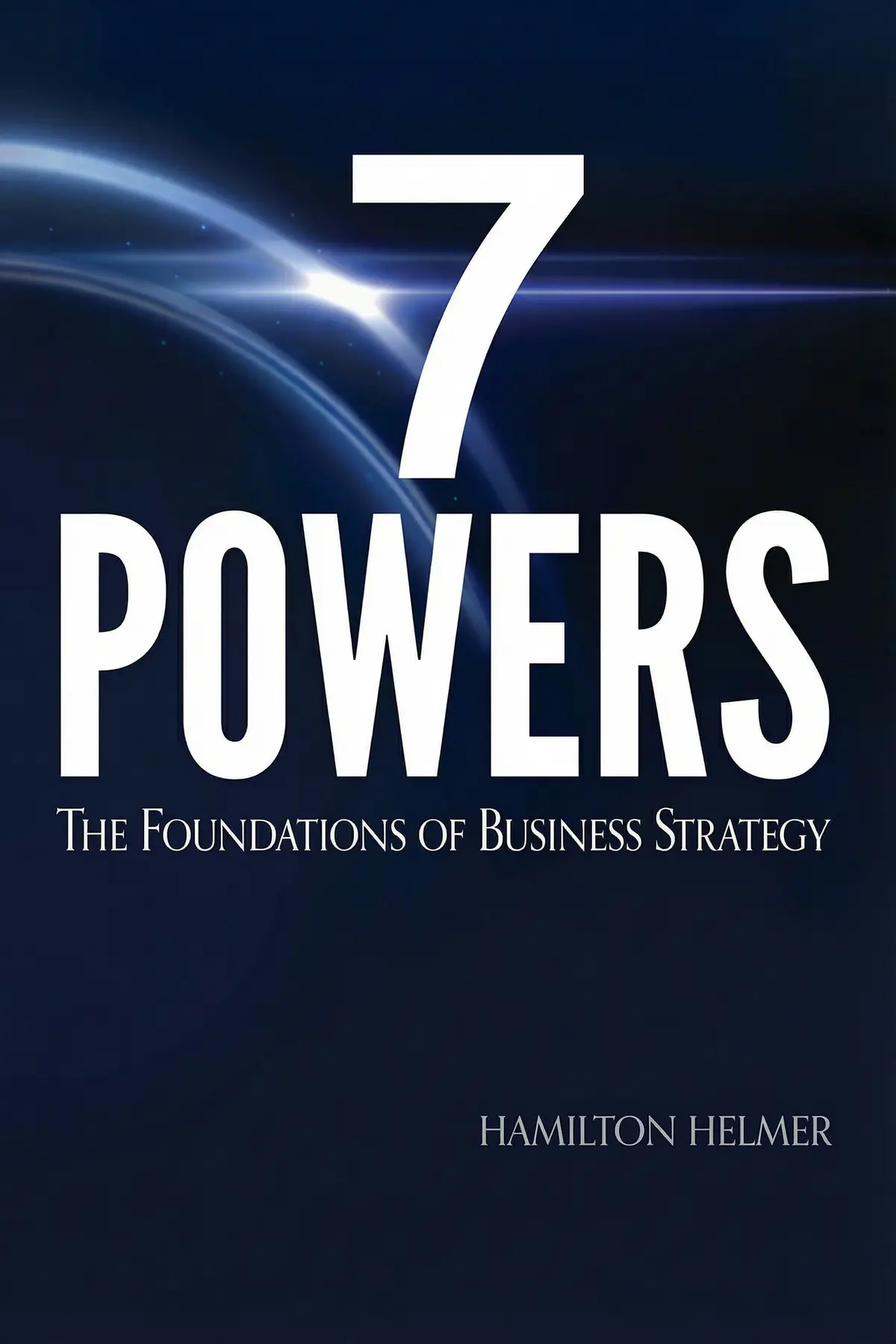
7 Powers: The Foundations of Business Strategy
Hamilton Helmer
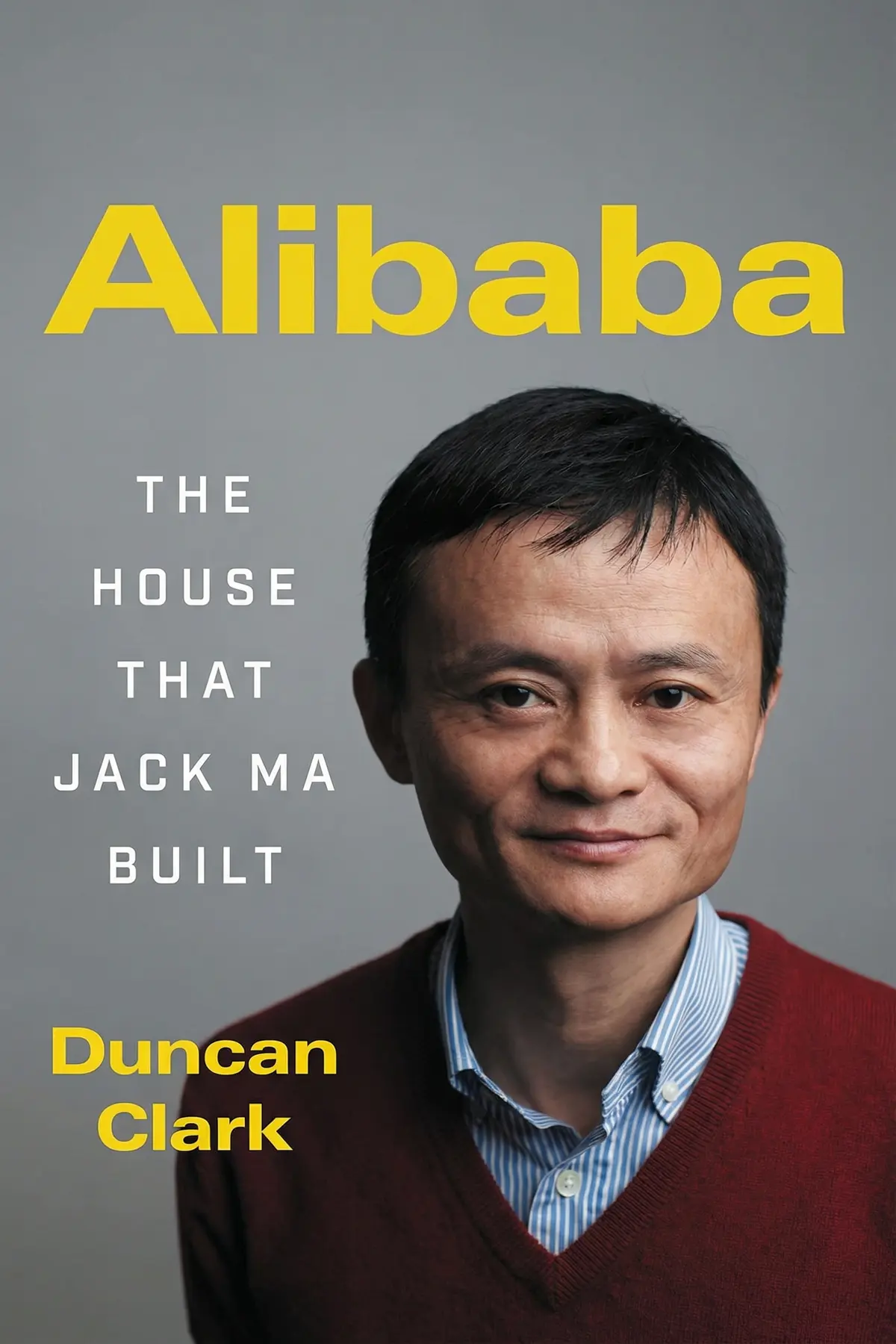
Alibaba: The House That Jack Ma Built
Duncan Clark
Bad Blood: Secrets and Lies in a Silicon Valley Startup
John Carreyrou
AUDIO SUMMARY AVAILABLE
Listen to Subscribed in 15 minutes
Get the key ideas from Subscribed by Tien Tzuo, plus 5,000+ more titles in English and Thai.
- 5,000+ titles
- Listen as much as you want
- 7-day free trial
- Cancel anytime







