
15 min 42 sec
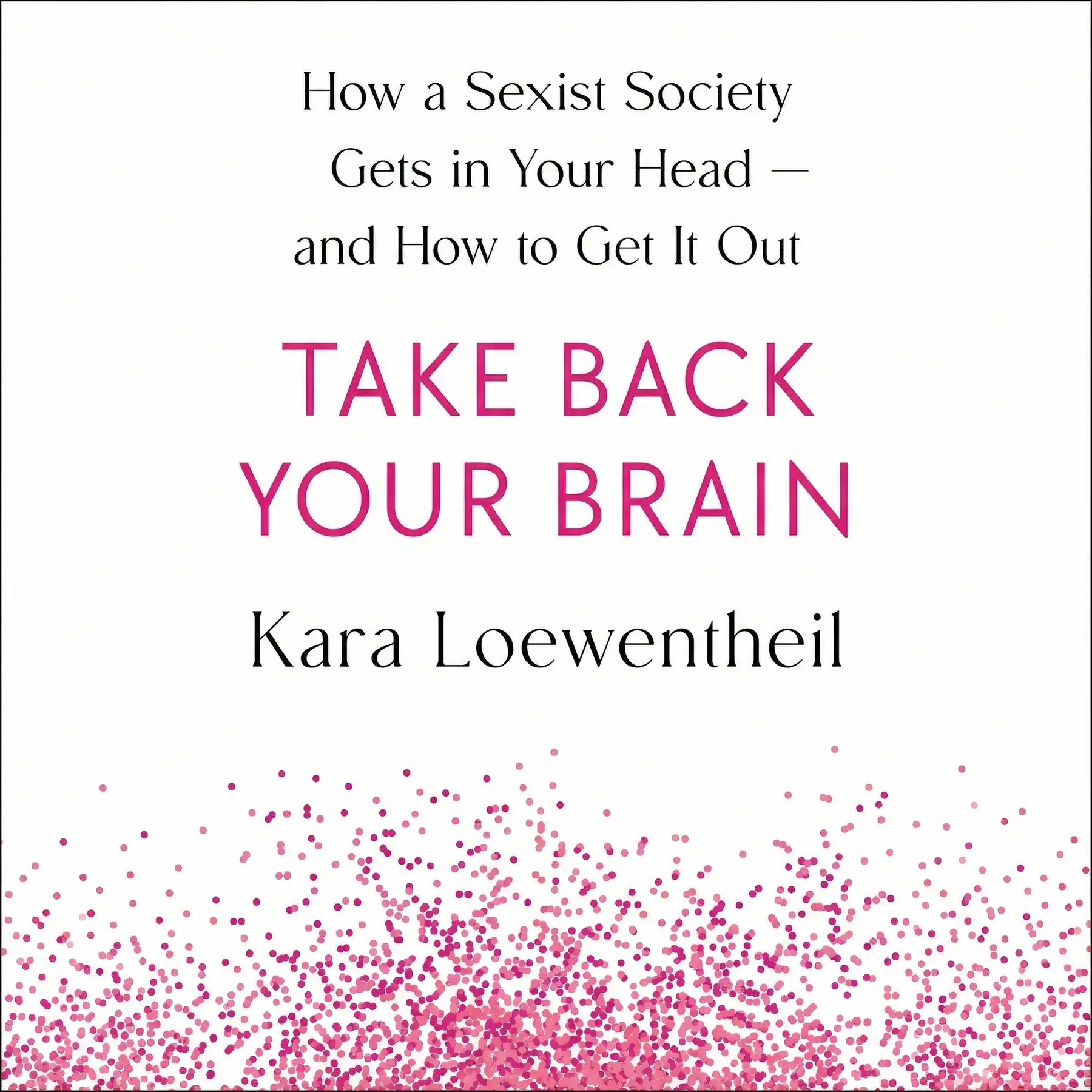
Take Back Your Brain: How a Sexist Society Gets in Your Head - and How to Get It Out
Discover how to dismantle internalized societal biases and reclaim mental agency. This guide provides cognitive tools to transform self-doubt into confidence by rewiring deep-seated thought patterns and emotional responses.
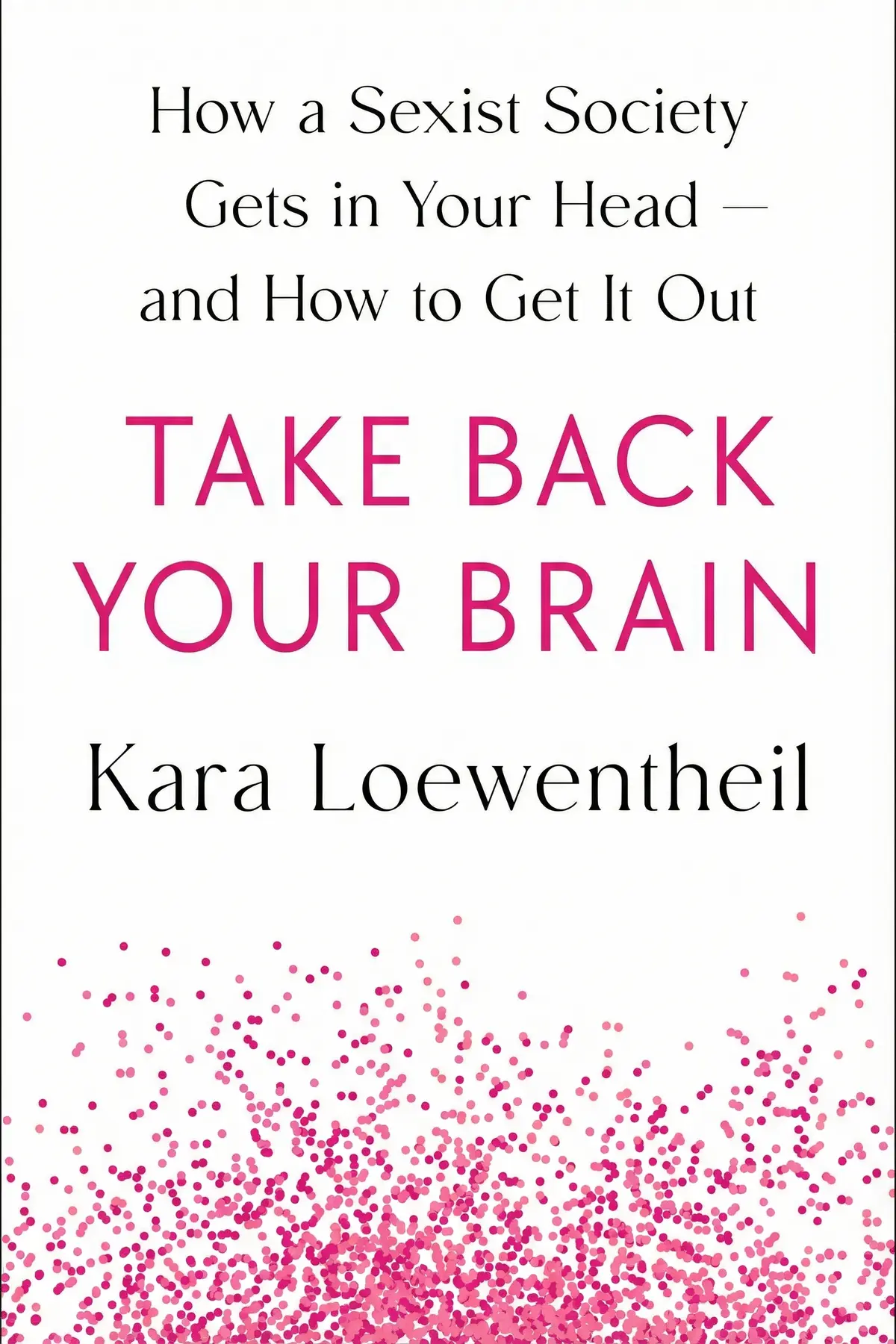
Table of Content
1. Introduction
1 min 59 sec
Have you ever felt like there is a subtle, persistent critic living inside your mind, one that seems to have a very specific set of rules for how you should act, speak, and even feel? For many people, particularly women, this inner critic isn’t just a random collection of insecurities. It is the result of years of cultural conditioning. We are all born with brains that are essentially blank slates, ready to absorb the language, rules, and expectations of the world around us. But when that world is steeped in patriarchal norms and systemic biases, our brains end up ‘downloading’ a software that often works against our own interests.
This internalized mindset creates what is known as a ‘brain gap.’ It’s the space between what you are actually capable of and what your brain tells you is possible. You might find yourself hesitating to speak up in a meeting, even though you have the best solution. You might find yourself apologizing for things that aren’t your fault, or feeling like you’re failing if you haven’t checked off specific life milestones by a certain age. These aren’t just personality quirks; they are the echoes of societal messages that we’ve mistaken for our own true thoughts.
In this journey, we are going to look at how to identify these patterns and, more importantly, how to change them. We will explore the mechanics of how thoughts drive our emotions and how those emotions dictate our actions. By understanding this cycle, you can start to dismantle the structures of internalized misogyny that have been holding you back. This isn’t about simply ‘thinking positive.’ It’s about a rigorous, compassionate process of cognitive reclamation. We are going to learn how to receive our emotions without being overwhelmed by them and how to build ‘thought ladders’ that allow us to climb out of deep-seated self-doubt. The goal is to move toward a state of radical mental agency, where you are no longer waiting for the world to give you permission to feel worthy. Instead, you will learn to generate that worth from within, rewriting your internal narrative to reflect the power and potential you’ve always possessed.
2. The Unseen Guest in Your Head
2 min 24 sec
Uncover why your inner critic often sounds like the voice of societal bias and learn how to separate your true identity from cultural conditioning.
3. Decoding the Thought-Feeling Cycle
2 min 39 sec
Explore the cognitive architecture that links your internal dialogue to your external results and discover the leverage point for change.
4. The 90-Second Rule for Emotional Resilience
2 min 28 sec
Learn how to process difficult emotions through somatic techniques rather than resisting them, transforming your relationship with discomfort.
5. The Strategy of the Thought Ladder
2 min 12 sec
Discover a practical, step-by-step method to bridge the gap between where you are and where you want to be mentally, without relying on toxic positivity.
6. Redefining Agency in an Imperfect World
2 min 26 sec
Learn to balance the reality of systemic obstacles with your personal power, ensuring that external barriers don’t become internal dead ends.
7. Conclusion
1 min 34 sec
As we conclude this exploration into the landscape of the mind, it is important to remember that the work of reclaiming your brain is an ongoing journey, not a final destination. You have learned that the voices of self-doubt and criticism often aren’t your own, but are the echoes of a culture that has taught you to stay small. By identifying the ‘brain gap’ and the cycles of thought and emotion that keep it open, you have gained the tools to start closing it.
From the 90-second rule for processing emotions to the gradual climb of the thought ladder, these techniques are meant to be practiced in the messy reality of everyday life. The transformation happens in the small moments: the second you choose to be compassionate toward a mistake, the minute you decide to sit with a difficult feeling instead of numbing it, and the hour you spend challenging a belief you’ve held for decades.
Ultimately, the promise here is one of radical agency. You do not have to wait for the world to become perfectly fair before you start feeling powerful. You do not have to wait for someone else to tell you that you are enough. By mastering your internal dialogue, you are dismantling the most persistent form of control—the control over your own self-perception. As you move forward, carry with you the knowledge that your thoughts are the architects of your experience. Choose them with care, treat yourself with curiosity and compassion, and continue to step into the version of yourself that is no longer held back by the invisible barriers of the past. Your mind is your most sacred space; it is time you fully moved back in and made it your own.
About this book
What is this book about?
This exploration of cognitive management examines the profound impact of societal conditioning on the female psyche. It addresses how internalized patriarchal norms create a 'brain gap'—a discrepancy between a person’s true potential and their self-perception. By identifying how the brain absorbs and repeats harmful cultural narratives, the text offers a roadmap for psychological liberation. The promise of this work is a structured method for mental reclamation. It teaches readers to distinguish between objective reality and the 'Voice' of internalized misogyny. Through techniques like the thought ladder and somatic emotional processing, individuals can move from passive survival to active agency. It provides a bridge from self-criticism to self-compassion, helping people build a sense of worth that is independent of external validation or societal milestones.
Book Information
About the Author
Kara Loewentheil
Kara Loewentheil is a life coach and former attorney who specializes in helping women overcome self-doubt and internalized patriarchal beliefs. She is known for her work on cognitive thought management and feminist empowerment, hosting the popular podcast Unf*ck Your Brain and authoring content aimed at helping women reclaim their confidence and power in various aspects of life.
Ratings & Reviews
Ratings at a glance
What people think
Listeners find the book remarkably empowering and beautifully researched, with one listener observing how it leads people on a life-changing path of self-discovery. Additionally, they value its useful guidance, as one listener points out the systematic methods for working with the brain. The work also earns praise for being easy to read, especially as a vital resource for women, and for offering practical steps, with one review specifically noting its exercises for unraveling toxic narratives. Listeners also appreciate the storytelling quality and consider the book a highly worthwhile investment.
Top reviews
Ella
Finally got around to reading this after being a long-time listener of Kara’s podcast, and it didn’t disappoint. The systematic methods she provides for dissecting our social conditioning are incredibly effective. Truth is, I thought I already understood my own self-doubt, but the 'thought ladder' technique gave me a practical way to actually climb out of it. She moves beyond just 'thinking positive'—which we all know doesn't work—and instead focuses on believing thoughts that are actually believable to your brain. This book is a beautifully researched guide for anyone ready to stop being their own harshest critic. The exercises at the end of each chapter turn the theoretical feminist theory into actionable daily habits. It’s an invaluable investment in your own mental autonomy.
Show moreJin
Wow, this was a revelation for my mental health journey. The way Kara describes naming your emotions to an alien helped me detach from the spiral of anxiety that usually takes over my day. I've always struggled with feeling like my worth was conditional based on my productivity. This book gave me permission to see that those narratives were just 'brain gaps' created by society. Not gonna lie, the 90-second rule for letting an emotion pass was a game-changer for me. It’s a necessary read for women who feel like they are constantly failing at an impossible game. The writing is empowering and helps you realize you are actually safe, even when your brain says otherwise.
Show moreCharles
Ever wonder why your brain treats a standard work deadline like a literal tiger attack? This book explains the biological and social reasons for that constant state of high alert. Kara’s approach to 'receiving' emotions changed how I handle my work stress. I used to just numb out with social media, but now I can sit with the feeling for 90 seconds and let it pass. It’s a systematic method that actually works because it doesn't ask you to lie to yourself with fake positivity. The chapter on the 'Brain Gap' was particularly eye-opening for me as a woman in a male-dominated field. I feel much more equipped to take charge of my career now.
Show moreApichat
The chapter on time management was a total game-changer for me. As a mother, I’ve been socialized to believe that my value is tied to how much I sacrifice for others, leaving me with zero time for myself. This book helped me see that 'busyness' is often a trauma response to the patriarchal expectation of perfection. Personally, I found the exercises at the end of the chapters to be the most valuable part. They aren't just fluff; they are actionable steps for reclaiming your mind. If you feel like you're drowning in 'shoulds,' please read this. It’s an invaluable investment in your sanity and your future.
Show moreAir
After hearing so much buzz about this, I’m glad to say the hype is real. This is a must-read for anyone who feels like their own brain is their worst enemy. The way Kara weaves together feminist theory and practical coaching tools is brilliant. It’s not just about feeling better; it’s about understanding why we feel bad in the first place. I loved the focus on the fact that what you think isn't necessarily the truth. That realization alone has lightened my mental load significantly. Whether you’re a fan of the podcast or a total newcomer, this book offers a clear path toward self-discovery and genuine confidence.
Show moreHana
The concept of the 'validation vending machine' really hit home for me during this read. Loewentheil explains how we've been socialized to seek external approval for our self-worth, and it’s a total eye-opener. To be fair, if you’ve followed her work for years, you might find some of the material redundant compared to the podcast. However, having it all laid out in a cohesive, narrative quality makes a huge difference. I appreciated the specific chapters on money and time management, which are areas where women often struggle with deep-seated guilt. While she is a bit self-promotional regarding her coaching business at times, the core message about reclaiming your autonomy from patriarchal standards is too important to ignore.
Show moreSuthinee
This book provides a much-needed reality check regarding how women perceive their own performance compared to men. I’ve read a lot of self-help, but this feels different because it acknowledges the 'patriarchy in your head.' In my experience, most books ignore the social context of our thoughts, but Loewentheil puts it front and center. I did find the tone a bit repetitive in the middle sections, and her privilege shows through occasionally. Still, the practical advice on how to stop the cycle of 'reacting' to stress through online shopping or numbing out is solid. It’s a transformative journey if you’re willing to do the uncomfortable journal work she suggests. Definitely worth a spot on your shelf.
Show moreTalia
Kara Loewentheil has a way of making complex psychological concepts feel approachable and even fun. I particularly liked the sections on how we try to 'control' others to make ourselves feel better—guilty as charged! The 'vending machine' metaphor is something I’ll be thinking about for a long time. My only gripe is that the book could have been about 50 pages shorter without losing any impact. Some of the autobiographical stories felt a little self-indulgent, though they did help illustrate her points. Overall, it’s a powerful tool for anyone looking to unravel toxic narratives. It’s an empowering read that encourages you to question every ingrained sexist structure you’ve ever accepted.
Show moreYongyut
To be fair, I went into this with high hopes as a fan of feminist literature, but the CBT-heavy approach felt a bit limiting to me. While I appreciate the attempt to marry psychological tools with social critique, I felt the book lacked enough focus on institutional accountability. Frankly, it’s hard to just 'think better thoughts' when the external structures are genuinely oppressive. I did find the sections on internalized misogyny quite insightful, and the 'receive versus resist' strategy for handling emotions is a great tool. But overall, it felt a little too much like a life coach's manual and not enough like a structural revolution. It’s a decent starting point for personal growth, but don’t expect it to address the systemic issues we face daily.
Show moreMarasri
Look, I struggled to finish this because it felt like a long-form marketing brochure for a coaching business. I honestly expected a deeper dive into intersectional theory given the marketing. Instead, the focus is largely on white, middle-class concerns and how to 'think your way' out of oppression. For women facing real material hardship, telling them to just adjust their 'thought ladder' feels a bit dismissive. The science on affirmations and CBT can be a bit weak when you’re dealing with structural violence. While there are a few nuggets of wisdom about self-acceptance, the overall vibe was too rooted in capitalist standards of 'success.' If you want a real feminist critique, I’d suggest looking elsewhere.
Show moreReaders also enjoyed

59 Seconds: Change Your Life in Under a Minute
Richard Wiseman


A Guide to the Good Life: The Ancient Art of Stoic Joy
William B. Irvine
A High-Performing Mind: Strengthen Your Mind and Live Your Best Life
Andrew D. Thompson
AUDIO SUMMARY AVAILABLE
Listen to Take Back Your Brain in 15 minutes
Get the key ideas from Take Back Your Brain by Kara Loewentheil, plus 5,000+ more titles in English and Thai.
- 5,000+ titles
- Listen as much as you want
- 7-day free trial
- Cancel anytime







