

Abundance: The Inner Path to Wealth
Deepak Chopra
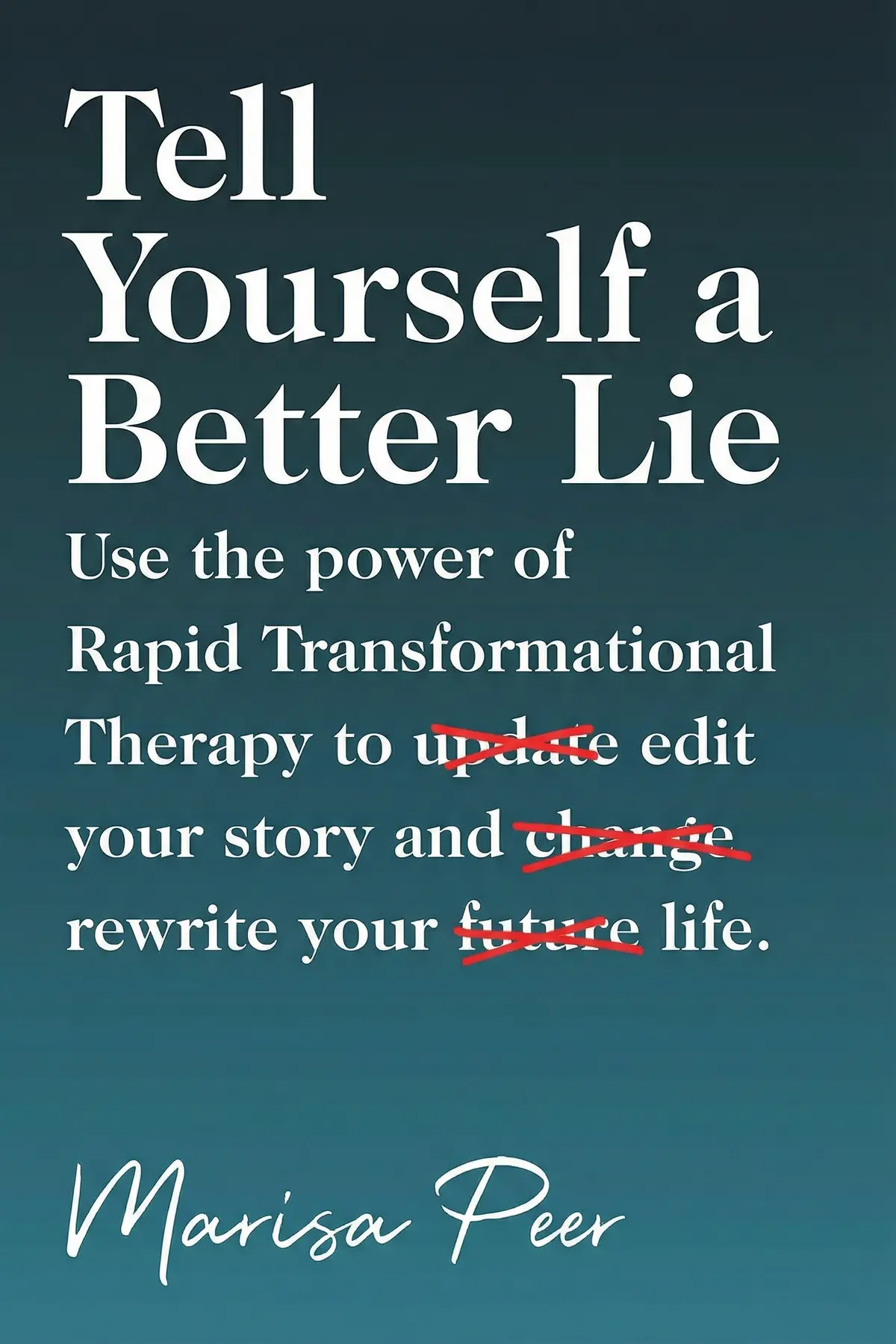
Discover the transformative power of rewriting your inner narrative. This guide explores how Rapid Transformational Therapy uncovers subconscious childhood wounds and replaces limiting beliefs with empowering truths to foster lasting personal growth.
1 min 51 sec
Every single one of us is living inside a story. From the moment you wake up to the second you close your eyes at night, there is a voice in your head narrating your experiences, judging your performance, and predicting your future. But here is the startling truth: that narrative isn’t necessarily factual. In many cases, it is a collection of ‘lies’—distorted beliefs and misunderstandings that we picked up when we were far too young to know any better. These stories aren’t just background noise; they are the invisible architects of our reality, shaping our relationships, our career paths, and our very sense of self-worth. If you tell yourself you are ‘unworthy’ or ‘incapable,’ your mind will work tirelessly to make that narrative come true.
In this exploration of Marisa Peer’s work, we are going to look at how we can stop being victims of these outdated scripts and start becoming their authors. The central theme of this journey is that we can choose to tell ourselves a better, more empowering lie—or, more accurately, a more profound truth. By using the principles of Rapid Transformational Therapy, or RTT, we can dive beneath the surface of our conscious thoughts and speak directly to the subconscious mind. This isn’t about simply thinking positive thoughts; it’s about a deep, structural renovation of our internal world. We’ll see how RTT uses tools like hypnosis and reframing to find the ‘why’ behind our most difficult behaviors. Through the stories of real people who have overcome everything from debilitating phobias to lifelong addictions, we will learn that no matter how long a negative story has been running your life, you have the power to change the ending. This throughline—that our past interpretations do not have to be our current reality—will guide us through every lesson to come.
1 min 55 sec
Explore why your mind creates obstacles that seem to work against you, and learn how even the most self-destructive habits are actually misguided attempts at protection.
2 min 00 sec
Follow the journey of overcoming OCD by tracing the roots of repetitive behaviors back to childhood instability and the deep human need for security.
2 min 00 sec
Discover how addiction often serves as a temporary shield against the crushing weight of feeling unlovable and how to heal those foundational wounds.
2 min 03 sec
Learn how persistent feelings of sadness can sometimes be a mask for unresolved anger and a lifelong quest for external validation.
1 min 51 sec
Examine the link between perfectionism and depression, and how the pressure to be ‘good’ can lead to a profound sense of internal disconnection.
1 min 45 sec
Understand the emotional landscape of eating disorders and how food is often used as a way to reclaim control in an unpredictable world.
1 min 49 sec
Discover how seemingly irrational fears, like a phobia of needles, can be traced back to early childhood guilt and the mind’s desire to ‘check out’.
1 min 56 sec
Learn the essential practice of self-parenting to provide the unconditional love and security you may have missed during your formative years.
1 min 38 sec
As we reach the end of this journey through the landscapes of the mind, the message is clear: the stories we tell ourselves are not just thoughts; they are the blueprints for our lives. We have seen how deep-seated beliefs—the ‘lies’ we inherited from childhood trauma, neglect, or misunderstanding—can manifest as addiction, depression, anxiety, and phobias. But we have also seen that these patterns are not permanent. By using the tools of Rapid Transformational Therapy, we can uncover the role and purpose of our behaviors and replace them with narratives that actually serve our well-being.
The throughline of every successful transformation we’ve discussed is the power of reframing. Whether it’s seeing a disorder as a misguided protector or recognizing that a parent’s lack of love was never about your worth, the act of choosing a ‘better lie’—a more empowering interpretation—is the key to freedom. You are not defined by what happened to you; you are defined by the story you choose to tell about it today.
Moving forward, the most actionable step you can take is to become your own most supportive advocate. Start listening to your internal narrator with a critical but kind ear. When you hear an old, limiting belief pop up, ask yourself: ‘Is this true, or is this just an old story I was told?’ Take the responsibility to parent yourself, to offer yourself the unconditional acceptance you’ve been searching for, and to remind yourself every single day that you are enough. When you change your story, you truly do change your world. Thank you for listening, and may your new narrative be one of confidence, peace, and purpose.
Have you ever wondered why certain negative patterns seem to repeat in your life, no matter how hard you try to change them? The answer often lies in the stories we tell ourselves—narratives constructed in childhood to make sense of the world. Tell Yourself a Better Lie explores the profound impact of these internal scripts and introduces Rapid Transformational Therapy as a tool for change. Through a series of compelling case studies, this exploration reveals that our most challenging behaviors—ranging from OCD and addiction to depression and phobias—are often misguided attempts by our subconscious to protect us. By identifying the origin of these stories and understanding their original purpose, we can begin to reframe our past. The promise is a life of greater freedom and self-acceptance. You will learn how to confront buried emotions, challenge the 'lies' you inherited from difficult experiences, and ultimately become the supportive, loving presence you needed when you were younger. This is a journey into the mechanics of the mind, showing that you have the authority to edit your history and design a more fulfilling future.
Marisa Peer is a highly acclaimed therapist, motivational speaker, and the pioneer of Rapid Transformational Therapy (RTT). Her innovative approach integrates elements of hypnotherapy, psychotherapy, and neurolinguistic programming to achieve profound results. With a career spanning more than thirty years, she has assisted a diverse range of clients, including high-profile celebrities and corporate leaders, in resolving deep-rooted psychological challenges. She is also recognized as the author of best-selling titles such as I Am Enough and Ultimate Confidence.
Listeners find the material very educational, with one listener noting the inclusion of scientific psychology research, and they value the functional tools and straightforward concepts. Furthermore, the book offers deep perspective on Rapid Transformational Therapy and assists in personal growth, as one listener points out that it addresses how to alter long-standing thoughts and habits. Additionally, listeners appreciate the touching narratives, with one listener mentioning the inclusion of personal stories about early childhood trauma, and they regard it as a simple-to-read, high-quality self-improvement system.
This book completely shifted my perspective on how I talk to myself. Marisa Peer makes a compelling case for Rapid Transformational Therapy by showing how we can rewrite the scripts of our childhood traumas. While some critics argue that 'telling a better lie' is deceptive, I found it to be a powerful way to override the destructive narratives that held me back for decades. The case studies, particularly the ones dealing with parental rejection, were incredibly moving and felt very authentic to the human experience. It isn't just a dry psychology text; it’s a manual for emotional survival that provides actionable steps for anyone stuck in a cycle of self-doubt. Frankly, I think we all carry around old versions of ourselves that need an update, and this system offers a clear path to that evolution. It’s easy to follow, deeply empathetic, and filled with the kind of insights that make you stop and highlight every other page.
Show moreFinally got around to reading this, and I’m genuinely impressed by the practical nature of the tools provided. Most psychology books spend three hundred pages explaining the problem without ever giving you a solution, but this one is different. Peer focuses on the 'how' of changing old patterns and thoughts, which is exactly what I needed to hear right now. The stories of her former clients are both heartwarming and relatable, serving as a mirror for our own inner struggles with worthiness. I found the section on 'installing a cheerleader' to be particularly effective for my daily anxiety. Not gonna lie, I was skeptical about the hypnosis aspect at first, but the theory behind revisiting childhood scenes to update your adult narrative makes perfect sense. It’s a life-changing read for anyone ready to stop being their own worst enemy.
Show moreWow, this was exactly what I needed to break through a long-term mental block. The simplicity of the writing is its greatest strength, making deep psychological work feel accessible and manageable. I was moved to tears by some of the personal accounts of childhood traumas, as they resonated so deeply with my own experiences. The book doesn't just ask you to think differently; it gives you the specific language to use when your brain starts spiraling into negativity. Marisa’s voice is powerful and reassuring, acting as the guide many of us never had growing up. Personally, the most valuable part was learning how to address the underlying feelings that drive my behavior rather than just trying to argue with the facts. It’s an excellent self-help system that I will be recommending to all my friends who are struggling with self-esteem.
Show moreThe chapter on childhood scripts was a total eye-opener for me. It’s amazing how much of our current stress is just an echo of things we heard when we were five years old. Marisa Peer provides such a clear, easy-to-follow framework for identifying these old patterns and replacing them with something that actually serves us. I found the book to be incredibly heartwarming, especially the way she treats her clients with such respect and empathy. The practical tools included are easy to implement immediately, which I appreciate as someone with a busy schedule. Gotta say, the results speak for themselves if you actually do the work she suggests. This isn't just a book to read; it's a book to experience and use as a catalyst for real, lasting change in your life.
Show moreAfter hearing Peer speak in an interview, I was curious if her writing would carry the same weight. The book is remarkably easy to read and simplifies complex psychological concepts into something anyone can use at home. I appreciated the specific focus on why we hold onto self-sabotaging behaviors even when we know they are hurting us. To be fair, the structure can get a bit repetitive as she moves through different client sessions, and the marketing for her specific 'RTT' method is a bit heavy-handed at times. However, the core message about addressing feelings rather than just facts is a game-changer for those of us who have tried traditional talk therapy without much success. It’s a solid resource for anyone looking to understand the 'why' behind their decisions and transform their internal dialogue.
Show moreEver wonder why you keep making the same mistakes even though you know better? This book dives deep into the subconscious mind to answer that exact question. Marisa Peer explains her Rapid Transformational Therapy method through a series of diverse case studies that highlight everything from career blocks to relationship issues. Truth is, the middle section drags a little because the format of each chapter is nearly identical, which might bore some readers. But if you can look past the repetition, the actual advice for reframing your internal monologue is gold. I liked the idea that our destructive habits actually serve a purpose, even if that purpose is outdated. By understanding the 'why,' it becomes much easier to let go of the 'what.' It’s an insightful guide for those who want to transform their lives without years of traditional therapy.
Show morePicked this up on a whim and found it to be a very enlightening look at the power of the subconscious. Peer weaves together her years of experience to create a narrative that feels both scientific and deeply personal. While some might find her tone a bit self-centered, there is no denying that the results she describes are impressive. The focus on RTT provides a structured way to look at our pasts and decide which stories are worth keeping and which need to be rewritten. In my experience, the exercises at the end of the chapters are where the real value lies, providing concrete steps to apply the theory. My only real complaint is that it feels a bit like a lead magnet for her more expensive training programs. Regardless, the insights into how our childhood experiences shape our adult realities are worth the price of admission.
Show moreDirect and to the point, this book cuts through the noise of typical self-help jargon. It offers a refreshing perspective on how we can use our own minds to heal from past wounds. The focus on 'telling a better lie' is a clever way to describe the process of cognitive restructuring, even if it sounds a bit unconventional at first. I appreciated the great insight into how RTT works and how it differs from traditional talk therapy. Though the author can sometimes sound a bit like she's selling herself, the actual content is genuinely helpful for understanding self-sabotage. It's an excellent guide for anyone who feels stuck and is looking for a way to transform their life through better mental habits. Truly a valuable addition to my shelf that I'll likely return to when I need a mindset shift.
Show moreAs someone with a background in traditional counseling, I had a hard time with some of the claims made here. Peer is obviously a talented communicator, but the way she dismisses other evidence-based practices like CBT feels a bit arrogant. The concept of 'telling yourself a better lie' is interesting, but I worry it ignores the importance of processing the actual truth of one's history. Look, the case studies are engaging and give you a peek behind the curtain of her sessions, but they follow a very predictable pattern that starts to feel like a sales pitch for her courses. Some of the affirmations are helpful, yet they aren't necessarily groundbreaking if you’ve read much self-help before. It's a decent read if you want a basic introduction to her hypnotherapy-adjacent style, but take the scientific claims with a grain of salt.
Show moreNot what I expected, as I thought this would be more of a traditional self-help book rather than a series of case studies. Each chapter follows a client's journey through hypnosis, which can feel a bit repetitive if you read it all in one sitting. To be fair, there are some decent affirmations sprinkled throughout that can be used for daily motivation. However, I found myself skipping through the parts that didn't directly apply to my own life or interests. The 'better lie' philosophy is a bit controversial and might not sit well with everyone, especially those who value objective truth above all else. It's an okay read if you're specifically interested in hypnotherapy, but it lacks the depth I was hoping for in a psychology book. I’d suggest just reading the last two chapters if you want the summary of the method without the fluff.
Show moreDeepak Chopra
Alcoholics Anonymous World Services
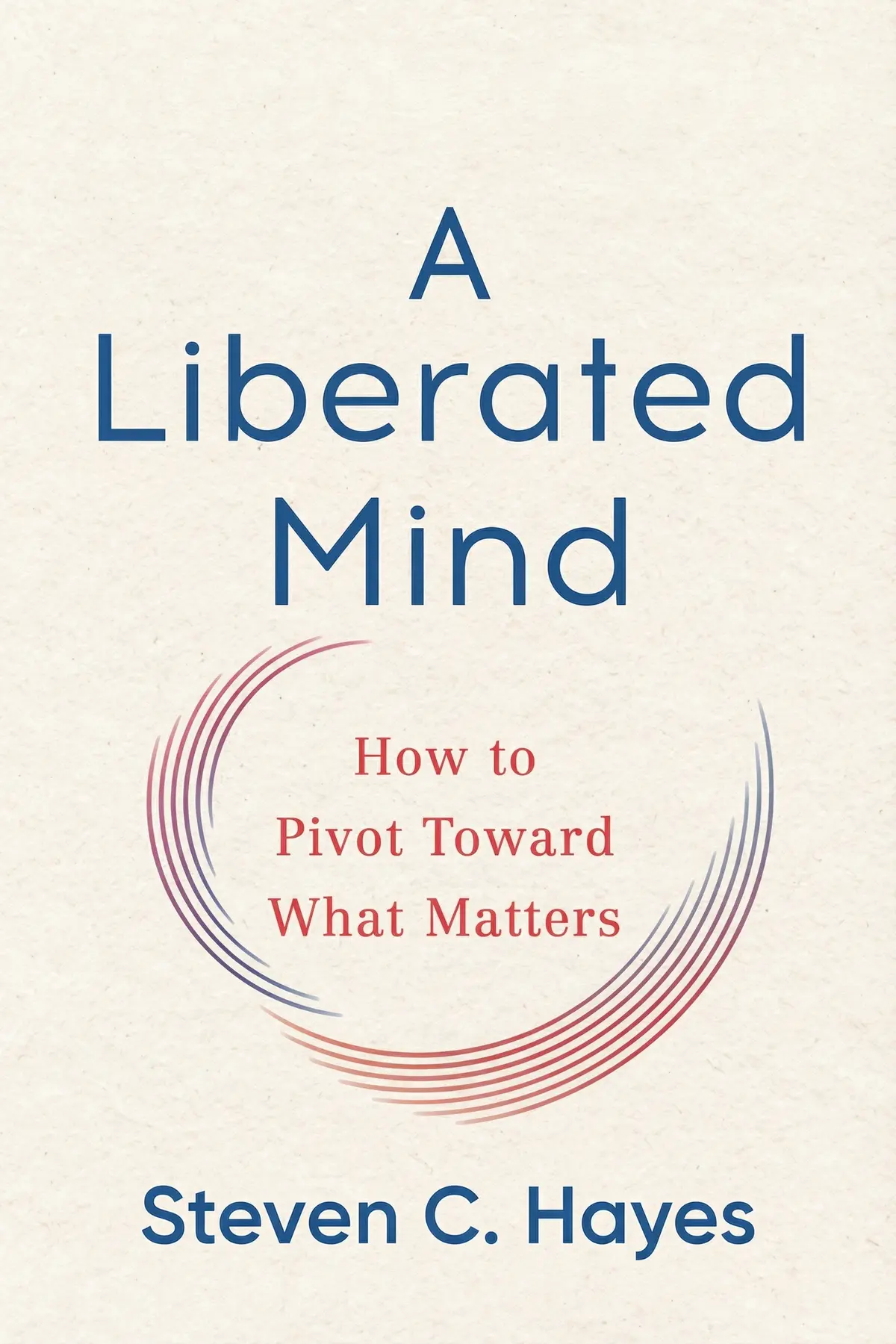
Steven C. Hayes

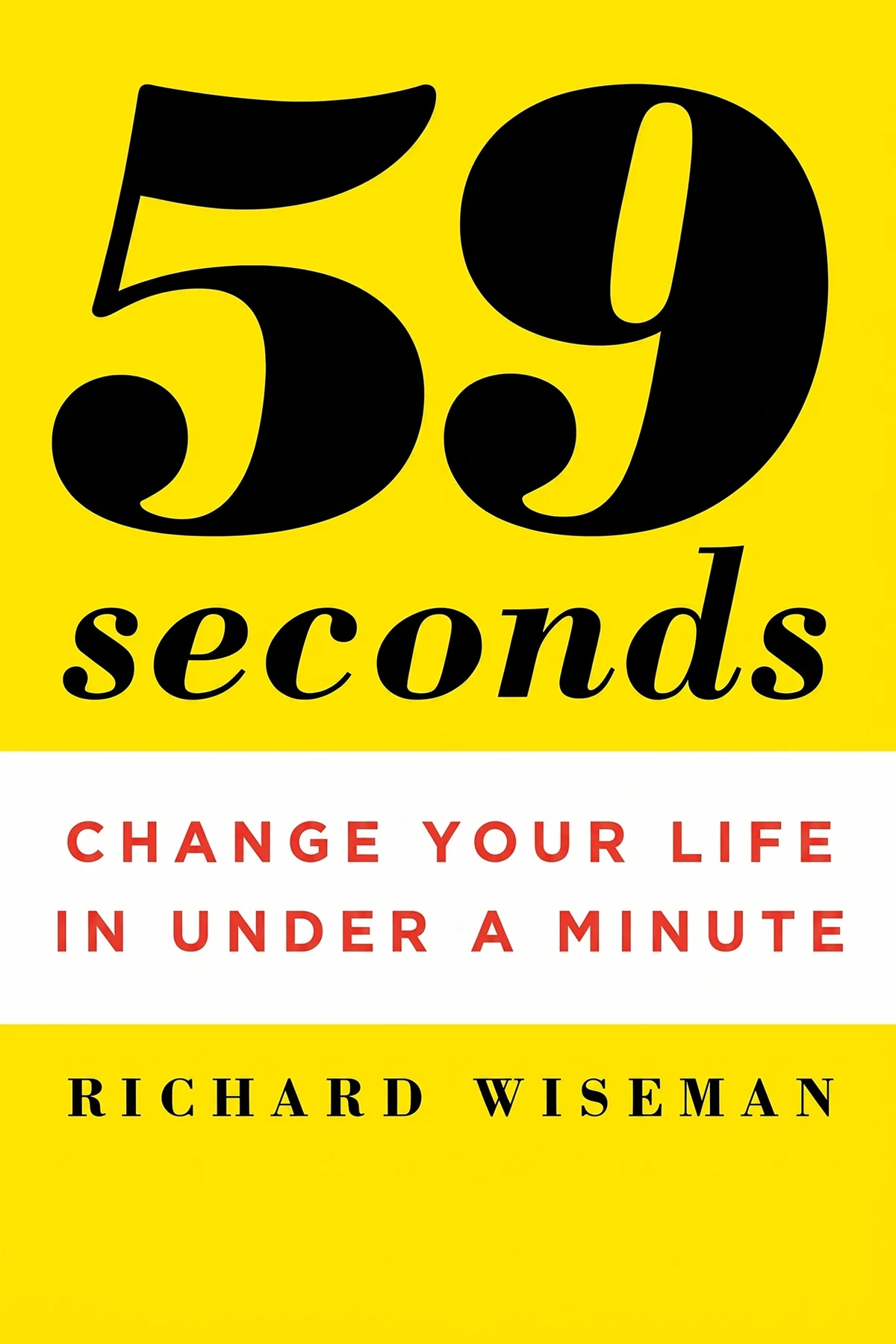
Richard Wiseman
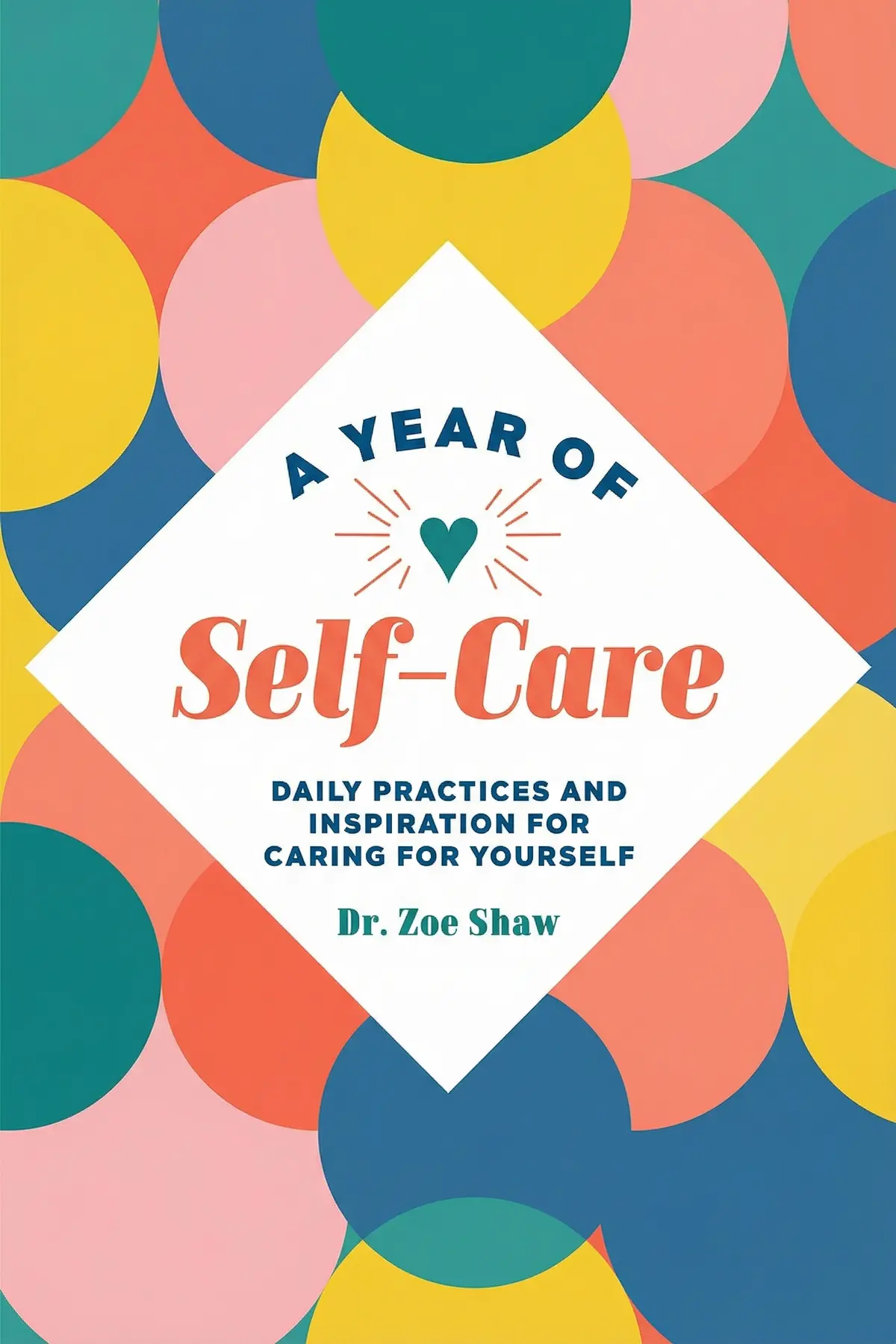
AUDIO SUMMARY AVAILABLE
Get the key ideas from Tell Yourself a Better Lie by Marisa Peer, plus 5,000+ more titles in English and Thai.







