

17 min 28 sec
The 5 Types of Wealth: A Transformative Guide to Design Your Dream Life
By Sahil Bloom
Discover why true success requires more than just a large bank account. This guide explores the five essential forms of wealth—time, social, mental, physical, and financial—to help you design a balanced, meaningful life.
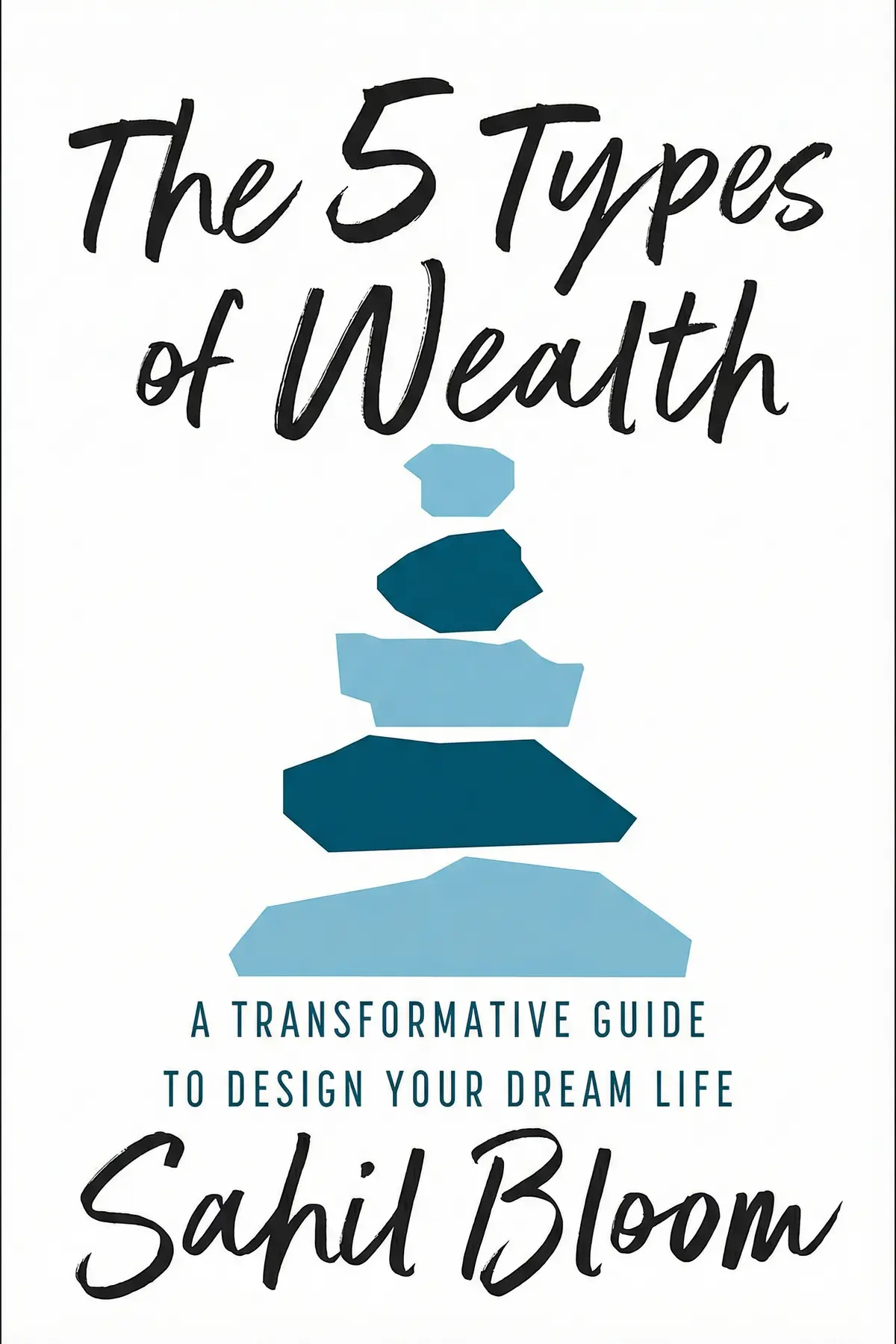
Table of Content
1. Introduction
1 min 35 sec
In our modern world, we are conditioned to look at a single scoreboard: our bank accounts. We are told that if we work hard enough and earn a certain salary, we will finally ‘arrive’ at a state of peace and satisfaction. Yet, if you look closely at the people who have reached those financial summits, you often see a different story. You see individuals who are wealthy in money but bankrupt in time, lonely despite their status, or physically exhausted despite their comforts. This suggests that our standard definition of wealth is dangerously incomplete.
Imagine a life where you have the resources you need, but you also have the freedom to spend your afternoons exactly how you choose. Imagine having a network of deep, supportive relationships that make you feel truly seen. Picture yourself with a sharp, curious mind and a body that is strong enough to carry you through your favorite activities for decades to come. This is the vision of a multidimensional wealth. It isn’t about ignoring money—it’s about recognizing that money is only one of five critical pillars that support a rich existence.
In the following sections, we are going to deconstruct the traditional myth of success. We’ll explore how to shift from chasing a single number to building a diversified portfolio of life experiences. By understanding the interaction between time, social connection, mental agility, physical vitality, and financial security, you can begin to design a life that feels as good on the inside as it looks on the outside. This is a journey toward true abundance, where the goal isn’t just to make a living, but to build a life worth living.
2. Escaping the Arrival Fallacy
1 min 48 sec
Explore why hitting major milestones often leaves us feeling empty and how our obsession with a single metric of success keeps us on a never-ending treadmill.
3. The Hidden Value of Time Wealth
1 min 52 sec
Understand why time is the most finite resource you possess and how viewing yourself as a ‘time billionaire’ can change your daily priorities.
4. Cultivating Social Wealth through Deep Connection
1 min 48 sec
Learn how to identify and prioritize your most important relationships and why the quality of your social circle defines your overall well-being.
5. Mental Wealth and the Engine of Curiosity
1 min 56 sec
Discover why a curious mind is a wealthy mind and how to protect your intellectual growth from the stagnation of adulthood.
6. Physical Wealth as the Foundation of Everything
2 min 03 sec
Examine the concept of your body as your ‘forever home’ and why your future self’s independence depends on the small choices you make today.
7. The Role of Financial Wealth
1 min 44 sec
Explore the true purpose of money as a tool for freedom and security, rather than an end goal in itself.
8. Auditing Your Life Across the Five Dimensions
1 min 53 sec
Learn a practical framework for evaluating your current standing in each type of wealth and how to make strategic adjustments.
9. The Power of Intentional Life Design
1 min 32 sec
Synthesize the five types of wealth into a unified strategy for living with purpose and avoiding the regrets of a lopsided life.
10. Conclusion
1 min 17 sec
As we wrap up our exploration of this transformative framework, the throughline is clear: wealth is a diversified asset. Money is a vital tool, but it is a hollow goal on its own. To truly ‘make it’ in life, you must be a steward of your time, an investor in your relationships, a guardian of your health, and a student of the world.
The concept of the five types of wealth offers us a way to escape the hedonic treadmill and the arrival fallacy. It gives us permission to stop running a race we don’t want to win and start building a life that feels meaningful today. Remember, you are likely a ‘time billionaire’ in some capacity right now. Don’t waste that fortune chasing a secondary currency at the expense of your primary one.
Take a moment today to identify your ‘Front-Row People.’ Think about your eighty-year-old self and what they would ask you to do for your body right now. Pick up a book or start a conversation that sparks your curiosity. By making small, intentional deposits into all five of your wealth accounts, you are doing more than just planning for the future; you are creating a rich, vibrant, and deeply fulfilling present. True wealth is the ability to live life on your own terms, surrounded by the people and the health that make those terms worth having.
About this book
What is this book about?
Have you ever wondered why some of the most financially successful people seem deeply unhappy? The reason often lies in a narrow definition of prosperity. In this summary, we explore a revolutionary framework that redefines what it means to be wealthy. It moves beyond the traditional focus on dollars and cents to include four other critical dimensions: our time, our relationships, our mental growth, and our physical health. By examining the concept of the 'arrival fallacy' and the 'hedonic treadmill,' the text explains why chasing a single number rarely leads to lasting fulfillment. Instead, you will learn how to audit your life across five distinct categories. From the urgency of becoming a 'time billionaire' to the importance of identifying your 'front-row people,' this guide provides a practical blueprint for life design. Whether you are just starting your career or looking to find more meaning in your later years, these insights offer a transformative perspective on how to spend your most precious resources and build a legacy that truly matters.
Book Information
About the Author
Sahil Bloom
Sahil Bloom is a prominent writer, entrepreneur, and investor. He is well-known for his biweekly newsletter, The Curiosity Chronicle, which reaches a massive global audience with insights on living a meaningful and productive life. Bloom is the founder of SRB Holdings and serves as the Managing Partner at SRB Ventures. The 5 Types of Wealth marks his debut as an author, distilling years of thought leadership into a cohesive guide for personal transformation.
Ratings & Reviews
Ratings at a glance
What people think
Listeners find this work life-altering, describing it as a breakthrough that reshapes their perspective and offers impactful guidelines for self-improvement. The prose is superb and captivating, with one listener mentioning how the chapters connect and build upon each other. Listeners value the hands-on tips and usable material, and one listener emphasizes that each chapter is packed with practical strategies.
Top reviews
Anawin
Picked this up after following Sahil’s Twitter threads for years, and while I expected productivity tips, the emotional weight of the Time Wealth section caught me off guard. The calculation about seeing your aging parents only 15 more times if they are in their 60s hit like a ton of bricks. It’s one thing to read about time management, but it’s another to have your finite mortality quantified so starkly. Bloom’s writing style is exceptionally crisp, though he occasionally leans into his own hyper-optimized lifestyle in a way that feels alien to a normal person. Still, the way he reframes wealth as a multi-dimensional vault rather than just a bank balance is a mental shift I desperately needed. I’m already rethinking my Anti-Goals to ensure I don’t sacrifice my health for a paycheck.
Show moreHazel
Wow, this was exactly the kick in the pants I needed to stop doom-scrolling and start designing a life I actually enjoy. The chapter on Mental Wealth, co-authored with Susan Cain, provided a beautiful, wisdom-drenched counterpoint to the more aggressive productivity hacks found earlier in the book. Sahil manages to bridge the gap between hyper-masculine hustle culture and a more soul-centered approach to daily living. I particularly loved the section on Anti-Goals which focuses on identifying what you aren't willing to lose while chasing a dream. To be fair, the book is quite long and some examples feel a bit repetitive, but the sheer volume of actionable strategies makes it a top-tier resource. It’s rare to find a book that addresses both the bank account and the spirit with equal rigor.
Show moreKatya
As someone who struggles with workaholism, the concept of Time Wealth being the ultimate currency hit me incredibly hard. Sahil’s story about the tail end of time spent with loved ones is a perspective shift that changes how you look at every Tuesday night dinner. The book is jam-packed with meat—there’s almost no fluff if you’re actually looking for systems to implement immediately. I’ve already started using the Eisenhower Matrix to filter my daily tasks, and for the first time in years, I feel like I’m running my day rather than the day running me. Frankly, some people will find Sahil’s lifestyle intimidating, but if you look past the 4 AM gym sessions, the underlying principles are universal and transformative for anyone feeling stuck in the grind.
Show moreBun
This book is a total game-changer for anyone feeling stuck in the trap of wanting just a little bit more. Bloom’s writing style is brilliant because he takes complex psychological concepts and turns them into razors and heuristics that you can actually remember when you're stressed. The section on Financial Wealth was particularly refreshing because it focused on the concept of enough rather than just infinite accumulation. I found the inclusion of the viral Heller and Vonnegut enough story to be a perfect touchstone for the book’s ending. It’s not just a business book; it’s a blueprint for a balanced existence that values health and relationships over pure numbers. It might feel a bit quantitative at times, but that’s exactly what makes the advice so practical and easy to track.
Show moreValentina
Just finished the ARC from NetGalley and I’m genuinely impressed by how Sahil synthesized so much historical wisdom into a modern guidebook. Each chapter builds on the previous one, creating a cumulative effect that forces you to re-evaluate your priorities across all five vaults. While I’ve seen some critics call it common sense, I’d argue that common sense is rarely common practice in our busy, distracted lives. Having a structured way to gauge my Physical Wealth and Mental Wealth alongside my bank balance has already reduced my anxiety levels significantly. The book is packed with insights and stays completely chunk-free in its delivery from start to finish. If you want to design a life that feels as good on the inside as it looks on the outside, buy this book.
Show moreAnna
Finally got around to reading this and I’m torn between "I already knew this" and "I really needed to hear this again." Sahil Bloom has a gift for taking scattered self-help tropes—think Parkinson’s Law and the Eisenhower Matrix—and gluing them together into a cohesive, actionable life operating system. Truth be told, if you’ve read Ferriss or Covey, none of the individual components will feel revolutionary or particularly fresh. However, the Five Types framework provides a much-needed vocabulary for why we feel miserable even when we are technically winning. I found the section on Social Wealth particularly insightful, especially the distinction between depth and status in our modern connections. My only gripe is the occasional billionaire name-dropping involving Tim Cook or Bill Ackman which feels like a flex that doesn't always serve the reader’s journey.
Show moreKasemsan
Ever wonder why high achievers are often the most burned out people in the room? Bloom’s debut tackles this head-on by redefining success through five distinct lenses: Time, Social, Mental, Physical, and Financial. I’m a long-time subscriber to his newsletter, and while some stories—like the 4:45 AM gym encounters—are recycled, the book adds a layer of depth that a weekly email cannot reach. The Life Razor concept is worth the price of admission alone, as it forces you to distill your identity into a single guiding sentence. Personally, I think the Physical Wealth chapter could have been more nuanced because not everyone can take televised ice baths to feel optimized. Regardless, the core message about finding enough in a world of more is a powerful principle that resonates deeply.
Show morePensri
The chapter on Social Wealth is what truly sets this book apart from the standard get-rich manuals cluttering the shelves. Sahil explores the human animal need for deep networks, moving beyond shallow networking to genuine connection building. I appreciated his honesty regarding his own insecurities and his Stanford pedigree, though the millionaire at thirty backstory still makes some of his advice feel slightly out of reach. Look, the guy is undeniably optimized—ice baths and 4 AM workouts aren't for everyone—but his Life Razor and Anti-Goals are tools that anyone can use regardless of their tax bracket. It’s a polished, well-researched guide that helps you stop measuring your life solely by your output and start measuring it by your presence. I just wish the examples weren't so repetitive.
Show moreMaya
After hearing Sahil on several podcasts, I was excited to see how his philosophies translated to a full-length book format. To be blunt, it feels like a very high-quality summary of the last decade of self-help literature without much original spice. You’ve got your Ikigai graphics, your Steve Jobs commencement quotes, and your Benjamin Franklin schedules all in one place. Is it useful? Absolutely. Is it groundbreaking? Not really. It’s a great one-stop shop for someone who hasn’t read the classics, but seasoned readers might find themselves skimming the filler to get to the rare original insights. I did enjoy the focus on Physical Wealth, but the tone can be a bit too left-brainy and quantitative for my personal taste. It’s a solid read that offers a decent framework without truly reinventing the wheel.
Show moreTanawan
Not what I expected given the massive hype surrounding Sahil’s brand and his newsletter. While I appreciate his optimized energy, there is a fundamental disconnect when a guy tells you money doesn't matter after he already made millions in his 20s. It’s easy to talk about the Time Wealth of seeing your parents when you have the financial freedom to fly across the country whenever you want. For the average person working a 9-to-5, Marc Randolph’s rule about being home by 5 PM for dinner feels more like a fantasy than a strategy. The book is basically a polished compilation of viral LinkedIn posts and popular productivity razors that you can find for free online. If you’re brand new to personal development, you might enjoy it, but for me, it felt like expensive filler content.
Show moreFeatured in
Readers also enjoyed
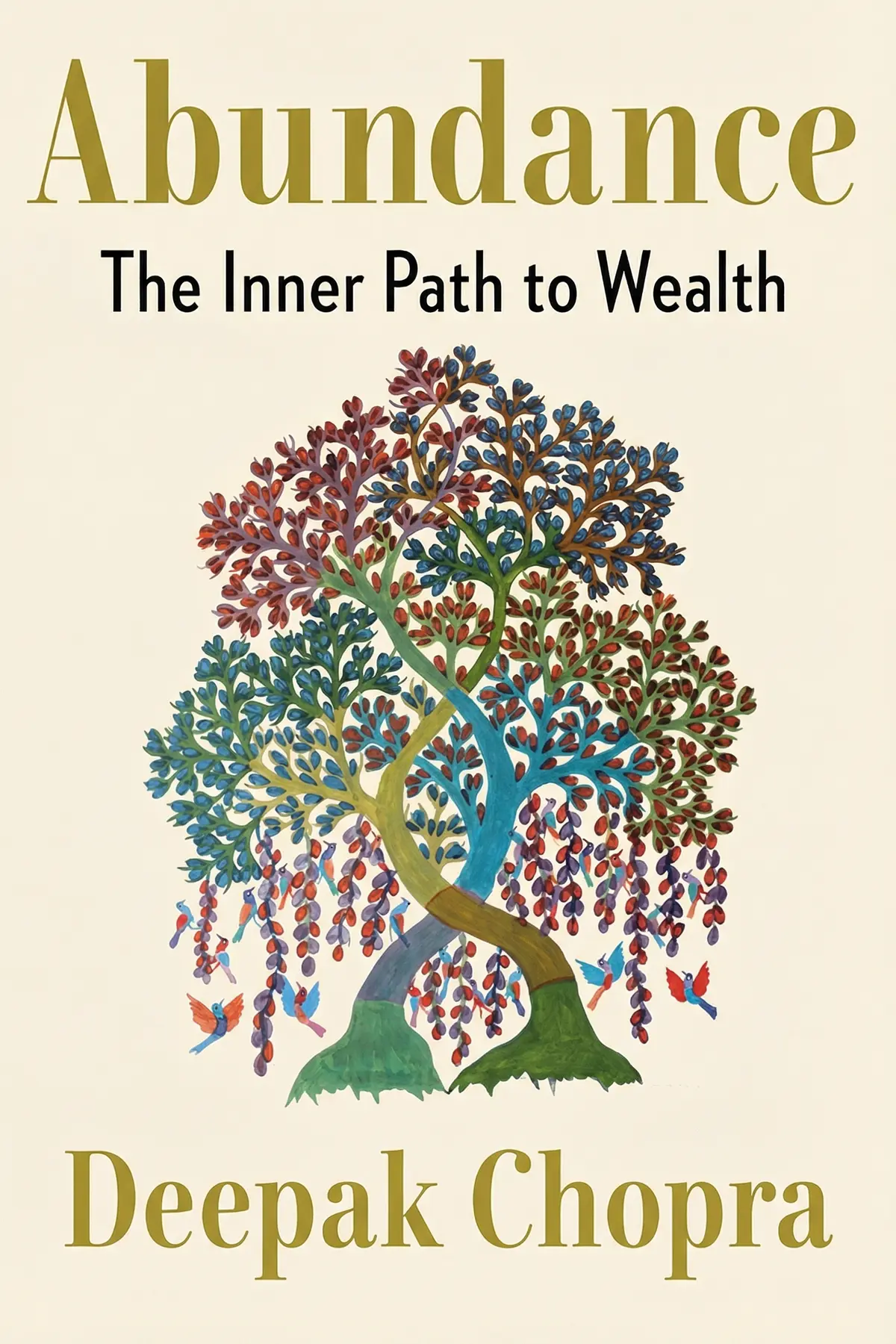
Abundance: The Inner Path to Wealth
Deepak Chopra
59 Seconds: Change Your Life in Under a Minute
Richard Wiseman
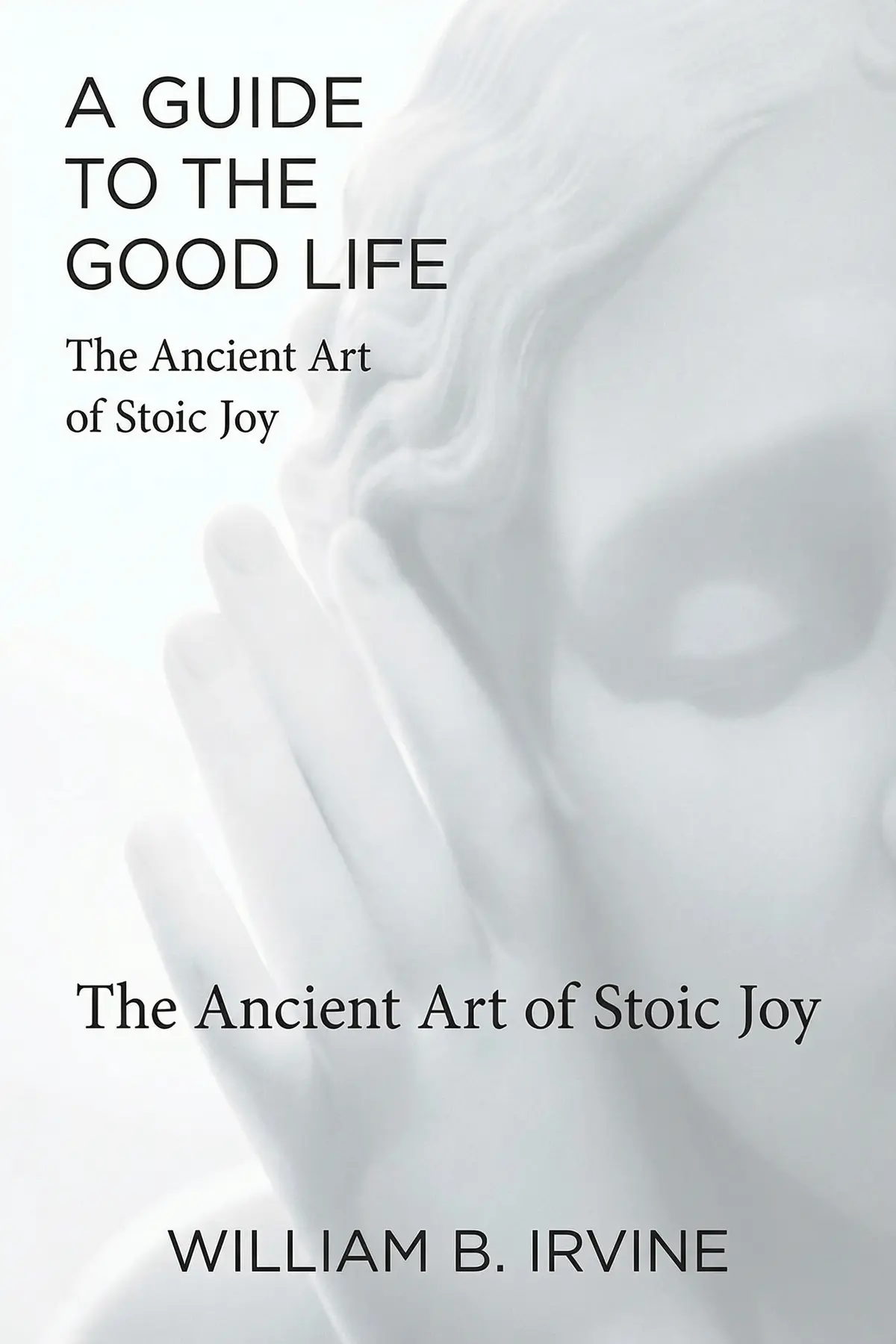
A Guide to the Good Life: The Ancient Art of Stoic Joy
William B. Irvine
AUDIO SUMMARY AVAILABLE
Listen to The 5 Types of Wealth in 15 minutes
Get the key ideas from The 5 Types of Wealth by Sahil Bloom, plus 5,000+ more titles in English and Thai.
- 5,000+ titles
- Listen as much as you want
- 7-day free trial
- Cancel anytime







