
25 min 42 sec
The 80/20 Principle: The Secret to Achieving More with Less
By Richard Koch
Discover how a simple mathematical imbalance can transform your productivity. Richard Koch explains how focusing on the vital few tasks while eliminating the trivial many leads to extraordinary success and personal happiness.
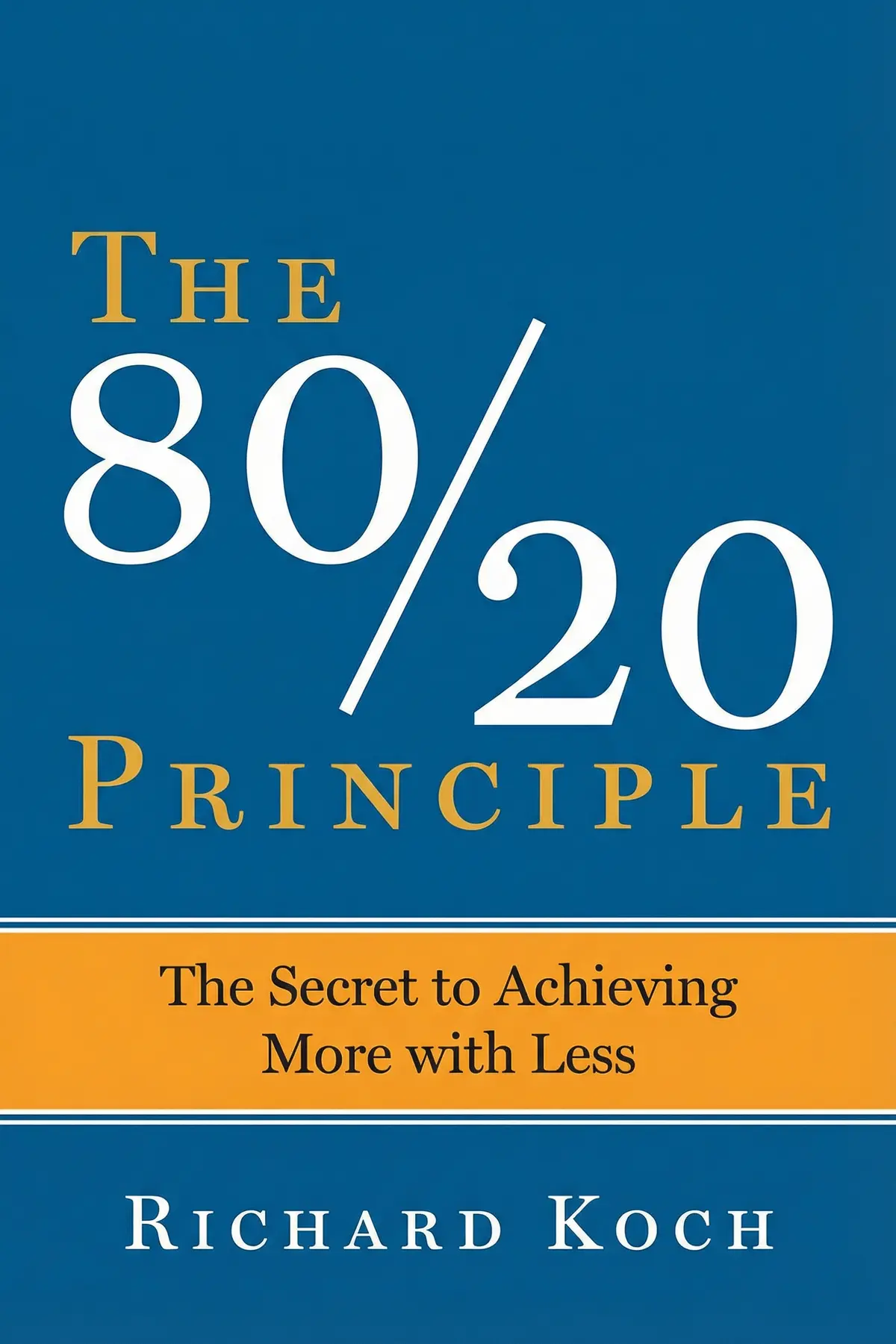
Table of Content
1. Introduction
1 min 49 sec
In our modern age, we are constantly told that more is better. We are encouraged to expand our to-do lists, grow our product lines, and maintain as many social connections as possible. The result is often a frantic, high-stress lifestyle where we feel like we are running a race we can never win. We finish one task only to find three more have taken its place. Businesses struggle with overwhelming complexity, trying to please every customer and manage endless product variations. But what if the secret to success wasn’t about doing more, but about doing significantly less?
This is the core premise of The 80/20 Principle. It introduces a powerful and often misunderstood paradigm that suggests a fundamental imbalance exists in the world. It posits that roughly 80 percent of our results come from only 20 percent of our efforts. This isn’t just a catchy slogan; it is a mathematical reality that appears in almost every facet of life, from the way we work to the way we find happiness.
Over the course of this summary, we will explore how this principle functions as a universal law of efficiency. We will see how it can be used to streamline businesses, boost personal productivity, and even enhance our relationships. By adopting what Richard Koch calls ’80/20 thinking,’ we can stop being slaves to the trivial many and start focusing on the vital few. The goal is to create a throughline of clarity in a world of noise, helping you realize that a small fraction of what you do actually determines the vast majority of your success. Let’s dive into how this imbalance works and how you can harness it to transform your life.
2. The Universal Pattern of Imbalance
3 min 04 sec
Have you ever wondered why a small portion of your work seems to create all your success? Explore how the world naturally favors the vital few over the trivial many.
3. The Natural Origin of Non-Linearity
2 min 39 sec
Why isn’t life fair and balanced? Learn how hidden feedback loops and natural cycles create the massive gaps we see in wealth and language.
4. Boosting Personal Productivity
2 min 30 sec
Most of your workday is probably a waste of time. Discover how to identify and expand the golden hours that produce your best results.
5. Optimizing Business Profits
2 min 31 sec
Is your company carrying dead weight? See how analyzing your product line can reveal the 20 percent that is actually keeping the lights on.
6. The High Cost of Complexity
2 min 24 sec
Bigger isn’t always better. Explore why a wide range of products can actually kill your profit margins and why simplification is the ultimate strategy.
7. Strategy for Marketing and Negotiation
2 min 15 sec
Stop trying to win every point. Learn how focusing on a handful of key customers and vital negotiation goals can yield massive returns.
8. Adopting an 80/20 Mindset
2 min 10 sec
You don’t need a spreadsheet to change your life. Learn how to use ’80/20 thinking’ to improve your relationships and mental clarity.
9. The Time Revolution
2 min 27 sec
Traditional time management is often a trap. Discover why doing more in less time is less effective than simply doing fewer things.
10. Optimizing for Happiness
2 min 07 sec
Are you spending your life waiting for the weekend? Learn how to audit your happiness and spend more time on what makes you feel alive.
11. Conclusion
1 min 46 sec
The 80/20 Principle is a reminder that in a world of infinite choices, focus is our most valuable asset. We have seen that imbalance is not a flaw in the system, but a fundamental characteristic of how the world works. Whether we are looking at business profits, traffic accidents, or our own personal happiness, a small number of causes will always be responsible for the majority of the results.
The throughline of Richard Koch’s work is that we must stop trying to be everything to everyone and stop trying to do everything at once. True success comes from being selective. It comes from having the courage to ignore the ‘trivial many’ so that we can give our full attention to the ‘vital few.’ This requires a shift from a linear mindset of ‘equal effort for equal reward’ to a non-linear mindset that seeks out high-leverage opportunities.
As you move forward, take the actionable advice of the ‘time revolution’ to heart. Look at your to-do list, your product catalog, or your social circle and ask yourself: Which 20 percent of this is actually moving me toward my goals? By ruthlessly prioritizing those areas and letting go of the rest, you won’t just become more efficient—you will become more effective. You will find that you can achieve far more by doing far less, leading to a life that is not just more productive, but more meaningful and joyful. The secret to achieving more with less is already all around you; you simply have to start looking for the 20 percent.
About this book
What is this book about?
The 80/20 Principle explores the counterintuitive reality that the majority of results in any given system come from a tiny minority of causes. This concept, also known as the Pareto Principle, suggests that 80 percent of outcomes are generated by just 20 percent of efforts. Whether in business, social circles, or personal time management, we are often surrounded by waste and inefficiency because we assume every action has an equal reaction. This book provides a blueprint for identifying the 'vital few' inputs that truly move the needle. By focusing resources on these high-impact areas and ruthlessly pruning the low-value majority, individuals and organizations can achieve much more with significantly less effort. It promises a 'time revolution' and a shift toward a more meaningful, less cluttered way of living.
Book Information
About the Author
Richard Koch
Richard Koch is a former management consultant who retired in 1990 to focus on his writing career. He has authored 18 books, with notable titles including The Power Laws, Living the 80/20 Way, and Superconnect. Koch is a proponent of the principle he writes about, having successfully applied its logic to his own life and business ventures to achieve significant success.
Ratings & Reviews
Ratings at a glance
What people think
Listeners find the work accessible and worthwhile, highlighting various insights that have the potential to be life-changing. Furthermore, the core principle is well-received, with one listener noting its broad applicability well beyond the business world. The book also assists with concentration; one listener mentions how it helps in prioritizing daily routines, and listeners generally believe it is a good investment. On the other hand, the prose gets varied reactions, with some finding the style effective and others disagreeing. Additionally, several listeners remark that the information can feel redundant.
Top reviews
Mai
Finally got around to reading this classic and it’s genuinely changed how I view my calendar. Richard Koch argues that most of our output comes from a tiny fraction of our efforts, and once you see it, you can't unsee it. Frankly, the advice on focusing on what you actually enjoy while ruthlessly cutting out the "dead weight" tasks is incredibly liberating. While the business examples are a bit dated, the core philosophy applies to everything from fitness to friendships. I’ve started applying the "vital few" logic to my daily routine and already feel less burned out. It’s not just about working harder; it’s about working on the right 20%. If you feel like you are constantly running on a treadmill but getting nowhere, you need this.
Show moreLuckana
Ever wonder why you're always busy but never getting ahead? Koch explains that "busy-ness" is actually the enemy of achievement and true happiness. This isn't just a business manual; it’s a guide to living a more intentional life by identifying your "happiness islands." I loved the idea that time isn't scarce, we just mismanage the 80% that doesn't matter. Look, if you can get past the somewhat dry tone, there are lessons here that will save you years of wasted effort. The advice to cultivate a few deep relationships instead of dozens of shallow ones resonated deeply with me. This is one of those rare books that I’ll probably revisit every single year to stay focused. It makes you realize that being a middle manager defending a bloated firm is one of the most self-serving paths you can take.
Show moreOm
Picked this up during a career transition and it was exactly the kick in the pants I needed. The concept of "labor leverage" and focusing on your core strengths really changed my trajectory. I realized I was spending way too much time on tasks I was mediocre at instead of doubling down on my 20% brilliance. Koch's writing is clear and motivating, even if he does repeat his main thesis frequently to drive the point home. I particularly enjoyed the section on how to "work less and earn more" by becoming a specialist in a narrow niche. It’s a must-read for anyone who feels stuck on the corporate treadmill and wants to regain control of their time. The book helps you realize that simplicity requires a certain level of ruthlessness that most people are afraid of.
Show moreCameron
The chapter on happiness alone is worth the price of the book. Koch makes a profound point that while money can be saved and multiplied, happiness cannot—it must be spent today or it is gone forever. This insight totally changed how I prioritize my weekends and my family time compared to my work. The book is well-written and serves as a great reminder that more effort doesn't always equal more success. In my experience, we often overcomplicate our lives because we're afraid of the simplicity that the 80/20 principle requires. It takes courage to stop doing the 80% that doesn't work, but this book gives you the tools to do it. Truly a life-changing read for those willing to actually apply the logic. Highly recommended for any entrepreneur or burned-out professional.
Show morePawinee
After hearing Tim Ferriss mention this as a primary influence, I had to see what the fuss was about. The book is essentially a deep dive into the Pareto Principle, showing how simplicity often leads to much higher profitability than complexity. It’s written from a very corporate, white-male perspective which can feel a bit narrow at times, especially when discussing "leverage" and managing teams. However, the chapters on the "Time Revolution" were absolute standouts for me. It forced me to realize that I’m wasting 80% of my week on things that don't actually move the needle for my career. It's a solid four stars for the mindset shift alone, even if the writing style is hit-or-miss and leans heavily on generalizations. Definitely helps with focusing your daily routines.
Show morePatchara
This book proves its own theory because about 20% of the pages provide 80% of the actual value. If you follow the advice of other reviewers and focus on chapters 9 through 11, you'll find some incredible insights. I’ve been using the 80/20 analysis on my freelance business and it’s already helped me identify which clients were actually "profit leaks." Truth is, some of the middle sections about corporate management are a bit of a bore if you aren't in a C-suite position. But the overarching theme—that inputs and outputs are rarely balanced—is a crucial lesson for anyone. It's a very practical tool for anyone looking to simplify their life. The writing style is readable enough, though you'll find yourself skimming the redundant sections frequently.
Show moreMarco
Wow, talk about a perspective shift. I used to think that being productive meant checking off as many boxes as possible on my to-do list every single day. After reading this, I’ve realized that most of those boxes don't actually matter for my long-term goals or my bank account. The book helps you identify the "vital few" activities that produce the most joy and profit in your life. It’s not a perfect book—some of the chapters on middle management are quite dry and the editing is a bit loose—but the core message is incredibly powerful. Gotta say, it really forces you to be ruthless with your time. If you’re feeling overwhelmed by busy work, this book provides a solid framework for cutting through the noise and finding your competitive advantage.
Show moreJiraporn
The core concept here is gold, but the book itself is a bit of a slog through repetitive examples. You get 95% of the value just by understanding the title and maybe skimming the first three chapters. Koch makes some great points about non-linear relationships between effort and reward, but he repeats them ad nauseam for over 200 pages. Personally, I found the lack of specific data or cited studies frustrating; many examples felt like "a certain company did this" without any real proof or contextual information. If you’re a fast reader, it’s worth a look for the gems, but don't feel bad about skipping the fluff once you get the point. It could have been a great article, but as a book, it's a bit bloated.
Show morePiyanart
As someone who studied economics at university, the Pareto Principle wasn't exactly a new concept for me. While Koch does a decent job of showing how it applies to personal happiness, much of the business advice felt like common sense. The book is definitely readable, but it lacks the depth or rigorous data I was hoping for in a definitive guide. To be fair, the author’s perspective on "unreasonable men" adapting the world to themselves was a highlight. However, the constant repetition of the 80/20 ratio started to feel like filler after the first hundred pages. It’s a good introduction for a total beginner, but others might find it a bit redundant. I would recommend skimming the middle and focusing on the parts about life-enhancing activities.
Show moreSun
Not what I expected given the hype. The entire book could have been a single blog post or a Harvard Business Review article without losing any substance. Koch spends hundreds of pages rambling and making far-reaching generalizations without providing any real credited data for his case studies. "A manufacturing company used this..." okay, but which one? It feels like the author is just trying to meet a word count by saying the same thing over and over again. To be fair, the title is great, but the actual body of text is largely unnecessary. I stopped reading about 150 pages in because I felt my time was being disrespected by the repetition. If you want the benefit, just read a summary and spend your saved time doing something actually productive.
Show more
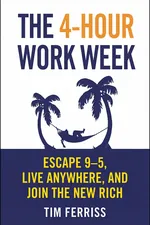
Readers also enjoyed
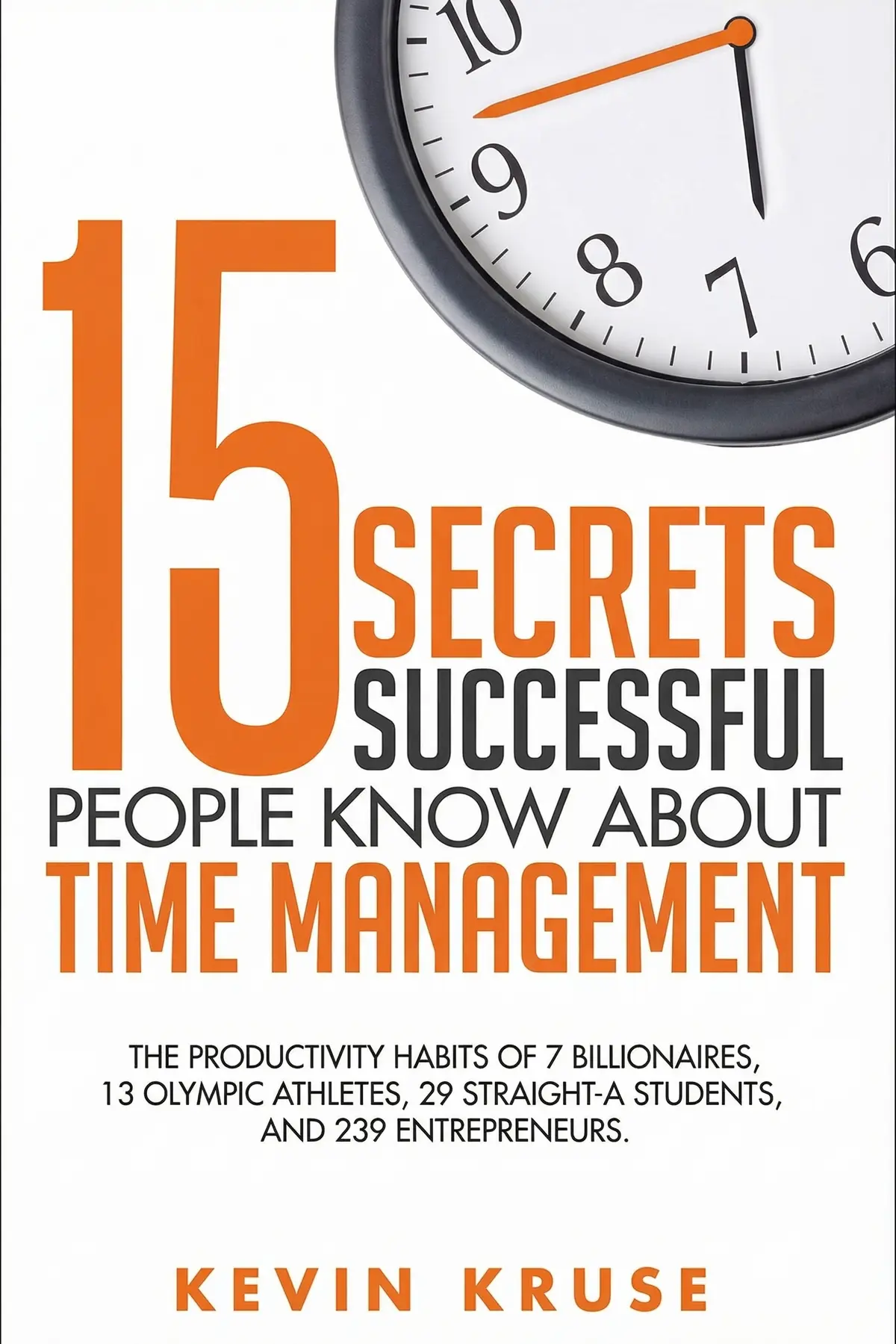
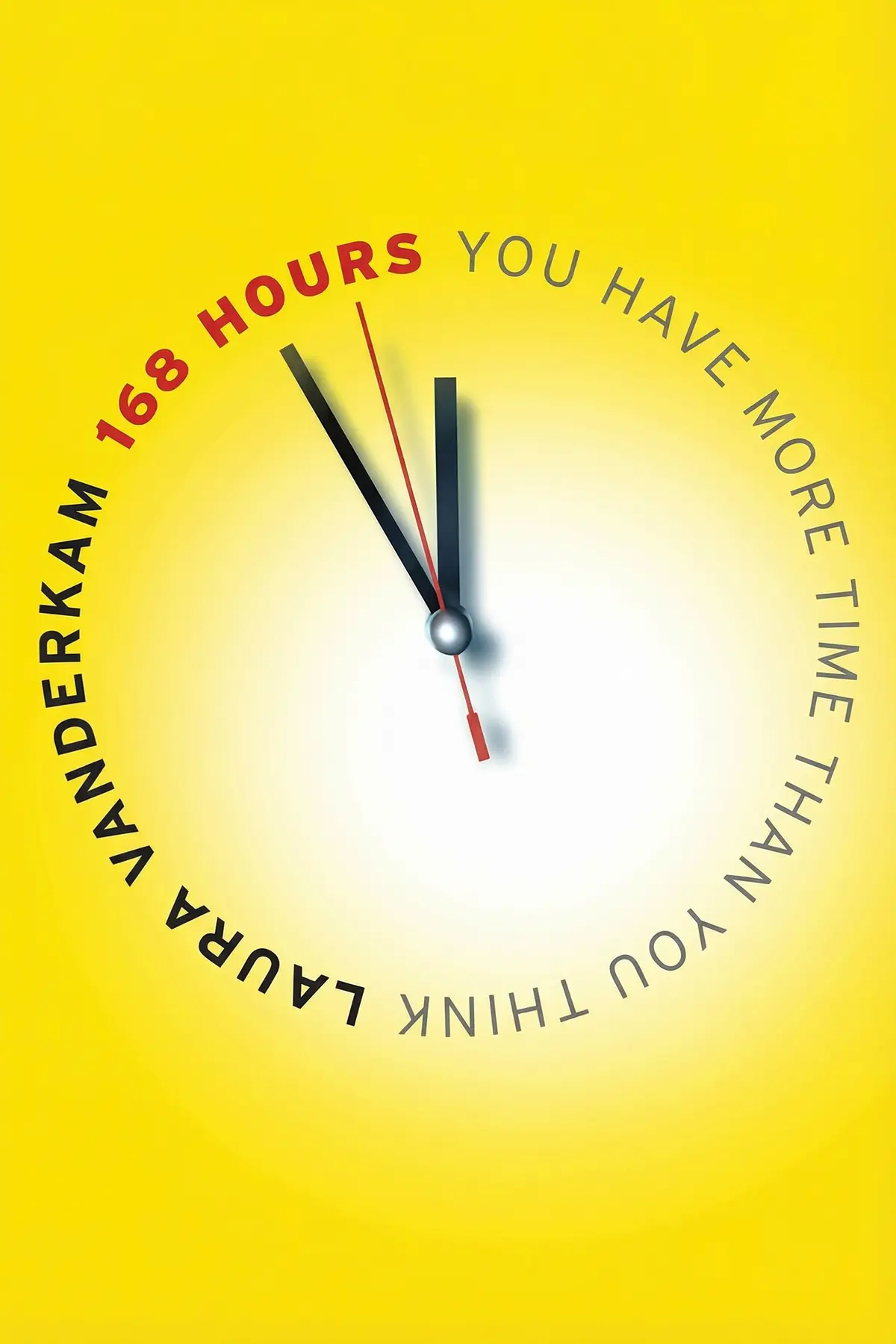
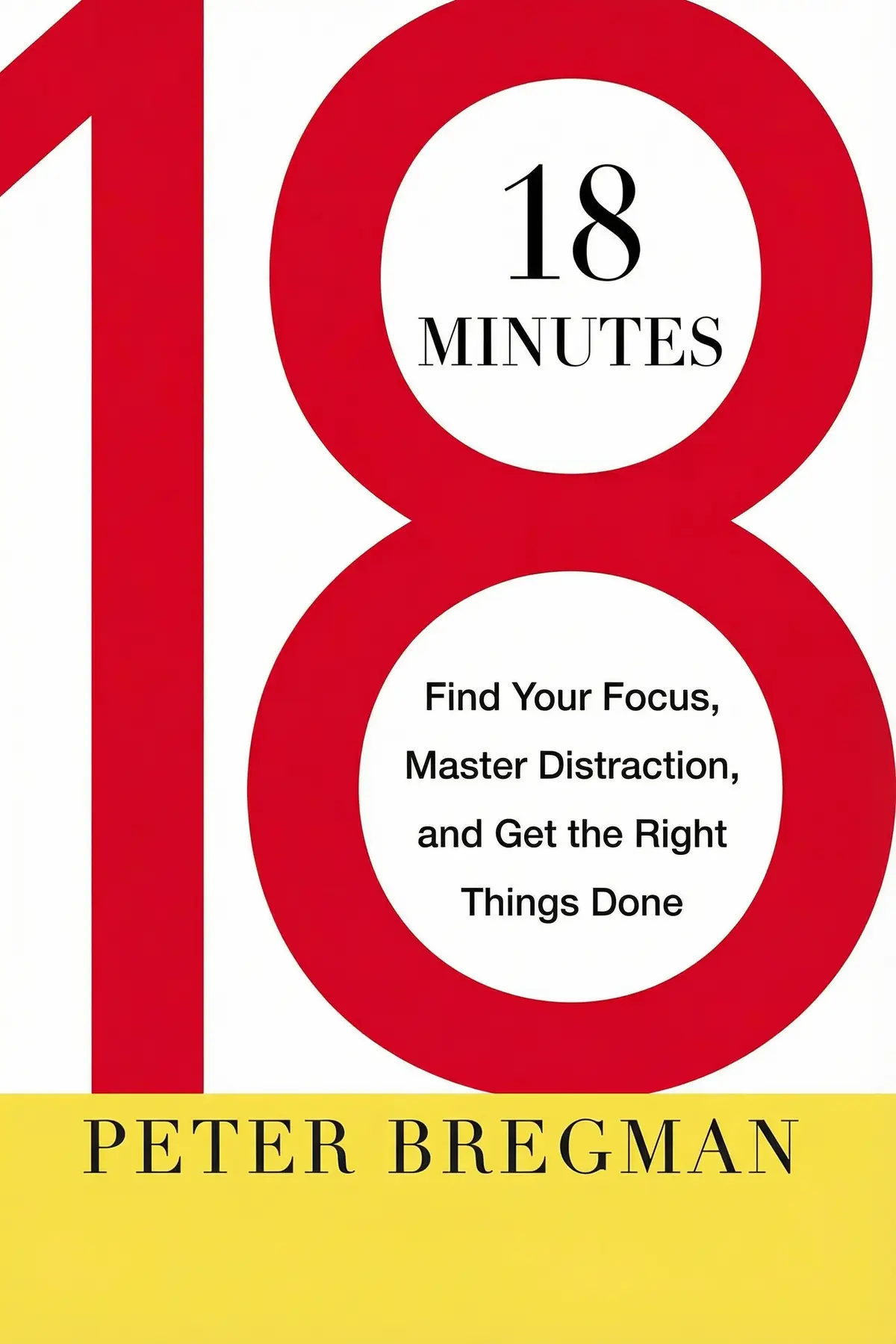
AUDIO SUMMARY AVAILABLE
Listen to The 80/20 Principle in 15 minutes
Get the key ideas from The 80/20 Principle by Richard Koch, plus 5,000+ more titles in English and Thai.
- 5,000+ titles
- Listen as much as you want
- 7-day free trial
- Cancel anytime







