
17 min 52 sec
The Art of Living: Vipassana Meditation
By William Hart
Discover the transformative power of Vipassana meditation through a practical exploration of Buddhist philosophy. This guide illustrates how developing self-awareness and equanimity helps dissolve the roots of suffering and leads to lasting peace.
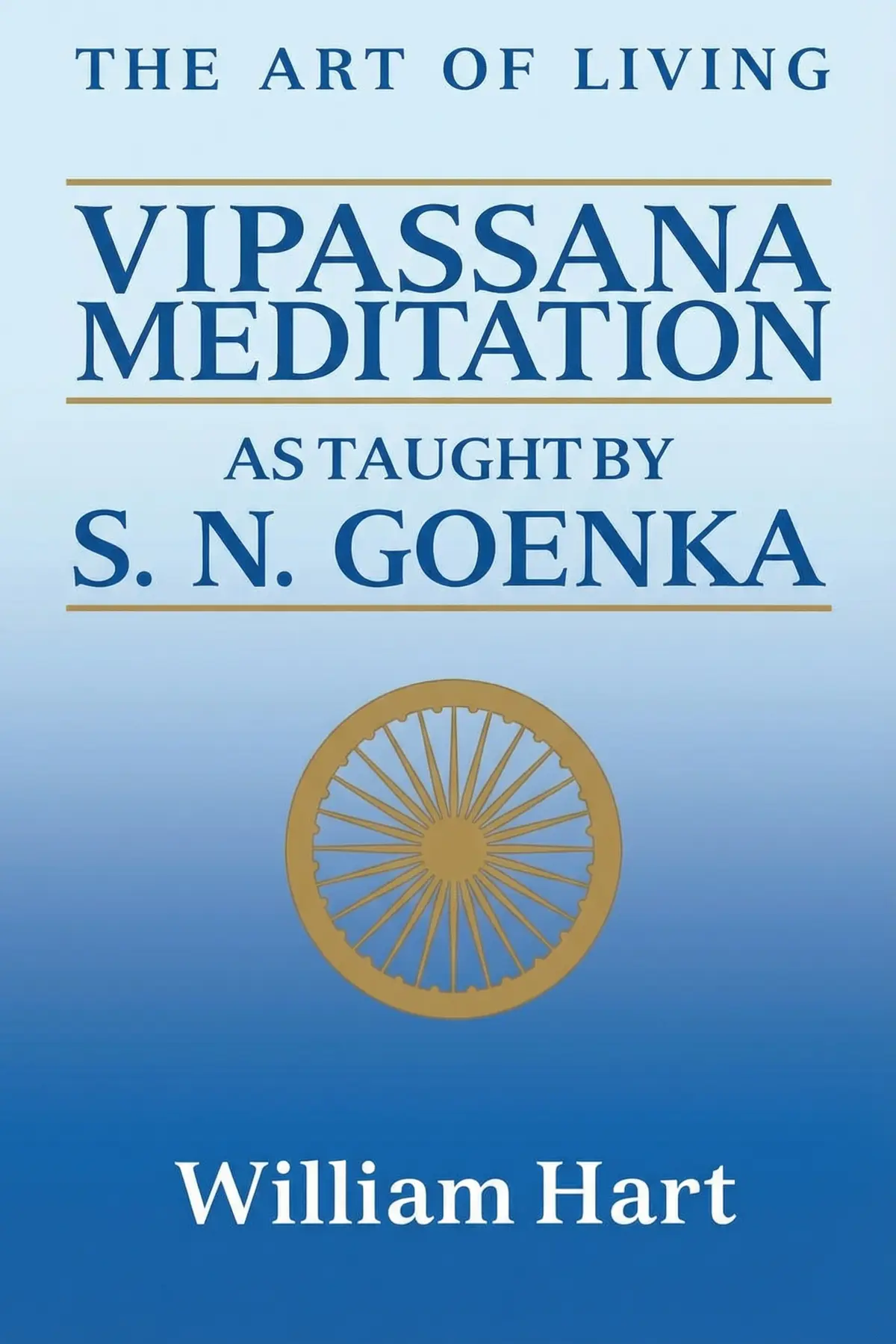
Table of Content
1. Introduction
1 min 26 sec
When we think of meditation today, the images that often come to mind involve people seeking a brief escape from the stresses of modern life. We might imagine someone trying to empty their head or perhaps drifting into a pleasant daydream to avoid the pressures of the office. But in the tradition of the Buddha, meditation—or what is known as bhāvanā—is something much more rigorous and transformative. It isn’t a temporary retreat from reality; it is a direct, courageous confrontation with reality. It is a method designed to sharpen the mind and scrub away the deep-seated impurities that cause us to suffer.
In this exploration of Vipassana meditation, we are looking at the ‘Art of Living’ as a practical skill. The core idea is that inner peace isn’t something that happens to you by luck; it is something you cultivate through disciplined self-observation. We will move through the essential shifts in perspective required to understand how our own minds work. We will look at why we feel stuck in cycles of anxiety or frustration and how the simple act of breathing can become a gateway to profound psychological insight.
As we navigate these ideas, keep in mind a central throughline: liberation from suffering is possible only when we stop looking for external solutions and start observing our internal processes. We will see how morality, concentration, and wisdom work together to create a life of balance. Whether you are looking to manage stress or seeking a deeper philosophical grounding, these principles offer a roadmap for navigating the human experience with a sense of calm and clarity.
2. The Supremacy of Practical Application
2 min 32 sec
Theoretical knowledge can only take you so far. Discover why mastery of a philosophy is meaningless if it isn’t applied to the challenges of daily life.
3. The Reality of Perpetual Flux
2 min 29 sec
Your body and mind are not the solid, permanent structures they seem to be. Learn how modern science and ancient wisdom agree on the fluid nature of existence.
4. Attachment as the Source of Pain
2 min 28 sec
We cling to things that are destined to change, creating a recipe for disappointment. Explore why the things we love most can become the source of our deepest grief.
5. The Foundation of Moral Conduct
2 min 22 sec
Morality is often seen as a set of restrictive rules, but in the practice of Vipassana, it is an essential tool for mental clarity and protection.
6. Mastering the Mind through Concentration
2 min 30 sec
A wandering mind is an unhappy mind. Learn the specific techniques of ‘right effort’ and ‘right awareness’ to bring your focus back to the present.
7. The Path of Experiential Wisdom
2 min 25 sec
Knowing something intellectually is not the same as knowing it in your bones. Discover how ‘insight meditation’ turns theory into lived reality.
8. Conclusion
1 min 40 sec
The journey through the Art of Living brings us back to a simple but profound starting point: the quality of our lives is determined by the quality of our minds. We have explored how the path toward tranquility requires more than just a passing interest in philosophy; it demands a dedicated commitment to practical action. By establishing a foundation of moral conduct, we calm the storms of our own making. By training our concentration through the breath, we sharpen our awareness of the present moment. And by developing experiential wisdom, we finally see through the illusion of a permanent, solid self.
At the heart of this entire process is the realization of impermanence. When we truly understand that everything is in flux, our grip on life’s attachments begins to loosen. We find that we can engage with the world fully, with more love and less fear, because we are no longer trying to force the universe to be something it isn’t. The practice of Vipassana isn’t about escaping to a mountain top; it’s about finding that mountain’s stillness within ourselves, even in the middle of a crowded city or a difficult day.
As you move forward, remember that this is a gradual process. It is a skill that is built one breath at a time. The next time you find yourself reacting with anger or anxiety, try to pause and observe the physical sensations in your body. Notice how they arise and how they eventually change. By choosing to observe rather than react, you are already practicing the Art of Living. Peace is not a distant destination; it is a way of traveling. By cultivating a mind that is aware and equanimous, you hold the key to a life of lasting happiness and true freedom.
About this book
What is this book about?
The Art of Living serves as a comprehensive manual for understanding and practicing Vipassana meditation, a technique centered on seeing reality as it truly is. Rather than focusing on abstract dogmas or rituals, the book presents a systematic approach to mental purification. It explores the three fundamental pillars of the path: moral conduct, mastery of the mind, and the development of experiential wisdom. Readers are guided through the philosophy of impermanence and the mechanics of how our minds react to physical sensations. The promise of the book is a practical way to break free from the habitual patterns of craving and aversion that define human unhappiness. By learning to observe the self without judgment, an individual can cultivate a state of equanimity that persists even in the face of life’s inevitable challenges.
Book Information
About the Author
William Hart
William Hart was among the first assistant teachers designated by S. N. Goenka to spread the practice of Vipassanā meditation. His writing has turned this specific exploration of meditation and its underlying philosophy into a globally recognized text, which has been made available in twenty-five different languages.
Ratings & Reviews
Ratings at a glance
What people think
Listeners find this work both accessible and enlightening, as it details significant mental processes and delivers a complete look at Vipassana meditation. Additionally, they value how the writing inspires mindfulness and cultivates inner calmness while remaining easy to follow and well-crafted. The subject matter is highly regarded, with one listener mentioning it is true to the original course material, and listeners frequently describe the impact as life-changing.
Top reviews
Violet
This book serves as the definitive roadmap for anyone curious about the internal workings of the mind through the lens of Vipassana. William Hart does an incredible job of stripping away the esoteric fluff that usually bogs down spiritual texts, focusing instead on the practical application of S.N. Goenka’s teachings. It’s remarkably clear and concise, making complex Abhidhamma concepts accessible to a layperson without sacrificing their depth. I read this after my first 10-day silent retreat and found that it crystallized so many of the subtle insights I had during meditation. The stories included are charming and really drive home the points about equanimity and awareness. Truth is, it’s a life-changing read if you’re ready to actually put the philosophy into practice.
Show moreLaor
Wow. Hart has managed to capture the very essence of the Dhamma in a way that feels both ancient and urgently modern. The focus here isn't on ritual or dogma, but on the actual experience of reality and the development of a balanced mind. I was particularly struck by the explanation of 'nibbana' as the extinction of ignorance and craving rather than some far-off, unreachable heaven. Each page offers a sense of inner peace that is hard to find in contemporary literature. Not gonna lie, I was skeptical at first, but the clarity here is undeniable. It makes you realize that life is for action, provided that action comes from a place of equanimity. Simply a masterpiece of spiritual writing.
Show moreJoy
The chapter on the four parts of the mind was a total revelation for me. Hart explains the function of consciousness and perception in a way that feels scientifically grounded rather than purely religious. It’s a wonderful tool for anyone who has struggled with the more abstract parts of the Pali Canon. The book provides a thorough understanding of how we can achieve liberation by simply observing reality without reacting. I’ve read a lot of meditation guides, but this one stands out for its lack of pretension. It’s an authentic representation of Goenka’s courses and a perfect resource for those who want to deepen their intellectual grasp of the technique. Truly an invaluable guide for the modern seeker.
Show moreMaksim
Finally got around to finishing this, and I have to say it’s one of the most fulfilling intellectual experiences I’ve had lately. It strips Buddhism down to its core—the art of living—without the cultural baggage. The emphasis on Pali concepts like insight and equanimity provides a historical anchor for the practice, yet the advice remains timeless. It encourages a level of self-observation that is genuinely transformative if you take it seriously. Look, if you want a book that explains why we suffer and how to stop, this is it. It’s informative, encouraging, and written with a kindness that leaps off the page. It’s basically the course material distilled into a readable format you can revisit whenever you lose your way.
Show morePick
Not what I expected from a book on meditation, but in the best way possible. Instead of vague promises of 'bliss,' Hart offers a rigorous and logical framework for understanding human consciousness. It is a masterpiece of concision that manages to explain the most profound truths in the simplest of terms. The book makes it clear that the highest quality of the mind is equanimity based on a full awareness of reality. Every chapter feels like a step toward a more peaceful existence. I think everyone should read this, whether they plan to meditate or not, just to understand how their own brain works. It is life-changing in its simplicity and deep in its practical wisdom.
Show moreKanchana
After hearing so much about the Goenka retreats, I picked this up to see what the fuss was about. The structure is quite helpful, particularly the Q&A sections which anticipate many of the common hurdles beginners face when trying to understand Buddhist philosophy. It’s written in such a straightforward manner that the concepts of craving and aversion become immediately recognizable in your own daily life. My only slight gripe is that it can feel a bit repetitive if you’re already familiar with the core tenets of mindfulness. However, for a total novice, this is gold. It’s an honest, grounded introduction that avoids the mystical claptrap you find in other New Age books. A solid companion for the path.
Show moreCamila
Ever wonder why your mind seems to constantly react to everything with either desire or frustration? This book breaks down those mental processes with surgical precision, explaining how our habit patterns keep us trapped in suffering. It’s a fantastic introduction to the theory of Vipassana, helping readers understand the goal of developing insight into the changing nature of reality. The language is simple and accessible, yet the implications are profound. I found the sections on maintaining equanimity in the face of daily stressors particularly useful. Frankly, it’s one of the most readable books on Buddhist theory I’ve encountered. It doesn't solve your problems for you, but it gives you a very clear map of the territory you need to explore.
Show moreClaire
Personally, I found the Q&A sessions with S.N. Goenka to be the highlight of this entire volume. He addresses the doubts and contradictions of the mind with such humor and wisdom that it makes the lofty goal of enlightenment feel surprisingly grounded. The writing style is crisp, avoiding the dense jargon that often makes Eastern philosophy feel impenetrable to Westerners. While the book is definitely a companion piece to the actual retreat, it stands on its own as a powerful call to live more mindfully. My experience was that it really helped me understand the importance of action performed with a balanced mind. It's not a light read, despite the simple language, because the truths it points to are quite heavy.
Show moreDavid
As someone who is planning to attend a 10-day silent retreat soon, I found this to be an indispensable preparation tool. It lays out the theoretical framework of Vipassana so clearly that I feel much more confident about what I’m walking into. The book doesn't sugarcoat the difficulty of the path, but it does highlight the immense benefits of achieving a state of nibbana through persistent effort. Some of the stories are a bit repetitive, and the tone is occasionally quite dogmatic regarding the 'only' way to practice. Regardless, the insights into the nature of the mind are too good to ignore. It’s a solid 4-star read that I’ll likely keep on my shelf for years to come.
Show moreChiw
To be fair, this is a very well-written summary of the philosophy, but I feel it’s important to manage expectations before you buy. You cannot actually learn the Vipassana meditation technique just by reading this book; the text even explicitly states that you need to attend a 10-day course for the actual practice. While the theoretical background is informative and the stories are engaging, it felt a bit like reading a cookbook without being allowed in the kitchen. If you're looking for a deep dive into the 'why' behind the practice, it's perfect. If you're looking for a 'how-to' guide for your morning meditation, you might find yourself slightly frustrated. It's a good primer, nothing more.
Show moreFeatured in
Readers also enjoyed
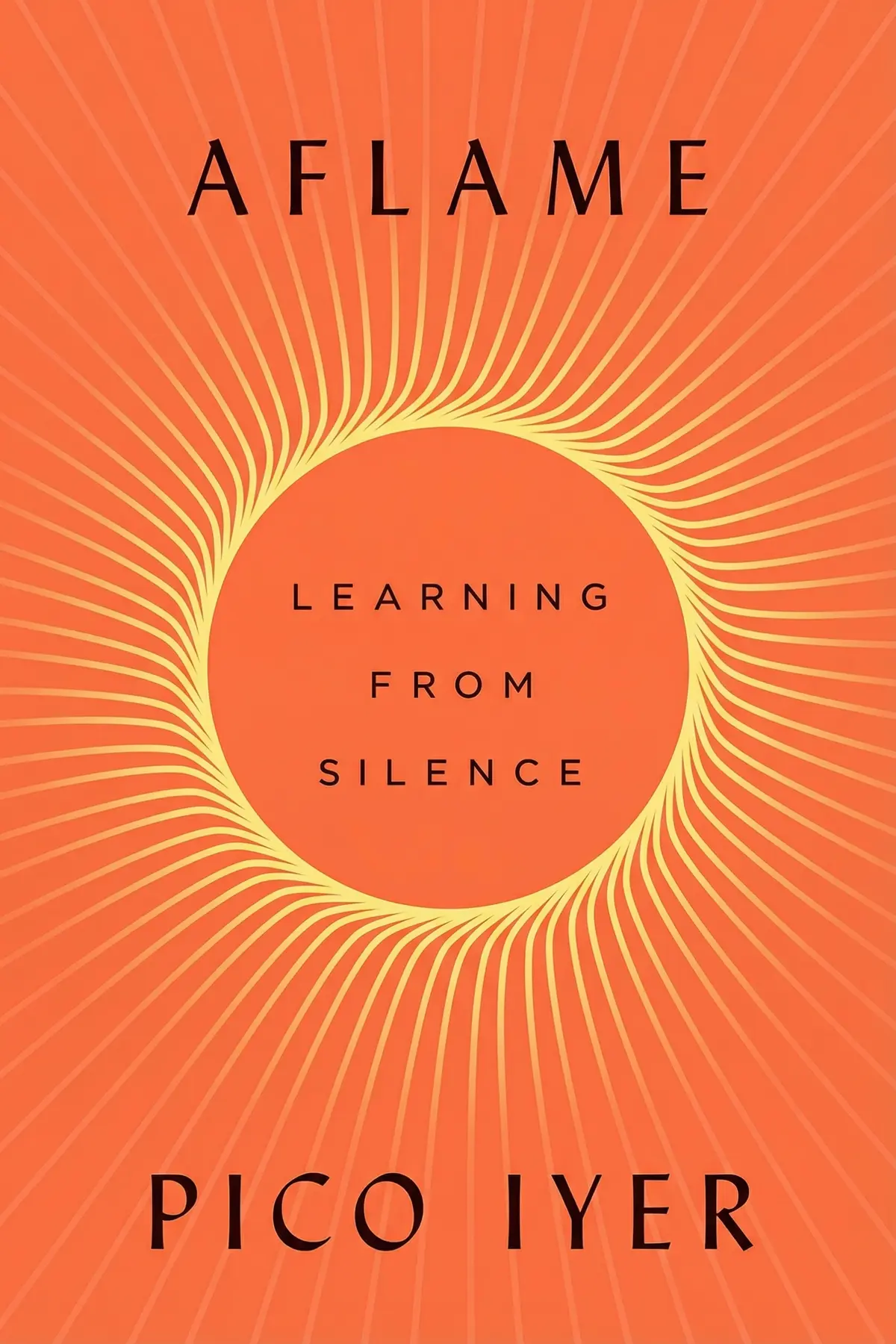
Aflame: Learning from Silence
Pico Iyer
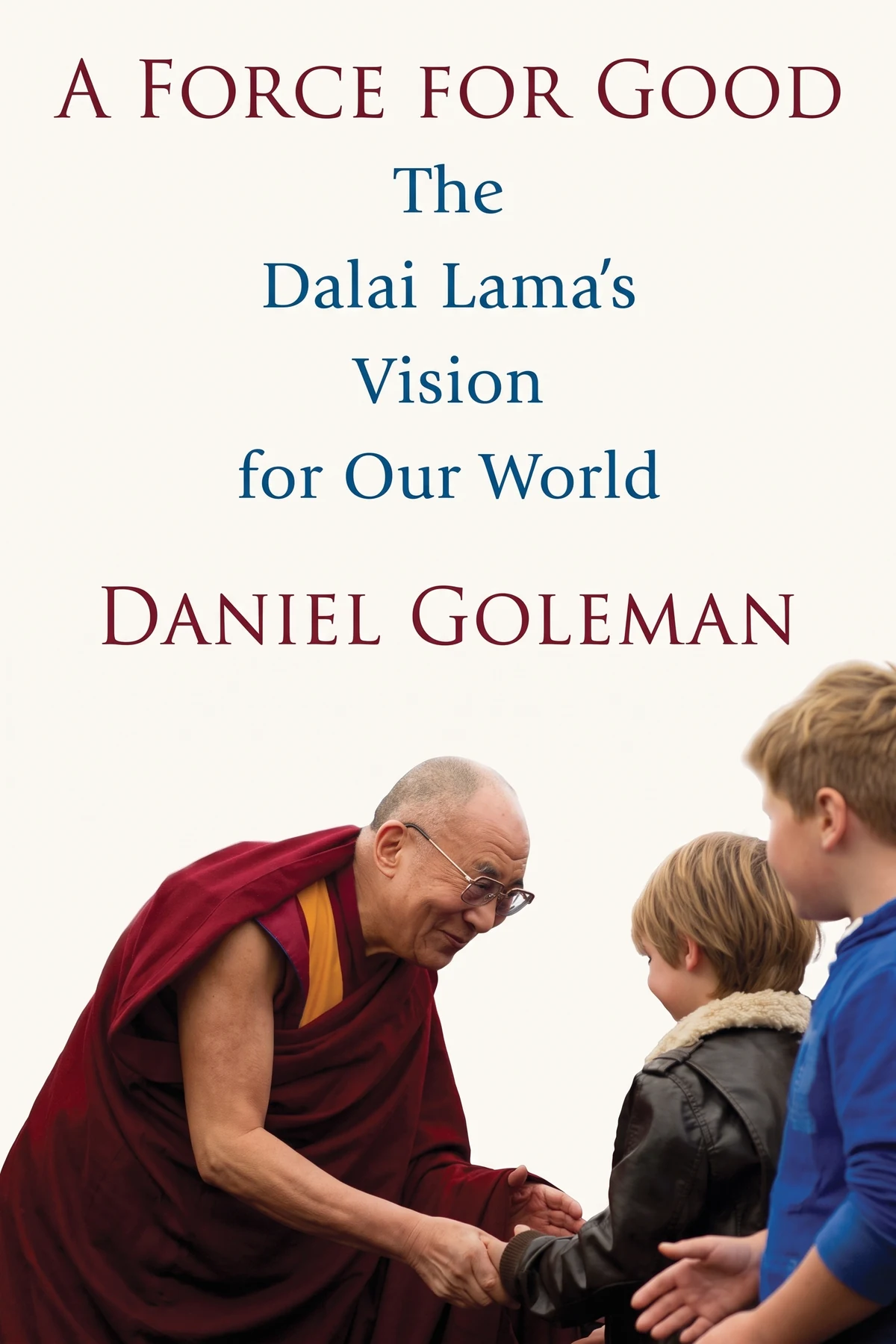
A Force for Good: The Dalai Lama's Vision for Our World
Daniel Goleman
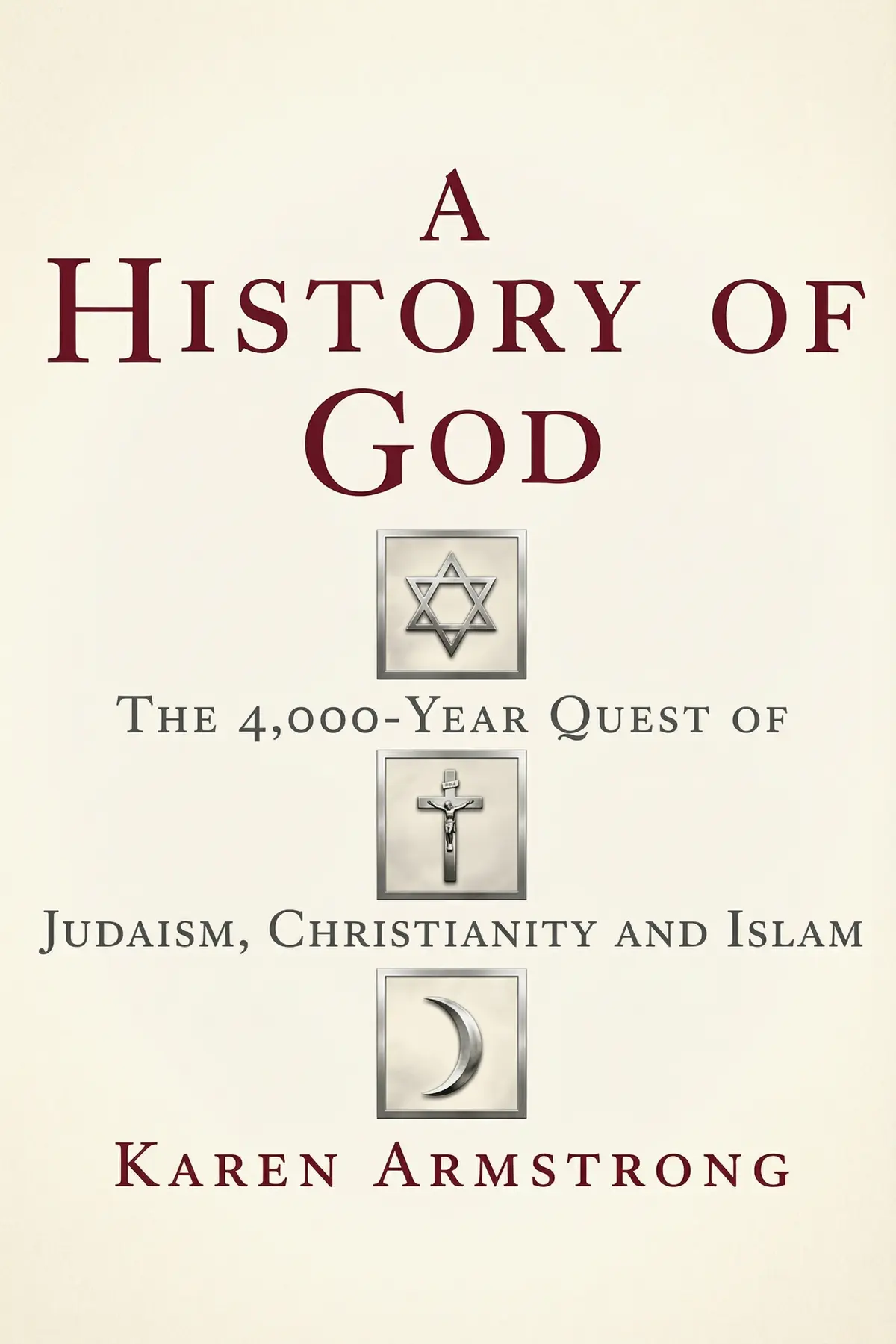
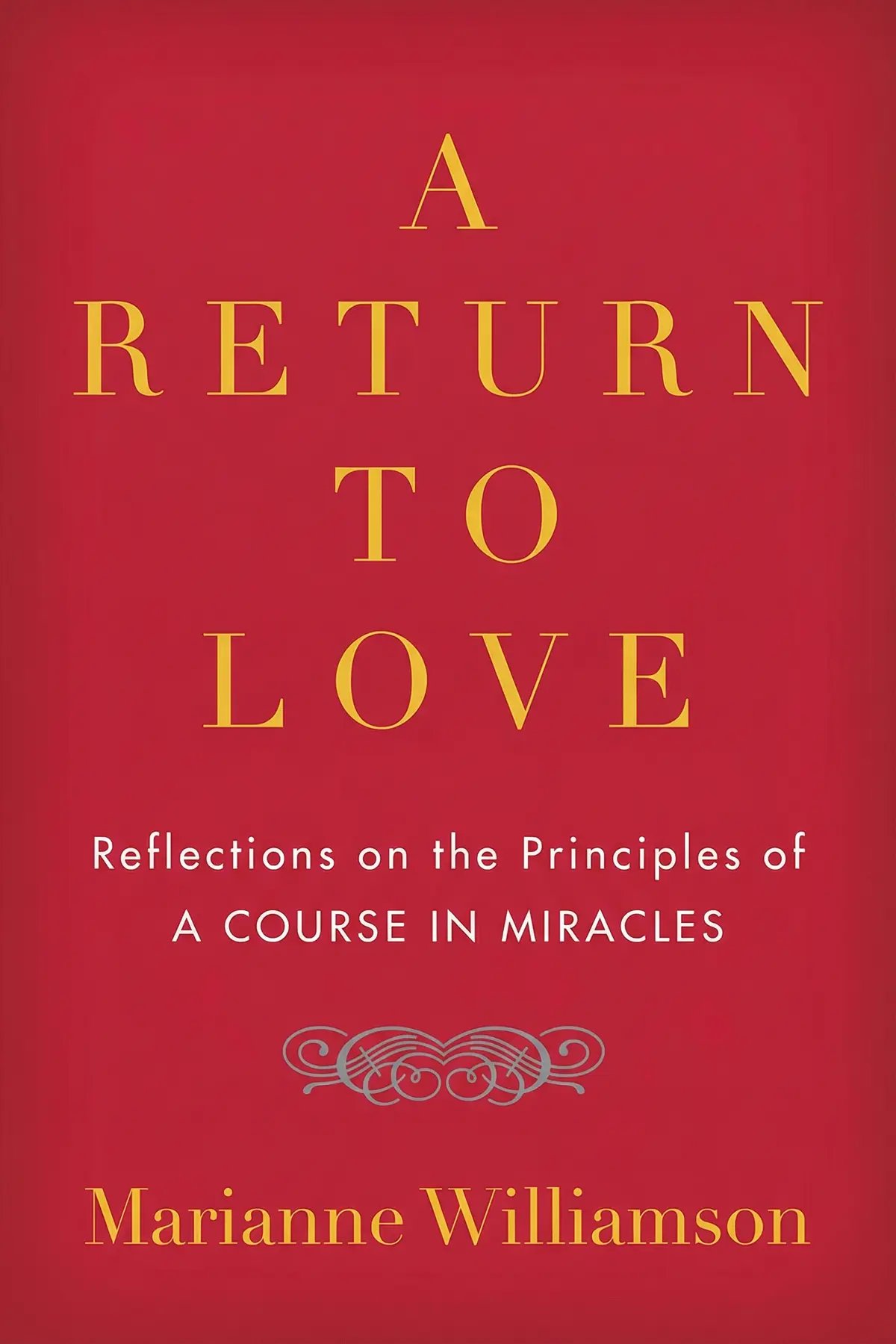
A Return to Love: Reflections on the Principles of a Course in Miracles
Marianne Williamson
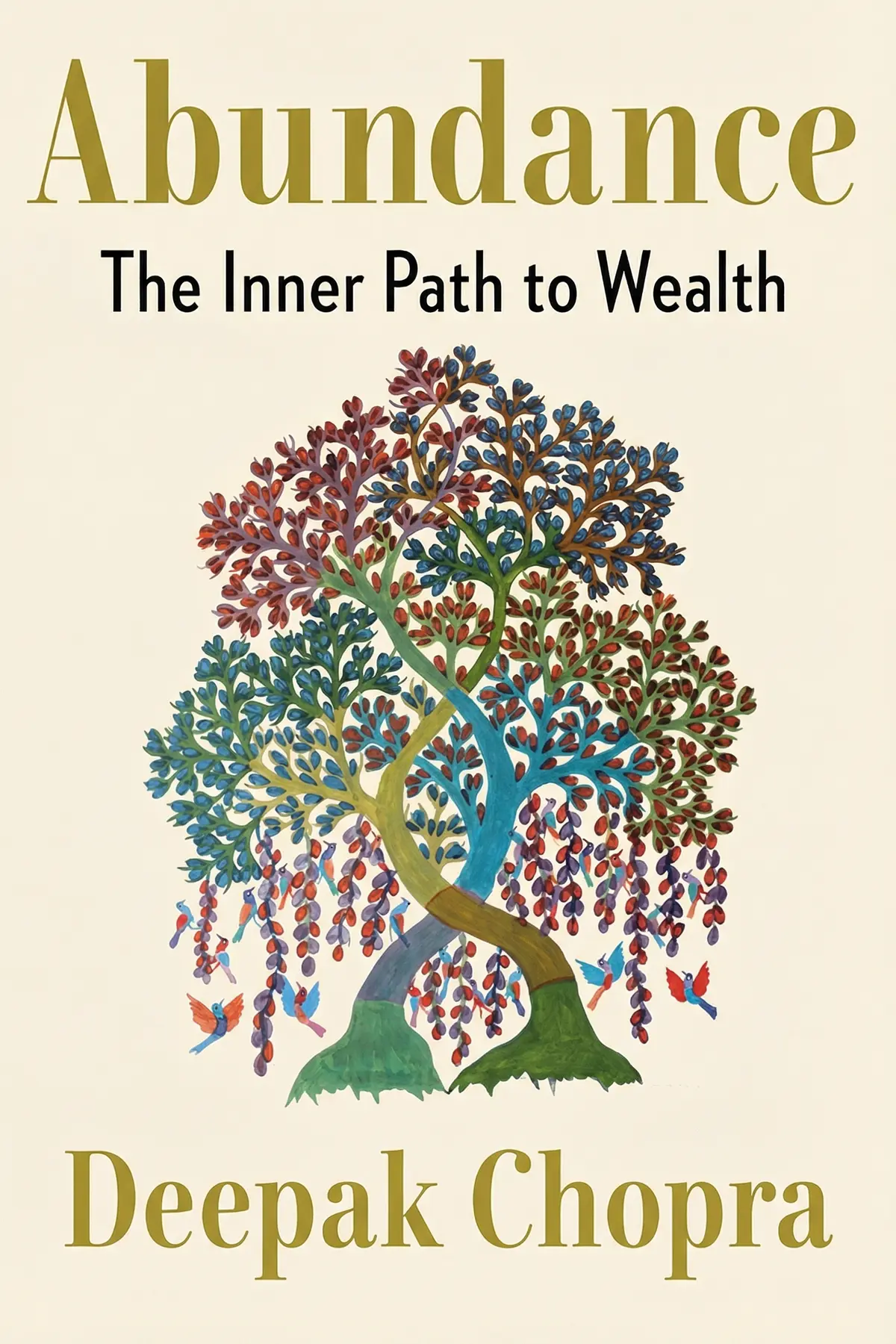
Abundance: The Inner Path to Wealth
Deepak Chopra

Alcoholics Anonymous
Alcoholics Anonymous World Services
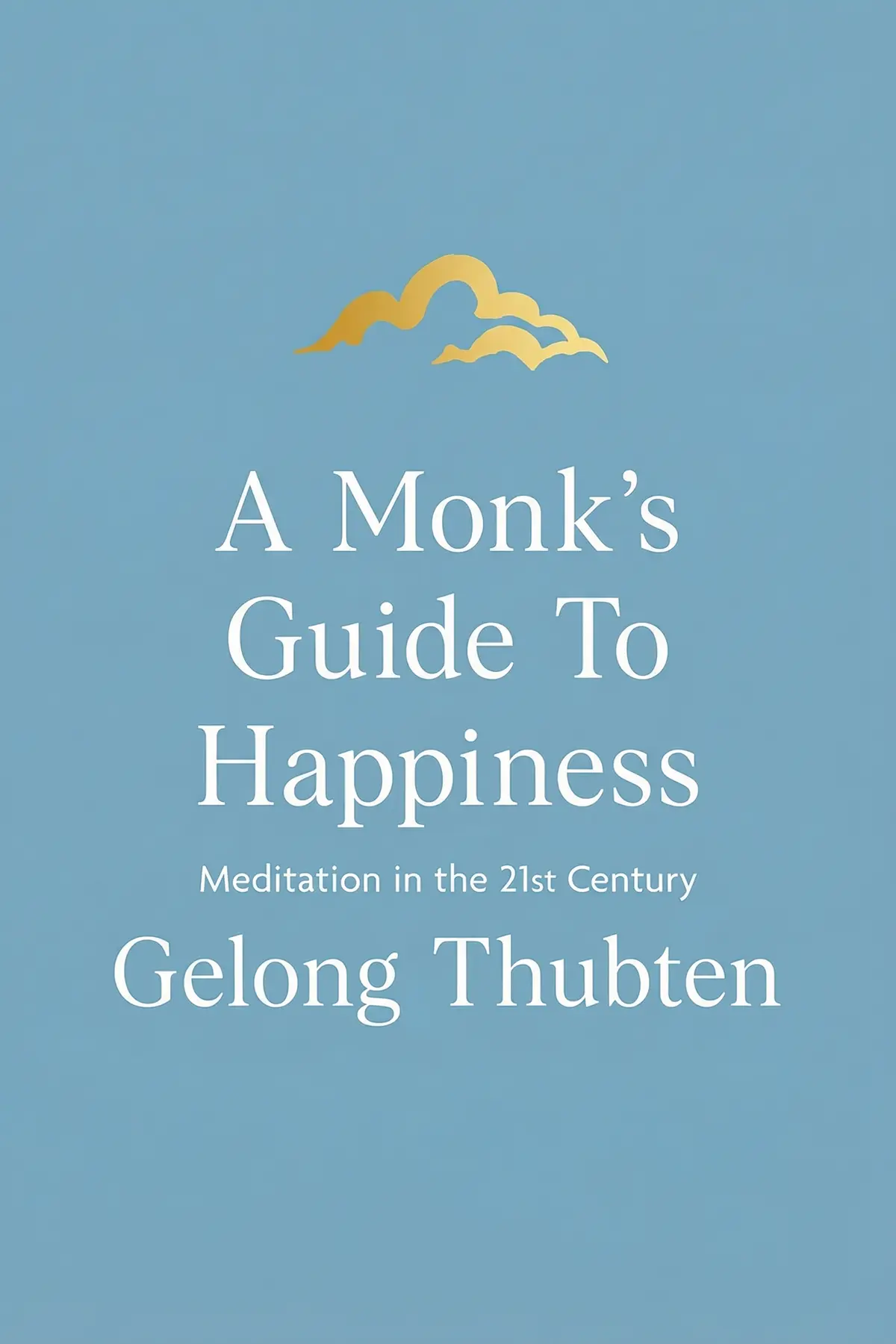
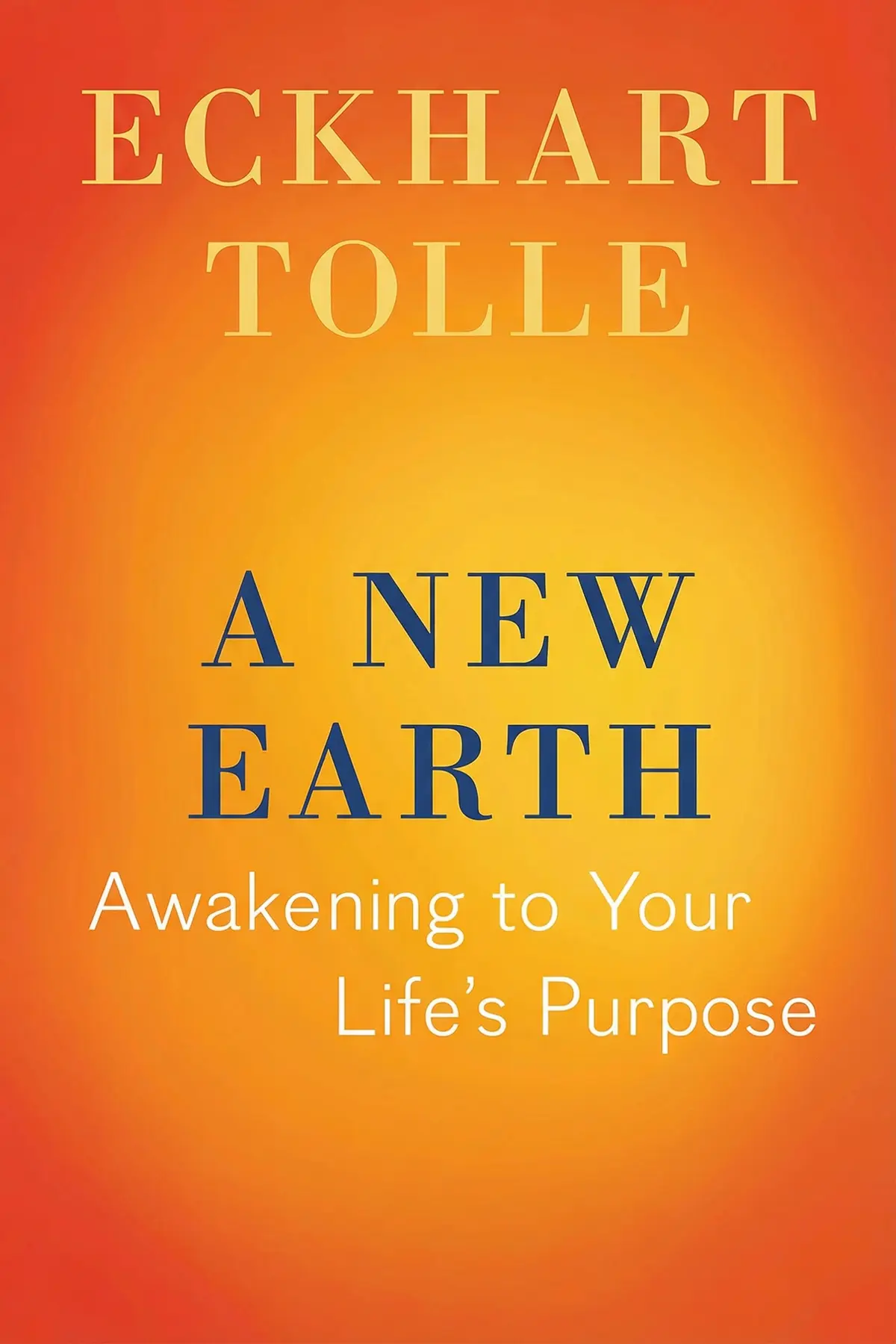
A New Earth: Awakening to Your Life’s Purpose
Eckhart Tolle
AUDIO SUMMARY AVAILABLE
Listen to The Art of Living in 15 minutes
Get the key ideas from The Art of Living by William Hart, plus 5,000+ more titles in English and Thai.
- 5,000+ titles
- Listen as much as you want
- 7-day free trial
- Cancel anytime







