
20 min 43 sec
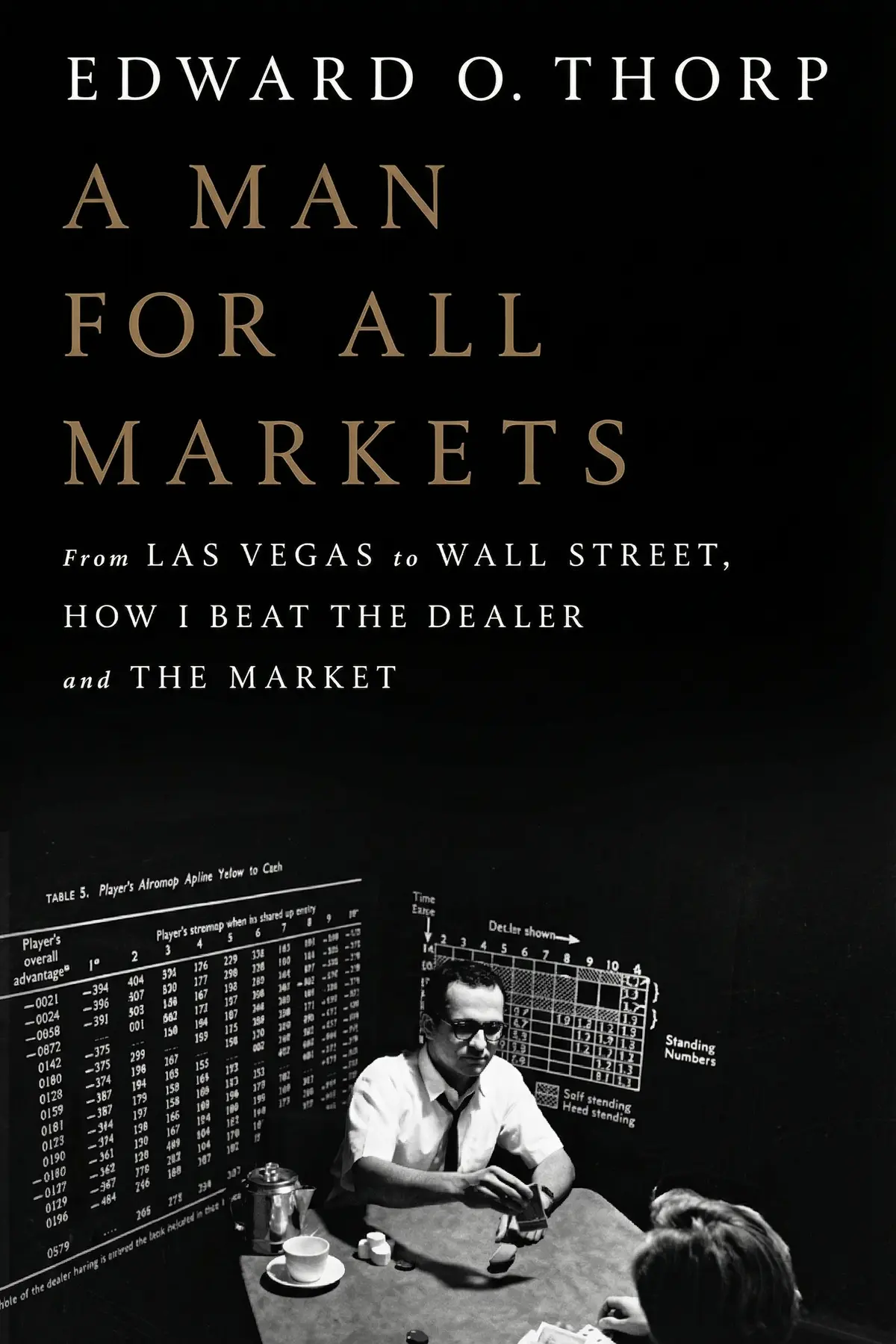
The Best Minds: A Story of Friendship, Madness, and the Tragedy of Good Intentions
The Best Minds is a profound exploration of the friendship between Jonathan Rosen and Michael Laudor, tracking their shared intellectual ambitions and the tragic descent into madness that eventually shattered their lives.
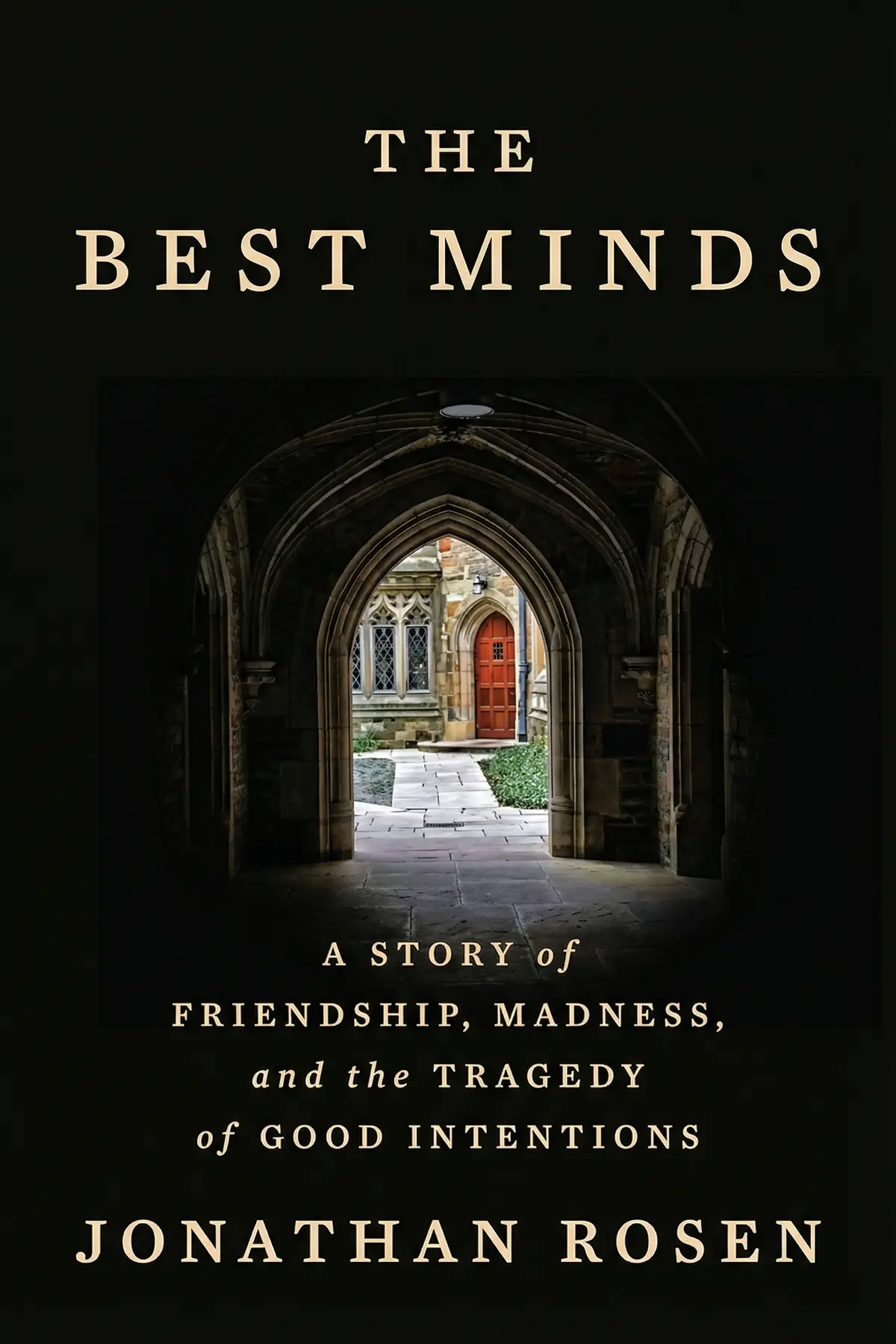
Table of Content
1. Introduction
1 min 56 sec
Every generation has its prodigies, those individuals whose intellect seems so vast that their potential feels limitless. In the 1970s, in the quiet, tree-lined suburbs of New Rochelle, New York, Michael Laudor was that prodigy. For his friend Jonathan Rosen, Michael was more than just a peer; he was a standard-bearer for what a brilliant young mind could achieve. They were two clever boys from academic families, bonded by a love for literature, a shared Jewish heritage, and the unspoken expectation that they would one day change the world.
But The Best Minds is not a simple story of success. It is a complex and deeply moving investigation into the fragile boundary between genius and insanity. As Jonathan and Michael grew into adulthood, their paths began to diverge in ways that neither could have predicted. While Jonathan followed a more conventional academic and literary route, Michael became the face of a different kind of story—a story of triumph over a devastating psychiatric diagnosis. He became a national symbol of hope for those living with schizophrenia, proving that even a ‘shattered’ mind could conquer the hallowed halls of Yale Law School.
However, beneath the headlines and the high-profile deals lay a much darker reality. This narrative takes us through the decades of their friendship, examining how society’s romanticized view of brilliance can sometimes obscure the desperate need for intervention. It’s a story about the limitations of empathy, the failures of the mental health system, and the devastating consequences of what happens when a community’s good intentions are not enough to stop a descent into darkness. As we follow this journey, we are forced to ask: What does it truly mean to support ‘the best minds’ among us, and at what point does our admiration for their intellect become a barrier to their safety?
2. A Foundation of Shared Ambition
3 min 11 sec
Two brilliant boys in the 1970s forge a bond over books and intellectual competition, unaware of how their competitive spirits would eventually shape their diverging futures.
3. The Divergent Path and the First Shadows
2 min 50 sec
As college life begins, one friend thrives in the academic world while the other’s meteoric rise in the corporate sphere is interrupted by the first signs of a psychological break.
4. The Illusion of the Intellectual Shield
2 min 54 sec
A return to the academic world offers a second chance, but it also reinforces a dangerous belief that high intelligence can serve as a cure for severe mental illness.
5. The Public Triumph and the Private Collapse
2 min 31 sec
Fame brings a new set of pressures as a high-profile media campaign turns a personal struggle into a national symbol, further isolating a man from his own reality.
6. The Final Descent into Darkness
2 min 48 sec
The boundary between delusion and reality finally breaks, leading to a horrifying conclusion that leaves a community in shock and a brilliant life in ruins.
7. Reflecting on a System of Good Intentions
2 min 50 sec
The story serves as a cautionary tale about the limits of empathy and the failures of a mental health system that prioritizes intellectual success over practical safety.
8. Conclusion
1 min 43 sec
As we reach the end of this journey through the lives of Jonathan Rosen and Michael Laudor, we are left with a landscape of profound loss. What began as a story of two clever boys in the 1970s ended in a tragedy that redefined their lives and shocked a nation. The Best Minds serves as a powerful reminder that the human intellect, as vast and impressive as it may be, is not an impenetrable fortress. It is a fragile instrument that can be shattered by the complexities of biology and the pressures of society.
The core takeaway from this narrative is the importance of a realistic and sustainable approach to mental health. While we should always strive to de-stigmatize illness and support the potential of every individual, we must also recognize the limits of what a person can handle alone. The ‘tragedy of good intentions’ shows us that support without intervention can be a dangerous path. We must build systems that provide not just ‘ramps’ to success, but safety nets that catch people when they fall, regardless of how brilliant they may be.
Ultimately, this story asks us to value the person behind the intellect. Michael Laudor was a friend, a son, and a brilliant student, but he was also a man suffering from a severe illness that required more than just academic accolades to treat. In honoring the memory of those lost—like Carrie Costello—we must commit to a future where the health and safety of individuals are prioritized over the compelling narratives of their success. The best minds deserve a world that sees them clearly, loves them truly, and protects them when they can no longer protect themselves.
About this book
What is this book about?
The Best Minds tells the haunting story of two childhood friends, Jonathan Rosen and Michael Laudor, whose lives seemed destined for greatness. Both were brilliant, Ivy League-educated, and deeply ambitious. However, as Jonathan moved into a traditional career, Michael began a harrowing battle with schizophrenia. Despite his illness, Michael was celebrated as a miracle of modern medicine, graduating from Yale Law School and securing a massive book and movie deal. But this public success story masked a terrifying internal reality that ultimately ended in a shocking act of violence. This account is more than just a memoir; it is a critical look at the systems we use to treat mental illness. It explores the 'tragedy of good intentions,' where the desire to protect a person's autonomy and celebrate their intellect can sometimes blind society to the dangerous reality of a deteriorating mind. The book promises an intimate, empathetic, and ultimately devastating look at how the healthcare and legal systems failed one of the brightest minds of a generation.
Book Information
About the Author
Jonathan Rosen
Jonathan Rosen is a distinguished American author and editor who attended Yale University. He served as the editorial director of the Forward's English edition for ten years and has written acclaimed novels such as Joy Comes in the Morning. His memoir, The Best Minds, provides a detailed and unsparing look at his complex friendship with Michael Laudor, earning widespread critical praise for its depth and honesty.
Ratings & Reviews
Ratings at a glance
What people think
Listeners describe this work as exceptionally well-researched and educational, specifically highlighting the thorough exploration of mental health theories over time. They find the narrative both gripping and heartbreaking as it examines the various dimensions of mental illness and how it is handled by society. The prose is masterful and empathetic, with one listener observing it is written in a scholarly yet personal point of view. While numerous listeners remain engrossed throughout, some find it painfully boring.
Top reviews
Chee
Jonathan Rosen has crafted a masterpiece that is both an intimate portrait of a lost friend and a scathing indictment of our mental health system. The way he juxtaposes the competitive, brilliant atmosphere of Yale with Michael Laudor’s terrifying descent into psychosis is nothing short of breathtaking. I was particularly struck by the detailed history of legal cases that shaped our current landscape of care—or lack thereof. While the book is undoubtedly long and occasionally academic, every tangent feels designed to illustrate the complexity of Michael’s world. It is a heartbreaking read, especially regarding the fate of Carrie Costello, but it’s a necessary one for anyone trying to understand the intersection of genius and madness. Truly profound.
Show moreSirirat
The contrast between the brilliance of Michael Laudor’s rise and the darkness of his eventual psychotic break is hauntingly portrayed here. Rosen’s writing is sensitive and incredibly thorough, moving from the suburban streets of their childhood to the high-stakes world of Hollywood deals and Ivy League success. I appreciated the scholarly yet personal point of view, which helped ground the more abstract theories of mental illness in a very human reality. The tragedy of what happened to Carrie is never far from the surface, even when the book explores broad social issues. It is a massive, sprawling work, but I found myself captivated by the sheer depth of the research. Truly one of the best books on mental health I’ve encountered in years.
Show moreViolet
Rarely do you find a book that balances personal grief with such rigorous intellectual history. Rosen manages to honor his childhood friend while also being brutally honest about the ego and the illness that led to an unspeakable crime. The way he explores the 'anti-stigma' movement in contrast to the reality of severe schizophrenia is incredibly bold. It challenges the reader to look past the easy narratives of recovery and see the catastrophic potential of untreated psychosis. The prose is elegant and the research is exhaustive, covering everything from eugenics to the Jewish family experience. This is a vital contribution to our understanding of mental health in America. It's heart-wrenching, but I couldn't put it down.
Show morePiyanart
After hearing about the Laudor case years ago, I wasn't prepared for how much this book would challenge my views on schizophrenia. This isn't just a story about a tragedy; it’s an exhaustive, sensitive examination of how our society handles the 'best minds' when they start to break. Rosen manages to weave together his own memories of their childhood in Connecticut with a sprawling history of psychiatric law and the failures of deinstitutionalization. Some might find the scholarly tone a bit much, but I found the deep research added necessary weight to the narrative. It’s a haunting, brilliant piece of non-fiction that stays with you long after the final page.
Show moreWittaya
Picking this up, I expected a standard true crime memoir, but it's more like a deep dive into the legal and psychiatric failures of the 20th century. Rosen does an excellent job explaining how well-intentioned policies, like those signed by JFK, ultimately left people like Michael Laudor without a safety net. The writing is sophisticated and clearly comes from a place of deep personal pain and scholarly rigor. My only real complaint is that the book sometimes loses sight of the victim, Caroline Costello, in favor of intellectualizing Michael’s schizophrenia. Still, as a history of 'psycho-law' moments, it’s incredibly informative and better than most textbooks on the subject. A very strong, albeit heavy, four-star read.
Show moreSupachai
As someone who follows mental health advocacy, I found the discussion on deinstitutionalization particularly enlightening. Rosen doesn't just tell a story; he provides a context for why our system fails the most vulnerable. The detailed account of Michael’s success—the New York Times profile, the movie deal—makes his eventual break even more devastating to read about. I did feel that some of the literary theory sections were a bit pretentious and could have been trimmed without losing the book's impact. However, the emotional core of the story is strong enough to carry the reader through those slower moments. It’s a sobering look at how even the 'best minds' can be destroyed by a lack of proper intervention.
Show moreTern
Look, the story of Michael Laudor is one of the most tragic events in recent Yale history, but this book feels oddly detached at times. Because Rosen and Michael weren't particularly close during the years leading up to the murder, much of the account relies on interviews and old reports rather than personal memories. This gives the book a journalistic feel, which is great for facts but sometimes lacks the emotional punch I expected. That said, the exploration of how the legal system and the university tried to 'save' Michael while ignoring the warning signs is fascinating. It’s a complicated, dense, and deeply researched book that raises more questions than it answers. Definitely worth your time if you enjoyed Vince Granata's work.
Show moreParichat
Truth be told, this book desperately needs a stronger editor to trim the fat from its 500-plus pages. The core tragedy—Michael Laudor’s rise as a Yale Law genius and his horrific descent into violence—is absolutely gripping and heart-wrenching. However, Rosen frequently drifts into long-winded tangents about postmodernism and literary deconstruction that feel completely disconnected from the main plot. I understand he’s trying to set the intellectual scene of the era, but it often reads more like a dry textbook than a memoir. When he focuses on Michael and the failures of the mental health system, the book is brilliant. Unfortunately, those moments are buried under too much autobiography. It’s still worth a read for the history, but be prepared for some slow sections.
Show moreAnawin
Does this book really need to be 500 pages long? The story of Michael’s descent into madness is inherently compelling, but the author takes so many divergent paths that I often lost the thread. One minute we’re at Yale Law, and the next we’re getting a lecture on the history of the Socialist Patients' Collective or Foucault’s views on AIDS. To be fair, Rosen is a brilliant writer, and his research into the legal system is thorough. But the 'friendship' aspect felt secondary to his desire to write an intellectual history. I felt more like I was reading a very long New Yorker article that refused to end. It’s informative, but definitely not a light read.
Show moreTak
I wanted to find this as compelling as Hidden Valley Road, but it simply fell flat for me. Frankly, the narrative gets bogged down in Rosen’s own life story rather than focusing on the more fascinating, albeit tragic, trajectory of Michael Laudor. While the sections on the history of psychiatric treatment in America were well-researched, they were often interrupted by unnecessary name-dropping of literary theorists. I found myself skimming through pages of graduate school anecdotes just to get back to the core story of the 1990s. The title suggests a deep exploration of friendship, yet the distance between the two men for most of their adult lives makes that theme feel a bit forced. It’s a dense read that could have benefited from a much tighter edit.
Show moreReaders also enjoyed
A Promised Land
Barack Obama
A River in Darkness: One Man’s Escape from North Korea
Masaji Ishikawa
A Spy Among Friends: Philby and the Great Betrayal
Ben Macintyre

A Liberated Mind: How to Pivot Toward What Matters
Steven C. Hayes

A Year in the Life of William Shakespeare: 1599
James Shapiro
AUDIO SUMMARY AVAILABLE
Listen to The Best Minds in 15 minutes
Get the key ideas from The Best Minds by Jonathan Rosen, plus 5,000+ more titles in English and Thai.
- 5,000+ titles
- Listen as much as you want
- 7-day free trial
- Cancel anytime







