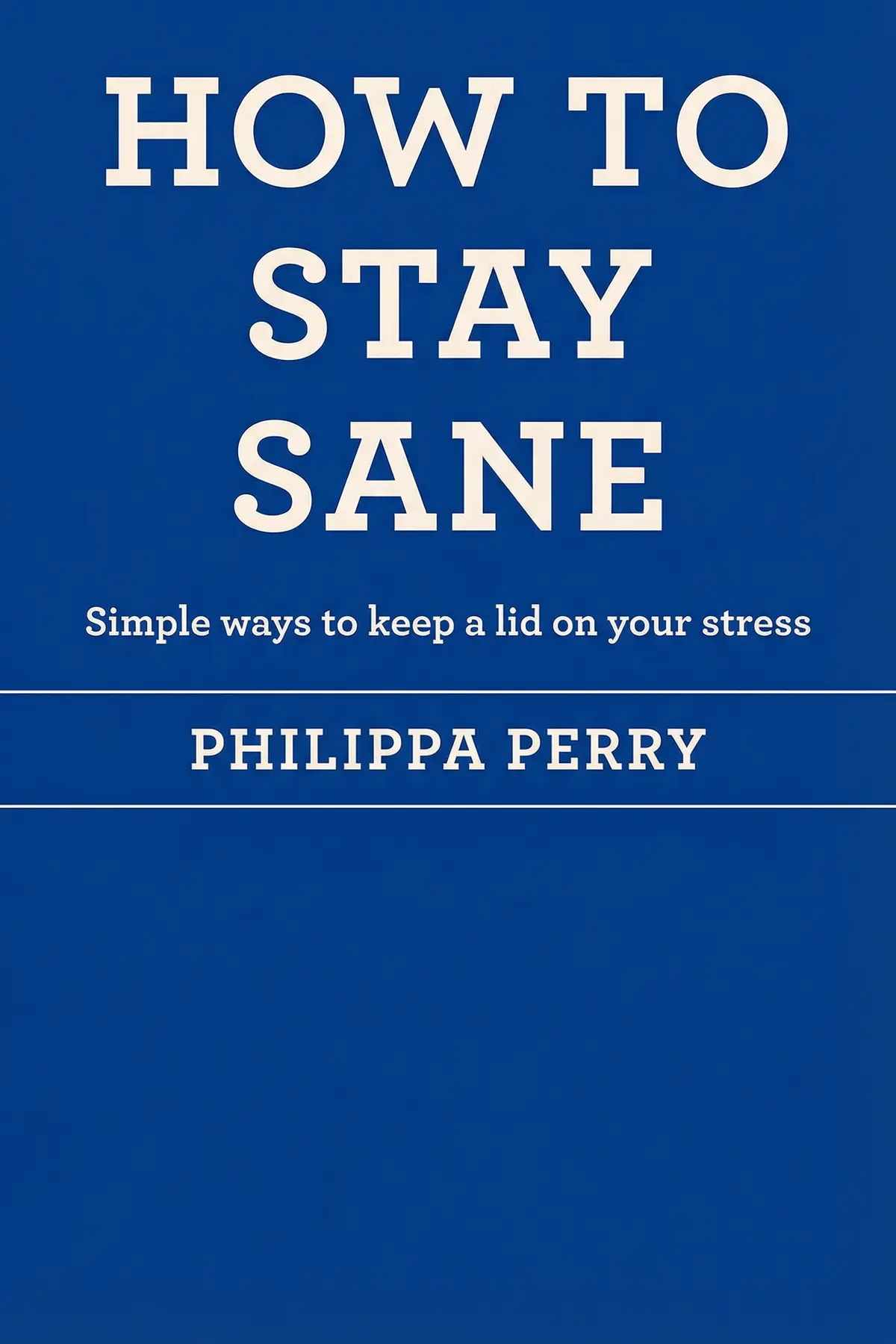
How to Stay Sane
Philippa Perry
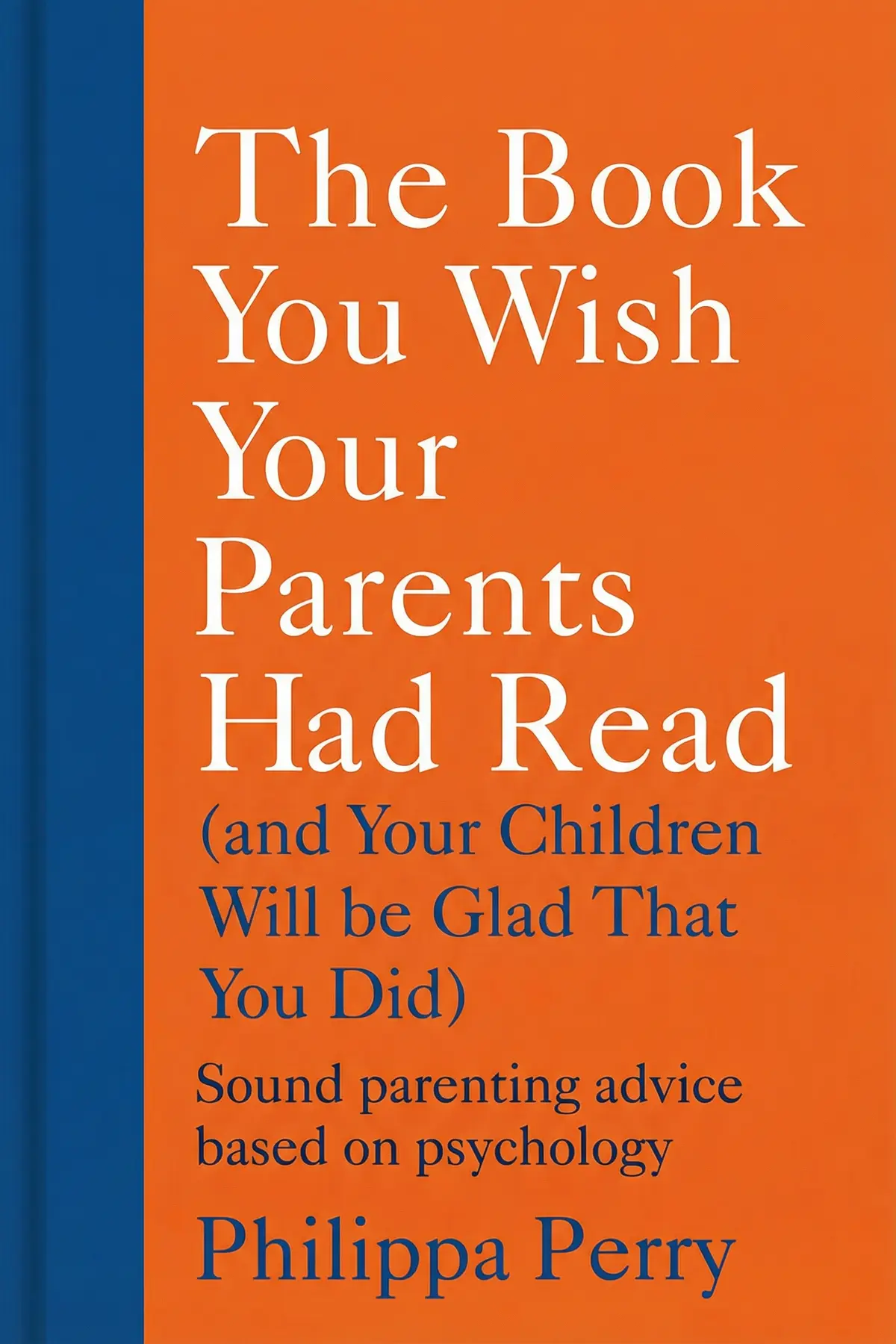
Philippa Perry offers a psychological deep-dive into the parent-child bond, emphasizing that understanding our own upbringing and validating our children’s emotions is far more effective than traditional discipline techniques or behavioral hacks.
1 min 46 sec
Every single person on this planet has an intimate, firsthand understanding of parenting. Even if you have never changed a diaper or stayed up all night with a crying infant, you were once that child yourself. You remember the moments of joy, the feelings of being understood, and perhaps more vividly, those instances where you felt ignored, dismissed, or unfairly judged by the adults in your life. We carry those memories with us, often tucked away in the corners of our subconscious, yet they continue to influence how we interact with the world around us.
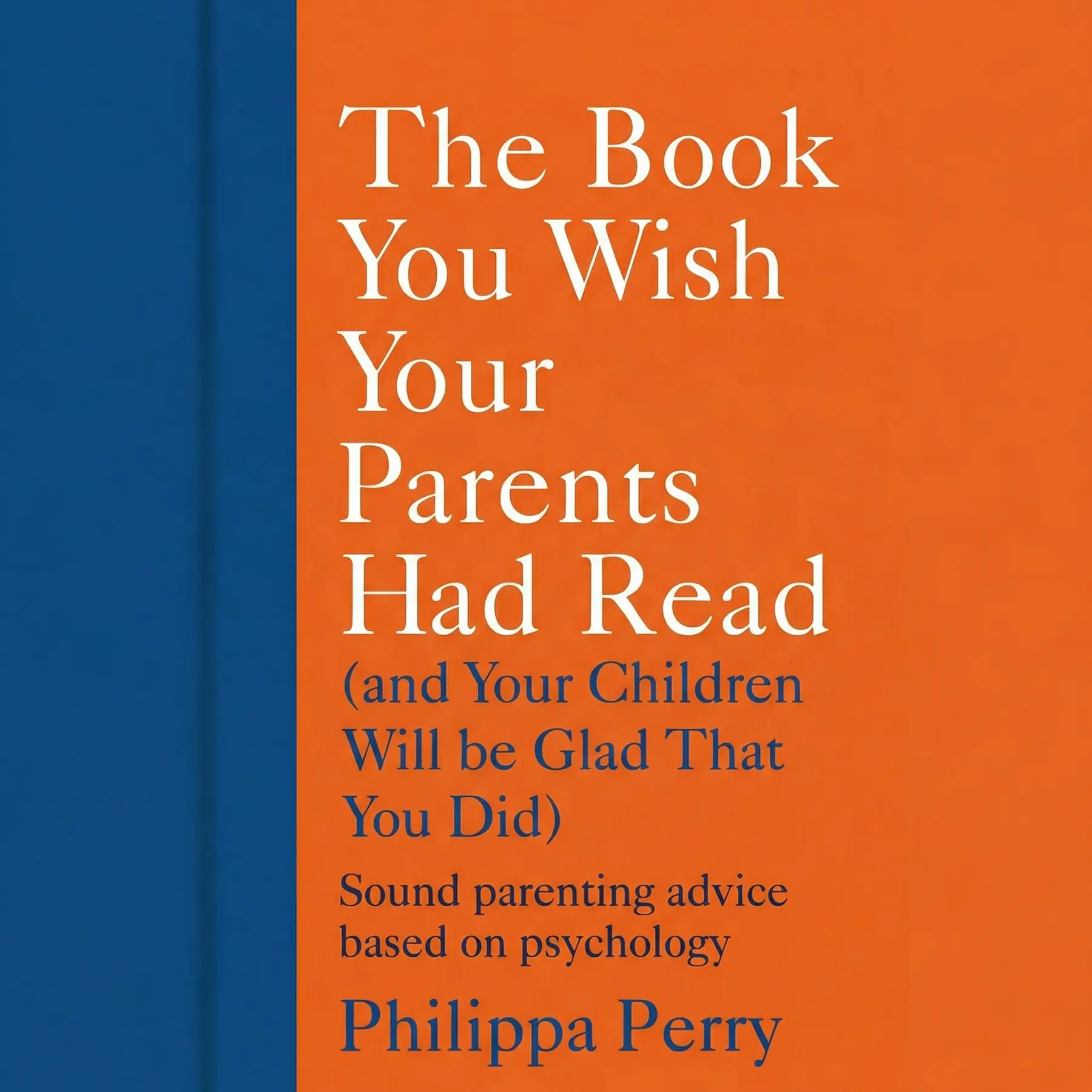
In her groundbreaking work, The Book You Wish Your Parents Had Read (and Your Children Will Be Glad That You Did), psychotherapist Philippa Perry invites us to look at parenting through a psychological lens rather than a tactical one. This isn’t a book about how to get your child to eat their broccoli or how to enforce a strict bedtime. Instead, it is a deep dive into the very fabric of the human relationship. Perry’s perspective is refreshing because it moves away from the idea of the parent as a disciplinarian and toward the idea of the parent as a collaborator in a child’s emotional development.
As we explore these ideas, you’ll find that the throughline is simple yet profound: the quality of the bond you share with your child is the single most important factor in their future well-being. But to build that bond, you have to be willing to look inward. You have to be prepared to dismantle your old assumptions and examine your own history. Through this summary, we will uncover how our past dictates our present, why your child’s ‘inconvenient’ feelings are actually their greatest asset, and how you can create an environment where your child—and your relationship with them—can truly flourish.
2 min 49 sec
Your reactions to your child’s behavior are often echoes of your own past. Discover how recognizing these triggers can prevent you from repeating negative generational patterns.
2 min 48 sec
The structure of your family matters less than the quality of your relationships. Learn why a supportive atmosphere is the fertile soil every child needs.
2 min 57 sec
Ignoring or suppressing a child’s ‘silly’ emotions can have long-term consequences. Discover the art of validation and why it’s the key to emotional intelligence.
2 min 37 sec
A baby’s dependency is a call for connection. Learn why meeting their needs consistently is the foundation for a lifetime of trust and sociability.
2 min 55 sec
In an age of constant distraction, true presence is a rare gift. Explore the impact of engaged observation and why play is much more than just a pastime.
2 min 56 sec
Parenting is not a war to be won. Learn how to replace power struggles with four essential social skills that you can model for your child.
1 min 34 sec
In the end, the core message of Philippa Perry’s work is that parenting is not a set of techniques to be mastered, but a relationship to be nurtured. It is a continuous process of looking inward and adjusting our own behavior to meet the emotional needs of our children. We must move away from the idea that we can control our children and instead focus on what we can truly control: our own decisions, our own reactions, and our own capacity for empathy.
By examining the ‘ghosts’ of our own childhoods, we can stop the cycle of generational trauma and frustration. By validating our children’s feelings, we give them the tools to navigate the world with confidence and self-trust. And by modeling the social skills we wish to see in them—like flexibility and patience—we provide them with a living example of what it means to be a healthy adult.
If you want to take an immediate, actionable step toward this kind of parenting, start by noticing your own patterns of ‘attention-denying.’ The next time your child does something irritating to get your attention, pay attention to your internal reaction. Are you unconsciously pushing them away or burying your head in your phone or chores to avoid the interaction? Try to override that instinct. Instead of ignoring the behavior, invite them into what you are doing. Show them they are seen and valued. When you prioritize the relationship over the rules, you aren’t just making life easier today—you are building a bond that your children will truly be glad you did, for the rest of their lives.
The Book You Wish Your Parents Had Read (and Your Children Will Be Glad That You Did) is not your typical parenting manual filled with schedules and sleep-training charts. Instead, psychotherapist Philippa Perry invites readers on a journey of self-reflection. The core premise is that the way we were parented directly shapes how we react to our own children today. By uncovering our own childhood patterns and triggers, we can break cycles of frustration and build a relationship based on mutual respect and emotional security. The book promises a path toward healthier, more resilient children through the power of connection. It covers everything from the importance of secure infant attachment to the way we handle conflict in the household. Rather than focusing on how to 'fix' a child’s behavior, Perry focuses on the adult’s capacity for empathy and self-awareness. It’s a guide for anyone looking to foster a deep, lasting bond with their child, ensuring they feel seen, heard, and valued from infancy through adulthood.
Philippa Perry is a renowned British psychotherapist and author with decades of experience in the field of mental health. Her work often blends psychological theory with accessible, human storytelling. In addition to her acclaimed parenting guide, she has authored Couch Fiction: A Graphic Tale of Psychotherapy and How to Stay Sane, both of which explore the intricacies of the human mind.
Philippa Perry
Listeners find the book very approachable and consider it essential for parents, providing helpful guidance that allows them to understand their childhoods and improve their parenting. The content is explained with clarity, and listeners value the empathetic tone, with one listener noting how it deconstructs emotions. Listeners prize the book's perspectives, with one listener mentioning its foundation in scientific research, and they find it useful for healing.
This book should be handed out at every prenatal appointment, regardless of whether it’s your first or fourth child. Perry doesn’t just lecture you on discipline; she forces you to look inward at your own upbringing and how those old ghosts haunt your current parenting style. The concept of 'rupture and repair' was a total game-changer for me because it removes the impossible pressure to be perfect all the time. Instead of feeling guilty for losing my temper, I now have a roadmap for how to fix the connection and move forward with my toddler. It’s written with such empathy and warmth that you feel like you’re in a therapy session rather than reading a manual. While some might find the psychodynamic approach a bit heavy on the family history, I found it liberating. Understanding why I react in certain ways has made me a much calmer, more present parent. It is truly a gift for those breaking toxic cycles.
Show moreFinally got around to reading this and I’m genuinely moved by how much it helped me understand my own history. Philippa Perry has this incredible knack for breaking down complex emotional patterns into something you can actually work on day-to-day. I don’t even have kids yet, but reading this was a form of therapy in itself as I processed how my parents' reactions shaped my adult anxieties. It’s less of a 'how-to' guide for babies and more of a manual for being a healthy human being in any relationship. The focus on the 'emotional container' concept is brilliant and has helped me stay regulated during high-stress moments with my partner. Look, it’s not a perfect book—some examples are a bit dated—but the psychological foundation is incredibly robust. It’s about becoming the person you want your children to look up to. If you’re willing to do the hard work of self-examination, this book will be your best friend.
Show moreEver wonder why certain things your child does make you see red instantly? Perry explains exactly why that happens, and it’s usually not about the child at all. This book shifted my perspective from 'how do I fix my kid' to 'how do I fix my relationship with my kid.' It is a subtle but profound difference that has lowered the temperature in our house significantly. The book is incredibly easy to read and feels very empathetic toward the parent, acknowledging that we are all human and prone to mistakes. I loved the scientific explanations for how children's brains develop and why they literally cannot 'behave' better in certain situations. It’s not about being a perfect parent; it’s about being a present one who is willing to apologize when they mess up. Frankly, every person who interacts with children should read this. It’s a guide to human connection.
Show moreDirect and insightful, this book cut through a lot of the noise in the parenting world. Perry doesn't sugarcoat the fact that parenting is hard work, but she offers a way to make it more rewarding by focusing on the long-term bond. I appreciated the clear explanation of how our own 'forgotten' feelings from childhood dictate our reactions today. While I can see how some might find her tone a bit critical of certain methods, I interpreted it more as a passionate plea for children’s emotional rights. She advocates for taking children seriously, which is a message that needs to be heard more often. My only hesitation is that it occasionally feels like it’s written for people with only one child. Juggling these techniques with multiple kids in a small house is a whole different ball game. But as a philosophical guide, it’s top-tier and has helped me heal some of my own old wounds.
Show morePicked this up during a particularly rough week with my four-year-old, and it felt like a needed deep breath. Perry writes in a way that is incredibly accessible, avoiding the dense jargon you usually find in developmental psychology books. The core message about validating feelings rather than shutting them down is something I’ve started implementing immediately, and the results are surprisingly positive. However, I have to admit that some of her leaps in logic felt a bit extreme and occasionally judgmental. For instance, the suggestion that checking your phone too often could lead to your child developing a drug addiction later in life felt unnecessarily alarmist. It’s a bit of a stretch and ignores the reality of modern life for working parents who are juggling a million things. Despite those moments of privilege radiating through the pages, the advice on emotional regulation is genuinely solid. It’s a great tool for self-reflection if you can filter out the more dogmatic assertions.
Show moreAs someone who usually avoids the self-help aisle, I found this surprisingly grounded and practical. Perry’s background as a psychotherapist shines through in her emphasis on the 'why' behind our behaviors. She doesn't just tell you to stay calm; she explains the neurological and emotional reasons why we get triggered by our children’s tantrums. The writing style is conversational and punchy, making it easy to digest even when you're exhausted at 11 PM. I did find the sections on babies a bit repetitive, and as a parent of three, I laughed at some of the one-on-one time suggestions. Who has the time or childcare to spend a full weekend alone with just one child in a hotel? It’s a bit of a fantasy. Nevertheless, the advice on communication and validating a child's reality is worth the price of admission alone. It has definitely changed the way I talk to my kids.
Show moreAfter hearing so many people rave about this, I found it to be a helpful, if slightly flawed, guide. On one hand, the emphasis on empathy and understanding your own baggage is fantastic. On the other hand, some of the anecdotes are incredibly extreme and felt more like scare tactics than helpful guidance. The story about the ten-year-old trying to jump out of a window because his parents worked too much was deeply upsetting and felt like an unfair blow to working families. Truth is, the book leans heavily on Perry's personal opinions rather than rigorous scientific data, which makes some of her more 'unique' theories hard to swallow. It's a decent read for the emotional intelligence tips, but take the specific warnings with a massive grain of salt. It is very much rooted in a specific, comfortable sub-culture, yet the core message about listening to children is universal and important.
Show moreWhat if the key to being a better parent was actually looking at your own childhood? Perry explores this with grace, though she occasionally ignores the patriarchal structures that make this kind of 'intensive' emotional labor fall mostly on mothers. It’s a lot to ask one person to be an endless emotional container without addressing the need for systemic support. Still, if you want to understand your triggers and stop repeating your parents' mistakes, this is a must-read. Personally, I found the chapters on 'The Environment' and 'How We Relate' to be the most enlightening parts of the entire book. She manages to be undogmatic about things like co-sleeping while still emphasizing the importance of attachment. It’s a refreshing change from the 'my way or the highway' tone of most sleep-training manuals. It has helped me stay much more patient during the toddler phase.
Show moreNot what I expected based on the glowing recommendations from my parent group. To be fair, the sections on active listening and empathizing with a child’s perspective are useful, though they aren’t exactly revolutionary if you’ve read any modern parenting blogs. My biggest gripe is the overwhelming sense of privilege that drips from every chapter. Perry suggests getting family members to pay your rent or have sisters cook your meals for a year as if everyone has a massive, wealthy support network waiting in the wings. For a single parent or a family where both people are working full-time just to survive, much of this advice feels completely out of touch with reality. It’s easy to advocate for 'intensive' parenting when you aren't worried about the electric bill or childcare costs. If you can look past the elitist tone and the fact that she clearly only had one child to manage, there are some decent psychological insights buried here.
Show moreI really wanted to love this, but I ended up feeling more judged than helped by the time I finished. Look, I agree that children's feelings are important, but Perry’s approach feels like a recipe for total parental burnout. She pushes a very intensive style of attachment parenting that seems impossible for anyone who isn't a middle-class parent of an only child. The way she links modern distractions—like briefly checking an email on your phone—to future drug addiction is just absurd and creates unnecessary guilt for parents who are already struggling. To be fair, there is some sensible advice about validating emotions, but it’s buried under a mountain of condescension toward any method that doesn't fit her specific worldview. I found other guides much more practical and less focused on blaming my own parents for everything. If you’re already feeling overwhelmed, this book might just make you feel worse.
Show moreAUDIO SUMMARY AVAILABLE
Get the key ideas from The Book You Wish Your Parents Had Read (and Your Children Will Be Glad That You Did) by Philippa Perry, plus 5,000+ more titles in English and Thai.