

15 min 37 sec
The Climate Book: The Facts and the Solutions
A powerful synthesis of scientific expertise and urgent advocacy, this guide clarifies the climate crisis through the voices of over one hundred experts to chart a bold path for the planet's survival.
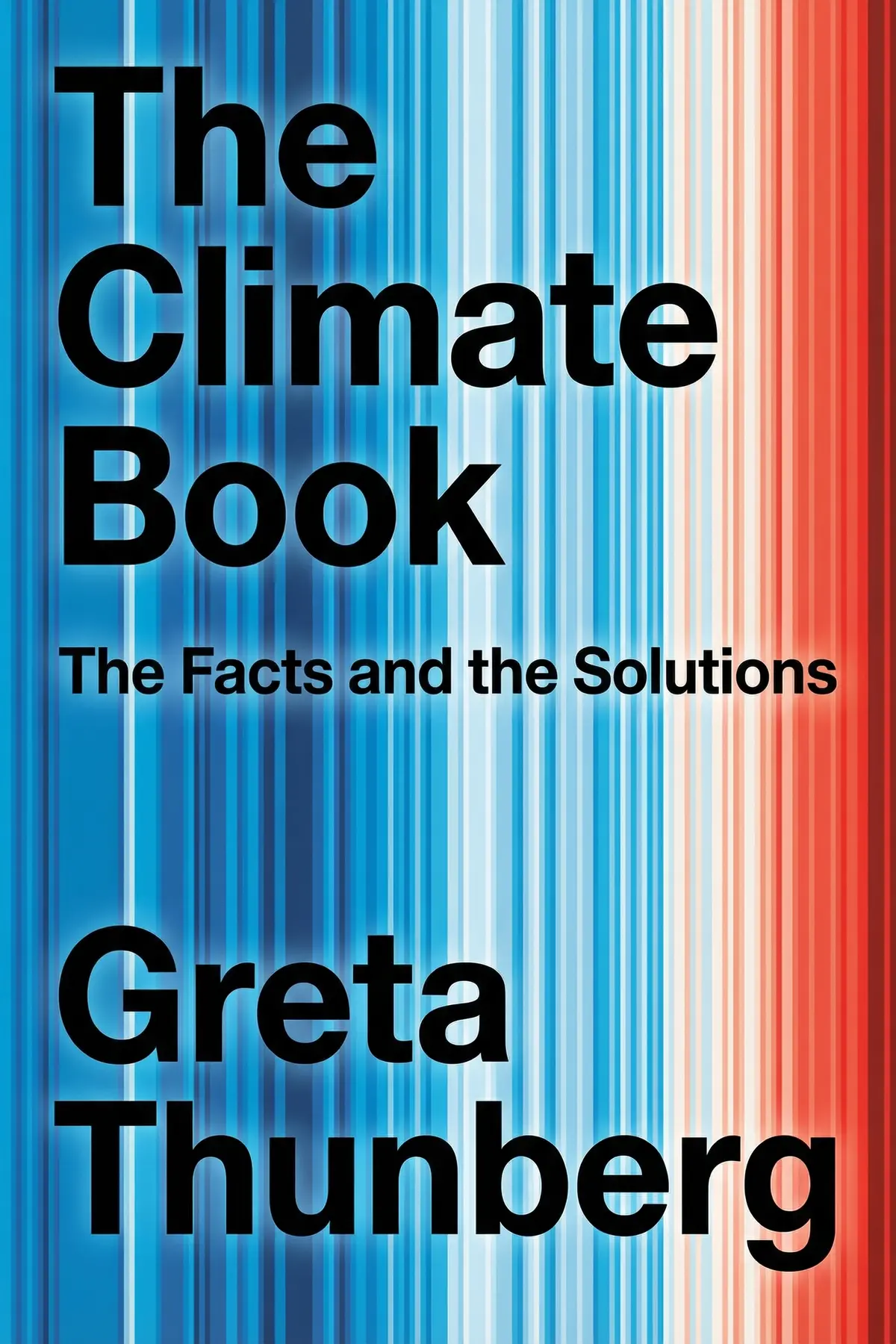
Table of Content
1. Introduction
1 min 40 sec
The conversation around our planet’s future is often filled with noise, conflicting interests, and a sense of overwhelming complexity. However, every so often, a work arrives that attempts to cut through that static with the sheer weight of evidence and moral clarity. This is the essence of what Greta Thunberg has curated. By bringing together the insights of over one hundred experts, this project serves as a definitive look at the climate crisis, moving from the foundational science of global warming to the practical, bold steps that are required to safeguard our collective future.
At the heart of this exploration is a simple but profound realization: we have the information, and we have the experts, but we are lacking the collective urgency to match the scale of the challenge. The book isn’t just a singular perspective; it is a tapestry of scientific understanding designed to show us where we are and how we got here. It frames the climate crisis not as a distant threat or a niche environmental concern, but as an all-encompassing reality that demands a fundamental shift in how we live, govern, and interact with the natural world.
As we walk through these ideas, you will notice a throughline of honesty. There is a refusal to sugarcoat the data or to offer easy, superficial fixes. Instead, there is a focus on the science, the necessity of bold leadership, and the power of individual action when it is aligned with systemic change. This summary will guide you through the core concepts that define our current predicament and the solutions that offer a way forward. It’s an invitation to look clearly at the world as it is, so that we might begin the work of building the world as it needs to be.
2. The Strength of Expert Consensus
2 min 09 sec
Explore why the collaboration of over one hundred experts provides a foundation of truth that is essential for addressing the complexities of global warming.
3. The Imperative of Absolute Urgency
2 min 00 sec
Understand why the timeframe for addressing the climate crisis is shorter than most realize and why delay is the greatest threat we face.
4. The Interplay of Individual and Government Responsibility
2 min 06 sec
Discover how personal choices and large-scale policy must work in tandem to create the systemic change required for the planet’s health.
5. Unmasking the Reality of Global Warming
2 min 06 sec
Go beyond the headlines to see the true nature of the environmental crisis and why honesty is the first step toward a solution.
6. Practical Solutions for a Sustainable Future
1 min 55 sec
Examine the tangible actions and systemic shifts that can protect our planet’s future and provide a path toward restoration.
7. The Power of the Global Youth Movement
1 min 52 sec
Learn how a new generation is redefining the climate conversation and why their voice is a catalyst for international change.
8. Conclusion
1 min 49 sec
As we conclude this exploration of the climate crisis, the throughline is clear: we are standing at a pivotal moment in human history. The science is settled, the experts have spoken, and the path forward has been mapped out. What remains is the question of will. Will we choose to act with the boldness and urgency that the situation demands, or will we continue to settle for incremental changes that fall short of what is necessary? The insights gathered from over one hundred voices in this project leave no room for ambiguity. The crisis is real, it is human-made, and it is happening now.
However, this is not a message of hopelessness. On the contrary, by facing the truth of our situation, we gain the power to change it. We have seen that there are practical solutions, that nature has an incredible capacity for restoration, and that a global movement of people is already demanding a better future. The responsibility lies with both individuals and governments to work in tandem, creating a feedback loop of action and policy that can steer us toward a sustainable world. It is about moving from a state of passive concern to a state of active participation.
In the end, the climate crisis is a test of our values and our commitment to one another. It is a call to protect the planet not just for ourselves, but for all future generations and for the countless other species that share this home with us. The work will be difficult, and it will require us to rethink many of the systems we take for granted. But the reward is a world that is healthier, fairer, and more resilient. The time to listen to the science and act with boldness is today. Let this be the moment where we stop looking away and start building the future that we all deserve.
About this book
What is this book about?
The Climate Book is a comprehensive exploration of the most pressing challenge of our era, curated by Greta Thunberg and featuring contributions from a massive roster of over one hundred experts. It seeks to bridge the gap between complex climate science and the necessary public action required to mitigate global warming. The book provides an in-depth look at the scientific realities of our changing planet while challenging both individuals and world leaders to move beyond rhetoric and toward genuine, bold transformation. The promise of this work is a clear and honest assessment of our current situation. By bringing together voices from diverse fields, it offers a holistic view of how global warming functions and what practical solutions exist to protect the future. It serves as both an educational resource and a profound call to conscience, emphasizing that the time for incremental change has passed and the era of urgent, systemic action has arrived.
Book Information
About the Author
Greta Thunberg
Greta Thunberg is a Swedish environmental activist who has become a global icon for her unwavering commitment to climate advocacy. She is the central figure behind the international youth climate movement and was honored as Time's Person of the Year in 2019. For this project, Thunberg collaborated with a group of more than 100 experts from various disciplines to compile a definitive account of the climate crisis.
Ratings & Reviews
Ratings at a glance
What people think
Listeners value the educational nature of the work, with one mentioning how its structure develops knowledge essay by essay. The prose receives positive feedback, as one listener points out the high-quality insights provided by global experts across various disciplines. Additionally, the text is praised for being easy to digest in brief segments, and listeners find the focus on climate action significant. However, perspectives regarding the book's overall worth and work ethic are divided among listeners.
Top reviews
Dao
After hearing so much about Greta’s activism, I finally dove into this massive collection of knowledge. This isn't just a manifesto; it is a rigorous, multi-dimensional synthesis of the ecological crisis we currently face. By bringing together over 100 global experts, Thunberg creates a 'one-stop shop' for anyone trying to connect the dots between capitalism, carbon cycles, and social justice. The essays are bite-sized yet incredibly dense with facts that challenge the 'profit now, worry later' logic of our modern world. I found the section on attribution science particularly fascinating because it proves that extreme weather isn't just bad luck anymore. Frankly, it is a difficult read emotionally, but the 'optimism of the will' shines through every page. This should be mandatory reading in every school across the globe to ensure the next generation understands the stakes.
Show moreBo
Ever wonder why the media treats the end of the world like just another news cycle? This book pulls back the curtain on the 'merchants of doubt' and the systemic failures that brought us to this precipice. Greta’s voice is blunt and unapologetic, exactly as it needs to be when the house is on fire. The contributions from experts like Naomi Klein and Margaret Atwood add a layer of cultural and political depth that I didn't expect. Personally, the most startling realization was how our current economic 'hamster wheel' is actively destroying our only home. We are gambling with the future for the sake of short-term dopamine spikes and corporate dividends. This is not a book for those looking for comfort; it is a book for those looking for the truth. It is a call to move beyond 'doomerism' and into radical, collective action.
Show moreGung
Wow. This isn't just a book; it's a diagnostic manual for a planet that refuses to acknowledge its own symptoms. The way Thunberg weaves together the history of science with the history of capitalist denial is masterclass-level editing. I was particularly struck by the imagery of 'The Grapes of Wrath' applied to our current global waste—millions hungry while resources rot for the sake of price stability. It is a sobering reminder that our safety as a species is on a direct collision course with our current economic system. The climate stripes at the start of each chapter are a haunting visual reminder of how fast we are moving toward the edge. Got to say, I finished this feeling a strange mix of existential dread and fierce empowerment. We have the tools to change the ending; we just need the courage to use them.
Show moreEmily
The chapter on the Arctic warming and the Jet Stream was a total wake-up call for me personally. I used to think of climate change as something happening 'out there' or in the distant future, but this book proves it is killing people right here and now. Thunberg’s introductions are stylistically unique—blunt, rhythmic, and piercingly honest. She doesn't sugarcoat the fact that we have been lied to by fossil fuel interests for generations. The inclusion of 'attribution science' helps bridge the gap between abstract stats and the wildfires we see on the news every summer. In my experience, most climate books are either too academic or too emotional, but this one strikes a perfect balance. It’s a massive synthesis that manages to be both a reference guide and a battle cry. We are at the adaption point, and this book shows us the path forward.
Show moreElla
The Climate Book is a sobering reminder that we are currently gambling with our shared home for the sake of short-term financial speculation. I was deeply moved by the section on 'loss and damages,' which finally gives a name to the liability and compensation owed to the Global South. This isn't just about carbon; it’s about justice, history, and survival. George Monbiot’s critique of the media’s role in our collective silence was particularly sharp and necessary. Sentence by sentence, this book deconstructs the myths of green capitalism and replaces them with a call for holistic transformation. We are standing at the edge of a cliff, and Thunberg has handed us a map of the terrain. It’s not a comfortable map to look at, but it is the only one we have. Rage against the dying of the light, indeed. This is the definitive text of our time.
Show moreKaen
Picked this up thinking it would be a long-winded lecture, but I was pleasantly surprised by the accessible format. The book is cleverly structured into color-coded sections that make navigating complex topics like permafrost and fast fashion much easier. While Thunberg provides the framing, the real stars are the scientists and journalists who provide the cold, hard data we usually ignore. To be fair, some of the essays feel a bit repetitive if you read them all in one sitting, but that’s probably the point. The repetition reinforces the urgency of our situation and the need for immediate systemic change. I appreciated the focus on indigenous wisdom and the critique of green capitalism, which often feels like a hollow solution. It’s a heavy book, both physically and metaphorically, but the short passages make it manageable for a casual reader.
Show moreGift
This book delivers exactly what the title promises: a comprehensive, multi-dimensional look at the ecological crisis. I love that Greta doesn't try to be the sole expert; instead, she uses her massive platform to amplify the voices of those who have been screaming into the void for decades. The diversity of perspectives is the book's greatest strength, ranging from soil scientists to human rights advocates. Truth is, it’s not a 'happy' read, but the clarity it provides is a gift in an age of misinformation. My only minor gripe is that the transitions between some essays felt a bit abrupt, leaving me wanting more depth on specific local solutions. Still, the call for 'unprecedented changes in all aspects of society' is loud and clear. It’s an essential addition to any library for those who want to understand why we can't wait any longer.
Show moreDarius
Gotta say, the format here is the real winner because you can digest these heavy topics in bite-sized chunks without getting totally overwhelmed. The book successfully 'connects the dots' between things I never thought were related, like microplastics and the global division of labor. It’s a stark reminder that 'winning slowly is the same as losing' when it comes to the 1.5-degree target. While some of the charts are a bit small and hard to read in the print version, the information they convey is staggering. To be fair, the tone is quite dark, which might put some people off, but we are past the point of needing 'feel-good' stories. It’s a wake-up call that demands you look at your own lifestyle while simultaneously pointing the finger at the systemic structures that make individual change so difficult. Definitely worth the read.
Show moreViolet
To be fair, while the science presented by the guest experts is top-tier, the sheer volume of essays makes the pacing feel a bit disjointed at times. I found myself slogging through some of the more technical data points, and I’m not sure the average reader will have the stamina for all 400+ pages. Look, the information is vital, but I struggled with the value proposition here compared to just reading the IPCC reports or following the individual authors. Some of the contributions felt like summaries of books I’ve already read, which made parts of it feel like a retread. However, I can't deny that having all this information in one place is useful for reference. It’s a solid resource for activists, but as a cover-to-cover reading experience, it can be quite overwhelming and occasionally repetitive in its messaging.
Show moreA
Not what I expected given the hype, as I found it a bit repetitive if you already follow climate news closely. Frankly, the work ethic behind compiling 100 essays is impressive, but it feels like a collection of blog posts rather than a cohesive narrative. I was hoping for more original writing from Greta herself, but she mostly just provides short intros that say the same thing over and over. If you've read Elizabeth Kolbert or Naomi Klein before, you’ve seen a lot of this already. It felt a bit like a marketing exercise for COP27 rather than a groundbreaking new contribution to the field. For a newcomer, it’s probably a 5-star resource, but for someone already engaged in environmental science, it doesn't offer much 'new' insight. I appreciate the effort, but it just didn't click for me as a cohesive book.
Show moreReaders also enjoyed

Beyond Words: What Animals Think and Feel
Carl Safina
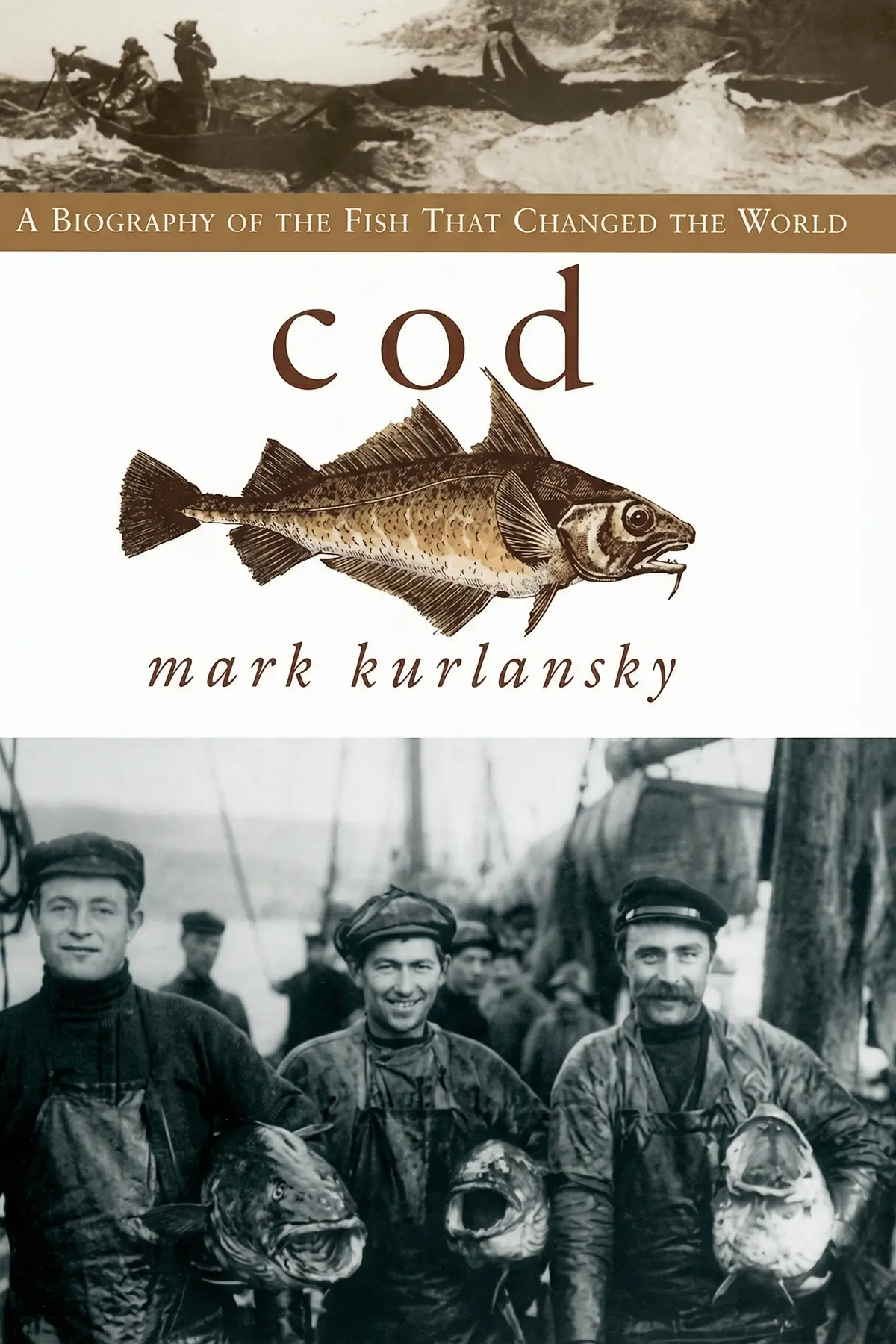
Cod: A Biography of the Fish That Changed the World
Mark Kurlansky
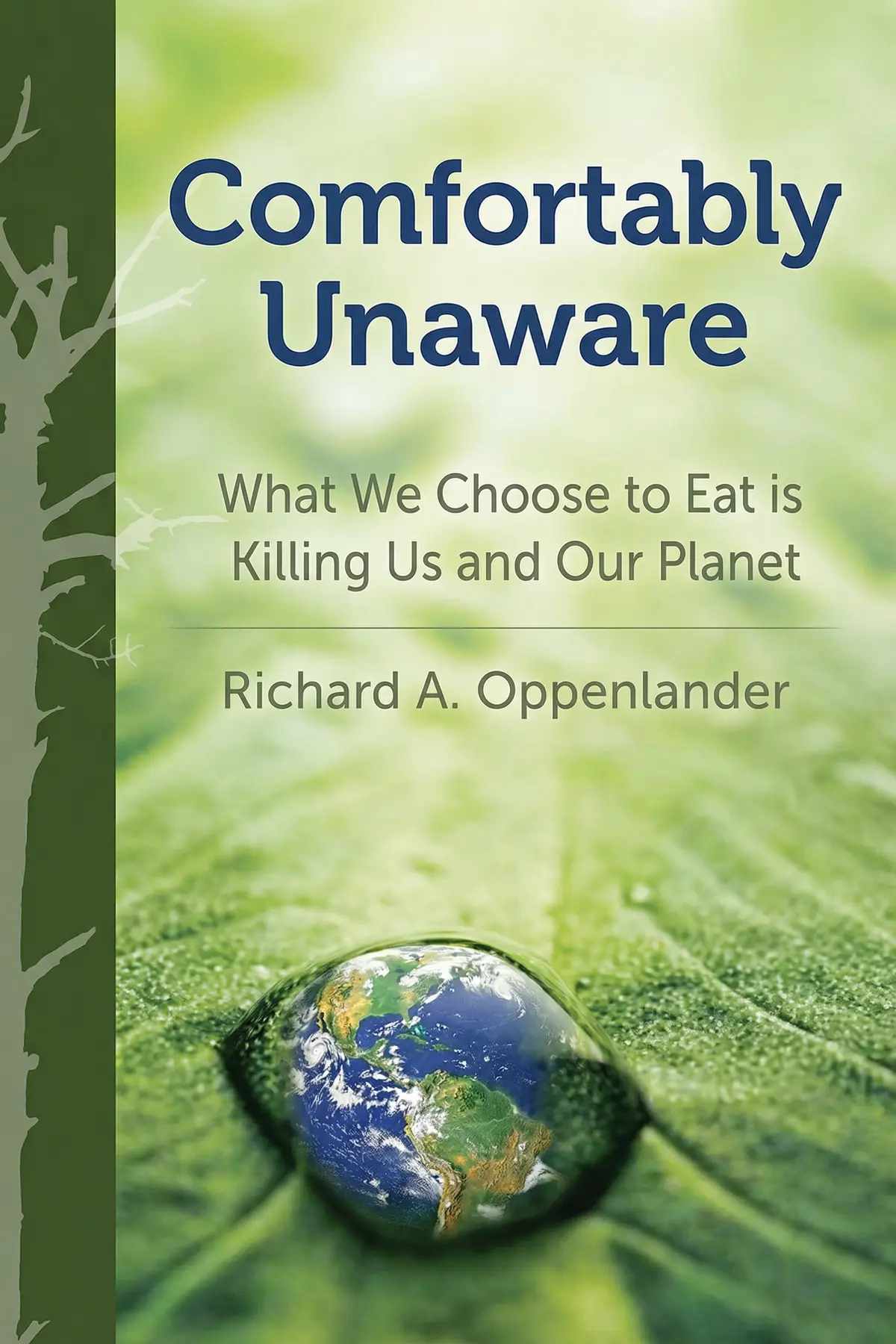
Comfortably Unaware: What We Choose to Eat is Killing Us and Our
Richard A. Oppenlander
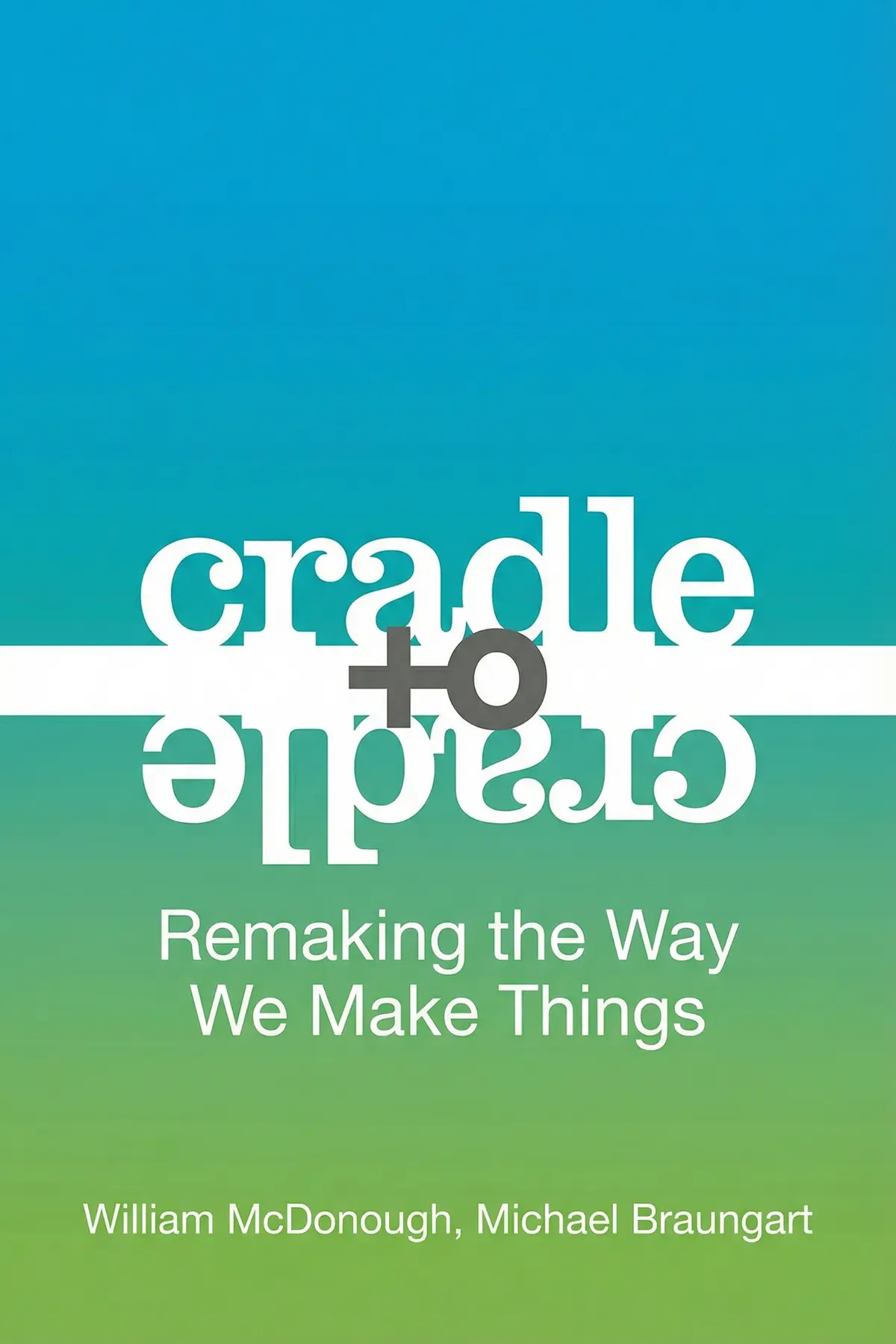
Cradle to Cradle: Remaking the Way We Make Things
William McDonough
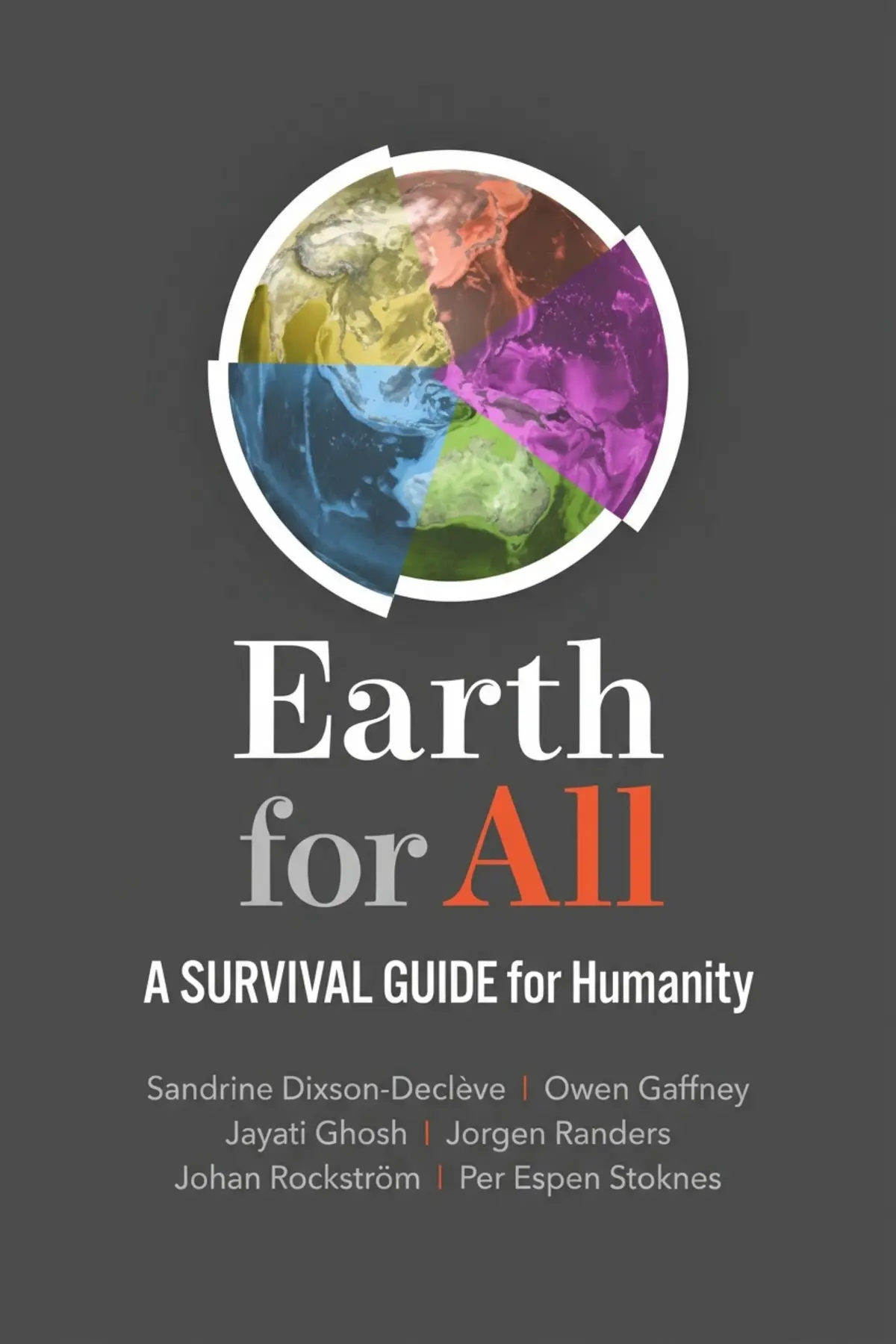
Earth for All: A Survival Guide for Humanity
Sandrine Dixson-Decleve

Eating Animals
Jonathan Safran Foer
AUDIO SUMMARY AVAILABLE
Listen to The Climate Book in 15 minutes
Get the key ideas from The Climate Book by Greta Thunberg, plus 5,000+ more titles in English and Thai.
- 5,000+ titles
- Listen as much as you want
- 7-day free trial
- Cancel anytime







