
15 min 17 sec
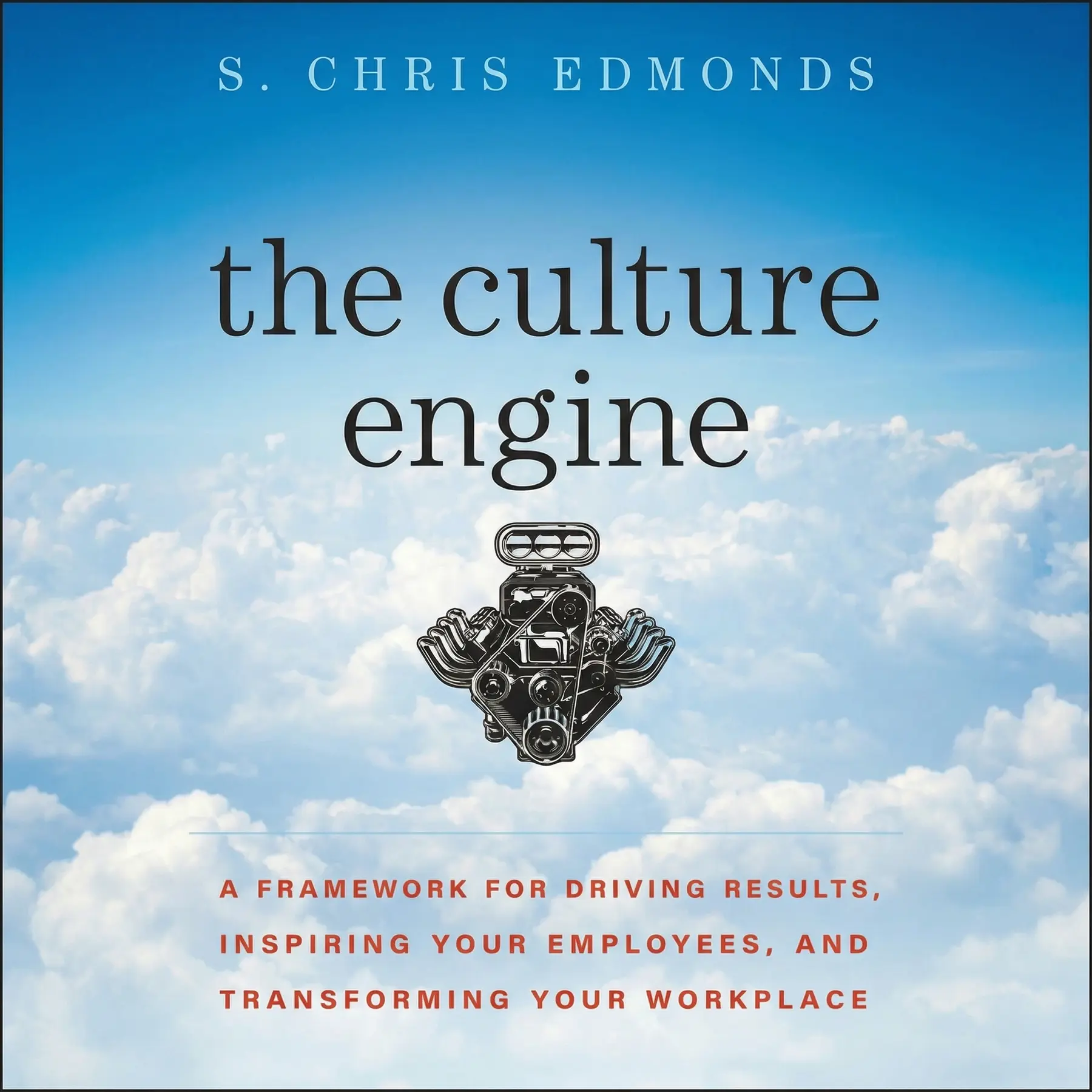
The Culture Engine: A Framework for Driving Results, Inspiring Your Employees, and Transforming Your Workplace
The Culture Engine provides a systematic blueprint for building a high-performance workplace. By establishing a formal organizational constitution, leaders can align values and behaviors to drive engagement, loyalty, and lasting professional success.
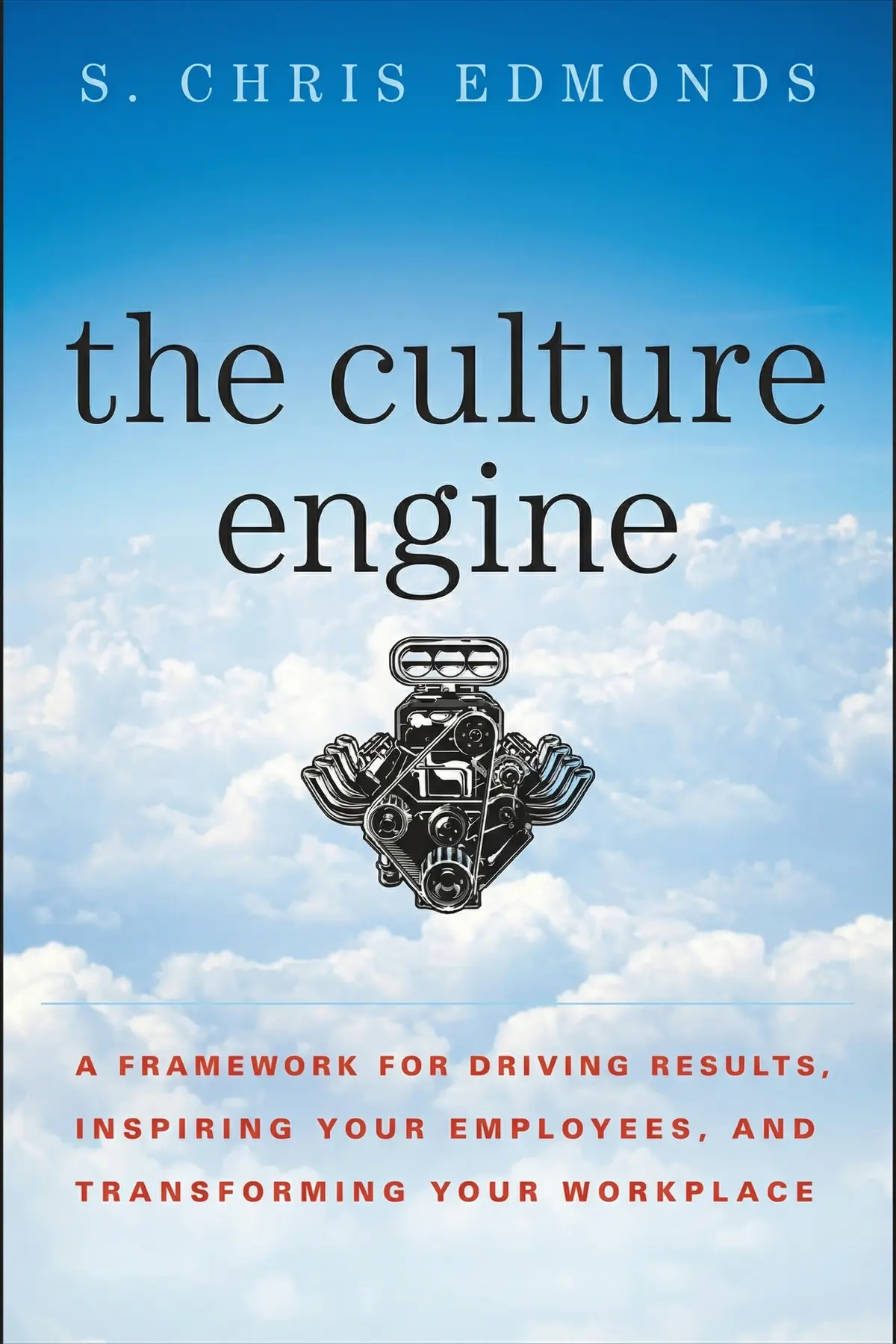
Table of Content
1. Introduction
1 min 47 sec
In the modern business landscape, the word culture is often thrown around as if it were a mysterious, intangible force—something that either exists or it doesn’t. We hear stories about legendary workplaces where employees are buzzing with energy and creativity, and we wonder if that kind of environment is reserved for a lucky few. But what if culture wasn’t a matter of luck? What if it could be designed, built, and maintained with the same precision as a piece of high-end machinery? This is the central premise we are exploring today.
When we look at massive success stories like Zappos, it’s easy to focus on the end result—the billion-外部 dollar acquisition by Amazon or the fanatical customer loyalty. However, the true engine behind that success was a meticulously crafted internal environment. Research consistently demonstrates that organizations with a strong, healthy culture outlast their competitors, retain their best talent longer, and foster much higher levels of innovation.
In this summary, we are going to break down the framework for creating what S. Chris Edmonds calls an organizational constitution. This isn’t just about writing a catchy mission statement to hang on the breakroom wall. It’s about creating a living, breathing document that dictates how people treat one another and how work gets done. We will walk through the process of defining your purpose, aligning your leadership team, and ensuring that every new hire is a perfect fit for the culture you are building. By the time we’re finished, you’ll see that a high-performance culture isn’t a miracle—it’s a choice made every single day through clear standards and consistent behavior. Let’s look at how you can start building that engine for your own organization.
2. Defining the Organizational Constitution
2 min 25 sec
Discover why your company needs a formal set of rules to navigate ambiguity and create a safe, respectful, and highly productive work environment.
3. The Leader as a Cultural Model
2 min 35 sec
Learn why leadership integrity is the cornerstone of any cultural shift and how creating a personal constitution can help you lead by example.
4. Crafting Purpose and Values with Precision
2 min 26 sec
Move beyond vague mission statements by learning how to define a clear purpose and measurable behaviors that drive your company’s survival.
5. Navigating Resistance to Change
2 min 11 sec
Discover a non-judgmental approach to handling employees and leaders who oppose the new organizational standards.
6. The Gatekeeping of Culture
2 min 17 sec
Understand why cultural fit is more important than technical skills and how to use mentorship to integrate new hires effectively.
7. Conclusion
1 min 36 sec
Building a high-performance culture is a marathon, not a sprint, but it is one of the most rewarding journeys any leader can undertake. Throughout this exploration of the culture engine, we’ve seen that success isn’t about hope—it’s about a framework. It begins with the creation of an organizational constitution that clearly defines your purpose and the specific behaviors that will bring your values to life. It requires leaders who are willing to look in the mirror first and hold themselves to the highest standards of integrity.
We’ve also discussed the practical realities of making this shift, from managing the inevitable resistance of the ‘old guard’ to the critical importance of gatekeeping during the hiring process. Remember that a culture is not defined by what you say in your best moments, but by what you tolerate in your worst. By making your values non-negotiable and measurable, you create an environment where employees feel safe, respected, and empowered to do their best work.
As you move forward, consider the ‘throughline’ of this entire process: intentionality. Most workplaces have a culture by accident; the great ones have a culture by design. If you take the time to build your engine correctly, it will eventually run on its own, driving results, inspiring your people, and creating a workplace that truly stands the test of time. Start by drafting your own personal mission today, and watch how that single act of clarity begins to transform the world around you.
About this book
What is this book about?
This summary explores the essential framework for intentional cultural transformation within any organization. Most companies treat their workplace atmosphere as an afterthought, but S. Chris Edmonds argues that culture is a primary driver of results that must be engineered with precision. The core promise of this book is a step-by-step methodology for moving away from accidental culture and toward a purposeful, high-accountability environment. You will learn how to draft an organizational constitution that defines not just your mission, but the specific, measurable behaviors expected of every team member. The text covers the critical role of leadership integrity, the strategies for overcoming internal resistance to change, and the necessity of hiring for cultural alignment rather than just technical skill. By the end, you’ll understand how to create a workspace that inspires employees while consistently hitting performance targets.
Book Information
About the Author
S. Chris Edmonds
Chris Edmonds is the founder and CEO of an organizational culture consulting firm called The Purposeful Culture Group. He is a prolific author and an adjunct professor at the University of San Diego School of Business.
Ratings & Reviews
Ratings at a glance
What people think
Listeners describe this title as an excellent resource that is packed with useful knowledge and is simple to follow. They value the hands-on advice for individuals, and one listener mentions that it acts as a superb blueprint for reaching goals. The work is well-regarded for its layout, with one listener highlighting the generous room provided for taking notes.
Top reviews
Chaiwat
As someone who has spent years trying to navigate corporate politics, I found this book to be a refreshing breath of fresh air. It isn't just theory; it’s a fantastic road map that provides a wealth of information for leaders at all levels. I particularly liked the ample space provided for making notes, which turned the reading experience into an active workshop. The way Edmonds breaks down the transition from management-by-performance to management-by-values is brilliant. It’s easy to understand and provides immediate steps for implementation. Not gonna lie, I’ve already started drafting our team’s purpose statement based on his advice. If you want to transform your workplace culture, this is the guide you need.
Show moreGun
After hearing about the "code of culture" from a few colleagues, I decided to see what the fuss was about. This book exceeded my expectations by providing a clear, step-by-step method for defining and cultivating company values. The truth is, most companies have values posters on the wall that mean absolutely nothing. Edmonds shows you how to turn those words into a living document that dictates how people actually treat each other. I love the workbook vibe; it makes the daunting task of "fixing culture" feel manageable. It’s simple, direct, and incredibly useful for anyone in a leadership position. This is easily one of the best books I've read on corporate culture recently.
Show moreElla
Wow, Edmonds really delivered a fantastic road map with this one. I’ve read a lot of management fluff, but this is different because it’s so practical and easy to understand. The book is perfectly organized, with sections that lead you through the entire process of defining a meaningful purpose. I really liked how he calls out the potential problems you might face, like resistance from long-term employees. It feels like he’s in the trenches with you. Assigning "constitutional champions" as mentors for new hires is a brilliant idea that I plan to implement immediately. This book is a must-read for anyone serious about creating a healthy, productive work environment.
Show moreLevi
This book provides a structured framework for anyone looking to build a high-performance work environment without sacrificing human dignity. Edmonds introduces the idea of an "organizational constitution," which essentially acts as a cultural foundation for your team. Truth is, many leaders talk about values, but few actually connect specific behaviors to those values in a way that’s measurable. I found the five-step process quite logical, especially the emphasis on personal constitutions before trying to fix the whole group. To be fair, the text can get a little dense in places, making it feel more like a textbook than a quick business read. However, the practical guidance on aligning hiring practices with your stated purpose makes it a worthwhile investment for any manager. It's a solid road map for success.
Show moreCharles
The concept of an "organizational constitution" is something every modern company should explore. Edmonds hits the nail on the head when he talks about how to handle the "haters" who resist cultural change. You have to hold your ground and let people go if they refuse to align with the new values. I appreciated the specific mentions of WD-40 as a case study, though I wish there were even more real-world examples to draw inspiration from. The book is very organized and serves as a practical guide for individuals wanting to drive change from within. It’s not perfect—some sections are a bit wordy—but the actionable advice on behavioral expectations is top-tier.
Show moreNongnuch
Picked this up because I was struggling with a "closed-door" management culture in my department. Edmonds offers a solid alternative by prioritizing management-by-values over pure performance metrics. This shift is crucial for long-term success. Personally, I think the most valuable part was the advice on aligning onboarding with the constitution. Including purpose and behavior expectations in job postings is such a simple but overlooked strategy. My only gripe is that it feels a bit "consultant-heavy" at times, but the road map provided is undeniably effective. It’s a great read that provides a wealth of information for those willing to do the hard work of culture building.
Show moreTakeshi
Finally got around to finishing this, and I have mixed feelings about the overall presentation. While the content regarding the "culture farm" and value-based leadership is undoubtedly important, the layout is incredibly dry and academic. It felt like a slog to get through all those blocks of text without enough visual breaks or call-out sections to keep me engaged. I was hoping for more "Patrick Lencioni" style narratives to illustrate the points, but instead, it’s more of a workbook format. In my experience, business books need to be more "eye-friendly" to really stick. There are some good insights here, particularly regarding how one toxic person can corrode an entire organization, but it needs better formatting and more inspiring examples.
Show moreSamira
Ever wonder why so many leadership books feel like they are saying the exact same thing? This one definitely feels redundant if you’ve spent any significant time reading about organizational culture or management. The core message—that you need clear values and a shared purpose—isn't revolutionary. To be fair, Edmonds does a decent job outlining how to incorporate these into hiring and training, but I didn’t find much here that I hadn’t encountered elsewhere. The "culture engine" metaphor is okay, but it gets a bit self-referential after a while. It’s a fine introductory text for a new manager, but for a seasoned executive, it might feel like a repeat of the basics.
Show moreNit
Frankly, the information in here is just too buried under a mountain of repetitive text. I was expecting a more engaging read, perhaps with some storytelling or "mock-ups" of visions and values to help jump-start the process. Instead, it’s a very dry, academic slog that lacks the "love" needed to take it to the next level. I found myself flipping through pages trying to find the meat of the argument. While the five simple steps are logical, the execution of the book makes it hard to stay focused. It needs more spacing, more headlines, and a separate section for actual company examples. It’s just not a very attractive book to read.
Show moreBella
Look, I really wanted to like this book, but it’s hard to take advice on "open communication" from someone who doesn't practice it. The author talks a big game about being an honest communicator who treats others as equals, yet he shuts down dialogue the moment it becomes inconvenient. If a leader can't "walk the talk," why should I follow their five-step plan? The book itself feels like another talking head selling words for profit. It’s ironic that he mentions how employees won’t tolerate hypocrisy when he seems to struggle with the very values he espouses. Honestly, save your money and read Tom Peters instead. Communication is a two-way street, and this felt like a dead end for me.
Show moreReaders also enjoyed

Acting with Power: Why We Are More Powerful Than We Believe
Deborah Gruenfeld
All In: How Great Leaders Build Unstoppable Teams
Mike Michalowicz
7 Powers: The Foundations of Business Strategy
Hamilton Helmer

A Bigger Prize: How We Can Do Better Than the Competition
Margaret Heffernan
AUDIO SUMMARY AVAILABLE
Listen to The Culture Engine in 15 minutes
Get the key ideas from The Culture Engine by S. Chris Edmonds, plus 5,000+ more titles in English and Thai.
- 5,000+ titles
- Listen as much as you want
- 7-day free trial
- Cancel anytime







