
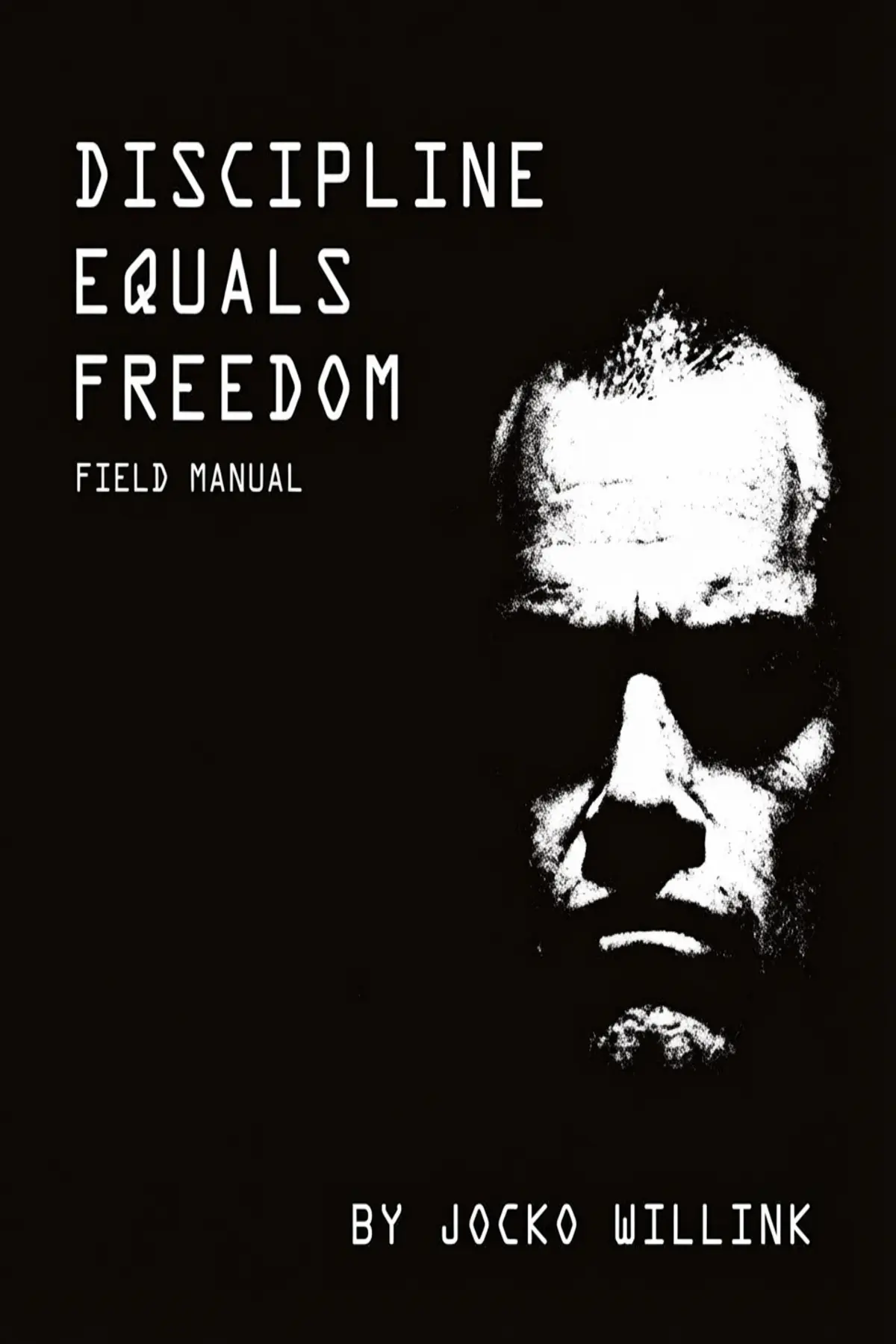
Discipline Equals Freedom: Field Manual
Jocko Willink
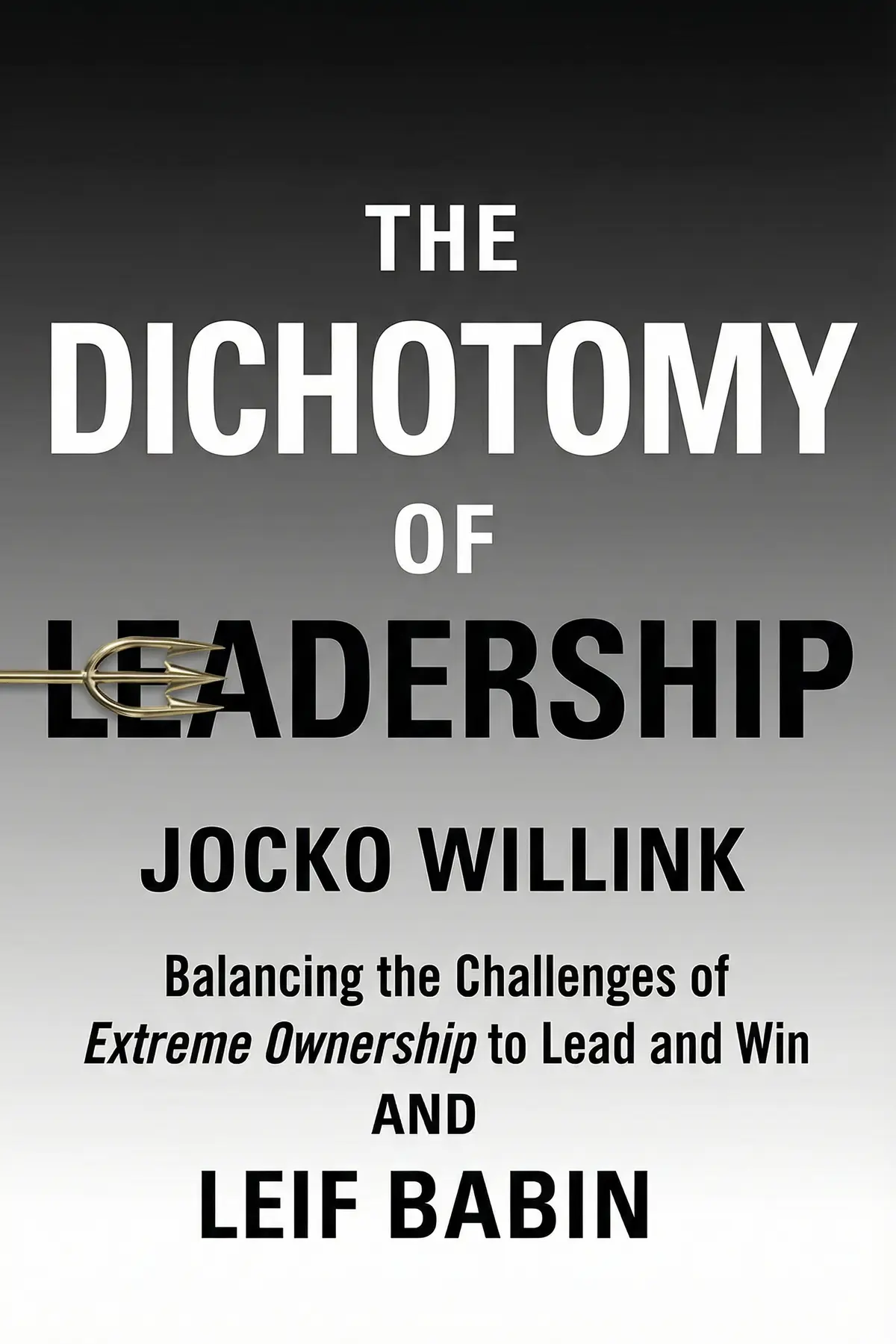
Explore the delicate balance required to lead effectively. This summary examines how the high-stakes lessons of Navy SEAL combat apply to the complex challenges of modern business and organizational management.
1 min 51 sec
In the chaos of a combat zone, the line between success and failure is often measured in seconds and inches. For Navy SEAL commanders Jocko Willink and Leif Babin, the streets of Ramadi, Iraq, served as the ultimate laboratory for leadership. Their previous work, which introduced the world to the concept of taking total responsibility for one’s environment, changed how many people view management. However, as they transitioned from the battlefield to the boardroom, they noticed a recurring problem: many leaders were taking the concept of ‘extreme’ ownership too literally. They were pushing so hard in one direction that they were creating new problems on the opposite side of the spectrum.
This is where the concept of the dichotomy comes into play. A dichotomy represents a division between two things that are represented as being opposed or entirely different. In leadership, these are the conflicting forces that pull at a person in charge. You must be aggressive, but not reckless. You must be humble, but not passive. You must be a leader, but also a follower. The true challenge of being at the helm is not picking one side and staying there; it is finding the perfect balance between these extremes.
Through the lens of their military service and their subsequent work as business consultants, Willink and Babin illustrate that leadership is not a one-size-fits-all formula. It is a constant process of adjustment, a continuous search for the ‘sweet spot’ where a team is most effective. In this summary, we will explore the various tensions that define the leadership experience. We will look at how the tragic loss of a comrade can teach a manager how to save a failing company, and how a smoke-filled room in a foreign city can provide the clarity needed to avoid organizational disaster. This journey is about finding the equilibrium that allows you to lead and win, regardless of whether your mission is on the battlefield or in the competitive world of global commerce.
2 min 43 sec
Leaders must navigate the painful tension between deep concern for their team members and the cold necessity of completing the objective.
2 min 52 sec
Every leader has a limited amount of influence to spend; using it on trivial matters leaves you bankrupt when the stakes are high.
2 min 27 sec
Dictating behavior through rules often leads to resentment, while explaining the ‘why’ empowers the team to lead themselves.
2 min 35 sec
Effective command requires the humility to follow others, whether they are your superiors or your subordinates.
2 min 21 sec
Failure to plan leads to disaster, but planning for every possible scenario leads to paralysis and a lack of focus.
2 min 42 sec
To avoid being blinded by the details of the moment, a leader must learn to step back and observe the entire landscape.
1 min 37 sec
The overarching lesson of The Dichotomy of Leadership is that the path to success is almost never found at the extremes. It is a narrow, winding trail that requires constant vigilance and adjustment. To lead and win, you must embrace the contradictions of the human experience. You must be the person who cares deeply for your team, yet has the fortitude to demand excellence and take risks. You must be the authority figure who knows when to be a humble student. You must be the planner who is ready to throw the plan away when the situation changes.
As you move forward in your own leadership journey, remember that ‘Extreme Ownership’ does not mean being an extreme personality. It means taking total responsibility for finding the balance. When you find yourself leaning too far in one direction—becoming too aggressive, too detail-oriented, or too passive—it is your job to recognize that shift and correct your course.
One of the most actionable pieces of advice from this philosophy is to remain humble but not passive. Humility allows you to listen to feedback, admit when you are wrong, and learn from every situation. However, humility should never be an excuse for inaction. If you see something that is wrong or a decision that will harm the team, you must have the courage to speak up and take a stand. This is the ultimate balancing act. By mastering these dichotomies, you move beyond simple management and into the realm of true leadership, where you can navigate any challenge and lead your team to victory, no matter the stakes.
The Dichotomy of Leadership explores the nuanced reality that effective leadership is not about adhering to a single, rigid set of rules, but rather about balancing competing forces. Based on the combat experiences of two decorated Navy SEAL officers in Ramadi, Iraq, the book identifies several critical 'dichotomies' that every leader must navigate. These include the balance between caring for your team and being prepared to lead them into risky situations, the necessity of being both a leader and a follower, and the importance of being detailed without becoming a micromanager. By moving beyond the concept of Extreme Ownership, this guide provides a sophisticated framework for understanding when to push forward and when to pull back. It offers a promise of improved organizational performance by teaching leaders how to find the middle ground between opposing extremes. Through vivid battlefield stories and real-world business consulting examples, the text demonstrates that the most successful leaders are those who can maintain their strategic perspective while staying grounded in the operational reality of their teams.
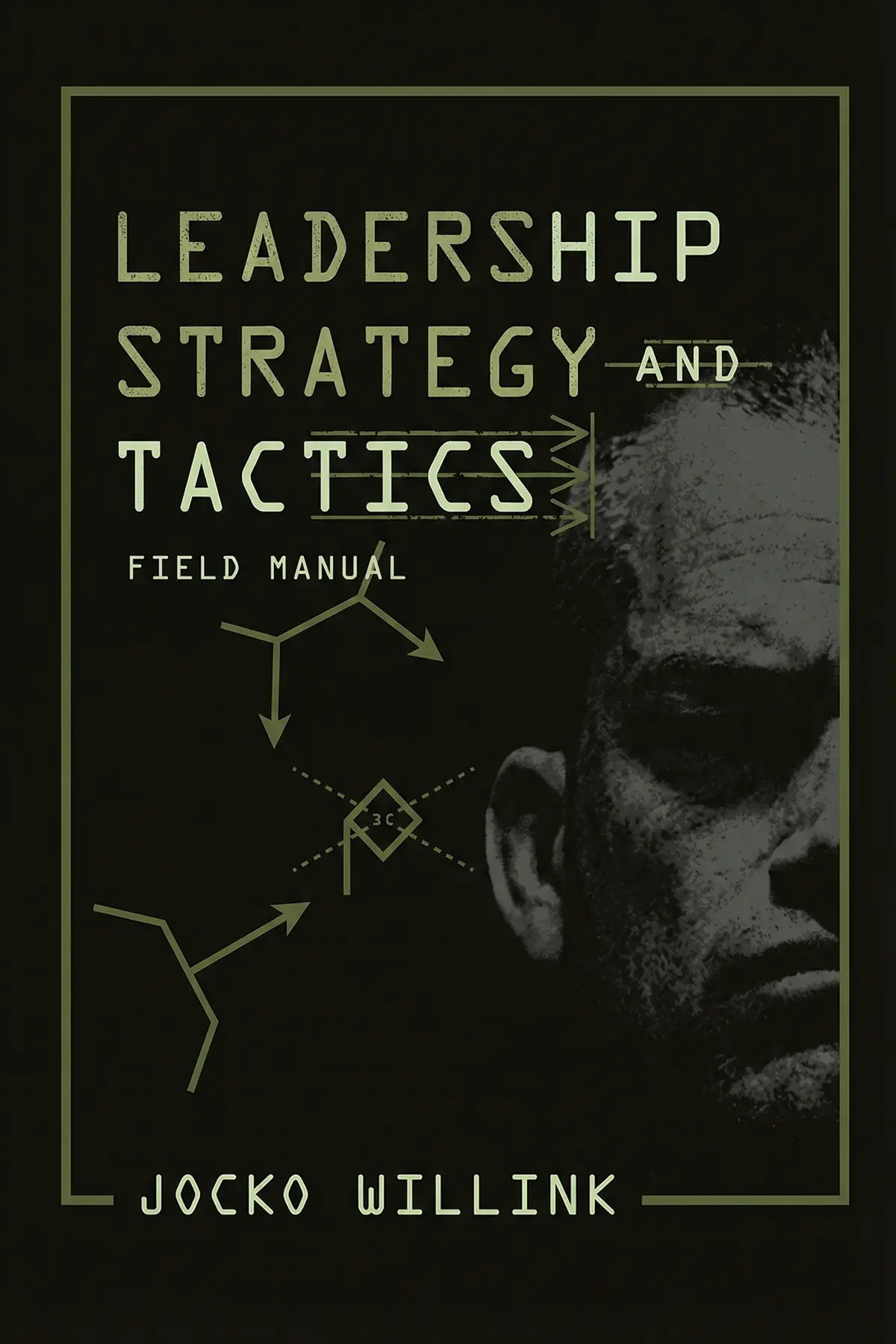
Jocko Willink and Leif Babin are two ex-Navy SEAL officers and co-founders of Echelon Front, a leadership training organization. The Dichotomy of Leadership expands and improves upon the principles they set out in their first book, the bestselling Extreme Ownership. Willink also hosts the top-rated podcast Jocko Podcast.
Jocko Willink
Jocko Willink
Jocko Willink
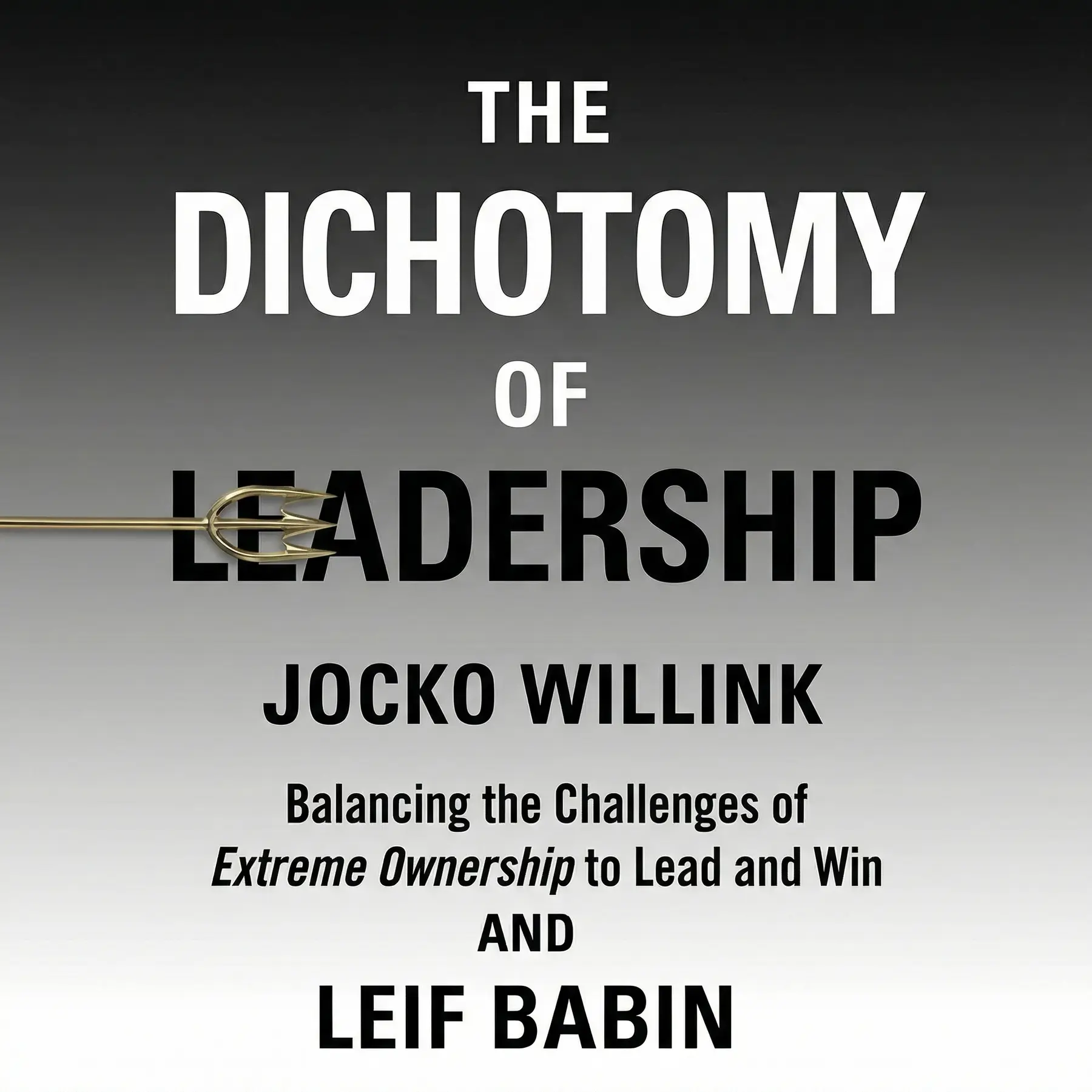
Listeners find this work exceptionally easy to follow, with one individual highlighting it as essential for those in management positions. The content earns praise for its insights into leading others, as listeners value the genuine nature of the authors' approach.
Finally got around to the sequel after loving Extreme Ownership last year. While the first book felt like a punch to the face regarding accountability, this one adds much-needed nuance to those aggressive principles. Leadership isn't just about being the loudest or toughest guy in the room; it’s about finding that middle ground between micromanagement and total detachment. Frankly, the stories from the Battle of Ramadi are gripping enough on their own, but the way Jocko and Leif translate that chaos into corporate strategy is brilliant. Every manager struggling with a difficult team needs to sit down with this for a weekend. The writing is punchy and masculine without being overbearing, which I really appreciated. It’s authentic, raw, and incredibly practical for anyone in a supervisory role.
Show moreThe chapter on being 'aggressive yet not overbearing' alone was worth the price of admission for me. Jocko and Leif have this unique way of stripping away all the corporate jargon to reveal the actual human psychology behind successful teams. Look, I know some people roll their eyes at the military metaphors, but there is an undeniable authenticity here that you just don't get from career academics. The stories from Iraq are intense and serve as the perfect backdrop for lessons on humility and discipline. I felt a real connection to the idea that a leader must be a follower as well. It’s straight fire from start to finish. If you’re in a position of authority and feel like you're spinning your wheels, buy this book immediately. It will sharpen your perspective and probably your character too.
Show moreWow, this blew my expectations out of the water. I was worried it would just be a rehash of their old material, but the focus on the 'dichotomy' provides a much-needed layer of sophistication. It’s one thing to say 'take ownership,' but it’s another thing entirely to know when that ownership becomes micromanagement. The authors trade off voices in a way that feels disciplined and authoritative, making it a very easy read for busy professionals. Personally, I found the section on 'Leading Up the Chain' to be the most helpful part of the entire book. It challenges the ego and forces you to look at your boss as a partner rather than an obstacle. It's a masterclass in human relations disguised as a military memoir. Truly an essential tool for any supervisor looking to improve their team's culture and efficiency.
Show moreAfter hearing Jocko on a few podcasts, I decided to dive into his written work. This book is a fascinating look into the mindset required to lead in the most high-pressure environments imaginable. The detail they go into regarding SEAL training and the Battle of Ramadi is incredibly vivid and serves to ground the leadership theories in reality. It’s not just theory; it’s lessons learned in blood, which gives the advice a weight that other business books lack. Gotta say, the emphasis on humility was the most surprising and welcome aspect for me. You expect these guys to be 'alpha' types, but they spend most of the book talking about when they weren't good enough and how they had to check their egos. This is the kind of authentic leadership we need more of in the private sector today.
Show moreNot what I expected from a 'tough guy' book. I thought it would be all about being a 'hyper-masculine master of the universe,' but it’s actually a very nuanced look at human vulnerability and balance. The way Willink and Babin describe their failures in Iraq is both heart-wrenching and deeply educational. They show that being a leader means being many contradictory things at once: brave but cautious, aggressive but humble. Look, the 'Cover and Move' advice might sound like war-gaming, but it’s actually just a great way to think about departmental cooperation. I’ve already started implementing the 'Default Aggressive' mindset in my project planning, but with the 'balance' this book suggests. It has completely changed how I interact with my subordinates and my superiors alike. This is a must-read for anyone who takes their professional development seriously.
Show moreAs someone who works in a high-stress tech environment, I find most leadership advice either too fluffy or completely disconnected from reality. This book strikes a different chord by utilizing high-stakes military scenarios to highlight the 'dichotomy' of balance. In my experience, the hardest part of leading is knowing when to lean in and when to back off. The authors explain this through SEAL training stories that are genuinely thrilling to read, even if the transition to business scenarios feels a bit clunky at times. Not gonna lie, some of the corporate examples feel a little bit like a commercial for their consulting firm. However, the core message about not taking any single trait to an extreme is a game-changer for my daily workflow. It’s a solid follow-up that clarifies the 'how' behind their first book’s 'what'.
Show moreIs it repetitive? Yes, but in a way that feels necessary for the lessons to actually stick in your brain. This book acts as the essential balancing weight to the 'extreme' nature of their previous work. To be fair, if you didn't read the first book, some of the nuances here might feel a bit lost on you. They dive deep into the Battle of Ramadi again, using first-hand experiences to show where they initially failed as leaders. It's refreshing to see men of their caliber admit to mistakes so openly and use those failures as teaching moments. The 'business application' sections provide a clear roadmap for anyone managing regulators or navigating office politics. While the militaristic tone can be a bit much for some, the underlying logic is sound and highly transferable to any field.
Show morePicked this up on a recommendation from my manager and I’m glad I did. The structure is very predictable—war story, principle, business application—but that actually makes it easier to digest during a commute. It focuses heavily on the idea that every leadership trait can be a weakness if taken to an extreme. For instance, being too disciplined can make you rigid, while being too relaxed causes chaos. Finding that 'sweet spot' is the core challenge of the job. Truth is, the prose isn't going to win any literary awards, but the authenticity of their experiences shines through every page. I did find the sound effects mentioned in the audiobook version a bit cheesy, so I stuck to the physical copy instead. It's a solid, practical guide for anyone looking to level up their management game without the fluff.
Show moreDoes the military model actually work for a middle manager in Omaha? Surprisingly, the answer is a resounding yes. While the 'killing people' aspect obviously isn't a metaphor for software sales, the teamwork and communication skills are totally transferable. This book takes the 'Extreme Ownership' concept and adds the necessary caveats to prevent people from becoming total tyrants. Frankly, the dichotomy between being a leader and a follower is something I struggle with daily, and this gave me a new vocabulary to address it. Some of the jargon-heavy business sections are a little boring and feel a bit like a sales pitch for their consulting firm, Echelon Front. Despite that, the core principles are sound. It’s a readable, fast-paced guide that avoids the typical 'pathos' often found in American motivational literature.
Show moreHonestly, this felt like it could have been a long blog post rather than a full-length book. While I respect the authors' service, I’m starting to find the 'hutt hutt' military aesthetic a bit exhausting for a Monday morning staff meeting. The stories of SEAL training are interesting enough, but the business applications often feel forced and overly simplistic. We are told to find 'balance,' which is basically common sense wrapped in camouflage. Not every corporate hurdle is a life-or-death mission in Iraq, and sometimes the metaphors feel a little crass when applied to quarterly profit margins. It's not a bad read, and there are some decent nuggets about humility, but it lacks the groundbreaking impact of their first collaboration. If you already have Extreme Ownership, you probably don't need this one unless you just want more war stories.
Show more
Joseph A. Maciariello



Deborah Gruenfeld
Mike Michalowicz
Hamilton Helmer
AUDIO SUMMARY AVAILABLE
Get the key ideas from The Dichotomy of Leadership by Jocko Willink, plus 5,000+ more titles in English and Thai.







