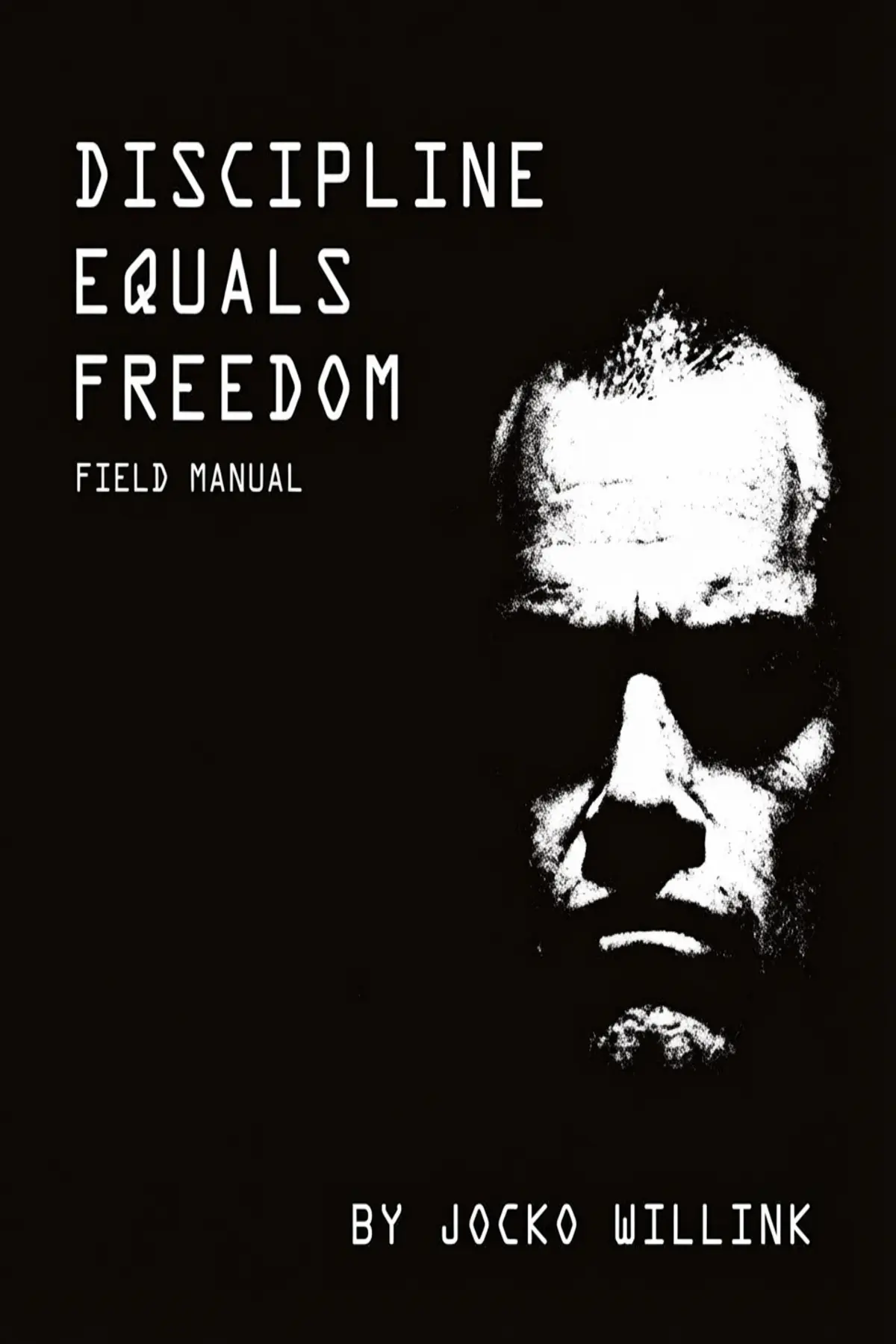
Discipline Equals Freedom: Field Manual
Jocko Willink
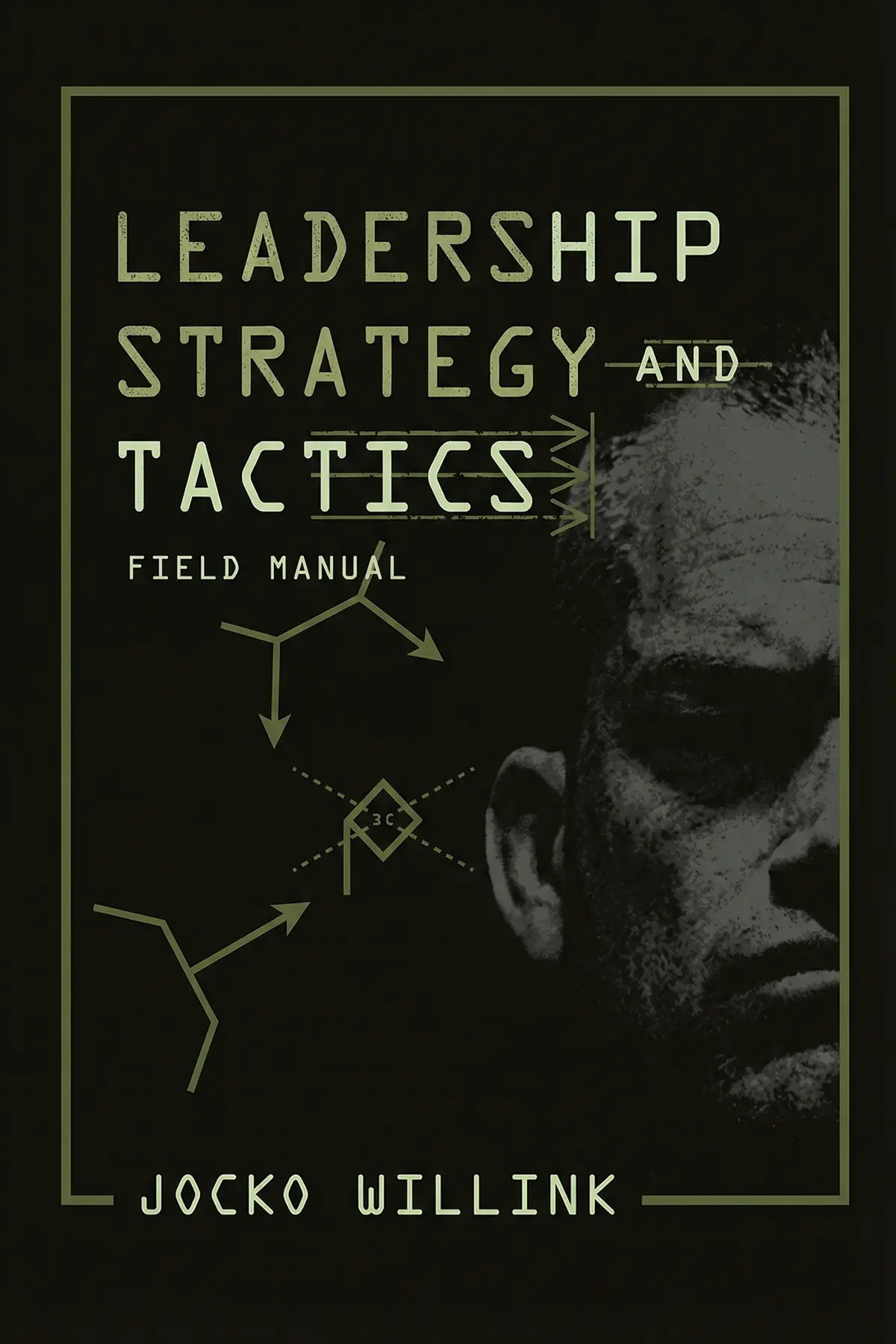
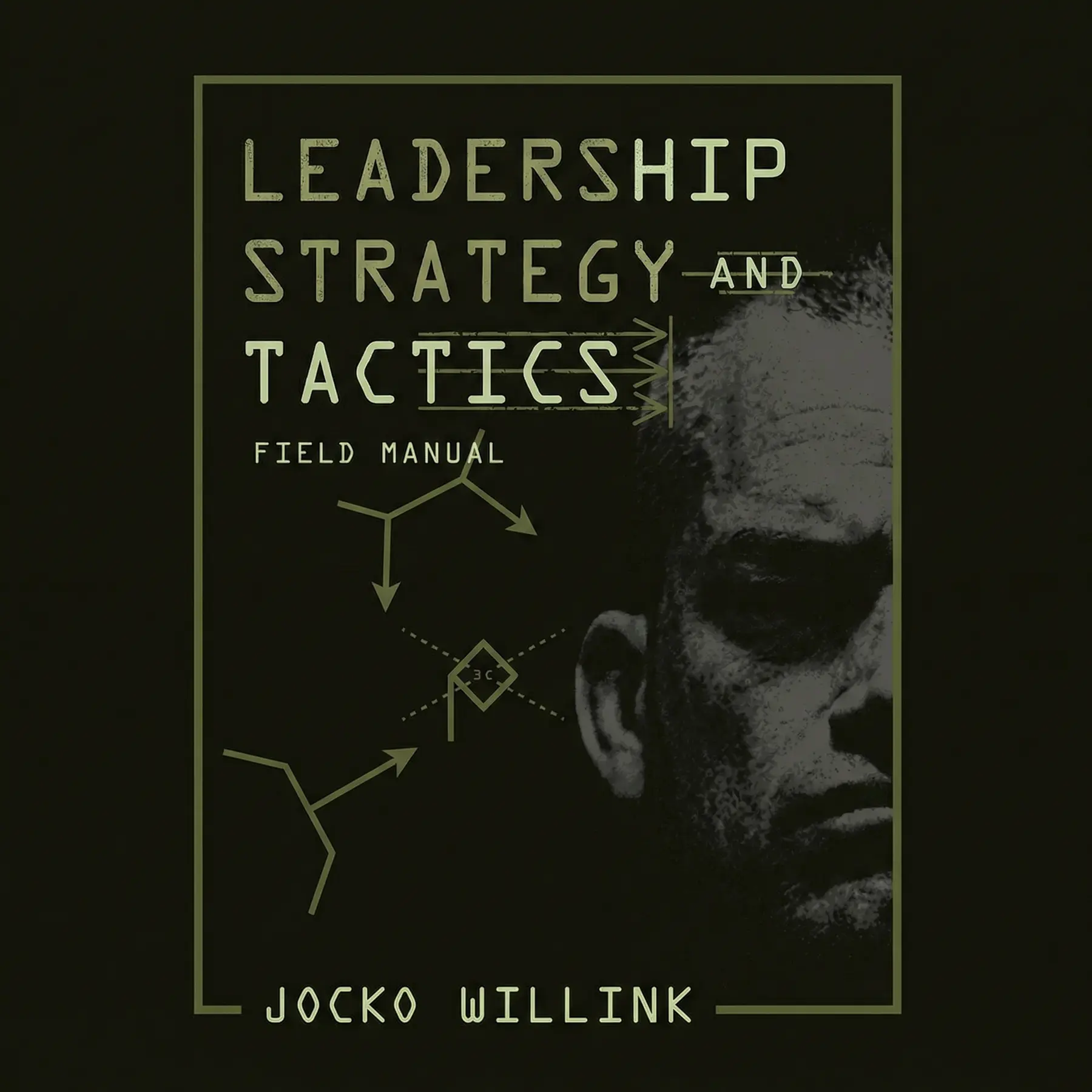
Leadership Strategy and Tactics is a practical manual for leading teams effectively. It translates high-stakes military principles into everyday management skills, focusing on humility, extreme responsibility, and tactical detachment.
1 min 48 sec
Stepping into a leadership role is often one of the most challenging transitions in a professional career. It is a position that requires you to balance a staggering number of priorities while managing diverse personalities and overcoming your own internal doubts. Many people assume that leadership is about being the loudest voice in the room or the person with all the answers, but the reality is quite different. For those who have led in the highest-stakes environments imaginable, like a Navy SEAL platoon, leadership is less about control and more about trust, humility, and the ability to see the bigger picture when others are blinded by the chaos of the moment.
This summary explores how those battlefield lessons translate directly into the boardroom and the office. We are going to look at a leadership philosophy that prioritizes the team over the individual and long-term strategy over short-term ego. You might think that military leadership is strictly about a rigid hierarchy where everyone follows orders without question. However, the strategies we’ll discuss today show that the most effective leaders are those who listen, who empower their teams to make decisions, and who take full responsibility for every failure that occurs under their watch.
Throughout this journey, we will establish a throughline of “balanced leadership.” You will learn why being too aggressive can be just as damaging as being too passive, and why the best leaders are those who know how to detach themselves from the heat of the moment to make rational decisions. We will also delve into the concept of extreme ownership—the idea that there are no bad teams, only bad leaders. By the end of this session, you’ll have a toolkit of tactical moves that can help you earn respect, foster motivation, and guide any group toward a successful outcome. Let’s begin by looking at how a change in physical perspective can lead to a breakthrough in mental clarity.
1 min 50 sec
Discover how stepping back from the immediate chaos allows a leader to regain clarity and identify the most effective path forward for the entire team.
1 min 37 sec
Understand why effective management requires a delicate equilibrium between opposing traits, avoiding the pitfalls of being too extreme in any direction.
1 min 35 sec
Explore the transformative power of taking full responsibility for every failure, and how this mindset fosters a culture of accountability.
1 min 42 sec
Learn how checking your ego and being willing to do menial tasks can earn you more respect than any title or rank ever could.
1 min 36 sec
Discover the benefits of empowering subordinates to make decisions, creating a nimble and highly motivated team that can function without constant supervision.
1 min 42 sec
Explore a low-risk strategy for making progress in uncertain environments by taking small, manageable steps instead of big, irreversible gambles.
1 min 41 sec
Learn the specific tactics needed to influence and manage people who are at the same level as you in the organizational hierarchy.
1 min 54 sec
Master the art of delivering praise, sharing information, and giving clear orders to keep your team motivated and aligned with the mission.
1 min 41 sec
As we wrap up our look at these leadership strategies and tactics, the throughline remains clear: leadership is a discipline of balance and responsibility. We have seen that the most effective way to lead is by adopting the mindset of extreme ownership—accepting that the success or failure of the team rests entirely on your shoulders. When you stop looking for excuses and start looking for solutions, you unlock a level of influence that no formal title can provide. You transform from a mere manager into a leader that people truly want to follow.
Remember that leadership is not a static state, but a constant process of adjustment. You must be willing to detach from the chaos to gain perspective, to remain humble enough to do the small tasks that build trust, and to empower your team through decentralized command. The lessons from the world of the Navy SEALs are powerful because they are based on the fundamental realities of human nature. People want to feel respected, they want to know their work matters, and they want to follow someone who has the integrity to admit when they are wrong.
An actionable way to start applying these principles today is to look at a recent project that didn’t go quite as planned. Instead of thinking about what your team did wrong, ask yourself: ‘What could I have done differently to ensure they succeeded?’ Then, don’t be afraid to go to your team and apologize for those shortcomings. Owning your mistakes is not a sign of weakness; it is a sign of ultimate confidence. It shows you are committed to the mission and to the people beside you. By practicing this kind of radical accountability and humble leadership, you will build a team that is resilient, motivated, and capable of achieving extraordinary results.
Leadership is often misunderstood as a position of power, but this guide reframes it as a service based on relationship-building and trust. It explores the mindset required to navigate complex team dynamics, drawing on the author's extensive experience as a Navy SEAL commander. The book promises to provide a clear roadmap for anyone, from new managers to seasoned executives, who wants to lead with more confidence and less ego. By examining the intersection of strategy and tactical execution, the text offers solutions to common management hurdles. You will learn how to handle difficult subordinates, how to foster a culture of ownership, and how to stay calm when pressure mounts. Ultimately, it provides the tools needed to build a team that can operate independently and effectively toward a shared objective.
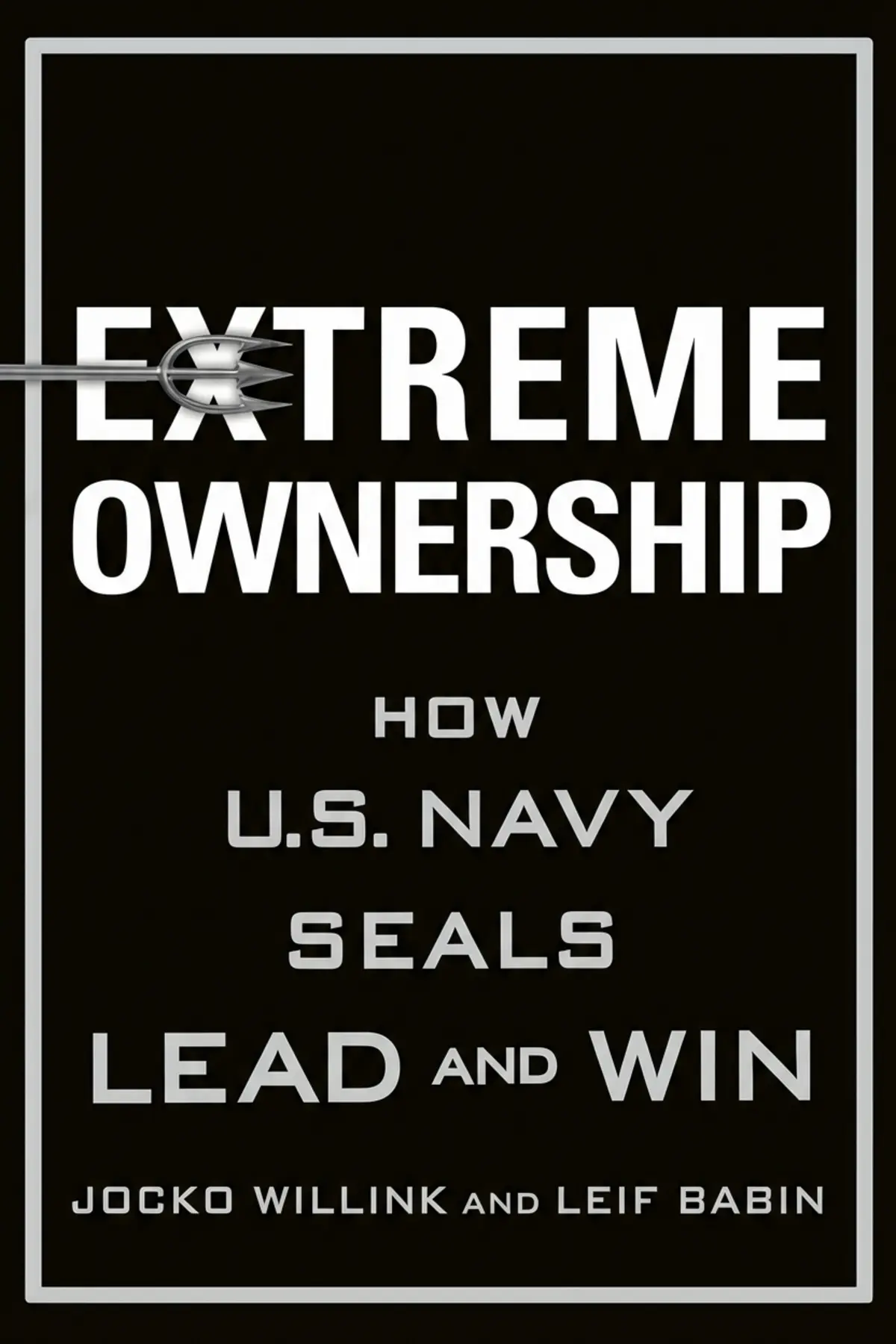
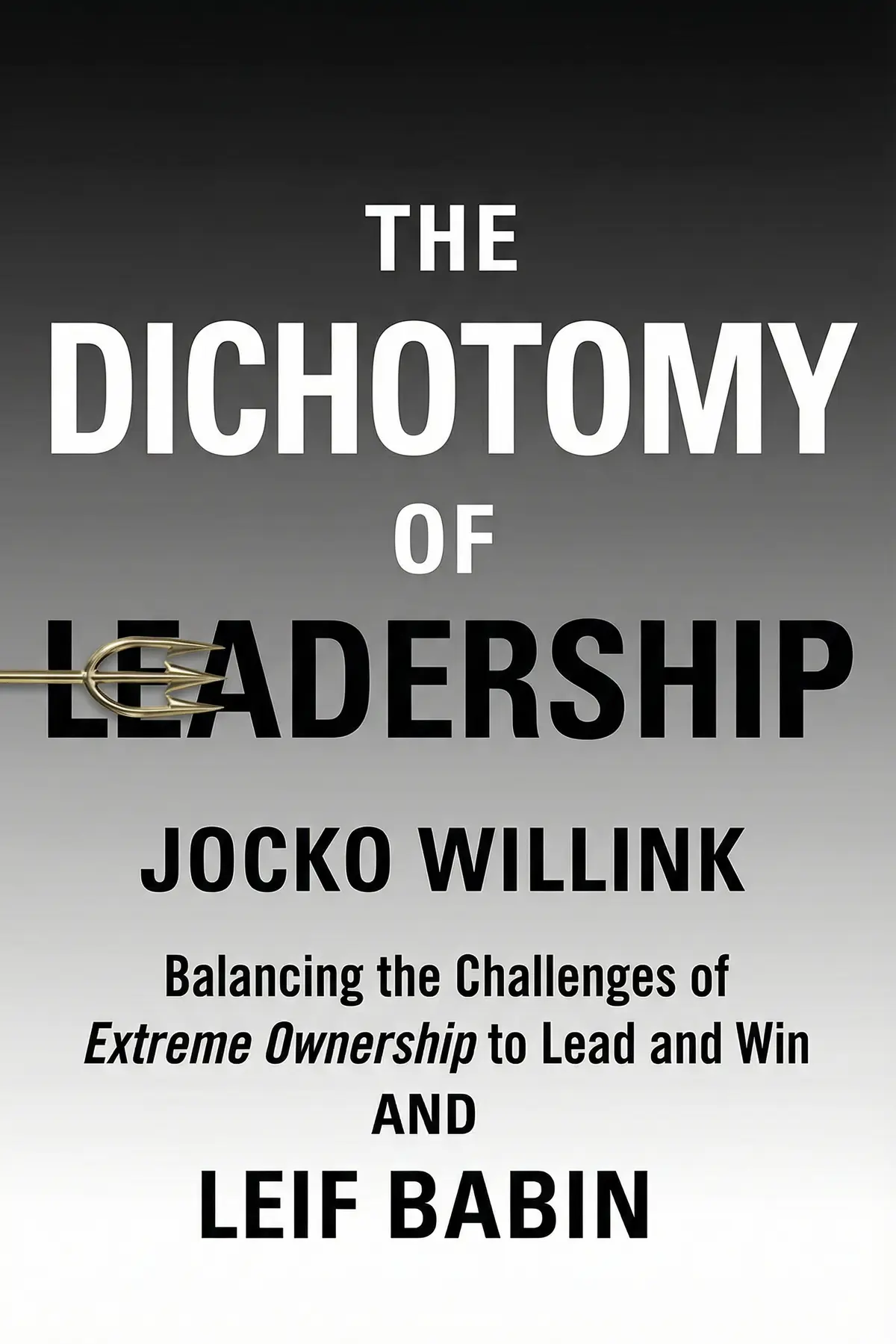
Jocko Willink ended his twenty-year career with the US Navy SEALs as a special operations unit commander. Following his retirement, he went on to be the co-founder of the leadership and management consulting company, Echelon Front. His other books include Extreme Ownership (2015) and Discipline Equals Freedom (2017).
Listeners find this leadership guide enhances skills across all areas of life and addresses diverse management hurdles. Furthermore, the work offers actionable advice applicable to nearly any situation and remains easy to grasp. They also value the straightforward, brief prose and view it as essential material for leaders at every level. On the other hand, perspectives on financial value vary; some feel the purchase is justified, while others believe it isn't worth the price.
Ever wonder why some managers just seem to get it while others struggle to lead even the simplest project? This field manual breaks down the complexities of human interaction into actionable steps that anyone can follow, regardless of their industry. I especially appreciated the sections on managing your own ego and the importance of detachment when things get chaotic. Jocko’s writing is punchy and direct, which makes the advice stick much better than the typical corporate jargon you find in most business books. It’s a masterclass in soft skills delivered with the intensity of a Navy SEAL, making it feel both urgent and practical. If you want to actually improve how you interact with your team, this is the one.
Show moreFinally got around to reading this after it sat on my shelf for months, and I'm kicking myself for waiting so long. The way Jocko explains 'detachment' changed how I view my morning meetings almost immediately. Instead of getting bogged down in every tiny detail, I'm learning to take a step back and let my team take more ownership of their plans. To be fair, most of this stuff is common sense, but it's presented in such a disciplined way that it becomes a framework you can actually use. Every leader, from a shift manager to a CEO, needs to understand these tactics to build a culture of respect. It's more than just a management book; it's a guide for life.
Show moreNot what I expected from a former SEAL commander, as I thought it would be all about barking orders and rigid discipline. Instead, the focus is heavily on 'soft skills' like building relationships, listening to your team, and keeping your ego in check. The chapter on 'Extreme Ownership' remains the gold standard for how to handle failure without throwing your people under the bus. Jocko’s voice comes through clearly in the text—short, sharp sentences that get straight to the point without any fluff. This is required reading for anyone who wants to be more than just a boss. It’s about being a leader who people actually want to follow into the fire.
Show moreWow. This book is a punch in the gut for anyone who thinks leadership is about being the loudest person in the room. Jocko dismantles the 'tough guy' persona and replaces it with a philosophy of humility, service, and extreme responsibility. I love how he uses the Q&A format to address real-world scenarios that leaders face every single day. The advice is easy to understand and even easier to implement if you have the discipline to follow through. It’s rare to find a book that is this concise while still providing such a deep level of insight into human behavior. If you want your team to win, you need to start by reading this.
Show moreGotta say, the 'Good' mentality has completely changed how I react to setbacks in both my professional and personal life. Jocko teaches you how to turn every obstacle into an opportunity for growth, which is a mindset that every high-performer needs to adopt. The book is structured like a field manual, making it perfect for quick consultations when you need a reminder on how to handle a specific situation. I especially appreciated the nuanced discussion on the dichotomy of leadership—knowing when to lead and when to follow. This isn't just about business; it's a framework for living a more disciplined and effective life. I'll be keeping this on my desk for a long time.
Show moreAfter hearing Jocko on a few podcasts, I decided to see if his 'field manual' approach actually translated well to the written page. The book is incredibly easy to digest because of the clear layout and the concise way he explains things like decentralized command. Personally, I found the advice on supporting your boss just as valuable as the parts about leading your subordinates. However, I have to agree with some critics that the formatting makes the book feel a bit thinner than the price tag might suggest. You are paying for the quality of the insights, not the word count, but it's still a very quick read. It is solid advice that helps you find the right balance between being aggressive and being humble.
Show morePicked this up to help with a new promotion at work and found the tactical advice on 'Decentralized Command' to be particularly helpful. The structure of the book makes it very easy to use as a reference guide when you're facing a specific challenge with a difficult employee. I did find the military anecdotes a bit repetitive after a while, but they do serve to illustrate his points effectively. Look, some might say the book is overpriced for how fast you can read it, but the practical application is where the value lies. It’s a great summary of the concepts from his earlier books but organized in a way that’s much more accessible for daily use.
Show moreAs someone who has struggled with micromanaging in the past, Jocko’s emphasis on simplicity and trust really hit home for me. He argues that if your team doesn't understand the plan, it's your fault as the leader for making it too complicated. Frankly, this perspective is refreshing in a world where everyone tries to sound smarter by using big words and complex slides. My only real gripe is that it assumes a level of organizational accountability that doesn't exist in every company. Sometimes you can't just fire the problem person or wait out a bad boss. Still, the mindset shifts he proposes are worth the investment for anyone looking to level up their leadership game.
Show moreThis book could have easily been a series of blog posts or a long LinkedIn thread without losing much of its core message. While the strategies regarding extreme ownership and humility are excellent, the prose can feel a bit dry and repetitive if you’ve already read his previous work. Truth is, if you are a woman in a traditional corporate environment, some of this advice about taking all the blame might actually backfire on your career progression. Willink writes from a very specific military perspective where outcomes are objective, which doesn't always map perfectly to the messy politics of a modern office. It's not a bad book by any means, but it lacks the nuance needed for diverse professional landscapes.
Show moreThe chapter on detachment was the highlight for me, but overall, this felt like a rehash of Extreme Ownership with a few extra bullet points. It’s written in a very minimalist style with large font and plenty of white space, which makes me feel like it didn't quite justify the hardcover price. In my experience, the 'take the blame' tactic works best in high-trust environments, but it can be dangerous in more cutthroat corporate cultures. Jocko is clearly an expert, but he sometimes ignores the social dynamics that non-military professionals have to navigate. It’s a decent manual for the basics, but don’t expect a groundbreaking new philosophy if you’ve followed his work before.
Show more
Deborah Gruenfeld
Mike Michalowicz
Hamilton Helmer

Margaret Heffernan

AUDIO SUMMARY AVAILABLE
Get the key ideas from Leadership Strategy and Tactics by Jocko Willink, plus 5,000+ more titles in English and Thai.