Discipline Equals Freedom: Field Manual
Jocko Willink
Discover how the high-stakes leadership principles used by Navy SEALs in combat can be applied to any organization to build high-performance teams and achieve consistent success through total accountability.
1 min 30 sec
In the middle of a war zone, the line between success and failure isn’t just a matter of profit and loss—it’s a matter of life and death. This was the reality for Navy SEAL commanders Jocko Willink and Leif Babin during the Battle of Ramadi, one of the most violent chapters of the Iraq War. In such an environment, there is no room for excuses, finger-pointing, or passing the buck. Every decision carries immense weight, and every mistake has immediate, often tragic, consequences.
But as Willink and Babin discovered upon returning to civilian life, the principles that allowed their SEAL units to thrive in the chaos of urban combat are the exact same principles that drive success in the boardroom, the warehouse, or the local non-profit. The core of their philosophy is a concept called Extreme Ownership. It is the idea that the leader is responsible for everything in their world. There are no bad teams, only bad leaders.
In this summary, we will explore how this radical approach to accountability can transform a struggling organization into a high-performing machine. We will look at how to navigate the fog of uncertainty by prioritizing and executing, why you must lead both your subordinates and your superiors, and why believing in the mission is the only way to ensure your team does the same. Whether you are leading a small group or a massive corporation, these lessons from the front lines offer a blueprint for effective leadership that leaves no room for failure. Let’s dive into the mindset that turns ordinary managers into elite leaders.
2 min 03 sec
What happens when a mission goes horribly wrong? Discover why the best leaders are the ones who refuse to blame others and instead stand up to claim every mistake.
2 min 07 sec
How do you lead a team through a plan you don’t agree with? Learn why understanding the ‘why’ is the most critical step for any leader.
1 min 57 sec
Internal rivalries can sink the most powerful organizations. Discover the SEAL tactic that ensures every department works toward a common goal.
1 min 58 sec
When everything goes wrong at once, how do you keep your head? Learn the simple mantra that helps SEALs handle overwhelming pressure.
1 min 44 sec
Success isn’t about being lucky; it’s about being prepared for the worst. Discover how to plan for contingencies without getting bogged down.
1 min 48 sec
Think your boss is the problem? Learn how taking responsibility for your superior’s awareness can change your entire working relationship.
1 min 23 sec
The principles of Extreme Ownership are simple to understand but incredibly difficult to practice. They require a complete departure from the natural human instinct to protect one’s ego and shift blame onto others. But as Jocko Willink and Leif Babin have shown, this shift is the defining characteristic of a successful leader. Whether you are on a battlefield in Iraq or in a corporate office, the results are the same: total accountability leads to total victory.
To truly implement these ideas, consider the concept of Decentralized Command. No one can manage everything alone. By breaking your organization into smaller, manageable teams and empowering junior leaders to make decisions, you create a resilient and agile force. However, this only works if every leader, from the top down, takes ownership of the mission and the ‘why’ behind it.
As you move forward, look at your current challenges through the lens of extreme ownership. If your team is underperforming, don’t look at their mistakes; look at your instructions. If your project is over budget, don’t blame the vendors; look at your planning. When you stop looking for excuses, you start finding solutions. This is the path to becoming an elite leader. Take the hit, own the failure, and lead your team to success.
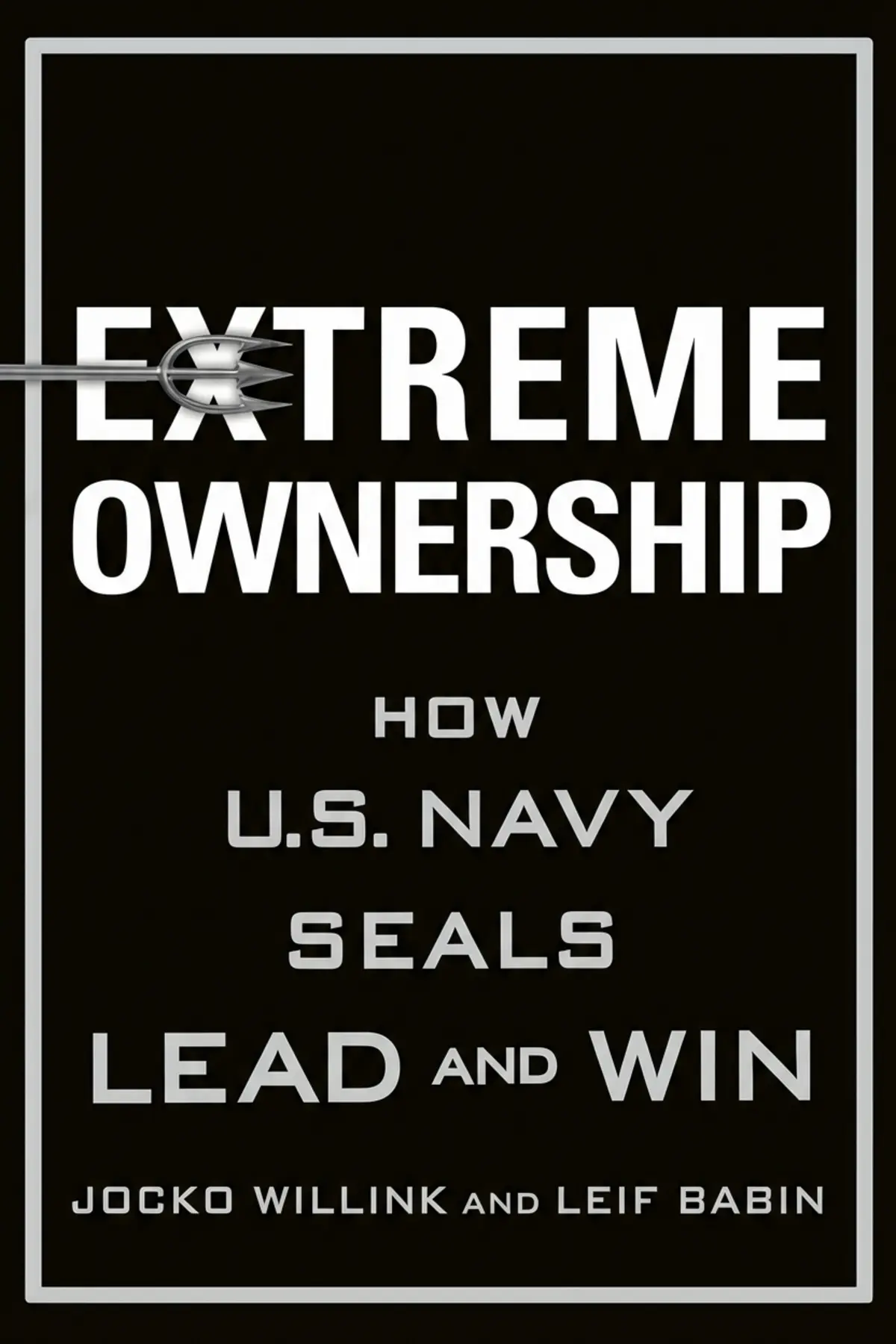
Extreme Ownership explores the transition of high-stakes military leadership principles into the world of business and everyday management. Written by two former Navy SEAL officers who served in one of the most dangerous battlegrounds of the Iraq War, the book argues that the primary factor in any team’s success or failure is the leader’s mindset. The promise of this work is a complete transformation of how you view your professional and personal responsibilities. Instead of looking for excuses or blaming external factors when things go wrong, readers are taught to look inward. By adopting the principle of total ownership, you stop being a victim of circumstances and start being the architect of your team's victory. Through a series of combat stories followed by business applications, the authors demonstrate that leadership is not about personal glory or complex strategies; it is about humility, discipline, and the willingness to take the hit for your team's mistakes. When every member of an organization follows this lead, the resulting culture of accountability becomes an unstoppable force for achieving goals, no matter how difficult the mission may seem.
Jocko Willink and Leif Babin served as Navy SEAL officers during the intense Battle of Ramadi in Iraq. Their leadership was instrumental in guiding what became the most highly decorated special-operations unit of the entire Iraq War. Following their military service, they founded a leadership consulting firm, applying their battlefield experiences to the corporate world. Today, they teach executives and business leaders the essential principles of building and maintaining high-performance teams.
Listeners find this leadership volume captivating and accessible, providing carefully developed insights and straightforward tenets that are applicable to all walks of life. They value the SEAL anecdotes used to clarify every point and consider it essential reading for anyone in a leadership role.
Picked this up after seeing Jocko on a podcast, and it didn't disappoint. The central concept—that the leader is responsible for everything—is a refreshing slap in the face for anyone used to the corporate blame game. The authors use their time in Ramadi to illustrate how 'discipline equals freedom' in the most high-stakes environments imaginable. I loved the way they transitioned from intense battlefield descriptions to mundane business problems, like a failing product rollout or a dysfunctional sales team. It makes the leadership principles feel tangible and urgent rather than academic. Not gonna lie, the stories about Marc Lee and Ryan Job were tough to read, but they drive home the point that leadership has real-world consequences. This isn't just a book for managers; it's a blueprint for anyone who wants to stop making excuses and start winning in life.
Show moreAs someone who has navigated the corporate ladder for over a decade, I found the core philosophy here to be transformative. Jocko and Leif don't sugarcoat anything, which is exactly what is needed when a project is spiraling out of control. The book hinges on the idea that there are no bad teams, only bad leaders, a concept that is both terrifying and empowering. I particularly enjoyed how each chapter transitions from a high-stakes Iraq mission into a relatable business dilemma. It makes the abstract concept of 'accountability' feel like a physical tool you can use. While some might find the military intensity a bit much, the underlying principles of keeping plans simple and prioritizing tasks are universal. It’s about more than just business; it’s a blueprint for personal growth and taking charge of your own destiny.
Show moreStop making excuses for why your department is failing and read this immediately. The authors provide a masterclass in how to lead through chaos by using their experiences in the Navy SEALs. They emphasize that if the team doesn't understand the mission, it is the leader's fault for not communicating clearly. I’ve started applying the 'Prioritize and Execute' mantra at my firm, and the change in productivity has been night and day. Truth is, most business books are fluff, but this one provides actionable steps to fix broken cultures. It’s blunt, it’s intense, and it demands a high standard of everyone involved. It’s easily the most practical leadership guide I’ve ever owned. Get after it.
Show moreEvery middle manager in corporate America should have a copy of this on their desk. The simplicity of the principles—Cover and Move, Keep it Simple, Prioritize and Execute—is what makes them so effective in a high-pressure office environment. I've seen so many projects fail because the plan was too complex for the frontline employees to understand, and this book explains exactly why that happens. The authors’ humility regarding their own mistakes in Iraq is what makes the book authentic. They aren't just bragging about being SEALs; they are showing you where they messed up so you don't have to. It’s a fast read that stays with you long after you finish the last page. Highly recommended for anyone who wants to improve their team's performance.
Show moreLook, the transition from the battlefield to the boardroom isn't always seamless, but this book makes a compelling case for why it should be. The specific example of the 'tortured genius' CTO who refused to take ownership of a failed rollout hit home for me. We've all worked with people who blame the market, the customers, or their subordinates for their own lack of preparation. Willink and Babin show that the only way to solve a problem is to first admit that you are the cause of it. It’s a humbling philosophy that requires you to check your ego at the door every single day. The writing is direct and punchy, mirroring the 'act decisively' mindset they advocate for. This book changed the way I look at my failures and my successes.
Show moreSimple, effective, and brutal. This is not your typical 'feel good' leadership book that tells you how special you are. Instead, it demands that you take total responsibility for everything in your world, from your team's performance to your personal fitness. The 'Discipline Equals Freedom' mantra has become a daily motivator for me since I finished the book. The Iraq stories are gripping and provide the perfect backdrop for the lessons on staying calm under fire. I've already bought three extra copies to give to my senior staff. If you want to build a high-performing culture where people actually get things done, this is the manual you need. It’s a must-read for anyone who takes their career seriously. Five stars all the way.
Show moreAfter hearing so much hype, I finally dived into this manual on accountability. Look, the message is undeniable and the 'Extreme Ownership' mindset is something every supervisor should adopt immediately. However, the structure is incredibly repetitive. Every chapter follows a rigid pattern: war story, principle, business application. By the sixth chapter, you can basically guess exactly what the business 'coincidence' will be. To be fair, the simplicity is likely intentional to ensure the lessons stick, but it makes for a slow read if you’re looking for literary variety. The SEAL stories are gripping and provide a unique window into the Iraq war, which keeps the pages turning despite the formulaic writing. If you can get past the 'jock' tone, the advice on checking your ego is worth the price of the book alone.
Show moreIf you can look past the intense, almost cold military tone, there's pure gold in these pages. The authors have a very specific way of viewing the world that might come off as arrogant to some, but their results are hard to argue with. I found the chapter on 'Leading Up the Chain' particularly helpful, as it teaches you how to manage your boss by taking ownership of the information they receive. Frankly, I wish there was a bit more emotion in the war stories, as they feel a bit scrubbed for the sake of the 'lesson,' but the tactical advice is sound. It's a solid 4-star read that offers a much-needed dose of reality in a world of participation trophies. Just be prepared for a lot of military jargon and some repetitive themes.
Show moreDoes every management lesson really need to be punctuated by a story about snipers in Ramadi? I appreciate the service of these men, but at times, the military-type approach feels narrow-minded and ignores the value of individual development. The leader is treated as the sun around which the entire mission orbits, which contradicts my belief that great leadership is about empowering others to grow. I half-agreed with the 'no bad teams' mantra, though it feels a bit reductive when you’re dealing with complex corporate hierarchies rather than a hand-picked SEAL platoon. The book is certainly easy to follow and the structure is clear, but the tone is incredibly cold. It’s a worthwhile perspective to have in your arsenal, yet I wouldn’t make it my primary leadership Bible because it lacks a certain human element.
Show moreTo be fair, the formulaic approach here started to grate on my nerves about halfway through the read. Every single chapter follows the exact same pattern: a gritty combat story, a simplified leadership principle, and then a business case study that conveniently mirrors the war story perfectly. It feels like a textbook that doesn't trust the reader to connect the dots without being spoon-fed. The authors are clearly incredible men with legendary service records, but the writing is repetitive and lacks any real nuance regarding the complexities of human psychology. If you enjoy being told the same three things over and over in a very aggressive tone, you’ll love it. Personally, I found it a bit too 'jock-heavy' and lacking the sophistication found in other management classics that value empathy and team-building over command and control.
Show more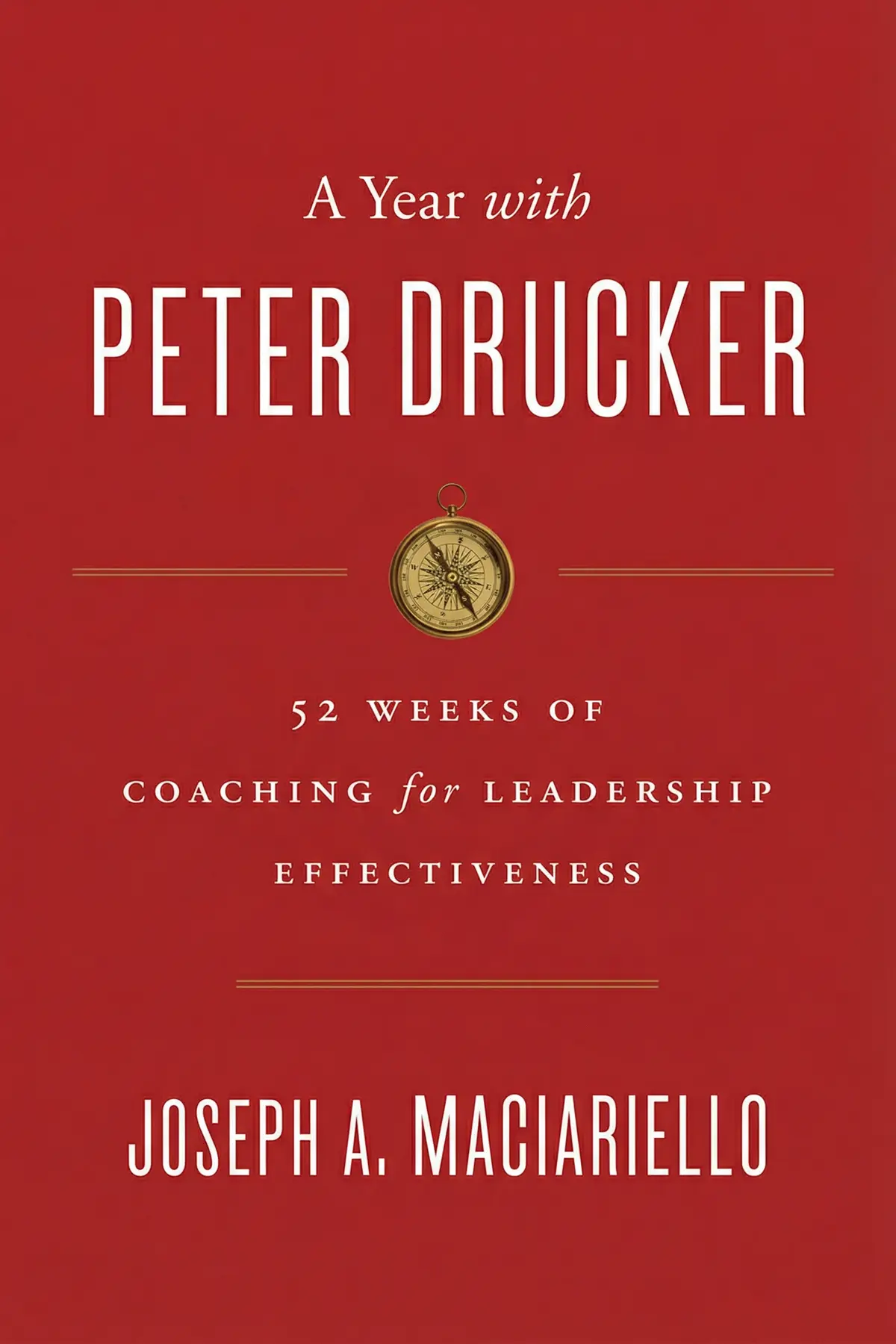
Joseph A. Maciariello



Deborah Gruenfeld
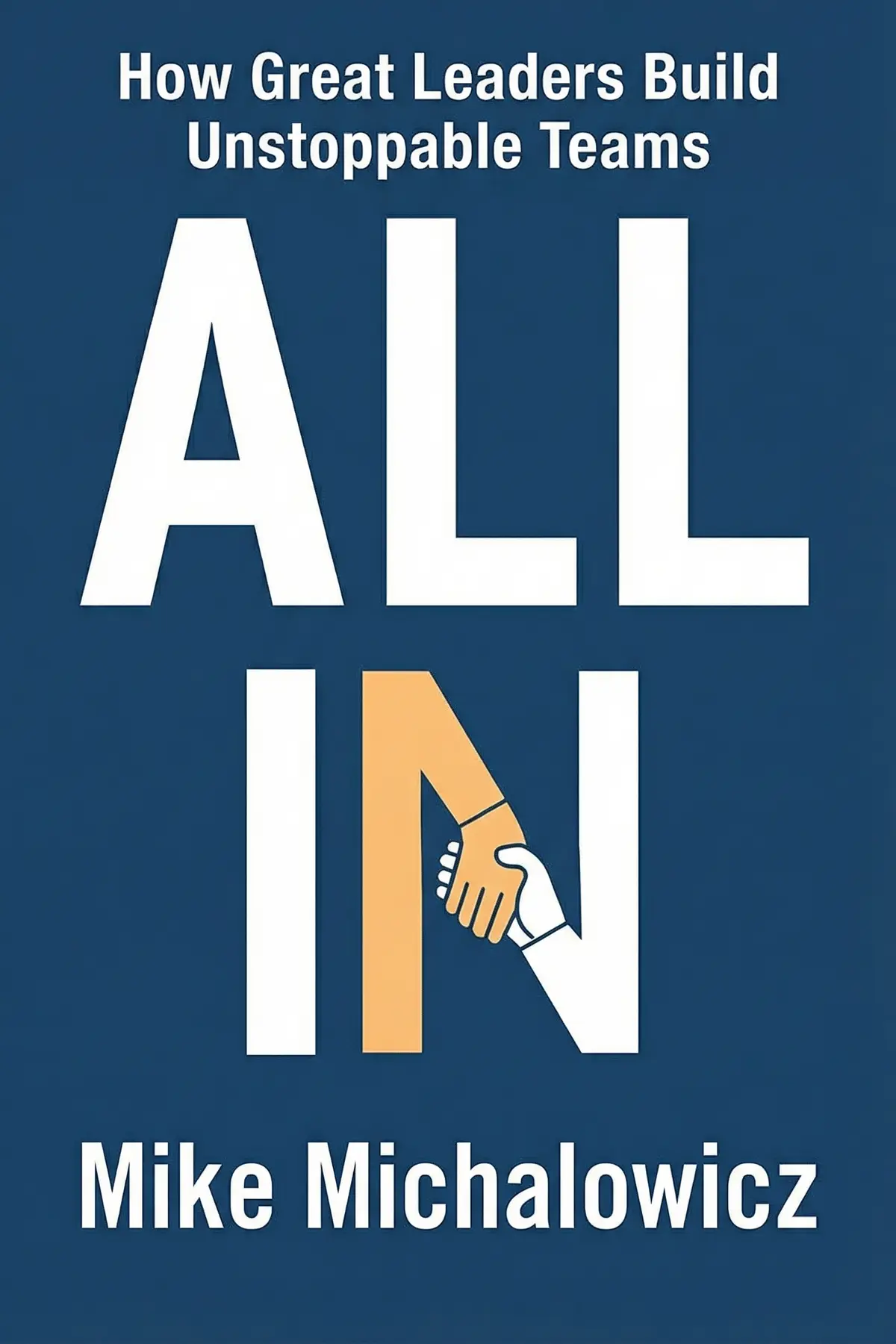
Mike Michalowicz

Hamilton Helmer

Margaret Heffernan
AUDIO SUMMARY AVAILABLE
Get the key ideas from Extreme Ownership by Jocko Willink, plus 5,000+ more titles in English and Thai.