
18 min 10 sec
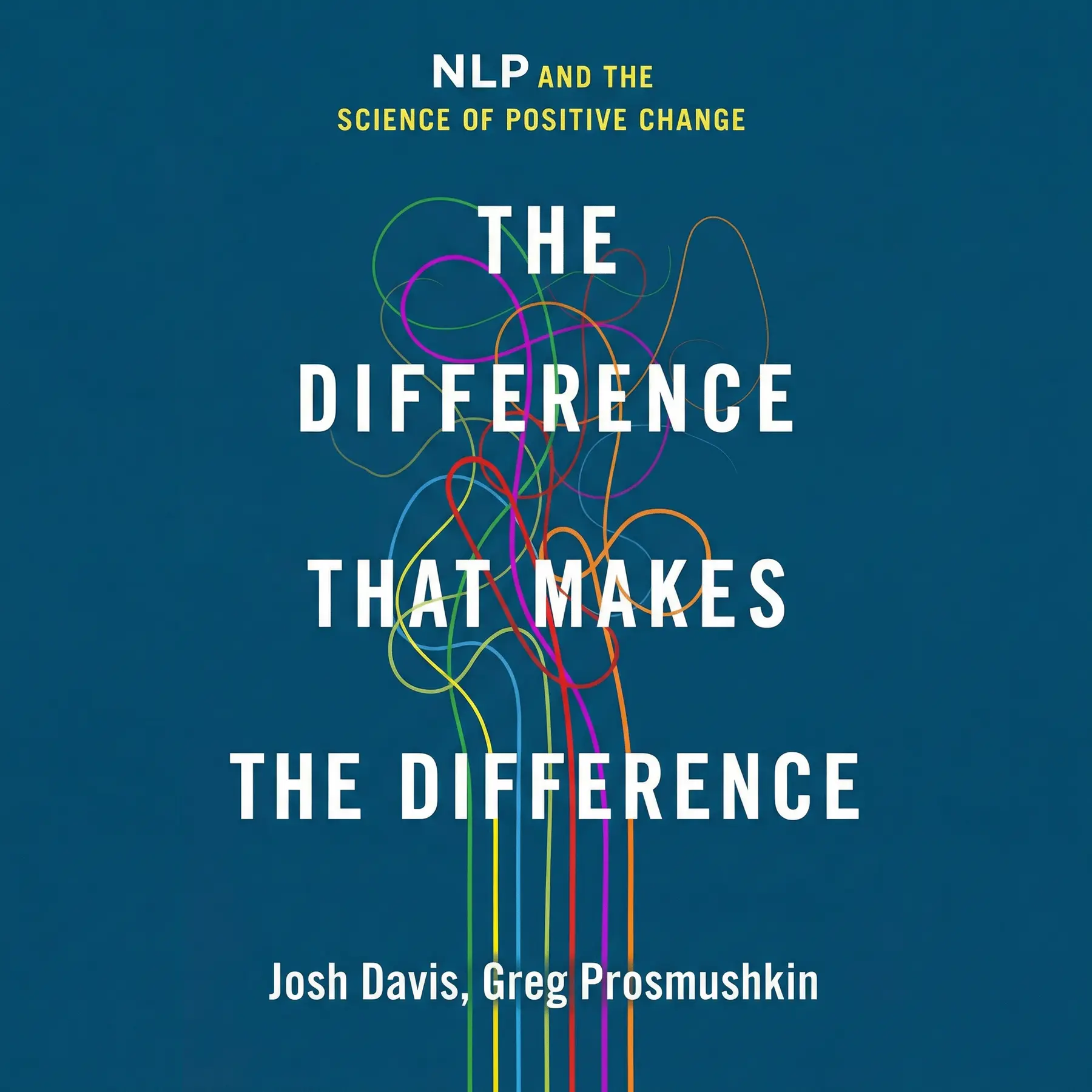
The Difference that Makes the Difference: NLP and the Science of Positive Change
Explore the transformative power of Neuro-Linguistic Programming to reshape your mental models, overcome limiting beliefs, and master the art of communication to unlock peak performance and cultivate deeper human connections.
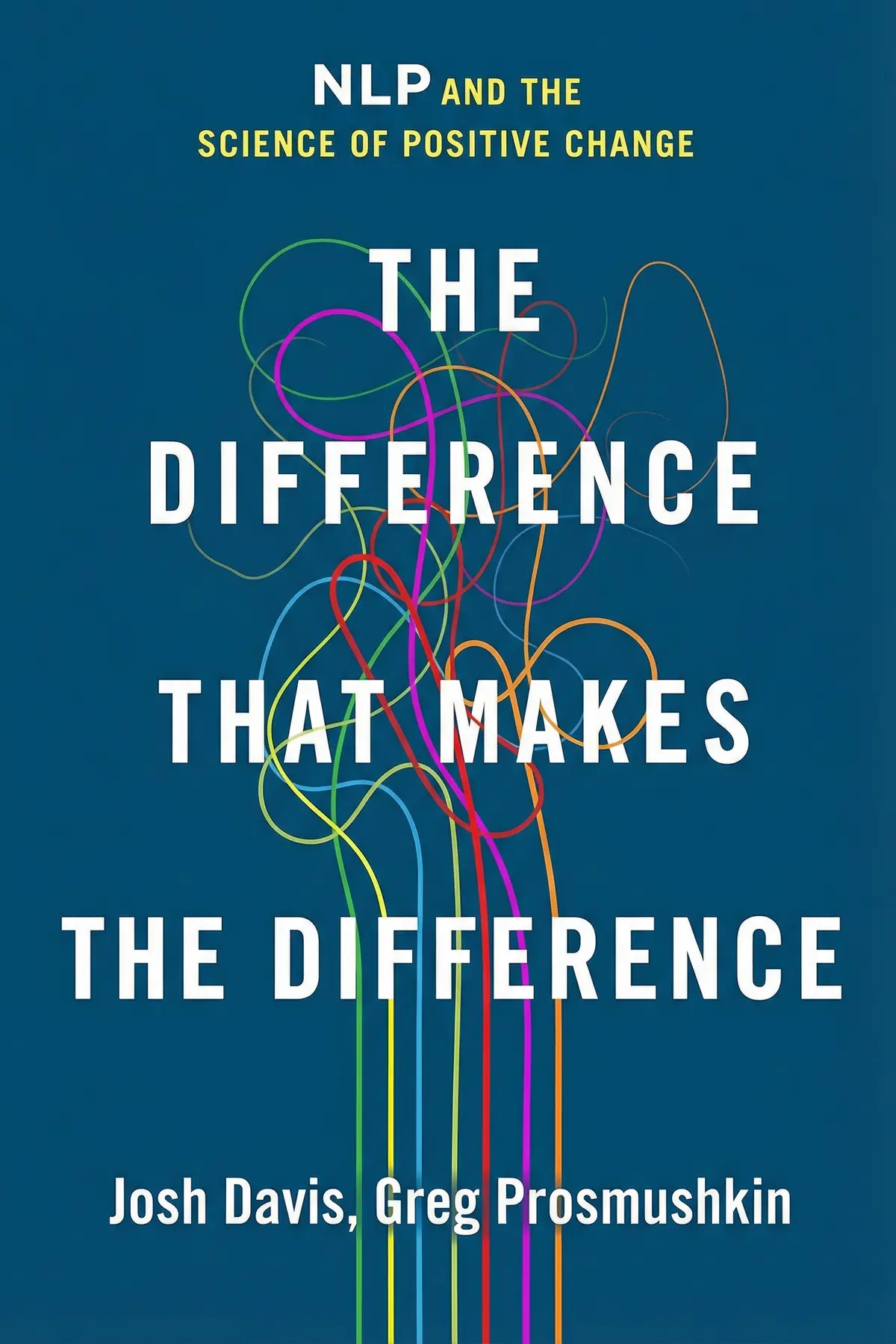
Table of Content
1. Introduction
1 min 46 sec
Have you ever noticed how two people can walk into the exact same situation and come away with two completely different stories? One person might see a room full of potential friends and opportunities, while another sees a daunting crowd and a series of social pitfalls. Why does this happen? The answer doesn’t lie in the room itself, but in the internal processing systems of the people entering it. This is the starting point for exploring the science of positive change—understanding that the way we represent the world internally determines our external results.
In this journey, we are going to look at the intersection of psychology, neuroscience, and communication. We are exploring the concept of Neuro-Linguistic Programming, or NLP, which is essentially the study of how our brain’s “software”—our language and thought patterns—determines the quality of our life’s “output.” Most of us go through life reacting to our environment, unaware that we are viewing reality through a highly specific, and often outdated, lens.
The core theme we will follow is that of the ‘Difference that Makes the Difference.’ This isn’t about massive, sweeping overhauls of your personality. Instead, it’s about identifying the small, strategic shifts in focus, belief, and language that yield disproportionate results. Whether you want to perform better at work, build more resilient relationships, or simply feel more in control of your emotional state, the tools we’ll discuss provide a practical framework for that transformation. By the end of this summary, you’ll have a roadmap for examining your own mental models and the communication strategies needed to connect more deeply with the world around you. Let’s begin by looking at the very foundation of how we experience reality.
2. The Architecture of Internal Maps
2 min 18 sec
Discover why your perception of reality is actually a simplified version of the world, and how this internal map dictates every choice you make.
3. Identifying and Challenging Limiting Beliefs
2 min 37 sec
Uncover the invisible barriers that masquerade as facts and learn how to dismantle the three categories of beliefs that keep you stuck.
4. The Shift to Outcome-Focused Thinking
2 min 16 sec
Stop focusing on what you want to avoid and start programming your mind to recognize the specific paths to your success.
5. Language as the Software of the Mind
2 min 38 sec
Learn how the subtle nuances of your internal and external speech can either expand your potential or trap you in cycles of frustration.
6. Reframing Failure as Essential Data
2 min 20 sec
Change your relationship with setbacks by adopting a scientific mindset that views every mistake as a necessary step toward mastery.
7. Mastering Connection through Rapport and Calibration
2 min 27 sec
Unlock the secrets of influence by learning how to truly meet people where they are, using subtle cues to build instant trust.
8. Conclusion
1 min 48 sec
We’ve traveled through the core principles of Neuro-Linguistic Programming, and what should be clear by now is that your internal world is not a fixed landscape. It is a dynamic system that you have the power to influence. We started by recognizing that our mental maps are not the reality itself, but a representation that we can choose to update. We looked at how to dismantle the limiting beliefs that act as invisible boundaries, and how to use language as a tool for empowerment rather than a source of stress.
We explored the necessity of shifting from a problem-focused mindset to one that is relentlessly oriented toward specific, positive outcomes. We also saw how reframing failure as feedback transforms every setback into a stepping stone toward mastery. Finally, we looked at the art of rapport—how meeting others in their world through matching and calibration creates the foundation for deep connection and authentic influence.
The “difference that makes the difference” is rarely a single, giant leap. It is the cumulative effect of these small, mindful adjustments in how you think, speak, and interact. As you move forward, the most actionable step you can take is to become a curious observer of your own patterns. Notice the words you use. Identify the beliefs that are currently guiding your decisions. Ask yourself what you want to create instead of what you want to avoid.
By taking responsibility for your internal programming, you move from a state of being managed by your mind to a state of managing it. This is the science of positive change in action. When you change the map, the journey changes. You start to see opportunities where there were obstacles, and connections where there was conflict. The world hasn’t changed, but you have—and that is the greatest difference of all.
About this book
What is this book about?
Have you ever wondered why some people seem to navigate challenges with ease while others struggle with the same obstacles? This exploration of Neuro-Linguistic Programming (NLP) reveals that the secret lies in our internal mental maps. The book promises to provide a bridge between where you are and where you want to be by examining the specific patterns of thought and language that drive our behavior. By understanding how we interpret reality, rather than just reacting to it, we gain the power to update our internal programming. The core promise is one of agency: the ability to move from being a passenger in your own mind to becoming the driver. Through the lenses of mindset shifts, goal orientation, and advanced communication strategies, readers learn how to recognize their own self-imposed limits and replace them with expansive possibilities. It is about identifying the subtle differences in approach—the differences that make the difference—allowing for a life of greater fulfillment, resilience, and influential connection.
Book Information
About the Author
Josh Davis
Josh Davis holds a PhD in psychology and neuroscience from Columbia University and is the founder of the Science-Based Leadership Institute. An internationally bestselling author, his work has appeared in major publications like Harvard Business Review and The Wall Street Journal. He is also a Master Practitioner at the NLP Center of New York. Greg Prosmushkin, a Temple University School of Law graduate, is a successful attorney who integrated NLP and psychodrama training into his legal practice to enhance trial advocacy. His firm achieved a top wrongful death settlement in Pennsylvania in 2020.
Ratings & Reviews
Ratings at a glance
What people think
Listeners find the material both engaging and accessible, providing useful advice that translates easily to everyday situations. They value the book's depth, with one listener observing that the scientific concepts are presented simply, while relatable anecdotes keep the narrative interesting. Listeners appreciate how the content helps enhance interpersonal connections and speech, as one review points out that NLP teaches intellectual empathy. The work is considered insightful by listeners, with one calling it an elevated take on personal transformation.
Top reviews
Kavya
This book really flips the script on self-improvement by focusing on the tiny, linguistic shifts that lead to massive changes. I’ve always been curious about NLP, but the jargon usually gets in the way of understanding the core concepts. Thankfully, Davis and Prosmushkin make the science accessible without ever once feeling like they are dumbing it down for the reader. The 'map is not the territory' concept really stuck with me throughout the week as I navigated work conflicts. It is a helpful reminder that our personal perceptions aren't always objective reality. I also tried the 'talk to the book' AI feature on their website today and found it to be a very helpful tool. If you want a practical way to boost confidence, this is a solid choice.
Show moreNarongrit
Ever wonder why two people can see the exact same situation so differently while reaching completely opposite conclusions? This guide to NLP explains how our mental filters dictate our reality and how to change them for the better. The section on 'intellectual empathy' was a major highlight for my personal growth this month. It’s not just about winning arguments; it’s about truly understanding the person across from you on a deeper level. I appreciated the emphasis on outcome-focused thinking—shifting from what I want to avoid to what I actually want to achieve. Some parts felt a bit business-heavy, which might not appeal to every type of reader looking for personal advice. However, the core lessons on resilience and language are truly universal and worth the time spent reading.
Show moreNathan
Finally got around to reading this early copy, and the shift from failure to a learning mindset is a game-changer. I love how they use the simple analogy of a child learning to walk without any sense of shame. Why do we lose that natural sense of curiosity as we grow into our adult years? This book helped me reclaim that sense of experimentation in my own career and personal life through actionable exercises. The writing is sharp and the concepts are presented in a way that encourages immediate practice in real scenarios. I’ve already started using outcome-focused thinking in my morning planning with some very positive results. This is a must-read for anyone who feels like they are currently standing in their own way of success.
Show moreJiraporn
As a skeptic of anything that sounds like 'pseudoscience,' I found the neuroscientific angle here quite refreshing and grounded. Josh Davis brings a layer of credibility that is often missing from these types of books on personal growth. He explains the brain’s plasticity in ways that feel rooted in actual biological reality rather than just wishful thinking. Greg’s anecdotes from the courtroom provide excellent, real-world examples of how these techniques work under intense pressure during a trial. To be fair, the third-person narrative style used throughout the chapters felt a bit detached and clunky at times. I would have preferred a more direct 'I' voice for their personal stories to make them feel more intimate. Regardless, the strategies for building rapport are genuinely effective for anyone in a client-facing role.
Show moreSupranee
Picked this up because I’ve been struggling with some long-held limiting beliefs that were dragging me down lately. The way Davis and Prosmushkin break down how these invisible barriers form in childhood was incredibly eye-opening for me. This book doesn't just diagnose the problem; it gives you the tools to redraw your own mental map. I found the exercises on identifying language like 'always' or 'impossible' to be immediately applicable to my self-talk. Truth is, I was a bit overwhelmed by the sheer number of modules toward the very end of the book. You can definitely pick and choose what applies to your current life situation without reading every single page. This is a fantastic resource for anyone feeling stuck in their current mindset and looking for a way out.
Show moreSirinat
The chapter on limiting beliefs alone makes this book worth the price of admission for most readers today. It’s fascinating how a single comment from a teacher decades ago can still run your life without you realizing it. I really enjoyed the interactive nature of the writing throughout the different sections of the book. Instead of just lecturing, the authors invite you to participate through specific writing and reflection prompts. This isn't a book you just read; it’s one you actually have to do to see any results. I do wish there was more focus on personal relationships rather than professional courtroom negotiations. Some of the lawyer-centric examples felt a bit far removed from my own daily life experience as a stay-at-home parent.
Show moreAmara
Look, I’ve seen a lot of self-help fluff, but this title actually provides a system you can practice. It’s about more than just 'thinking positive'—it's about the mechanics of how we communicate with ourselves and others. The authors do a great job of explaining how matching someone’s energy can create an unconscious connection. I received an ARC of this book and was pleasantly surprised by the down-to-earth writing style. It felt like having a long conversation with two very smart and accomplished friends. My only real gripe is that it can feel a bit repetitive when they repeat core principles in every chapter. However, the message about personal transformation is strong enough to keep you turning the pages until the very end.
Show moreSomporn
Josh Davis and Greg Prosmushkin have managed to take a complex subject like NLP and make it digestible. I’ve always found the idea of Neurolinguistic Programming a bit intimidating for the casual reader. This book breaks it down into manageable shifts in language and overall mental awareness. The focus on how our internal maps shape our reality is a truly profound concept to grasp. I did find the transition between the two authors' voices a bit jarring at certain points in the narrative. However, the depth of the science and the practicality of the advice more than make up for any stylistic quirks. It’s a very solid guide that offers real, actionable tools for meaningful positive change, even if you are naturally skeptical of self-help.
Show moreRatree
Frankly, I didn't realize how much my internal language was holding me back until I reached the final sections. Most of us focus on what we don't want—like failure or being rejected—which is actually quite draining. Shifting that focus to what I actually want to create has been an incredibly liberating experience for my career. The book is well-structured and covers everything from building rapport to overcoming old childhood conditioning. It’s a bit business-heavy, and some of the trial lawyer stories felt a little bit niche for my taste. But the underlying psychology is sound and easy enough for any layperson to understand and apply. I’d recommend this to anyone looking to improve their communication skills and mental resilience in a polarized world.
Show moreSureerat
Not what I expected in terms of formatting, which was a bit dense and lacked white space for my notes. I'm the type of reader who likes to scribble thoughts in the margins of my physical books. This 'squished' layout made it much harder to process the wealth of information provided in each chapter. That said, the content itself is actually quite valuable for anyone looking to improve themselves and their relationships. The authors are honest about the fact that NLP has its fair share of critics in the scientific community. I truly respected that level of transparency from the authors during the introductory pages. While it can feel a little dry in the middle, the practical exercises keep you moving through the text. I received a digital copy of this book from the publisher for an honest review.
Show moreReaders also enjoyed


A Guide to the Good Life: The Ancient Art of Stoic Joy
William B. Irvine
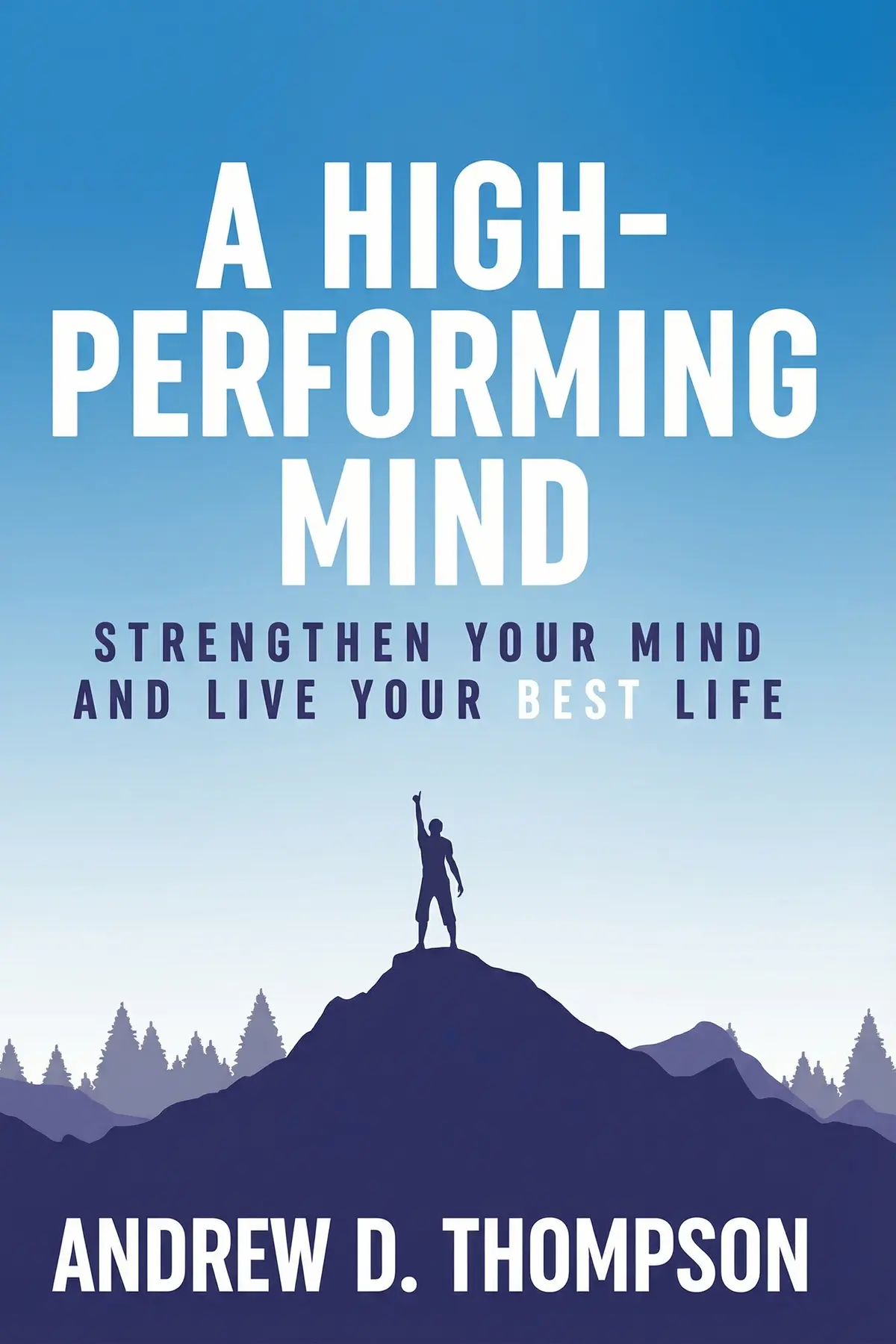
A High-Performing Mind: Strengthen Your Mind and Live Your Best Life
Andrew D. Thompson


Abundance: The Inner Path to Wealth
Deepak Chopra
AUDIO SUMMARY AVAILABLE
Listen to The Difference that Makes the Difference in 15 minutes
Get the key ideas from The Difference that Makes the Difference by Josh Davis, plus 5,000+ more titles in English and Thai.
- 5,000+ titles
- Listen as much as you want
- 7-day free trial
- Cancel anytime







