

29 min 27 sec
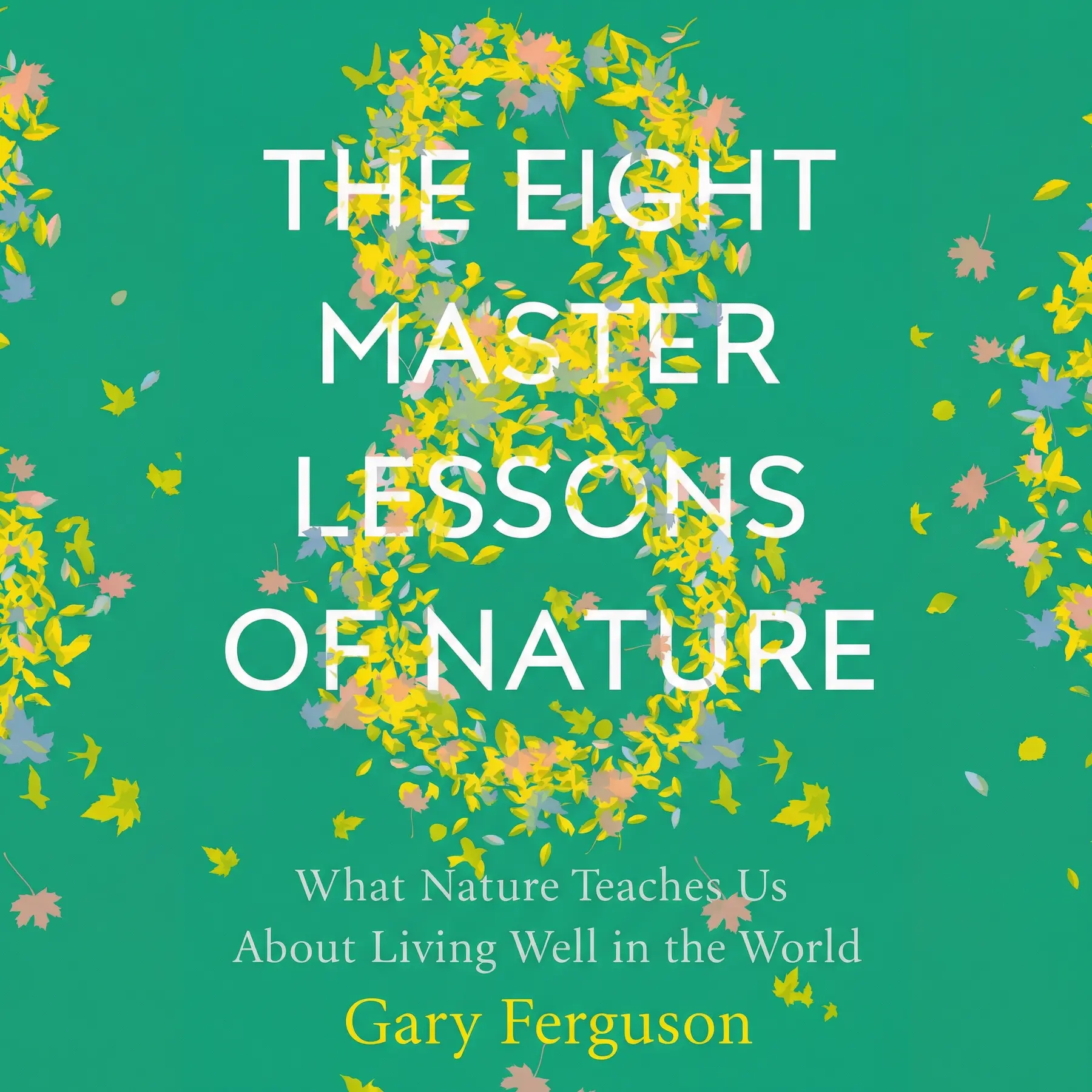
The Eight Master Lessons of Nature: What Nature Teaches Us About Living Well in the World
This summary explores how nature’s ancient rhythms and complex systems offer a blueprint for human resilience, showing us how to reconnect with the wild to live more harmonious, balanced lives.
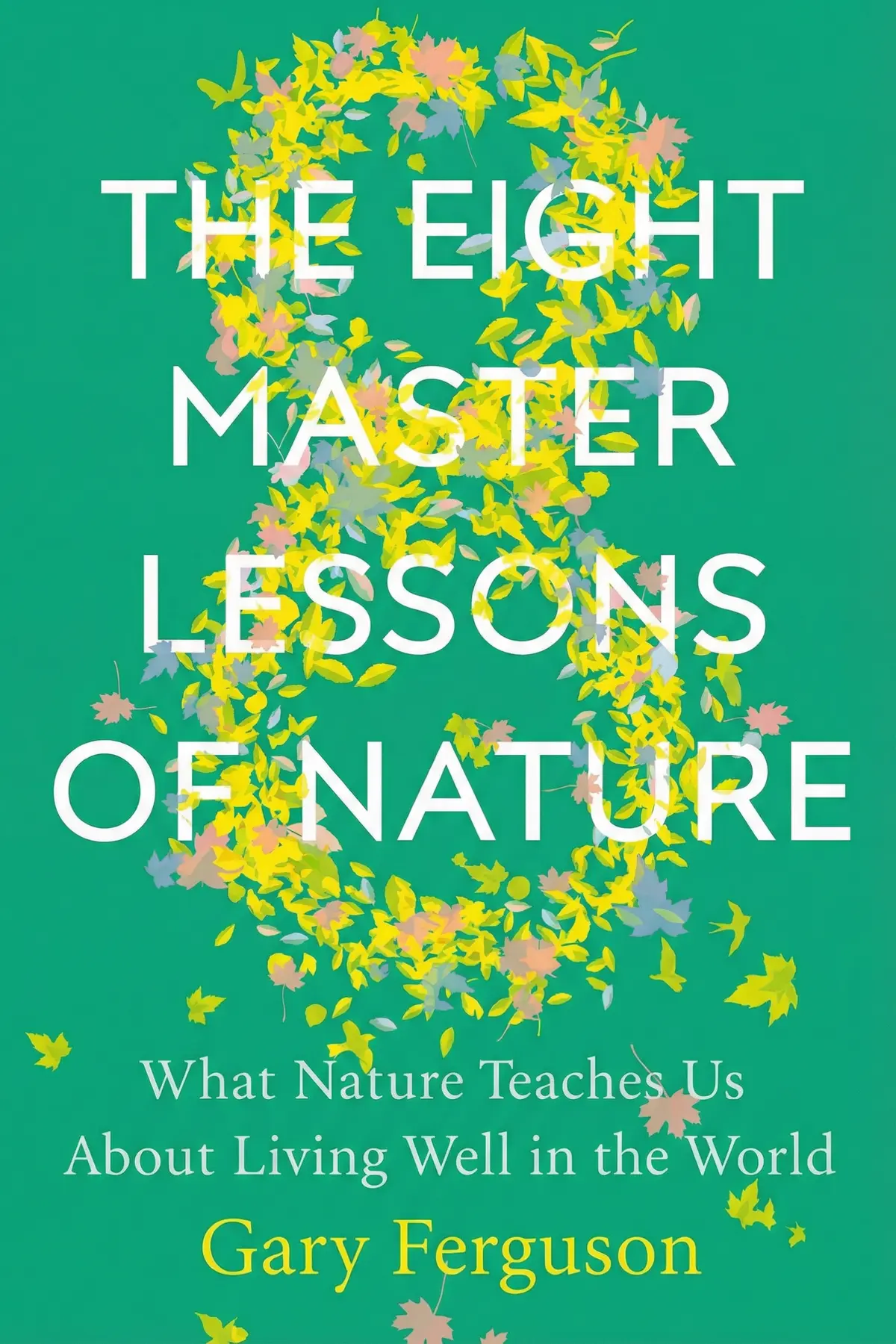
Table of Content
1. Introduction
1 min 49 sec
When you close your eyes and imagine your typical day, what surroundings come to mind? For most of us, the mental image is dominated by the gray geometry of office cubicles, the harsh glare of fluorescent lights in a supermarket, or the confined, climate-controlled space of a vehicle. We move from one box to another, separated from the air, the soil, and the rhythms of the planet by layers of steel, glass, and concrete. While we often think of this as the height of civilization, it is actually a profound departure from our true home. We have effectively designed ourselves out of our natural habitat, and the result is a growing sense of disconnection and stress.
But there is a way back. This isn’t about abandoning technology or living in a cave; it is about reorienting our perspectives toward the wild wisdom that has sustained life for eons. By observing the intricate patterns of the natural world—from the way trees share nutrients to the way animals manage their energy—we can find a set of master lessons that apply directly to our own lives. These lessons help us navigate the complexities of the modern world with more grace, resilience, and wonder.
In the pages ahead, we will explore how shifting our gaze from our screens to the sky can change everything. We will see why mystery is as important as knowledge, how interconnectedness is the fundamental law of the universe, and how even a catastrophic fire can be a source of new life. This is a journey through the lessons that nature has been trying to teach us all along, waiting only for us to listen. By the time we finish, you’ll see that the world outside isn’t just a place to visit on the weekend—it’s a guide to living a more authentic, earthly existence. Let’s begin by stepping into the quiet beauty of the unknown.
2. The Power of Embracing Mystery
3 min 08 sec
Discover why one of history’s greatest scientific minds found his most profound breakthroughs not in data, but in the overwhelming sense of awe found in a simple garden stroll.
3. The Web of Interdependence
3 min 13 sec
Follow the journey of a single sheet of paper to uncover the invisible threads that connect every living thing on the planet in a vast, supportive network.
4. The Resilience of Diversity
3 min 03 sec
Explore how the vibrant chaos of a mountain meadow provides the ultimate blueprint for building strong societies and solving our most complex human problems.
5. Balancing the World’s Energies
3 min 10 sec
Uncover the hidden matriarchies of the wild and learn why restoring the balance between masculine and feminine traits is essential for planetary harmony.
6. The Rich Interior Lives of Animals
3 min 10 sec
What if your pet is wondering the same things about you as you are about them? Dive into the surprising science of animal consciousness and empathy.
7. Efficiency and the Art of Conservation
3 min 22 sec
Discover why the supposedly ‘lazy’ sloth is actually a master of strategic energy management, and how we can apply its wisdom to our own busy lives.
8. The Renewal of the Fire
3 min 18 sec
Witness the dramatic rebirth of a scorched landscape and learn how to transform your own personal setbacks into fuel for a stronger future.
9. The Wisdom of the Elders
3 min 06 sec
Learn why the survival of entire species often depends on their oldest members, and why we should look to our own elders for a sense of timeless perspective.
10. Conclusion
2 min 08 sec
As we come to the end of this exploration, it’s worth reflecting on the central throughline that connects all these lessons: we are not merely observers of nature; we are nature. Every cell in our bodies follows the same biological laws as the trees, the animals, and the fungi we have discussed. When we ignore these laws—when we live lives of sterile isolation, relentless business, and disconnected competition—we aren’t just hurting the planet; we are hurting ourselves. We are like a fish trying to live on dry land, wondering why we feel so out of breath.
The eight master lessons we’ve explored—from the importance of mystery and diversity to the power of resilience and intergenerational wisdom—offer more than just interesting facts. They offer a blueprint for a more meaningful and sustainable way of being. They remind us that we don’t have to carry the weight of the world alone. We are part of a vast, interconnected web of life that has been perfecting the art of survival for millions of years. When we align our lives with these natural principles, we find that many of our modern anxieties begin to fall away.
If there is one simple, actionable way to start applying these lessons today, it is this: go outside. It sounds almost too simple, but the research and the history of human wisdom back it up. Whether it’s a deep hike in a national park or a ten-minute sit on a park bench, getting into the presence of the wild helps reset our internal clocks. It clears the ‘directed attention fatigue’ of our digital lives and invites us back into a state of wonder.
So, the next time you feel overwhelmed by the complexity of your life or the chaos of the world, remember the sloth. Remember the fire that brings new life. Remember the ‘mother trees’ working silently beneath the soil. Nature is not a destination; it is a teacher. And the classroom is always open, right outside your door. Take a step out, breathe in the air that the trees have prepared for you, and listen to what the wild is trying to say. You might just find that you’ve finally come home.
About this book
What is this book about?
In a world increasingly dominated by screens, concrete, and sterile environments, we have drifted away from the primary source of our wisdom: the natural world. This summary of Gary Ferguson’s work serves as a bridge, reconnecting our modern psyche with the essential lessons embedded in the wild. It isn't just a book about biology; it is a guidebook for living well by observing the ecosystems, animals, and plants that have thrived for millions of years. The promise of this journey is a renewed sense of belonging. By looking at everything from the social structures of elephant herds to the symbiotic relationships within a forest floor, we find a map for navigating our own personal and societal challenges. You will learn to value diversity, embrace the mysteries of the unknown, and understand the profound efficiency of life. Ultimately, these lessons provide a way to transition from a state of disconnection to a state of harmony, proving that nature remains our most vital teacher.
Book Information
About the Author
Gary Ferguson
Gary Ferguson is an award-winning author, naturalist, and public speaker specializing in the intersection of ecology and psychology. He’s authored more than 25 books including The Carry Home, Shouting at the Sky, and Hawks Rest, which was the first ever to be named Book of the Year by both the Pacific Northwest Booksellers and the Mountains and Plains Booksellers Associations.
Ratings & Reviews
Ratings at a glance
What people think
Listeners characterize the prose as beautifully written and feel it is a wonderful read. They value the exploration of spirituality and nature, and one listener points out how it connects human spirit to the natural world. The title is highly regarded for its beauty, with one listener describing it as a beautiful book about the natural world.
Top reviews
Grace
Gary Ferguson has a gift for turning 4.6 billion years of biological history into a roadmap for the human soul. I found myself particularly captivated by the concept of 'deep time' and how the 80,000-year-old Pando aspen grove puts our frantic, clock-driven lives into perspective. The writing style is folksy yet profound, blending scientific data about tree genomes with a sincere, almost spiritual appreciation for the wild. To be fair, some readers might find his optimism a bit much given the current climate crisis, but I found it refreshing. It’s not just a book about biology; it’s a meditation on what it means to be part of a 'vast sea of connection.' After finishing this, I can't look at a simple spider web without thinking about those electrical charges that let them balloon into the heavens. This is a beautiful, necessary read for anyone feeling disconnected from the world.
Show moreGor
The chapter on 'recovering the feminine' was a revelation for me, suggesting that our lopsided, masculine-dominated history is exactly what led to our current environmental crisis. Ferguson argues beautifully that life thrives when the masculine and feminine are fully partnered, and he uses the success of wolf packs and elephant herds to prove it. Personally, I was moved by the description of the 'wood wide web' and how trees use pheromones to call in wasps for defense. It’s a masterpiece of interconnectedness. The book flows like a river, moving from the microscopic reality of atoms to the vast reaches of stardust. Not gonna lie, I teared up a bit reading about the 'fine art of rising again' after disaster. We all need to hear that right now. This isn't just a book; it's a healing experience that reminds us we are walking among champions every time we step outside.
Show moreRungtip
Few authors can blend the hard science of tree genomes with the poetic reality of stardust as seamlessly as Ferguson does in this gem. He challenges the rigid, rational mindset of Western Europe that has treated the earth as a treasury to be looted. Instead, he invites us back into the 'garden' as neighbors rather than masters. The imagery of the Sawtooth Mountains and the whispering lodgepole pines is so vivid I could almost smell the needles. Frankly, his take on 'survival of the friendliest' is exactly the kind of narrative we need in a world that feels increasingly divided. He manages to be both a scientist and a storyteller, which is a rare feat. This book feels like a conversation with a wise elder who has spent enough time in the woods to know what really matters. It’s optimistic, uplifting, and deeply grounded in the physical world.
Show moreWachira
Walking through the Sawtooth Mountains through Ferguson’s eyes was a spiritual experience in itself. This book is a 'paean to the natural world' that managed to melt away my usual cynical, academic snobbery. I loved the reversal of the anthropocentrism argument—the idea that we might be the ones emulating animals. It’s a powerful thought experiment. The prose is beautiful, filled with rhythm and a deep sense of peace that is perfect for a weekend read. Look, we all know the planet is in trouble, but Ferguson chooses to focus on the 'intelligence millions of years in the making' that can still save us. From flying spiders to the music of subalpine firs, the book is a constant reminder of the mystery that surrounds us. It’s a beautiful little gem that connects the human spirit back to its original home. Highly recommended for any nature lover.
Show moreAmy
Ever wonder why a walk in the woods feels like a total reset for your brain? Ferguson explores the science of why our 'rumination' centers—the parts of the brain that fixate on negative emotions—actually quiet down when we're among the trees. I loved the analytical dive into 'anthropocentrism' and the idea that we aren't just projecting human traits onto animals, but perhaps emulating behaviors we've shared for eons. The chapter on the 'feminine' lens was thought-provoking, even if the transition felt a little abrupt compared to the more science-heavy sections. His tone is conversational and accessible, avoiding the dense thickets of academic theory that usually bog down environmental books. It’s a solid, hopeful look at how we can repair our strained relationship with the Earth. I’m an indoor person by nature, but this made me want to go out and find a river to listen to.
Show moreRay
Picked this up after a rough year and found the lesson on nature's ability to 'rise again' after a disaster incredibly comforting. Ferguson doesn't shy away from the sadness of wildfires or pollution, but he balances it with a gritty, resilient kind of hope. The prose is quite rhythmic, mirroring the 'harmony, balance, and rhythm' he mentions in the text. I did find the 'folksy American' tone a little bit repetitive in the later chapters, but his sincerity eventually won me over. I particularly appreciated the section on how looking for things to be grateful for in nature acts as a natural antidepressant by boosting dopamine. It’s a practical guide as much as a spiritual one. Even if you live in a city, the lessons about connection and energy are applicable. It’s a reminder that we don’t just live *on* the earth, we are part of it.
Show morePensuda
As someone who spends more time in front of a screen than under a forest canopy, this book was a much-needed jolt to my system. Ferguson’s description of the energy falling from the sun—using the Niagara Falls analogy—is absolutely staggering and changed how I view a sunny day. He writes with a sense of wonder that is contagious. I’ll admit, some of the sections on 'mystery' felt a little repetitive, but the core message is vital. We have to move past the idea that we are separate from nature. The fact that we are 99.9% empty space and essentially 'floating' on the ground blew my mind. It’s a refreshing glimpse at environmentalism that focuses on joy and connection rather than just mourning and sadness. It’s a quick read, but the ideas linger long after you close the cover. Definitely worth the time.
Show moreSai
Finally got around to reading this and I’m struck by the idea of 'survival of the friendliest' over the typical 'survival of the fittest' trope we usually hear. Ferguson makes a compelling case for cooperation being the true engine of the natural world. I enjoyed the anecdotes about wolves and humans seeking each other out as social partners. The tone is largely conversational, which makes the heavier scientific bits—like the chemical exchange in oak groves—much easier to digest. My only minor gripe is that the book occasionally feels a bit unorganized as it jumps between history, biology, and personal memoir. However, the sincerity of the writing makes up for the loose structure. It’s a hopeful, accessible read that encourages you to just go outside and pay attention. If you’re looking for a reason to feel better about the world, start here.
Show moreWit
While I agree that we need to stop treating the planet like a locker we can endlessly rob, I struggled with some of the author’s detours into social ideology. The nature writing itself is superb—vivid, rhythmic, and deeply researched. However, when the narrative veered into discussions on 'gender oppression' and privilege in the middle of a lesson about forests, it felt like a jarring departure from the subject matter. Truth is, I picked this up to learn about the Sawtooth Mountains and the wisdom of old growth, not to receive a lecture on 'woke' commentary. That said, Ferguson’s points about 'survival of the friendliest' and the chemical 'green talk' between trees are fascinating. It’s a bit of a mixed bag for me. If you can ignore the occasional ideological insertion, there is a lot of genuine wisdom here about our dependence on the natural world.
Show moreDarawan
Truth be told, I wanted to love this, but the folksy American tone felt a bit repetitive and simplistic after the first few chapters. While the author is clearly passionate, the book lacks the practical depth I was looking for regarding urban living. How am I supposed to apply the lessons of an 80,000-year-old aspen grove when I’m surrounded by concrete and smog? The writing is 'pretty,' sure, but it often prioritizes poetic imagery over actionable science or policy. I found the constant personification of trees and animals to be a bit much for a non-fiction work. Also, the lack of an author biography in the opening pages made me question the academic weight of the claims early on. It’s a fine 'gift book' for someone who wants light, optimistic reading, but for those seeking a rigorous environmentalist manifesto, this might feel a little too airy and sentimental.
Show moreReaders also enjoyed

Beyond Words: What Animals Think and Feel
Carl Safina
Cod: A Biography of the Fish That Changed the World
Mark Kurlansky
Comfortably Unaware: What We Choose to Eat is Killing Us and Our
Richard A. Oppenlander

Cradle to Cradle: Remaking the Way We Make Things
William McDonough

Earth for All: A Survival Guide for Humanity
Sandrine Dixson-Decleve

Eating Animals
Jonathan Safran Foer
AUDIO SUMMARY AVAILABLE
Listen to The Eight Master Lessons of Nature in 15 minutes
Get the key ideas from The Eight Master Lessons of Nature by Gary Ferguson, plus 5,000+ more titles in English and Thai.
- 5,000+ titles
- Listen as much as you want
- 7-day free trial
- Cancel anytime







