
1491: New Revelations of the Americas Before Columbus
Charles C. Mann
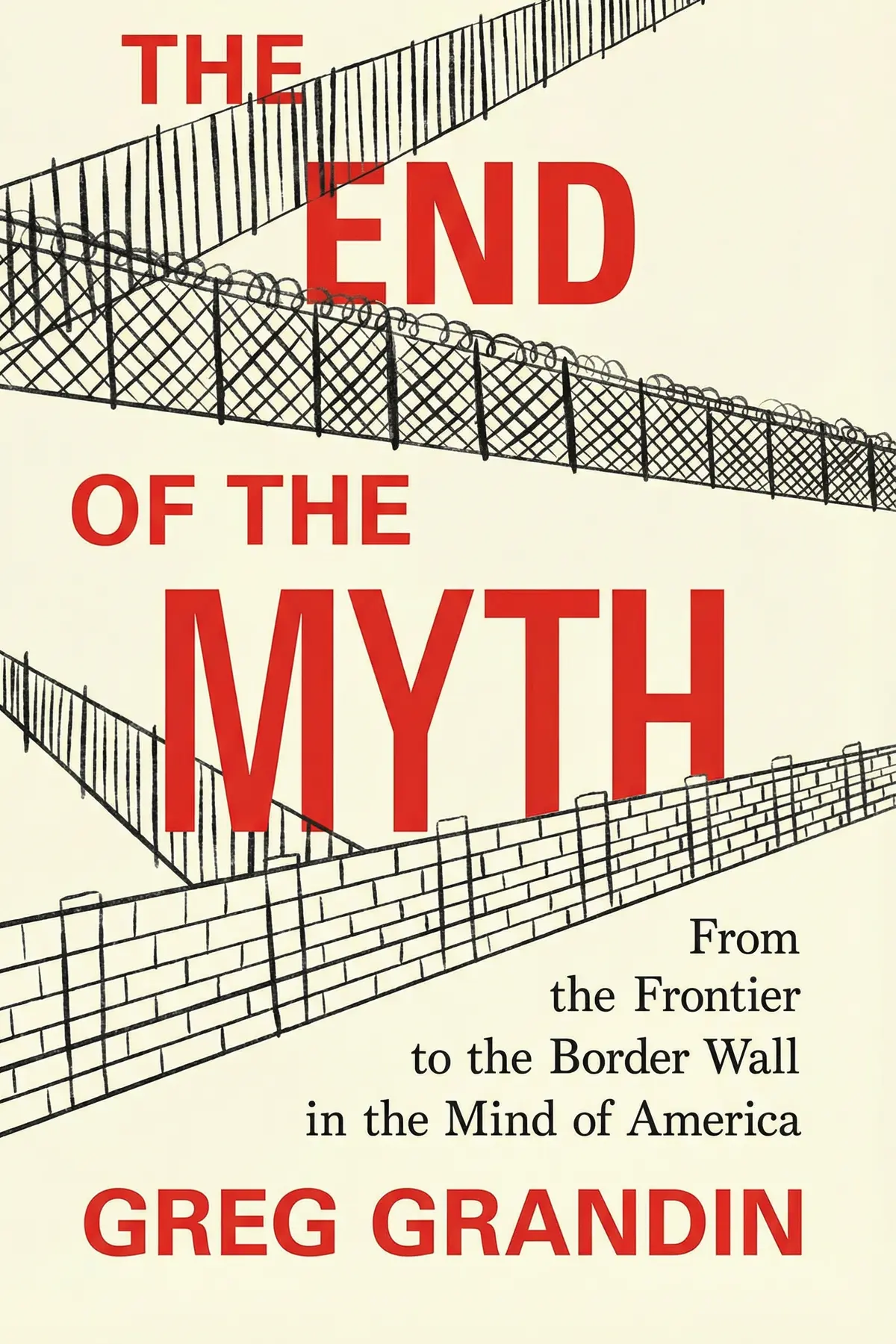
A deep dive into how the American frontier myth facilitated expansion and imperialism, ultimately concluding with the shift toward isolationism and the political climate of the modern border wall.
1 min 53 sec
Picture the classic image that has come to define the American spirit: a lone rider on horseback, silhouetted against a vast, orange-hued sunset, heading toward a horizon that never seems to end. In the collective American consciousness, the West was never just a place; it was a promise. It was the ultimate ‘second chance,’ a place where a person could shed their past, stake a claim on a piece of dirt, and reinvent themselves. For generations, this idea of the frontier was the engine of American optimism. It suggested that no matter how crowded or conflicted the cities became, there was always more room. Prosperity was not a fixed pie to be divided, but an ever-growing feast to be expanded.
However, we are now living through a profound shift in that national story. The horizon is no longer perceived as infinite. Instead of a gateway to renewal, the American border is increasingly seen as a barricade. In this summary of Greg Grandin’s The End of the Myth, we are going to explore how the closing of that mental and physical frontier has fundamentally reshaped the American landscape. We will look at how the myth of expansion was used to justify both incredible growth and devastating exploitation, and how the disappearance of that myth has paved the way for a more insular, defensive version of the American dream.
By tracing the path from the earliest colonial boundaries to the modern-day border wall, we will uncover why the concept of the frontier was so essential to keeping the peace at home—and what happens to a nation when it finally runs out of space to move its problems. We’ll see how the ideals of the Founding Fathers, the aggressive individualism of the Jacksonian era, and the disillusionment following the War on Terror have all converged to bring us to our current historical moment. This is the story of how a nation built on the idea of ‘more’ is learning to live with the reality of ‘limit.’
2 min 35 sec
Discover how the Founding Fathers, particularly James Madison, viewed the vastness of the American continent not just as territory, but as a necessary ingredient for a stable democracy.
2 min 27 sec
Explore the era of Andrew Jackson, where the frontier became synonymous with a radical form of personal freedom that rejected government oversight and borders.
2 min 23 sec
Learn how the concept of the ‘safety valve’ allowed American leaders to use war and expansion to release the pressure of domestic racial and class conflicts.
2 min 31 sec
Uncover the historical reality behind Frederick Jackson Turner’s influential Frontier Thesis and how it obscured the government’s massive role in westward expansion.
2 min 17 sec
See how the economic collapse of the 1930s forced America to finally stop looking toward the horizon and start focusing on fixing its own internal systems.
2 min 22 sec
Examine how the failure of the Vietnam War shattered the idea that foreign conflict could serve as a unifying force for the American people.
2 min 28 sec
Trace the long history of brutality along the US-Mexico border and see how it became a focal point for racial anxieties and paramilitary activity.
2 min 26 sec
Analyze how trade agreements like NAFTA and the failures of the War on Terror led to the current era of isolationism and the symbolic power of the border wall.
1 min 47 sec
As we conclude our journey through the history of the American frontier, the throughline becomes clear: for hundreds of years, the United States avoided a true reckoning with its internal contradictions by simply moving the goalposts. Whether it was through the literal seizure of western lands, the projection of power into foreign markets, or the diversion of domestic pressure into overseas wars, expansion was the ‘magic trick’ that kept the American experiment from imploding. It allowed the nation to maintain a surface-level harmony while racial and class tensions were left to fester in the background.
But that era is over. The failures of the Iraq War and the economic disruptions of globalism have shown that the ‘frontiers’ of the world are no longer wide open for American management. We are now living in a closed system, and the consequences of that closing are visible everywhere—from the stagnant incomes of 51 million Americans to the aggressive rhetoric of the modern border wall. The ‘safety valve’ has been bolted shut. The violence and resentment that were once exported to the frontier have now returned home, pooling at our borders and in our political discourse.
What does this mean for the future of the American dream? It means that we can no longer rely on ‘more’ to solve our problems. We have to learn to live within our limits and address the inequalities we have ignored for centuries. The myth of the infinite horizon gave us hope, but it also gave us a way to escape our responsibilities. Now that the myth has ended, we are forced to finally face ourselves. The border wall might never be fully built, but its presence in our minds signals a fundamental change. We are no longer a people looking for a way out; we are a people who must finally find a way in—toward a more just and sustainable way of living with each other in the space we already have.
The End of the Myth offers a provocative re-examination of the American identity, tracing the nation's trajectory from the limitless promise of the westward frontier to the physical and psychological enclosure of the border wall. For centuries, the idea of an ever-expanding horizon served as a crucial release for domestic tensions, allowing the United States to outsource its internal conflicts and economic pressures by moving into new territories or projecting power abroad. This summary explores how this 'safety valve' of expansionism eventually ran out of room. When the physical frontier disappeared, the nation attempted to expand its ideals and economic reach, but the failures of recent foreign wars and the impact of globalized trade agreements brought those ambitions to a halt. The result is a nation forced to confront its own divisions and racial tensions within a closed space, leading to the rise of nativism and a fundamental shift in the American dream. This narrative promises to uncover the historical roots of our current political moment and explain why the myth of the frontier finally reached its breaking point.
Greg Grandin taught at New York University before joining Yale University’s history department. He’s also served on the United Nations Truth Commission and received fellowships from the Guggenheim Foundation and the New York Public Library. His books include The Empire of Necessity and Fordlandia, which was a finalist for a Pulitzer Prize and a National Book Award.
Listeners find this title highly valuable and meticulously researched, with one review noting how it brilliantly integrates 400 years of American history. Additionally, the work is informative and thought-provoking, with one listener highlighting its insightful analysis of the frontier mentality. However, the prose receives varied feedback, with some listeners finding it well written while others disagree.
Grandin’s exploration of the "frontier" as a pressure relief valve for American social unrest is nothing short of brilliant. He argues that as long as there was more land to conquer, the nation could ignore its deep-seated inequalities and racial tensions. This “safety-valve” allowed the American experiment to persist without ever truly addressing the grievances of the working poor or the horrors of slavery. The transition from the open horizon to the claustrophobic border wall marks a terrifying turning point in our national psyche. While some might find the historical deep dives a bit exhaustive, the way he links Madison’s theories to Trump’s rhetoric is masterful. It’s a dense read, yet the narrative flow kept me engaged throughout. This is essential reading for anyone trying to decipher why expansion became the answer to every domestic crisis we’ve ever faced. Expansion was the solution to all problems, until it wasn't.
Show moreWow, this was an incredibly heavy but necessary look at the darker side of American expansionism. Grandin doesn't pull any punches when describing the "Blood Meridian" levels of violence that built this country. From Andrew Jackson’s brutal treatment of Native Americans to the dehumanizing tactics used at the border today, the book highlights a consistent thread of exclusion. He successfully argues that our "freedom" was often just the freedom to dispossess others. The writing is visceral and beautiful, even when the subject matter is revolting. It’s a Pulitzer finalist for a reason; the depth of research is staggering. If you’re looking for a patriotic fluff piece, stay away. But if you want a raw, honest look at the costs of the American dream, this is it. It’s a book that stays with you long after the final page. Brutal, beautiful, and essential.
Show moreHow did we get to the point where a wall became the central symbol of American politics? Grandin provides the most comprehensive answer I’ve found yet. He traces the frontier from a tool for "universalism" to a mechanism for "nativism," showing how the closing of the frontier forced our national anxieties inward. The myth of progress through conquest has finally hit a dead end, and the results are not pretty. I found the analysis of the "boondocks" and the language of empire to be especially fascinating. It’s a chilling read that suggests we’re at a crossroads between social democracy and something much darker. The book is thoroughly researched and manages to make complex sociological terms feel grounded in real, historical blood and dirt. Highly recommended for anyone interested in the soul of America. The choice between barbarism and socialism has never felt more real.
Show moreThe connection between our founding myths and the modern-day paranoia at the border is explored with such sharp clarity here. Frankly, it’s one of the best history books I’ve read in years. Grandin shows how the "safety valve" of expansion allowed the US to avoid fixing inequality for centuries. Now that we can't expand anymore, all that suppressed resentment is bubbling to the surface. The book is brutal in its honesty about the atrocities committed in the name of the frontier. I was particularly impressed by how he linked the violence of the Vietnam and Gulf Wars back to the domestic "frontier" mentality. It’s a wide sweep of history that never feels superficial. This is the kind of book that makes you rethink everything you were taught in high school history class. Absolutely essential for understanding the American psyche. Five stars.
Show moreEver wonder why the term 'boondocks' exists or how Andrew Jackson’s legacy still haunts our current elections? This book provides those answers and so much more. Grandin’s look at the "state of mind" that defined the American frontier is haunting. He expertly demonstrates how expansion wasn't just about land, but about avoiding the hard work of building a fair society at home. The descriptions of the physical barriers at the Mexican border being repurposed from Japanese internment camps were particularly striking. It’s a well-written, if sobering, account of how we’ve traded a myth of endless potential for a reality of paranoid self-protection. It’s definitely not a light read, but it’s an informative one that will change the way you see the nightly news. Truth is, we've reached the end of the line, and Grandin shows us exactly why that's so scary.
Show moreAfter finishing this, I feel like I finally have a framework to understand why America feels so fractured right now. Grandin argues that we've reached the "ultimate closed border," where the old distractions of expansion no longer work. We are finally being forced to deal with the domination and inequality that the frontier myth used to hide. The book is a fascinating blend of cultural history and political science. While I found the ending a bit abrupt, the journey through the lives of Jefferson, Jackson, and even LBJ was enlightening. It’s a thought-provoking look at the "American mission" and whether we can ever move past our need for a frontier to conquer. A must-read for any citizen who wants to understand the historical context of the "wall." This book is provocative, brutal, and absolutely necessary for the current moment.
Show morePicked this up because I wanted to understand the historical roots of our current border obsession. Grandin does an amazing job showing how the frontier wasn't just a place, but a "state of mind" that justified all sorts of aggression. I was particularly struck by the sections on NAFTA and how globalization basically killed the old dream of endless growth. Now that the frontier has physically ended, we're left staring at a wall, forced to confront the problems we used to just outrun. My only real gripe is that the middle chapters on the late 19th century felt a little sluggish compared to the punchy beginning and end. To be fair, the insight into how we externalized our internal conflicts for centuries is worth the cover price alone. It definitely changed how I look at American exceptionalism. Well researched and very timely.
Show moreGrandin manages to weave four centuries of history into a cohesive narrative that actually makes sense of today's chaos. By looking at the frontier as a "disciplining mechanism," he shows how expansion was used to pacify the restless white working class at the expense of everyone else. It’s a provocative thesis that holds up under the weight of the evidence he presents. The book isn't always an easy read—the sentence structure can be quite complex—but the payoff is a much clearer understanding of the "Jacksonian" spirit that still defines so much of the US. I especially liked the critique of NAFTA in the later chapters. It’s a sobering look at how the same expansionist greed just changes forms over time. Not perfect, and sometimes a bit repetitive, but a very strong and informative piece of scholarship that deserves your time.
Show moreTo be fair, the research here is impeccable, though the prose can get a bit dense and academic at times. I appreciated the way Grandin tracks the evolution of the frontier myth, but I occasionally found myself lost in the weeds of specific political policy debates. The chapter on Andrew Jackson was particularly eye-opening—I never realized just how much his "unrestrained" brand of populism mirrors what we see in the 21st century. However, I wish there had been more focus on the religious motivations behind Manifest Destiny, as the book touches on it but doesn't fully dive in. Personally, I found the pace a bit uneven. It's a solid 3-star read because while the information is top-tier, it lacks the punch of a more accessible narrative. It’s definitely a book for history buffs rather than casual readers looking for a quick overview.
Show moreI struggled with the way this book frames every aspect of American growth as inherently destructive or rooted in greed. While the research is clearly there, the tone feels overly cynical and one-sided at times. It felt like Grandin was working backward from a conclusion about the current political climate rather than letting the history speak for itself. There’s no denying the violence he describes, but the book glosses over the more positive aspects of the "can-do" spirit that the frontier myth also inspired. The writing quality is also a bit hit-or-miss; some sections are lyrical, while others feel like a slog through dry policy papers. Look, it's informative, but it lacks balance. If you already agree with his political leanings, you'll love it, but it didn't feel like a fair historical account to me. Disappointing.
Show moreCharles C. Mann
Ron Chernow
Andrew Ross Sorkin
Philip Freeman

Fay Bound Alberti
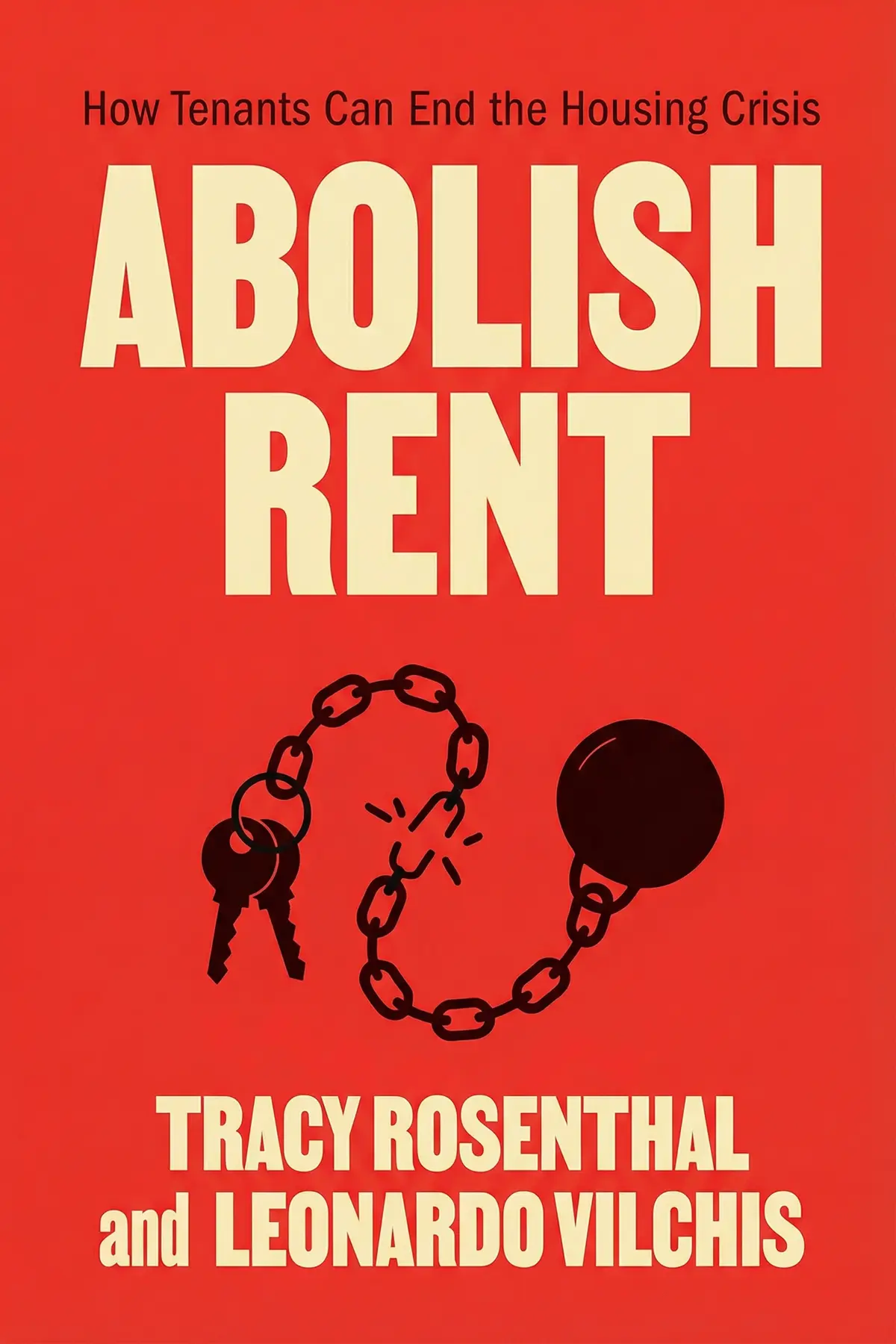
Tracy Rosenthal
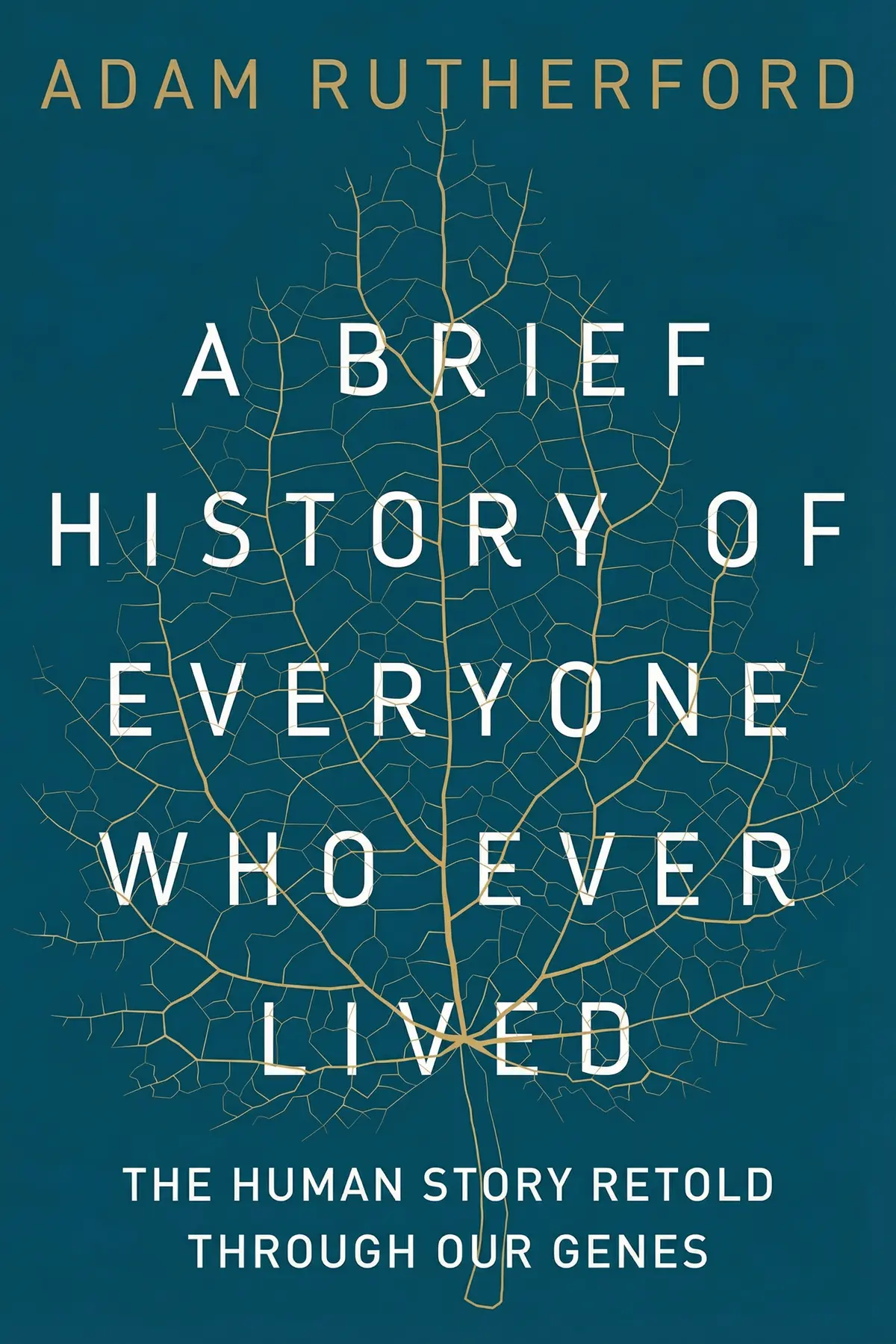
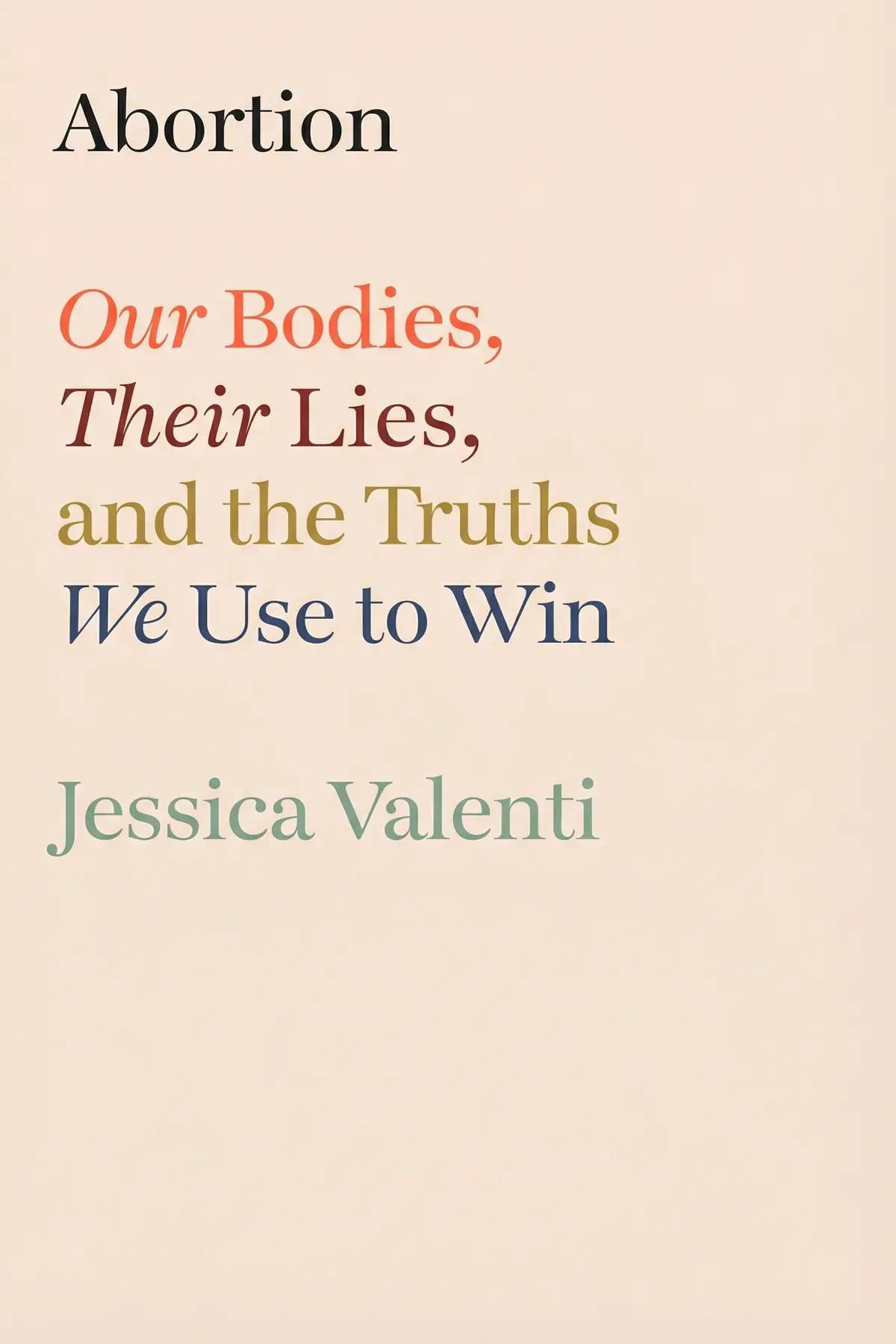
Jessica Valenti
AUDIO SUMMARY AVAILABLE
Get the key ideas from The End of the Myth by Greg Grandin, plus 5,000+ more titles in English and Thai.







