

13 min 51 sec
The Everything War: Amazon's Ruthless Quest to Own the World and Remake Corporate Power
The Everything War explores the aggressive strategies and corporate maneuvers Amazon utilized to transform from an online bookseller into a global power, examining the heavy costs paid by competitors, partners, and employees alike.
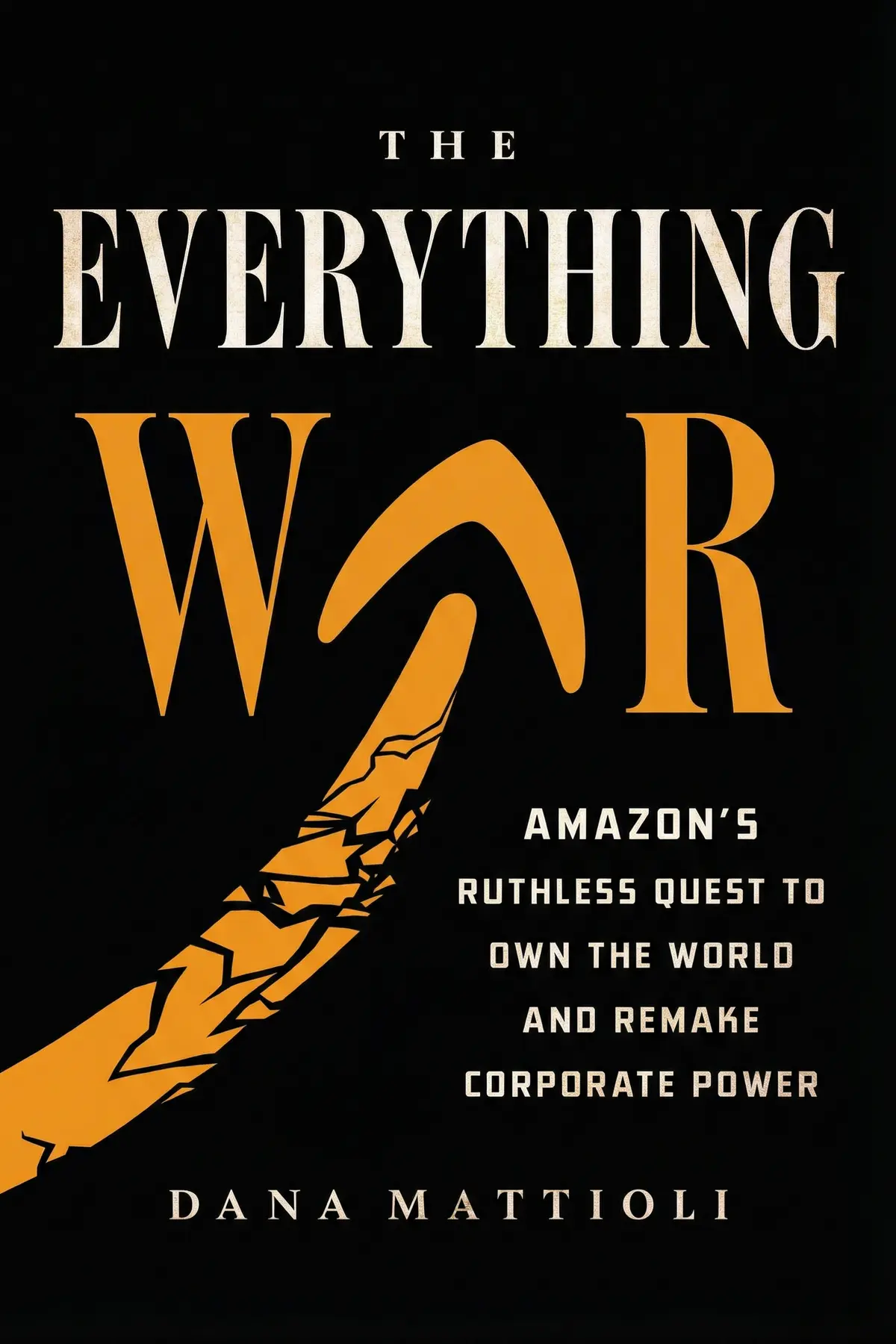
Table of Content
1. Introduction
1 min 42 sec
If you look at the core principles that define Amazon, one phrase stands above all others. It is the very first entry on their list of leadership guidelines, and it is a term that executives repeat like a mantra: “Customer Obsession.” At first glance, this sounds like the ultimate promise of a service-oriented business. It suggests that every decision made by the company is designed to benefit the person clicking the “buy” button. However, as the tech giant has grown from a modest online bookstore into a global infrastructure, a darker question has emerged. Does a singular focus on the customer justify any means necessary to achieve market dominance?
In late 2023, this question moved from the realm of public debate into a court of law. The Federal Trade Commission, joined by nearly twenty state attorneys general, filed a massive lawsuit accusing Amazon of maintaining an illegal monopoly. The irony here is thick: American antitrust laws were originally designed to protect consumers. If Amazon is truly obsessed with the customer, why has the government labeled its behavior as harmful to the market?
This summary will take us through the history of a company that stopped at nothing to become the “everything store.” We will explore the strategic maneuvers that allowed a garage startup to eventually power the digital backbone of the world’s largest corporations. But we will also look behind the curtain at the people and businesses that were left in the wake of this expansion. We will examine how data became a weapon, how partnerships turned into traps, and how a culture of extreme productivity pushed human beings to their limits. By the end, we will see that the “Everything War” isn’t just about retail; it’s about who gets to decide the rules of the modern economy.
2. The Strategic Genesis of Global Ambition
1 min 53 sec
Amazon’s humble garage origins were actually born from a sophisticated financial strategy that prioritized rapid expansion and tax advantages over immediate profitability.
3. The Inescapable Digital Backbone
1 min 36 sec
Beyond its famous retail platform, Amazon has quietly become the essential infrastructure for the modern internet through its massive cloud computing division.
4. The Dual Role of Partner and Competitor
1 min 49 sec
Amazon often acts as both a platform for third-party sellers and their direct rival, using the data it collects from them to gain an unfair advantage.
5. Innovation Through Intellectual Property Extraction
1 min 30 sec
By offering investment and partnership opportunities to startups, Amazon has allegedly gained access to secret technology only to replicate it for its own devices.
6. Financial Warfare and Market Manipulation
1 min 52 sec
Amazon has been accused of using predatory pricing and restrictive contracts to force competitors out of business or into acquisitions.
7. The High Human Cost of Productivity
1 min 52 sec
The company’s internal culture is defined by a brutal ranking system and high-pressure targets that often prioritize metrics over employee welfare.
8. Conclusion
1 min 37 sec
As we look back at the three-decade rise of Amazon, the image that emerges is one of unparalleled ambition coupled with a willingness to rewrite the rules of commerce. We have seen how the company used its hedge-fund-inspired roots to prioritize growth above all else, eventually building a digital infrastructure that the rest of the world now depends on. But we’ve also seen the collateral damage: the small businesses that were used for their data and then discarded, the startups whose ideas were appropriated, and the employees who felt like cogs in a relentless machine.
The core of this story is the tension between convenience and ethics. As consumers, we benefit from the low prices and rapid delivery that Amazon provides. It feels like the ultimate expression of “Customer Obsession.” However, the “Everything War” suggests that this obsession comes with a heavy price tag that isn’t always visible at checkout. When one company controls the platform, the data, the infrastructure, and the pricing for an entire industry, the very idea of a fair and competitive market begins to dissolve.
The lesson of Amazon’s history is that corporate power, when left unchecked, will naturally seek to expand into every available space. As the legal system catches up with the digital age, the 2023 FTC lawsuit stands as a pivotal moment. It asks us to decide if we want a world where innovation is driven by a diverse ecosystem of many players, or a world where everything belongs to one. The story of Amazon isn’t just about a store; it’s a blueprint for the future of power in the twenty-first century, and it’s up to society to decide if that’s a future we are willing to buy.
About this book
What is this book about?
The Everything War takes listeners behind the scenes of one of the most powerful and polarizing companies in modern history. While the world sees a convenient delivery service and a pioneer in cloud computing, journalist Dana Mattioli reveals a different story: a relentless campaign to dominate every sector of the economy. The book tracks Amazon's evolution from a garage startup into a tech Goliath, detailing how it used data, predatory pricing, and controversial intellectual property practices to crush its rivals. Through investigative reporting, the narrative examines the duality of Amazon’s “Customer Obsession.” On one hand, it has revolutionized retail efficiency; on the other, it has faced accusations of running an illegal monopoly. By looking at specific legal battles, including the landmark 2023 FTC lawsuit, this summary sheds light on how Amazon’s quest for growth reshaped corporate power. You will learn about the human and ethical price of the company's expansion and the strategic ruthlessness that defines the current era of corporate warfare.
Book Information
About the Author
Dana Mattioli
Dana Mattioli is a highly regarded investigative journalist who has been a prominent voice at The Wall Street Journal since 2006. Over her career, she has specialized in complex topics such as mergers, acquisitions, and investigative deep dives into tech giants like Amazon. Her work has been recognized with the most prestigious honors in business journalism, including the Gerald Loeb Award for Breaking News in 2016 and again for Beat Reporting in 2021. She was also the recipient of the WERT Prize for business journalism in 2021.
Ratings & Reviews
Ratings at a glance
What people think
Listeners find the book fascinating and deeply investigative, offering valuable perspective on Amazon’s history. They characterize the account as eye-opening.
Top reviews
Savannah
Wow. This book blew my mind regarding how calculated Amazon's dominance actually is. Mattioli dives deep into the "Basics" unit and how they weaponize third-party data to crush competition. It’s a chilling look at corporate espionage disguised as convenience and innovation. I found myself checking my own purchase history with a growing sense of guilt after every single chapter. The writing is sharp, though the sheer volume of unethical practices mentioned can get overwhelming for a casual reader. If you think you know how this company works, you probably don't know the half of it. It’s eye-opening and absolutely necessary for anyone who shops online. This is investigative journalism at its finest.
Show moreCaleb
After hearing Mattioli on a podcast, I knew I had to grab this book immediately to understand the scale of the problem. It is terrifying how they lure in startups for "partnerships" only to steal their proprietary tech for Echo and Alexa devices. The "Basics" brand isn't just a budget line; it’s a predatory tool used to bankrupt the very people selling on their platform. I was especially shocked by the figures regarding tax avoidance—imagine what $5 billion in annual corporate taxes could do for our infrastructure! This book will make you want to cancel your Prime membership and drive to a local store instead. It is a truly eye-opening account of how modern monopolies operate behind closed doors. Highly recommended for every consumer.
Show moreWatchara
Not gonna lie, I finished this book and immediately felt like I needed to delete every shopping app I have on my phone. The level of anti-competitive behavior described here is wild, especially regarding how they handle intellectual property from smaller companies. We often hear about the warehouse conditions, but the corporate-level "war" on competition is even more systemic and dangerous. Mattioli proves that the company has worked every single loophole to maintain its status as an untouchable monopoly. The writing is fast-paced for a business book and kept me engaged through some pretty dense legal topics. It’s an essential read for anyone who cares about where their money actually goes when they click that "buy now" button.
Show moreBird
Picked this up on a whim and was immediately sucked into the drama of how Amazon treats its supposed "partners." The way they leveraged cloud computing profits from AWS to fund predatory pricing in retail is a genius, albeit evil, business strategy. This book doesn't just complain; it provides the receipts for every claim of monopoly-level power and market manipulation. It's a scary look at how one company can basically own the infrastructure of our entire lives without us even noticing. Don't buy this on Amazon if you can help it—support your local bookstore or use a library app instead! It’s the best analysis of their true business practices I’ve seen in years. Truly an eye-opening and visceral experience.
Show moreJong
Dana Mattioli has crafted a powerhouse of investigative journalism that reads like a corporate thriller. Having followed her work at the Wall Street Journal, I expected high-quality reporting, and she certainly delivered here. The book focuses heavily on the antagonistic relationship between the tech giant and its third-party sellers. It’s a bit repetitive in the middle sections, but the detailed account of the FTC’s lawsuit provides great context for current headlines. Personally, I found the sections on the D.C. lobbying efforts to be the most enlightening part of the narrative. This is a solid, well-researched history of a company that has become nearly impossible to avoid in our daily lives. Definitely worth the read for the political insights alone.
Show moreMind
The chapter on the industrial espionage unit was an absolute shocker that I haven't been able to stop thinking about lately. Mattioli explains how Amazon uses 3rd-party seller secrets to create competing products that undercut everyone else on price and visibility. It really puts a sinister spin on the "customer obsessed" motto they love to parade around in public. The book is lengthy, but the investigative rigor makes it worth the effort for anyone interested in the future of commerce. My only complaint is that it occasionally gets bogged down in the specific details of the FTC lawsuit which might feel dated soon. Otherwise, it is a masterclass in business reporting and a very necessary critique of our digital marketplace.
Show moreGin
Ever wonder why that specific item you saw from a small brand suddenly has an "Amazon Basics" version for half the price? This book answers that question in brutal, well-researched detail that will make your skin crawl. Mattioli traces the company’s evolution from a simple bookstore to a global empire that controls the very rails of modern commerce. The tension between the Bezos empire and various government administrations is presented with the clarity of someone who has lived this beat for years. It’s an angering read, but it provides essential context for why the FTC is finally moving against them. I’m giving it four stars because it can be a bit tangential in the later chapters regarding warehouse logistics.
Show moreSayan
While the research in this book is undeniably thorough, the tone often feels unnecessarily hostile toward Amazon’s general growth. Many large corporations use aggressive strategies to expand their footprint, so I’m not sure Amazon is the unique villain Mattioli paints them to be. The argument for a total monopoly feels a bit stretched when you consider that the retail landscape is still evolving every single day. I appreciated the deep dive into their industrial espionage, but a more balanced perspective would have made the book much stronger. It’s an interesting read for business junkies, but take some of the "scare tactics" with a grain of salt. To be fair, the sections on tax loopholes were quite frustrating to read about even if the tone was off.
Show moreVimolwan
Truth is, I had high hopes for this one, but it feels like Mattioli is a bit too focused on her own previous reporting. By emphasizing the theft of seller data over the more structural issues like "Fulfillment by Amazon," the book misses the real core of their power. It’s still a very well-written account, but it doesn't quite reach the heights of Stone’s "Amazon Unbound" in terms of historical scope. The ending, focused on the Lina Khan era at the FTC, feels a bit rushed compared to the early chapters. If you’re new to the Amazon story, you’ll learn a lot, but seasoned tech readers might find it a bit repetitive. It's a decent addition to the shelf but not the definitive volume.
Show moreLayla
Maybe it’s just me, but I found this entire account to be incredibly dry and far too long for the points it was making. It felt like a collection of news articles stitched together rather than a cohesive narrative with a fresh perspective. I struggled to get through the chapters on D.C. politics because they were bogged down in names and dates that didn't feel essential to the main point. Frankly, if you’ve already read "The Everything Store," you might not find enough new information here to justify the time investment. The author spends way too much time on her own scoops from the WSJ instead of looking at the bigger picture of the global logistics business. It’s well-researched, but the pacing killed my interest halfway through.
Show moreReaders also enjoyed
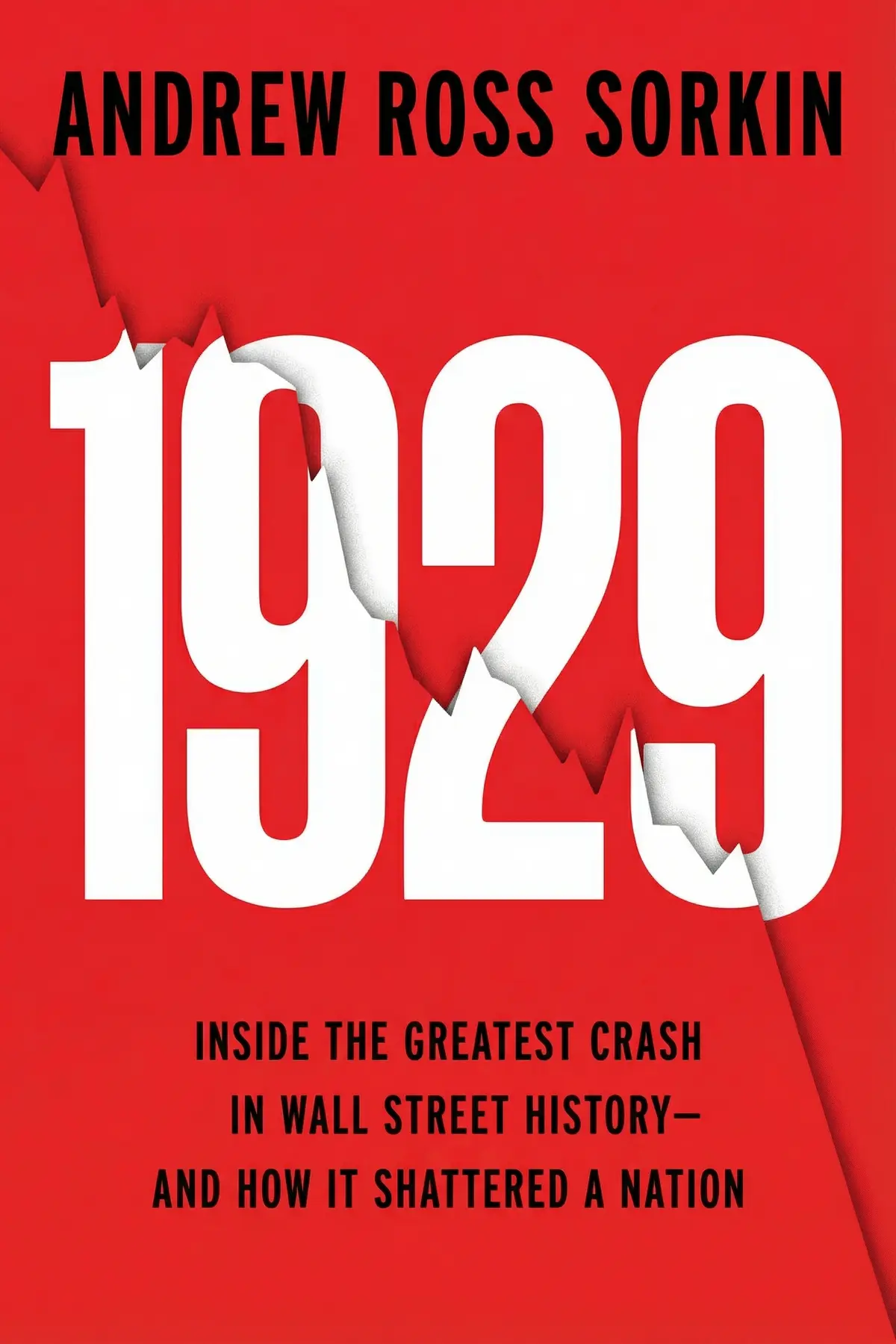
1929: Inside the Greatest Crash in Wall Street History--and How It
Andrew Ross Sorkin

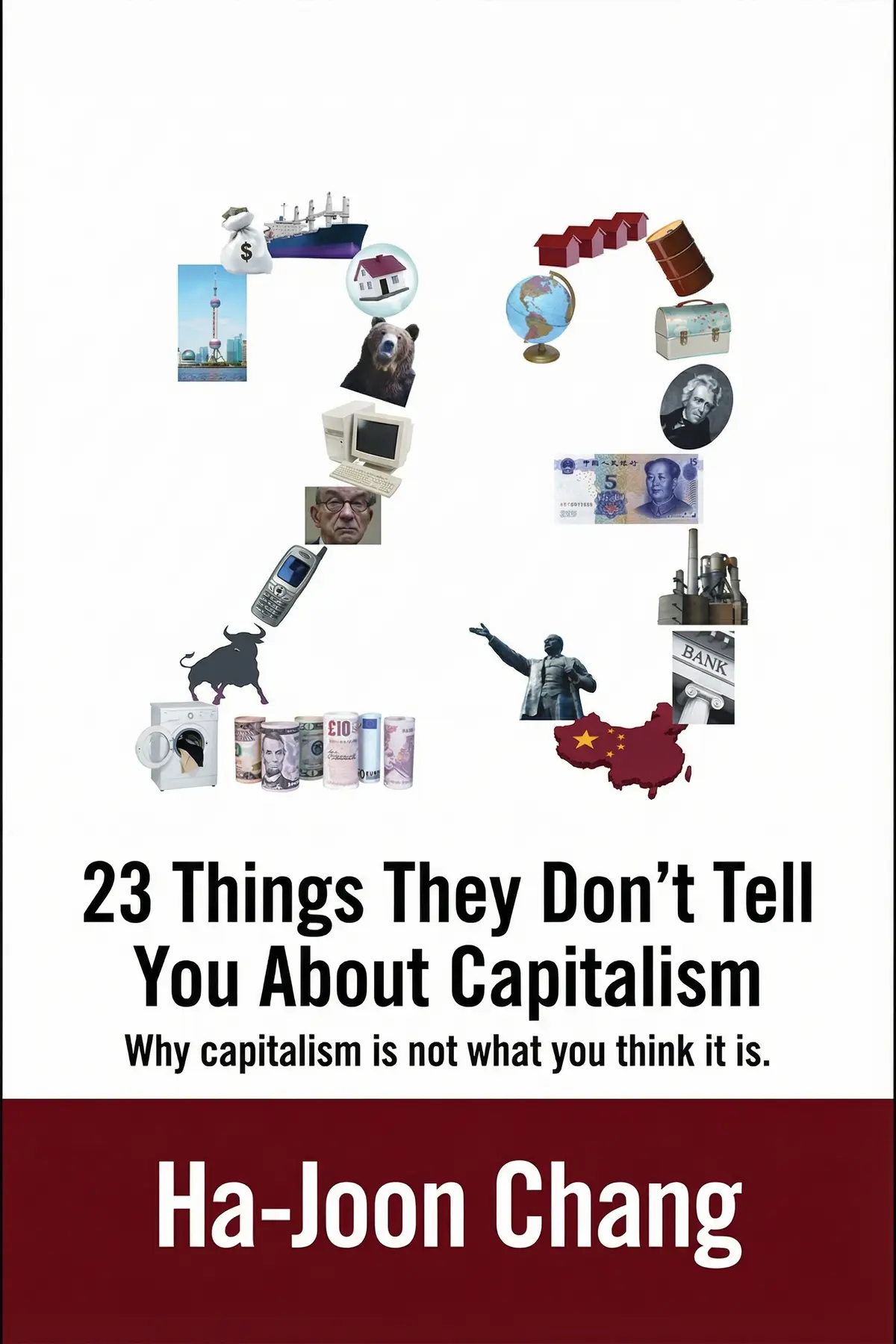
23 Things They Don’t Tell You About Capitalism
Ha-Joon Chang

A Little History of Economics
Niall Kishtainy
A Splendid Exchange: How Trade Shaped the World
William J. Bernstein

AUDIO SUMMARY AVAILABLE
Listen to The Everything War in 15 minutes
Get the key ideas from The Everything War by Dana Mattioli, plus 5,000+ more titles in English and Thai.
- 5,000+ titles
- Listen as much as you want
- 7-day free trial
- Cancel anytime







