
13 min 04 sec
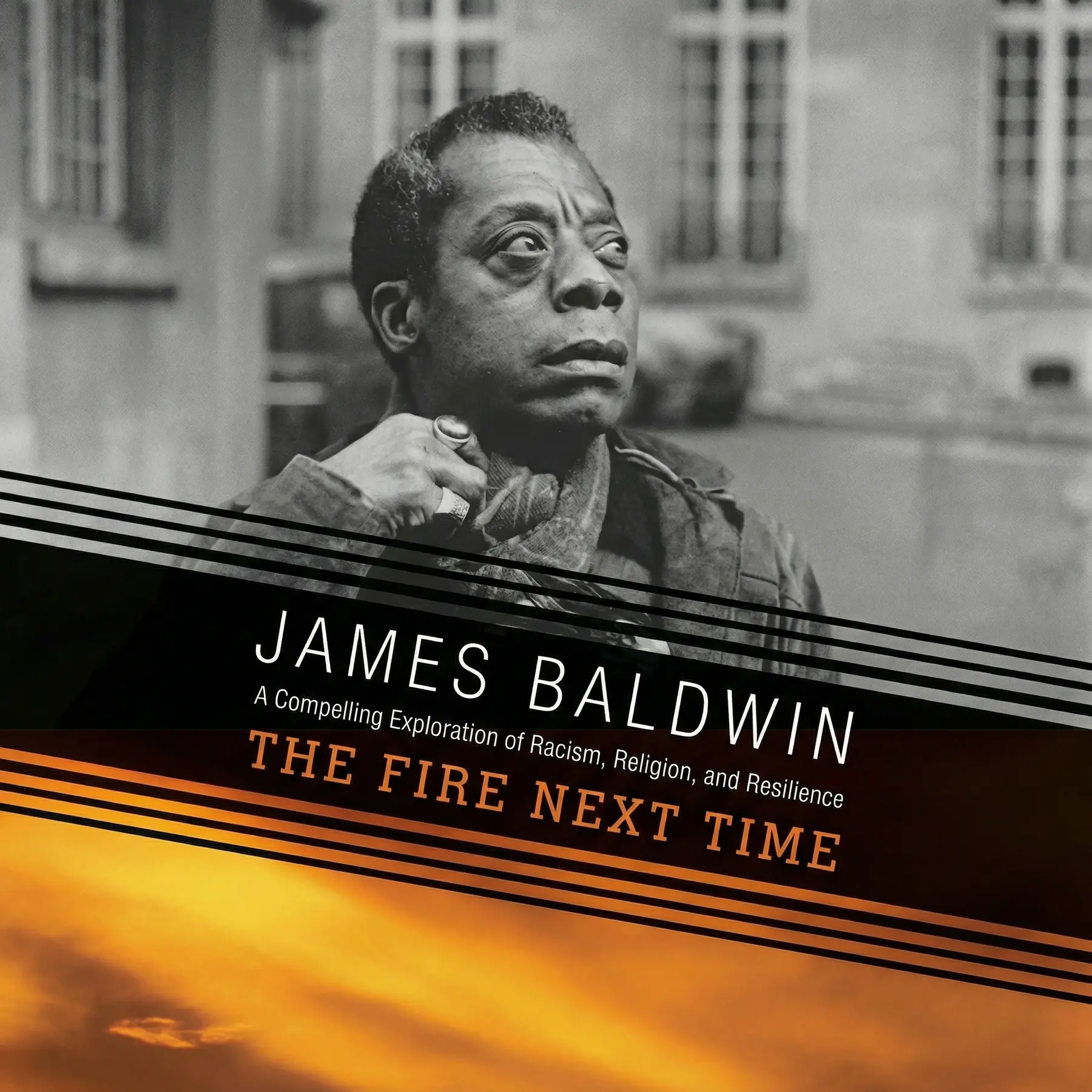
The Fire Next Time
A profound examination of racial tension and religious influence in mid-century America, exploring how personal identity and national destiny are intertwined through the lens of James Baldwin’s own life and observations.
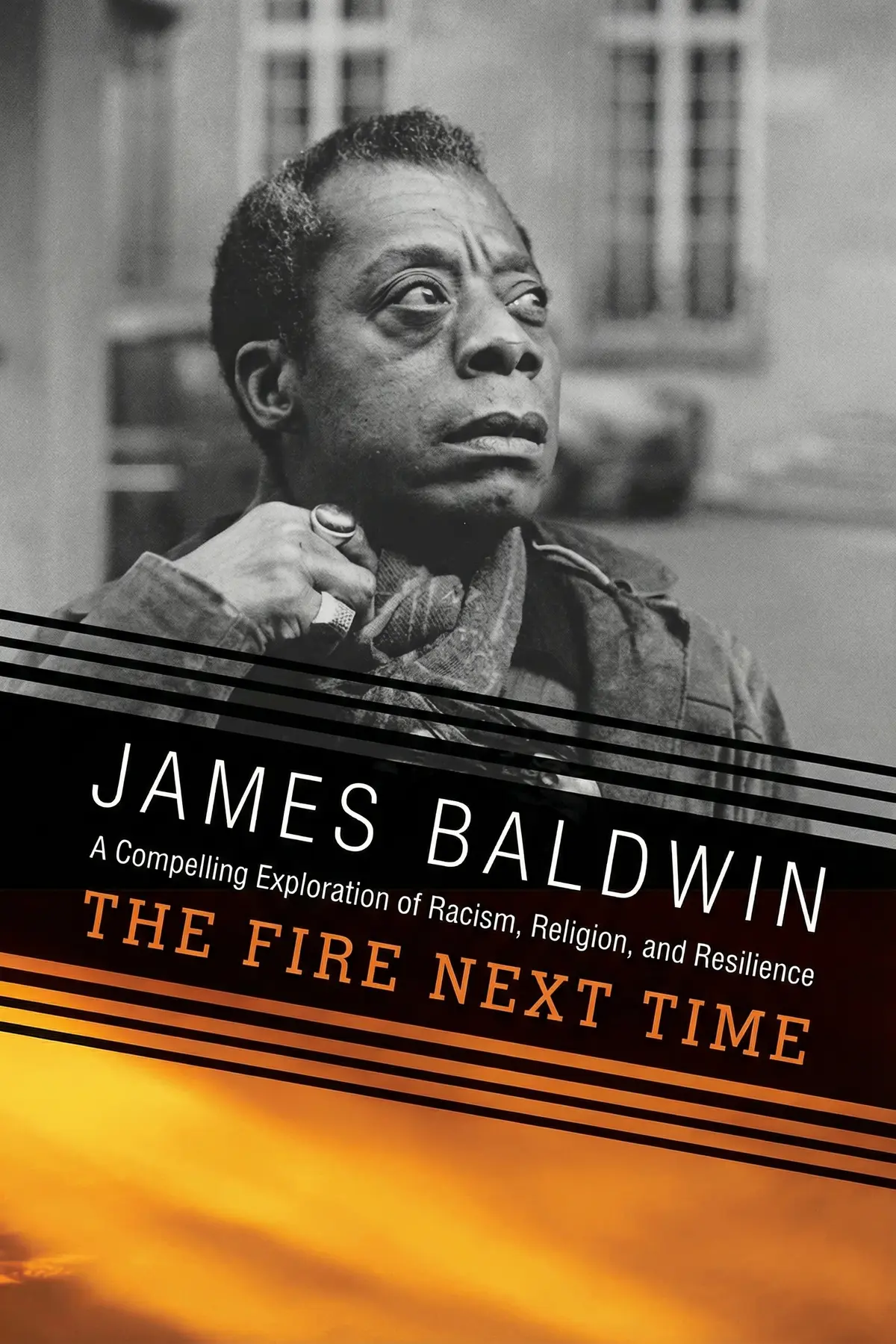
Table of Content
1. Introduction
1 min 24 sec
In 1963, as the United States marked the one-hundredth anniversary of the Emancipation Proclamation, James Baldwin released a work that would become a cornerstone of American literature and social thought. This wasn’t merely a collection of essays; it was a prophetic warning and a deeply personal testimony. The central throughline of this summary is the urgent necessity of confronting the truth about race and religion in order to escape a cycle of mutual destruction. Baldwin argues that the American dream is built on a foundation of denial, and unless the country can face its past and its present with radical honesty, the future is in grave peril.
Throughout our journey today, we will explore how Baldwin uses his own life story—his upbringing in the shadows of the Harlem ghetto and his brief tenure as a boy preacher—to illustrate the broader struggle of a nation. We will look at his interactions with the most influential movements of his time and his ultimate plea for a path forward that transcends the binary of hate and fear. This summary will help you understand why his message remains so vital. It’s a call to move past the ‘innocence’ that blinds us and to embrace a shared humanity that is as demanding as it is necessary. By the end of this script, the meaning behind the book’s title—a reference to a biblical warning about the end of the world—will be clear, not just as a threat, but as an ultimatum for a nation at a crossroads.
2. The Trap of Inherited Identity
2 min 03 sec
A heartfelt letter to a younger generation reveals how the weight of history and the illusion of progress can trap both the oppressed and the oppressor in a cycle of misunderstanding.
3. The Sanctuary and the Cage of Faith
2 min 02 sec
Exploring the dual nature of the church in the urban landscape shows how faith can serve as both a protective sanctuary and a limiting cage for those seeking identity.
4. The Allure and Limits of Black Nationalism
1 min 56 sec
A high-stakes encounter with a radical movement offers a window into the seductive power of black nationalism and the complex struggle to find a truly inclusive path forward.
5. The Psychological Price of Supremacy
2 min 05 sec
Understanding the deep-seated psychological need for social hierarchies helps explain why true racial progress requires a fundamental shift in how a nation perceives its own history.
6. The Ultimatum for the Future
2 min 06 sec
The final call for a unified effort to dismantle old myths serves as a stark warning about the consequences of failing to act with courage and love.
7. Conclusion
1 min 28 sec
In concluding this exploration of James Baldwin’s masterpiece, we return to the central throughline that has guided us: the demand for absolute honesty in the face of deep-seated racial and religious division. Baldwin has shown us that the issues of race in America are not merely a matter of policy, but a profound crisis of identity and spirit. He challenged us to look past the ‘innocence’ of those who ignore injustice and to recognize the psychological toll that supremacy takes on the oppressor as well as the oppressed. Through his personal narrative, he illustrated the limits of the church and the dangers of radical nationalism, steering us instead toward a difficult, demanding path of integration and love.
The actionable closing of this summary is a call for reflection and courage. To honor Baldwin’s legacy, we must be willing to interrogate our own ‘innocence’ and the myths we have inherited about our history and our neighbors. We must recognize that our destinies are tied together, and that true progress requires more than just changing the laws—it requires changing ourselves. If we fail to do this, the ‘fire’ Baldwin warned of remains a lingering threat. But if we can take up the mantle of the ‘relatively conscious’ and act with the radical love he described, we may yet find a way to transform the nation’s dark past into a brighter, more equitable future. The fire next time need not be an ending; it can be the spark that finally clears away the old lies to make room for the truth.
About this book
What is this book about?
This exploration of James Baldwin’s seminal work delves into the heart of the American racial landscape during a time of immense social upheaval. It breaks down the two central essays that compose the book, providing a narrative journey through the author’s early life in Harlem, his complex relationship with the Christian church, and his critical observations of the Nation of Islam. The summary promises to illuminate the psychological and spiritual dimensions of racial injustice. It moves beyond simple political analysis to explore how the legacy of slavery and the myths of white superiority have damaged the collective American psyche. Readers will gain a deeper understanding of why Baldwin believed that only a total confrontation with reality—and a commitment to a difficult, transformative kind of love—could save the nation from a catastrophic reckoning.
Book Information
About the Author
James Baldwin
James Baldwin was a pioneering novelist, essayist, playwright, and social critic whose works, including Go Tell It on the Mountain, Giovanni’s Room, and Notes of a Native Son candidly explored issues of race, sexuality, and identity in America. His essays and fiction earned him a Guggenheim Fellowship, National Institute of Arts and Letters Award, and nomination for the National Book Award.
Ratings & Reviews
Ratings at a glance
What people think
Listeners consider this masterpiece to be filled with beautiful, eloquent writing that offers numerous nuggets of wisdom. They describe the work as both powerful and deeply moving, with one listener highlighting how it breaks and mends hearts and souls. Regarded as a must-read for everyone worldwide, especially for Afro Americans, listeners value the book’s brutal honesty and its thought-provoking nature.
Top reviews
Nannapat
Wow. James Baldwin has this incredible way of making you feel like he's sitting right across from you, whispering the most painful truths imaginable. This book is a masterpiece of American literature that somehow feels like it was written just last week rather than in 1963. The letter to his nephew is so intimate it almost feels like we shouldn't be reading it, yet it's essential for everyone to hear. Truth is, his prose is so eloquent it manages to break your heart and mend your soul at the same time. I found myself highlighting nearly every other sentence because every word carries so much weight. It’s a brutal look at race and identity that doesn’t pull any punches, yet it’s filled with a strange, enduring kind of love.
Show moreJib
Ever wonder why some books stay on 'must-read' lists for decades? After finally finishing 'Down at the Cross,' I completely get it. Baldwin’s analysis of religion in the Black community is incredibly sharp, reflecting his own time as a boy preacher with a mix of nostalgia and searing critique. He captures the 'power and the glory' of the church while exposing how it can also be a cage. Frankly, the way he describes his meeting with Elijah Muhammad and the Nation of Islam provides such a nuanced look at the different paths toward liberation. It is a thought-provoking deep dive into the psyche of a nation that is still struggling to define itself. This isn't just a book about the 60s; it’s a manual for understanding the human condition.
Show moreKamol
This book is quite simply a gut-punch of brilliance. Baldwin doesn’t just write; he conducts a symphony of rage, grace, and terrifyingly accurate predictions. I was deeply moved by his ability to name 'whiteness' not just as a skin color, but as a specific kind of psychological delusion that prevents people from seeing reality. The prose is so beautiful that you almost forget how heavy the subject matter is until you’re three pages in and realize you’ve been holding your breath. It’s a slim volume, but it contains more insight than most five-hundred-page history books I’ve encountered. Look, if you haven’t read this yet, you are doing yourself a massive disservice. It’s a necessary, soul-shaking experience.
Show moreKaen
Picked this up on a whim after seeing it referenced in a documentary, and it’s easily the most impactful thing I’ve read all year. The section where Baldwin recounts his childhood in Harlem is harrowing but also contains moments of such vivid beauty. He has this way of describing the 'fire and excitement' of a church service that makes you feel the heat in the room. I especially appreciated his take on the limitations of both Christianity and the Nation of Islam, showing how both can fail to offer true freedom. My only gripe is that it’s so short; I wanted him to keep going for another hundred pages. It’s a masterpiece of social commentary that feels dangerously relevant in our current political climate.
Show moreArthit
The chapter on Baldwin’s meeting with Elijah Muhammad really changed how I think about the civil rights era. Most history books give you a sanitized version of these events, but Baldwin offers a visceral, first-person account that is both respectful and deeply critical. He challenges the very foundations of American identity with a level of courage that is frankly staggering for 1963. Personally, I found his commitment to naming the truth—no matter how dangerous—to be the most inspiring part of the entire collection. It is a work of high-level political analysis disguised as personal letters. Every page is dripping with a sense of urgency that makes it impossible to put down until you’ve reached the final, haunting warning.
Show moreElla
Unforgettable. That’s the only word I have for the way Baldwin writes about the 'merciless nature of power.' He speaks with a confidence that is both intimidating and deeply comforting. You can tell he spent his life really looking at people—not just what they said, but what they were afraid to say. This book is a masterclass in empathy and observation. To be fair, it’s a very painful read at times, as it forces you to look at the worst parts of our history and our present. But it also offers a way forward through love and a refusal to be spineless in the face of injustice. Truly a must-read for anyone with a pulse.
Show moreYothaka
Finally got around to reading this classic and it’s chilling how little has changed in the decades since it was published. Baldwin’s warning about the 'fire next time' feels less like a threat and more like a logical conclusion to a society that refuses to face its own past. The way he addresses his nephew about the 'fixed stars' of the white man’s world is one of the most poetic things I’ve ever read. It’s a small book that leaves a massive footprint on your conscience. Not gonna lie, it’s a heavy burden to carry, but it’s one that feels necessary for understanding America. Every sentence is a nugget of wisdom that I'll be thinking about for a long time.
Show moreZoey
After hearing Ta-Nehisi Coates mention this as his primary inspiration, I knew I had to pick it up. Baldwin’s writing is definitely eloquent, and there’s a raw, unadorned honesty here that you just don’t find in modern essays. The first part, 'My Dungeon Shook,' is short but packs a massive punch regarding how white supremacy damages the oppressor as much as the oppressed. To be fair, I found the second essay a bit dense in parts, especially when it veered deep into theological territory. Sometimes the pacing felt a little slow compared to the urgency of the opening letter. Still, it’s a powerful read that offers many nuggets of wisdom for anyone trying to navigate race relations today.
Show moreSam
Gotta say, I wasn't prepared for how much Baldwin's critique of the church would resonate with me. He describes the 'shabbiness' of his own motives for becoming a boy preacher with such brutal honesty that it makes you question your own reasons for everything you do. The way he links the religious experience to the social condition of Black Americans is just brilliant. It’s not just an essay; it’s a sermon, a memoir, and a political manifesto all rolled into one. Some of the transitions between his personal story and his broader sociological points felt a little abrupt to me, but that’s a minor complaint. Overall, it’s a deeply moving work that demands your full attention.
Show moreWillow
As someone who usually sticks to fiction, I found Baldwin's style surprisingly accessible, though the content is quite heavy. There is no denying the power of his voice or the eloquence of his prose. However, I’ll admit that some of the specific references to 1960s politics felt a bit dated to me, making it harder to connect with every single argument he made. It’s clearly a foundational text for a reason, but it requires a lot of mental energy to unpack. I appreciated the 'My Dungeon Shook' letter more than the longer essay, as it felt more focused and direct. It’s an important historical document, but perhaps not the 'easy read' some people make it out to be.
Show moreReaders also enjoyed
A Room of One’s Own
Virginia Woolf
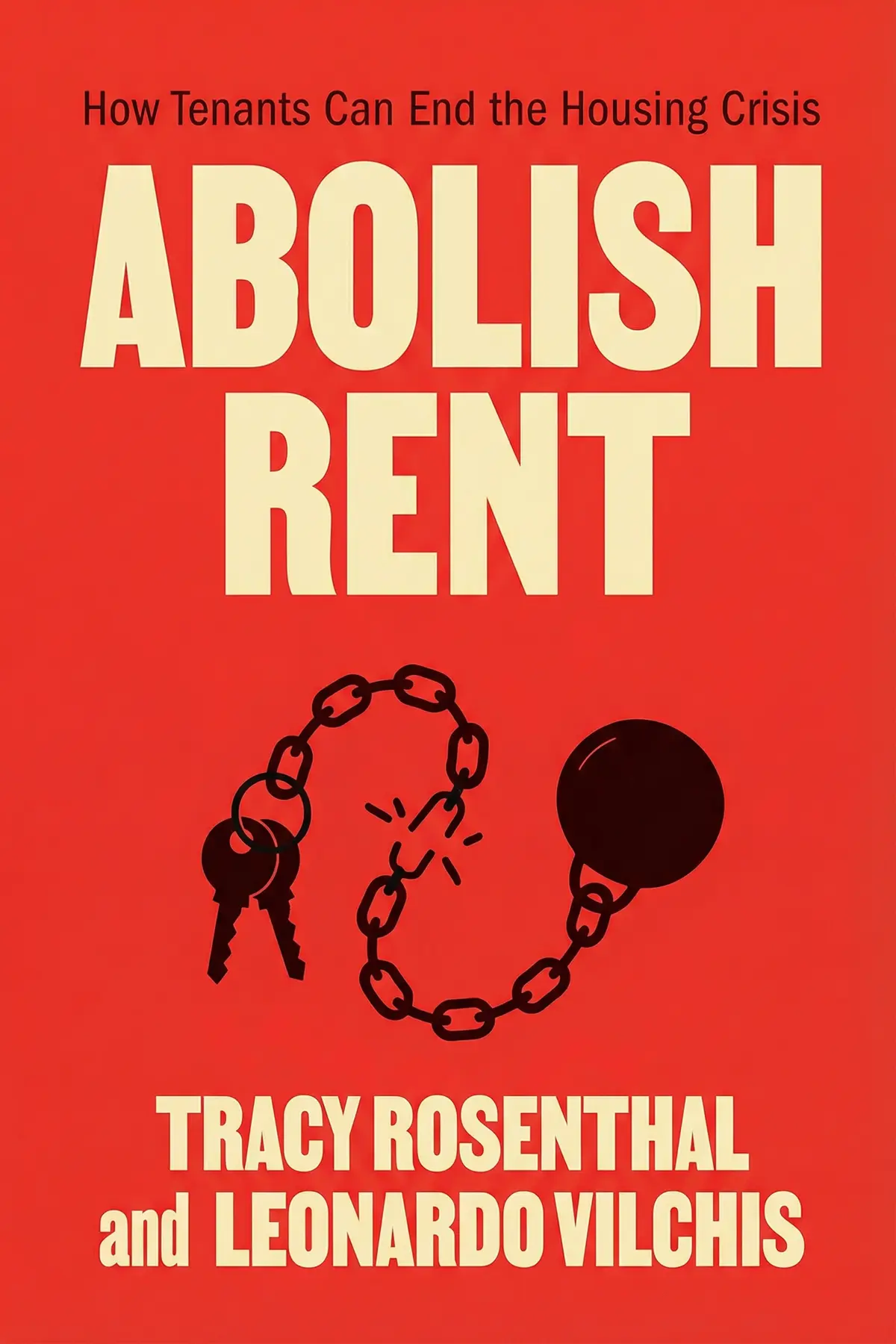
Abolish Rent: How Tenants Can End the Housing Crisis
Tracy Rosenthal
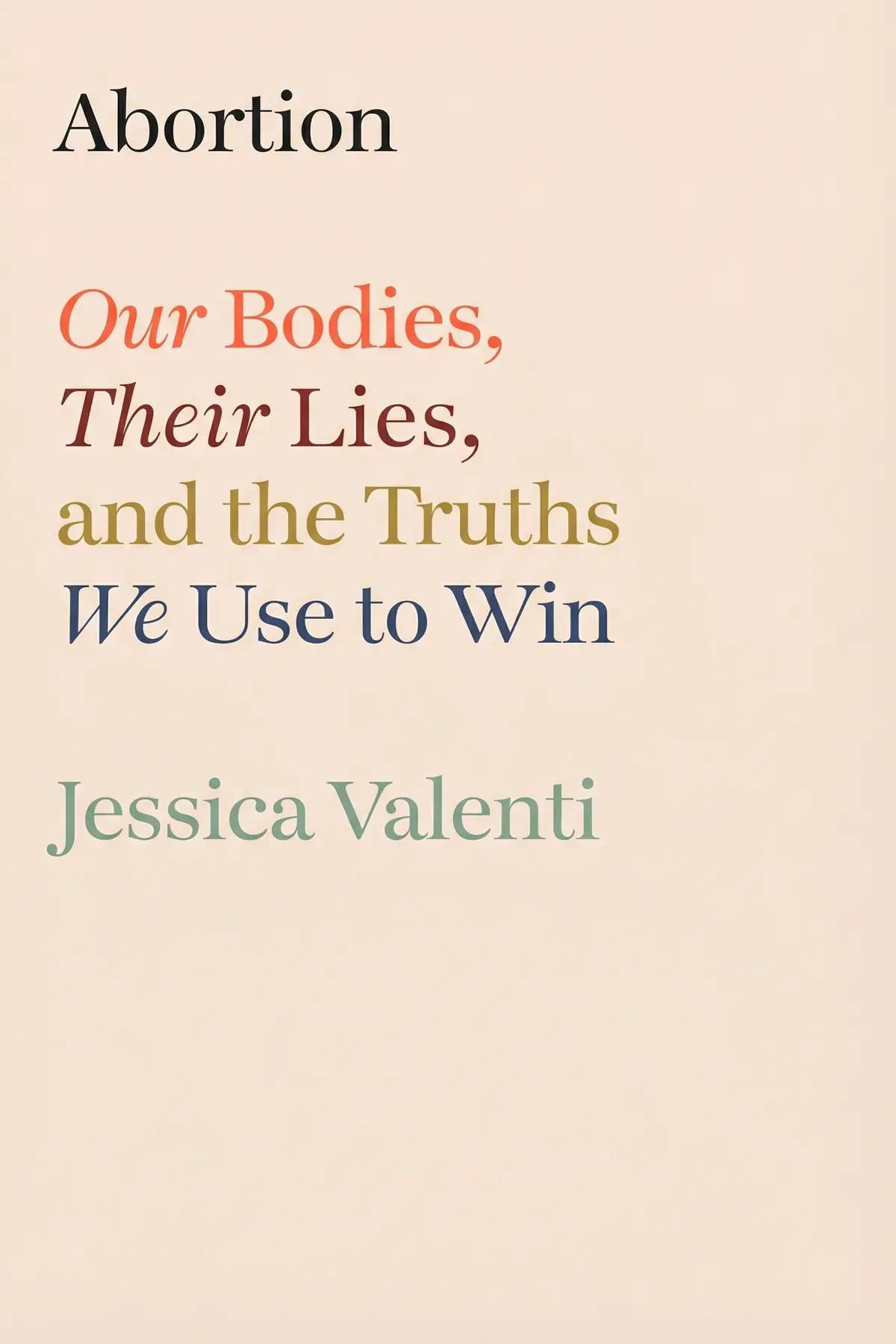
Abortion: Our Bodies, Their Lies, and the Truths We Use to
Jessica Valenti
Afropean: Notes From Black Europe
Johny Pitts
All About Love: New Visions
bell hooks

AUDIO SUMMARY AVAILABLE
Listen to The Fire Next Time in 15 minutes
Get the key ideas from The Fire Next Time by James Baldwin, plus 5,000+ more titles in English and Thai.
- 5,000+ titles
- Listen as much as you want
- 7-day free trial
- Cancel anytime







