
15 min 23 sec
Available in:English
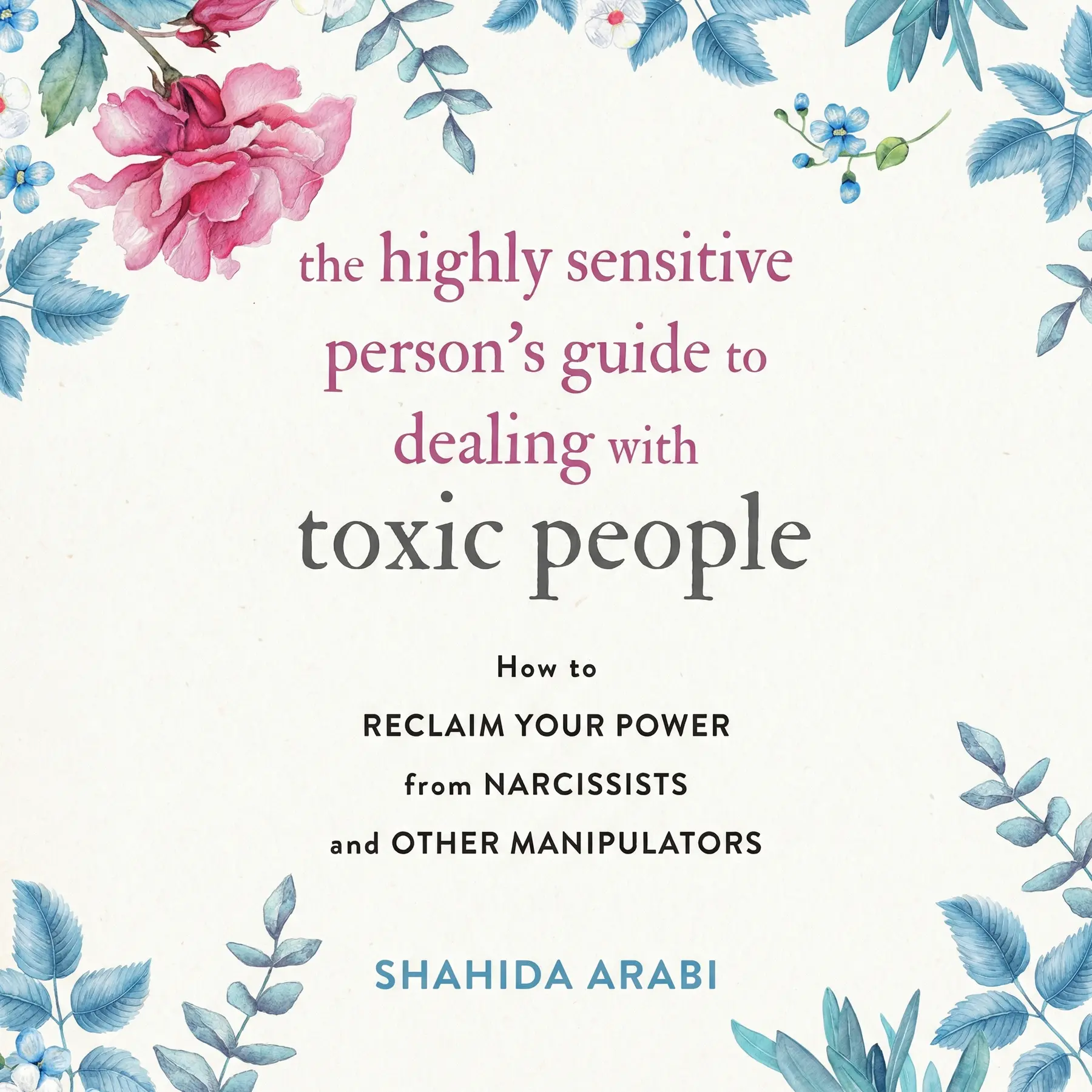
The Highly Sensitive Person’s Guide to Dealing with Toxic People: How to Reclaim Your Power from Narcissists and Other Manipulators
A comprehensive guide for highly sensitive individuals to identify, escape, and heal from manipulative relationships. Learn to transform your empathy from a vulnerability into a protective shield against narcissists and sociopaths.
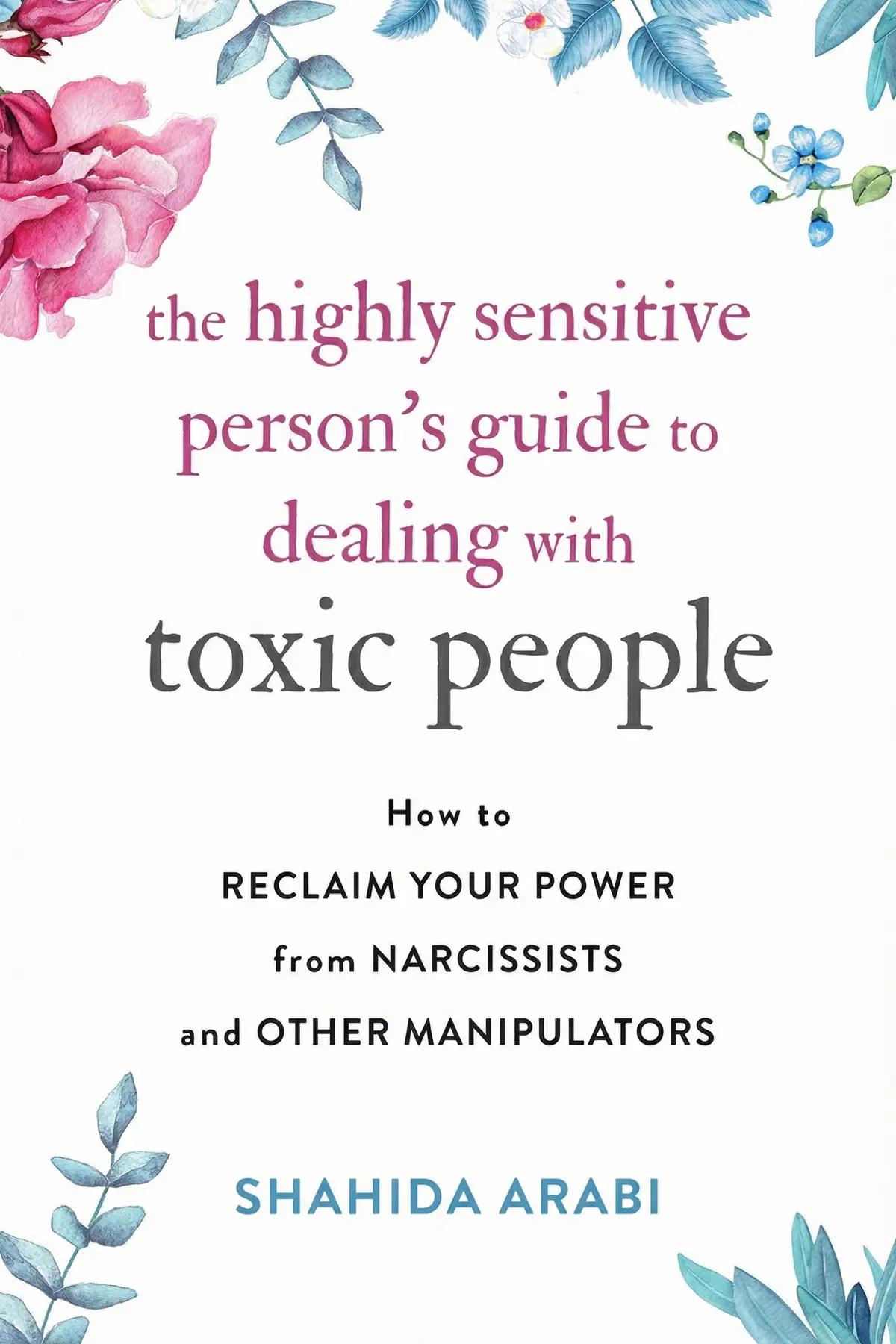
Table of Content
1. Introduction
1 min 39 sec
If you have ever been told that you are just too sensitive, or that you take things far too personally, you likely know the weight of those words. As a highly sensitive person, you don’t just see the world; you feel it. You absorb the moods of a room like a sponge, you feel the sting of a sharp word for days, and you possess a level of empathy that allows you to see the best in almost everyone. While these traits are beautiful, they can also act as a beacon for a very specific, and very dangerous, type of individual. These are the people who don’t see your kindness as a gift, but as a resource to be exploited.
The throughline we are going to follow today is simple but transformative: your sensitivity is not the reason you are being mistreated, but it is the tool you will use to find your way out. Many people in your life—whether they are partners, parents, or colleagues—might have convinced you that your intense emotions are the problem. They might suggest that if you were just a bit tougher or less ‘dramatic,’ the relationship would be fine. We are here to dismantle that lie.
In this exploration, we’re going to look at the landscape of toxicity, from the mildly annoying to the truly malignant. We will uncover the specific maneuvers used to keep you off-balance and explore the biological reasons why it’s so hard to just walk away. Most importantly, we are going to discuss how to build a fortress around your peace of mind using boundaries that are non-negotiable. By the end of this journey, you’ll see that your empathy is actually your greatest superpower—it just needs a better security system. Let’s begin by understanding exactly what you’re up against and why you were targeted in the first place.
2. The Spectrum of Harmful Personalities
2 min 39 sec
Not every difficult person is a monster, but every toxic presence can erode your well-being. Discover the crucial differences between benign drainers and truly malignant manipulators.
3. Common Tactics of Psychological Manipulation
2 min 31 sec
Manipulators use a specific set of tools to silence your intuition. Learn to recognize the patterns of the silent treatment, gaslighting, and the deceptive pull of hoovering.
4. The Biological Bond and the Addiction of Abuse
2 min 33 sec
Leaving a toxic relationship isn’t just an emotional challenge; it’s a physical detox. Understand the chemical cocktail that keeps you hooked on your abuser.
5. Establishing Non-Negotiable Boundaries
2 min 12 sec
Boundaries are not suggestions; they are the essential limits that define your safety. Learn why your self-worth is the foundation of every ‘no’ you say.
6. The Power of the Exit and the Importance of No Contact
2 min 10 sec
Sometimes the only way to win is to stop playing the game. Discover why going ‘no contact’ is the ultimate act of self-love for the highly sensitive soul.
7. Conclusion
1 min 39 sec
As we wrap up our look at the dynamics of sensitivity and toxicity, remember that the journey you are on is about much more than just identifying ‘bad’ people. It is a journey toward the center of yourself. For years, you may have viewed your deep emotions and high empathy as liabilities—the things that made you ‘weak’ or easy to exploit. But as we’ve seen, those very traits are what make you vibrant and deeply connected to the world. They only become vulnerabilities when they are left unguarded.
By understanding the spectrum of toxic behavior, you have gained the clarity to stop blaming yourself for other people’s choices. By recognizing manipulation tactics like gaslighting and stonewalling, you have begun to clear the mental fog and trust your own eyes again. By acknowledging the biological nature of trauma bonds, you’ve learned to treat your recovery with the same patience and strategy as a physical healing process. And by building non-negotiable boundaries, you have laid the foundation for a future where your peace is protected.
Your sensitivity is your superpower. It allows you to sense danger before it arrives, provided you listen to your gut. It allows you to build deep, meaningful relationships with people who truly deserve your heart. As you move forward, carry this knowledge as your shield. Do not let the world—or any one person—tell you to be less than who you are. Instead, be exactly who you are, but with the wisdom and the boundaries to ensure that your light is only shared with those who know how to cherish it. You have the power to reclaim your life, and that reclamation starts today.
About this book
What is this book about?
This summary explores the complex intersection between high sensitivity and toxic personality types. It addresses why those with high levels of empathy are often targeted by narcissists, sociopaths, and other manipulative individuals. The core promise of the work is to provide a roadmap for reclamation—moving from a state of victimhood and self-doubt to one of empowerment and firm boundaries. Listeners will learn to distinguish between common difficult personalities and truly dangerous malignant types. The guide breaks down the specific psychological tactics used to control sensitive souls, such as gaslighting and stonewalling, while offering practical strategies for emotional and physical exit. It also dives into the biological components of toxic attachments, explaining why these relationships can feel like a chemical addiction and how to heal the brain’s reward system. Ultimately, it’s about learning that sensitivity isn't a weakness to be fixed, but a powerful tool for discernment that can safeguard one's future when paired with the right psychological defenses.
Book Information
About the Author
Shahida Arabi
Shahida Arabi is a prominent authority on the behavioral patterns of narcissists and those with antisocial personality disorders. Her insights are grounded in extensive research, including large-scale studies regarding the psychological impact of toxic individuals on their victims. Arabi holds degrees in both sociology and psychology, providing a dual-lens approach to interpersonal trauma. She is a best-selling author of several influential works, including Power and Becoming the Narcissist’s Nightmare, both of which focus on surviving and thriving after enduring narcissistic abuse.
Ratings & Reviews
Ratings at a glance
What people think
Listeners find the book exceptionally educational and useful, aiding them in recognizing toxic personalities and recovering from emotional instability. The author's writing style is superb, and listeners regard the content as a fantastic tool that offers more insight than years of therapy. They value its profound impact, with one listener highlighting how the book transformed their mindset when interacting with others.
Top reviews
Nattapong
Finally got around to reading this and I’m kicking myself for not picking it up years ago. For a long time, I thought my sensitivity was a flaw that made me a target, but Arabi reframes it as a strength that can actually help you spot toxic red flags early. The way she breaks down different types of 'emotional vampires'—from the garden-variety annoyances to the truly malignant types—is brilliant and very easy to digest. It’s more than just a book; it’s like having a therapist guiding you through the process of reclaiming your energy and space. To be fair, some chapters are quite short and punchy, almost like blog posts, but that makes it easier to read when you're already feeling overwhelmed. This is an essential resource for anyone trying to heal from a rollercoaster relationship.
Show moreEleanor
This was a total game-changer for how I view my workplace interactions. I used to go home every day feeling completely depleted and wondering if I was the problem, but this book helped me identify the specific manipulation tactics being used against me. The author’s writing style is compassionate yet firm, providing actionable steps like the 'fade out' or setting safety plans for more dangerous situations. I particularly liked the journal reflections because they forced me to look at my own patterns without feeling judged. It’s amazing how much more confident you feel when you have a label for the behavior you’re experiencing. Frankly, this book is worth more than years of therapy for anyone stuck in a toxic loop. I’ll be keeping my copy on the shelf for a long time.
Show moreKatya
Not what I expected, in a good way. I thought this would be a dry, clinical look at personality disorders, but it’s actually a very moving and empowering guide to self-recovery. Arabi explains how to handle everything from 'garden variety' toxic people to full-blown psychopaths with a level of detail that feels both scary and liberating. The focus on nature, long walks, and self-care for HSPs might seem basic to some, but it’s exactly what I needed to hear after months of feeling worthless. This book helped me realize that my intuition was right all along, even when I was being gaslit into believing I was crazy. It truly is a life-changing read that provides a safety plan for your soul. If you feel like you’re constantly being drained, buy this book immediately.
Show moreElias
Shahida Arabi provides a really comprehensive toolkit for anyone who feels they are constantly drained by the people in their life. I’ve always known I was sensitive, but seeing it mapped out alongside the tactics used by narcissists and sociopaths was eye-opening. The book uses specific acronyms like 'NARCISSIST' and 'OFTEN' to help you remember traits and exit strategies, though some of them feel a bit forced and hard to memorize in the heat of the moment. Truth is, the sections on setting boundaries were worth the price of admission alone. It feels like a roadmap for getting your sanity back after being in a cycle of emotional abuse. While some of the advice is available online if you look hard enough, having it structured this way is incredibly helpful even if it doesn't solve every complex family dynamic.
Show moreChiw
Personally, I found the exercises and check-lists to be the most valuable part of the whole book. It’s one thing to read about boundaries, but it’s another to actually map out your 'blind spots' in relationships like the author suggests. The writing is accessible and doesn't get bogged down in overly clinical jargon, which I appreciated. My only real gripe is that the author seems to idealize HSPs to the point where it feels a bit unrealistic; we aren't all perfect just because we feel things deeply. Despite that, the practical advice on how to act confidently and keep interactions brief is something I've started using immediately. It’s a solid 4-star read that offers a lot of comfort to those of us who have been told we’re 'too sensitive' our whole lives.
Show moreKwan
After hearing so many recommendations, I finally picked up this guide to help deal with a toxic coworker. It’s a very validating read that makes you feel seen and understood in a way most psychology books don’t. The structure is very clear and systematic, making it easy to jump to the sections that are most relevant to your current situation. I loved the 'Observe rather than accuse' tip from the acronym section because it completely changed how I handle confrontations. To be fair, the book is quite short—the actual content ends early and the rest is references—so it feels a bit thin for the price. Still, the impact on my mindset has been huge, and I feel much more equipped to protect my peace. It’s a wonderful resource.
Show moreKru
As someone who has followed psychology blogs for years, I found parts of this book to be a bit repetitive. The information is solid, and Arabi clearly knows her stuff, but if you’ve spent any time on the internet researching this, you might find yourself skimming through sections you’ve seen before. One thing that really distracted me was the heavy reliance on acronyms; trying to remember what every letter in 'VIBRANT' stands for is just not practical for me during a conflict. I also felt the book tended to put HSPs on a pedestal without acknowledging that sensitive people can sometimes have toxic traits of their own. That being said, the 'OFTEN' strategy for exiting a situation is a very practical piece of advice that I haven't seen elsewhere. It’s a good introductory guide, but maybe not deep enough for the well-read.
Show moreJulian
The chapter on narcissists was definitely the highlight here, especially the breakdown of how they use triangulation and gaslighting to keep you off balance. I appreciated the distinction Arabi made between 'emotional vampires' who are capable of empathy but needy, and truly malignant personalities who lack empathy entirely. However, I found the book to be very heavily focused on romantic relationships, which wasn't exactly what I was looking for as I'm dealing with a difficult parent. Some of the strategies feel a bit simplistic for complex, lifelong family issues where 'no contact' isn't always an immediate option. In my experience, the book is great for a quick hit of validation, but it lacks the nuance needed for long-term recovery from deep-seated trauma. It’s a decent starting point for beginners.
Show moreTom
Ever wonder why you keep attracting the same type of draining people? This book tries to answer that by looking at the specific traits of highly sensitive people that narcissists find so appealing. While I found the descriptions of toxic types very accurate, I felt the book was a bit repetitive in its solutions. Most of the advice boils down to 'set boundaries' and 'leave,' which is easier said than done in many cases. I also found the acronyms like VIBRANT to be a bit of an overkill; they cluttered the text rather than clarifying it. Not gonna lie, I expected a bit more unique insight into the HSP temperament specifically, rather than just general advice for abuse victims. It’s a helpful book for a very specific moment in time, but not a permanent favorite.
Show moreKanokporn
Look, most of this information is stuff you can find for free on a ten-minute Google search about narcissism. I was hoping for more specific scientific depth about the HSP brain, but instead, it felt like a collection of blog posts stitched together. The author suggests cutting people out entirely, which is great in theory, but it doesn't account for the messiness of family dynamics where you can't just 'blank' someone forever or stop them from creating fake profiles. Also, the acronyms are everywhere and they are honestly more confusing than helpful to me. Personally, I found the tone to be a bit too focused on victimhood without enough emphasis on personal growth beyond just leaving. If you are totally new to the concept of toxic people, this might work, but it wasn't for me.
Show moreFeatured in
Readers also enjoyed
Alcoholics Anonymous
Alcoholics Anonymous World Services
A Liberated Mind: How to Pivot Toward What Matters
Steven C. Hayes
AUDIO SUMMARY AVAILABLE
Listen to The Highly Sensitive Person’s Guide to Dealing with Toxic People in 15 minutes
Get the key ideas from The Highly Sensitive Person’s Guide to Dealing with Toxic People by Shahida Arabi, plus 5,000+ more titles in English and Thai.
- 5,000+ titles
- Listen as much as you want
- 7-day free trial
- Cancel anytime







