
16 min 12 sec
The Index Card: Why Personal Finance Doesn’t Have to Be Complicated
A practical guide to mastering personal finance through ten fundamental rules. This summary explores how simplifying your financial strategy can lead to long-term wealth, debt reduction, and a secure retirement.
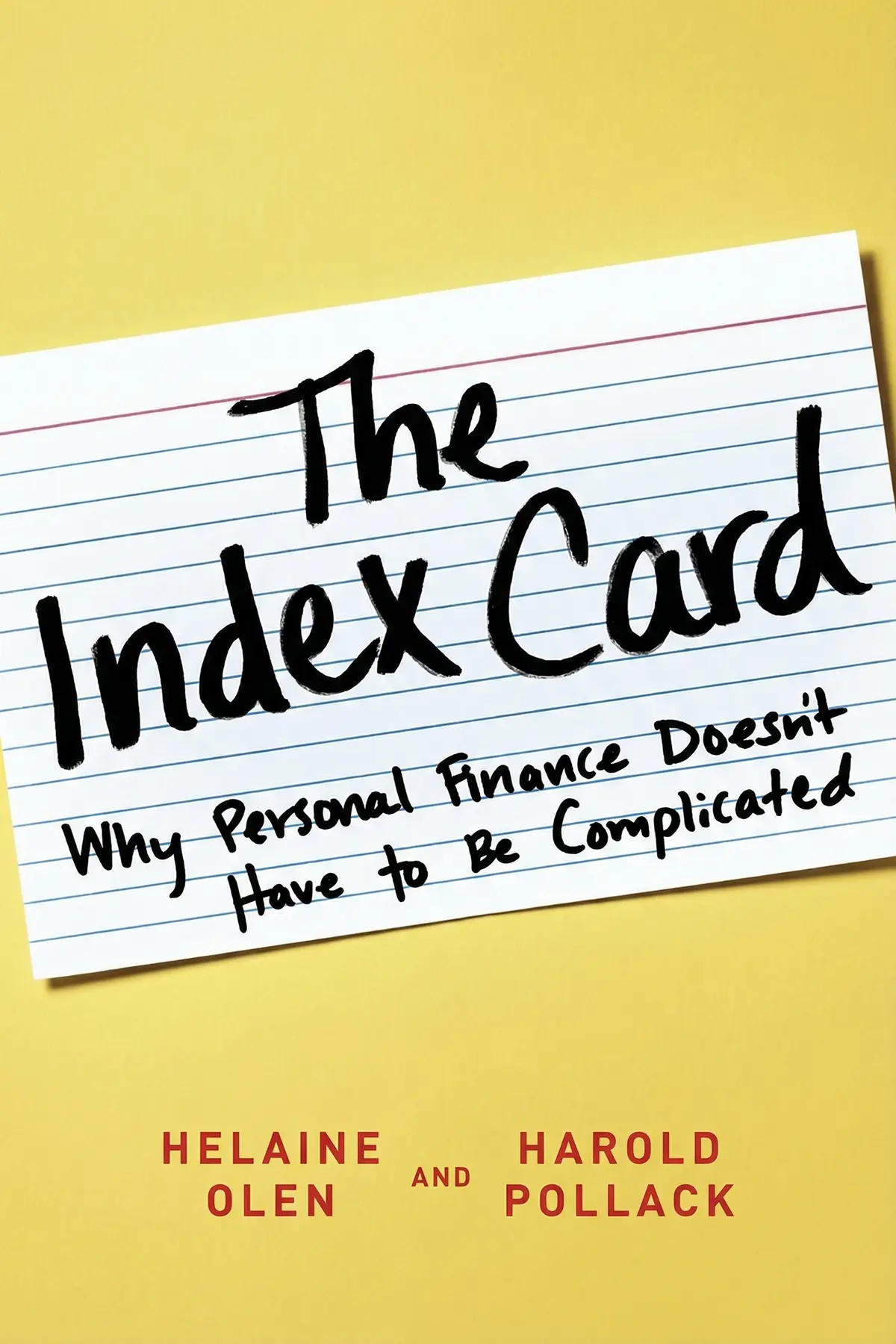
Table of Content
1. Introduction
1 min 32 sec
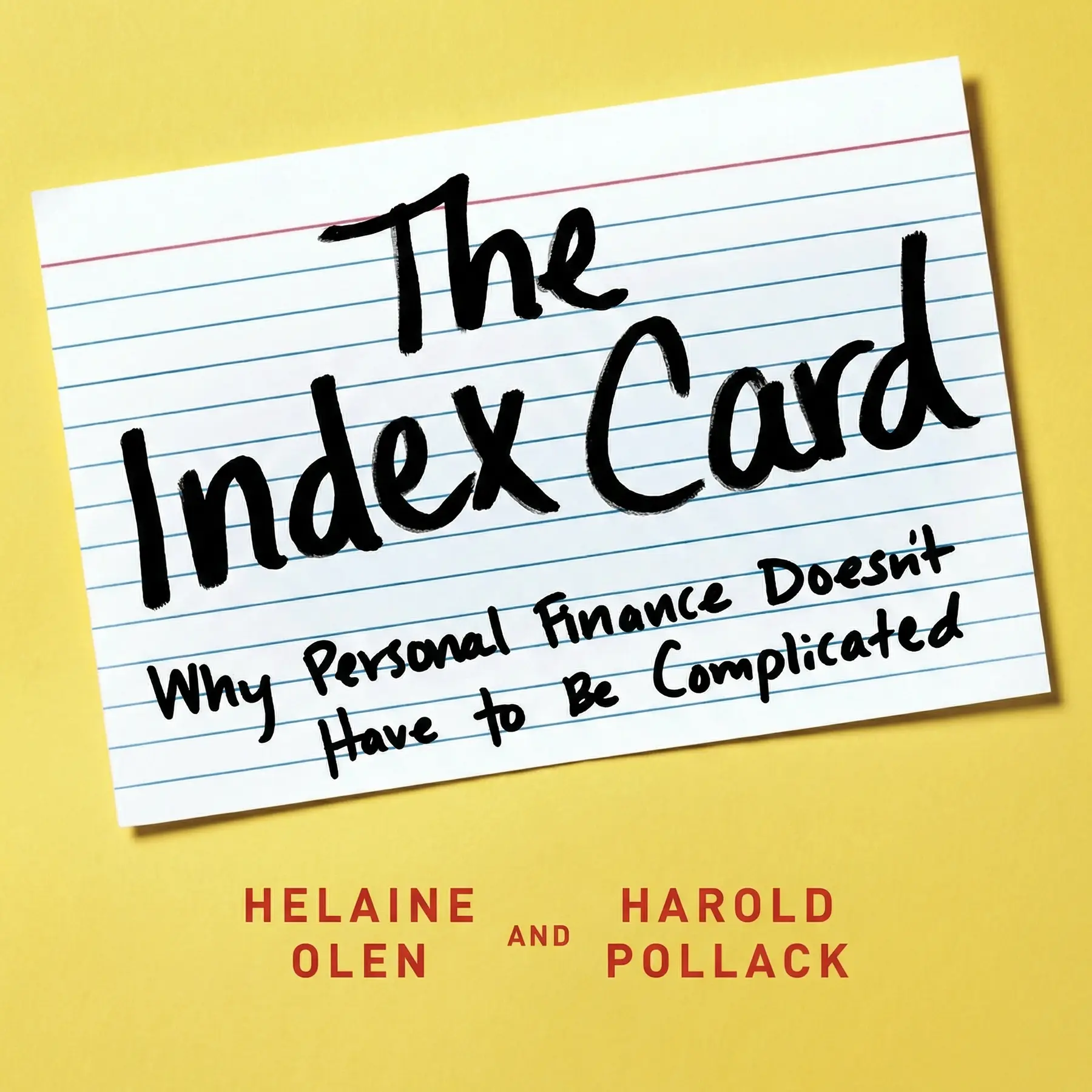
In the complex world of modern finance, we are often led to believe that managing money requires an advanced degree or a team of experts. We are bombarded with intricate stock market analysis, confusing insurance products, and cryptic banking terms. But back in 2013, a University of Chicago professor named Harold Pollack made a bold claim during an interview with financial journalist Helaine Olen. He suggested that the truly essential elements of personal finance are actually so basic that they could be written down on a single index card.
To prove his point, Pollack took a card, scribbled a list of rules, and posted a photo of it online. That image didn’t just go viral; it struck a chord with millions of people who felt overwhelmed by their checkbooks and retirement accounts. This was the birth of a movement that eventually became a book, and it serves as the foundation for the throughline we will explore today: that financial success is built on simplicity, not complexity.
The reality is that most of us aren’t failing at money because we don’t understand the nuances of hedge funds. We struggle because we haven’t mastered the fundamental habits that keep a household afloat. In this discussion, we are going to look at the fleshed-out version of that viral card. We will examine why saving just ten percent can transform your life, how to outsmart the psychological traps of credit card companies, and why the right kind of financial advisor is the only one worth paying for. By the end of this journey, you’ll see that you don’t need a complex strategy to win—you just need a small card’s worth of wisdom and the discipline to start right now.
2. The Power of Small Savings and Physical Currency
2 min 13 sec
Discover why modern economic pressures make saving feel impossible and how switching to cash can help you automatically build a financial safety net.
3. Breaking the Cycle of High-Interest Debt
2 min 01 sec
Learn how the ‘anchoring’ effect keeps you in debt and why tackling your balances based on interest rates is the fastest path to freedom.
4. Smart Strategies for Home Ownership
1 min 57 sec
Avoid the common traps of the housing market by sticking to the twenty percent rule and shopping for the best mortgage rates.
5. Securing Your Future Through Early Retirement Planning
1 min 55 sec
Harness the power of compound interest and ensure you aren’t leaving ‘free money’ on the table with your employer’s retirement plan.
6. Protecting Assets with the Right Insurance
1 min 48 sec
Navigate the daunting world of insurance by focusing on term life policies and ensuring your home coverage is airtight.
7. Identifying Trustworthy Financial Advice
1 min 51 sec
Learn how to distinguish between a salesperson and a true advisor by looking for the ‘fiduciary’ standard in your financial partnerships.
8. The Role of the Social Safety Net
1 min 25 sec
Recognize why individual financial planning is bolstered by collective programs and why supporting these systems is essential for everyone.
9. Conclusion
1 min 30 sec
As we wrap up our look at the principles behind The Index Card, the core message remains clear: financial freedom is not reserved for the elite or the mathematically gifted. It is available to anyone willing to embrace a few simple, disciplined habits. We have explored how the journey starts with the foundational habit of saving ten percent and the psychological advantage of using physical cash. We’ve seen how to dismantle the trap of credit card debt by ignoring the ‘anchor’ of minimum payments and aggressively targeting high interest rates.
We also learned the importance of the ‘twenty percent’ rule in housing and the critical need to start retirement savings as early as possible to let compound interest do the heavy lifting. We identified the importance of term life insurance and the necessity of finding a fiduciary advisor—someone who is legally bound to act in your best interest. And finally, we acknowledged that our personal efforts are supported by the broader social programs that provide security for everyone.
The beauty of these rules is that they remove the paralysis of choice. You don’t need to monitor the markets every hour or hunt for the next ‘hot’ stock. You simply need to follow the card. Your next step is to look at your own finances and identify which of these rules you are currently breaking. Are you leaving ‘free money’ on the table at work? Are you carrying high-interest debt that could be consolidated or paid down? Pick one rule and implement it today. As Helaine Olen and Harold Pollack have shown, the path to wealth isn’t a labyrinth; it’s a straight line, and you already have the map.
About this book
What is this book about?
The Index Card centers on a revolutionary yet simple premise: everything you need to know about managing your money can fit on a standard four-by-six index card. Born from a viral conversation between a University of Chicago professor and a financial journalist, the book strips away the jargon and complexity that often paralyze people when it comes to their finances. It addresses the modern economic challenges of stagnating wages and rising costs, providing a clear-headed roadmap for navigating the world of credit, housing, and investment. The promise of the book is financial peace of mind. By following a set of straightforward principles—such as prioritizing high-interest debt, aiming for a significant down payment on a home, and understanding the legal obligations of financial advisors—readers can take control of their economic destiny. It bridges the gap between intimidating financial theories and the daily realities of the average household, emphasizing that consistency and simplicity are the truest paths to building a stable and prosperous future.
Book Information
About the Author
Helaine Olen
Helaine Olen is an award-winning financial journalist whose work has had a significant impact on public discourse regarding money management. She was recognized by Business Insider as one of the top fifty women who are changing the world. Harold Pollack is a distinguished professor at the University of Chicago, where his academic expertise helps bring rigorous analysis to the practical world of personal finance. Together, they offer a balanced perspective on wealth and stability.
Ratings & Reviews
Ratings at a glance
What people think
Listeners find this personal finance guide delivers excellent actionable tips and is perfect for beginners, as one listener mentions it is especially useful for recent high school graduates. Furthermore, the writing is clear and direct, making the information relevant for people across all income levels. Additionally, listeners value the way it simplifies financial principles and offers intriguing perspectives, while stressing that there is no need to spend money on professional advisors or seminars.
Top reviews
Arjun
Finally got around to reading this after seeing it recommended for recent graduates, and I wish I had it ten years ago. The beauty of this book is its absolute refusal to make personal finance sound like rocket science. It strips away the jargon and gives you a clear roadmap that doesn't involve paying for expensive seminars or hiring a fancy wealth manager who just wants your fees. For a novice, the chapters on understanding the difference between a Roth IRA and a traditional 401(k) are worth the price alone. Frankly, if you're just starting out, this is the only guide you actually need to own. It makes the scary world of investing feel like something anyone can master regardless of their current income level.
Show moreSaovapa
The beauty of this book is its accessibility to every income range, not just the wealthy. Whether you're making minimum wage or a six-figure salary, the rules of compound interest and fee avoidance remain the same. I've read plenty of finance books that assume you have $50k just sitting around to invest, but this one meets you where you are. The chapter on not moving funds blindly from a 401(k) was eye-opening for me. It’s written with a sense of common sense that is rare in the industry today. If you want to stop feeling like a 'screw up' with your money, buy this book and follow the card.
Show moreNarut
Ever wonder why personal finance feels so complicated? It’s because complexity makes people money, and this book is the antidote to that. I bought copies for my kids as they graduated because it cuts through the nonsense and provides a 'do this, not that' list that actually works. The section on paying off high-interest debt before even thinking about savings is a crucial lesson that most people get backwards. It’s an empowering read that puts the control back in the hands of the individual. Simple, honest, and incredibly effective advice that everyone should follow. No seminars required—just one small card and a bit of discipline.
Show moreMaksim
As someone who always felt intimidated by the stock market, I found this guide incredibly grounding and easy to follow. The authors emphasize the importance of low-fee index funds and avoiding the trap of actively managed accounts that eat your savings. I particularly appreciated the section on the fiduciary standard; it is shocking how many people don't realize their advisors aren't required to put the client's interests first. My only minor gripe is that some of the housing advice felt a bit generalized for today's crazy market. However, the core principles of saving 20% and paying off credit cards every single month are timeless. It is a solid, practical read that focuses on long-term stability over get-rich-quick schemes.
Show moreJoy
Stop wasting money on those high-priced financial gurus who promise secret strategies for beating the market. This book proves that everything you need to know about money can literally fit on an index card. I loved how the authors explained that the person on the other side of a trade usually knows more than you do, so why try to gamble on individual stocks? The advice is straightforward and doesn't require a math degree to implement. I gave it 4 stars because some of the details regarding insurance—specifically disability and liability—got a little dense compared to the rest of the book. Still, it is a very helpful reminder of basic discipline.
Show moreA
After hearing about the original viral post years ago, I wanted to see if the full book added enough value to justify the purchase. It definitely does, especially for people who need a push to fix their credit card habits. The authors don't just tell you what to do; they explain why the financial industry is designed to keep you paying fees. I particularly liked the 'reality test' of checking your spending with loved ones. It’s a breezy read that you can finish in one sitting, which is exactly what a finance book should be. It’s not revolutionary if you’ve read Bogleheads, but it's a perfect gift for a younger sibling.
Show moreAnawin
This book basically functions as a shield against the 'noise' of the modern financial world. The authors do a great job of explaining why simplicity wins in the long run. I was surprised by how much I learned about the different types of insurance, especially the bit about high-deductible plans and liability. Gotta say, the emphasis on saving 10-20% of your income is a tough pill to swallow for many, but they justify it well. I do wish there was more advice for those who are currently underwater with student loans, as that's a huge hurdle for this book's target audience. Overall, it is an accessible and highly logical approach to wealth building.
Show moreAurora
While I appreciate the brevity, I found some sections a little too rushed for my taste. The concept is great: simplify finance so people actually take action. But when they started throwing around terms like 'small cap' and 'global diversification' without deeper explanation, I felt a bit lost. I listened to the audiobook version and felt like I needed more takeaway bullet points to really make the info stick. To be fair, the rules about avoiding whole life insurance and sticking to low-cost Vanguard funds are excellent. It is a good starting point, but you might need a second, more detailed book to actually implement some of these investment strategies effectively.
Show moreSophia
I picked up the audio version and found the content to be a bit of a mixed bag. On one hand, the core rules are fantastic and should be taught in every high school. On the other hand, the authors spend a lot of time on social policy towards the end which felt a bit out of place for a personal finance guide. Look, I get that social safety nets are important, but I wanted more technical advice on portfolio rebalancing. It’s a solid 3-star read for me because while the 'Index Card' itself is a 5-star idea, the surrounding text can feel a little thin in places.
Show moreFang
I was ready to love this book because the first eight tips are absolute gold for anyone trying to get their head above water. But then I hit Tip 9, and the whole thing took a sharp turn into political territory that I just can't get behind. The authors' staunch defense of the Social Security system as it currently exists feels more like an academic's wishful thinking than sound financial planning. In my experience, relying on government programs as a primary retirement strategy is risky at best and naive at worst. I agree with the advice on index funds and paying down debt, but the ending left a bad taste in my mouth. It's a shame because the earlier chapters are so practical and helpful for everyday people.
Show moreReaders also enjoyed
AUDIO SUMMARY AVAILABLE
Listen to The Index Card in 15 minutes
Get the key ideas from The Index Card by Helaine Olen, plus 5,000+ more titles in English and Thai.
- 5,000+ titles
- Listen as much as you want
- 7-day free trial
- Cancel anytime







