

Alcoholics Anonymous
Alcoholics Anonymous World Services
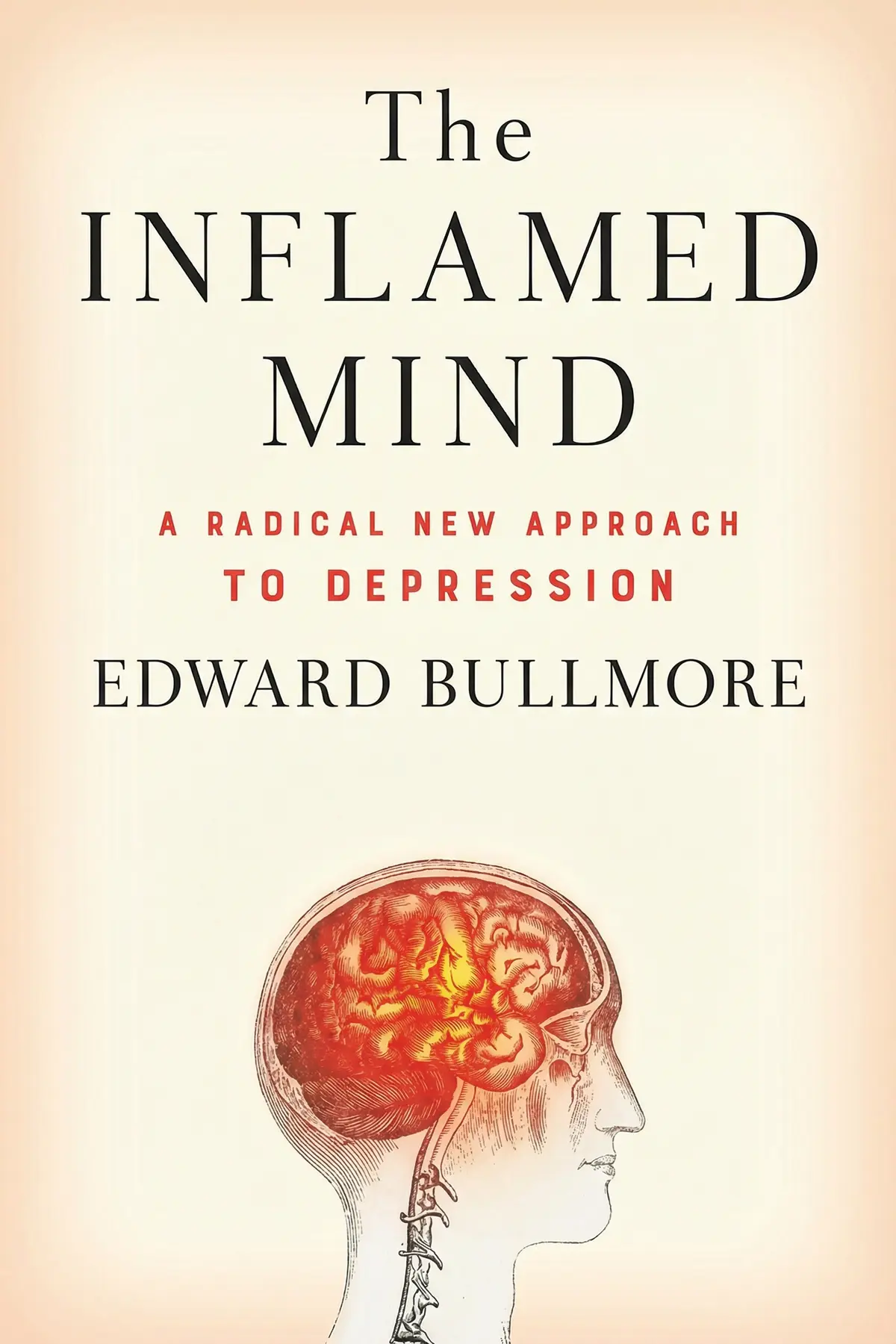
The Inflamed Mind explores the groundbreaking connection between immune system inflammation and depression, revealing how our physical defenses can inadvertently trigger mental health struggles and suggesting a radical new approach to treatment.
1 min 36 sec
For many of us, the experience of depression feels like a heavy, suffocating fog—a strictly mental or emotional battle fought within the confines of our thoughts. When we seek help, the standard narrative often centers on the brain, specifically the idea of a chemical imbalance that can be corrected with a pill. But what if the source of this darkness isn’t just in your head? What if the root of the problem lies in your blood, your joints, and your body’s very defense systems?
In this exploration of The Inflamed Mind, we are stepping into a scientific frontier that bridges the gap between the neck and the shoulders. We are looking at a radical new theory that suggests depression is a bodily illness, driven by the immune system’s most powerful weapon: inflammation. This shift in perspective is more than just academic; it is a profound reimagining of how we diagnose and treat one of the most widespread causes of human suffering.
Through this journey, we will examine why the current tools we have for treating depression—the antidepressants many of us are familiar with—often feel like they are missing the mark. We will see how historical philosophy accidentally led modern medicine down a path of separation, and how we are finally finding the way back to a holistic understanding of health. By the end, you’ll see how everything from the stress of a modern job to the ancient survival tactics of our ancestors plays a role in how we feel today. This is the story of how our own protective instincts might be making us miserable, and how understanding that connection could be the key to a much-needed revolution in psychiatry.
2 min 12 sec
Have you ever wondered why a simple cold makes you feel so gloomy? Discover the surprising link between bodily inflammation and our emotional state.
2 min 27 sec
Medicine has long separated the mind from the body, but this centuries-old philosophical divide may be the biggest hurdle to curing depression.
2 min 26 sec
Deep inside your blood and tissues, an army of cells is constantly communicating. Learn how their ‘blind rage’ can lead to mental exhaustion.
2 min 21 sec
We’ve been told for decades that depression is just a chemical imbalance, but the history of antidepressants reveals a much more accidental truth.
2 min 49 sec
How do signals from your body’s immune system get inside your head? Explore the surprising ways the brain stays connected to the body.
2 min 35 sec
From social pressure to the food we eat, our modern lifestyle is a recipe for chronic inflammation. Learn why your body thinks it’s under attack.
2 min 20 sec
Why would nature allow something as painful as depression to exist? The answer lies in the ancient battle for survival.
2 min 32 sec
The future of psychiatry may not lie in new brain drugs, but in treating the body. Discover the emerging tools for fighting inflammatory depression.
1 min 46 sec
As we have seen through our exploration of The Inflamed Mind, the wall we have built between our physical and mental health is finally starting to crumble. For too long, depression has been treated as a mystery of the soul or a simple glitch in the brain’s wiring. By looking at the role of the immune system and the powerful influence of inflammation, we are gaining a much clearer, more compassionate understanding of why we feel the way we do.
This shift in perspective reminds us that our feelings of gloom, exhaustion, and withdrawal are not signs of a broken character, but are often the echoes of ancient survival mechanisms designed to protect us. In the modern world, these defenses can become overactive, triggered by the constant hum of stress and the lifestyle challenges of the twenty-first century. But with this knowledge comes power. We are no longer limited to a single theory of ‘chemical imbalance.’ Instead, we are entering an era of immunopsychiatry, where blood tests can guide our treatment and where cooling the body’s inflammatory fire can clear the mind’s darkness.
The most important takeaway is the need for a holistic view of ourselves. We are not just machines with a separate spirit; we are integrated systems where every thought can affect our blood, and every immune cell can influence our thoughts. As we move forward, the hope for a depression-free future lies in this unity. By embracing treatments that address the whole person—mind, body, and immune system—we can finally find more effective, personalized ways to step out of the fog and back into the light. The journey to a healthier mind truly begins with a healthier, less inflamed body.
For decades, the medical world has treated the mind and the body as separate entities, viewing depression primarily as a chemical imbalance strictly within the brain. The Inflamed Mind challenges this long-standing divide by presenting a compelling case for the role of the immune system in mental health. It posits that depression isn't just a mental state, but a physical manifestation of a body under siege by its own inflammatory responses. Drawing on recent scientific breakthroughs, the book explains how the same mechanisms that fight off a common cold can, when overactive or chronic, lead to the debilitating symptoms of depression. By shifting the focus from neurotransmitters to the immune system, it offers a new promise for those who have found little relief in traditional antidepressants. This perspective opens the door to innovative treatments that address the biological roots of gloom, lethargy, and social withdrawal, potentially revolutionizing how we understand and heal the mind.
Edward Bullmore is a distinguished UK-based psychiatrist, neuroscientist, and expert in the field of mental health. He completed his medical studies at the University of Oxford and currently serves as a Professor of Psychiatry at the University of Cambridge. Since 2005, Bullmore has also collaborated with the pharmaceutical company GlaxoSmithKline, focusing on the development of innovative anti-inflammatory medications specifically designed to treat depression.
Listeners find the work thought-provoking, with one listener pointing out its insightful investigation into Cartesian duality across medicine and psychiatry/psychology. Furthermore, they enjoy the fascinating way it demonstrates links between the immune system and mental health. However, the clarity of the writing and the quality of information receive mixed reactions from listeners.
Finally, someone is talking about the biological reality of depression instead of just throwing another SSRI at the wall to see if it sticks! As someone who has lived with both autoimmune issues and low mood, Bullmore’s theory about the blood-brain barrier felt like the missing piece of the puzzle. He explains how the immune system’s signaling molecules can accidentally trigger depressive symptoms, which completely validates what many of us have felt for years. The section on how GPs use flawed tick-box tests was particularly cathartic to read because it highlights the disconnect in our current healthcare system. While the book is heavy on theory and light on immediate solutions, the hope it provides for future treatments is immense. It’s a dense read, but the implications for schizophrenia and Alzheimer’s are too important to ignore. This is the first book in years that gave me a new way to view my own brain.
Show moreBullmore bridges the gap between immunology and psychiatry with a clarity that is rare for someone with his high-level academic and industrial pedigree. This isn't just another book about "chemical imbalances"; it’s a deep dive into how our bodies and brains communicate through the immune system. I was captivated by his description of the vagus nerve and the potential for electrical implants to treat depression. The truth is, the field of psychiatry has been stagnant for thirty years, and we desperately need this kind of "radical" thinking to move forward. He doesn't claim to have all the answers, which I respected, but he points toward a future where we treat the patient as a whole person rather than just a collection of symptoms. If you've ever felt that your depression was more than just "in your head," this book provides the scientific language to explain why. Absolutely essential reading.
Show moreEdward Bullmore’s exploration of the "Cartesian divide" is a wake-up call for modern medicine that has spent far too long separating the head from the rest of the body. He argues convincingly that our mental health is inextricably linked to our immune system, challenging the outdated notion that depression is purely a "mental" state. While the chapters on the history of psychiatry were a bit long-winded, the core message about cytokines and brain inflammation is genuinely revolutionary. Truth is, we've been stuck in a pharmacological rut since the 1980s, and this book offers a much-needed path toward personalized psychiatry. It isn't a "how-to" guide for wellness, which might frustrate some readers, but it’s an essential read for anyone who wants to understand why current antidepressants often fail. The writing is academic yet accessible enough for a curious layperson who wants to understand the biological roots of their low mood.
Show moreAs a former patient who felt dismissed by GPs for years, reading about the link between systemic inflammation and mood felt like a massive validation of my own experience. Bullmore details the "Apartheid" between physical and mental health treatments, explaining why so many people with chronic illnesses also suffer from debilitating depression. The most alarming part of the book was the statistic regarding life expectancy; realizing that mental health struggles can shave a decade off your life due to untreated physical symptoms is a national disgrace. His writing style is professional and authoritative, though occasionally he gets bogged down in the technicalities of macrophages and signaling molecules. Personally, I found the insight into why the pharmaceutical industry stopped looking for new antidepressants to be eye-opening. This book won't cure you, but it will certainly change how you talk to your doctor about your physical and mental health being a whole.
Show moreAfter hearing about the "leaky brain" theory on a podcast, I picked this up to understand the actual mechanisms involved in neuro-immunology. Bullmore’s explanation of how inflammation can penetrate the blood-brain barrier is brilliant and easy to visualize, even for someone without a medical degree. He makes a strong case for why we should be testing for inflammatory biomarkers before prescribing standard SSRIs to every patient who walks through the door. My only real gripe is that the tone can be a bit pessimistic regarding the current state of the NHS and pharmaceutical research. Still, the book succeeds in making a complex subject feel urgent and relevant to our modern lifestyle. It’s a thought-provoking piece that challenges you to rethink what it means to be "mentally" ill. It definitely makes you want to look into your own CRP levels and general physical health.
Show moreWhat struck me most wasn't the science itself, but the way Bullmore describes the pharmaceutical industry's retreat from antidepressant research due to high costs and failure rates. It’s a sobering look at why we haven't seen any real innovation in mental health medication for decades. The book effectively dismantles the idea that the mind and body are separate entities, a concept he traces back to René Descartes. While some of the chapters on immune cells were a bit slow, the overall narrative is powerful and well-referenced. It’s not a light read—you’ll need to focus to get through the denser scientific passages—but it’s worth the effort for the perspective shift it provides. I’m now much more aware of how my physical health and immune system impact my mental clarity and emotional resilience. This is a solid four-star read for those who want a deeper look at the biology of the mind.
Show moreThe premise that our immune systems could be sabotaging our mental health is absolutely fascinating, yet I found the execution a bit dry and jargon-heavy. Bullmore clearly knows his stuff, but he spends a significant amount of time on the history of immunology which might lose some readers. I appreciated the discussion on the stagnation of psychiatric drug development—the mouse tail tests sound incredibly primitive for the 21st century. However, the book leaves you hanging when it comes to what you can actually do about "inflamed depression" right now. It’s a great intellectual exercise and a solid critique of the "mind-body" split, but it lacks the warmth or practical utility I was hoping for. It’s more of a scientific manifesto than a self-help book. Still, the connection between CRP levels and mood is worth looking into if you’re a science nut.
Show moreIs it possible that a simple blood test for CRP could change how we treat mental illness forever? Bullmore thinks so, but I remain skeptical about whether he’s proven that inflammation is the cause rather than just a side effect of a stressful life. The book does a fine job explaining how the "Cartesian divide" has hindered medical progress by siloing psychiatry away from general medicine. Yet, I felt he dismissed the psychological impact of life events like bereavement a bit too quickly in favor of his biological theory. Look, the science is still in its infancy, and while the "inflamed mind" is a compelling metaphor, it feels like the data hasn't quite caught up to the hype yet. It’s an interesting read for science buffs, but take the "game-changing" claims with a grain of salt. It provides plenty to think about, even if the conclusions feel premature.
Show moreI really wanted to find some actionable advice here, but the book feels more like a pharmaceutical pitch than a holistic health guide. Bullmore focuses almost exclusively on potential new drugs, completely ignoring natural ways to reduce inflammation like diet, turmeric, or exercise. To be fair, his background at GlaxoSmithKline explains this bias, but it makes for a frustrating experience for the average reader looking for relief. The science is largely based on correlations, and he often stretches these links to fit his narrative without providing the robust evidence I expected from a Cambridge professor. Frankly, the constant mentions of "radical breakthroughs" felt more like marketing than objective science. If you’re looking for a book that helps you manage depression through lifestyle changes, look elsewhere. This is strictly for those interested in the future of drug development and clinical neuroscience theory.
Show moreTo be fair, the first half of this book provides a decent history of psychiatric medicine, but it quickly devolves into speculative science that lacks rigorous proof. Bullmore spends a lot of time talking about "what if" scenarios regarding anti-inflammatory drugs without addressing the massive potential for side effects. His reliance on his own career at GSK makes the whole narrative feel a bit biased toward pharmaceutical solutions. I was disappointed that he barely touched on the role of the gut microbiome or nutrition, which are huge factors in systemic inflammation. The book is puffed up with too much filler about his personal career path and not enough hard data to back up his "breakthrough" claims. It feels like a long-form essay that was stretched into a book to capitalize on a trendy health topic. It’s an interesting hypothesis, but as a scientific text, it falls short of being convincing.
Show moreAlcoholics Anonymous World Services




Steven C. Hayes
J. Craig Venter
Carl Zimmer

AUDIO SUMMARY AVAILABLE
Get the key ideas from The Inflamed Mind by Edward Bullmore, plus 5,000+ more titles in English and Thai.







