
10 min 02 sec
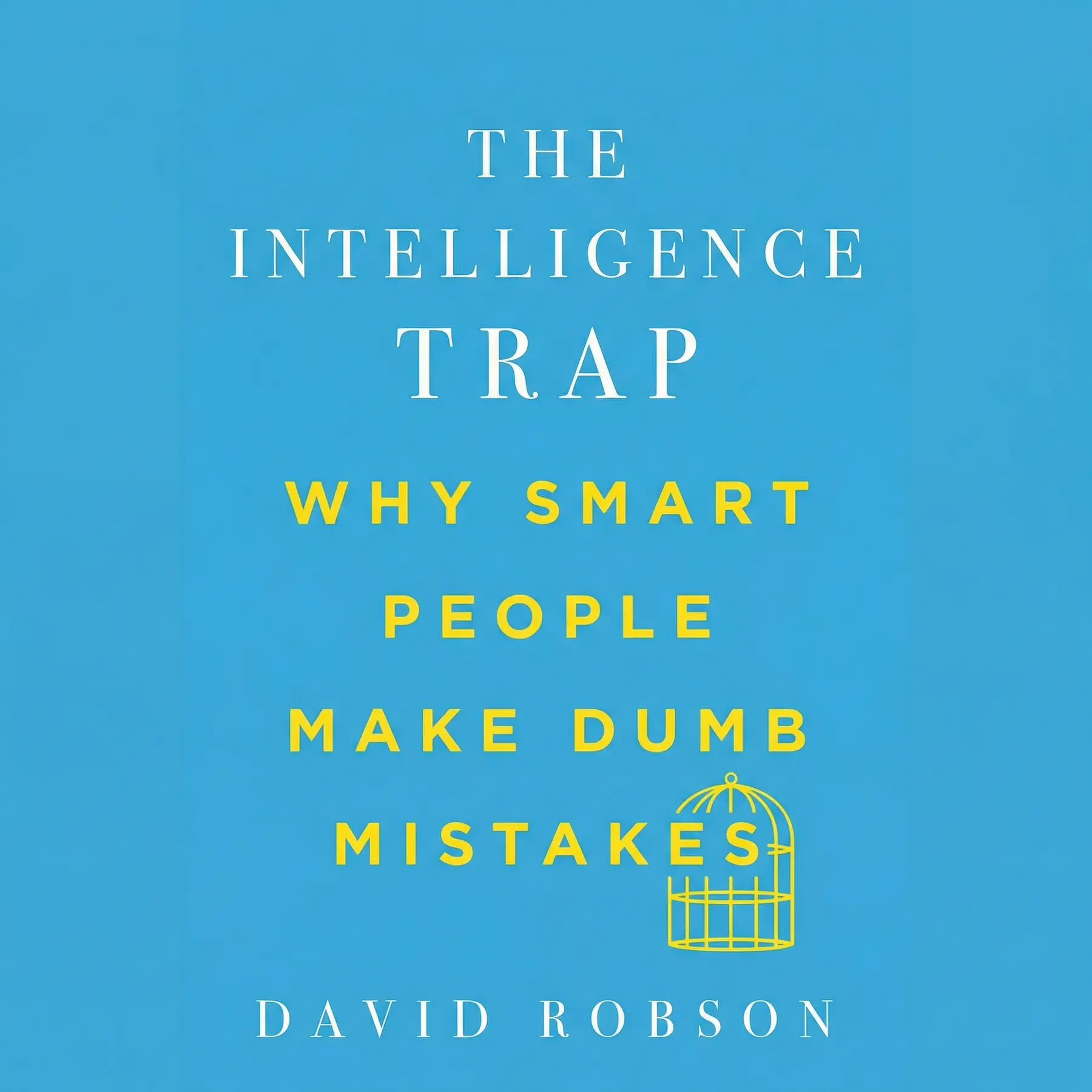
The Intelligence Trap: Why Smart People Make Dumb Mistakes
By David Robson
Explore why high intelligence often fails to prevent irrational decisions. This summary reveals the cognitive traps that ensnare the brightest minds and offers practical strategies for cultivating true wisdom and better judgment.
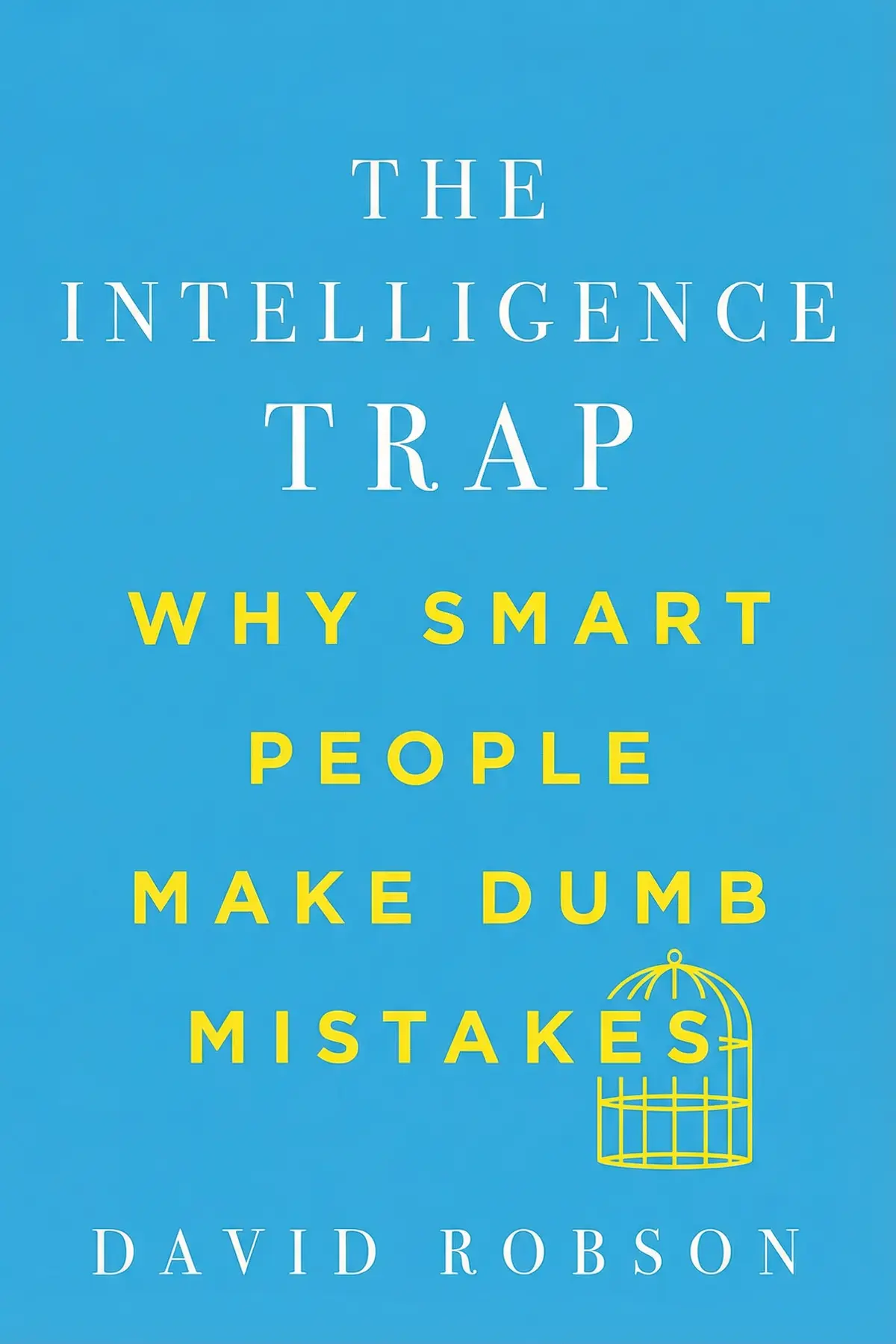
Table of Content
1. Introduction
1 min 17 sec
We have long been taught that a high IQ is the ultimate golden ticket to success. We assume that if someone is academically brilliant, they will naturally be better at solving problems, making decisions, and navigating the complexities of life. But have you ever noticed how some of the most brilliant people you know often make the most bafflingly poor choices? This is the central puzzle we are exploring today. It turns out that intelligence, as measured by standard tests, is actually quite different from the ability to think rationally or act wisely.
In fact, being exceptionally smart can sometimes act as a trap, leading to a specific set of cognitive errors that average thinkers might actually avoid. This throughline suggests that our traditional understanding of intelligence is incomplete. To truly thrive, we need more than just raw mental processing power; we need a toolkit of cognitive habits that allow us to use that power effectively. We are going to look at why smart people fall for scams, why experts can be blinded by their own knowledge, and most importantly, how we can all cultivate a more balanced, wiser approach to our own thoughts. It’s time to look beyond the IQ score and understand the mechanics of the mind in a way that helps us avoid the pitfalls of the intelligence trap.
2. The Rationality Gap
1 min 24 sec
Intelligence is often mistaken for good judgment, but high IQ scores rarely account for the ability to think without bias or evaluate evidence objectively.
3. The Power of Motivated Reasoning
1 min 28 sec
Highly intelligent individuals are often better at rationalizing their mistakes, using their mental skills to defend their existing beliefs rather than seeking the truth.
4. The Expertise Trap and Earned Dogmatism
1 min 32 sec
Gaining deep knowledge in a specific field can lead to a rigid mindset, making experts less likely to consider new perspectives or admit error.
5. Cultivating Intellectual Humility
1 min 28 sec
True wisdom requires the ability to acknowledge the limits of our own knowledge and remain open to being wrong.
6. Strategies for Wiser Thinking
1 min 34 sec
Practical techniques such as self-distancing and emotional awareness can help bridge the gap between intelligence and rationality.
7. Conclusion
1 min 19 sec
In our journey through the mechanics of the mind, we have seen that intelligence is a double-edged sword. It provides us with incredible power to solve problems and understand the world, but it also equips us with the tools to deceive ourselves more effectively. The intelligence trap is a reminder that being ‘smart’ is not a destination, but a responsibility. To avoid the pitfalls of motivated reasoning, earned dogmatism, and the bias blind spot, we must consciously choose to pursue wisdom over mere academic achievement.
True cognitive excellence comes from the balance of a sharp mind and a humble heart. It involves the constant practice of questioning our assumptions, seeking out diverse perspectives, and staying aware of the emotional currents that influence our logic. As you move forward, try to catch yourself when you are being ‘too smart’ for your own good—when you are arguing to win rather than to learn. By fostering intellectual humility and using the strategies of self-distancing and reflection, you can bridge the gap between high intelligence and sound judgment. The goal is to not just be a fast thinker, but a deep, careful, and wise one. In doing so, you turn your intelligence from a potential trap into a powerful, reliable guide for a more rational and successful life.
About this book
What is this book about?
The Intelligence Trap investigates the surprising disconnect between high IQ and sound decision-making. While we often assume that academic brilliance translates to real-world wisdom, science journalist David Robson demonstrates that smart people are frequently more susceptible to specific thinking errors. They are often better at justifying their biases and more prone to overconfidence in their own logic. This book promises to change how you perceive your own intellect. By identifying the specific psychological hurdles—from motivated reasoning to the curse of expertise—it provides a roadmap for thinking more effectively. You will learn why geniuses fail, how to spot your own cognitive blind spots, and how to adopt a mindset of intellectual humility to navigate life's complexities more successfully.
Book Information
About the Author
David Robson
David Robson is a distinguished science writer and journalist. He spent five years as a features editor at New Scientist, was a senior journalist at BBC Future, and has had his work featured in the Guardian, the Atlantic, and many other publications. He has received awards for his writing on misinformation and risk communication during the COVID-19 pandemic, and his book The Expectation Effect won a British Psychological Society Book Award.
Ratings & Reviews
Ratings at a glance
What people think
Listeners find the book enlightening, with one review highlighting its demonstrations of various critical thinking styles. Moreover, the work is praised for being easy to read, with one listener noting its particular relevance for leaders and academics. Listeners also value the depth of information, with one review mentioning the inclusion of a useful glossary of key terms.
Top reviews
Kru
David Robson delivers a masterclass in how our own cognitive machinery can occasionally betray us. This book should be mandatory reading for anyone in a leadership position who thinks their high IQ makes them immune to blunders. I particularly enjoyed the section on 'intellectual humility'—it’s a quality we desperately need more of in today's polarized world. The writing style is incredibly accessible, moving from complex psychological theories to engaging anecdotes without ever feeling dense. Robson even includes a convenient glossary of key terms at the end, which is a lifesaver for referencing concepts like dysrationalia later. Frankly, it changed how I approach my own decision-making process at work. If you want to sharpen your critical thinking and avoid the pitfalls that even Nobel laureates fall into, start here.
Show moreCholada
Finally got around to reading this, and it’s a total game-changer for my professional life. As someone who manages a large team, the chapter on 'dream teams' and how to avoid organizational disasters was worth the price of admission alone. Robson’s breakdown of how NASA’s culture contributed to their tragedies was both haunting and enlightening. He doesn't just point out problems; he provides a 'bullshit detection kit' that is genuinely useful for navigating the misinformation age. The prose is snappy and the sentence lengths vary enough to keep the energy high throughout the entire 300 pages. It is rare to find a book that is this academically grounded while remaining so readable. I’ve already bought three copies to give to my colleagues this Christmas. Definitely a must-read for any lifelong learner.
Show moreOksana
Wow, this really puts things into perspective regarding the fake news epidemic we are seeing today. I have so many well-educated friends who share unverified nonsense on WhatsApp, and I never understood why until I read this. Robson explains that education doesn't erase stupidity; sometimes, it just gives people the tools to be more convincingly wrong. The book is filled with 'aha!' moments that make you look at your own habits differently. I especially loved the section on how curiosity can be a shield against motivated reasoning. It’s written in a way that feels personal yet remains grounded in scientific studies. Not gonna lie, I felt a bit called out by some of the logic puzzles, but that’s exactly why I needed to read it. Highly recommended for everyone.
Show moreWacharapol
After hearing a lot of hype about this, I’m happy to report it actually lives up to it. The central premise—that our intelligence can be a trap—is explored through so many diverse lenses, from the FBI to Steve Jobs' medical choices. It’s a sobering reminder that our brains are experts at self-deception. What sets this apart from other pop-psych books is the focus on 'wisdom' as a distinct, measurable skill that we can actually improve. The prose is clear, the chapters are well-organized, and the takeaways are practical. It really highlights why we need to value intellectual humility over just having a high IQ score. If you're looking for a book that challenges how you think about thinking, this is the one. I’ll be rereading this one for years to come.
Show moreRay
Ever wonder why a brilliant scientist might suddenly start believing in ghosts or weird conspiracy theories? This book tackles that exact paradox with a lot of grace and clear-headed analysis. Robson explains the 'bias blind spot' perfectly, showing how the more intelligent you are, the better you become at justifying your own flawed logic. I loved the variety of stories, especially the parts about the Mount Everest tragedy and the FBI’s missteps. These real-world examples make the abstract concepts of heuristics and biases much easier to digest for a casual reader. My only minor gripe is that the author occasionally repeats himself to drive home a point. Still, the practical advice on how to cultivate curiosity over certainty is invaluable. It’s a solid 4-star read that will definitely make you second-guess your own 'genius' moments.
Show moreJavier
As a professional who spends a lot of time in academia, I find the 'bias blind spot' concept incredibly relevant to my daily interactions. We often assume that because someone has a PhD, they are rational actors, but Robson proves that the opposite can be true. High intelligence often acts like a fuel that allows people to build more elaborate defenses for their prejudices. The book’s exploration of dysrationalia was particularly fascinating to me because it explains that gap between raw brainpower and actual wisdom. I did think the critique of Michael Shermer was a bit unnecessary, but it didn't ruin the overall message. The glossary at the back is a nice touch for those of us who like to keep the terminology straight. It's a thoughtful, well-researched book that encourages a much-needed sense of intellectual humility.
Show moreArnav
The breakdown of organizational failures in the final section of this book is absolutely stellar. Robson looks at how even the most successful companies, like Nokia, can fall into a tailspin because of the very things that made them smart in the first place. I appreciated how he linked individual 'intelligence traps' to broader systemic issues within teams. It makes you realize that being a 'smart' person isn't enough; you need to be a 'wise' one who knows how to listen. The tone is perfectly balanced between being authoritative and being conversational, which makes the pages fly by. I would have liked a bit more focus on how to implement these changes in a non-corporate setting, but that's a small critique. Overall, it’s an insightful look at the limits of the human mind.
Show moreDimitri
While I appreciated the deep dive into why smart people do stupid things, I couldn't help but feel that much of this was a rehash. If you have already read Thinking, Fast and Slow or Sway, you might find yourself skimming through several chapters. To be fair, Robson does a great job of synthesizing the information, but the 'intelligence trap' concept felt a bit thinly stretched across the various case studies. The examples involving Steve Jobs and Arthur Conan Doyle were interesting, yet they felt like cherry-picked anecdotes rather than a robust scientific proof. I also found the pace to be a bit sluggish in the middle sections where the author focuses heavily on SAT scores and IQ metrics. It is a decent summary for beginners, but seasoned readers of popular psychology might find it lacking in fresh insights.
Show moreTim
To be fair, Robson is a talented writer, but I had a hard time getting past some of the case studies. Using the 1980 US Olympic hockey team to discuss 'too many stars' felt a bit like a reach for this specific topic. I also felt that the author relied too heavily on previously published works like 'Surely You're Joking, Mr. Feynman!' which made the content feel less original. Look, it’s not a bad book, and the focus on deep learning principles is actually quite good. However, if you've been following the field of decision science for a while, you won't find many surprises here. It functions better as a 'Greatest Hits' of cognitive bias research rather than a pioneering new theory. Good for a plane ride, but don't expect it to change your worldview entirely.
Show moreChamlong
Maybe it's just me, but I found this book to be another example of poorly quantified psychology that misses the bigger picture. The author suggests that high-IQ individuals are more prone to certain mistakes, but he completely ignores a control group of 'low-RAM' thinkers who likely make even more errors. Truth is, all mistakes are just natural consequences of being active and making choices. Robson’s use of the Iceland soccer team as an example of 'lacking stars' felt forced and lacked the connective tissue needed to prove his thesis on collective intelligence. I felt the book tried too hard to spin a narrative around well-known failures without providing truly new evidence. If you want rigorous data, look elsewhere; this felt more like a collection of stories than a scientific breakthrough. Dropped it halfway through.
Show moreReaders also enjoyed
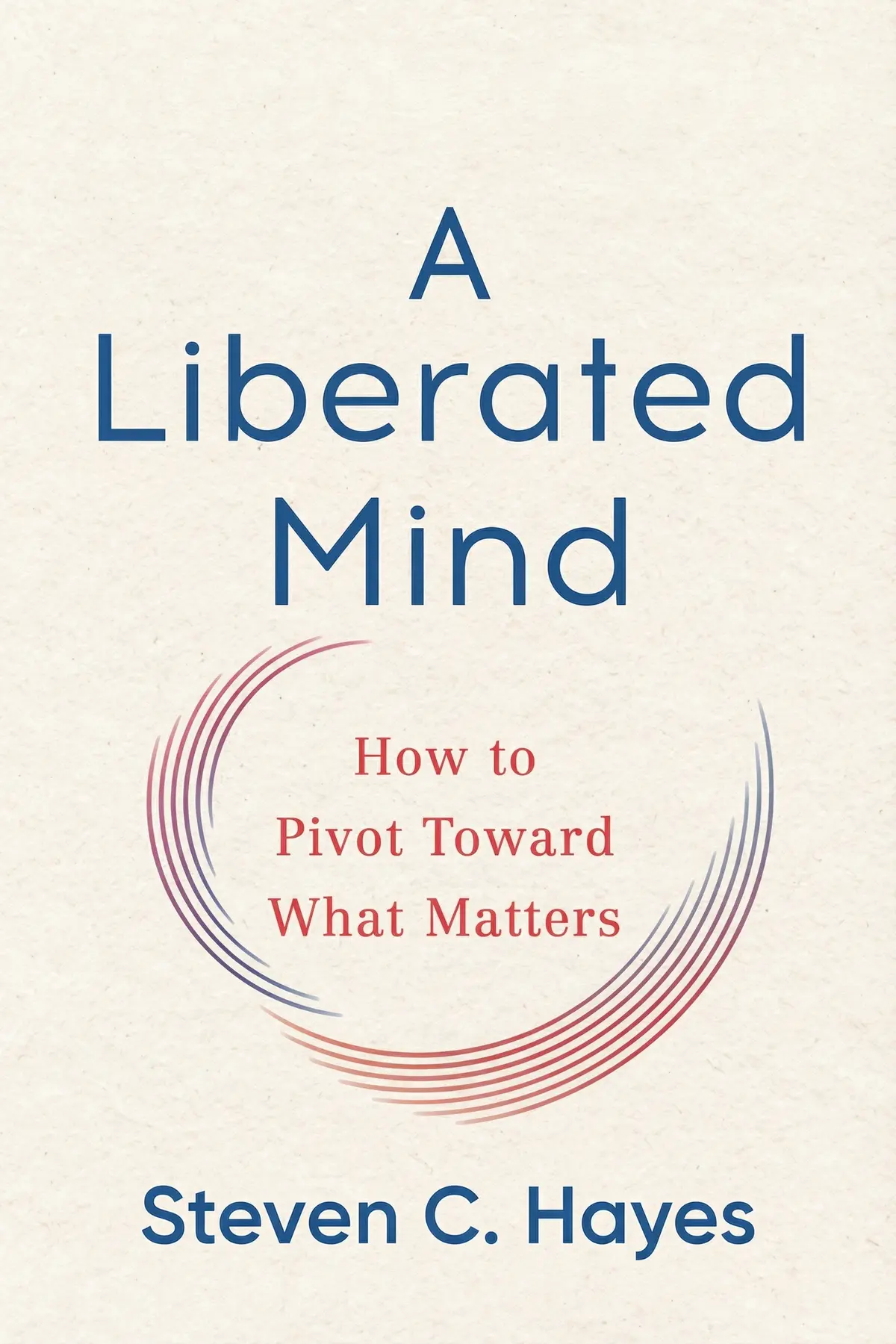
A Liberated Mind: How to Pivot Toward What Matters
Steven C. Hayes
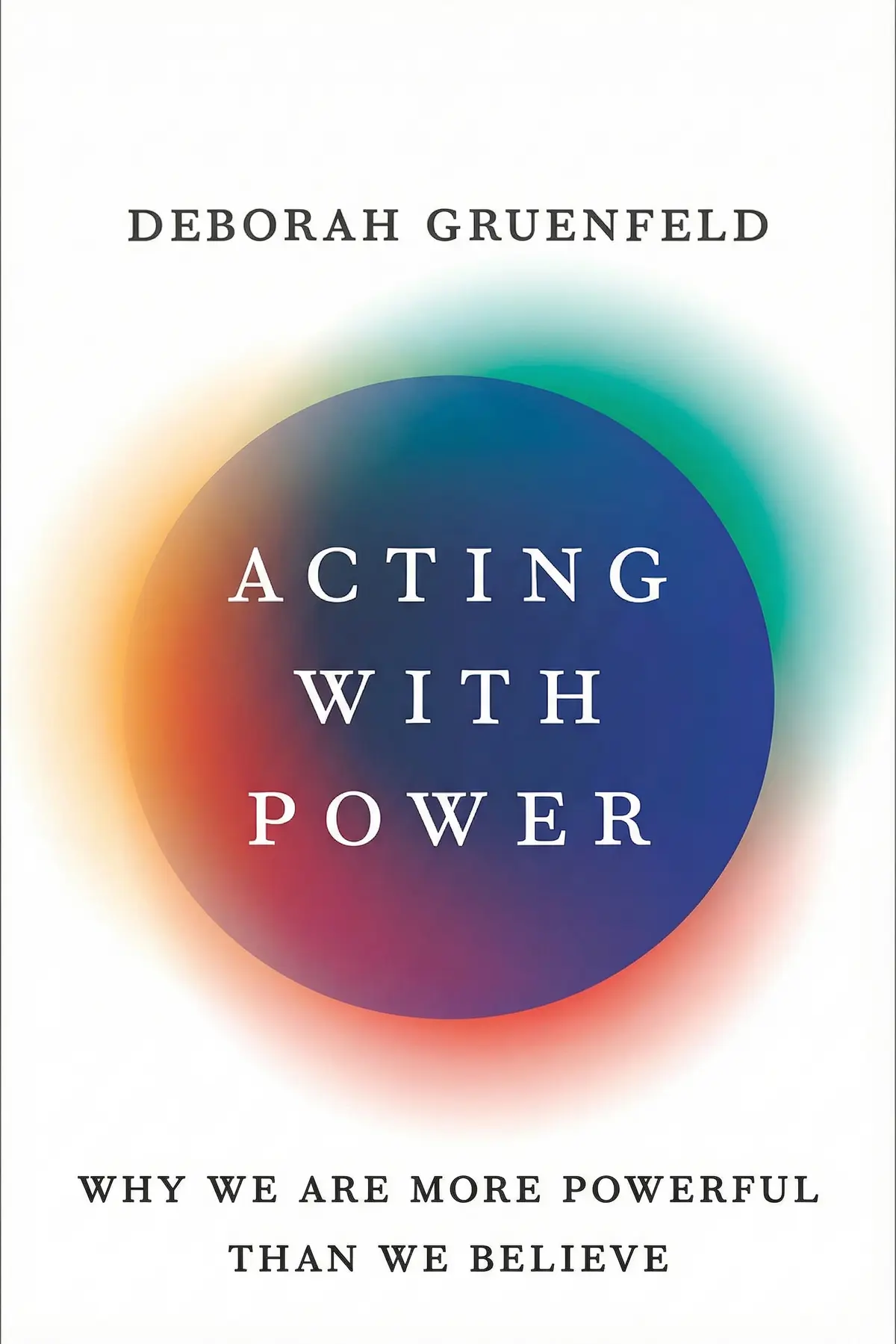
Acting with Power: Why We Are More Powerful Than We Believe
Deborah Gruenfeld
Age of Propaganda: The Everyday Use and Abuse of Persuasion
Anthony Pratkanis
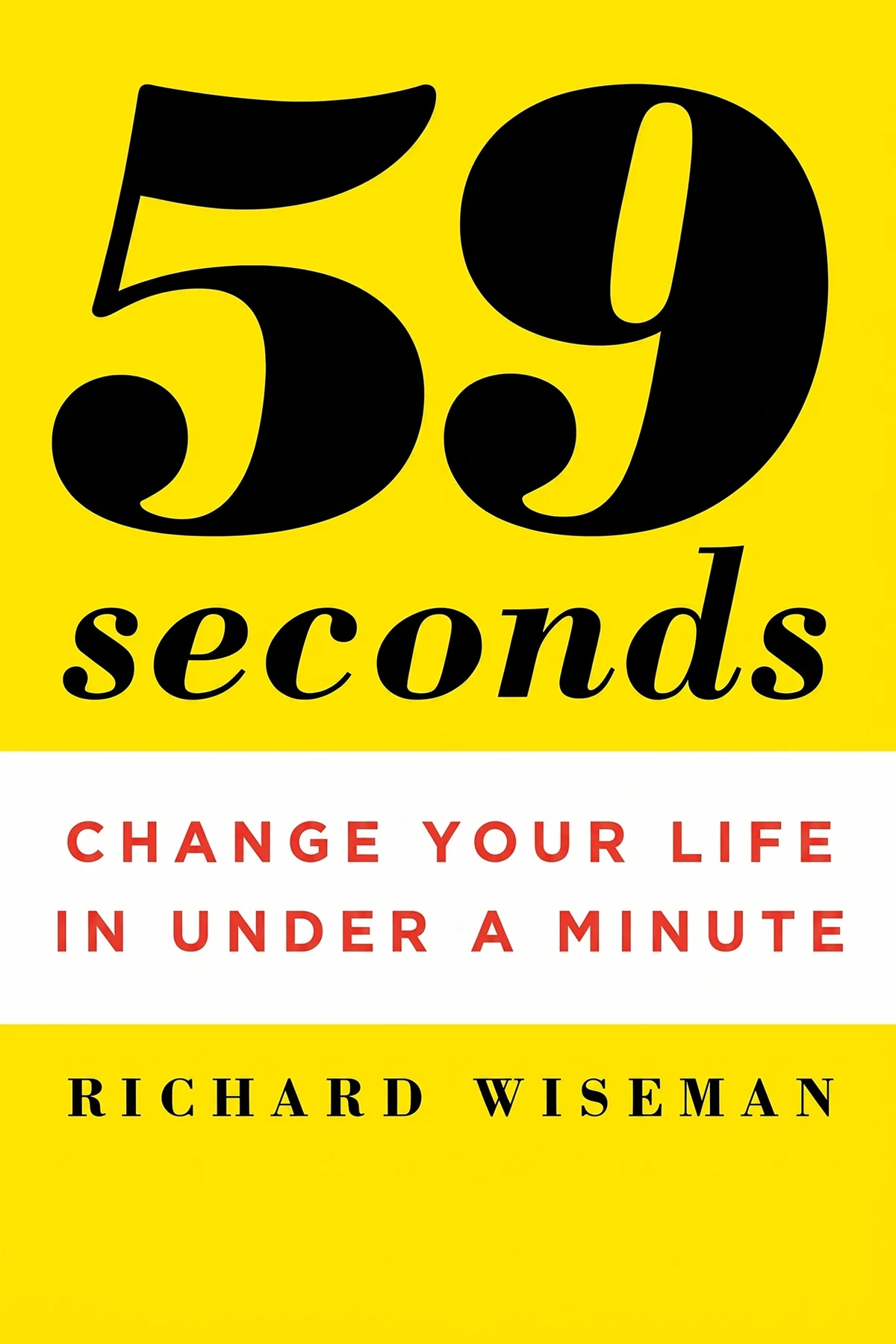
59 Seconds: Change Your Life in Under a Minute
Richard Wiseman
AUDIO SUMMARY AVAILABLE
Listen to The Intelligence Trap in 15 minutes
Get the key ideas from The Intelligence Trap by David Robson, plus 5,000+ more titles in English and Thai.
- 5,000+ titles
- Listen as much as you want
- 7-day free trial
- Cancel anytime







