
17 min 44 sec
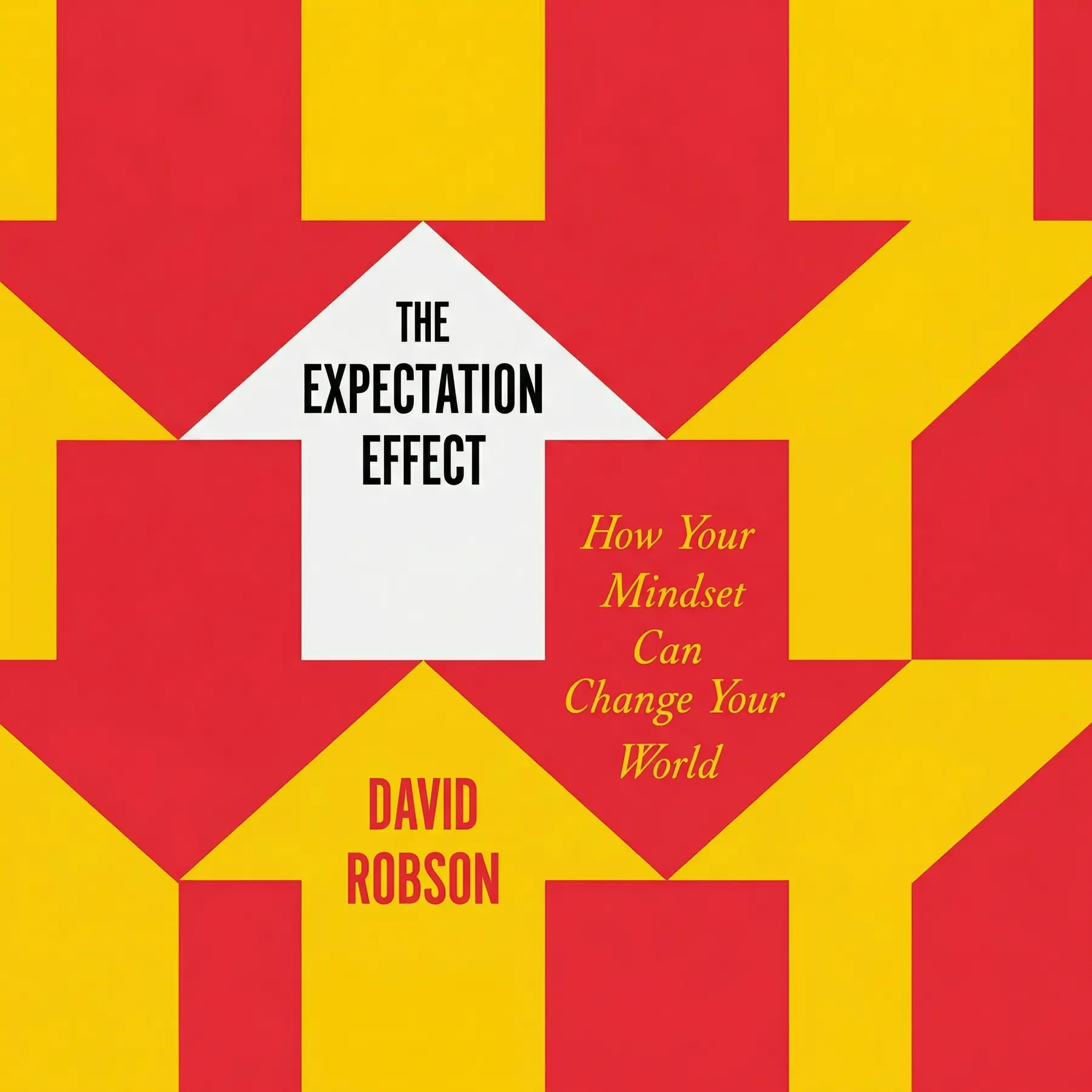
The Expectation Effect: How Your Mindset Can Change Your World
By David Robson
Explore the revolutionary science of how our mental frameworks dictate our physical reality, influencing everything from our immune response and athletic performance to the rate at which our bodies age.
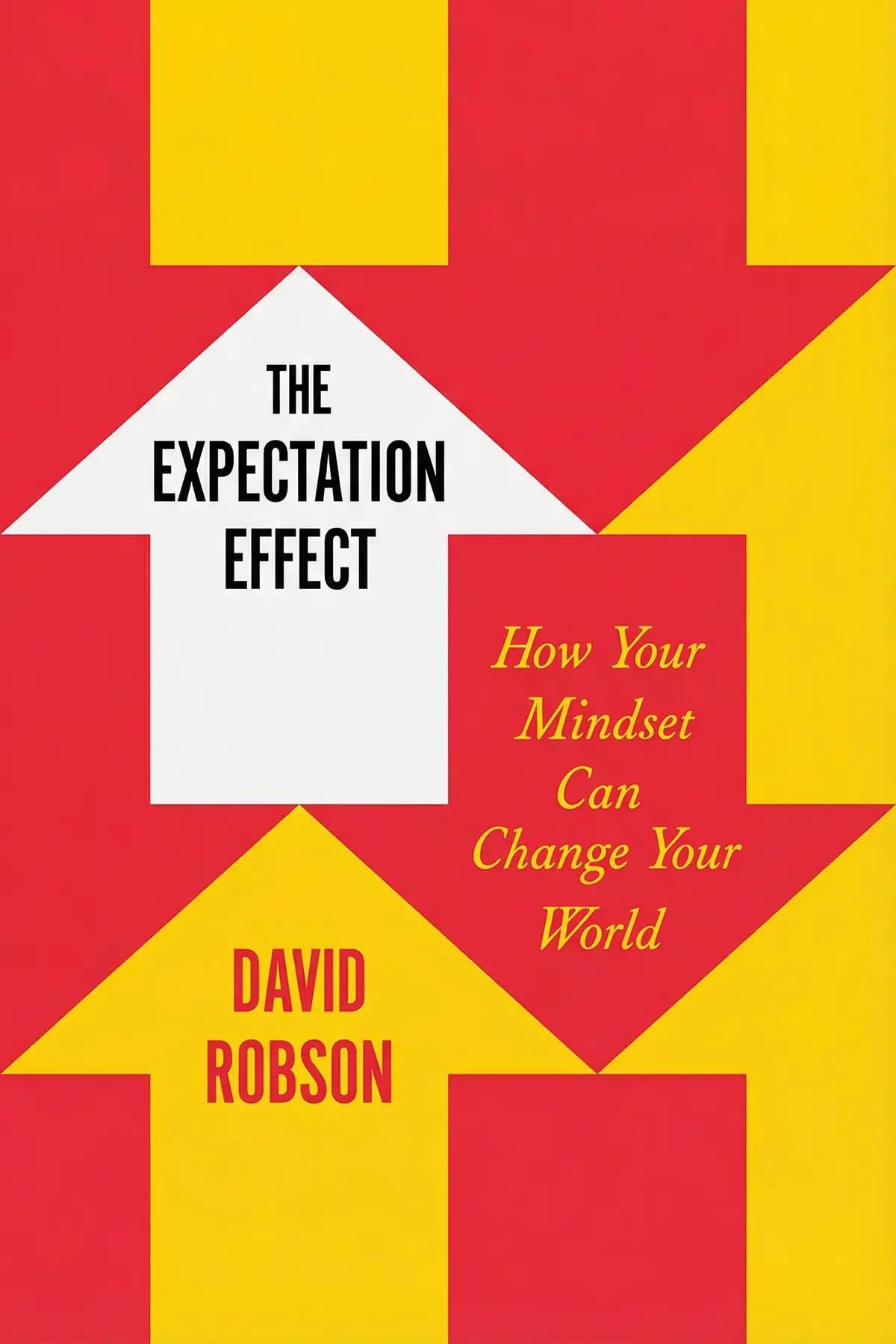
Table of Content
1. Introduction
2 min 17 sec
Have you ever found yourself flipping through a medical encyclopedia or browsing a health website, only to notice that you suddenly seem to be experiencing the very symptoms you’re reading about? One moment you’re perfectly fine, and the next, your throat feels a bit scratchy or your head begins to throb, simply because the idea of illness was introduced to your mind. This curious phenomenon isn’t just a trick of the imagination; it’s a window into the incredible power of the human brain to manifest a physical reality based on nothing more than a mental suggestion.
We often hear the phrase ‘mind over matter’ tossed around in various contexts. In the high-stakes world of professional sports, it’s the mantra of coaches who want their athletes to ignore the screaming of their muscles and push past the perceived limits of the human frame. in the boardroom, it’s the rally cry of entrepreneurs who believe that a vision, if held firmly enough, will eventually bend the world to its will. Even in the quiet halls of a doctor’s office, the way a diagnosis is delivered can shift the trajectory of a patient’s recovery, regardless of the medicine being prescribed.
But for all our talk about the power of positive thinking, a nagging question remains: where does the metaphor end and the biology begin? Is the mind truly capable of altering the physical world, or are we just telling ourselves stories to cope with the unpredictable? David Robson, in his work on the expectation effect, argues that our internal predictions are far more than just optimistic thoughts. He suggests that the brain is essentially a sophisticated prediction engine, constantly scanning the environment and our internal states to ensure that our lived experience aligns with what we expect to happen.
Over the course of this summary, we are going to dive deep into the mechanics of this internal machinery. We’ll explore how your expectations about exhaustion can actually dictate your productivity, how the mere belief in a remedy can trigger a chemical response in your nervous system, and why the way you perceive your own age might be the most important factor in how long you live. By understanding these throughlines, you won’t just learn about the mind—you’ll learn how to recalibrate it. This isn’t about magical thinking; it’s about understanding the biological bridge between what we believe and what we become. Let’s begin by looking at how our views on mental energy might be holding us back from our true potential.
2. The Hidden Reservoir of Willpower
3 min 33 sec
What if the feeling of mental exhaustion is actually a choice? Discover why high-achievers simplify their lives and how your beliefs about fatigue create your limits.
3. The Brain as an Internal Pharmacy
3 min 21 sec
Uncover the biological reality behind the placebo effect and learn how the brain manufactures its own chemicals to match your medical expectations.
4. The Shadow Side of Expectation
3 min 18 sec
Expectations can heal, but they can also harm. Explore the ‘nocebo’ effect and how negative beliefs can manifest as actual physical illness.
5. Rewriting the Biological Clock
3 min 13 sec
Could your mindset be the ultimate fountain of youth? Learn how changing your perception of age can lead to measurable physical rejuvenation.
6. Conclusion
2 min 02 sec
As we’ve explored, the expectation effect is not a matter of magic or wishful thinking, but a fundamental principle of how the human brain and body interact. From the way we handle a busy Monday at the office to the way we experience the sunset of our lives, our internal predictions serve as the invisible hand that shapes our reality. Your brain is constantly eavesdropping on your thoughts, translating your beliefs into a chemical and biological language that your cells can understand.
We have seen how reframing our view of willpower can expand our endurance, how believing in a treatment can activate our internal pharmacy, and how guarding against the ‘nocebo’ effect can prevent unnecessary suffering. Finally, we learned that by maintaining a youthful mindset, we can actually influence the very markers of our biological age. The throughline here is clear: while we cannot control every circumstance in our lives, we have an incredible amount of influence over how our bodies respond to those circumstances.
To put these insights into practice, start by becoming a more conscious observer of your own internal dialogue. When you find yourself anticipating a negative outcome—whether it’s an exhausting day, a painful medical procedure, or the ‘inevitable’ aches of getting older—take a moment to pause. Ask yourself if there is a more empowering way to frame the situation. Can you view that exhaustion as energy in waiting? Can you focus on the high percentage of success rather than the low percentage of failure?
One practical tip is to find a tangible ‘anchor’ for your positive expectations. Just as an athlete might have a lucky charm or a specific pre-game ritual, you can use small, everyday actions to signal to your brain that you expect a good outcome. Whether it’s a specific song you listen to before a big meeting or a ritual of visualization each morning, these actions help to solidify your mental predictions. By consciously steering your expectations, you aren’t just changing your mind—you are quite literally changing your world.
About this book
What is this book about?
This exploration into human psychology reveals that the brain is not a passive observer of reality but an active prediction machine. By examining the 'expectation effect,' the text demonstrates how our deep-seated beliefs function as biological blueprints, capable of triggering physiological changes that mirror our mental anticipations. From the mysterious healing power of placebos to the hidden dangers of the nocebo effect, the book provides a comprehensive look at the mind-body connection. It promises to equip listeners with the tools to reframe their internal narratives, potentially unlocking greater mental stamina, better health outcomes, and a more youthful approach to the passing years.
Book Information
About the Author
David Robson
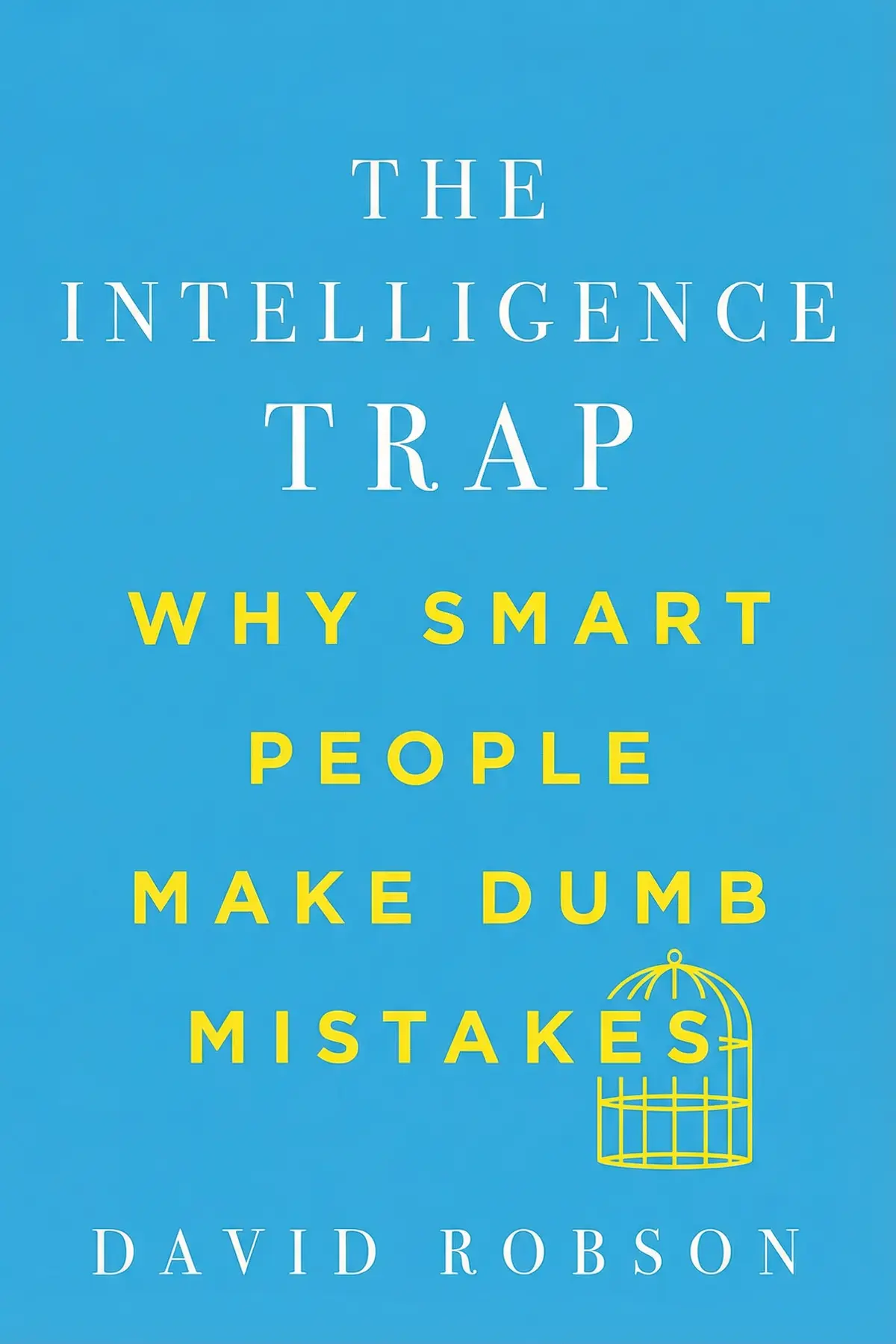
David Robson is an acclaimed science journalist whose expertise has been featured in prestigious outlets such as the Times, the Guardian, the Atlantic, and the Washington Post. He is the author of the internationally recognized book The Intelligence Trap, which has reached audiences in fifteen different languages.
Ratings & Reviews
Ratings at a glance
What people think
Listeners find this work intriguing and skillfully composed, with one review mentioning that it is supported by deep psychological and scientific studies. Furthermore, the content feels applicable and inspiring, as one listener points out how it examines the link between mind and body. The caliber of the prose and the author's trustworthiness also earn praise. Nevertheless, listeners are divided regarding the depth of detail included.
Top reviews
Mattanee
David Robson has done it again by delivering a masterclass in science communication that feels both urgent and deeply practical. After loving The Intelligence Trap, I had high hopes for this, and the exploration of the mind-body connection did not disappoint. The way he reframes stress and anxiety as tools rather than obstacles is a total game-changer for anyone dealing with modern burnout. Frankly, the research on how our perceptions of aging can actually influence our biological longevity was the most empowering thing I’ve read all year. While the book is jam-packed with studies, Robson’s prose remains accessible and sharp throughout the entire journey. You aren't just reading about theories here; you are learning to recalibrate your internal software for better health. It’s a rare find that manages to be this life-changing while staying firmly rooted in credible, evidence-based medicine.
Show morePear
After hearing about the tragic case of the Hmong night spirits, I was completely hooked on Robson’s narrative of how belief can literally kill or cure. This book is a fascinating exploration of the physiological power of the human mind, and it is written with such clarity and empathy. Not gonna lie, I was worried it would be too 'woo-woo,' but every claim is backed by extensive footnotes and high-level medical journals. The section on how we can improve our focus and intelligence simply by shifting our mindset was particularly relevant to my own career. It’s empowering to realize that we aren't just passive victims of our biology, but active participants in our health. Even the more technical parts felt engaging because the writing quality is so consistently high. This is a must-read for anyone interested in the future of psychology and self-improvement.
Show moreEnd
Rarely do I find a science book that is this actionable without sacrificing its academic integrity or oversimplifying the data. Robson explores the 'expectation effect' with a level of detail that is both impressive and highly relevant to our current health crisis. I found the research on aging particularly poignant; the idea that our societal expectations are literally shortening our lives is a wake-up call. The book is dense, yes, but the chapters are structured so well that you never feel lost in the jargon. It’s a fascinating deep dive into the hidden mechanics of the human mind and how it communicates with the body. I’ve been telling all my colleagues to pick this up because it bridges the gap between hard science and daily wellbeing so perfectly. If you want to understand the future of preventative medicine, start here.
Show moreValentina
What a fascinating deep dive into the human psyche! I honestly believe that my past successes were largely due to the kind of mindset Robson describes, and this book finally gave me the scientific vocabulary to understand why. The examples are varied and compelling, ranging from how we experience jetlag to the way athletes push through the 'wall' during a race. It is a powerful reminder that our mental maps often dictate our physical boundaries in ways we don't even realize. Even though the author includes a lot of data, the pacing felt brisk to me because the implications of each study were so profound. It’s the first time I’ve seen the replication crisis addressed head-on in a popular science book, which only added to the author's credibility. If you enjoy books that challenge your perception of reality, this is definitely for you.
Show moreTan
Ever wonder how much your brain actually dictates your physical reality? This book provides some truly fascinating answers by diving into the placebo and nocebo effects with impressive rigor. It isn't some rehashed version of 'The Secret' or other New Age fluff; it’s a serious look at how expectations shape our biological outcomes. I was particularly struck by the chapter on 'fake' knee surgeries and how the brain can trigger healing just by believing the intervention occurred. To be fair, the middle section drags a bit when the author bombards the reader with multiple studies to prove a single point. Some might find the sheer volume of data overwhelming or even repetitive after the first hundred pages. However, the insights into nutrition and exercise mindset are well worth the effort of pushing through those slower chapters.
Show moreNarongrit
This book isn't some New Age manifesto, despite what the title might suggest to a casual browser at the bookstore. Robson is a serious science journalist, and he takes care to distinguish his work from the 'positive thinking' movements that ignore objective reality. The core thesis—that our expectations act as a lens for our experiences—is supported by a mountain of evidence ranging from athletic performance to the effectiveness of pharmaceutical drugs. I especially enjoyed the discussion on how our views on diet can change our metabolic response to the food we eat. My only real gripe is that the book feels somewhat drawn out in the later chapters. A few of the examples felt redundant, and I think a tighter edit could have made the central message even more impactful. Still, the information provided is incredibly valuable for anyone looking to optimize their daily life.
Show moreOrm
Look, the way we perceive stress can literally change our biological response to it, and that realization alone was worth the price of the book. As someone who has always struggled with performance anxiety, learning to reframe that 'racing heart' as energy rather than fear has been incredibly helpful. Robson manages to take complex neurological concepts and turn them into something that the average person can actually use. He covers everything from weight loss to the placebo effect in a way that feels both grounded and exciting. I do think he overreaches slightly in the sections regarding black magic and psychogenic illnesses, as those feel more like outliers than general rules. Nevertheless, the overarching message is one of hope and agency. It's a solid 4-star read that will definitely change how you view your own internal monologue.
Show moreHannah
Finally got around to finishing this, but I have to agree with others who said it felt like a very long magazine article. There is definitely some interesting info regarding how we perceive pain and fatigue, but the book is quite slow. I felt like I was being hit with multiple upon multiple studies for every minor point the author wanted to make. In my experience, the chapters on nutrition and statins felt a bit shaky, especially since they rely on research that some doctors consider debunked. It’s hard to stay fully engaged when you start questioning the credibility of the underlying data being cited. While it’s a well-written book in terms of prose, it lacks a certain punch because it gets bogged down in the weeds. It’s okay for a skim, but I wouldn’t say it’s the life-changing revelation that the marketing suggests.
Show moreLiam
In my experience, books that claim to change your life through 'mindset' usually fall into two categories: total nonsense or boring textbooks. This one lands somewhere in the middle, offering some genuinely cool insights but burying them under a mountain of academic filler. I was turned off by the author’s use of certain Israeli combat studies, which felt a bit out of place and perhaps unnecessary for the point being made. Additionally, the constant citation of pharmaceutical-funded research makes some of the medical claims feel a bit biased. To be fair, Robson is a good stylist and the book is easy to read, but I found myself checking my watch more than I expected. It’s an interesting literature review, but it lacks the 'wow' factor I was looking for. Good, but definitely not great.
Show morePairot
To be fair, I went into this with high hopes, but I couldn't ignore the elephant in the room: the replication crisis. So much of this book relies on social psychology experiments that have historically struggled to stand up to the test of time and scrutiny. The author paints a very confident veneer of science over ideas that often feel like they are built on a house of cards. I found the pacing to be incredibly slow, as Robson fills every page with anecdote after anecdote without addressing the underlying flaws in the methodology. Truth is, many of the Israeli and US-based studies mentioned felt cherry-picked to support a specific narrative. I appreciate the attempt to make science accessible, but as a skeptical reader, I found the evidence far too weak to support such grand claims. It felt more like a collection of interesting magazine articles than a cohesive, rigorous book.
Show moreReaders also enjoyed
Age of Propaganda: The Everyday Use and Abuse of Persuasion
Anthony Pratkanis
59 Seconds: Change Your Life in Under a Minute
Richard Wiseman
A Liberated Mind: How to Pivot Toward What Matters
Steven C. Hayes
AUDIO SUMMARY AVAILABLE
Listen to The Expectation Effect in 15 minutes
Get the key ideas from The Expectation Effect by David Robson, plus 5,000+ more titles in English and Thai.
- 5,000+ titles
- Listen as much as you want
- 7-day free trial
- Cancel anytime







