
18 min 04 sec
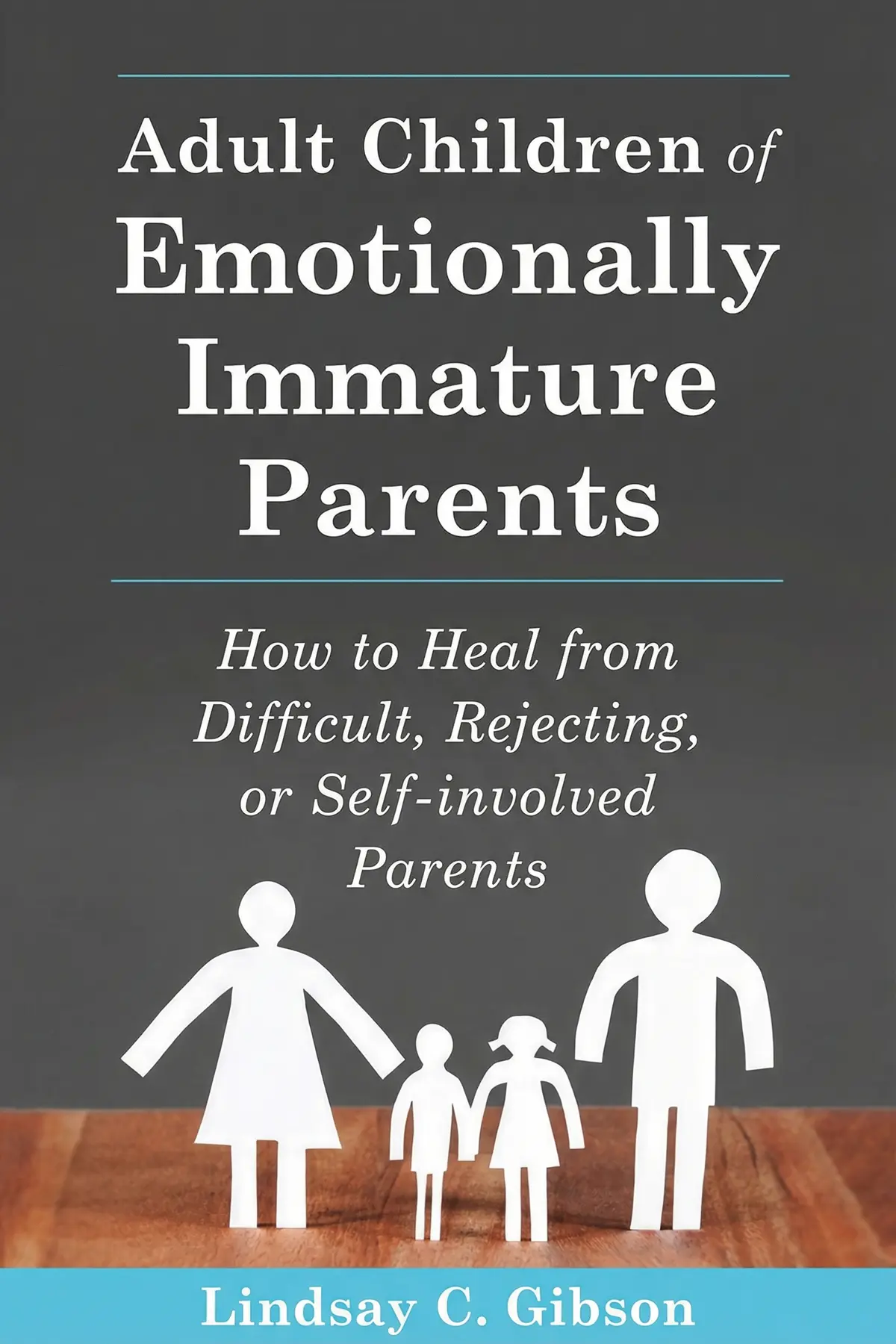
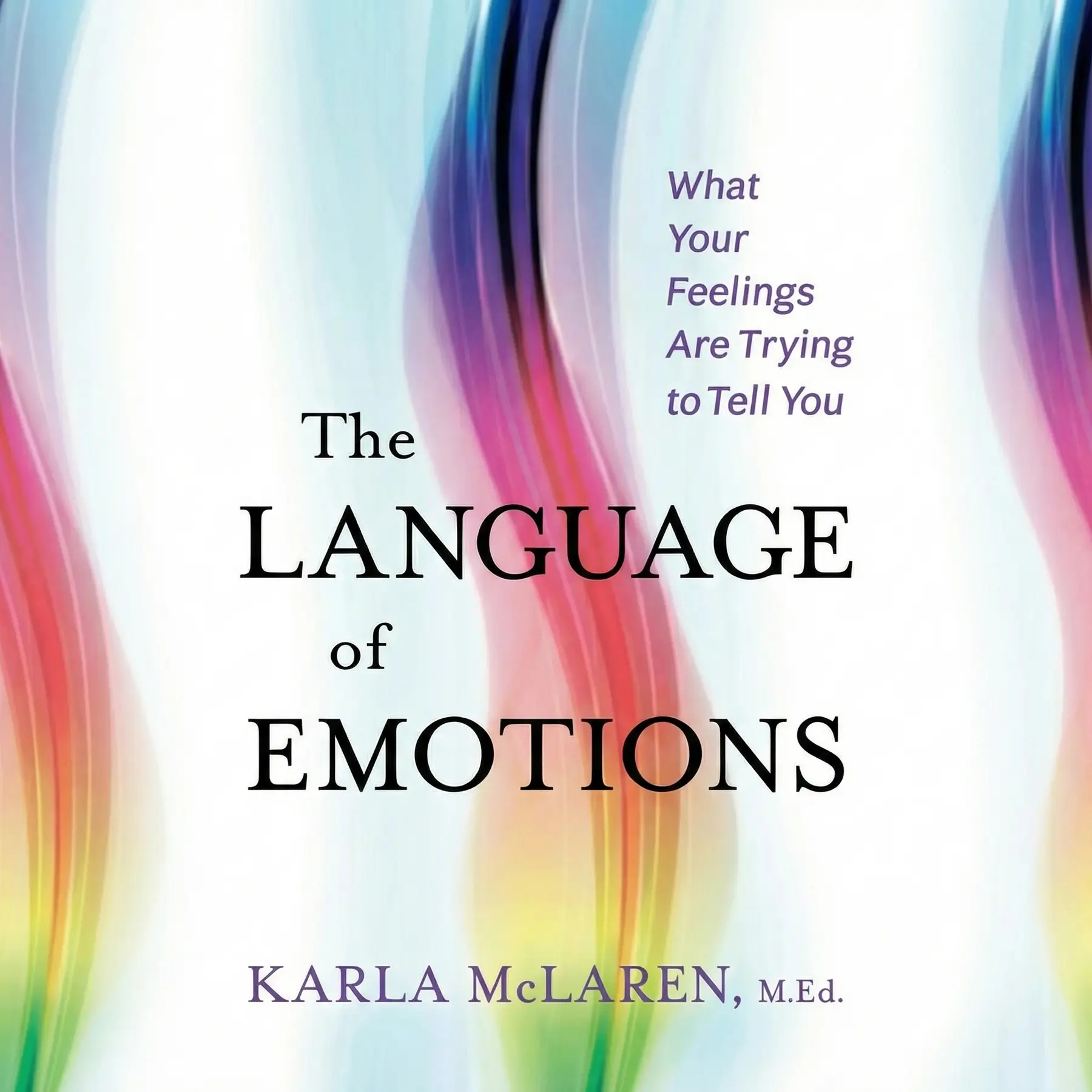
The Language of Emotions: What Your Feelings Are Trying to Tell You
Discover how to unlock the hidden wisdom within your feelings. This guide redefines emotions as vital messengers, providing tools to transform your relationship with anger, fear, and even sadness into a source of strength.
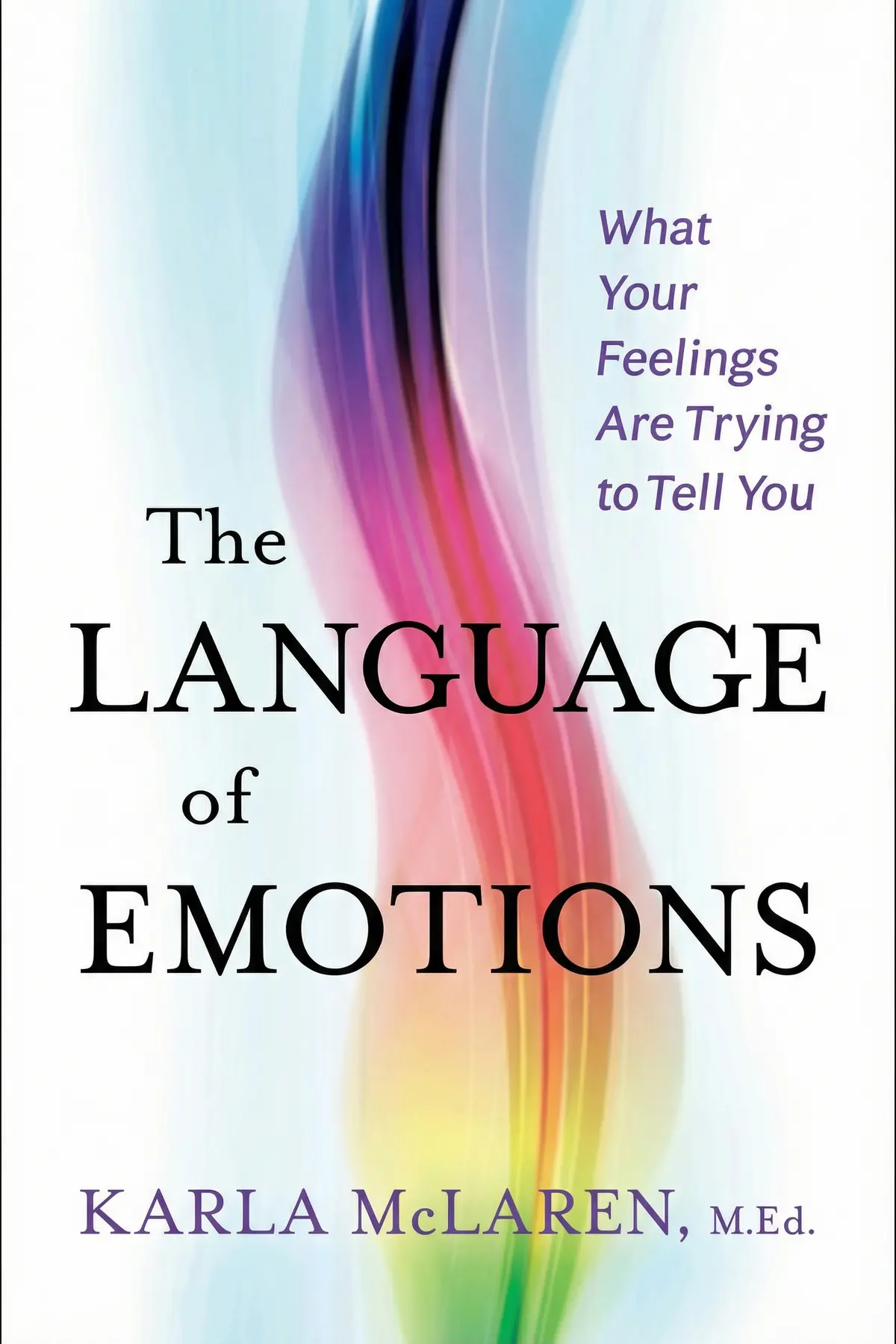
Table of Content
1. Introduction
1 min 28 sec
Imagine your emotions are not just random reactions, but a highly sophisticated guidance system, much like the dashboard of a modern aircraft. Every light that flickers on is telling you something specific about your environment, your safety, or your needs. Yet, for many of us, we’ve been taught to ignore these lights or, worse, to try and smash the bulbs when they signal something uncomfortable like anger or fear. We live in a culture that prioritizes a narrow band of positive feelings, often leaving us ill-equipped to handle the full spectrum of the human experience. This is where we begin our journey into understanding the true nature of our internal world.
In this exploration, we are going to challenge the common assumption that there are such things as “negative” emotions. Instead, we will look at every feeling as a vital messenger with a specific task to perform. When we stop fighting our feelings and start listening to them, we move toward a state of emotional flow. This flow allows us to experience the intensity of life without becoming overwhelmed or stuck. By the end of this summary, you’ll have a new framework for viewing your inner life—not as a chaotic storm to be weathered, but as a rich language to be spoken and understood. We’ll look at how each emotion, from the sharp sting of shame to the heavy weight of grief, serves a purpose in keeping you whole and healthy. This isn’t just about feeling better; it’s about becoming better at feeling, which is a foundational skill for a life of integrity and connection.
2. Emotions as Purposeful Messengers
2 min 12 sec
What if every feeling you have ever tried to push away was actually trying to help you? Discover why labeling emotions as good or bad might be the very thing holding you back.
3. The Protective Power of Anger
1 min 53 sec
Anger is often seen as a destructive force that we should suppress at all costs. But what if its true purpose is to act as your most loyal guardian?
4. Fear as a Source of Intuition
1 min 49 sec
Learn why the flutter in your chest might be more than just nerves. It could be your mind’s way of processing information faster than your conscious thoughts can keep up.
5. The Cleansing Nature of Sadness and Grief
1 min 58 sec
Sadness is often seen as something to fix, but it serves a vital purpose in our internal ecology. Discover why letting go is a prerequisite for moving forward.
6. Guilt and Shame as Guardians of Integrity
1 min 47 sec
These heavy emotions are usually the ones we avoid most, yet they are the very tools that keep our behavior aligned with our deepest values.
7. The Meaning Behind Depression and Apathy
1 min 43 sec
When your emotions seem to shut down entirely, it might not be a failure of your mind. It could be a strategic move to save your life.
8. Cultivating Healthy Empathy
1 min 49 sec
Empathy is often seen as a gift, but without the right tools, it can become a burden. Learn how to connect with others without losing yourself in the process.
9. Moving Toward Emotional Flow
1 min 42 sec
The ultimate goal isn’t to be happy all the time, but to be fluid. Discover the daily practice that can keep your emotional landscape clear and vibrant.
10. Conclusion
1 min 43 sec
As we wrap up our exploration of the hidden intelligence within our feelings, it’s worth reflecting on how much your perspective has shifted. We began by looking at emotions as potential enemies or obstacles to be managed, but we’ve discovered that they are actually our most dedicated allies. Every sensation, from the protective fire of anger to the cool intuition of fear, and even the heavy release of grief, is a part of a sophisticated language designed to keep you safe, integrated, and true to yourself.
The throughline of this journey is simple but profound: your emotions are not the problem; they are the solution. They are the signals that tell you when a boundary has been crossed, when a loss needs to be honored, or when your integrity is at stake. When you stop suppressing these signals and start listening to the wisdom they carry, you reclaim a massive amount of energy that was previously spent on internal conflict. This is the essence of emotional flow—the ability to move through the world with responsiveness rather than reactivity.
Moving forward, the challenge is to treat every emotional surge as a conversation. When a difficult feeling arises, instead of reaching for a distraction, try leaning in. Ask the specific questions we’ve discussed: What needs to be protected? What needs to be released? What action is required? By honoring the messengers, you don’t just solve immediate problems; you build a foundation of deep self-trust. You become the pilot of your own life, guided by an internal dashboard that you finally know how to read. Embracing the language of emotions is the ultimate act of self-empowerment, leading to a life of greater clarity, connection, and authentic peace.
About this book
What is this book about?
Most of us were taught that emotions are either good or bad, something to be celebrated or something to be suppressed. This book flips that script, suggesting that every emotion we experience is a sophisticated piece of internal software designed to help us navigate the world. By treating feelings as messengers rather than enemies, we can unlock a deeper level of self-awareness and personal growth. The promise of this exploration is a state of emotional flow, where you no longer feel overwhelmed by intense sensations but instead understand exactly what they are asking of you. Whether it is the protective boundary of anger or the intuitive alert of fear, each feeling has a specific role in maintaining your wellbeing. By learning the unique language of these emotions, you can transform your internal landscape and build more authentic relationships with those around you.
Book Information
About the Author
Karla McLaren
Karla McLaren is an award-winning author, researcher, and empathy pioneer who has spent decades studying the intersection of emotions, energy, and relationships. Her groundbreaking work includes The Art of Empathy (2013) and The Power of Emotions at Work (2021), which explore the vital role of emotions in human experience and wellbeing. She currently serves as the CEO of Emotion Dynamics LLC and leads the Dynamic Emotional Integration® program while maintaining an active speaking and teaching schedule focused on emotional awareness and healthy empathy.
Ratings & Reviews
Ratings at a glance
What people think
Listeners find that the book delivers a profound comprehension of feelings, and one listener mentions its capacity to mend deep emotional wounds. Beyond that, the well-researched insights are life-altering, with one listener characterizing the work as an incredible manual for life. The text is also accessible, breaking down concepts simply and providing good value. Nevertheless, views on the writing style are split, with some deeming it well-written while others disagree.
Top reviews
Patcharaporn
Ever wonder why you feel so stuck despite years of 'positive thinking' and trying to ignore your darker impulses? This book was a revelation for me because it treats every feeling—even the ones we label as 'negative'—as a source of high-level intelligence. Instead of trying to fix myself, I learned how to listen to what my fear and shame were actually trying to protect. It acts like a manual for life that they should have handed us in kindergarten. The way she describes sadness as a cleansing release that brings you back to your authentic self has completely changed how I process disappointment. To be fair, some chapters are quite heavy and might be triggering for those with deep trauma, but the tools provided are life-changing. I finally feel like I have a map for my internal world.
Show moreSomchai
Picked this up on a whim, and I’m genuinely surprised by how much it has impacted my daily stress levels. The idea that fear is just a 'readiness response' for change helped me stop panicking about being anxious and start looking for what needed my immediate focus. Karla McLaren makes the concepts very accessible for beginners, breaking down complex psychological states into language that feels intuitive rather than academic. I especially loved the 'basket of tools' approach she provides for handling overwhelming moments. Not gonna lie, I skipped the parts about energy work and focused strictly on the emotional definitions, but that didn't diminish the overall value. This book offers incredible value for the price if you're looking to stop fighting your own mind. It’s an essential guide for anyone who feels overwhelmed by their own sensitivity.
Show moreJun
After hearing so many people rave about this manual, I finally dove in and realized I’ve been handling my 'shadow side' all wrong. McLaren teaches you how to welcome the 'whole village' of your psyche, which is such a refreshing departure from the usual self-help obsession with constant happiness. By chasing joy, we often ignore the very emotions that could actually lead us to contentment, like sadness or even healthy hatred. The book explains how crying is a healing balm and how our instincts are often buried under layers of social conditioning. To be honest, I found the esoteric language about 'energy' quite beautiful and helpful for visualizing how feelings move through the body. It is a thick book with a lot of information, but the layout makes it easy to jump around. Truly an amazing resource.
Show moreSomsak
Finally got around to reading this, and it’s honestly one of the most well-studied approaches to emotional intelligence I've ever seen. The way she defines the difference between happiness, contentment, and joy really opened my eyes to why my previous attempts at self-improvement failed. Most people are inauthentic because we’re taught to hide our true feelings by age five, but this book gives you permission to be real again. I loved the specific questions provided for each emotion—they act like a script you can use when you're too overwhelmed to think clearly. Personally, I didn't find the writing quality to be an issue at all; it felt like a warm conversation with a very wise mentor. This is the kind of book you keep on your nightstand and refer back to whenever life gets messy. It is definitely worth the investment for your mental health.
Show moreManika
Can we talk about how revolutionary it is to view fear as a source of intuition rather than something to be conquered? This book turned my worldview upside down by suggesting that our emotions aren't just happening to us, but are tools designed for our survival and growth. The sections on how grief helps us let go of things that aren't working anyway were particularly poignant and helped me through a very rough patch. Truth is, the 'esoteric' bits that some people complain about actually helped me connect with my body in a way that dry medical texts never could. I felt like the author truly understood the struggle of being an empath in a world that values stoicism over sensitivity. It is a life-changing read that I’ve already recommended to three friends who struggle with anxiety. Well done, Karla, for making such a complex topic so accessible and kind.
Show moreChiw
As someone who recently finished a psychology degree, I was shocked at how little we actually discussed the functional purpose of specific emotions in our curriculum. McLaren fills those gaps beautifully by explaining how emotions move information from our instinctive selves to our conscious minds. Her breakdown of anger as a tool for restoration and protection is particularly brilliant and something I wish was taught in every counseling program. My only real gripe is that the writing style is a bit inconsistent. Some sections are incredibly sharp while others feel like listening to a well-meaning friend who takes far too long to get to the point. Despite the occasional rambling, the insights into how we camouflage our feelings to fit into an inauthentic culture are deeply profound. It is a solid resource for anyone wanting to develop true empathy.
Show moreLucia
The chapter on shame alone is worth the price of the book because it distinguishes between the toxic variety and the 'authentic' shame that acts as a healthy moral brake. I've always viewed my sensitivity as a weakness, but this text argues that empathy is a normal human ability we just learn to dampen as children. While the author admits much of the content is based on personal observation rather than rigorous case studies, the logic usually holds up under scrutiny. Some of the energetic metaphors were a bit dense for me, yet the practical questions she suggests asking your emotions are surprisingly effective. For instance, asking my anger 'what must be protected?' has resolved more conflicts in my house than any traditional 'I feel' statements ever did. It’s not a perfect read, but it’s a deeply useful one.
Show moreMai
Wow, I never expected a book to make me feel so much better about being an 'angry' person. McLaren frames anger not as a personal flaw or a destructive force, but as a vital sign that we are caring individuals who intuitively want to restore justice or protect our internal boundaries. This shift in perspective was incredibly healing for me after years of being told to just 'calm down' or think more positively. The text is very easy to read and doesn't require a background in therapy to understand the core messages. However, I did find the absence of a section on loneliness a bit odd given how comprehensive the rest of the book is. Also, the pacing can be a bit sluggish in the middle chapters where she goes off on long tangents. Still, the practical advice is some of the best around.
Show moreYulia
Frankly, I have conflicted feelings about this one because the core message is vital, yet the delivery feels incredibly 'woo-woo' at times. McLaren does an excellent job of reclaiming emotions as messages from our instinctive selves rather than nuisances to be suppressed. However, the heavy reliance on metaphors like 'water' for emotions and 'earth' for physicality made it difficult for a concrete thinker like me to stay engaged. I wanted more clinical data. While the author's insights on anger as a boundary-setter were genuinely transformative for my personal relationships, the rambling anecdotes often buried the primary message in a way that required significant effort to uncover. If you can sift through the flowery language, there is real gold here, but it requires a lot of patience. It is certainly a unique approach compared to standard self-help fare.
Show moreFilm
Look, I really wanted to like this, but I am a very systematic person who prefers clinical evidence over personal anecdotes and New Age metaphors. The author relies heavily on 'squishy' concepts like auras and water elements, which felt more like a spiritual text than a psychological one. I found the lack of peer-reviewed case studies frustrating because it made the advice feel purely subjective rather than universally applicable. Additionally, the writing is quite repetitive; she often circles the same point for pages before providing a practical takeaway. While I agree that suppressing emotions is unhealthy, I found books like 'Emotional Intimacy' to be far more concrete and helpful for my specific learning style. If you enjoy esoteric thought and long-form storytelling, you might love this, but it just wasn't the right fit for my analytical brain.
Show moreFeatured in
Readers also enjoyed
Alcoholics Anonymous
Alcoholics Anonymous World Services
A Liberated Mind: How to Pivot Toward What Matters
Steven C. Hayes
ADHD an A-Z: Figuring It Out Step by Step
Leanne Maskell
AUDIO SUMMARY AVAILABLE
Listen to The Language of Emotions in 15 minutes
Get the key ideas from The Language of Emotions by Karla McLaren, plus 5,000+ more titles in English and Thai.
- 5,000+ titles
- Listen as much as you want
- 7-day free trial
- Cancel anytime







