
A Year with Peter Drucker: 52 Weeks of Coaching for Leadership Effectiveness
Joseph A. Maciariello
Explore how modern leaders can navigate the complexities of the 21st century by balancing data with intuition, managing information overload, and fostering empathy in an increasingly volatile and digital global landscape.
1 min 35 sec
In the modern era, the ground beneath our feet seems to be shifting at an ever-increasing velocity. We find ourselves in a period where the old rules of management and governance are being rewritten by forces that many find difficult to grasp. From the dizzying speed of technological breakthroughs to the complex ripples of the global economy, the environment for leadership has become a lab of constant experimentation and volatility. This summary explores the core themes of the book, providing a guiding light for anyone tasked with steering a team or an organization through these turbulent waters.
At the heart of our exploration is the idea that the traditional methods of leadership—those built on rigid hierarchy and cold data—are no longer sufficient. Today’s leaders face a unique paradox: they have more information than ever before, yet they often feel less certain about the future. They are leading workforces that are more connected but also more distracted and impatient. To succeed in this environment, a leader must develop a new set of sensory tools, learning to listen to the quiet signals in the noise and to value the human element over the mere spreadsheet.
Throughout this discussion, we will trace a throughline of integration. We will see how the most effective leaders are those who can marry the analytical with the creative, the digital with the physical, and the global with the local. By the end of this journey, you will have a clearer understanding of how to foster trust in a cynical world and how to build a resilient, inclusive culture that can withstand the pressures of the twenty-first century. Let’s begin by looking at how our very way of thinking needs to evolve to meet these challenges.
2 min 33 sec
Discover why the most effective leadership solutions often arrive when you aren’t actually looking for them, and how to balance your analytical side with creative insight.
2 min 10 sec
Constant connectivity is a double-edged sword that can lead to shallow decision-making if you don’t learn the art of selective attention.
2 min 15 sec
Economic indicators often paint a rosy picture that misses the mark on the ground; learn how to bridge this gap to earn your team’s trust.
2 min 16 sec
Technology has rewired us to expect everything now, but great leadership still requires the slow build of character and resilience.
2 min 19 sec
Anger is becoming a primary mode of public discourse; learn how to use emotional intelligence to diffuse tension and maintain team cohesion.
2 min 10 sec
As data becomes the most valuable resource on earth, leaders must take responsibility for the ethical and practical consequences of the tech they use.
2 min 26 sec
Hidden biases often prevent half of your talent from contributing fully; learn how to level the playing field for maximum team efficiency.
1 min 37 sec
In this exploration of leadership in the twenty-first century, we have traveled through the internal landscapes of the mind and the vast, digital horizons of our modern world. The central lesson is clear: to lead effectively today is to balance the power of the machine with the wisdom of the human heart. We have seen that while data and logic provide a necessary foundation, they are incomplete without the insights of creativity, the stability of patience, and the warmth of empathy.
The world is not going to slow down, and the complexities we face are only going to grow. However, the leaders who will thrive are those who don’t try to fight the change, but rather position themselves to navigate it with intention. They are the ones who make space for deep thought in a distracted world, who bridge the gap between economic growth and individual well-being, and who ensure that every member of their team has the chance to contribute their best.
As you move forward, the most actionable step you can take is to foster genuine connection within your own sphere of influence. Make a deliberate effort to encourage your team members to get to know one another beyond their professional roles. When people develop real social bonds, they build a reservoir of trust that makes collaboration easier and conflict resolution more natural. These connections are the glue that holds an organization together when the outside world gets loud and angry. By prioritizing the human element, you don’t just become a better manager; you become a true leader, capable of shaping a future that is more inclusive, more innovative, and more resilient. The lab of the twenty-first century is always open, and it is your curiosity and character that will determine the results.
The Leadership Lab addresses the urgent need for a new style of leadership in a world defined by rapid technological shifts, economic disparity, and social unrest. As traditional power structures face unprecedented challenges, authors Chris Lewis and Pippa Malmgren provide a roadmap for navigating this uncertainty. The book explores the psychological and systemic hurdles that modern leaders face, from the distractions of a 24/7 digital environment to the growing disconnect between global economic figures and the lived experiences of individuals. Readers are promised a deep dive into the strategies required to regain trust and drive efficiency. By blending insights from neuroscience, economics, and communication theory, the text demonstrates why the leaders of tomorrow must move beyond mere analytical logic. The promise of the book is to transform the way you perceive authority, encouraging a move toward a more holistic, empathetic, and patient approach. It provides the tools necessary to bridge the gap between technological advancement and human connection, ensuring that leadership remains relevant and effective in an era of constant change.
Chris Lewis is a distinguished communications specialist and the founder of the Lewis Advisory Board, a prominent PR and communication agency. His extensive career includes media coaching for high-profile politicians, business figures, and celebrities. A frequent contributor to major publications like the Financial Times and the Guardian, he also wrote the nonfiction bestseller Too Fast To Think. Dr. Pippa Malmgren is an acclaimed economic analyst and trend-spotter who has served as an advisor to government leaders and global investors. Her expertise has been highlighted by the BBC, Bloomberg, and the Economist, and she is the author of the influential book Signals.
Listeners find *The Leadership Lab* to be a stimulating guide that successfully navigates the difficulties of managing in a high-speed, technology-driven environment. While perspectives differ on the book’s habit of posing deep inquiries over delivering definitive solutions, listeners value its focus on lateral thinking and cultivating a "whole-brain" organizational culture. Additionally, they appreciate the commentary on gender balance and strategic framing, with one listener pointing out the book's striking observation that patience is one of the "great unnoticed casualties" of the modern era. The text is also commended for debunking obsolete management theories and urging leaders to emphasize emotional intelligence alongside situational awareness.
Wow. This book hit me exactly where I am in my career right now, especially the sections on 'whole-brain' thinking. Lewis and Malmgren argue that our modern reliance on cold, analytical data is actually blinding us to the bigger picture. It’s a refreshing take that prioritizes creativity and situational awareness over the usual corporate metrics. While it doesn't offer a simple checklist for success, the questions it asks are vital for anyone trying to navigate the 21st-century's chaotic shifts. I loved the deep dive into how technology influences our social relationships and our sense of time. If you’re tired of 19th-century mindsets in your 21st-century office, this is essential reading. It encourages leaders to prioritize emotional intelligence and leading with values, which is exactly what we need right now.
Show moreThe chapter on gender balance and masculine/feminine framing was a total revelation for me. It’s not just about diversity quotas; it’s about balancing strategy, operations, and organizational psychology in a way that most 'bro-culture' tech startups completely ignore. Lewis and Malmgren argue for a necessary shift in how we frame power and thinking. The book is incredibly thought-provoking and pushed me to revisit how I interact with my team. It’s a 5-star resource for anyone who feels like the old rulebook no longer applies. The emphasis on 'tech for good' and the idea that culture eats strategy is exactly what the leadership industry needs right now. I'll definitely be revisiting the Kythera model tensions one by one.
Show moreEver wonder why your boss seems stuck in the 1800s? The authors address this disconnect head-on, explaining how modern leadership requires a total evolution of the mind to keep up with the fourth industrial revolution. I was particularly drawn to the Kythera model and the eight tensions; it’s a clever heuristic that helps map out the light and dark sides of rapid change. Truth is, we are living through a technological upheaval and most of us are fundamentally unprepared. The book does lean heavily into anecdotes in the data section, which might annoy those looking for hard, left-brained analysis. Still, the insights on mental discipline and values-led leadership are top-tier. It makes you think deeply about your own 'thinking culture' and how you join the dots.
Show morePicked this up because I wanted to understand how technology is eroding our collective patience. The authors’ observation that patience is one of the 'great unnoticed casualties' of the 21st century resonated with me on a personal level. In a world of instant gratification and constant connectivity, mental discipline becomes a competitive advantage for any leader. The book challenges the linear thinking that failed us in the past and encourages a more lateral, imaginative approach to problem-solving. I found the sections on geopolitical influences quite dense, though they are necessary for a 'whole-brain' understanding of the world. It’s a solid blueprint for future entrepreneurs who want to lead with sensitivity and intelligence while navigating a technology-saturated world.
Show moreAs someone who's spent years in tech startups, I really appreciated the focus on lateral thinking and building a 'whole-brain' organizational culture. The book is a stark reminder that we can’t just extrapolate the past to predict the future—that’s how we get blindsided by the next 9/11-style event. The authors highlight the importance of surrounding yourself with people more intelligent than you, which is a lesson many egos in the C-suite desperately need to hear. There’s a lot of food for thought regarding how technology affects our relationships and mental discipline. My only gripe is that the pacing can be a bit uneven in the middle chapters when they dive into data overload. Overall, it’s a vital read for the modern era.
Show moreFinally got around to reading Lewis and Malmgren's work, and the emphasis on imagination over linear extrapolation is incredibly timely. They use the response to historical crises as a powerful example of how we often fail to see what’s coming because we’re too focused on reductive thinking. This book is a deep dive into the 21st-century mindset, forcing you to join the dots between politics, tech, and human psychology. I especially liked the discussion on situational awareness and the role leaders play in the political arena. It’s a challenging read that asks you to be an active participant in change rather than just a passive observer. It definitely made me rethink my approach to information consumption and how I lead my organization.
Show moreIn my experience, leadership books often feel like recycled platitudes, but this one actually challenges the existing power structures. The idea that political leaders are now emerging from business and show business is a fascinating observation that changes how we view modern career paths. The authors push for a type of leadership that is both inclusive and highly informed about global trends. While some of the sections on tech currencies felt a bit like a detour, the core message about leading with values and emotional intelligence is strong. It’s an inspiring text that encourages the next generation to build with intelligence and sensitivity to the world around them. A very solid 4-star effort for its breadth of vision and willingness to tackle difficult questions.
Show moreThe Leadership Lab is more of a philosophical inquiry than a step-by-step manual. While the authors do an excellent job identifying the massive information overload we face, they seem more interested in provoking debate than giving straight answers. Frankly, I felt a bit lost regarding who the intended audience was—is this for a CEO, a policy maker, or a local politician? The discussion on tech currencies like Bitcoin was interesting but felt slightly detached from the core leadership themes. It's a well-researched piece, and the thoughts it provokes are certainly worth considering. However, the lack of a clear 'how-to' guide might frustrate readers who want immediate application. It's worth a read for the perspective shift alone, even if it leaves you with more questions than you started with.
Show moreTo be fair, the authors clearly know their stuff when it comes to the geopolitical landscape and economic policy. The book covers everything from government influences to the social impact of the internet. However, I found the tech and data sections to be a bit cluttered with too many anecdotes that didn't always land. I would have preferred more specific analysis of industries that are currently failing to adapt. The writing style is engaging, but it often circles back to the same themes of change without moving toward a concrete resolution. It’s a 3-star read for me because while the 'aha' moments are definitely there, they are sometimes buried under generalities. It serves better as a conversation starter for a management team than as a definitive guide.
Show moreI found this book incredibly frustrating because it raises massive, complex questions but stops short of providing actionable solutions. Look, I understand that the world is changing and that leaders need to be more 'lateral,' but after 200 pages, I still don't have a clear path forward. The authors catalog the shortfalls of current leadership brilliantly, yet they offer very little in terms of practical tools for the average manager. The focus on Bitcoin as a counter to inflation felt out of place and a bit distracting from the main thesis. If you enjoy academic debates and high-level theory, you might like this, but if you want a practical leadership guide, look elsewhere. It's too abstract for my taste and lacks a cohesive target audience.
Show moreJoseph A. Maciariello
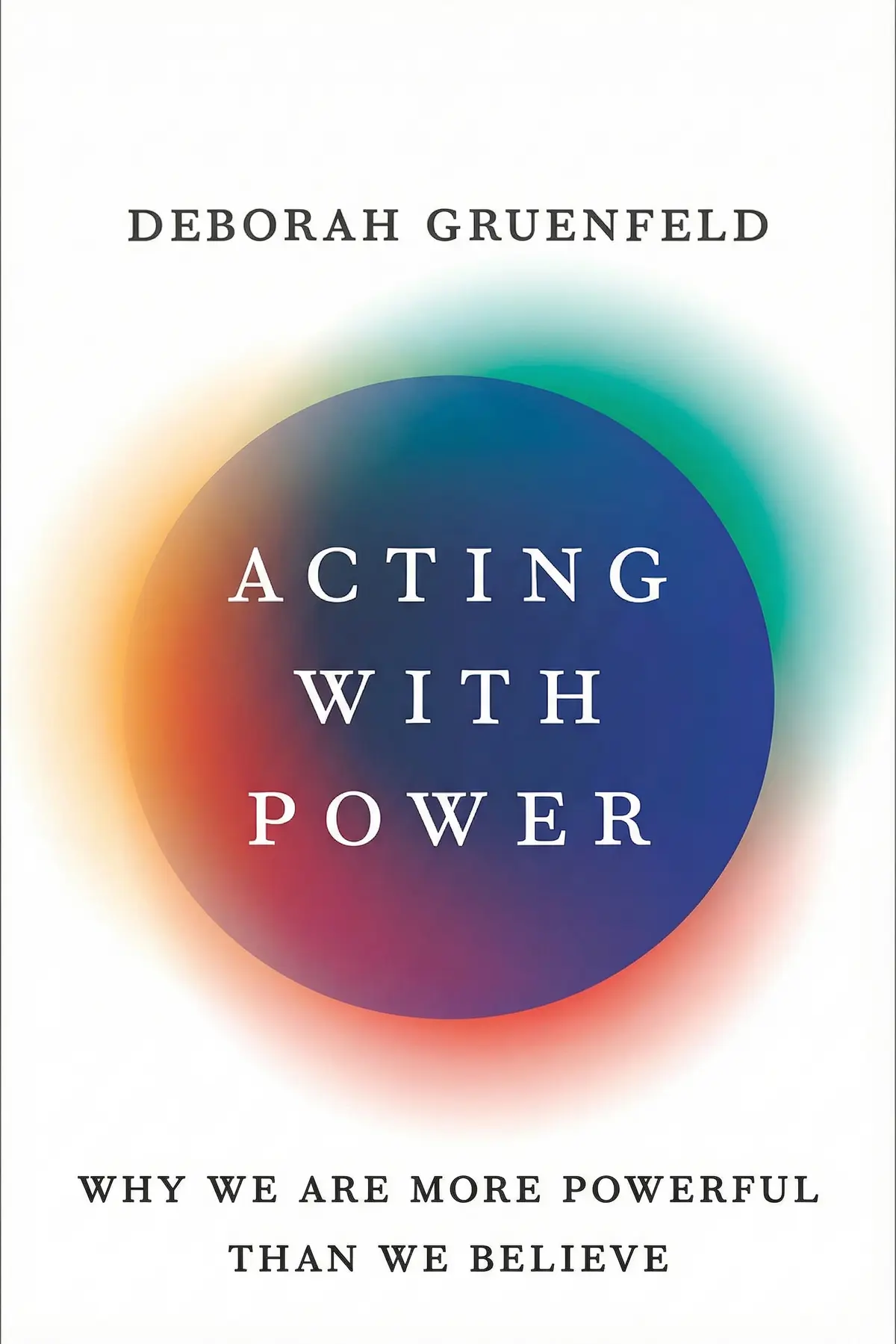
Deborah Gruenfeld
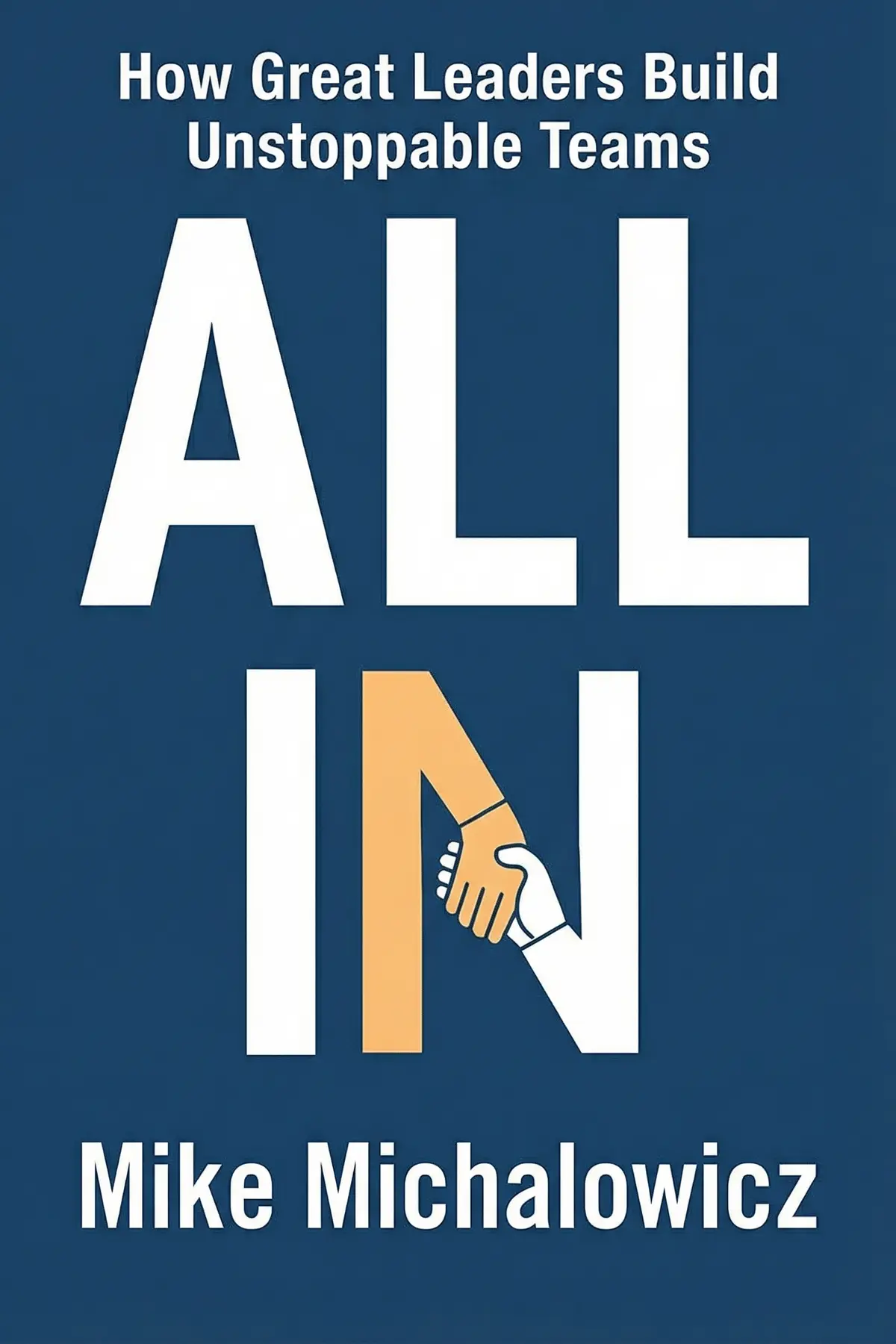
Mike Michalowicz
Hamilton Helmer

Margaret Heffernan
AUDIO SUMMARY AVAILABLE
Get the key ideas from The Leadership Lab by Chris Lewis, plus 5,000+ more titles in English and Thai.







