
16 min 40 sec
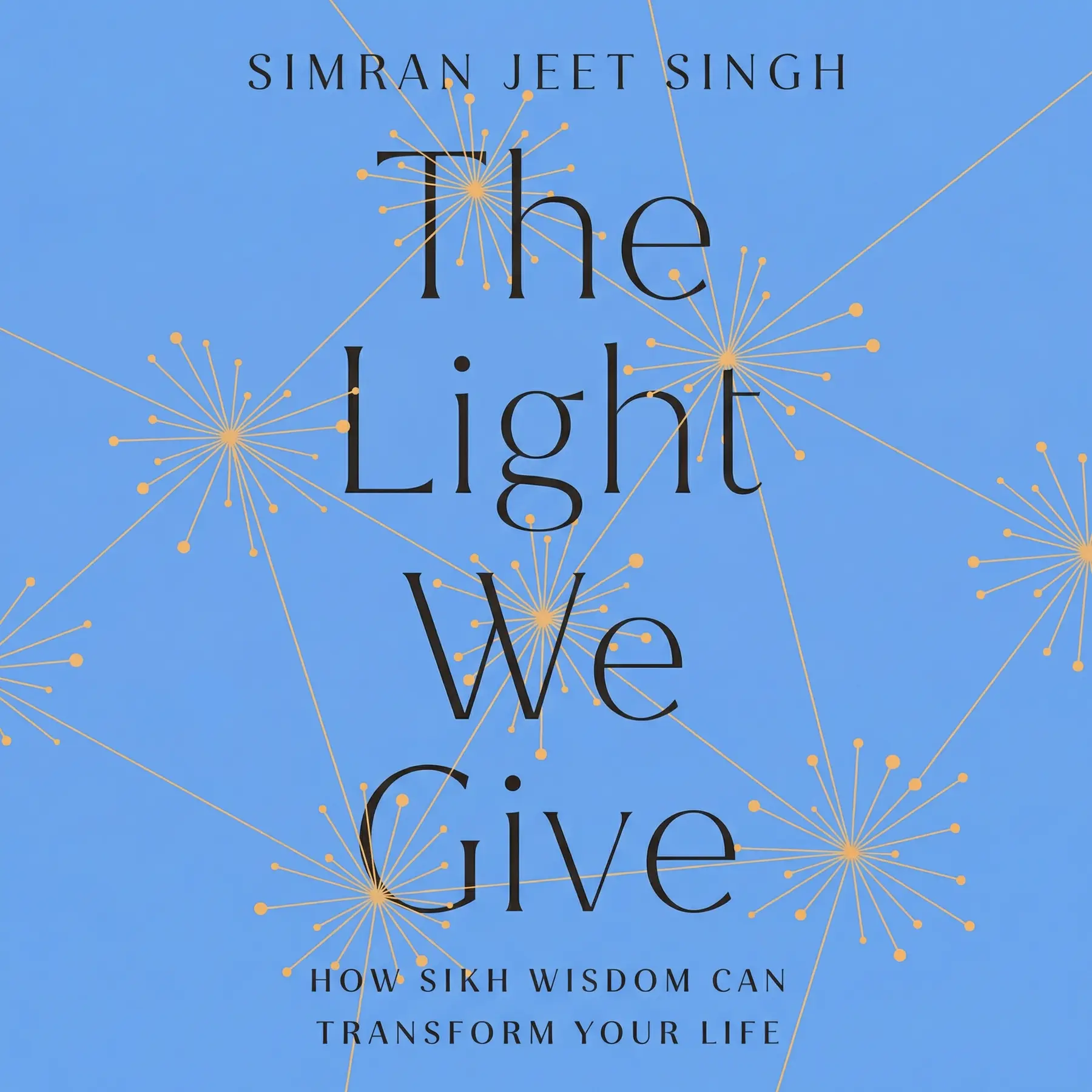
The Light We Give: How Sikh Wisdom Can Transform Your Life
The Light We Give presents a path to finding peace and purpose through Sikh wisdom. Discover how empathy, service, and a shift in perspective can transform personal struggles into a life of joy.
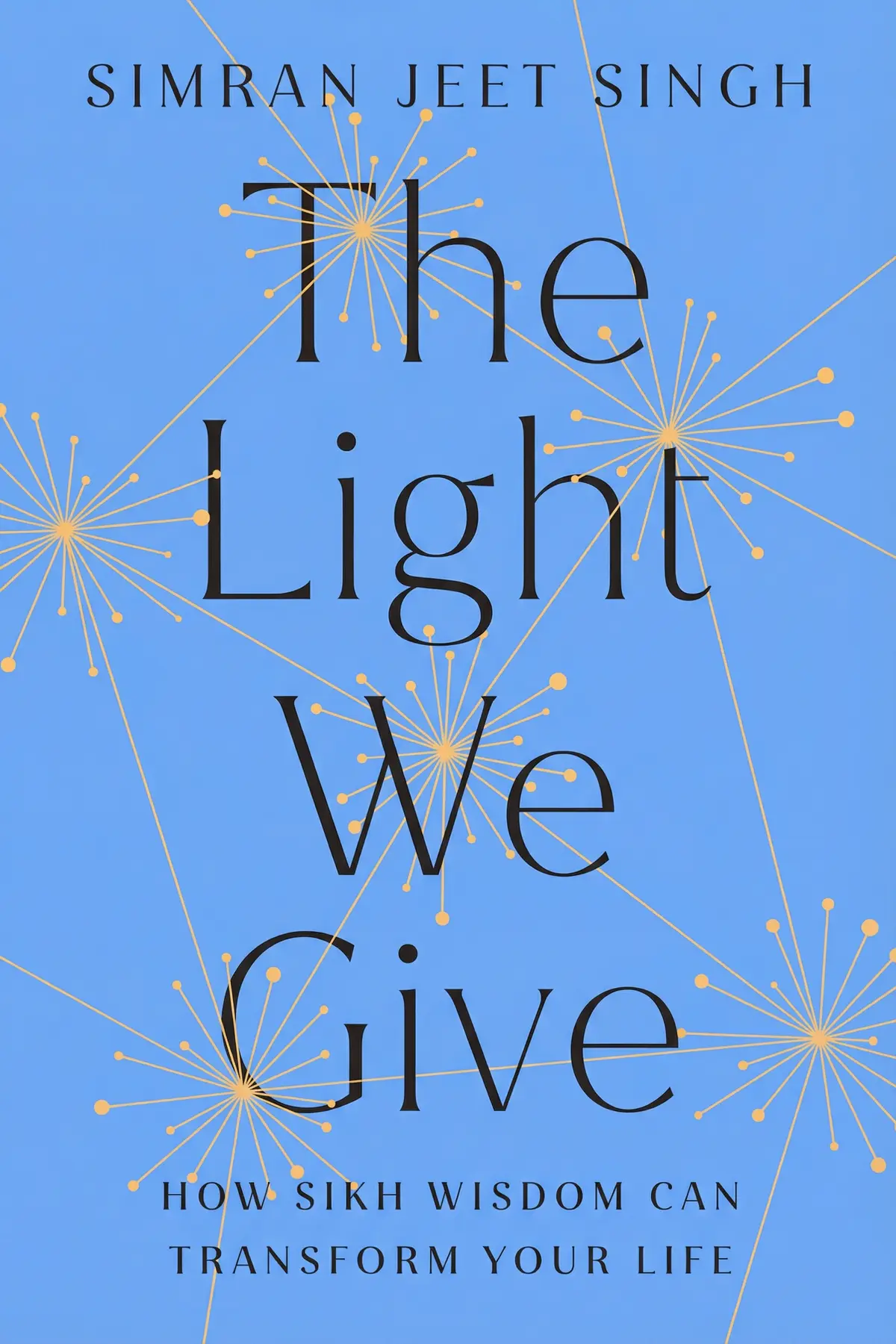
Table of Content
1. Introduction
1 min 41 sec
In our modern world, it often feels like we are living through a perpetual storm. Between the constant cycle of the news, the lingering shadows of global health crises, and the ongoing struggles for equality, the weight of the world can feel nearly unbearable. It’s easy to retreat into ourselves, to let fear dictate our choices, and to feel a sense of profound isolation. But what if the very things that cause us pain could become the catalysts for our transformation? What if the turbulence of the world wasn’t a barrier to happiness, but the path toward it?
This is the core exploration of the journey we are about to take. We are diving into a well of wisdom that has sustained people through centuries of hardship: the principles of the Sikh faith. Through the lens of an individual navigating the complexities of modern American life, we’ll see how these ancient ideas are more relevant than ever. We’re going to explore a way of being that doesn’t ask you to ignore the darkness, but rather teaches you how to carry a light within it.
This isn’t just a set of religious doctrines; it’s a practical framework for living with a sense of radical empathy and interconnectedness. We will look at how changing our internal lens can reshape our external reality, how confronting our own biases can lead to unexpected connections, and why the simple act of serving others is the most direct route to a sense of personal abundance. By the end of this journey, the goal is to see the world not as a series of threats to be avoided, but as a community to be embraced and served. Let’s begin by looking at how our perspective on the world is often formed in the moments of our greatest vulnerability.
2. The Power of Perspective in Times of Crisis
2 min 40 sec
When external circumstances change overnight, our internal response dictates our future. Discover how a locked door and a shift in national mood became a lesson in choosing wisdom over fear.
3. Breaking the Cycle of Bias Through Curiosity
2 min 59 sec
We all carry hidden judgments that color our interactions. Learn how asking ‘why’ instead of reacting with ‘how could they’ can unlock a deeper sense of compassion and connection.
4. Choosing to See the Light in Everyone
2 min 40 sec
Even in the wake of unspeakable tragedy, there is a choice to be made. Discover the radical spiritual practice of humanizing those who cause harm and finding hope in the survivors.
5. The Infinite Reward of Selfless Service
2 min 38 sec
Activism isn’t just about what we do; it’s about the spirit in which we do it. Explore how quiet acts of service during a pandemic revealed the true nature of abundance.
6. The Healing Power of the Outsider’s Perspective
2 min 33 sec
How would an alien scientist describe your daily habits? Use this unique mental exercise to align your life with your deepest values and find self-compassion.
7. Conclusion
1 min 29 sec
The journey through Sikh wisdom brings us to a simple but profound conclusion: the quality of our lives is determined not by our circumstances, but by the spirit we bring to them. We have explored how a change in perspective can turn a moment of terror into a path toward wisdom, and how replacing judgment with curiosity can dissolve the barriers of bias. We’ve seen that even in the face of deep tragedy, choosing to honor the humanity in everyone—including our enemies—is the only way to truly break the cycle of hate.
Furthermore, we’ve learned that the most direct route to a life of abundance is through selfless service, and that by observing ourselves with the humility of an outsider, we can begin to align our daily actions with our deepest values. This is not a journey that ends; it is a daily practice of choosing light over darkness, love over fear, and connection over isolation.
As you move back into your daily life, remember that you carry the capacity to transform your world. You can start small: the next time you feel a surge of judgment, try to replace it with a question. The next time you feel overwhelmed by the news, look for the ‘helpers’ and the stories of resilience. Find one small way to serve someone else today without any expectation of reward. By consistently practicing these simple principles, you contribute to a more compassionate and interconnected world. The light you give is not just for others; it is the very light that will illuminate your own path to a meaningful and joyful life.
About this book
What is this book about?
In an era defined by global instability and personal anxiety, Simran Jeet Singh offers a refreshing approach to resilience. Drawing from the deep wells of Sikh tradition, the book explores how we can navigate a world often filled with prejudice and pain without losing our capacity for love and connection. Through personal narratives spanning from the aftermath of 9/11 to the challenges of the COVID-19 pandemic, Singh demonstrates that spiritual growth is not about escaping reality, but about engaging with it more deeply. Readers are promised a journey toward authentic happiness by learning to see the inherent humanity in everyone, confronting their own hidden biases, and embracing the power of selfless service. It is a guide for anyone looking to turn the darkness of the world into a source of enduring light.
Book Information
About the Author
Simran Jeet Singh
Simran Jeet Singh is a widely published author and a leading voice on religion and equity. He serves as a visiting professor of history and religion at Union Theological Seminary in New York and is the executive director for the Religion & Society Program at the Aspen Institute.
Ratings & Reviews
Ratings at a glance
What people think
Listeners find this book to be highly enlightening, with one mentioning how it clarifies fundamental ideas from Sikh traditions. The writing style is also widely praised; one listener depicts it as a masterfully composed biographical narrative. Furthermore, they value its clear and approachable nature, with one review emphasizing that it acts as a wonderful reflection on a life lived with intentionality. The storytelling and motivational power of the work earn positive feedback, as one listener notes its effectiveness in sharing crucial values, while another explains how it helps open both minds and hearts with love.
Top reviews
Araya
Simran Jeet Singh has written something truly special here, blending a vulnerable memoir with profound spiritual insights that feel desperately needed today. Growing up as a turban-wearing Sikh in South Texas, the author faced relentless bullying and systemic ignorance, yet he emerged with a heart full of compassion rather than bitterness. I was particularly moved by his reflections on the Oak Creek shooting; his ability to seek the humanity in a white supremacist shooter is a level of grace I can barely fathom. The concept of 'sevā' or selfless service is explained so beautifully that it made me reconsider my own daily interactions with strangers. It is rare to find a book that is both an academic-level exploration of faith and a deeply personal story of resilience. The prose is accessible and the tone is incredibly inviting, making it feel like a long conversation with a wise friend. Truth is, this book isn't just for people interested in Sikhism; it’s for anyone trying to navigate a divided world without losing their soul.
Show moreFatou
Wow. This book is a gut-punch of kindness that totally reframed how I think about my own anger and frustrations. Singh uses his life story to show us that love isn’t just a feeling; it is a rigorous, daily practice that requires guts. I was captivated by the way he handled the aftermath of 9/11, watching his family’s sense of safety vanish while they simultaneously received support from their local community. His writing style is remarkably fluid, moving from the streets of NYC to the history of Sikh persecution with ease and grace. Frankly, the chapter on gratitude was a game-changer for me because it didn't just tell me to be thankful—it showed me how to find light in the darkest corners. This is an essential read for anyone feeling burnt out by the current state of the world. It’s a defiant, beautiful flame of hope that I didn't know I needed until I started reading.
Show moreWeera
Finally got around to reading this, and it is easily one of my favorite memoirs of the year because of its sheer vulnerability. Singh manages to take the heavy subjects of racism, violence, and isolation and turn them into a roadmap for a more joyful existence. I keep thinking about his 'alien scientist' exercise, which forces you to look at your daily habits from an objective, outside perspective. It’s a simple tool, but it revealed so many contradictions in how I claim to value my time versus how I actually spend it. The book feels like a manual for being a better human being in an age of digital noise and constant outrage. Singh’s voice is calm, measured, and profoundly compassionate, even when he is recounting the most painful moments of his life. Not gonna lie, I cried a little during the section about the Oak Creek survivors. It’s a powerful testament to the human spirit.
Show moreTern
Ever wonder how to maintain your humanity in a world that often feels designed to strip it away? This book provides as close to an answer as I’ve ever found. Singh’s journey toward wisdom isn’t presented as a straight line, but as a series of difficult choices and daily practices. I loved the focus on 'radical honesty' and the courage it takes to look within and confront our own unconscious biases. The stories from the early days of the pandemic in NYC were particularly poignant, highlighting how service to others can actually be a form of self-healing. Every page feels infused with a genuine desire to make the world a bit brighter for everyone, regardless of their background or beliefs. It’s a beautifully written combination of autobiography and spiritual guide that feels both timeless and urgent. I’ve already bought three copies to give to friends who are struggling with the current political climate. Truly enlightening.
Show morePatcharaporn
As someone who didn't know much about the Sikh faith before picking this up, I found the memoir sections particularly eye-opening and educational. Singh describes his experiences at the airport and on the soccer field in San Antonio with a mix of humor and radical honesty that highlights the exhaustion of constant vigilance. I appreciated how he broke down complex concepts like 'oneness' without watering them down or making them feel like tired self-help clichés. To be fair, there were a few sections in the middle where the philosophical musings felt a bit repetitive compared to the vivid storytelling of his childhood. However, his perspective on the NYC lockdown and his wife’s role as a doctor provided a gritty, modern context to these ancient principles. It’s a solid read that challenged my internal biases and made me look at my neighbors with a bit more curiosity. I’ll be thinking about the 'alien observer' exercise for a long time.
Show moreTanawan
After hearing Singh speak at a literary festival, I knew his book would be insightful, but I didn’t expect it to be so deeply and uncomfortably personal. He doesn’t shy away from his own moments of doubt or his struggle to maintain his principles when faced with blatant bigotry. The way he describes the 'turbaned terrorist' stereotype cemented after 9/11 explains so much about the American psyche during that era. Personally, I loved the specific details about his childhood in San Antonio, which grounded the loftier religious concepts in something tangible and relatable. The book serves as a wonderful introduction to Sikhism, but more importantly, it functions as a mirror for the reader's own prejudices. My only minor gripe is that some of the 'simple principles' felt a bit easier said than done in the heat of the moment. Regardless, the writing is gorgeous and the stories are unforgettable.
Show moreFelix
The chapter on gratitude really hit home for me, especially as someone who often struggles to see the silver lining in stressful situations. Singh’s approach to life is centered on the idea that we can’t control what happens to us, but we can absolutely control our internal response. I was fascinated by the story of his birthday gifts—keeping only two and giving the rest away—as a way to teach children about abundance and service. It’s a radical way of living that feels completely at odds with our modern consumerist culture, yet it makes so much sense. To be honest, I think the book is most successful when it stays close to these personal family traditions. The academic sections are interesting, but the heart of the book lies in Singh’s lived experience as an 'outsider' in his own country. It’s a quick read but one that requires you to slow down and reflect on your own character.
Show moreGoy
Singh masterfully weaves his personal history with centuries-old Sikh wisdom without it ever feeling like a dry history lesson or a lecture. I was particularly struck by the anecdotes from his time on the soccer field, where his identity was both a target for hate and a source of strength. These everyday interactions appear exhausting, yet his response—rooted in humor and patience—is genuinely admirable. The book does a fantastic job of explaining why the turban is such a significant symbol of integrity and commitment for him. It’s also an invitation to remember events like the Oak Creek massacre, which many of us might have forgotten in the fast-paced news cycle. The writing is clear and the sentiment is sincere throughout. While some might find the optimism a bit overwhelming, I think it’s a necessary antidote to the cynicism we see every day. It definitely opened my mind to a different way of being.
Show morePrayoon
While the message of unconditional love is powerful and timely, the pacing of the book felt a bit uneven for my personal taste. Singh is clearly a brilliant thinker and his stories of facing racism in Texas are genuinely heartbreaking and well-told. That said, I found some of the transitions between his personal anecdotes and the religious teachings to be a little abrupt at times. Look, the advice is solid—choosing optimism is a noble goal—but occasionally it felt slightly idealistic given the harsh realities he describes. I wanted more of the raw memoir and perhaps a bit less of the instructional tone that crept into the later chapters. It’s definitely a valuable addition to any library, especially for the cultural representation, but I struggled to stay fully engaged during the more abstract sections. Still, his sincerity is undeniable, and his narration of the audiobook version adds a layer of authenticity that I really appreciated.
Show moreGai
To be fair, I struggled with the blend of memoir and self-help advice in this particular volume. I think Simran Jeet Singh has an incredible story to tell, and his experiences with racism in the South are vital for people to hear and understand. However, the 'how-to' aspect of the book felt a little repetitive by the halfway point, as if the same three or four points were being hammered home in different ways. I admire his commitment to seeing the light in everyone, but as a reader, I wanted a deeper dive into the historical nuances of the Sikh faith rather than the simplified principles presented here. It’s a very accessible book, which is great for a wide audience, but I found myself wanting more grit and less polish. That said, it is a very kind-hearted book with a message that is hard to argue with. It’s worth a read, just don’t expect a dense theological treatise.
Show moreReaders also enjoyed

A Guide to the Good Life: The Ancient Art of Stoic Joy
William B. Irvine

A High-Performing Mind: Strengthen Your Mind and Live Your Best Life
Andrew D. Thompson
Abundance: The Inner Path to Wealth
Deepak Chopra
A Force for Good: The Dalai Lama's Vision for Our World
Daniel Goleman
AUDIO SUMMARY AVAILABLE
Listen to The Light We Give in 15 minutes
Get the key ideas from The Light We Give by Simran Jeet Singh, plus 5,000+ more titles in English and Thai.
- 5,000+ titles
- Listen as much as you want
- 7-day free trial
- Cancel anytime







