
16 min 36 sec
The Little Book of Talent: 52 Tips for Improving Your Skills
By Daniel Coyle
Discover a practical roadmap for skill acquisition that moves beyond the myth of innate talent. This guide offers fifty-two actionable strategies rooted in neuroscience to help you master any complex ability.
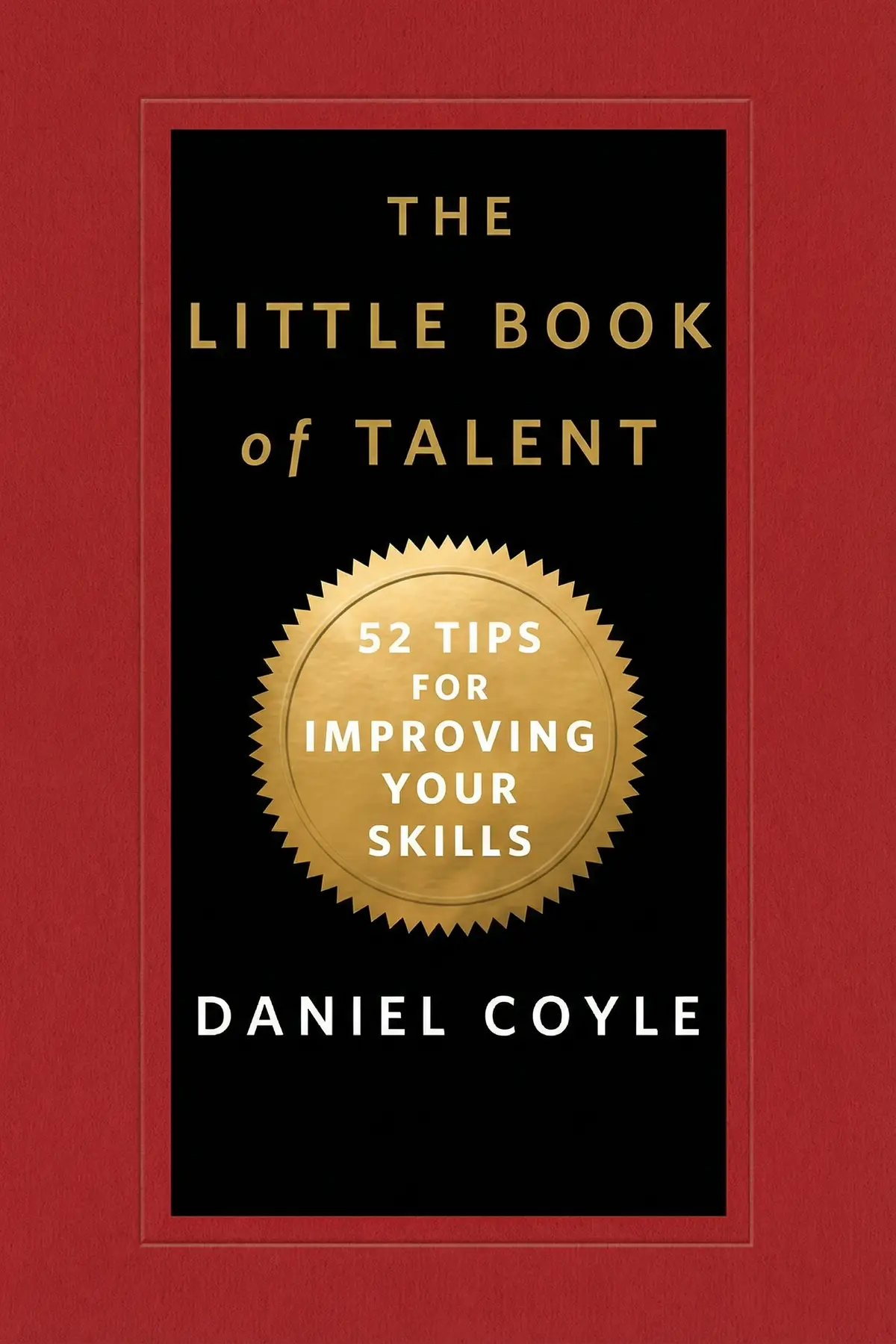
Table of Content
1. Introduction
1 min 59 sec
Imagine for a moment that everything you’ve been told about talent is wrong. For generations, we’ve looked at virtuoso violinists, Olympic sprinters, and world-class chess players with a sense of quiet resignation, assuming they possess some magical genetic spark that we simply lacked at birth. We call them ‘naturals,’ and in doing so, we give ourselves a convenient excuse to stay exactly where we are. But what if talent isn’t a gift you inherit, but a skill you build, brick by painstaking brick?
This is the revolutionary premise we are exploring today. In the following segments, we’re going to dismantle the myth of the ‘natural’ and replace it with a blueprint for excellence. We are looking at a system of fifty-two specific, actionable strategies designed to transform raw potential into elite performance. This isn’t just about working harder; it’s about working in a way that aligns with how your brain is actually wired to learn.
Over the course of this summary, we will walk through the essential stages of skill development. We’ll start by looking at how to ignite your motivation by finding the right heroes to emulate. Then, we’ll dive into the architecture of talent, distinguishing between the rigid foundations of ‘hard skills’ and the creative flexibility of ‘soft skills.’ We will explore the ‘Sweet Spot’ of practice—that uncomfortable, high-focus zone where the most significant growth happens. Finally, we’ll look at the psychological tools, from visualization to teaching others, that ensure your progress doesn’t just peak and plateau, but continues for a lifetime.
The throughline of our journey today is simple but profound: Greatness is a process, not a destination. It is the result of small, deliberate actions repeated over time with a specific kind of focus. By the end of this session, you won’t just understand the science of talent—you’ll have a toolkit to start building it in yourself, starting today.
2. Igniting Motivation through Observation
2 min 33 sec
How can looking at a hero change your biology? Learn why finding role models and studying their every move is the essential first step to mastery.
3. Building the Foundation of Hard Skills
2 min 42 sec
Every masterpiece is built on a bedrock of precision. Discover the difference between hard and soft skills and why you must master the basics first.
4. The Power of Deep Practice and the Sweet Spot
2 min 36 sec
Are you just going through the motions? Find out why the most effective practice feels difficult and how to find your optimal learning zone.
5. Psychological Tools for Long-Term Growth
2 min 23 sec
Patience is a biological requirement, not just a virtue. Explore the 8-week rule and the mental framing techniques that fuel elite performance.
6. Breaking Plateaus and Deepening Mastery
2 min 22 sec
Stuck in a rut? Discover how to re-engage your brain and why the best way to truly master a skill is to give it away.
7. Conclusion
2 min 01 sec
As we wrap up our look at the mechanics of talent, it’s worth returning to that initial idea: talent is not a mysterious gift, but a deliberate construction. We’ve seen that the path to excellence starts with finding the right sparks of inspiration and meticulously engraving the ‘shape’ of success in our minds. We’ve learned that the foundation of any great work lies in the high-precision world of hard skills, and that the only way to truly grow is to spend time in the ‘Sweet Spot’—that uncomfortable, high-focus zone where mistakes become our most valuable teachers.
We’ve also explored the psychological side of the equation, recognizing that our brains need time—at least eight weeks—to physically rewire themselves, and that positive framing and visualization can act as powerful accelerators for that process. And finally, we saw that mastery is never static. To keep growing, we must constantly disrupt our own comfort and look for opportunities to teach others, deepening our own understanding in the process.
The throughline here is one of empowerment. If talent is built, not born, then the only thing standing between you and mastery is the willingness to follow the process. It doesn’t require hours of grueling labor every single day. In fact, one of the most actionable pieces of advice is to start small. Five minutes of deep, focused practice every single day is infinitely more effective than a five-hour marathon once a week. Your brain grows in small increments, and by showing up daily, you are keeping those neurological pathways active and growing.
So, as you step away from this summary, identify one skill you’ve always wanted to develop. Find a role model, identify a single ‘hard skill’ chunk you can work on, and commit to five minutes of Sweet Spot practice today. Treat it like a game, embrace the mistakes, and trust the process. Greatness isn’t a destination reached by a lucky few; it’s a series of small, intentional steps that anyone can choose to take.
About this book
What is this book about?
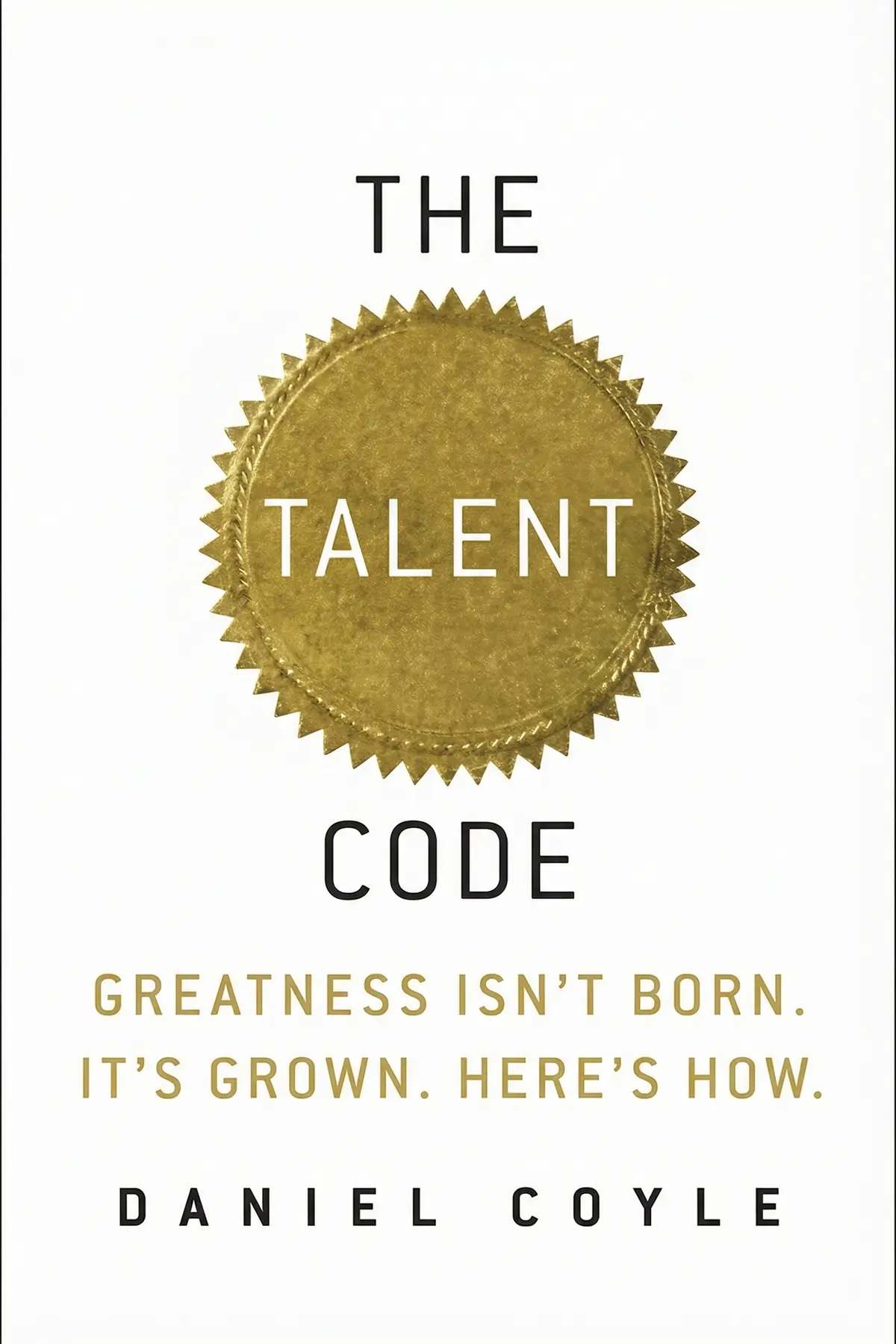
The Little Book of Talent challenges the traditional belief that high-level skills are something people are simply born with. Instead, it presents talent as a deliberate construction built through specific behaviors, mindsets, and neurological pathways. The book provides a collection of fifty-two concise, evidence-based tips designed to bridge the gap between where you are now and where you want to be. By exploring the science of how our brains actually learn, the narrative promises to demystify greatness. It covers everything from finding the right inspiration to the mechanics of deep practice and the psychological resilience needed to sustain long-term growth. Whether you are an athlete, an artist, or a professional, this summary explains how to optimize your practice sessions, refine your foundational techniques, and eventually reach a level of mastery that once seemed out of reach.
Book Information
About the Author
Daniel Coyle
Daniel Coyle is a respected journalist and a leading expert on the mechanics of talent development and skill acquisition. He has extensively studied the world’s most successful training environments, including elite sports teams, top-tier schools, and specialized military units. Coyle has contributed to prominent publications such as the New York Times Magazine and Sports Illustrated. He is the author of several acclaimed works, including The Talent Code, Hardball, and the New York Times bestseller Lance Armstrong’s War.
Ratings & Reviews
Ratings at a glance
What people think
Listeners find the guide offers highly practical advice for skill building, backed by solid research and written in a brief, direct manner. Furthermore, the material is accessible and functions as a fast-paced listen that encourages more practice. They also value the focus on talent development, with one listener mentioning its universal applicability to any talent, and feel it is a good investment.
Top reviews
Earn
After hearing so much about Coyle’s work, I finally dove into this 'little' book and found it surprisingly punchy. The idea that mistakes are merely guideposts to improvement changed my entire outlook on my daily piano practice. It’s a very quick read, but the brevity is actually its greatest strength because it cuts through the usual self-help fluff. While some might find it a bit light on the scientific 'why,' the actionable 'how' is where this guide really shines. I’ve already started implementing the 'chunking' method and I can feel the neural pathways firing more efficiently already. This is definitely worth the money if you want to stop spinning your wheels and start making real, measurable progress.
Show morePairot
Wait until you try Tip #4 about keeping a performance notebook; it has completely transformed how I track my professional growth. I love the 'spartan over luxurious' philosophy because it reminds us that talent isn't about fancy facilities, but about the struggle. This book isn't trying to be a dense textbook, and that’s exactly why it works so well for busy people. The instructions are clear-cut and eliminate any excuses you might have for not starting your practice today. Not gonna lie, I was skeptical about the 'napping for memory' section at first, but the research cited is actually quite compelling. If you want a bible of inspiration that you can actually use in real life, this is it. It’s a practical companion for anyone who wants to turn their potential into actual skill.
Show moreJeeranan
Daniel Coyle has a way of making complex neurological concepts feel like common sense for the average person. I was especially impressed by the '3 x 10' technique and the suggestion to 'close the book' to test your recall. It’s a short primer that motivates you to stop dreaming and start doing the hard, messy work of practicing. Even though the book is small, the impact of these tips on my daily workflow has been quite significant. My only complaint is that the formatting is a bit repetitive, but that’s a minor quibble for such high-quality content. This is a must-read for anyone who feels like they’ve hit a wall in their personal or professional development. It’s simple, effective, and extremely easy to understand.
Show moreKatya
Finally got around to reading this pocket-sized manual, and I’m genuinely impressed by the sheer density of wisdom within. The chapter on 'cultivating your grit' was exactly what I needed to hear during a particularly frustrating week of training. It’s rare to find a book that is both well-researched and so incredibly easy to implement immediately. I’ve started using the 'mental movie' technique before sleep, and it’s surprisingly effective for reinforcing the day’s lessons. Look, if you want a book that will coddle you, this isn't it; Coyle demands that you embrace the struggle. But if you want to actually get better at something, this little volume is an absolute goldmine. It’s a quick read that delivers long-term results if you actually follow the 52 tips.
Show moreGrace
As a coach who is constantly looking for ways to maximize practice, I found the distinction between hard and soft skills extremely clarifying. Coyle explains that you should build hard skills like a careful carpenter and soft skills like a playful skateboarder, which is a brilliant metaphor. The book is organized into short, digestible nuggets that make it easy to reference during a hectic training session. My only real gripe is that I wish there were more case studies included to illustrate some of the more abstract tips. That being said, the 'SAP' (smallest achievable perfection) concept is a game-changer for my students. It’s well-researched, surprisingly motivational, and small enough to keep in your gym bag for a quick hit of inspiration.
Show morePongpan
Is it possible to condense a whole field of psychology into 52 tiny chapters? Daniel Coyle certainly tries his best here, and for the most part, he succeeds with flying colors. The pithy titles of each tip make them incredibly memorable, acting as mantras during those moments when you want to quit. I particularly liked the 'sandwich technique' for correcting errors without letting them become hard-wired into your brain. The tone is casual yet authoritative, striking a perfect balance between a friendly mentor and a rigorous scientist. Some might argue it’s too simplified, but I think the accessibility is what makes it so brilliant for a general audience. It’s an essential addition to any shelf dedicated to self-improvement and high performance.
Show moreWyatt
Picked this up on a whim and ended up highlighting half the pages because the advice is just so actionable. I’ve been trying to find my 'sweet spot' in coding, and Coyle’s description of that 'uncomfortable burn' really resonated with me. It’s a well-researched manual that doesn't waste your time with long-winded anecdotes or unnecessary filler. The focus on 'deep practice' and 'chunking' provides a clear roadmap for anyone feeling stuck on a plateau. Frankly, it’s one of the few books in this category that I actually plan on revisiting once a month. It’s worth every penny for the clarity it provides on how our brains actually build new, faster circuits. Just don’t expect a narrative story; this is a pure, concentrated tool-kit for skill development.
Show moreBunyarit
This feels more like a graduation gift booklet than a deep dive into the mechanics of skill acquisition. Personally, I found the 52 tips to be a bit too concise, lacking the grit and detail I usually look for in a productivity book. It’s certainly easy to understand and serves as a decent primer for those new to the concept of deep practice. However, if you have already read 'The Talent Code,' you might find yourself skimming through most of these pages because the overlap is significant. I did appreciate the tip about keeping your big goals secret to avoid the 'unconscious payoff,' but overall, it left me wanting more. It's a fine pocket-guide, just don't expect a comprehensive masterclass.
Show moreSamroeng
Maybe I’m just over-read in the self-improvement genre, but this felt a bit repetitive after the first thirty pages or so. While I agree that the 'prodigy myth' is something we all need to unlearn, I didn't need ten different versions of the same advice. That said, the section on picking a teacher who 'scares you a little' was a refreshing take on mentorship. It’s a very easy read, which mitigates the feeling that you’re wasting time, even if the concepts aren't groundbreaking. I’d say it’s a perfect gift for a teenager or someone just starting their journey in sports or music. For the seasoned professional, however, it might feel a little bit like common sense packaged in a shiny new cover.
Show moreTuck
To be fair, I expected something with more meat on its bones rather than just a collection of bullet points. The truth is, I’ve read so many productivity books that very little here felt genuinely 'new' or revolutionary to my current routine. It’s an incredibly fast read—you can finish it in under an hour—but that also makes it feel a bit overpriced for the content provided. I suppose if you’re looking for a quick motivational boost before a big project, this might serve its purpose well. But for someone seeking a deep, analytical exploration of talent, this is likely to disappoint. I’d recommend skipping this and going straight for the author's longer works instead.
Show moreReaders also enjoyed
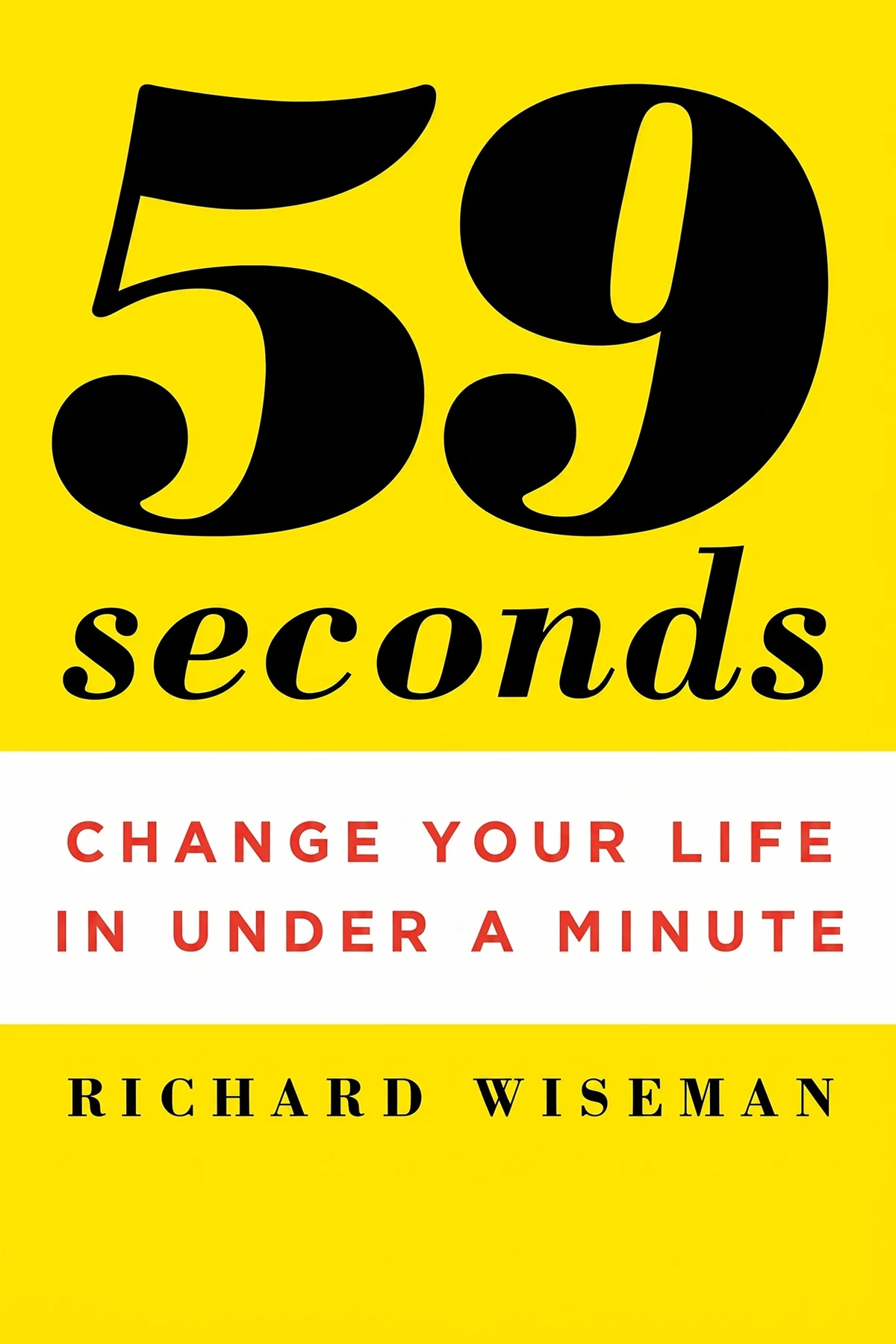
59 Seconds: Change Your Life in Under a Minute
Richard Wiseman
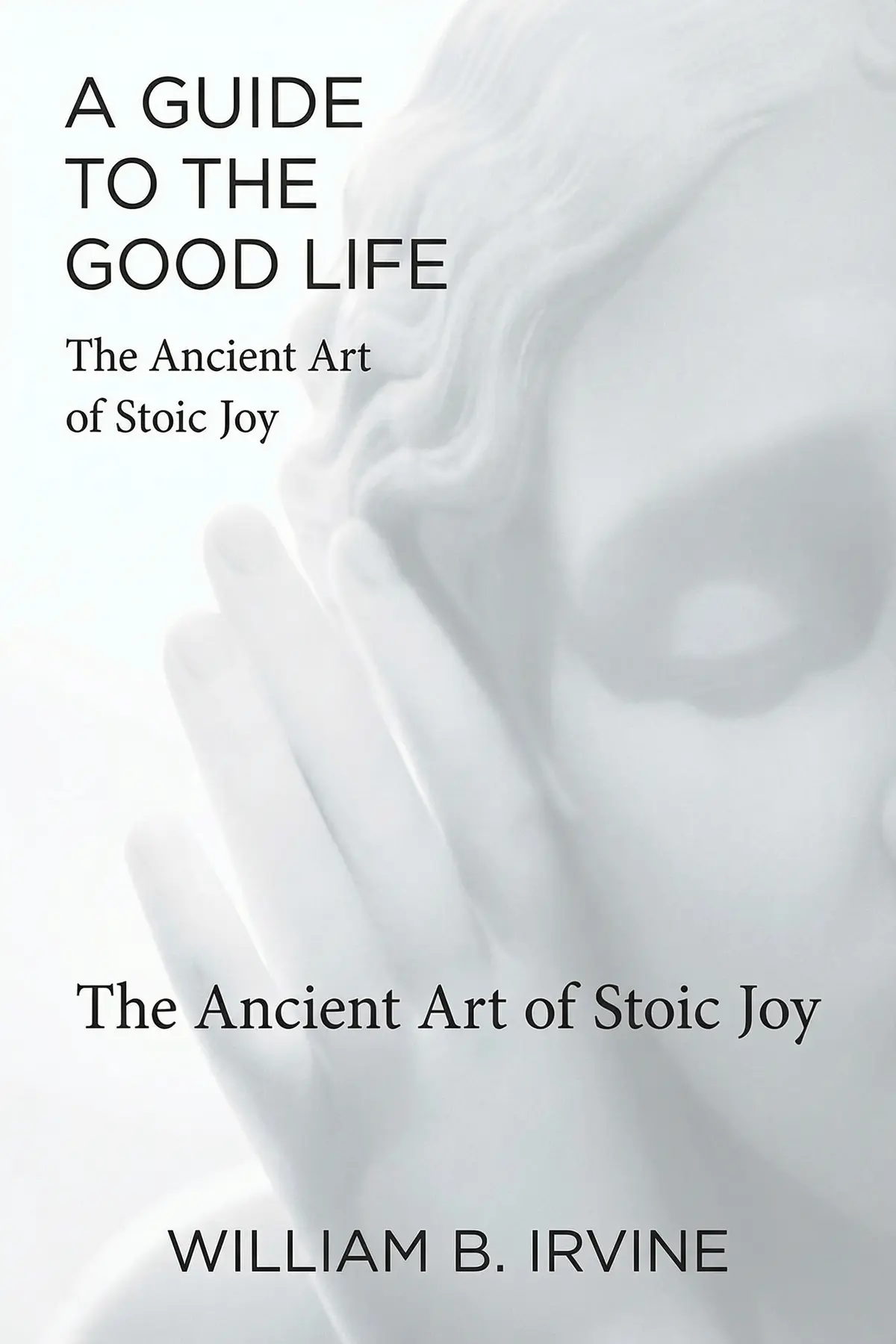
A Guide to the Good Life: The Ancient Art of Stoic Joy
William B. Irvine
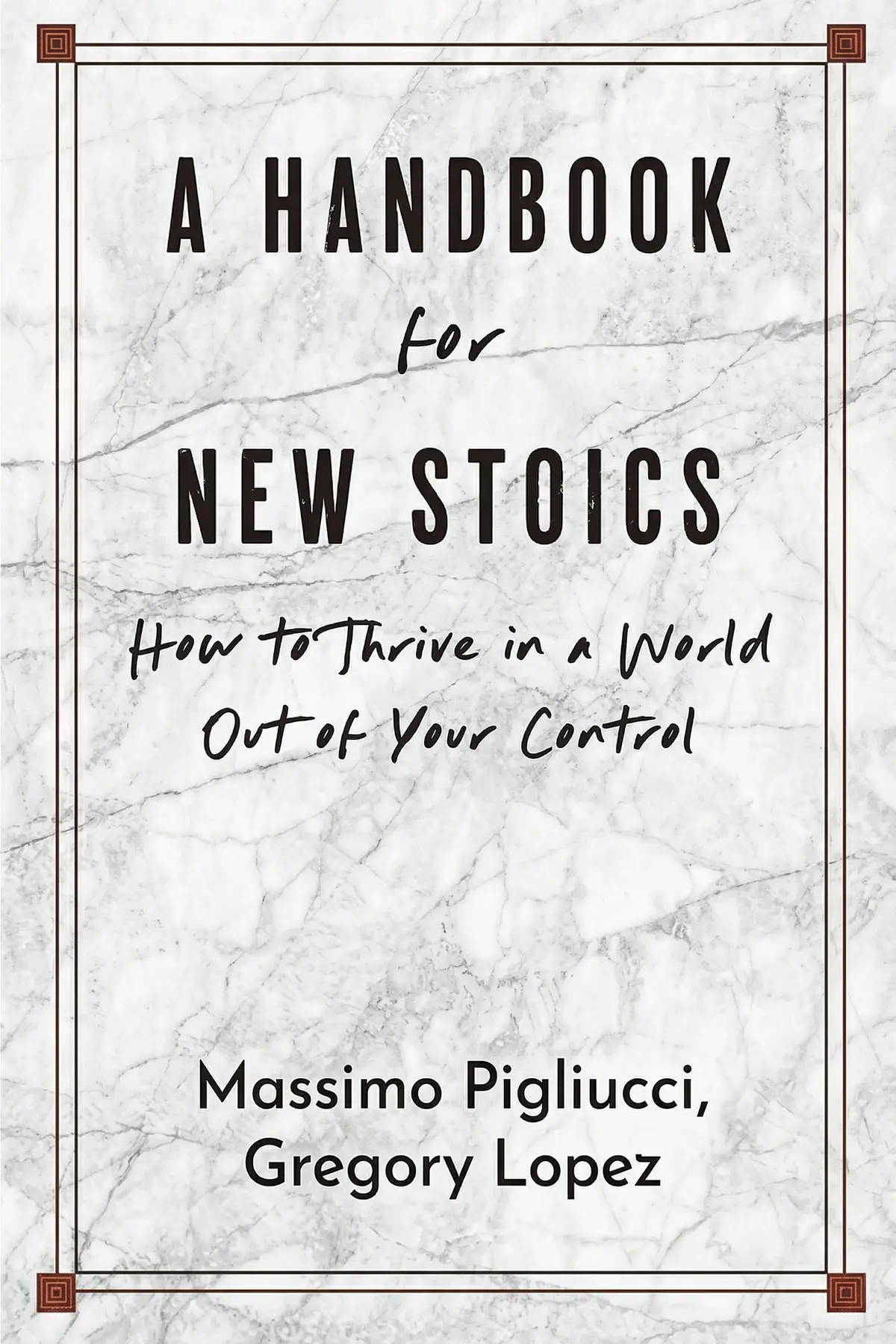
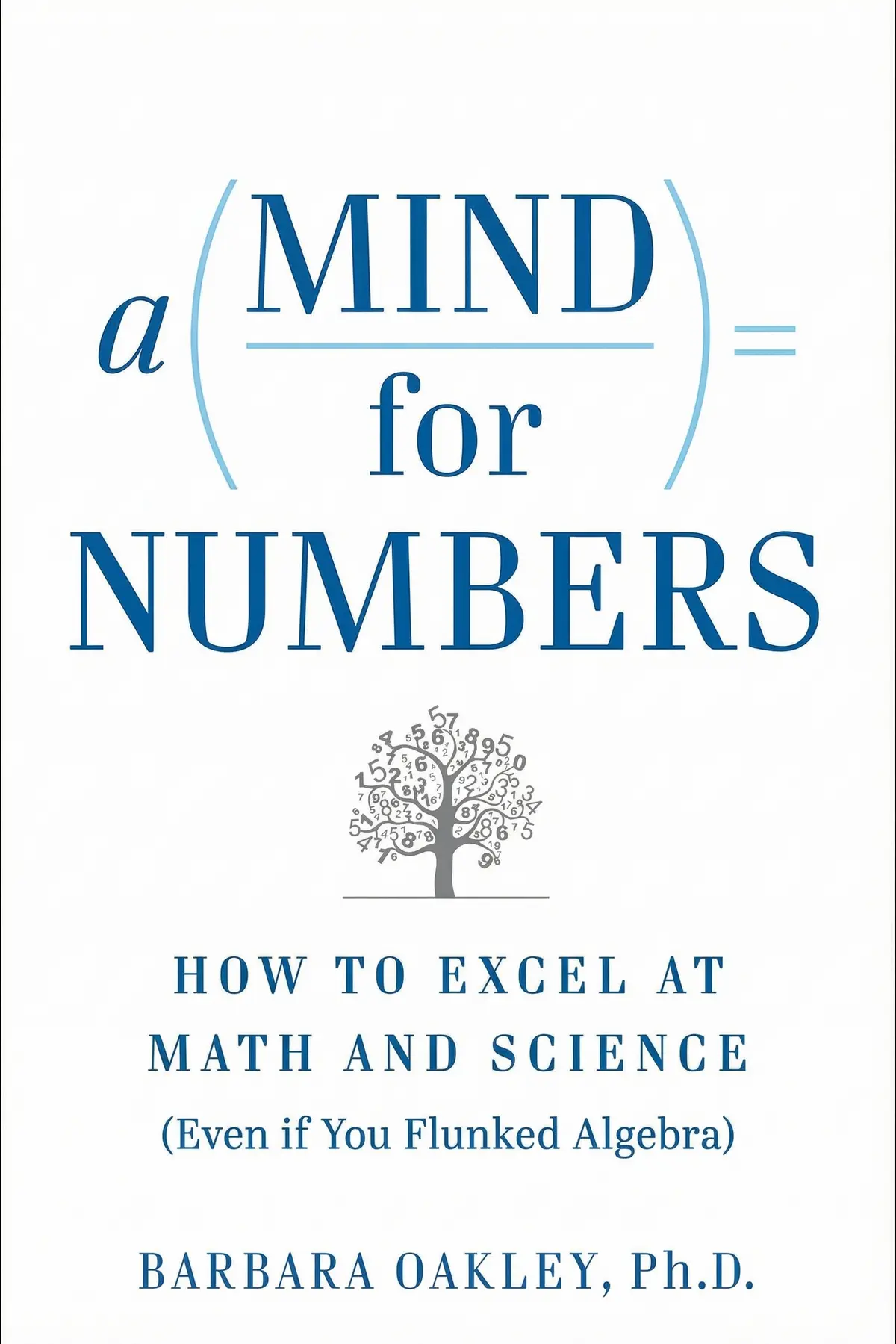
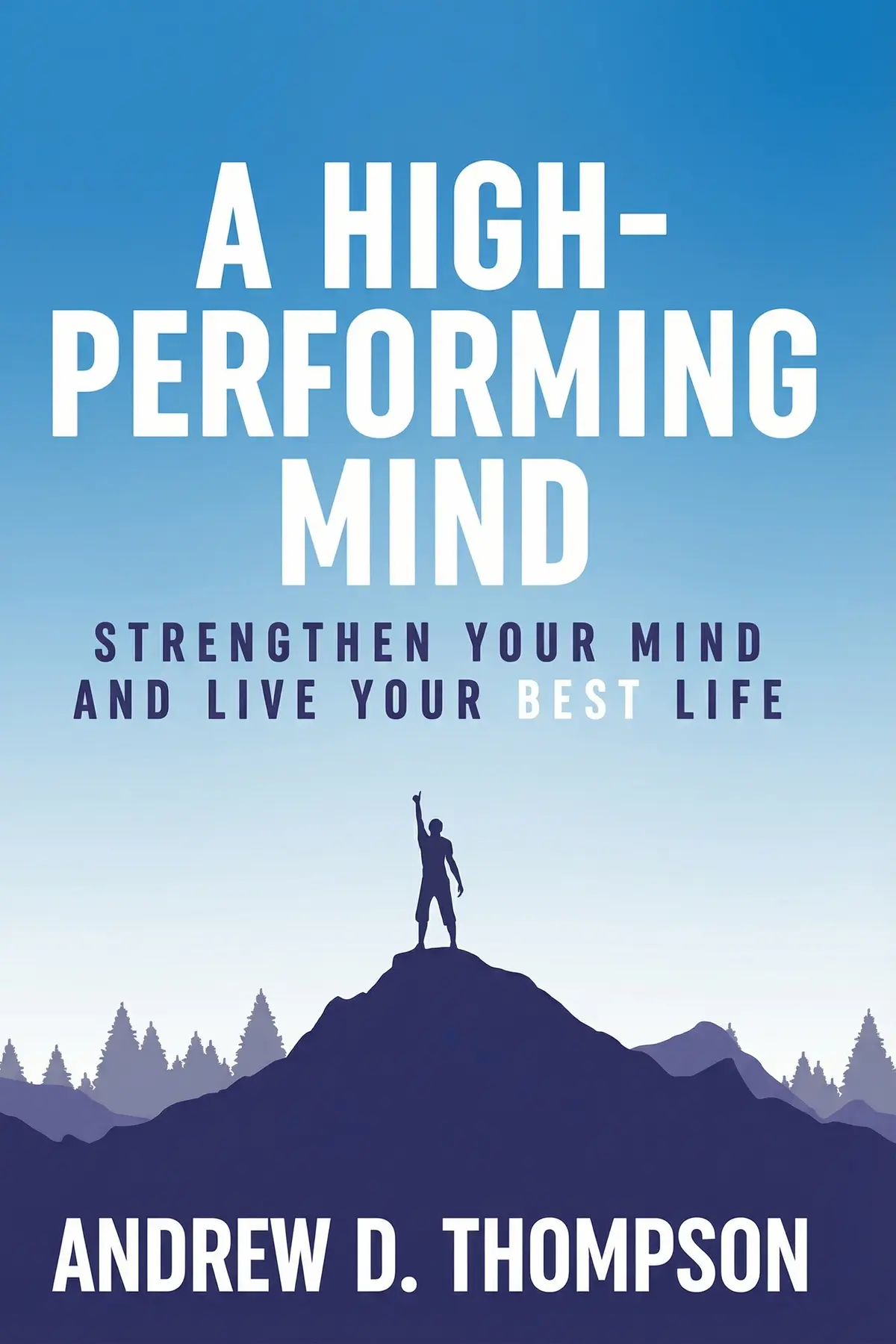
A High-Performing Mind: Strengthen Your Mind and Live Your Best Life
Andrew D. Thompson
AUDIO SUMMARY AVAILABLE
Listen to The Little Book of Talent in 15 minutes
Get the key ideas from The Little Book of Talent by Daniel Coyle, plus 5,000+ more titles in English and Thai.
- 5,000+ titles
- Listen as much as you want
- 7-day free trial
- Cancel anytime







