
16 min 09 sec
The Lost Art of Silence: Reconnecting to the Power and Beauty of Quiet
Explore the profound power of quiet in an increasingly loud world. This guide offers insights into how rediscovering silence can transform your self-awareness, deepen your relationships, and foster lasting inner peace.
Table of Content
1. Introduction
1 min 49 sec
In our current era, we are rarely truly alone with our thoughts. From the moment we wake up to the second we fall asleep, we are surrounded by a relentless stream of noise. It isn’t just the audible clamor of traffic, construction, or television; it’s the persistent digital hum of notifications, the social pressure to always be ‘on,’ and the internal anxiety that fills every spare second of our day. We have become a society that is uncomfortable with stillness. When a conversation lulls, we feel an urge to fill it. When we have a spare moment in line, we reach for our phones to drown out the quiet.
But what have we lost in this flight from silence? In The Lost Art of Silence, Sarah Anderson suggests that by abandoning quiet, we have also abandoned a vital part of ourselves. Silence is not just a void or a lack of activity; it is a powerful, active state of being that allows for deep reflection and genuine connection. This exploration isn’t about retreating to a cave and never speaking again. Instead, it’s about finding a balance. It’s about learning how to turn down the volume of the external world so that we can finally hear the internal one.
As we move through this summary, we will look at how silence functions as a bridge to self-awareness and a foundation for better relationships. We will explore how different disciplines—from art to the psychology of religion—view the concept of stillness, and how we can practically incorporate these insights into our chaotic modern lives. The goal is to see silence not as something to be feared or avoided, but as a long-lost friend waiting to offer us clarity, peace, and a deeper understanding of what it means to be alive. Let’s begin by looking at why the modern world has become so loud and why that noise is such a heavy burden on our collective well-being.
2. The Weight of Modern Cacophony
2 min 01 sec
Explore why the constant hum of modern life is more than just an annoyance—it’s a barrier to our fundamental need for mental clarity and emotional health.
3. Silence as a Mirror for the Self
1 min 55 sec
Discover how stepping away from external distractions allows you to face your inner world and develop a profound level of self-knowledge.
4. The Art of Listening and Meaningful Connection
1 min 55 sec
Learn how embracing silence within our interactions can actually strengthen our bonds with others and lead to more genuine communication.
5. Visual Silence and the Artist’s Perspective
2 min 11 sec
Explore the concept of visual quiet and how art and nature provide a different form of silence that can soothe the mind.
6. A Traveler’s Solitude and Spiritual Stillness
2 min 07 sec
Understand how the experience of travel and different spiritual traditions utilize silence to foster a deeper connection to the world.
7. Practical Pathways to Quiet
2 min 17 sec
Moving beyond theory, learn tangible ways to weave silence into the fabric of your daily life, no matter how busy you are.
8. Conclusion
1 min 54 sec
As we come to the end of our journey through The Lost Art of Silence, it’s clear that quiet is far more than just the absence of noise. It is a fundamental human resource that we have collectively neglected, to our own detriment. Sarah Anderson has shown us that by reclaiming silence, we reclaim our ability to think deeply, feel authentically, and connect meaningfully with both ourselves and the world around us.
We’ve explored how noise acts as a weight on our mental health, and how silence serves as a mirror that reflects our true selves. We’ve seen how silence can deepen our relationships by transforming the way we listen, and how a ‘visual’ silence in art and nature can soothe our weary eyes. We’ve also touched on the spiritual and psychological history of stillness, recognizing it as a universal path toward peace and perspective.
The throughline of this exploration is simple: the quality of our lives is directly related to our ability to find stillness. In a world that is only getting louder, the choice to be quiet is a radical act of self-care and wisdom. It is not an escape from reality, but a way to engage with reality more fully.
As you move back into your day, I encourage you to look for one small moment of silence. It doesn’t have to be long—just a minute or two where you don’t do anything, don’t look at anything, and don’t say anything. Notice the texture of that quiet. Notice what happens to your breathing and your thoughts. By practicing these small intervals of stillness, you are beginning to master the lost art of silence. You are creating a space where your own inner voice can finally be heard, and where the peace you’ve been seeking can finally take root. The world will always be loud, but your inner world doesn’t have to be. Carry that stillness with you, and watch how it changes everything.
About this book
What is this book about?
The Lost Art of Silence explores a fundamental human need that is rapidly vanishing in our modern age: the experience of true quiet. In a world characterized by constant digital pings, city sirens, and the internal chatter of a busy mind, silence has become a rare commodity. This summary delves into the philosophy and practice of reclaiming that stillness, showing how it is not merely the absence of sound, but a fertile ground for personal growth and spiritual clarity. The book promises a journey toward greater self-awareness and more meaningful connections. By integrating the perspectives of a traveler, an artist, and a scholar of religion, the narrative reveals how silence serves as a tool for healing and discovery. Listeners will learn how to navigate the noise of daily life and cultivate a private sanctuary of peace, ultimately leading to a more centered and authentic way of being in the world.
Book Information
About the Author
Sarah Anderson
Sarah Anderson is the founder of the iconic Travel Bookshop in Notting Hill, England. She has a diverse background in Chinese studies, the psychology of religion, and painting. Anderson gives talks internationally, and educates and inspires her audiences through her travel writing.
Ratings & Reviews
Ratings at a glance
What people think
Listeners find that reactions differ regarding the book’s quote-dense format, which some suggest leads to a fragmented experience, yet many value the deep research into the physical, spiritual, and creative advantages of silence. Furthermore, listeners appreciate how the work functions as a thorough handbook for reclaiming quiet in today's world by viewing stillness through the contexts of art, nature, and history. They also point to the compelling insights shared throughout, with one listener noting the powerful scientific study on how silence can stimulate the growth of new brain cells and another emphasizing the restorative practice of "Silent Mondays."
Top reviews
Kanokporn
Ever wonder why you feel so drained by the 24/7 digital chatter? This book provides a fascinating answer through the lens of history and neuroscience. I was particularly struck by the 2013 mouse study mentioned early on; knowing that silence can actually trigger the growth of new brain cells is a total game-changer for my perspective on downtime. Sarah Anderson manages to bridge the gap between hard science and beautiful, poetic reflection. The concept of 'Silent Mondays' really resonated with me, especially the idea of cutting off all digital communication to reset the soul. Truth is, we live in a world that fears quiet, and this book is a necessary manifesto for reclaiming our mental space. It’s a dense read, but every page feels earned and deeply researched.
Show moreRatree
The chapter on the intersection of nature and solitude completely changed my weekend routine. I’ve always enjoyed the woods, but seeing it through the eyes of people like Annie Dillard and Gordon Hempton gave me a new vocabulary for my experiences. The word 'shinshin'—referring to the silence of falling snow—is something I will think about every winter from now on. This book is a masterpiece for those of us who feel overwhelmed by the constant cacophony of modern life. It’s not just about being quiet; it’s about the spiritual and creative replenishment that only happens when we stop talking. The author’s ability to weave together art, history, and biology is nothing short of brilliant. I’ll be keeping this on my bedside table for a long time as a source of inspiration.
Show moreFatima
Finally got around to this after a stressful month, and it was exactly the balm I needed. Sarah Anderson has written a book that feels like a long, deep breath. It is a wide-ranging, beautiful discussion on why we need to reclaim the silence we’ve lost to technology and constant busyness. I loved the mix of memoir-style reflection and historical analysis. The story of LeClaire’s 'Silent Mondays' was incredibly inspiring and has made me reconsider my own relationship with my phone. There is a magic in the way she describes the absence of sound as a presence in itself. It’s a book to be savored slowly, perhaps in a quiet corner of a park. I feel more centered and peaceful just having read it. Simply wonderful.
Show moreNatalie
As someone who finds most 'self-help' books a bit superficial, I was surprised by the intellectual weight here. This isn't just a guide on how to be quiet; it's a cultural history of the absence of noise. Anderson explores how silence functions in the works of Virginia Woolf and Rilke, which added a wonderful layer of literary analysis I didn't expect. Look, the structure is definitely quote-heavy, which might turn some people off, but I found the sheer volume of perspectives enlightening. It forced me to look at my own habits regarding technology and the constant need for background noise. The sections on the physical benefits, like lowering blood pressure and enhancing the immune system, provided a grounded counterpoint to the more spiritual discussions. It’s a heavy read that demands you take your time.
Show moreSawit
After hearing a podcast about the physiology of quiet, I picked this up to dig deeper into the science. I wasn't disappointed by the breadth of information, particularly regarding how silence impacts the immune system and sensory overstimulation. Anderson does a fantastic job of illustrating how modern industrialization has essentially stolen our ability to be still. My favorite part was the story of Anne D. LeClaire and her commitment to 'Silent Mondays.' It sounds radical, but after reading this, it seems like a perfectly logical response to our current chaos. The book is definitely academic in tone, so don't expect a light beach read. However, if you are willing to sit with the material, there is a lot of wisdom to be found in these pages. A very solid 4-star read.
Show moreFelix
Personally, I think we underestimate how much damage constant background noise does to our cognitive function. This book serves as a much-needed wake-up call regarding our overstimulated senses. I found the discussion on 'secular hermits' to be particularly enlightening, as it shows that you don't need to be religious to crave a quiet life. While I agree with other reviewers that the quote-heavy style can feel a bit repetitive, the quality of the insights usually makes up for it. The connection between silence and creativity was another strong point for me. Seeing how giants like Virginia Woolf needed that stillness for their work made me feel less guilty about my own need for solitude. It’s a comprehensive, thoughtful guide that offers a lot to chew on for any modern reader.
Show moreAkira
The research Sarah Anderson put into this volume is undeniably impressive. She has compiled an encyclopedic look at how silence has shaped human history, literature, and art. However, I have to say that the reading experience itself is quite choppy. It feels less like a cohesive book and more like a curated reference guide for people who already love the subject. I did enjoy the section on 'shinshin'—that beautiful Japanese term for the sound of snow falling—which was a highlight for me. But the constant string of quotes from famous figures makes it hard to get into a flow. It’s a decent resource for finding other books to read, but it didn't quite provide the transformative experience I was anticipating. It’s okay, just a bit dry.
Show moreSombat
Not what I expected at all, but there’s something undeniably poetic about how this is put together. The book is a strange hybrid of a scientific report and a spiritual meditation. I really appreciated the early chapters on the physical respite that silence offers our nervous systems. But once the author pivoted into the more religious and spiritual territory, she lost me a bit. I’m more interested in the secular benefits of quietude rather than monastic traditions. Still, the bit about mice growing brain cells in silence was a fascinating takeaway that I’ve already shared with several friends. It’s a bit of a slog to get through because the writing style is so fragmented, but the core message is still quite powerful and worth the effort.
Show moreChanpen
Frankly, it felt like I was reading a bibliography that had been expanded into a book-length essay. There is no denying that the author is well-read, but the execution here is incredibly frustrating. Instead of developing her own arguments, she just leans on the words of others over and over again. It makes for a very disjointed experience where you’re constantly jumping from one famous person’s opinion to the next without any real depth. I was hoping for more practical application or a stronger personal narrative. While the facts about silence reducing stress are interesting, they are buried under mountains of name-dropping that feels almost performative. I wanted to love this because I value peace and quiet, but the writing style just didn't work for me at all.
Show moreOtt
This was a complete struggle to finish. The author clearly did her homework, but the result is a fragmented mess of other people's thoughts. I found the 'sentence-quote-sentence' structure incredibly tedious after just twenty pages. Where is the author’s own voice in all this? To be fair, she covers a vast range of topics from art to theology, but it lacks the cohesive narrative thread I was hoping for. It reads more like an annotated list of references than a thoughtful exploration of stillness. I skipped around hoping to find some original insight, but it was just more name-dropping of famous hermits and thinkers. If you want a deep dive with original philosophy, look elsewhere. It felt less like a book and more like a very long academic bibliography.
Show moreReaders also enjoyed
Aflame: Learning from Silence
Pico Iyer
A Force for Good: The Dalai Lama's Vision for Our World
Daniel Goleman
A Return to Love: Reflections on the Principles of a Course in Miracles
Marianne Williamson
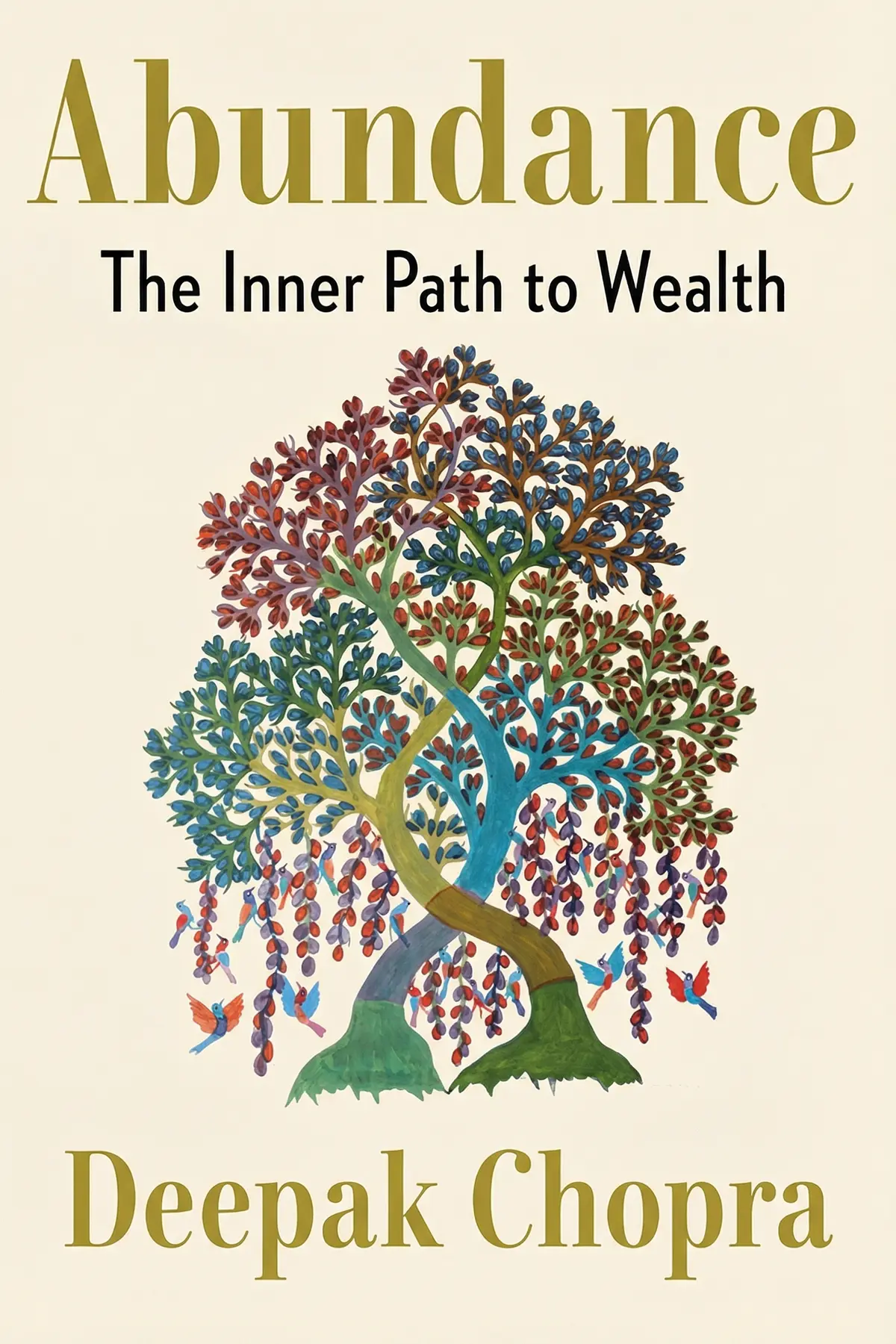
Abundance: The Inner Path to Wealth
Deepak Chopra
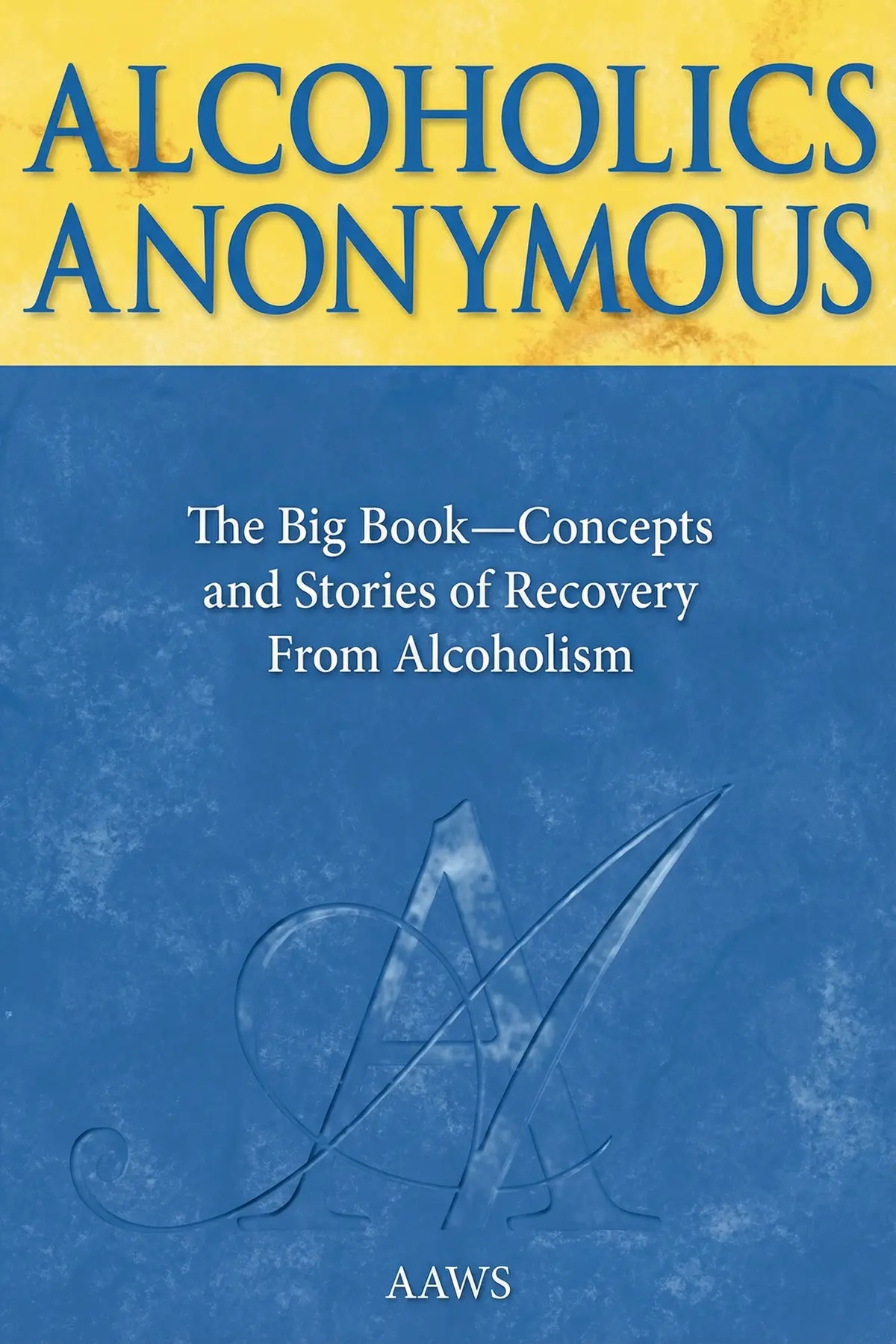
Alcoholics Anonymous
Alcoholics Anonymous World Services
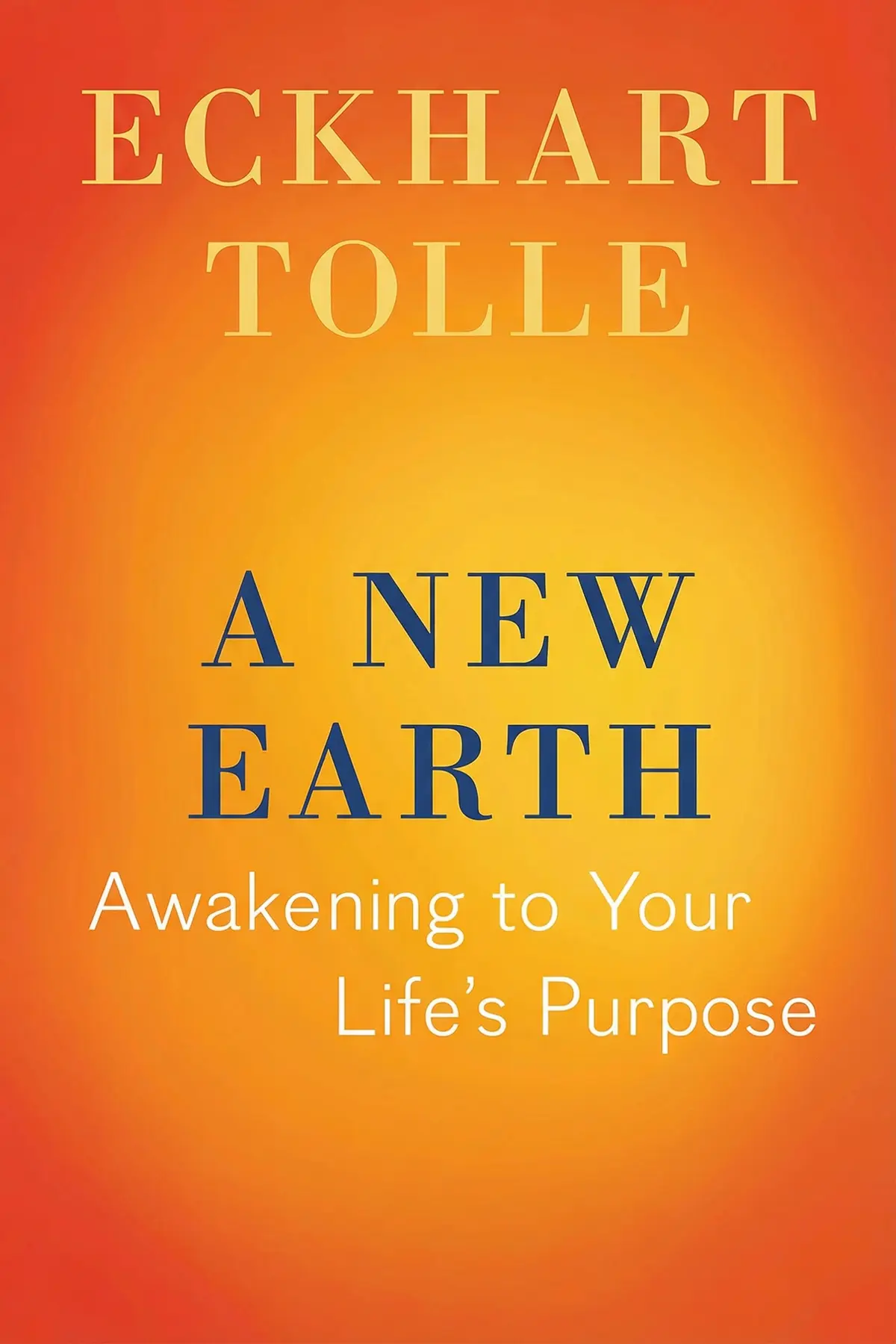
A New Earth: Awakening to Your Life’s Purpose
Eckhart Tolle
AUDIO SUMMARY AVAILABLE
Listen to The Lost Art of Silence in 15 minutes
Get the key ideas from The Lost Art of Silence by Sarah Anderson, plus 5,000+ more titles in English and Thai.
- 5,000+ titles
- Listen as much as you want
- 7-day free trial
- Cancel anytime







