

A Different Kind of Power: A Memoir
Jacinda Ardern
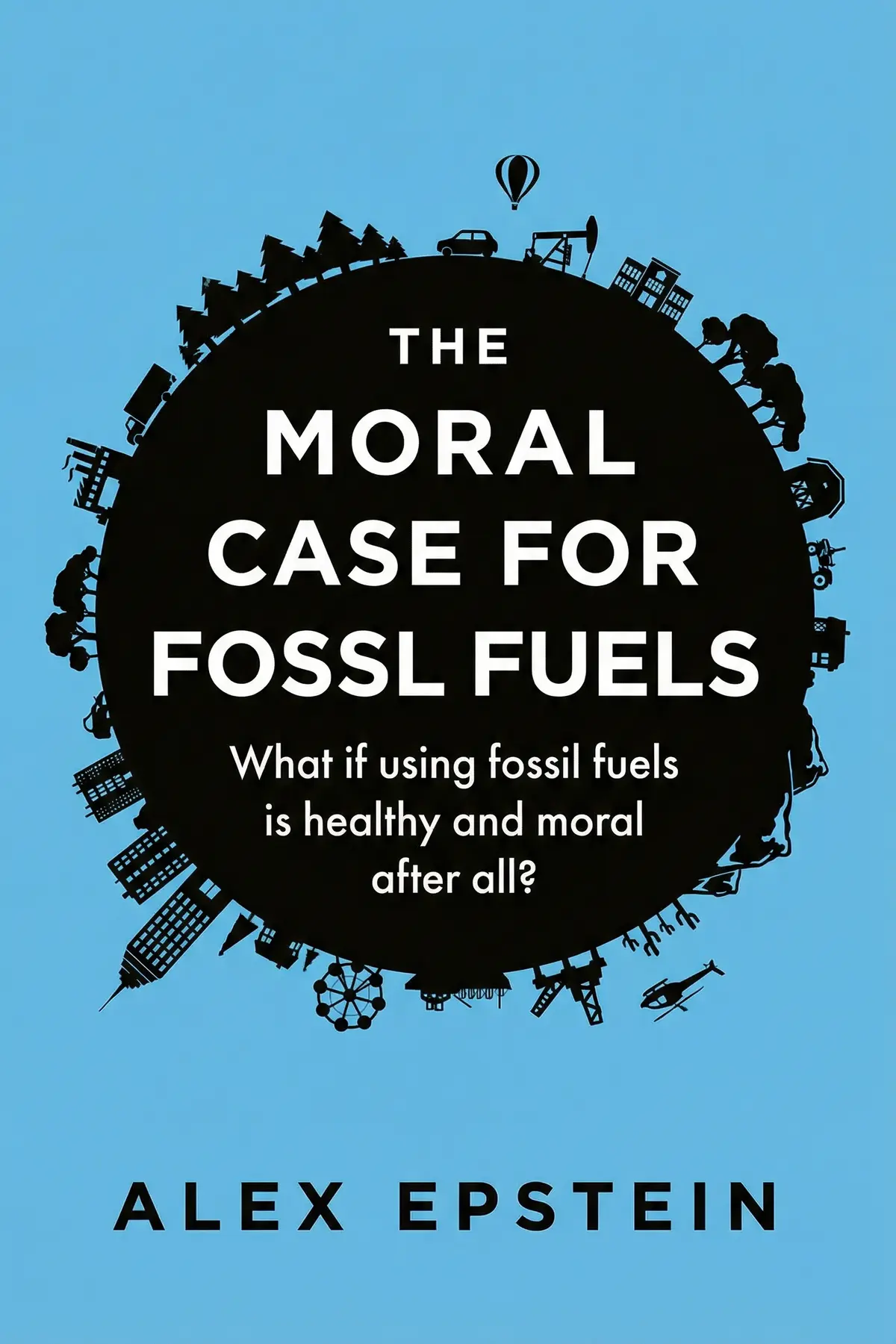
Alex Epstein presents a provocative argument that fossil fuels are not a planetary threat but a moral necessity that has transformed human life, increased safety, and provided the only reliable path to global prosperity.
1 min 44 sec
For decades, the cultural conversation around energy has been dominated by a single, powerful narrative: that fossil fuels are a destructive force. We are often told that our reliance on coal, oil, and natural gas is a stain on our planet, a mistake that we must rectify immediately if we hope to have a future. We hear about pollution, rising temperatures, and the urgent need to transition to green energy at any cost. But what if this perspective is missing the most important part of the equation? What if, when we look at the actual impact on human life, fossil fuels aren’t the villain of the story, but the hero?
In this exploration of Alex Epstein’s work, we are invited to look at the world through a different lens—a human-centric moral lens. Instead of asking what is best for a ‘pristine’ environment, we ask what is best for human beings. When we shift our focus to human flourishing, the evidence begins to look very different. We see a world where cheap, reliable energy has rescued billions from poverty, protected us from the whims of nature, and provided the very tools we need to solve environmental problems.
This isn’t just an economic argument; it’s a moral one. It suggests that using the most effective energy source available to us is a requirement for a healthy, prosperous society. Throughout this discussion, we will break down why fossil fuels remain the only viable option for a global population that needs massive amounts of energy to survive. We’ll look at how these fuels have actually made our environment safer and why the alternatives currently being proposed—like wind and solar—are still far from being able to carry the weight of the world on their shoulders. Prepare to rethink everything you thought you knew about the ethics of energy.
2 min 07 sec
Discover how almost every aspect of your daily life, from the food you eat to the chair you sit on, is underpinned by the unique power of hydrocarbons.
2 min 13 sec
Every major technological leap comes with dangers, but the solution is found in innovation and safety, not in retreating from progress.
2 min 13 sec
Contrary to the idea that fossil fuels destroy our environment, they have actually provided us with a shield against the most dangerous aspects of nature.
2 min 07 sec
Explore the hidden costs and physical limitations of wind, solar, and biomass that prevent them from replacing fossil fuels today.
1 min 55 sec
Forget the myths of impending energy depletion; learn why our fossil fuel reserves are more than enough to bridge us to the next century of innovation.
1 min 22 sec
In conclusion, the case for fossil fuels is a case for human life. We have spent decades focusing on the potential negatives of industrialization, but we have often ignored the incredible, life-saving positives. Fossil fuels have given us the ability to feed a hungry planet, to build cities that can withstand nature’s fury, and to provide the warmth and light that are essential for a dignified existence. They are the foundation upon which our modern, prosperous world is built.
While it is important to be mindful of environmental impacts and to continue seeking out new innovations, we must not lose sight of the fact that energy is the lifeblood of civilization. To demand that we abandon the most reliable and affordable energy source we have—before a truly viable alternative exists—is to demand a world with less food, less safety, and less opportunity for the world’s poorest people.
The moral path forward is to celebrate the progress we have made thanks to coal, oil, and gas, and to continue using these resources to empower humanity. As we move into the future, we should do so with a sense of gratitude for the energy abundance we enjoy and a commitment to using that energy to make the world an even better place for the generations to follow. The choice is clear: we must choose human flourishing, and right now, that means choosing the power of fossil fuels.
This summary explores a contrarian perspective on energy, arguing that the benefits of using oil, coal, and natural gas far outweigh their environmental side effects. It challenges the standard narrative by focusing on human flourishing as the ultimate moral metric. Listeners will learn how fossil fuels have revolutionized agriculture to end mass starvation, how they provide the infrastructure for climate safety, and why current renewable energy sources are not yet capable of sustaining modern civilization. The core promise is a re-evaluation of our industrial world through the lens of human progress and reliable energy abundance.
Alex Epstein is an energy theorist and industrial policy expert. He’s the founder and president of the Center for Industrial Progress, a for-profit think tank. The Moral Case for Fossil Fuels is a The New York Times bestselling book.
Listeners describe this work as exceptionally engaging and persuasive, noting its detailed investigation and fact-based, rational delivery. They value the even-handed perspective on the fossil fuel sector and the way it challenges common myths surrounding the field. This title offers straightforward insights and stimulating material, with one listener mentioning that it shifted their outlook on the intersection of energy and morality. There is a lack of consensus among listeners regarding climate change, as some contend that global warming is a deceptive claim.
After hearing Epstein on a podcast, I decided to see if his written arguments held up as well as his verbal ones. The core premise—that we should evaluate energy based on a standard of human flourishing—is incredibly powerful. Instead of treating nature as a pristine relic to be left untouched, he argues for using our environment to improve life for all seven billion people. It’s a very readable, logical presentation that challenges the idea that fossil fuels are a necessary evil rather than a net good. I appreciated the thorough research into how energy reliability actually impacts developing nations. While he does mention his love for Brazilian jujitsu a couple of times, it doesn't detract from the central, rigorous argument. This book really helped me re-center my perspective on ethics and industrial progress.
Show moreFinally got around to reading a book that doesn't just parrot the status quo regarding our energy future. Epstein makes a compelling, fact-based case that fossil fuels are the primary driver of the safety and comfort we enjoy today. The way he flips the script on "environmental" health by showing how much safer we are from climate-related deaths than we were 100 years ago is eye-opening. To be fair, he is quite aggressive toward the "non-impact" movement, but his logic regarding the unreliability of wind and solar is hard to argue with. I found the section on how fossil fuels empower us to "master" our environment particularly inspiring. It’s a quick read but one that will leave you questioning everything you hear on the nightly news. Highly recommended for anyone willing to have their mind changed.
Show moreWow, what a refreshing perspective on energy and ethics that I haven't seen anywhere else. Epstein is a first-rate writer who knows how to break down complex industrial concepts into something digestible for the average reader. He successfully rebuts the popular misconception that our environment is getting "dirtier" by pointing to real-world data on air and water quality. Frankly, it’s about time someone spoke up for the billions of people in the developing world who need this energy to escape poverty. It is a very trim book, but every page is packed with insights that challenge the doomsayer's narrative. This is the kind of book you want to give to your skeptical friends just to see their reaction.
Show moreThe chapter on the fertilizer effect really opened my eyes to how narrow our public discourse on CO2 has become. Epstein presents a thorough, well-researched case that actually looks at the "big picture" of energy rather than just the negatives. Truth is, most people haven't considered how fossil fuels make us more resilient to nature, not less. He uses clear graphs to show how climate-related deaths have plummeted even as we use more oil and coal. Some might find his tone a bit arrogant, but when you’re dismantling decades of misinformation, I think a little punchiness is justified. This book is a boon to anyone who values a balanced, fact-based view of the industry. It helped me shift my perspective from guilt to gratitude.
Show moreLook, we need to stop feeling guilty for the very resources that keep us alive and thriving. This book is a scathing rebuttal of the movement that wants to see us return to a state of nature that was actually quite brutal for humans. Epstein argues that the "natural" climate is actually dangerous and that fossil fuels allow us to make it safe. The logic is tight, the presentation is compelling, and the moral clarity is something we desperately need in 2024. Personally, I found the discussion on "scaling" energy particularly important—solar and wind just don't have the density to support a modern civilization yet. It’s a bold, provocative title that delivers exactly what it promises on the cover. Don't let the critics scare you away from this one.
Show moreEpstein, an outsider with a background in philosophy, manages to strip away the jargon and focus on what actually matters: human life. He provides an incredible demonstration of how to reframe an entire industry not as a necessary evil, but as a moral imperative. By focusing on the unique benefits of fossil fuels—reliability, portability, and low cost—he makes the "green" alternatives look like expensive toys. I appreciated how he addressed the specific ways fossil fuels provide clean water and high-yield crops to billions. My only minor criticism is that he can be a bit repetitive with his "human-centered" mantra toward the end. Still, if you only read one non-fiction book this year to understand the world's energy needs, let it be this one.
Show moreThis book provides a much-needed counterweight to the mainstream environmental narrative that often ignores the benefits of industrialization. As a philosopher, Epstein doesn't just argue about carbon parts-per-million; he argues about what we should actually value as a species. I liked his distinction between an untouched environment and a "human-friendly" environment filled with hospitals and clean water. However, I’ll admit I wasn’t convinced by every single point, especially his dismissal of potential long-term ecological tipping points. He tends to brush off valid concerns about biodiversity as merely "emotional" or "anti-human." Still, the central argument that we need cheap, reliable, scalable energy to survive is undeniably true. It’s a thought-provoking content piece that forces you to defend your own moral axioms.
Show moreAs someone who appreciates a good philosophical challenge, I found Epstein’s framing of the "non-impact" vs. "human flourishing" standard quite compelling. He writes with a clarity that is rare in the energy sector, avoiding unnecessary jargon to focus on core moral principles. Gotta say, the occasional references to his Brazilian jujitsu training were a bit odd for a book on energy, but they added a human touch to the narrative. While I agree that fossil fuels are essential for modern life, I felt he was a bit too dismissive of the risks associated with rapid warming. He treats climate volatility as a minor hurdle we can simply "innovate" our way out of without much evidence. Nevertheless, the book is an excellent demonstration of how to reframe a debate from the ground up.
Show moreEver wonder if an author is just ignoring the elephant in the room? While Epstein is a gifted communicator, his "human-centric" value system feels like a license to exploit the planet until there's nothing left. He mocks Malthusian predictions of the past to suggest that future resource exhaustion is a myth, which is a massive logical leap. The truth is, his vision of the world begins in the 1800s and treats everything before that as a dark age of cave-dwelling. I found his attacks on the "2 degrees Celsius" threshold to be more about semantics than actual safety. Even if you agree that fossil fuels helped us develop, that doesn't mean doubling down on them forever is a sound strategy. This book feels like it was written for people who already want to believe that consumption has no consequences.
Show moreNot what I expected, and frankly, quite dangerous in its intellectual dishonesty. Epstein uses his background in philosophy to construct elaborate straw man arguments against anyone who values environmental preservation. My biggest gripe is the constant confusion of correlation with causation; just because life expectancy rose alongside CO2 emissions doesn't mean the emissions caused the health gains. He conveniently ignores the role of regulation and medical breakthroughs while painting a picture where we "owe an apology" to oil companies. The dismissal of climate models as purely "unscientific" felt incredibly shallow for someone claiming to be a rigorous thinker. It’s a polished piece of propaganda that relies on the reader not knowing basic statistics or history. If you value actual scientific consensus over slick rhetoric, skip this one.
Show moreJacinda Ardern

Pankaj Mishra
James Comey
Anthony Pratkanis

Barack Obama
Masaji Ishikawa

John Rawls
AUDIO SUMMARY AVAILABLE
Get the key ideas from The Moral Case for Fossil Fuels by Alex Epstein, plus 5,000+ more titles in English and Thai.







