
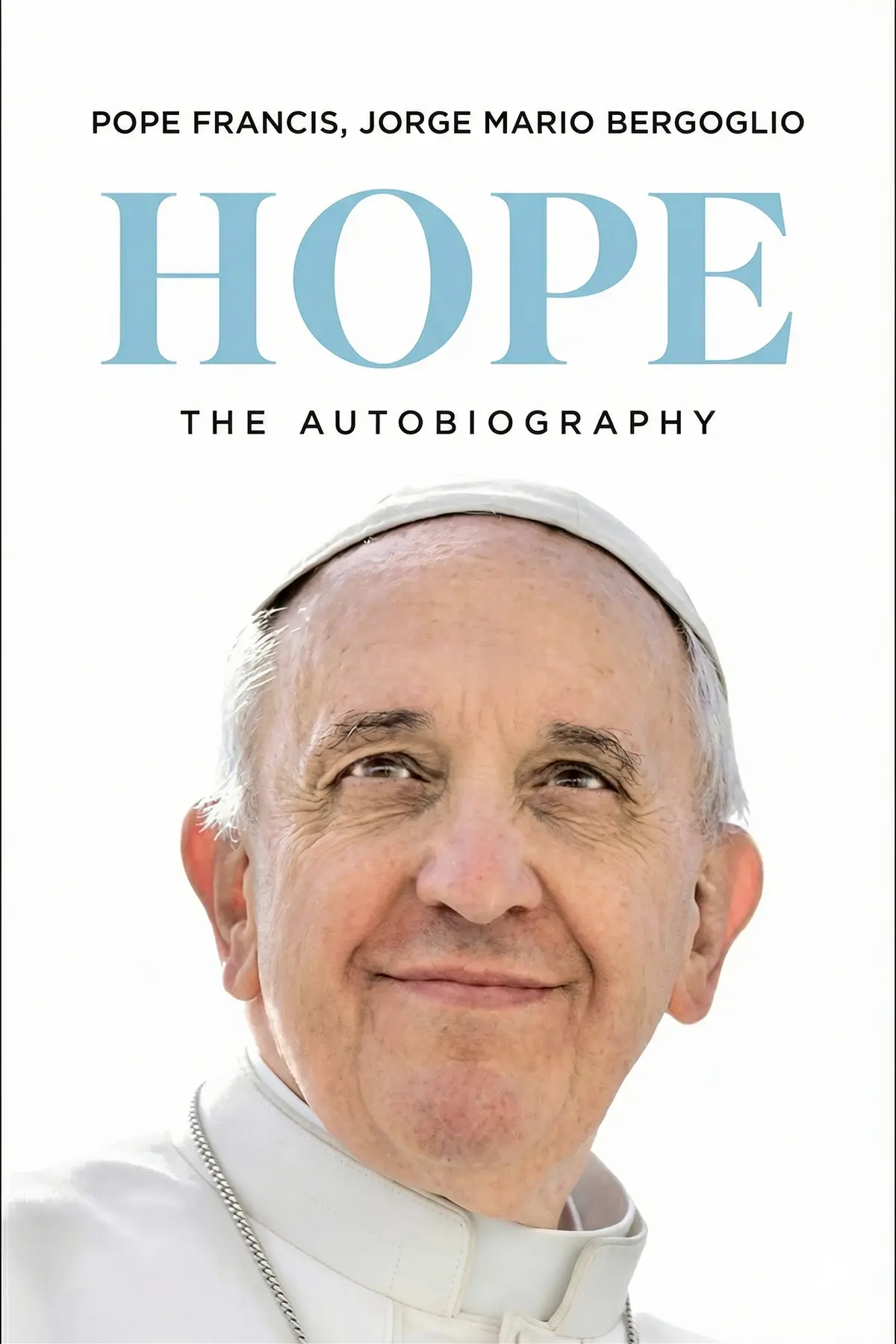
Hope: The Autobiography
Pope Francis
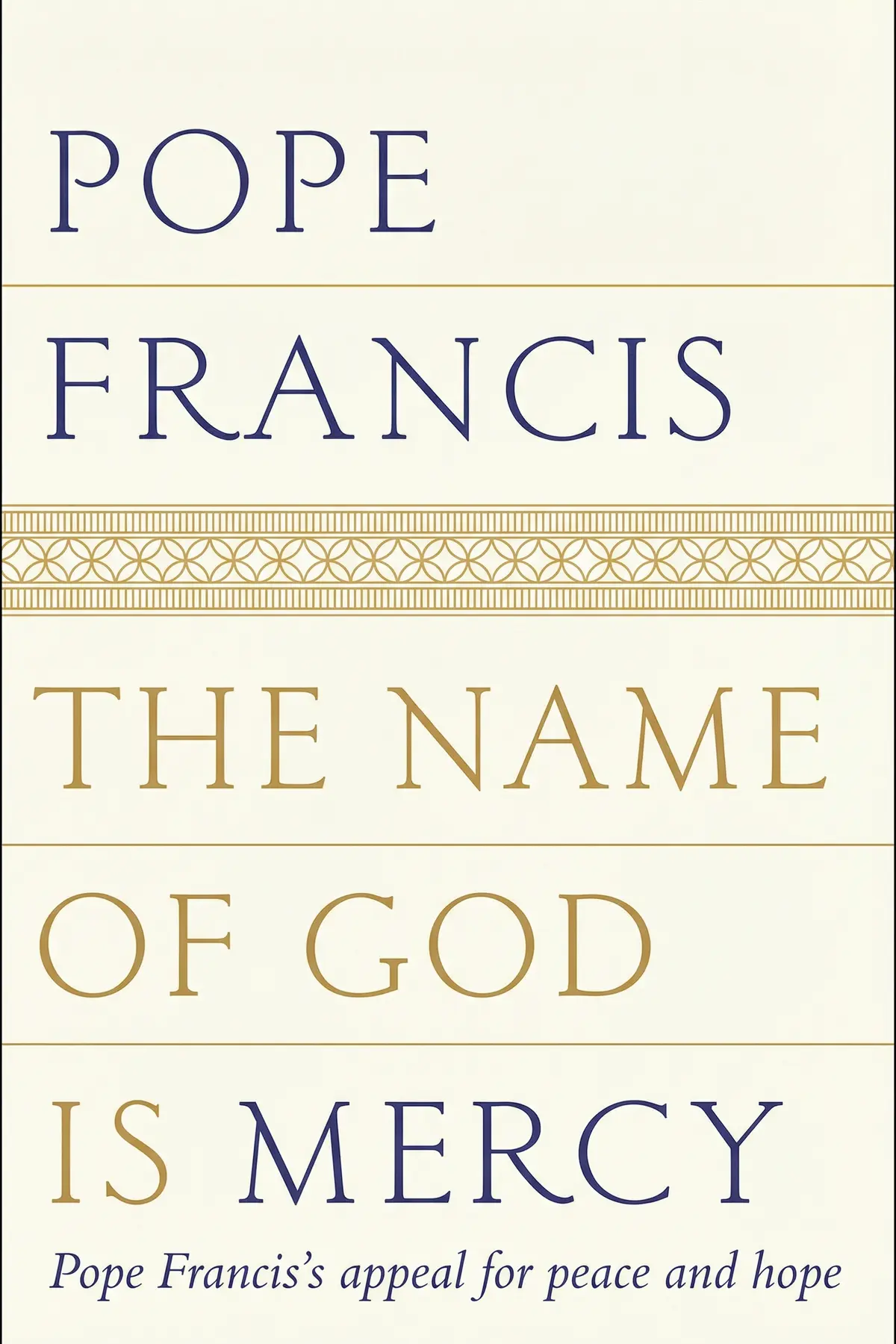
Pope Francis explores the transformative power of divine compassion, arguing that mercy is the core of faith and the ultimate remedy for a world marked by suffering, judgment, and indifference.
1 min 46 sec
When Jorge Mario Bergoglio was announced as the new leader of the Catholic Church in 2013, the world watched with bated breath. Taking the name Francis, he signaled a papacy that would be defined by humility and a radical focus on the margins of society. But beyond the public gestures and the policy shifts, there was a deeper, underlying philosophy guiding his every move. This throughline is not a complex web of dogma, but a single, powerful word: mercy.
In this exploration of faith and humanity, we dive into the heart of Pope Francis’s message. He challenges the traditional, often fearful perception of a God who sits in judgment, waiting to tally our mistakes. Instead, he invites us to see a Creator whose most defining characteristic is an inexhaustible desire to forgive. This isn’t just a theological debate; it’s a practical guide for how we treat our neighbors, our enemies, and ourselves.
As we navigate these reflections, we’ll see how mercy acts as a bridge between the divine and the human. We’ll look at the life of Jesus not as a series of miracles, but as a blueprint for radical empathy. We will also confront the uncomfortable reality of our own imperfections and learn why acknowledging our status as ‘sinners’ is actually the first step toward true freedom.
Through the lens of Francis’s experiences—from the streets of Buenos Aires to the halls of the Vatican—we will discover why he believes the Church must function as a ‘field hospital’ for the soul. This journey is about more than religion; it’s about the universal human need for belonging and the hope that no one is ever truly lost. By the end, you’ll see why mercy is not a sign of weakness, but the ultimate expression of strength and the only force capable of healing a broken world.
1 min 54 sec
Explore why mercy is more than just a trait—it is the very essence of the divine, serving as a vital anchor that prevents us from falling into despair.
2 min 00 sec
See how the historical life of Jesus served as a practical demonstration of God’s compassion, prioritizing people over rules and healing over judgment.
1 min 57 sec
Understand the radical shift in the Church’s role, from a gatekeeper of rules to a source of healing for the spiritually wounded.
1 min 49 sec
Discover the profound connection between divine mercy and the selfless, nurturing love a parent feels for a child.
1 min 47 sec
Learn why the path to true growth begins with the humble admission that we are all prone to failure and in need of grace.
2 min 07 sec
Examine the critical difference between the occasional mistakes of the heart and the dangerous, systemic habit of self-justification.
2 min 01 sec
Discover how the personal experience of mercy can be scaled up to create a more peaceful and empathetic global society.
1 min 33 sec
As we wrap up these reflections, the central message of Pope Francis remains clear: mercy is the most powerful force we have for change. It is not a secondary characteristic of faith, but its very foundation. We’ve seen that God is not a distant accountant of our sins, but a parent waiting with open arms. We’ve explored the idea of the Church as a field hospital, a place where healing takes priority over judgment, and we’ve learned the vital difference between the human weakness of sin and the soul-hardening danger of corruption.
The throughline of this entire journey is the invitation to live with an open heart. This starts with the humility to admit our own need for forgiveness. When we stop pretending to be perfect, we lose the desire to stone others for their mistakes. We begin to see the world not as a battlefield of ‘us versus them,’ but as a collection of people, all of whom are struggling, and all of whom are loved by the same Creator.
The final challenge is to take this ‘revolution of tenderness’ into your daily life. It means choosing compassion over indifference and forgiveness over revenge. It’s about realizing that in the end, love is the only thing that truly lasts. By embracing mercy, you aren’t just improving your own spiritual well-being; you are becoming a part of a global movement to mend the fractures of our world. No matter how far you feel you’ve strayed, the door is always open, and the invitation to begin again is always on the table.
This profound exploration of faith centers on the defining theme of Pope Francis’s papacy: the boundless nature of divine mercy. Moving away from the image of a vengeful or strictly legalistic deity, the book presents God as a figure of infinite patience and tenderness. Francis explains that mercy is not just a theological concept but a lived reality that requires us to recognize our own failings and extend grace to others. The narrative follows the Pope’s reflections on the role of the Church, the nature of sin versus corruption, and the example set by Jesus. It promises a roadmap for personal and social renewal, suggesting that by embracing a 'field hospital' mentality—one that prioritizes healing over exclusion—we can mend the fractures in our communities. Ultimately, it serves as an invitation to experience a love that refuses to give up on anyone, regardless of their past.
Pope Francis was the 266th Pope of the Catholic Church and the first Pope from the Southern Hemisphere. His unwavering commitment to mercy caused a lot of controversy. He published many other books, including The Church of Mercy, Walking with Jesus and Corruption and Sin: Some Thoughts on Corruption.
Pope Francis
Listeners find this work accessible and full of wisdom, specifically highlighting its profound reflections on divine mercy. The prose is also skillfully composed; one listener points out the interview-style format, while others value the lovely Gospel meditations included. Furthermore, the phrasing is straightforward and understandable, with one listener characterizing it as providing "sharp insights in clear language." Listeners call the book profoundly moving, as one person remarks on its significance for the Year of Mercy, and another observes how it motivates individuals to find their way back to God the Father.
This book captures the very essence of why Francis is so beloved by people from all walks of life. By focusing on the Jubilee Year of Mercy, he provides a gentle but firm reminder that divine love is a living reality rather than a distant theory. The discussion regarding the woman at the well was particularly moving for me. He reminds us that those who accused her ended up walking away, unable to cast the first stone when faced with their own failings. It is a vital read for anyone feeling disconnected from their faith or the Church. While the text is quite simple, it remains incredibly profound in its application. I found myself highlighting nearly every page because the wisdom is just so accessible. It serves as a beautiful meditation on the Gospels that feels relevant to the modern world's struggles.
Show moreThe chapter discussing the difference between sin and corruption is worth the price of the book alone. Pope Francis makes a brilliant distinction that I had never fully considered before reading these pages. He argues that while we are all sinners, corruption is a state of being where one no longer feels the need for forgiveness. This insight really challenged my own perspective on repentance and how I view those around me. The writing is incredibly well-crafted, distilling deep spiritual truths into sentences that stick with you for days. Truth is, I haven't felt this inspired by a religious text in a very long time. It feels less like a lecture and more like a grandfather sharing his most precious life lessons with his family. I highly recommend this to anyone seeking a path back to spiritual wholeness and peace.
Show moreAfter hearing so much about this Pope's radical inclusivity, I wanted to see what he actually had to say for himself. As a reader from a different faith background, I found his words on mercy to be incredibly universal and deeply moving. He speaks about the human condition with a level of empathy that transcends specific religious boundaries or dogmatic limitations. The truth is, his message about not judging others is something the entire world needs to hear right now. His language is clear and accessible, making it easy for anyone to pick up and understand without a theology degree. I was particularly touched by his memories of the 'grandmothers' of the faith who taught him about God’s love. This is a beautiful, inspiring work that encourages us all to be a bit more compassionate toward ourselves and others. It is a true gem.
Show moreWow, this was truly a breath of fresh air in a world that often feels so cynical and unforgiving. Pope Francis comes across less like a distant monarch and more like a jovial village priest sharing coffee with an old friend. I loved the stories about the pragmatic Catholic grandmothers who aren't afraid to tell off their priests when they get too rigid. His central argument—that mercy is the true face of Christ—is a powerful antidote to the 'fire and brimstone' approach. The language is incredibly accessible, avoiding the dense jargon that usually clogs up religious texts. Personally, I think this should be required reading for anyone struggling with the weight of their own past mistakes. My only minor gripe is that the interviewer's questions sometimes feel a bit repetitive, but the Pope’s answers always find a way to pivot back to hope.
Show moreAs a lifelong Catholic, I appreciated how this volume makes complex theological concepts feel like a warm conversation over tea. The interview format works surprisingly well here, allowing the Pope's personality to shine through the text. He uses sharp insights in clear language to explain why mercy is the cornerstone of the Christian experience. To be fair, some sections felt a bit brief, and I wished he had delved even deeper into certain pastoral challenges. However, the inclusion of the official Bull of Indiction at the end provides a nice, structured balance to the casual tone of the interview. It is a great resource for a Lenten study or for anyone wanting to understand the current direction of the Vatican. This isn't a dense academic work, but rather a heartfelt invitation to return to the Father.
Show moreEver wonder how a global leader maintains such a humble and approachable perspective on faith? This book offers a glimpse into that mindset through a series of charming anecdotes and reflections. I particularly enjoyed the stories about his time as a pastor in Buenos Aires, which give the book a grounded, human feel. He speaks about the importance of being a good confessor and how the Church should always be a 'field hospital.' Look, some might find his views a bit too idealistic for our complex world, but his sincerity is hard to ignore. The translation by Oonagh Stransky is smooth and keeps the conversational rhythm intact throughout the entire interview. It is an easy read that manages to be both challenging and comforting at the same time. I gave it four stars only because I wanted more of the Pope’s own voice and fewer questions.
Show morePope Francis has a unique way of making the ancient traditions of the Church feel fresh and urgently necessary for today. He continually quotes his predecessors to show that his emphasis on mercy isn't a new invention, but rather a return to the roots. This book demystifies the idea of a stern, demanding God and replaces it with the image of a Father who never tires of forgiving. I was struck by his advice to confessors to be patient and to look for even the smallest crack of repentance. It’s a sharp contrast to the rigid legalism that many people associate with organized religion. The interviewer, Tornielli, does a solid job of asking the right questions to draw out these pastoral insights. While the book is quite short, it serves as a powerful reminder that no one is beyond the reach of grace.
Show moreFinally got around to reading this during my personal study time, and I must say the interview format is quite effective. Andrea Tornielli asks pointed questions that allow the Pope to address common misconceptions about the Year of Mercy. One of the standout points for me was the discussion on how to be a truly humble person in a proud world. Francis manages to be personable and clear, avoiding the dense language that often makes papal writings difficult for the average layperson. I did find some of the references to specific saints a bit obscure, which might be a hurdle for some readers. Still, the overall message that 'Jesus Christ is the face of the Father's mercy' is presented with great clarity. It’s a solid four-star book that provides a wonderful window into the mind of a very compassionate leader.
Show moreNot exactly what I anticipated when I first picked this up based on the title alone. To be fair, I was hoping for a profound theological treatise written directly by the Pope’s own hand, but this is primarily an interview transcript. The Q&A format with Andrea Tornielli makes the reading experience feel a bit choppy and less cohesive than a standard book. Personally, I think the audio version suffers even more because the translator’s tone doesn't quite capture the warmth I usually associate with Francis. While the message of forgiveness is beautiful, the execution felt a little thin for the price point. It’s certainly a light read that offers some nice memories of his youth in Argentina, yet it lacks the depth I crave in spiritual literature. It’s worth a look if you’re a fan of his specific style, but don't expect a masterpiece.
Show morePicked this up during a commute, and while I appreciate the sentiment, I found the structure a bit lacking for my personal taste. It’s a very quick read, essentially a long conversation followed by a formal document, the Bull of Indiction. Frankly, it felt more like a pamphlet at times than a full-sized book, though the Pope’s anecdotes about his time in Argentina are undeniably charming. He speaks of the confessional with such tenderness that it almost makes you want to go right then and there. However, if you are looking for a deep, academic dive into Catholic dogma, you might walk away feeling slightly underwhelmed. It’s a 3-star read for me because I wanted more substance, yet I can’t deny the beauty of the core message regarding God’s endless patience. It is fine for a quick afternoon reflection but not much more.
Show more
Daniel Goleman
Eckhart Tolle
Marianne Williamson
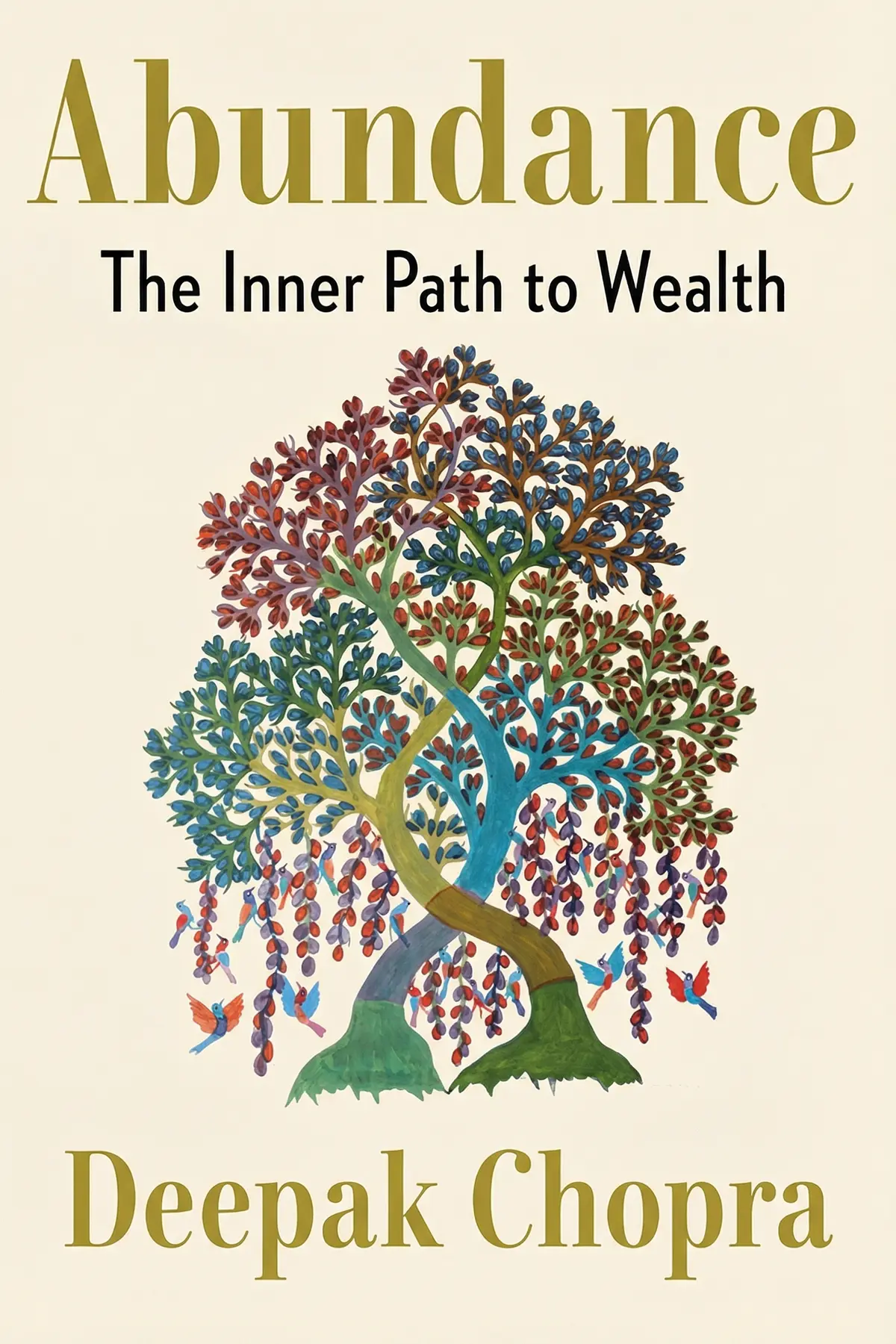
Deepak Chopra
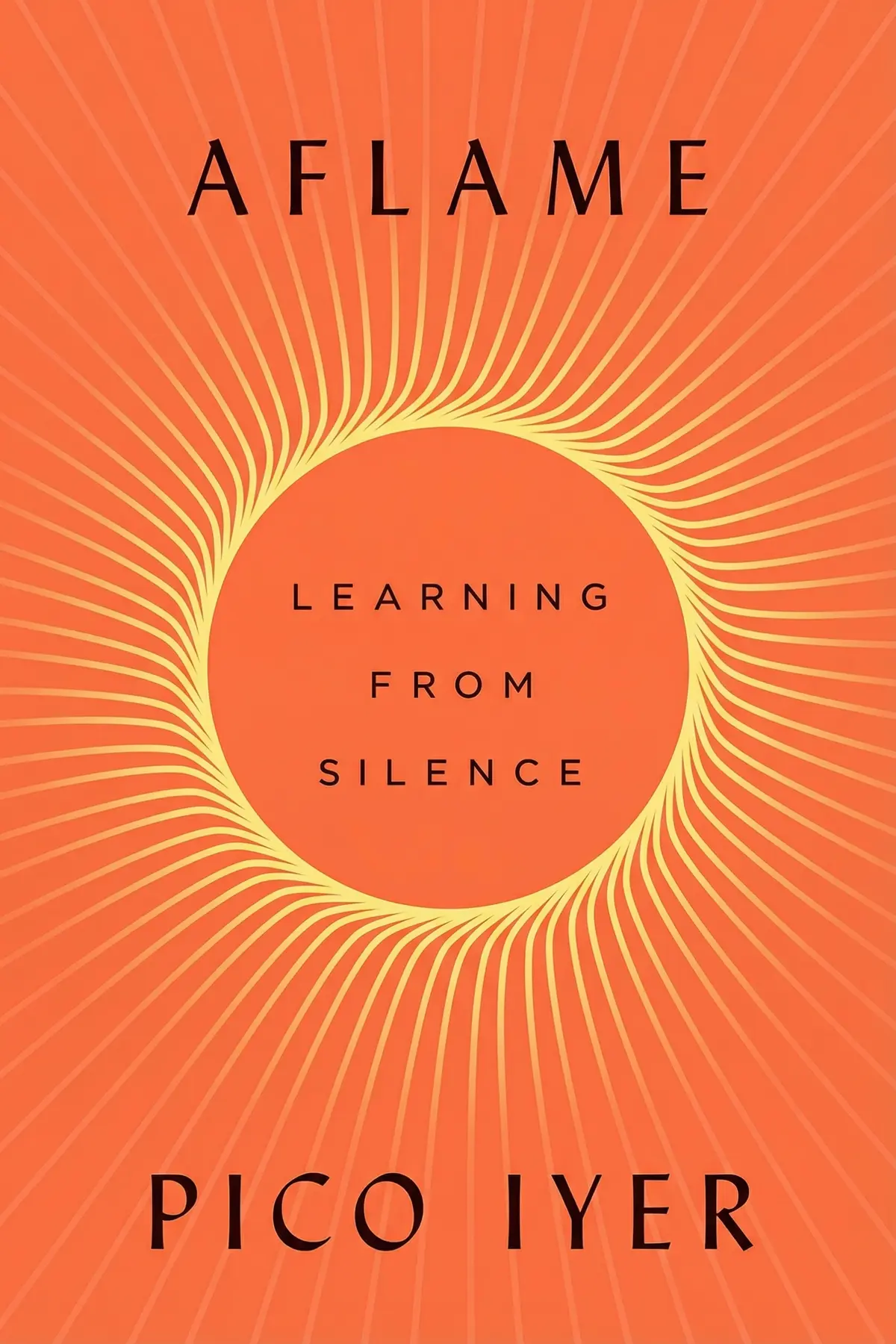
Pico Iyer
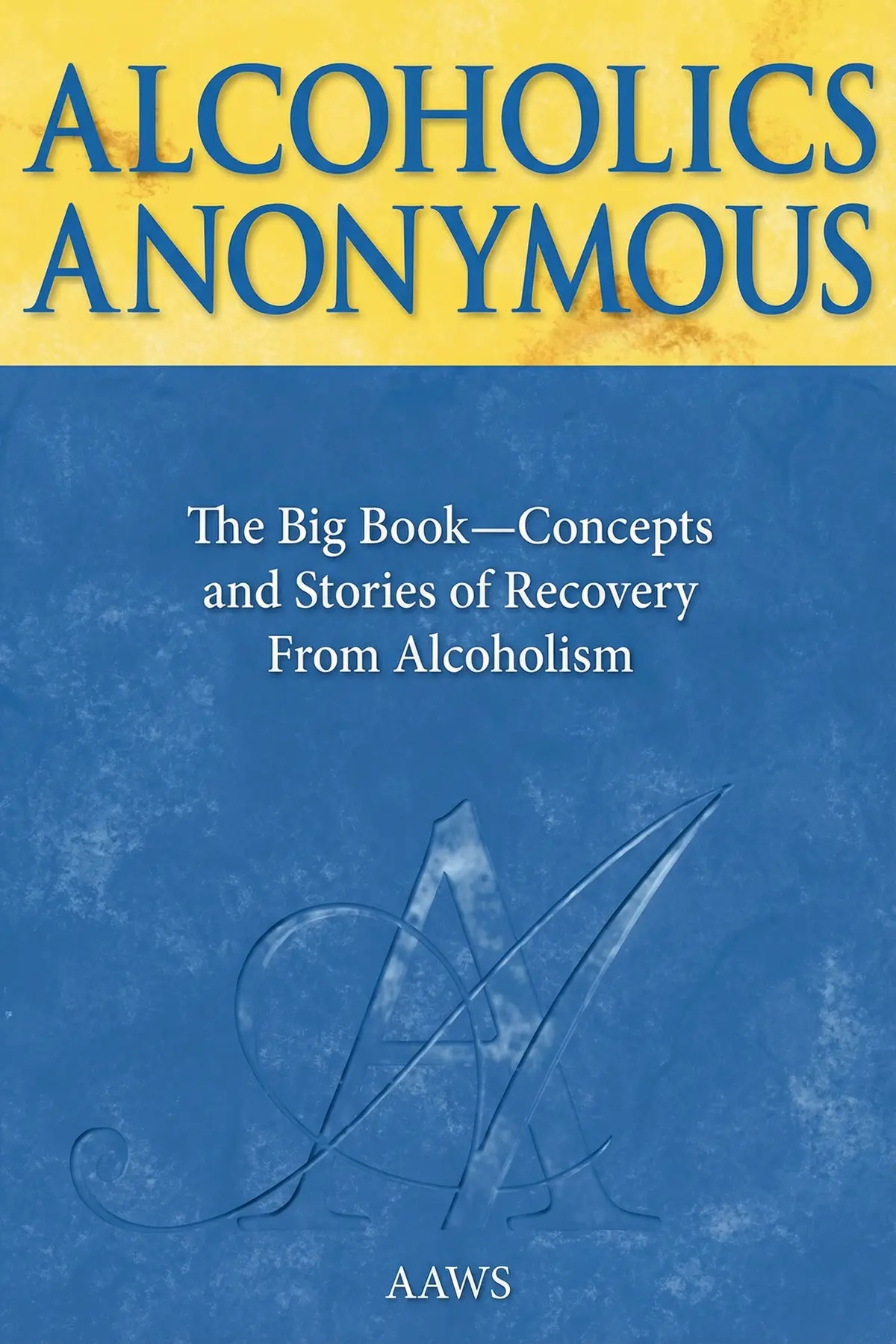
Alcoholics Anonymous World Services
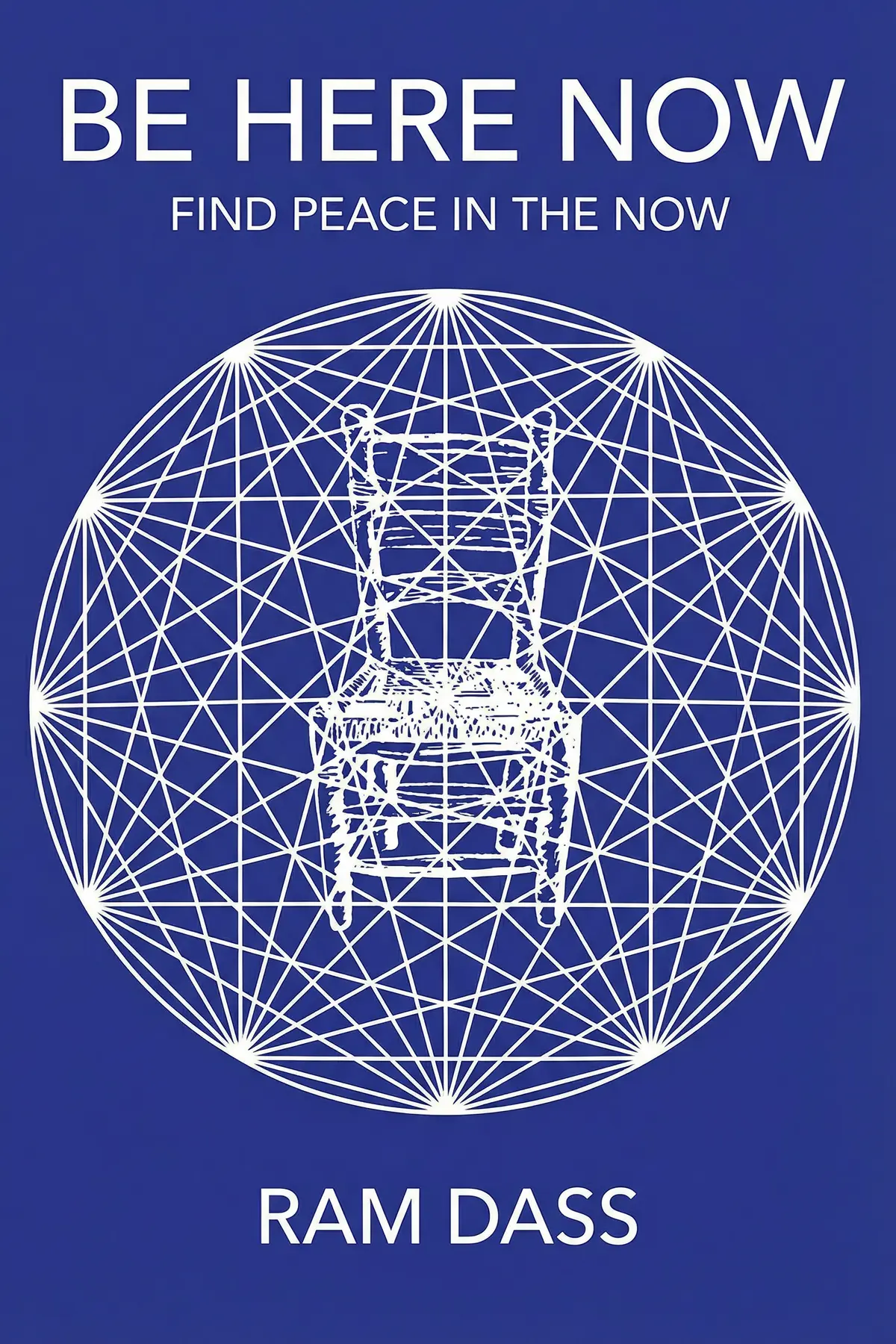
Ram Dass
AUDIO SUMMARY AVAILABLE
Get the key ideas from The Name of God is Mercy by Pope Francis, plus 5,000+ more titles in English and Thai.







