
A Different Kind of Power: A Memoir
Jacinda Ardern
An investigative deep dive into the 2016 leak of 11.5 million financial records, revealing how global elites, dictators, and celebrities utilize offshore tax havens to conceal vast wealth and evade legal accountability.
1 min 36 sec
Imagine a world where the rules of finance simply do not apply to you. While ordinary citizens pay their taxes, register their businesses, and operate within the clear boundaries of the law, a small group of the global elite has spent decades constructing a hidden alternative. This is not a conspiracy theory; it is a documented reality that came crashing into the public consciousness in 2016. At the heart of this revelation was a massive cache of data known as the Panama Papers, which exposed the secretive machinery of offshore wealth on a scale that was previously unimaginable.
The story begins with a single, cryptic communication and expands into a global investigation involving hundreds of journalists. It centers on the activities of Mossack Fonseca, a law firm based in Panama that became the go-to architect for anyone looking to make money, assets, or even their entire identity disappear. From heads of state and their close associates to organized crime figures and celebrities, the client list of this firm was a who’s who of the influential and the infamous.
In this summary, we will explore the mechanisms of this shadow system. We will look at how shell companies are used like nested protective layers to hide the true owners of wealth. We will follow the money trails that lead to the doorsteps of dictators and the inner circles of powerful presidents. Most importantly, we will examine the profound implications this system has for global democracy and economic fairness. This isn’t just a story about numbers and bank accounts; it is a look at the fundamental structures of power in the twenty-first century and the high-stakes battle to bring transparency to a world built on secrets.
1 min 55 sec
A mysterious whistleblower initiates a massive leak that would eventually dwarf previous data breaches, forcing a secret collaboration among hundreds of journalists.
2 min 22 sec
Delve into the sophisticated methods used to make billions disappear, using corporate structures that offer total anonymity.
2 min 25 sec
Explore the historical and legal foundations that transformed a small nation into a global epicenter for financial privacy.
2 min 21 sec
How offshore networks provided a lifeline for the Syrian regime, allowing it to bypass international restrictions during a brutal conflict.
2 min 30 sec
Follow the trail of two billion dollars linked to a close friend of Vladimir Putin, revealing a sophisticated system of state-level money laundering.
2 min 25 sec
An examination of how the offshore system creates a two-tiered society, where the super-rich live by a different set of rules than everyone else.
1 min 23 sec
The release of the Panama Papers was a watershed moment that changed our understanding of global power. The investigation did more than just reveal individual cases of tax evasion; it exposed a global industry dedicated to secrecy and the protection of the wealthy. The immediate aftermath was significant: the founders of Mossack Fonseca were eventually arrested, and the firm itself was forced to shut down as its reputation became toxic. Across the globe, politicians were forced to resign, and governments were pressured to implement new transparency laws.
However, as this summary has shown, the problem is much larger than one firm in Panama. The structures of offshore finance—the shell companies, the nominee directors, and the secretive tax havens—remain a part of our global economic landscape. While one firm may have fallen, the demand for its services has not disappeared. The battle for financial transparency is an ongoing struggle that requires constant vigilance from journalists, regulators, and the public.
The core message of this story is that transparency is the only antidote to the corruption and inequality that flourish in the dark. By bringing these secrets into the light, we can begin the work of creating a world where the rules apply to everyone equally, regardless of their wealth or status. The Panama Papers serves as a powerful reminder that information is a potent tool for accountability, and that even the most well-hidden secrets can eventually be revealed.
The Panama Papers offers a gripping account of the most significant data breach in the history of journalism. It explores the inner workings of Mossack Fonseca, a Panamanian law firm that specialized in creating an invisible financial architecture for the world’s most powerful people. Through the eyes of the journalists who broke the story, the narrative reveals a shadow economy that operates parallel to our own, yet remains hidden from public view and tax authorities. The book promises to pull back the curtain on the sophisticated methods used to obscure money trails, from nested shell companies and nominee directors to physical bearer shares. It tracks billions of dollars flowing from the inner circles of global leaders like Vladimir Putin and Bashar al-Assad, illustrating how these secret networks sustain regimes and fuel global inequality. Ultimately, it is a story about the fight for transparency and the quest to hold the ultra-wealthy to the same standards as the rest of society.
Frederik Obermaier and Bastian Obermayer are distinguished investigative journalists associated with the German newspaper Süddeutsche Zeitung. They have achieved worldwide acclaim for their role in uncovering massive financial corruption and scandals. Their dedicated investigative efforts have been instrumental in bringing to light some of the most prominent instances of modern-day financial malfeasance.
Listeners find the work expertly written and extensively researched, with one individual remarking that it is a must-read for practitioners and students of financial crime. Furthermore, they like the narrative's tempo, especially how it demystifies the world of offshore companies, and view it as revelatory; one review highlights how it reveals the world's corruption. However, the storytelling gets a mixed response, as some find the tales captivating while others feel the stories jump around quite a bit.
Wow. This isn't just a book; it's a terrifying roadmap of how the world's wealthiest individuals bypass the systems the rest of us rely on. The Obermaier/Obermayer duo manages to take an abstract concept like "shell companies" and give it a face—or rather, many faces, ranging from world leaders to criminal kingpins. It reads with the frantic energy of a spy novel, even though it's all based on rigorous, depressing fact. I was particularly struck by the sheer volume of 2.6 terabytes of data they had to parse. Truth is, the corruption detailed here feels so systemic that it’s almost overwhelming. While the authors clearly have a point of view, their commitment to transparency and the way they organized the International Consortium for Investigative Journalists (ICIJ) is nothing short of heroic. If you want to understand why the gap between the rich and poor keeps widening, you need to read this immediately.
Show moreFinally got around to finishing this massive account of global corruption, and it’s truly eye-opening. It exposes a world where the 1% operate in a shadow economy that is almost entirely invisible to the public. I loved the chapters detailing the collaboration between journalists across 80 countries—it shows what the media can still achieve when they work together. The risk these reporters took to bring down firms like Mossack Fonseca is inspiring. Personally, I found the "John Doe" mystery to be the most compelling thread. Who is he, and why did he choose these specific journalists? It’s a deep dive into the ethics of whistleblowing and the rot at the heart of our financial systems. Highly recommended for students of political science or anyone who wants to see how the world really works.
Show morePicked this up after seeing the documentary, and the depth of research here is staggering. It provides a much more granular look at the shell companies and the specific legal loopholes used by the elite. The authors break down complex financial concepts with ease, making it accessible even if you aren't an economist. I was fascinated by the section on how the data was actually transferred and secured. In my experience, the facts are shocking enough on their own without the extra dramatic flair, but the pacing here actually works. It reveals the world's corruption in a way that is impossible to ignore. It’s a long read, but essential for understanding the modern world and how the wealthy evade their responsibilities. An absolute must-read for anyone curious about international finance.
Show moreThis book is essentially a manual for understanding how the global elite play by a completely different set of rules. It’s infuriating, exhausting, and absolutely necessary reading. I was particularly gripped by the stories of the journalists in countries with less press freedom who risked everything to participate in this project. The authors do a fantastic job of balancing the technical details of offshore banking with the human cost of this corruption. It reveals a level of systemic rot that is hard to ignore once you've seen it laid out so clearly. Every chapter feels like another blow to one's faith in the global financial system. To be fair, it’s depressing, but the truth usually is. Brilliant work by the team at Süddeutsche Zeitung.
Show moreAfter hearing about Mossack Fonseca for years, it was fascinating to see the play-by-play of the leak. This book captures the paranoia and excitement of the early days of the investigation perfectly. It’s a masterclass in investigative technique. The authors don't just tell you that people are hiding money; they show you the exact paper trails they used to do it. It’s eye-opening to see how little these firms cared about who their clients were, as long as the fees were paid. This isn't just a book about tax evasion; it's a book about the breakdown of global ethics. The pacing is excellent, especially in the first half. Essential reading for anyone who cares about justice and transparency in the 21st century.
Show moreAs someone who follows financial news, I thought I knew the gist of this scandal, but the details in this book are wild. The way Mossack Fonseca operated with such blatant disregard for due diligence is shocking. The authors do a great job explaining the mechanics of offshore accounts without making it feel like a dry textbook. My only gripe is that the storytelling jumps around quite a bit, making it hard to keep track of every specific politician or shell company mentioned. To be fair, when you’re dealing with such a massive data leak, a bit of messiness is expected. It’s a dense read, yet the pacing keeps you engaged throughout. It is a vital resource for practitioners and students interested in financial crime or investigative journalism. The sheer scale of the greed uncovered is eye-opening.
Show moreHow do you turn 2.6 terabytes of data into a readable story? The Obermayers do a decent job, though the sheer volume of information sometimes bogs down the narrative. It’s incredible to see how many heads of state were implicated in these leaks. The book highlights the existential threat these tax havens pose to developing nations by draining their resources. My main criticism is that the book focuses heavily on European and Russian players, while American involvement feels curiously underrepresented. Is that a flaw in the data or the reporting? Either way, it’s a fascinating scoop. The pacing is generally good, and the tension of the initial leak is palpable. It is a deeply researched piece of work that everyone should at least skim to understand global inequality.
Show moreThe scale of the investigation is undeniably impressive, but the narrative flow left me wanting more. I appreciated the behind-the-scenes look at how the Süddeutsche Zeitung journalists handled the mysterious "John Doe," but the writing itself felt a bit repetitive at times. They keep circling back to the same themes of tax evasion and elite hypocrisy without adding much new depth after the first few chapters. Frankly, it felt more like a series of long-form articles stitched together than a cohesive book. The translation also felt a bit clunky in places, using odd phrasing that pulled me out of the moment. Still, the core message about global corruption is vital. It’s an important historical record, just not a particularly elegant one. I expected a bit more punch from such a historic scoop.
Show moreLook, the content is vital, yet the structure is frustratingly disjointed. One minute we're in Iceland watching a prime minister fall, and the next we're deep in the weeds of African mineral rights. It’s all connected, of course, but the transitions are jarring. I found myself having to flip back several pages to remember which specific intermediary or law firm was being discussed. The truth is, the book could have used a much stronger editor to trim the fat and focus the narrative. It’s still worth a read for the sheer audacity of the Mossack Fonseca operation, but be prepared for some dry stretches. It feels like a very long, very detailed newspaper report rather than a cohesive book.
Show moreI really wanted to be swept away by this 'journalistic thriller,' but the translation felt stiff and the chapters were too repetitive. I understand that the authors are journalists, not novelists, but the "listy" nature of the prose made it a slog to get through. It felt like I was reading a never-ending spreadsheet of rich people behaving badly. Plus, the authors' sanctimonious tone occasionally grated on me. Not gonna lie, I struggled to finish it. While the leak itself was a monumental event in history, this particular book fails to capture the drama in a way that feels fresh. It’s a lot of names and dates with very little narrative connective tissue to hold it all together. For such a massive scoop, the writing should have been much better.
Show moreJacinda Ardern
Anthony Pratkanis
Andrew Ross Sorkin
James Comey
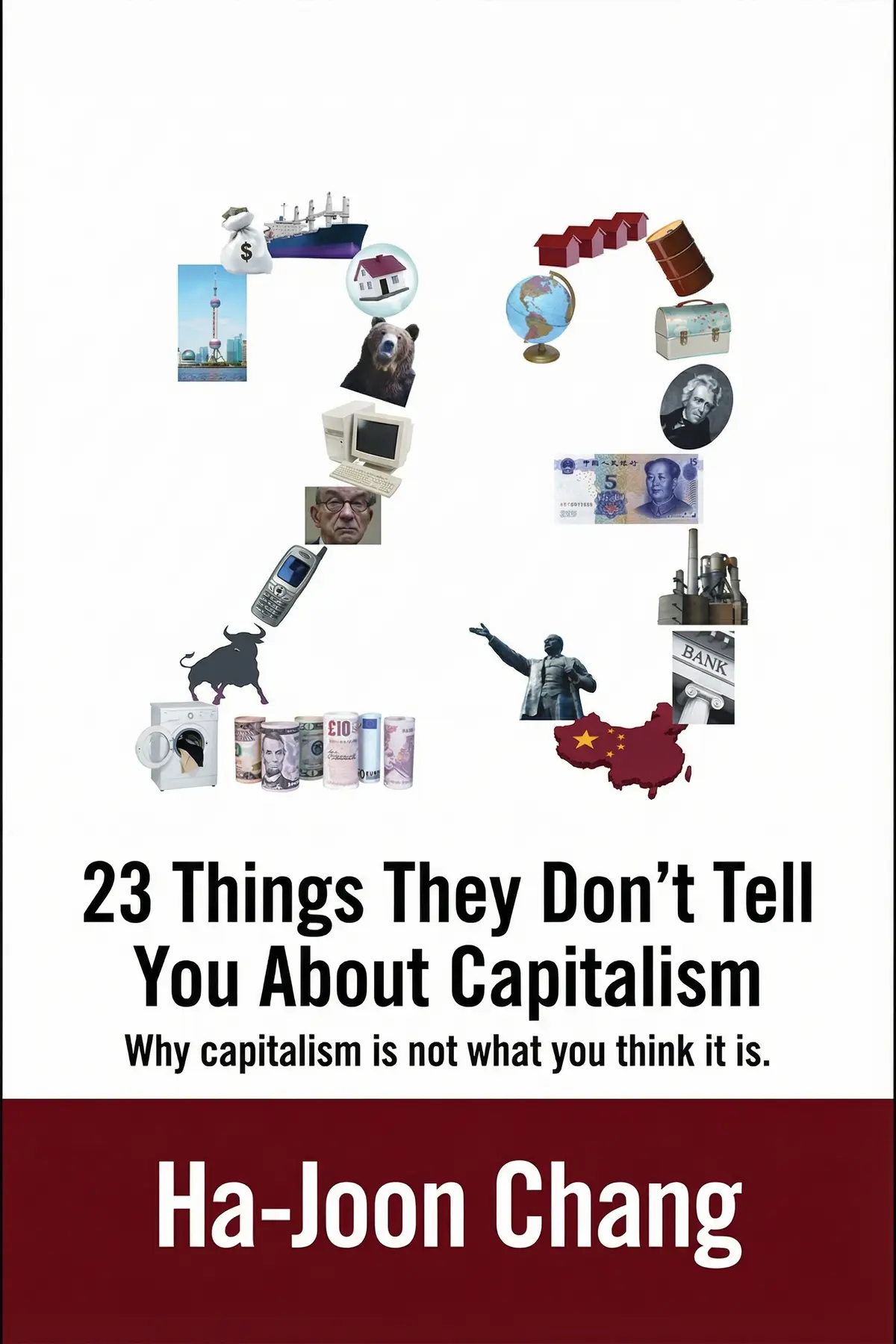
Ha-Joon Chang
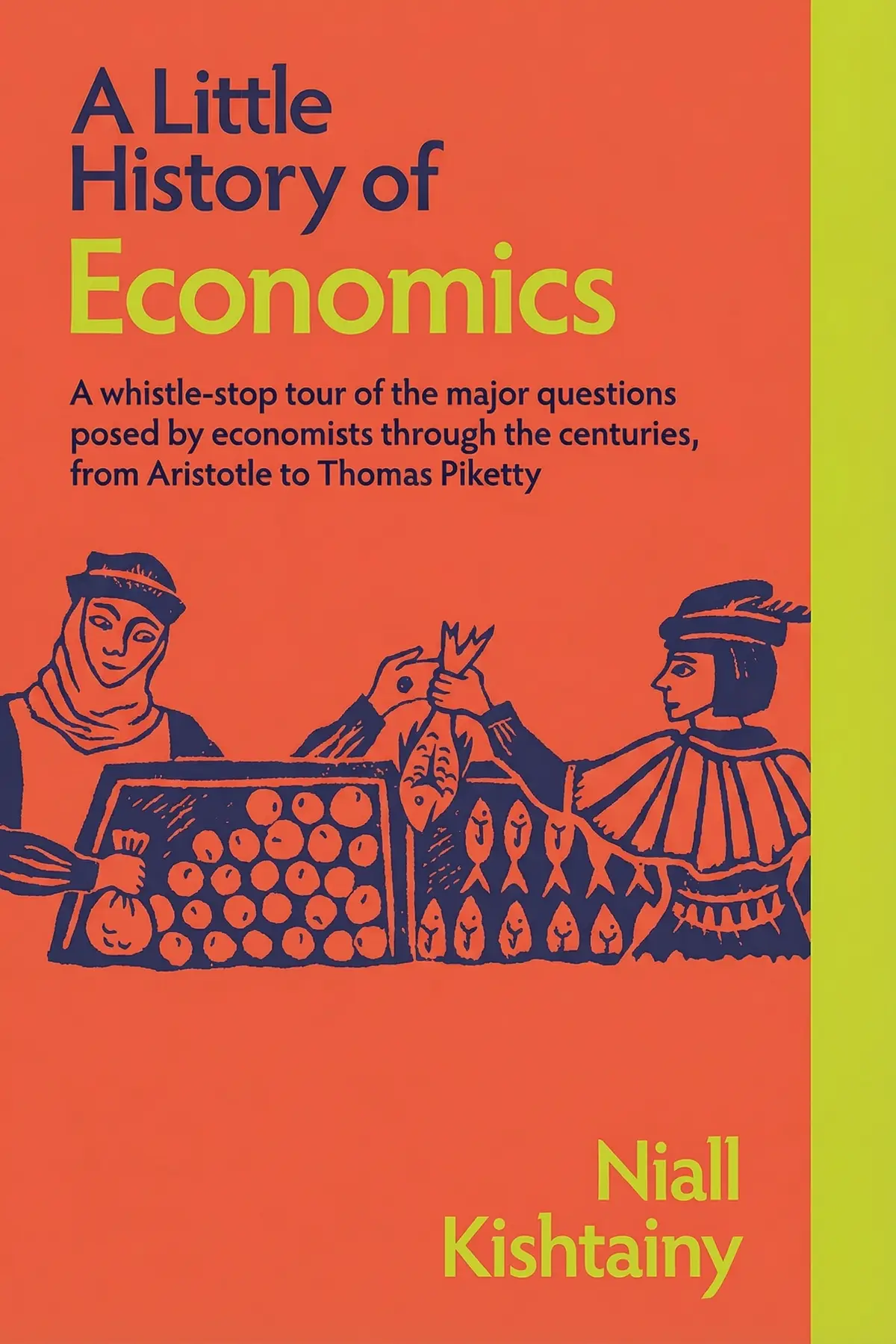
Niall Kishtainy
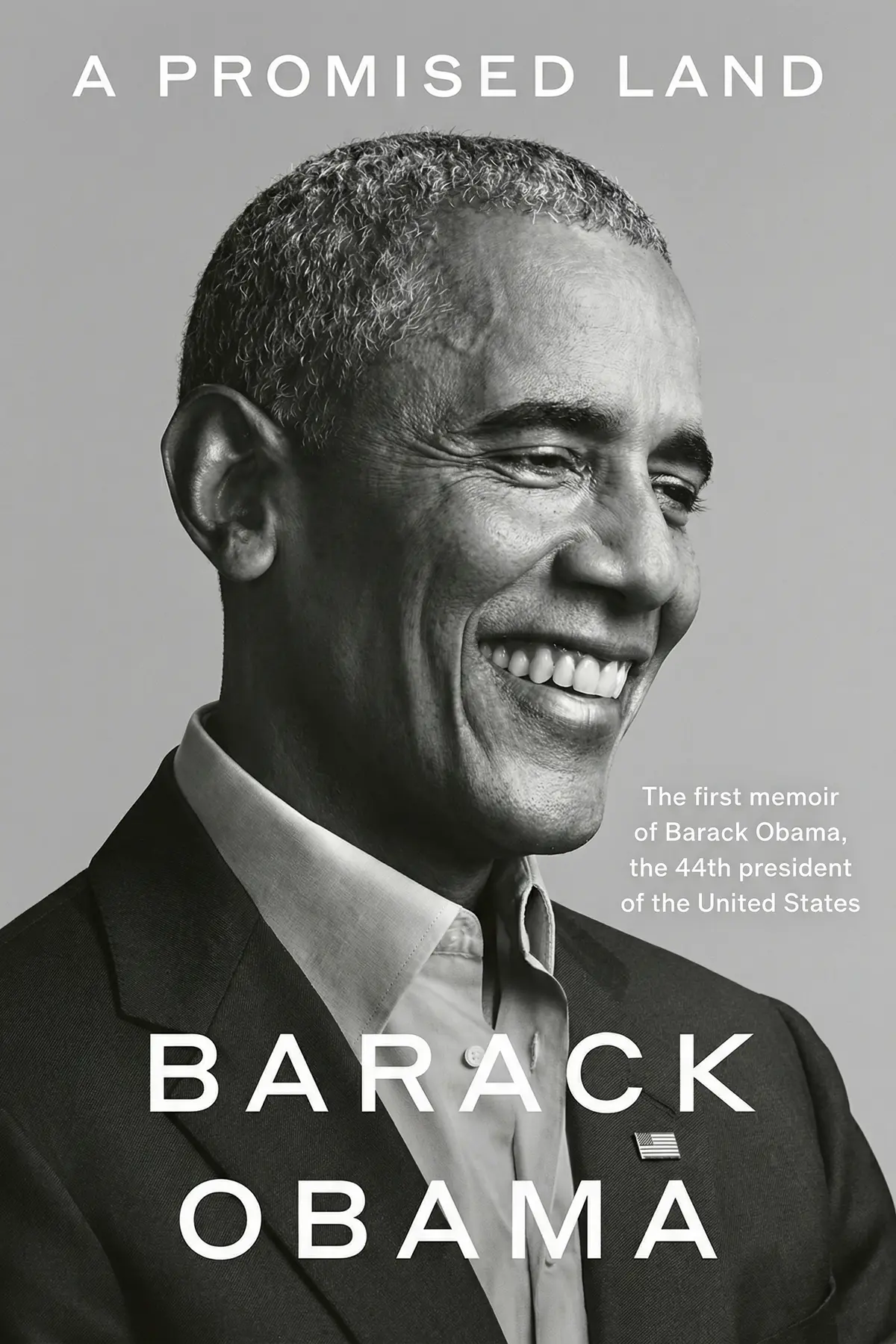
Barack Obama
AUDIO SUMMARY AVAILABLE
Get the key ideas from The Panama Papers by Frederik Obermaier, plus 5,000+ more titles in English and Thai.







