

A Biography of Loneliness: The History of an Emotion
Fay Bound Alberti
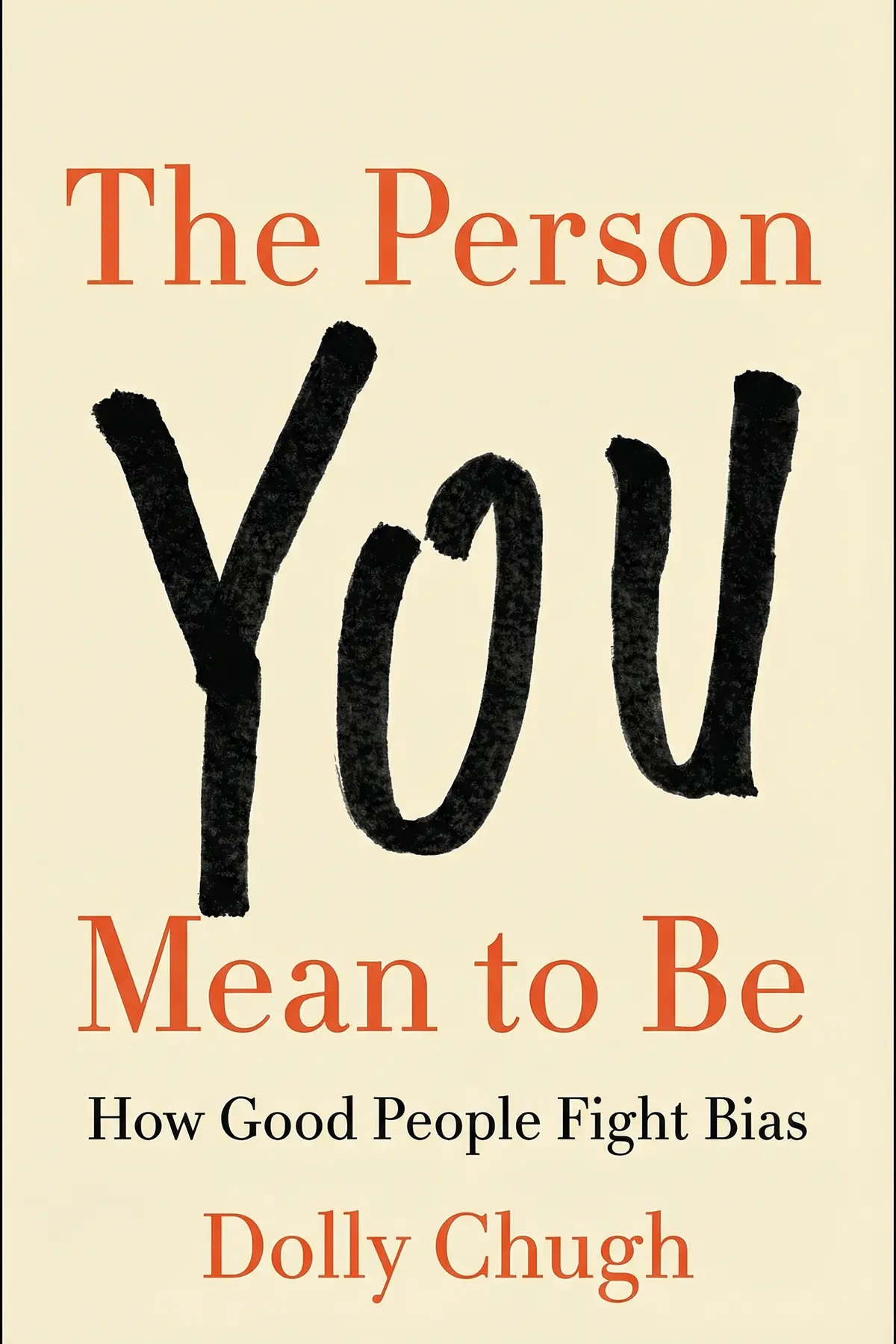
Discover how to transform from a merely “good” person into an active builder of inclusion. Dolly Chugh explores the psychological roots of implicit bias and provides a roadmap for aligning your actions with your values.
1 min 48 sec
Most of us go through life with a specific image of ourselves. We believe we are fair. We believe we are kind. We believe we are the kind of people who treat everyone equally, regardless of their background, race, or gender. We want to be the hero of our own story—the one who stands up for justice and embraces diversity. But what if there is a gap between that self-image and our actual behavior? What if, despite our best intentions, we are unknowingly participating in the very systems of bias we claim to despise?
This is the central challenge posed by Dolly Chugh. She suggests that the problem isn’t necessarily that there are “bad” people out there doing “bad” things; rather, the problem is that “good” people are often unaware of their own internal programming. We are all walking around with a set of unconscious biases that were installed in us long ago by our families, our schools, and the media we consume. These biases act like a hidden operating system, influencing our decisions, our friendships, and our professional judgments without us ever giving conscious consent.
In this journey, we are going to explore the psychological frontiers of bias and inclusion. We will look at why our brains are designed to take cognitive shortcuts and how those shortcuts can lead to systemic exclusion. We will move beyond the simple binary of being a “good” or “bad” person and instead embrace the idea of being a “work in progress.” This isn’t about feeling guilty or defensive; it’s about gaining the clarity and the tools necessary to align our daily actions with our deepest values. By the end of this summary, you will have a better understanding of how to navigate the complexities of privilege, how to be a more effective ally, and how to build environments where everyone truly belongs. Let’s start by looking at the fundamental mindset shift that makes all this growth possible.
2 min 58 sec
Discover why viewing yourself as a ‘work in progress’ is more effective than clinging to the identity of being a ‘good person’ when facing your own prejudices.
2 min 55 sec
Our brains process millions of bits of data every second, and much of that processing happens below the surface of our awareness, leading to automatic associations.
2 min 25 sec
Learn why the human ego tends to downplay the advantages we’ve had and how psychological safety can help us see the truth about our own head starts.
2 min 49 sec
Bias isn’t always an active choice to exclude; often, it’s a passive failure to include. See how subtle social patterns can keep people on the outside.
2 min 42 sec
While it may feel like ‘not our place’ to speak up, research shows that the voices of those in the majority often carry the most weight in confronting bias.
2 min 59 sec
Changing your awareness of race and identity is a journey, not an event. Learn the three phases most people go through on the path to deeper understanding.
2 min 46 sec
Why saying ‘I don’t see color’ can actually make you seem more biased and how even ‘positive’ stereotypes strip people of their individuality.
2 min 46 sec
Inclusion is about more than just hiring; it’s about whose voices are heard in the room and who gets the credit for the team’s success.
2 min 23 sec
As we wrap up this exploration, it’s worth returning to the central idea that started us on this path: the goal is to be ‘better,’ not ‘perfect.’ The journey toward becoming the person you mean to be is not a race with a finish line. It is an ongoing commitment to self-awareness and active participation in the world. We’ve seen that our brains are naturally wired for bias, that our egos are wired to protect our sense of privilege, and that our social structures are wired for exclusion. But we have also seen that we are not helpless in the face of these forces.
By adopting a growth mindset, we can turn every mistake into a learning opportunity. By understanding the invisible machinery of our unconscious minds, we can begin to question our snap judgments. And by recognizing the power of our own voices—especially if we are in a position of privilege—we can become the allies that our communities and workplaces so desperately need. The difference between a ‘good person’ and a ‘better person’ is that the better person is willing to be uncomfortable. They are willing to look at the ‘ugly’ parts of their own psyche so that they can eventually build something beautiful.
One very practical way to start this work today is to look at your ‘media diet.’ The stories we consume—the movies we watch, the books we read, the people we follow on social media—act as the primary source material for our unconscious associations. If your media diet consists entirely of people who look and think like you, your brain will continue to see everyone else as ‘other.’ Make a conscious effort to seek out diverse voices and inclusive stories. Watch shows that depict a wide range of human experiences. Read authors whose backgrounds are different from your own. This isn’t just entertainment; it is cognitive training. It’s a way to feed your brain new patterns and new associations that will eventually replace the old ones.
In the end, this is about integrity. It’s about closing the gap between the values you hold in your heart and the impact you have on the world. It’s a challenging path, and there will be days when you feel like you’re failing. But remember: the fact that you’re trying, the fact that you’re listening to this right now, means you are already moving toward the person you mean to be. Keep going, keep learning, and never settle for just being ‘good enough.’ The world needs you to be better.
Many of us strive to be fair, open-minded, and inclusive, yet we often fall short of our own ideals without even realizing it. This summary delves into the hidden mechanics of the human mind to explain why well-intended people still harbor unconscious prejudices. Drawing on social psychology and organizational behavior, it reveals how our brains process massive amounts of information through a lens shaped by upbringing and societal norms. The promise of this exploration is a shift in perspective: moving from a fixed identity of being a "good person" to a growth-oriented identity of being a "better person." You will learn why traditional approaches like color-blindness often backfire and how to recognize the invisible privileges that shape your worldview. By understanding the three stages of racial consciousness and the power of allyship, you will gain practical tools to foster diversity in your workplace, community, and personal life. It is a journey toward closing the gap between the person you mean to be and the person you actually are.
Dr. Dolly Chugh is a renowned social psychologist and an associate professor at New York University’s Stern School of Business. She earned her PhD in Organizational Behavior from Harvard University. Dr. Chugh is a leading expert in the study of unconscious bias and the psychology of good people, focusing her research on how our minds navigate complex social and ethical challenges in the modern world.
Listeners view this work as highly educational and grounded in research, with one listener characterizing it as an evidence-based recipe book. The narrative approach is both captivating and easy to follow, and listeners value the powerful personal anecdotes that provide a sense of relatability. Listeners call the content revelatory and stimulating, prompting a more profound level of reflection, while one listener remarked on the way it shifted their own self-perception.
Ever wonder why well-intentioned people still trip over their own unconscious biases? Dolly Chugh's exploration of the 'goodish' person is exactly the wake-up call I needed. Instead of shaming the reader, she uses a growth mindset framework to explain how we can actually improve. I found the sections on racial identity consciousness and privilege to be incredibly eye-opening without being overly academic. Truth is, I used to think being 'not racist' was enough, but this book proves that's just a fixed mindset trap. The writing style is engaging and the personal stories make the data points feel human. My only tiny gripe is that some of the workplace scenarios felt a bit idealized. Still, if you want to move from being a bystander to an active builder of a better society, this is your map.
Show moreAfter hearing about this on a podcast, I finally sat down to read it, and my brain is still buzzing. Chugh's argument for slave reparations was one of the most compelling and logical cases I’ve ever encountered. She manages to take these massive, polarizing concepts and break them down into digestible, actionable pieces. I especially loved the focus on being 'goodish'—allowing ourselves room to make mistakes while constantly striving to do better. The world is incredibly messy, and this book doesn't pretend to have all the answers for every restaurant seating or office lunch dilemma. Instead, it gives you the tools to sit with that discomfort. To be fair, it's a challenging read emotionally, but the personal growth is worth every bit of that unease.
Show moreThis book is essentially an evidence-backed manual for the 'goodish' person. Chugh takes the pressure off being perfect and instead focuses on the 'pathway' of continuous improvement. I loved how she utilized real-life examples to illustrate complex psychological theories. It makes the science feel accessible and, more importantly, applicable to my everyday life. Whether it’s how I consume media or how I interact with coworkers, I feel much more equipped to handle my own blind spots now. The writing is punchy, the research is robust, and the call to action is clear. Not gonna lie, I teared up a few times at the personal stories. It’s a rare book that can be both intellectually rigorous and deeply moving at the same time.
Show moreThe chapter on reparations actually changed my mind, which is something very few books have managed to do. Chugh doesn't just preach; she provides the scientific and historical context needed to understand why these issues matter so much today. I’ve been recommending this to everyone who feels overwhelmed by the current social climate. It provides a way to move through the guilt and toward actual, productive behavior. The focus on a growth mindset is a game-changer for anyone who feels stuck in their old ways of thinking. In my experience, most books on this topic are either too academic or too superficial, but Chugh hits the sweet spot. It’s a refreshing, honest look at what it takes to be the person you actually mean to be.
Show moreFinally got around to this one after it sat on my nightstand for three months. It is an evidence-backed recipe book for a more inclusive life. Chugh’s background in psychology shines through every page, offering a level of depth that most 'self-help' books lack. By reframing the conversation around growth instead of perfection, she makes the work of dismantling bias feel achievable. I particularly appreciated the detailed summary of the Implicit Association Test results—it was a staggering reminder of how much happens below our conscious awareness. If you are looking for a way to align your daily actions with your internal values, this is the most practical guide I have found. Truly a thought-provoking read that I will be returning to often.
Show moreDolly Chugh writes with a clarity that is rare in social science books, making the concept of unconscious bias accessible to everyone. The way she distinguishes between diversity as a gateway and inclusion as a pathway really stuck with me. It’s an evidence-backed guide that reads like a conversation with a very smart friend. However, I did notice a few moments where the narrative centered on the 'learning experience' of privileged individuals at the expense of those actually harmed. For example, some anecdotes about racial slurs focused heavily on the offender’s growth rather than the victim’s impact. That said, the research on Implicit Association Tests and media consumption is top-tier. It’s a solid 4-star read that will definitely spark some deep thinking in your next book club meeting.
Show moreThe distinction between diversity as a gateway and inclusion as a pathway was a total lightbulb moment for me. I’ve read a lot of HR manuals, but Chugh’s research-driven approach feels way more authentic and grounded in reality. She draws from her time in grad school and her work with Max Bazerman to deliver a masterclass in behavioral ethics. My favorite part was the actionable advice on media consumption; it’s a simple change that can actually shift your perspective over time. Gotta say, some of the psychological studies felt a little repetitive toward the middle, but the core message remains strong. It’s a thought-provoking read that forces you to acknowledge your own privilege without feeling like you’re being attacked.
Show moreNot what I expected from a book on bias; it felt more like a practical toolkit than a dry lecture. Chugh does an excellent job of explaining how our brains take shortcuts that lead to unintended exclusion. I found the section on the Implicit Association Test (IAT) to be particularly humbling. It's one thing to say you're unbiased, but it's another to see the data prove you wrong. Look, the book isn't perfect—some of the storytelling feels a bit centered on whiteness—but the framework for a growth mindset is incredibly useful. It makes the daunting task of fighting systemic bias feel like something a regular person can actually contribute to. I’ll be recommending this to my colleagues as a starting point for our DEI initiatives.
Show morePicked this up because I wanted to be a better ally, and frankly, it was more uncomfortable than I anticipated. Chugh pushes you to look at the 'dams' that block social progress, much like MLK described in his Birmingham jail letter. It’s not just about being a nice person; it’s about the responsibility of privileged individuals to use their influence for change. I appreciated the specific strategies for sharing credit equitably and listening more effectively. The book is well-researched and engaging, though I wish there were more voices from BIPOC individuals included in the core anecdotes. It’s a great 'entry-level' book for those who are just beginning to realize how deep their unconscious biases run. A very solid, eye-opening experience.
Show moreWhile I appreciate the effort, this book feels a bit too simplistic for such a complex philosophical topic. Chugh presupposes what 'good' means without really defining it, which feels a bit intellectually lazy at times. She relies heavily on scientific studies to bridge the fact-value gap, but statistics can’t tell us what we should value in our hearts. Personally, I found the tone a bit moralizing, as if any hesitation to agree with her framework is just a failure to listen properly. It’s difficult to engage with a text that uses guilt as a primary motivator for social change. If you’re looking for a deep philosophical dive into ethics, this isn't it. It’s more of a corporate-friendly manual that skims the surface of real systemic issues.
Show moreFay Bound Alberti
Daniel Goleman
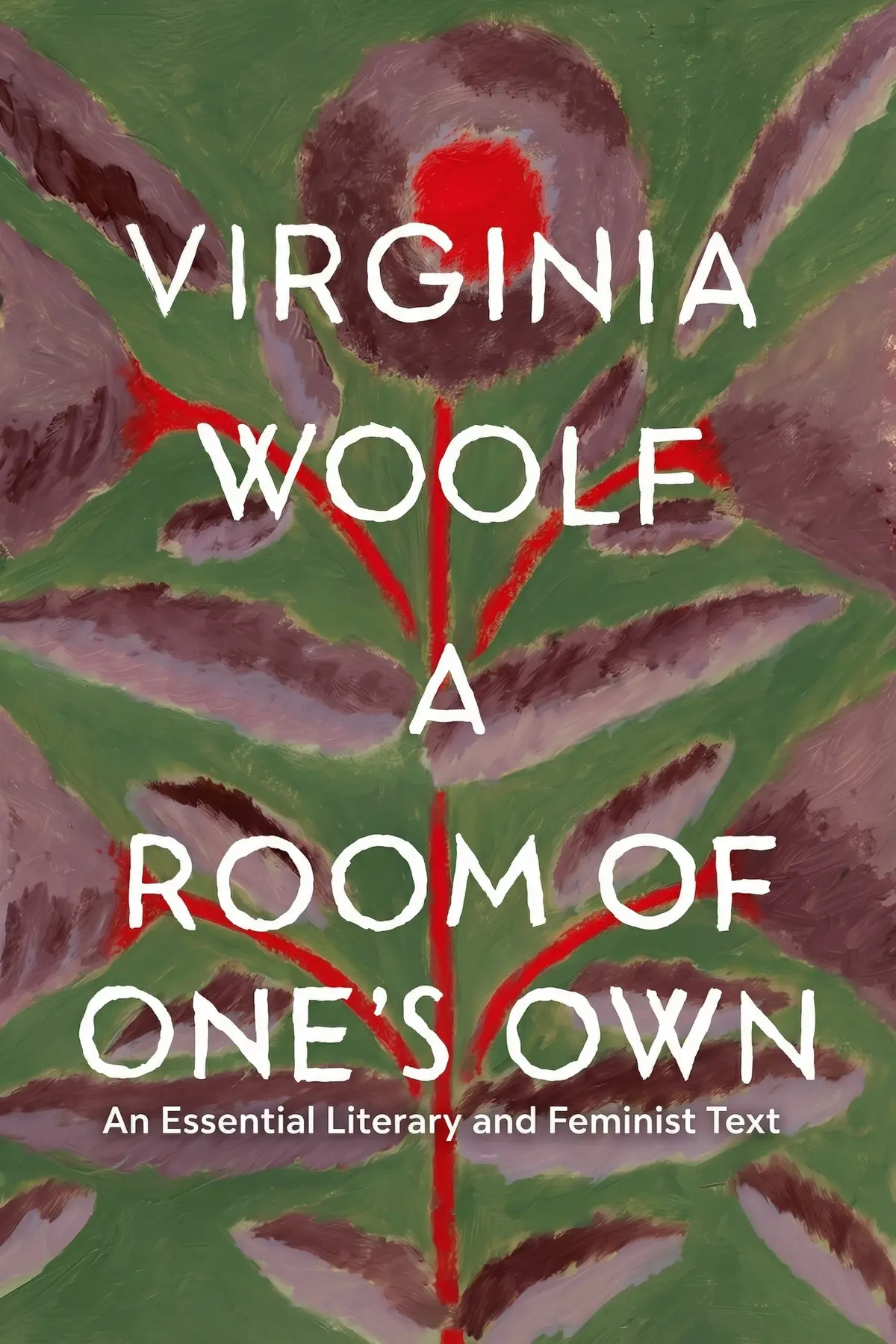
Virginia Woolf
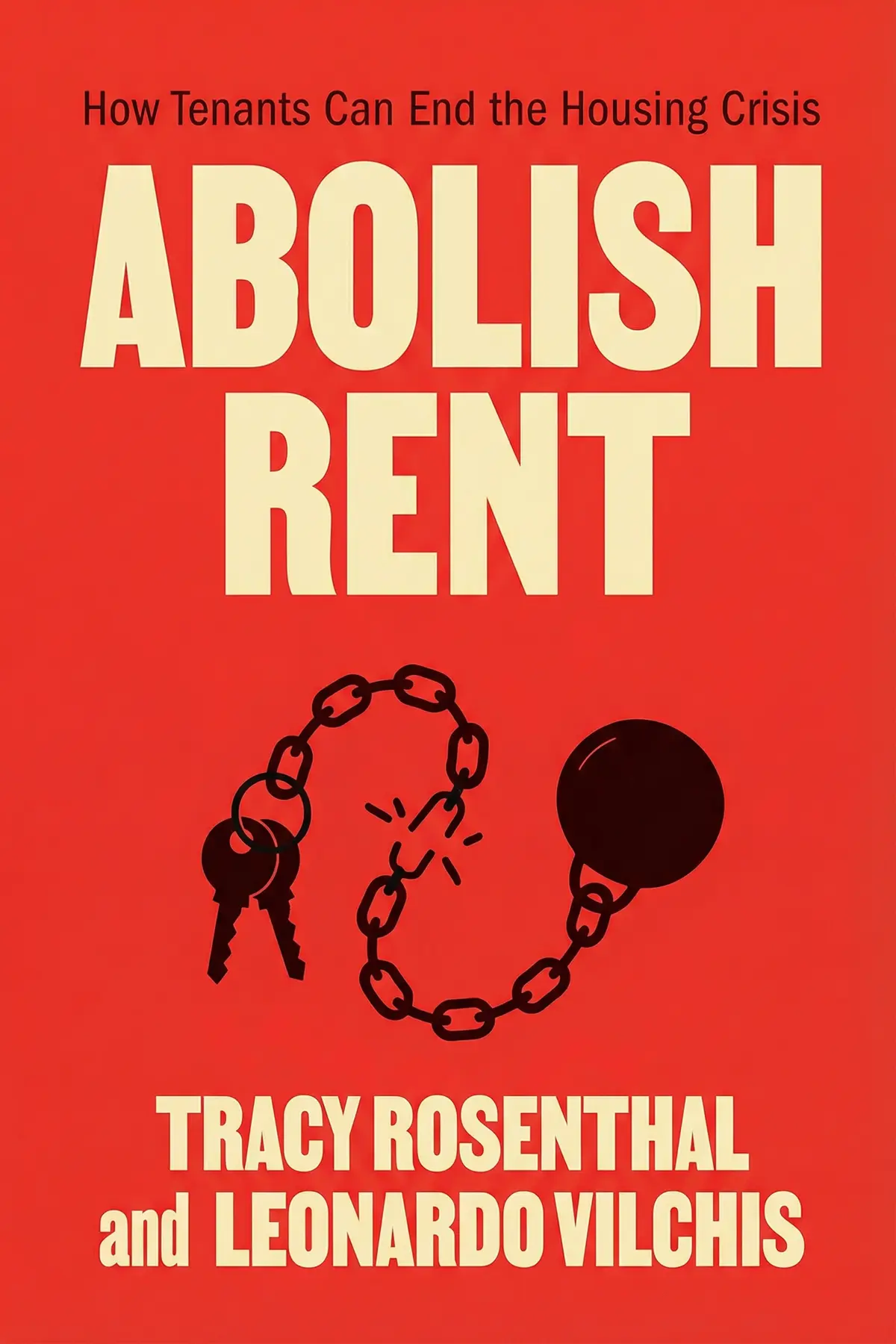
Tracy Rosenthal
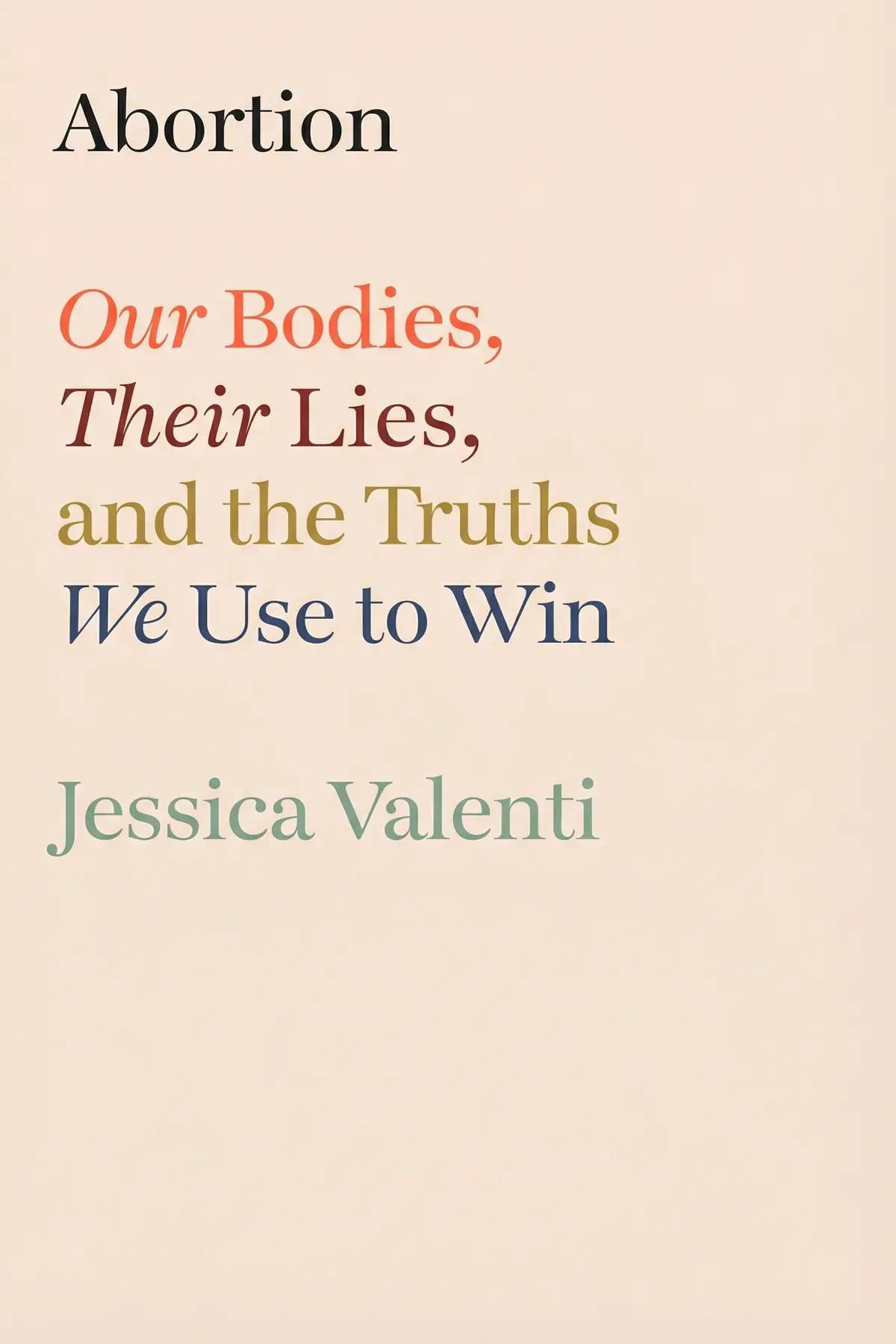
Jessica Valenti
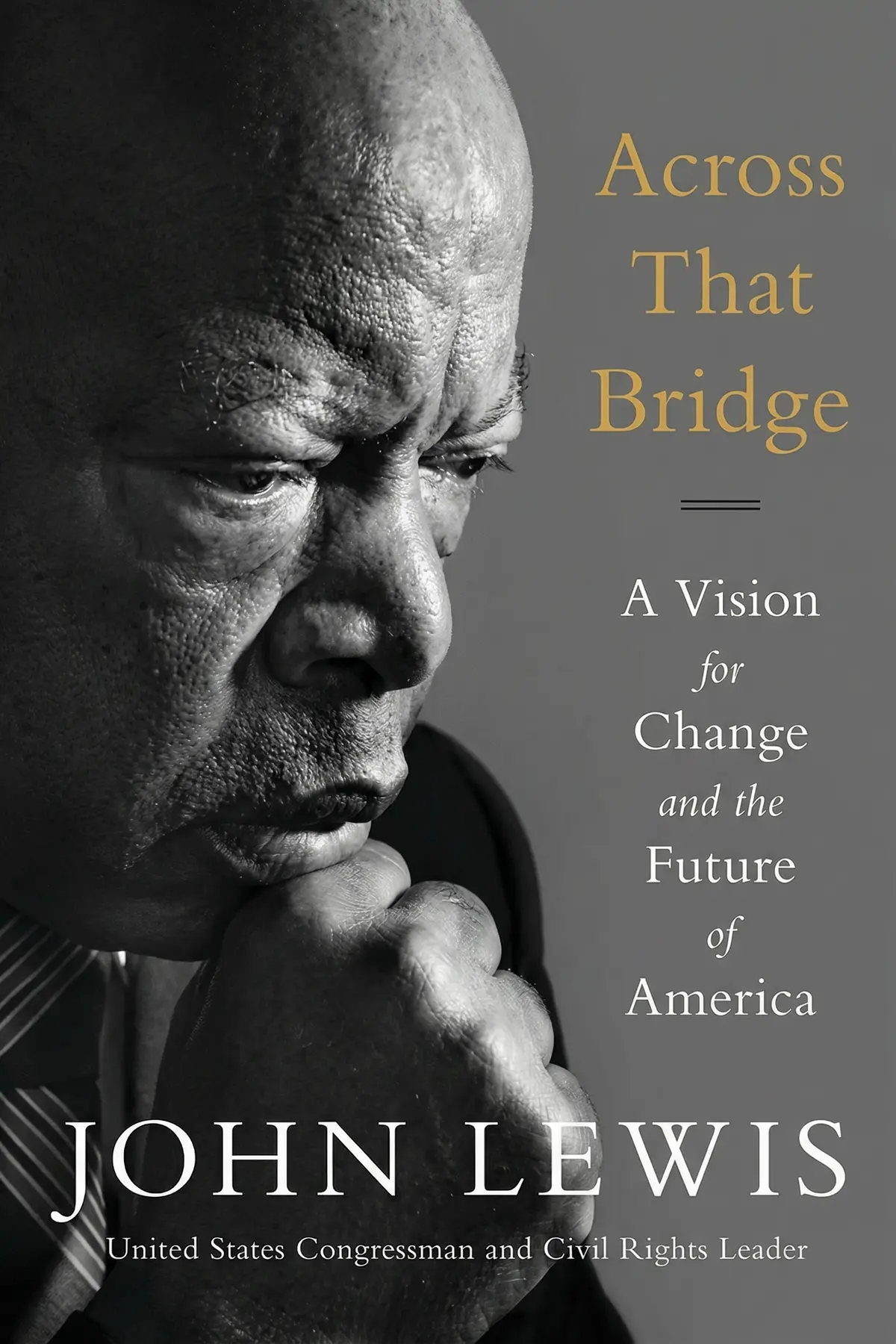

Johny Pitts
AUDIO SUMMARY AVAILABLE
Get the key ideas from The Person You Mean to Be by Dolly Chugh, plus 5,000+ more titles in English and Thai.







