
16 min 18 sec
The Personality Brokers: The Strange History of Myers-Briggs and the Birth of Personality Testing
By Merve Emre
Discover the hidden history of the Myers-Briggs Type Indicator. This account explores how a mother-daughter duo transformed questionable psychological theories into a global phenomenon, shaping how we understand ourselves and our careers today.
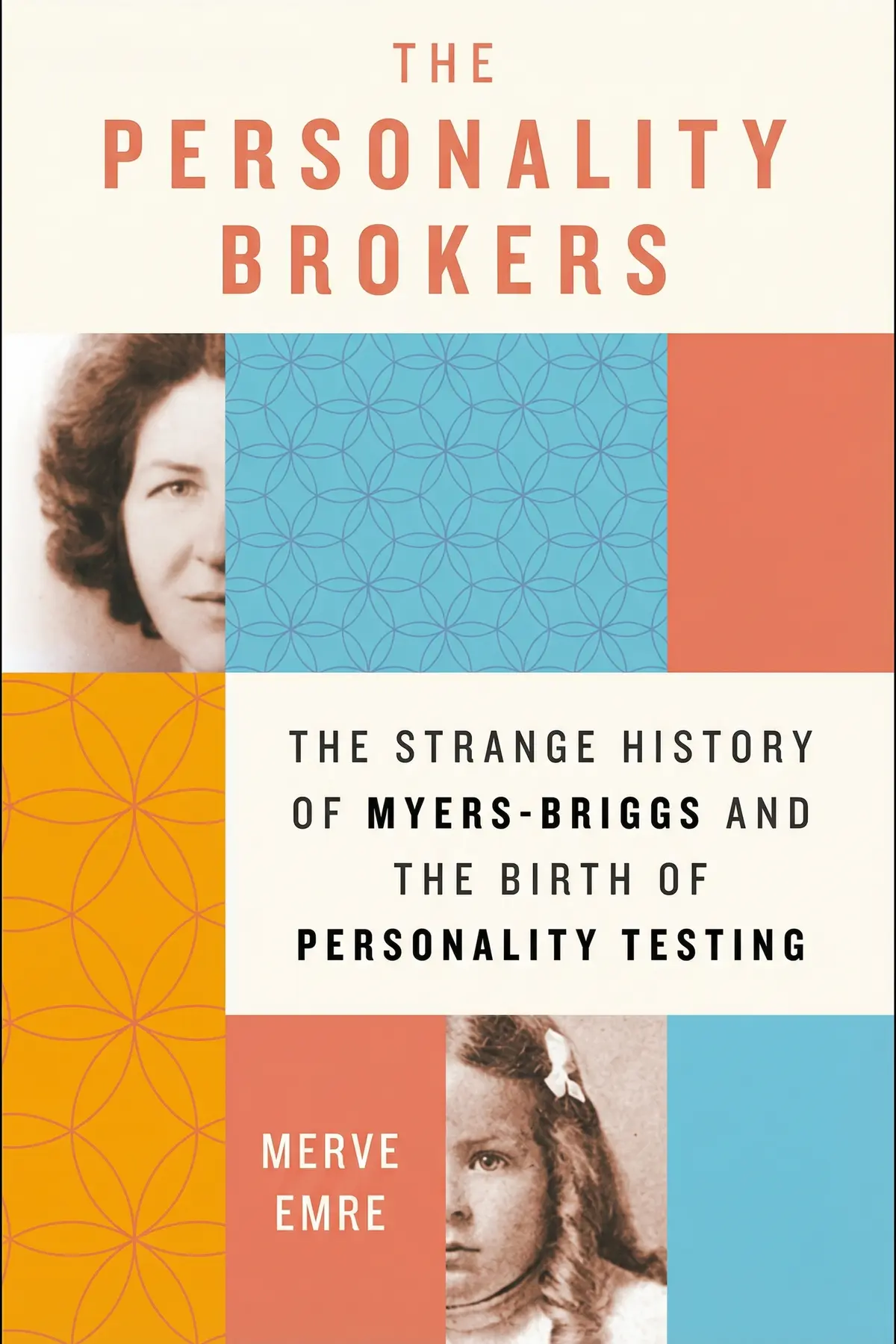
Table of Content
1. Introduction
1 min 38 sec
Every year, millions of people sit down to answer a series of questions that promise to unlock the secrets of their inner selves. They are looking for four letters—a code that explains why they work the way they do, why they clash with certain colleagues, and what kind of environment helps them thrive. This is the world of the Myers-Briggs Type Indicator, or MBTI. It is a tool so ubiquitous that it has become a staple of corporate hiring, university counseling, and even online dating profiles. We’ve come to accept these personality labels as a fundamental part of our social and professional lives, but rarely do we stop to ask where they actually came from.
In this exploration of The Personality Brokers, we are going to look behind the curtain of this billion-dollar industry. We will meet the mother and daughter who spent decades refining this system, driven by a vision of human potential that was as deeply personal as it was ambitious. Their story isn’t just a history of a test; it’s a window into the twentieth century’s obsession with self-improvement and the search for identity.
As we walk through this history, we will examine the foundation of the MBTI, which is rooted in the controversial theories of Carl Jung. We’ll look at the social forces that made the public so hungry for personality typing in the first place. We will also confront the difficult questions regarding the test’s validity and the ethical concerns raised by thinkers who saw danger in the act of labeling human beings. By the end, we’ll see that while the MBTI might not meet the strict standards of modern science, it offers something that many people find far more valuable: a sense of belonging and a roadmap for understanding the person they see in the mirror.
2. The Structure of the Indicator
2 min 25 sec
How do 93 questions translate into a complex personality profile? Discover the specific binaries that define the world’s most recognizable personality framework.
3. The Jungian Connection
2 min 16 sec
The test’s foundations lie in the work of a psychological titan, but the transition from theory to questionnaire was anything but scientific.
4. A Mother's Devotion
2 min 08 sec
The creation of the MBTI wasn’t just a project; it was the result of a profound, almost spiritual obsession that defined a family’s legacy.
5. The Thirst for Self-Discovery
1 min 55 sec
In the wake of a changing world, the MBTI offered a new way for people to find meaning outside of traditional institutions.
6. Critiques and Consequences
1 min 59 sec
Not everyone saw the personality test as a harmless tool. Discover why some philosophers viewed the act of typing as a step toward something much darker.
7. The Persistence of the Indicator
2 min 10 sec
Despite a lack of scientific proof, the MBTI remains a global powerhouse. Explore the psychological reasons why we continue to believe in its results.
8. Conclusion
1 min 47 sec
The story of the Myers-Briggs Type Indicator is one of the most remarkable examples of how an idea can move from the fringes of obsession to the center of global culture. What began as a mother’s fascination with a Swiss psychologist’s mystic theories evolved into a standardized tool that defines the professional lives of millions. As we’ve seen, the MBTI is a product of its time—a response to a world searching for new forms of identity and meaning in the face of rapid modernization.
We must acknowledge that the test lacks the empirical rigor required by modern psychology. Its categories are fluid, its reliability is questionable, and its foundations are more philosophical than scientific. Yet, its enduring popularity suggests that it fulfills a deep-seated human need. We want to be known, we want to be understood, and we want to feel that our quirks and preferences aren’t just random, but part of a larger, coherent pattern.
So, what is the final takeaway from the history of these personality brokers? It is a reminder to approach these labels with both curiosity and caution. While the MBTI can be a helpful starting point for self-reflection and a useful bridge for communication with others, it should never be seen as a definitive map of the human soul. We are far more complex than any four-letter code can capture. The value of the test lies not in its scientific truth, but in the conversations it starts and the self-acceptance it encourages. Use it as a tool for growth, but remember that you are always the author of your own story, regardless of the ‘type’ you are assigned. As you move forward, consider how you might embrace your own unique traits without the need for a label, and remain open to the parts of yourself that refuse to fit into any box.
About this book
What is this book about?
The Personality Brokers offers a deep dive into the fascinating and often bizarre origin story of the world’s most famous personality test: the Myers-Briggs Type Indicator (MBTI). While millions of people use the test for career coaching, team building, and self-discovery, few realize that its creators, Katharine Briggs and Isabel Myers, had no formal training in psychology. The book traces their journey from a shared obsession with Carl Jung’s theories to the creation of a massive industry. You will learn how the test emerged during a period of massive social change in the early twentieth century, offering a sense of order and identity in a rapidly modernizing world. The narrative explores the tension between the test’s scientific shortcomings and its immense cultural power. By examining the critiques of social philosophers and the data of modern psychologists, the book promises to reveal why we are so eager to be categorized and what the enduring popularity of the MBTI says about our desire for self-acceptance in a complex world.
Book Information
About the Author
Merve Emre
Merve Emre is a distinguished author and an associate professor of English at the University of Oxford. Her insightful cultural criticism and writing have been featured in prominent publications, including The New Yorker and The New Republic. She earned her MPhil and PhD from Yale University, bringing a rigorous academic perspective to her explorations of literature and history.
Ratings & Reviews
Ratings at a glance
What people think
Listeners find this work extensively researched and articulately composed, with an intriguing narrative regarding the history of the MBTI. They also enjoy its engaging nature and deem it a valuable read, with one listener highlighting how helpful it is for gaining personal insight. Nevertheless, opinions are divided on the quality of information and personality-focused content; some feel it is educational while others do not, and several listeners mention that it is not a personality assessment.
Top reviews
Woramet
The Personality Brokers is a masterful piece of intellectual history that reads like a character study. I was absolutely gripped by the bizarre saga of the Briggs family and their persistence in bringing this indicator to the world. Emre’s wit is sharp. She never talks down to the reader, even when describing the more eccentric aspects of her subjects' lives. The chapter on the house-party testing with celebrities like Truman Capote was particularly brilliant. It perfectly illustrates the mid-century obsession with categorization. This book is for anyone who enjoys seeing how ideas take root in culture. It is beautifully researched and written with a narrative flair that is rare in non-fiction. Even if you hate the MBTI, you have to respect the hustle of the women who created it. An amazing and illuminating read that stayed with me long after I finished it.
Show moreSaovapa
Wow, I had no idea the origins of the Myers-Briggs were so strange and almost cultish. Merve Emre has a gift for making history feel urgent and alive. The way she weaves together Jungian theory, corporate greed, and the personal ambitions of Katharine and Isabel is just spectacular. I loved the wittiness of the prose; it’s sharp without being mean-spirited. The book really makes you think about why we are so desperate to be put into boxes. It’s a fascinating look at the 'technology of the self.' Even though the science behind the test is basically non-existent, the story of its creation is a classic American tale of reinvention. I finished it in three days and have been telling everyone about it. Essential reading for anyone who has ever felt defined by a four-letter code.
Show moreSawit
As someone who grew up obsessed with my INTJ label, I went into this expecting a total takedown. Instead, I found a deeply researched and incredibly sharp history of how the MBTI came to be. Merve Emre is a fantastic writer. She manages to make the strange, almost cultish origins of the test feel both bizarre and inevitable. The corporate history, especially the part about how it was used to manage the post-war white-collar workforce, was eye-opening. To be fair, it’s less about the 'science' of personality and more about the people who sold us on the idea. I did find the middle chapters about the creators' domestic lives a bit long-winded. However, the prose is so elegant that it kept me moving through the slower parts. If you want a book to tell you more about your 'type,' this isn't it. If you want to know how we all became obsessed with these four letters, it's a must-read.
Show moreChai
Finally got around to reading this, and the historical context of the MBTI as a capitalist tool is fascinating. It is amazing how a test created by two 'housewives' managed to infiltrate the military, churches, and top-tier corporations. Emre does a great job showing the darker side of this, including the classist and racist views held by the creators. My favorite part was the description of the 're-education' camp the author had to attend to get certified. It really highlights the cult-like nature of the modern MBTI community. My only real gripe is that the book wanders into some very detailed tangents about side characters that don't always feel relevant. Still, the core narrative is strong. It’s a worthwhile read for anyone interested in how we construct our identities in a corporate world. Well-written and very informative throughout.
Show moreJulian
After hearing about the controversy surrounding this book, I had to see for myself. It’s definitely well-researched, though it leans heavily into the 'character' aspect of the creators. Emre doesn't pull any punches regarding the lack of scientific validity, which I appreciated. Personally, I enjoyed the deep dive into the 1940s corporate culture and how they used these tests to screen for 'ideal' employees. It does suffer slightly from 'character capture,' where the personal lives of the women overshadow the broader implications of the test itself. But the writing is so good that I didn't mind too much. It’s a fascinating, middlebrow intellectual history that is both entertaining and slightly disturbing. It makes you realize how much of our modern world is built on very shaky foundations. Definitely worth your time if you like history with a side of skepticism.
Show moreWei
Ever wonder where that four-letter code on your LinkedIn profile actually came from? This book provides the answer, though it takes a very academic route to get there. It’s part biography and part social critique, tracing the mother-daughter duo behind the world’s most famous personality test. The truth is, the history is quite strange. Katharine Briggs had a quasi-religious obsession with Carl Jung that feels more like a fever dream than psychology. The writing is good, but it’s definitely not a quick read. At times, the tone feels a bit condescending toward people who actually find value in the test. I would have liked more data and less 'humanist' philosophical maundering. It’s a decent piece of history, but it feels like it’s missing a core argument. It sits in a weird middle ground between being a biography and a scientific critique without fully committing to either.
Show moreCherry
Picked this up because I’ve taken the MBTI at every job I’ve ever had. It’s a solid, if somewhat dry, history of the test's evolution. The author is clearly a talented researcher, and the details about the Education Training Service’s role were new to me. However, the book feels a bit disjointed. It jumps from being a biography to a corporate history to a personal memoir. Not gonna lie, I skipped a few of the more academic chapters in the middle. The truth is, it’s more of a history book than a personality assessment. It won't help you understand yourself better, but it will help you understand why your HR department is obsessed with you being an ENFP. It’s an okay read, but it could have used a much tighter edit to keep the momentum going.
Show moreLincoln
This was such a disappointment after that killer introduction. The author starts with this fascinating story about spending $2,000 just to access the MBTI archives, which set the stage for a real investigative thriller. But then the book just devolves into a dry, overlong biography of Katharine Briggs and Isabel Myers. Look, their lives just aren't that interesting. I wanted to understand the modern industry behind personality testing. Instead, I got endless details about their house chores and what they ate. Emre dismisses the question of whether the test actually works as something for 'scientists' to worry about. Frankly, that feels like a cop-out. I finished the book knowing very little about the actual validity of the MBTI and way too much about the mundane habits of two 20th-century housewives. It’s basically an overgrown New Yorker article that loses its way.
Show moreBam
Not what I expected based on the marketing. I thought this was going to be an exposé on the multi-million dollar personality testing industry. Instead, it’s mostly a domestic history of two women who had no formal training in psychology. The author promises a lot of drama in the intro, claiming the test cost these women their marriages, but the actual text doesn't back that up. It seems like their husbands were just slightly annoyed. Personally, I found the writing style a bit too dense for the subject matter. There’s a lot of middlebrow intellectual gloss—references to Foucault and Adorno—that doesn't really add much to the story. I also hated the weird hypothetical section at the end where the author imagines lives for different 'types.' It felt like filler in a book that was already dragging. Just didn't hit the mark for me.
Show moreRungrat
What a slog. I wanted a book about personality psychology, not an over-the-top, boring biography of two women I don’t care about. The writing is incredibly academic and slow. The author even admits in interviews that she doesn't care about the validity of the test because she's a 'humanist.' That is exactly the problem with this book. If you're going to write about a psychological indicator, you need to talk about the data. Instead, we get pages of description about what these women wore. It’s frustratingly vague where it should be clinical. I learned more about the flaws of the MBTI from a five-minute Google search than I did from this entire 300-page book. If you want to actually learn about personality testing, go elsewhere. This is just an over-inflated biography that misses the most interesting questions about the subject.
Show moreReaders also enjoyed
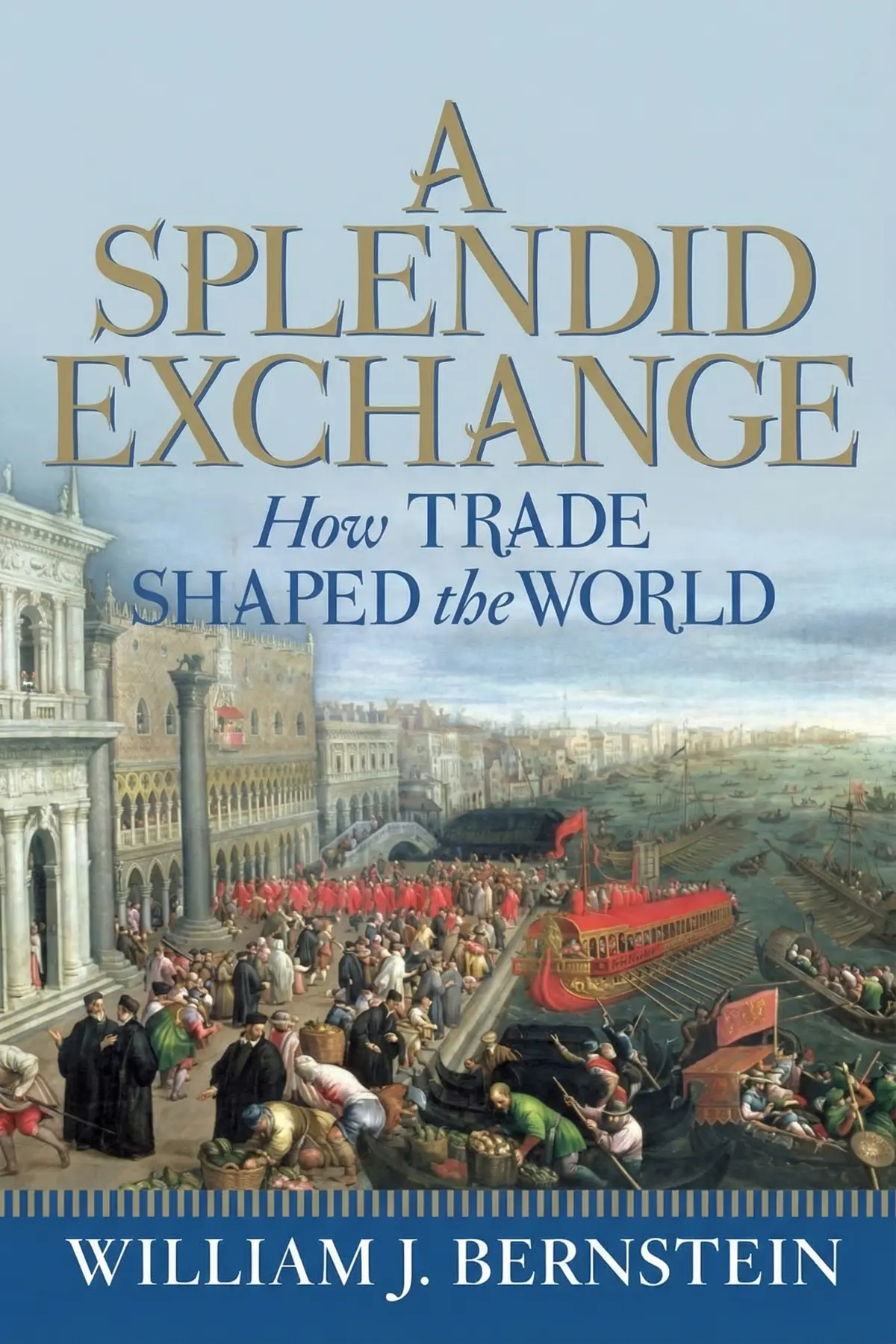
A Splendid Exchange: How Trade Shaped the World
William J. Bernstein
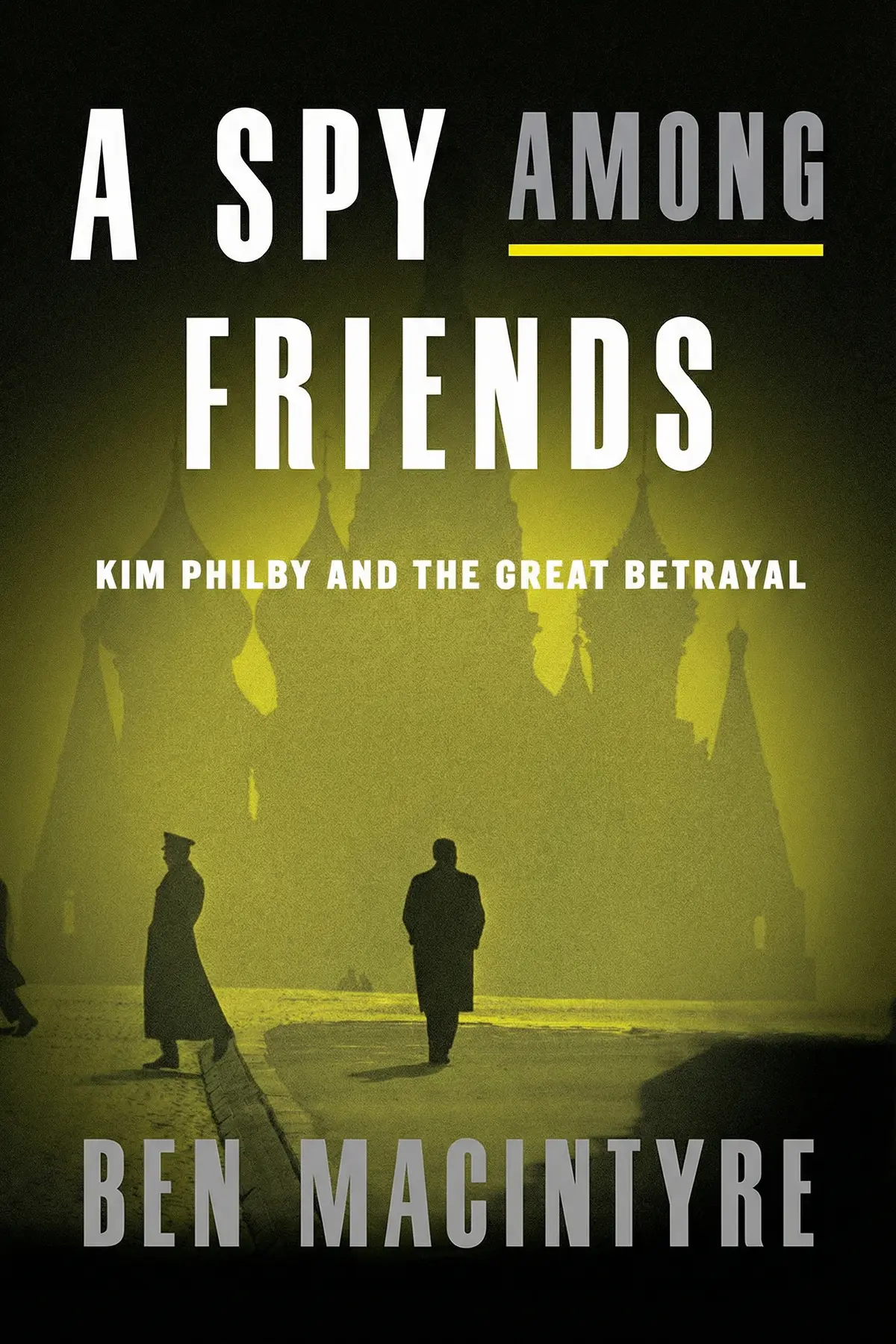
A Spy Among Friends: Philby and the Great Betrayal
Ben Macintyre

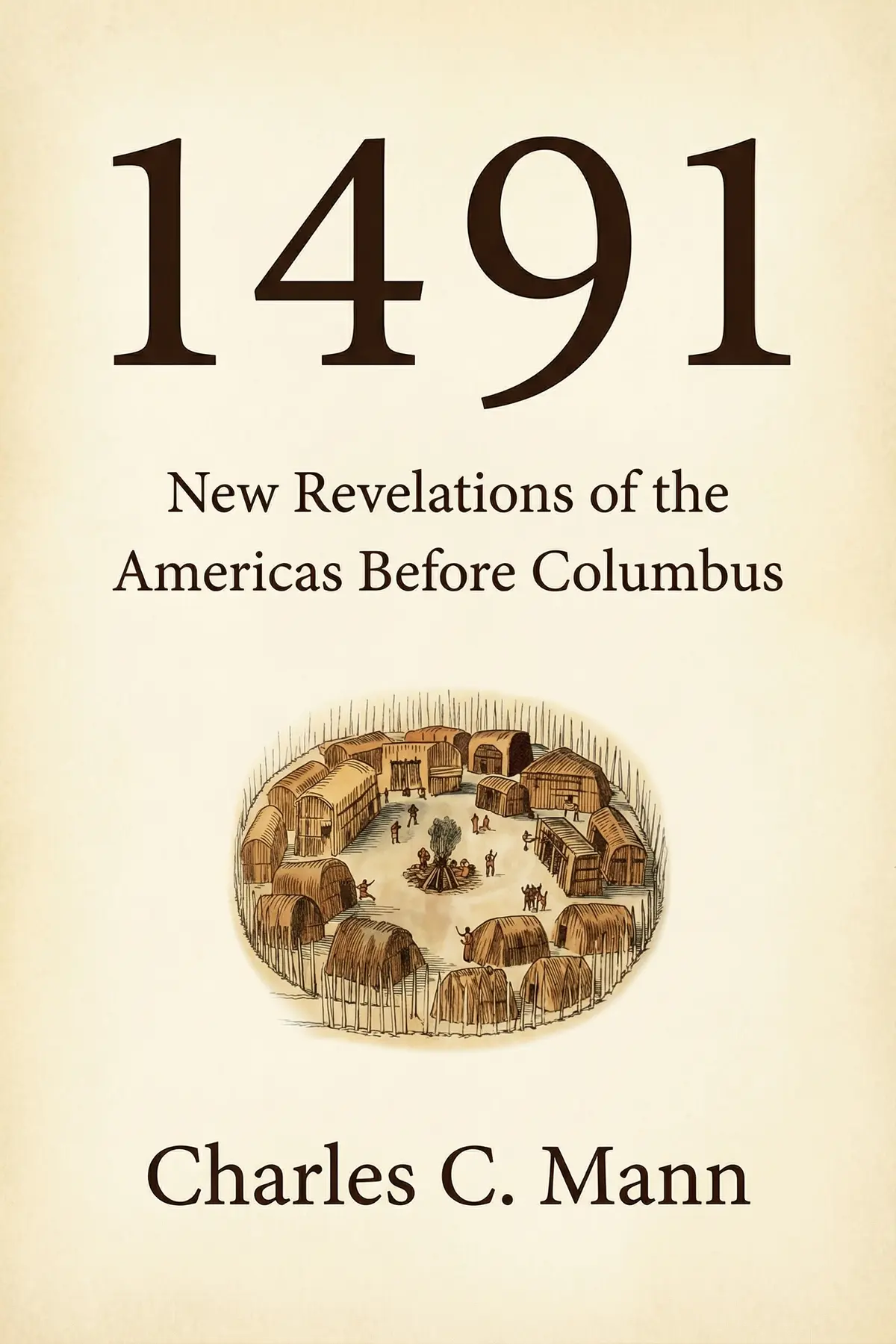
1491: New Revelations of the Americas Before Columbus
Charles C. Mann
A Year in the Life of William Shakespeare: 1599
James Shapiro
1929: Inside the Greatest Crash in Wall Street History--and How It
Andrew Ross Sorkin
AUDIO SUMMARY AVAILABLE
Listen to The Personality Brokers in 15 minutes
Get the key ideas from The Personality Brokers by Merve Emre, plus 5,000+ more titles in English and Thai.
- 5,000+ titles
- Listen as much as you want
- 7-day free trial
- Cancel anytime







