
21 min 35 sec
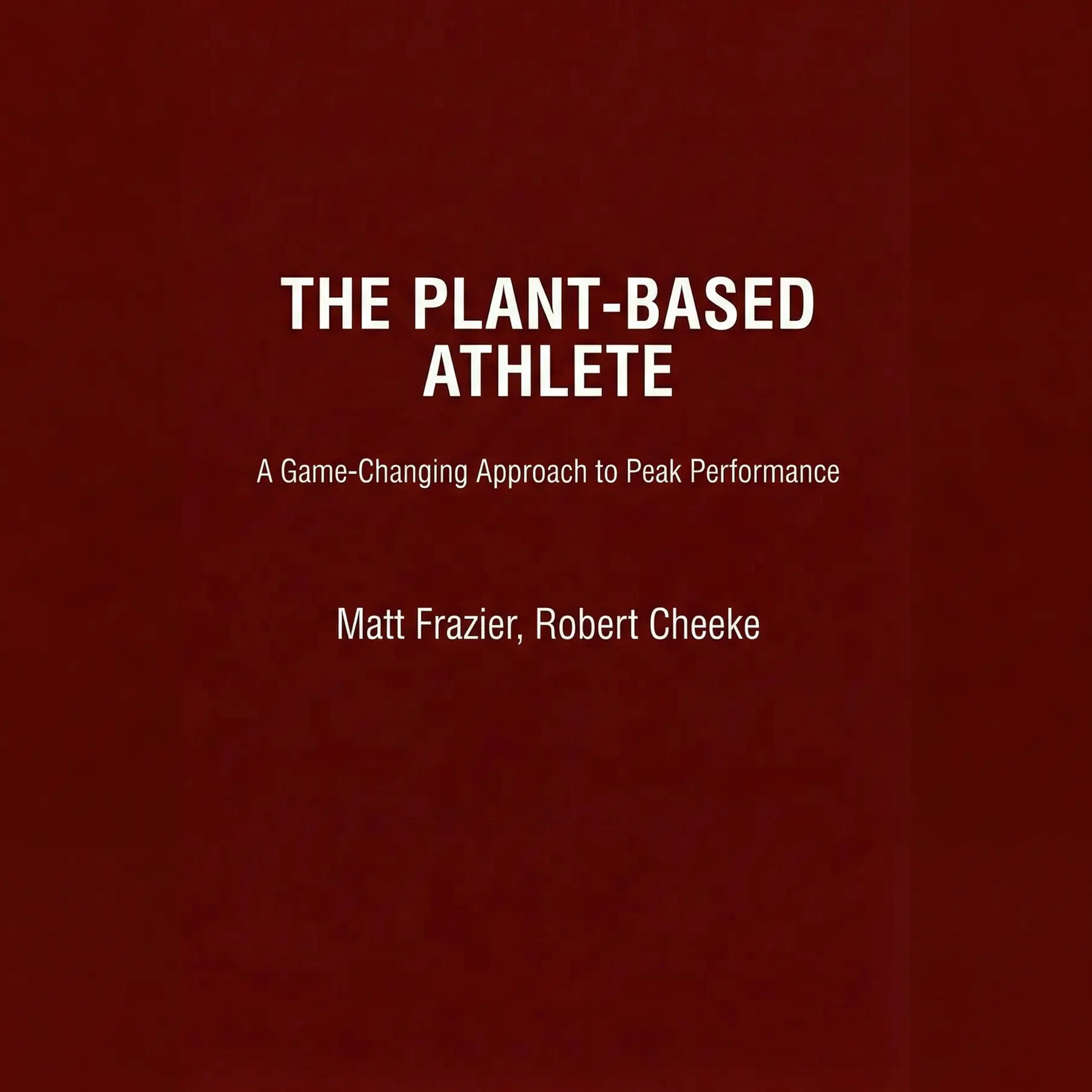
The Plant-Based Athlete: A Game-Changing Approach to Peak Performance
Discover how transitioning to a vegan lifestyle can skyrocket your athletic performance. This guide provides the nutritional foundation and mindset shifts necessary for achieving peak physical condition through plants.
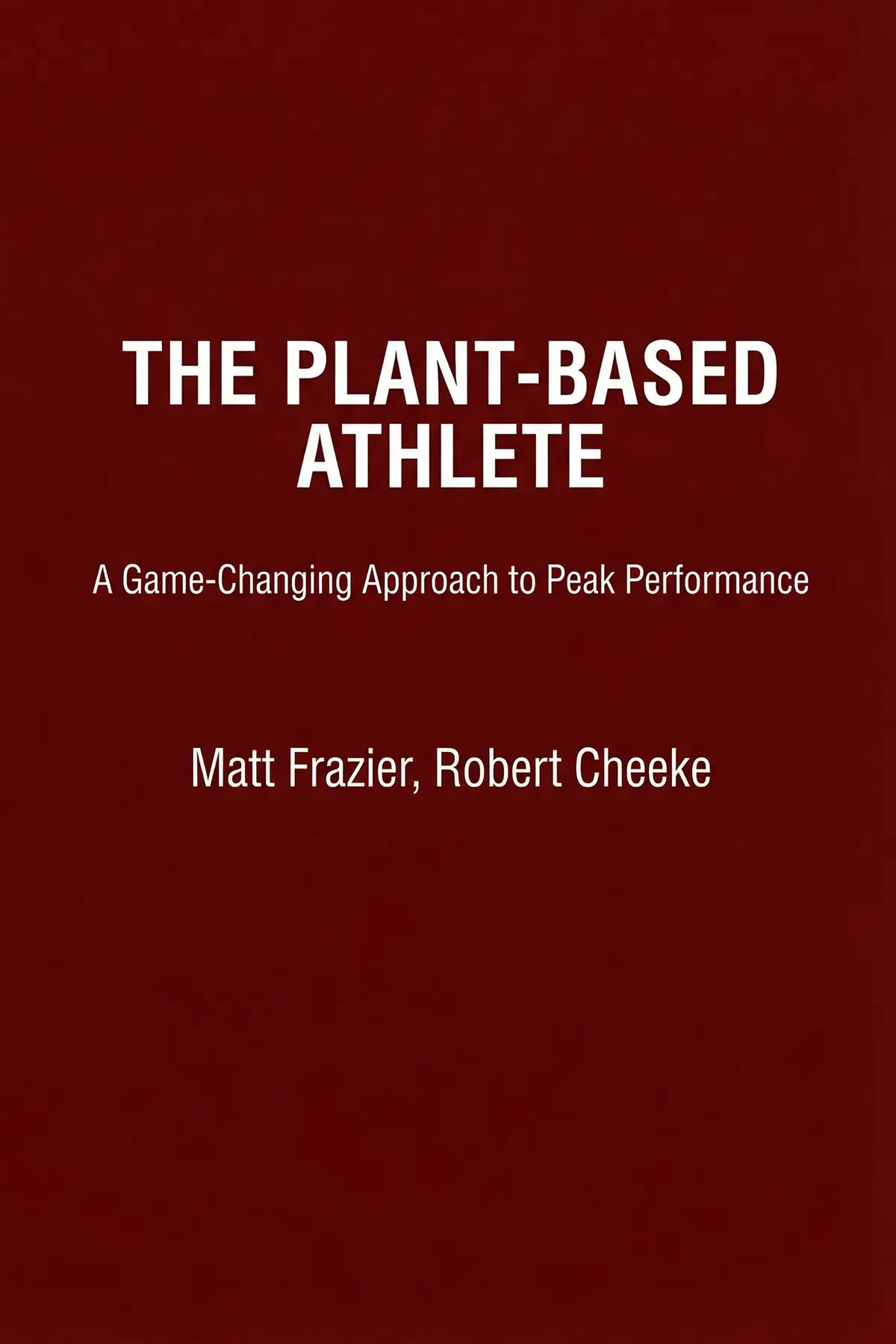
Table of Content
1. Introduction
2 min 07 sec
Imagine some of the most physically dominant figures in modern sports: the hard-hitting roster of the Tennessee Titans, the legendary tennis prowess of Venus Williams, or the tireless Tarahumara ultrarunners who traverse mountains with ease. At first glance, their disciplines seem worlds apart. However, they are united by a common dietary secret that challenges centuries of tradition. They don’t just eat plants; they thrive on them. This shift toward a plant-powered lifestyle isn’t a passing trend or a restrictive fad. It is a calculated strategy used by world-class competitors to gain a definitive edge over the competition.
For decades, the narrative surrounding athletic nutrition was dominated by the idea that meat and dairy were indispensable for strength and endurance. But the reality is quite different. A growing body of research, supported by the lived experiences of elite athletes, shows that a vegan diet doesn’t just keep pace with animal-based eating—it often surpasses it. When you remove animal products from the equation, you aren’t just cutting out meat; you are making room for nutrient-dense foods that actively fight disease, reduce inflammation, and accelerate the healing process.
In the pages that follow, we are going to explore why plants are the ultimate fuel for the human body. We will dive into the science of nutrient density, debunk the persistent myths surrounding protein, and look at how complex carbohydrates provide the sustained energy that every athlete craves. We’ll also look at the roles of healthy fats and minimal supplementation in a high-performance lifestyle. This isn’t just about what you eat, though. It’s about cultivating a mindset and a set of habits that allow you to reach your full potential. Whether you are aiming for an Olympic medal or just trying to feel better during your weekend jog, this approach provides the roadmap to a healthier, more vibrant version of yourself. By the time we finish, you’ll understand exactly how to align your nutrition with your athletic ambitions.
2. The Power of Nutrient Density Over Calorie Density
2 min 35 sec
Explore why the quality of your calories matters more than the quantity, and how plants allow you to eat more while still losing body fat.
3. Deconstructing the Protein Obsession
2 min 38 sec
Discover why the world’s fixation on protein is largely misplaced and how animal-based sources might actually be hindering your recovery.
4. Carbohydrates as the Ultimate Athletic Fuel
2 min 31 sec
Learn why complex carbohydrates are the preferred energy source for your brain and muscles, and how to use them to fuel long-distance efforts.
5. Understanding the Role of Essential Fats
2 min 23 sec
Uncover the truth about dietary fats, including which ones to seek out for joint health and which ones to avoid to keep your heart healthy.
6. A Minimalist and Effective Approach to Supplements
2 min 31 sec
Learn how to use supplements as a supporting act rather than the main event, and discover the ‘natural supplements’ hidden in the produce aisle.
7. The Habits and Mindset of a Champion
2 min 31 sec
Shift your perspective on training by focusing on the ‘performance-enhancing’ power of hydration, rest, and a positive mental attitude.
8. A Global Impact Through Personal Transformation
2 min 26 sec
Reflect on how your dietary choices extend beyond your own body to influence the health of the planet and the well-being of animals.
9. Conclusion
1 min 53 sec
The journey toward becoming a plant-based athlete is one of discovery and empowerment. We have explored how a diet rich in whole plants provides the ultimate combination of nutrient density and efficient fuel, allowing you to perform at your best while protecting your long-term health. We’ve seen that the protein myth is just that—a myth—and that by focusing on complex carbohydrates and healthy fats, you can unlock a level of endurance and recovery that was previously out of reach.
The evidence is clear: whether you are an elite professional or someone just starting their fitness journey, plants offer a competitive advantage. They reduce the inflammation that slows us down and provide the vitamins and minerals that keep us going. But remember, this transition is also about the habits you build and the mindset you cultivate. It’s about staying hydrated, respecting the need for rest, and approaching every challenge with a sense of joy and adventure.
As a final piece of actionable advice, start simple. You don’t have to change everything overnight. Try incorporating a high-energy green smoothie into your daily routine. By blending a banana with some coconut water, frozen berries, and a handful of greens like spinach or kale, you are giving your body a massive hit of nutrients in a form that is easy to digest. You can even add a little silken tofu or some beans for extra creaminess and protein. Small, consistent changes like this will eventually lead to a total transformation. When you fuel your body with what it was designed to run on, the results will speak for themselves. You’ll feel lighter, recover faster, and find yourself reaching milestones you once thought were impossible. The path to peak performance is paved with plants, and it is open to everyone.
About this book
What is this book about?
The Plant-Based Athlete explores the intersection of high-level sports performance and veganism, demonstrating that meat-free eating is a competitive advantage rather than a sacrifice. It breaks down the misconceptions surrounding protein, explains the power of complex carbohydrates, and highlights how elite competitors—from heavyweights to ultrarunners—use plants to recover faster and perform better. Beyond just a diet plan, this summary offers a comprehensive approach to fueling your body. It covers everything from the optimal ratios of macronutrients to the importance of mindset and habit-building. By focusing on whole, nutrient-dense foods, you will learn how to reduce inflammation, protect your cardiovascular health, and sustain energy levels for longer periods, all while contributing to a more sustainable and ethical world.
Book Information
About the Author
Matt Frazier
Matt Frazier is a vegan ultramarathoner and the founder of No Meat Athlete, a major online resource for plant-based fitness. He is also the author of The No Meat Athlete Cookbook and has been featured in publications like Runner’s World and Sports Illustrated. Robert Cheeke, often called the Godfather of Vegan Bodybuilding, is a two-time natural bodybuilding champion. He has authored several books, including Vegan Bodybuilding & Fitness and Plant-Based Muscle, and is a frequent contributor to major wellness platforms like Forks Over Knives.
Ratings & Reviews
Ratings at a glance
What people think
Listeners find this guide full of evidence-based insights and useful tips, making it a vital resource for those interested in plant-based eating. Furthermore, the addition of recipes, meal plans, and stories from athletes ensures the material is straightforward and accessible. They also value the wellness advantages; one listener describes how it improves sports performance through proper food choices, while another points out its effectiveness in preventing the loss of muscle and bone.
Top reviews
William
Finally got around to reading this and it is a total game-changer for my training routine. I’ve struggled with recovery times for years, but the evidence-based approach Matt and Robert present really opened my eyes to how nutrition impacts physiology. The recipes are incredibly practical—not just fancy fluff—and I found the section on meal pairing for optimal nutrient absorption to be worth the price of the book alone. It’s packed with fact-based information that goes beyond the typical 'eat your greens' advice we see everywhere. I especially appreciated the specific meal plans tailored to different athletic goals. It makes the transition feel manageable rather than overwhelming. If you want to prevent muscle loss and actually see performance gains, this is the roadmap you need. My energy levels have never been more consistent.
Show moreNutnicha
If you’re worried about losing bone density or muscle mass while moving away from animal products, this book will put those fears to rest. The foreword by Dr. Michael Greger sets a high bar, and the authors deliver with a mountain of practical advice. I loved the focus on whole-food plant-based nutrition rather than just processed 'vegan' junk. The chapter on micronutrients was particularly illuminating, especially the discussion on B12 and iron. I’ve noticed a significant uptick in my recovery speed since implementing their suggestions on calorie density. It’s not just about eating; it’s about fueling for peak performance. Some might find the testimonials excessive, but for me, they provided the necessary inspiration to stick with the change. This is a must-read for anyone serious about their health and fitness longevity.
Show morePita
This book lit a fire under me! I grew up in a 'meat at the center of the plate' household and always assumed I’d be weak without it. Matt and Robert break down that myth with so much clarity and passion. The 'what I eat in a day' examples from professional athletes were the most helpful part for me because they provided a concrete template to follow. I’ve already tried several of the smoothie and bowl recipes, and they are delicious and filling. The book shows exactly how to get enough protein through lentils and grains without needing expensive supplements. It’s an empowering read that makes a plant-based lifestyle feel not only possible but optimal for anyone who loves to move. I’m convinced this is the future of sports nutrition.
Show moreRatchada
To be fair, I was a skeptic about whether I could maintain my energy levels on plants alone, but this book proved me wrong. The authors provide a comprehensive look at how plant-based diets facilitate faster recovery and better heart health for athletes of all ages. I was particularly impressed by the sections on caloric density; it helped me realize I wasn't eating nearly enough volume to support my training. The recipes are simple, doable, and don't require trips to specialty health stores. It’s a very well-annotated book that encourages you to do your own further reading. Since switching to the WFPB approach outlined here, my inflammation has gone down and my PRs are actually improving. If you are on the fence, just buy it. The health benefits are undeniable.
Show moreSuwit
As someone who is constantly training for half-marathons, I found the macro-nutrient breakdowns in this guide extremely helpful. Frazier and Cheeke do a great job explaining the 'why' behind carbohydrate loading and protein timing without making my eyes cross. I do agree with some critics that the sheer number of athlete stories is a bit much—it feels like they’re trying too hard to convince us that being a plant-based athlete is possible. We get it! However, the inclusion of so many female athletes was a refreshing change of pace from the usual male-dominated fitness books. The recipes, especially the faux cheeses, are surprisingly good and easy to source from a regular grocery store. It’s a solid reference that I’ll definitely be heading back to as my training intensity increases this summer.
Show moreZoe
Detailed and easy to digest, this guide is perfect for the fitness enthusiast looking to clean up their diet. I picked up the ebook version and the interactive links to references were a fantastic touch for a data nerd like me. The authors explain the physiology of nutrients in a way that is accessible without being patronizing. I did find the series of quotes at the end of every chapter a bit distracting—it undermined the authors' own authority a little bit. That said, the actual advice on avoiding oil and focusing on legumes and seeds has already helped me feel less sluggish during my morning lifts. It’s an enthusiastic monograph that makes a compelling case for the lifestyle. Just be prepared to skip through some of the repetitive success stories to get to the meat of the instructions.
Show morePor
Is it perfect? No. Is it helpful? Absolutely. I’ve read a lot of fitness books, and while this one repeats some well-known vegan tropes, the sheer volume of practical meal plans makes it worth having on your shelf. I appreciated the side-discussion on supplements—it was honest about what you actually need (like B12) versus what is just marketing hype. One minor critique is that the training advice is very general, so if you are looking for a specific plan for powerlifting or ultra-marathons, you’ll need a secondary source. However, as a foundational guide to fueling those activities, it excels. The emphasis on dark leafy greens for iron and calcium was a good reminder. It’s a solid 4-star effort that balances motivation with workable kitchen strategies.
Show moreCarlos
The information here is a bit of a mixed bag for me. On one hand, the recipes are fire and the goal-setting chapter offered some decent motivation. On the other hand, the structure of the book is totally bizarre. Why is the chapter on setting goals placed so late in the book? It feels like the authors weren't entirely sure who their audience was—long-time vegans or meat-eaters looking to switch. As a result, large chunks of the text felt redundant or unnecessary. To be fair, the advice on combining Vitamin C with iron-rich foods was a great takeaway that I haven't seen explained as clearly elsewhere. I just wish there was more 'how-to' and a lot less 'look at this famous vegan.' It’s a decent introductory text, but seasoned athletes might find it a bit bland.
Show moreRatchanee
Look, I’ve been vegan for a decade and an athlete for half that time, and I found this book incredibly frustrating. My biggest gripe is the constant demonization of certain foods—using words like 'poison' is just unnecessary and alienating. It creates this air of privilege where only those who can afford organic, non-GMO produce are 'doing it right.' Furthermore, listing athletes like Arnold Schwarzenegger or Mike Tyson is totally misleading since they built their legendary physiques on omnivorous diets. The book feels like it’s trying to convert the uncritical rather than provide a nuanced look at sports nutrition. While the recipes are a nice bonus, the actual content is a light summary that doesn't offer enough 'peak performance' strategy for serious competitors. It’s a bittersweet read that ultimately fell short of my expectations.
Show moreSawit
This book is basically a glorified blog post that offers almost nothing new to anyone who has been vegan for more than a week. The authors rely way too heavily on the 'proof is in the pudding' argument rather than providing rigorous, fresh scientific data. Honestly, if you’ve read a single article on Brendan Brazier or followed any vegan runners on Instagram, you’ve already seen all the 'what I eat in a day' content provided here. It feels like a surface-level summary designed to cash in on a trend. I was also pretty annoyed that the authors didn't even narrate their own audiobook. There’s a complete lack of nuance regarding divergent studies, and the constant anecdotal testimonies from famous athletes become repetitive and boring after the first chapter. Save your money and just look up recipes online.
Show moreReaders also enjoyed
Ali: A Life
Jonathan Eig
An American Sickness: How Health Became Big Business and How You Can Take
Elisabeth Rosenthal
AUDIO SUMMARY AVAILABLE
Listen to The Plant-Based Athlete in 15 minutes
Get the key ideas from The Plant-Based Athlete by Matt Frazier, plus 5,000+ more titles in English and Thai.
- 5,000+ titles
- Listen as much as you want
- 7-day free trial
- Cancel anytime







