
17 min 55 sec
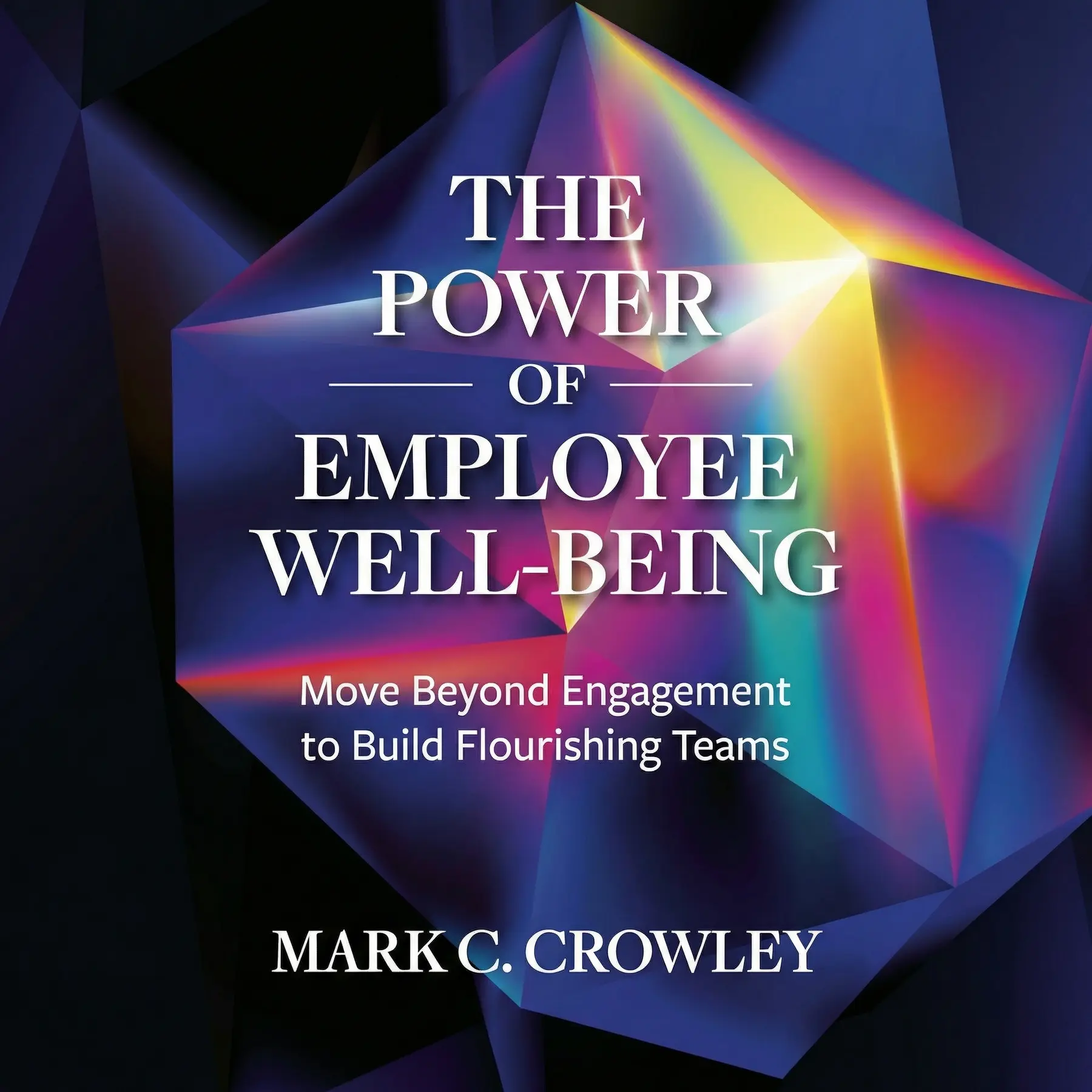
The Power of Employee Well-Being: Move Beyond Engagement to Build Flourishing Teams
Explore how prioritizing the holistic health of your team leads to superior organizational performance by moving beyond traditional engagement metrics to foster genuine human flourishing and emotional connection at work.
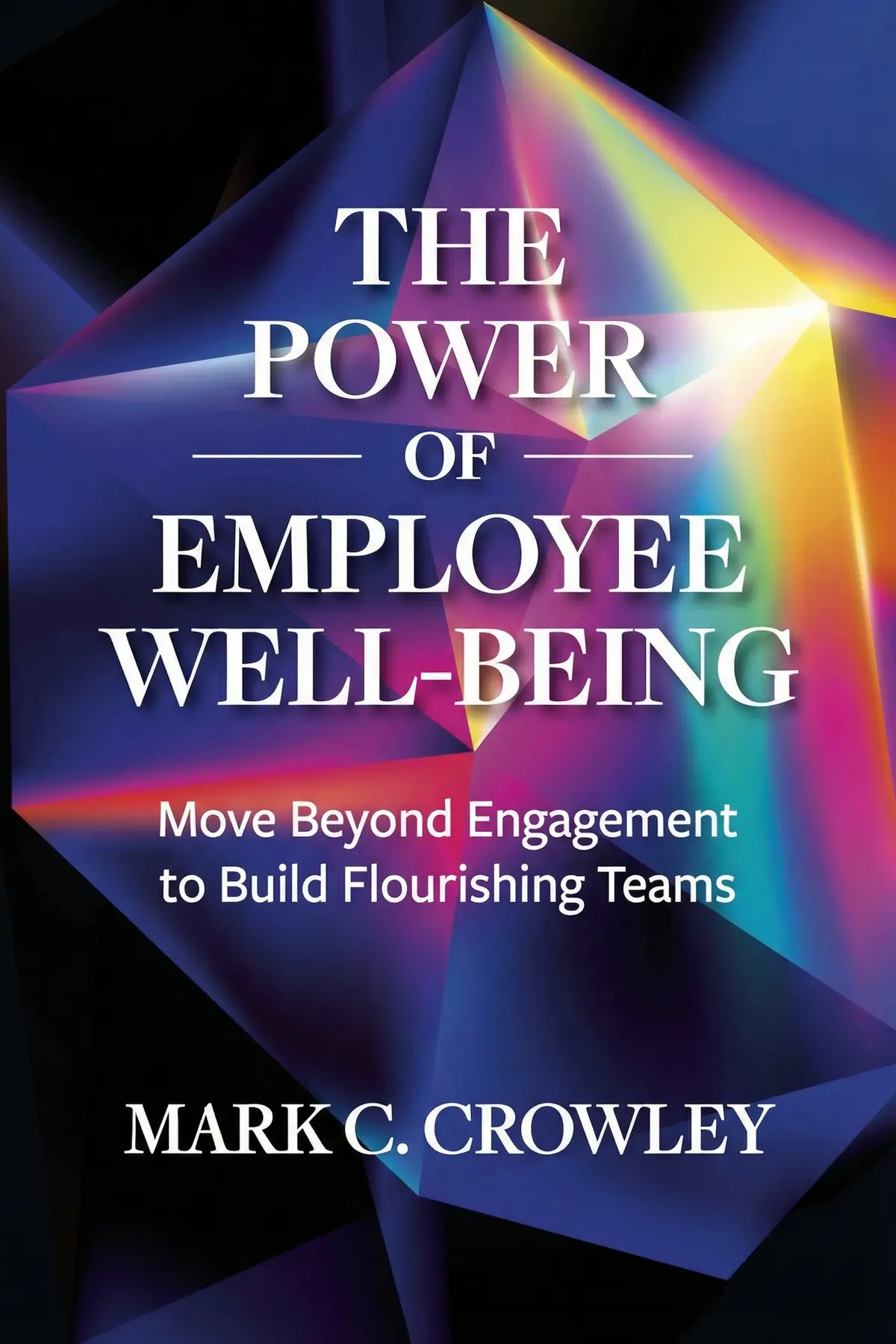
Table of Content
1. Introduction
1 min 49 sec
In the world of modern business, we have become obsessed with metrics. We track productivity, we measure output, and for the last several decades, we have poured billions of dollars into a concept known as “employee engagement.” We’ve sent out the surveys, we’ve analyzed the data, and we’ve tried to figure out exactly what makes a worker feel committed to their desk. But if we look at the reality of the global workforce, something is clearly broken. Despite our best efforts and the rise of engagement as a corporate buzzword, the numbers have remained stubbornly stagnant. Most people are still just showing up, doing the bare minimum, and waiting for the clock to strike five.
Why hasn’t all this effort moved the needle? The answer lies in the fact that we have been treating engagement as a mechanical problem rather than a human one. We’ve treated employees like components in a machine that just need a bit of oiling. But humans aren’t machines. We are complex, emotional, and social creatures. To truly unlock the potential of a team, we have to move beyond the surface-level idea of engagement and dive into the deeper, more vital concept of well-being.
When we talk about well-being, we aren’t just talking about health insurance or gym memberships. We are talking about the fundamental state of a person’s life—their sense of belonging, their emotional health, their growth, and their feeling of being valued as a complete individual. This summary will take you through a journey of shifting your leadership perspective. We will explore why the heart is actually the driver of the mind, why the feeling of belonging is a biological necessity in the office, and how giving people more control over their work actually makes them healthier. By the end of this exploration, you will see that the most successful organizations of the future won’t be the ones with the best spreadsheets, but the ones that understand the profound power of human flourishing.
2. The Dominance of Emotion Over Logic
2 min 14 sec
Discover why the traditional view of the rational office is a myth and how emotions actually drive ninety-five percent of our workplace behaviors.
3. Leading the Whole Human Being
2 min 05 sec
Learn why treating employees as unique individuals with complex lives is the key to unlocking their greatest potential and loyalty.
4. The Essential Need for Belonging
2 min 03 sec
Uncover the biological drive for connection and why building social bonds at work is a critical component of high-performing teams.
5. Cultivating a Positive Environment
2 min 14 sec
Explore the science of the positivity ratio and how small, intentional interactions can create a spiral of success for your entire team.
6. The Power of Curious Leadership
1 min 58 sec
See how trading your ego for curiosity can transform your leadership style and encourage your team to take the risks necessary for growth.
7. Autonomy as an Antidote to Stress
1 min 54 sec
Learn the surprising reason why high-level executives often have lower stress than their subordinates and how to use this knowledge to empower your team.
8. Building a 'We' Culture
2 min 02 sec
Explore why internal competition is a recipe for disaster and how focusing on collective success can lead to a more resilient organization.
9. Conclusion
1 min 36 sec
As we wrap up this exploration of employee well-being, the core message is clear: the era of management as a cold, clinical exercise in data and control is over. To lead effectively in the modern world, we must return to a more fundamental understanding of what it means to be human. We have seen that the old metrics of engagement have failed to capture the true essence of a thriving workforce. True success is found when we stop treating people as resources to be used and start treating them as individuals to be nurtured.
Throughout this summary, we’ve looked at the evidence that emotions are the primary drivers of behavior and that a sense of belonging is a biological necessity. We’ve explored how the 5:1 positivity ratio can transform the atmosphere of a team and how giving people autonomy actually protects their health. We’ve also seen how a collaborative “We” culture can outperform a competitive “Me” culture every time. These aren’t just “soft” concepts; they are the hard facts of human performance.
The challenge for you as a leader is to take these insights and turn them into action. Start by looking at your own interactions. Are you being curious or just seeking to be right? Are you fostering connection or allowing isolation to grow? Are you giving your team the control they need to manage their stress? The shift toward well-being doesn’t happen overnight, but it begins with a single choice to prioritize the human being in front of you. When you invest in the well-being of your people, you aren’t just building a better workplace; you are building a flourishing organization that is capable of achieving things that no spreadsheet could ever predict.
About this book
What is this book about?
For decades, businesses have chased the elusive goal of employee engagement, yet global statistics show that most workers remain detached and uninspired. This summary argues that the problem isn’t a lack of perks or surveys, but a failure to recognize employees as whole human beings with complex emotional needs. By shifting focus toward employee well-being, leaders can unlock untapped potential and drive sustainable success. The book outlines a roadmap for this transformation, emphasizing the importance of emotional intelligence, social belonging, and personal autonomy. You will learn why traditional management styles that prioritize logic over feeling are scientifically flawed and how fostering a culture of curiosity and collaboration can replace the toxicity of internal competition. Through actionable insights, the summary demonstrates that caring for people isn't just a moral choice—it is the most effective business strategy available to modern leaders. Ultimately, it promises a way to build teams that don't just work harder, but flourish together.
Book Information
About the Author
Mark C. Crowley
Mark C. Crowley is a leadership consultant, speaker, and author who specializes in the intersection of emotional intelligence, employee well-being, and organizational performance. His work challenges conventional management wisdom by demonstrating how caring for employees as whole people drives superior business results.
Ratings & Reviews
Ratings at a glance
What people think
Listeners appreciate the author’s innovative emphasis on staff wellness and creating a sense of inclusion, as one listener observes that it offers evidence-based support for workplace practices. Furthermore, the information is thoroughly documented, with one listener calling it a research-grounded roadmap for leaders. The layout is also commended, as one listener points out the brief chapter structure. Although perspectives on the book's readability are varied, many believe it remains a must-read for leaders.
Top reviews
Pornpimon
After hearing Mark Crowley speak on a podcast, I knew I had to grab this book to understand his take on organizational belonging. It did not disappoint. The way he connects the human need for care with the bottom-line metrics of turnover and customer satisfaction is brilliant. This isn't just another soft-skills manual; it is a data-driven manifesto for a better way to work. I found myself re-reading the sections on growth and support multiple times because they felt so relevant to my current team dynamics. The book is incredibly concise, which is a blessing for anyone in a leadership role who doesn't have time for fluff. Truth is, we need more books that treat employees like human beings rather than mere assets to be managed. This should be required reading for every executive who wonders why their top talent is leaving.
Show moreNadia
Finally got around to reading this, and I immediately bought copies for my entire management team. This book is a masterpiece of modern leadership. Crowley manages to bridge the gap between hard data and genuine heart in a way that feels both urgent and achievable. I’ve been a student of leadership for decades, and this is one of the few books that truly understands the shift we are seeing in the workforce today. The focus on emotional safety isn't just a 'nice to have'—it is the engine of innovation. The chapters are short but packed with meat, allowing for quick reflection and immediate action. Not gonna lie, I was skeptical of the 'well-being' angle at first, thinking it might be too touchy-feely, but the profitability statistics changed my mind. This is how you lead in the 21st century.
Show moreTuck
Crowley’s central argument shifts the conversation from extracting productivity to pouring into people, which is a nuance many corporate leaders still miss. For years, we’ve obsessed over engagement scores without realizing those numbers are just symptoms of a deeper well-being crisis. This book serves as a grounded roadmap for anyone looking to build a team that actually wants to show up. Frankly, the statistics on how well-being drives a twenty-seven percent increase in profitability are hard to ignore even for the most cynical CFO. While the writing is occasionally a bit dry, the structure of short, punchy chapters makes it highly accessible for a busy schedule. I particularly appreciated the focus on emotional safety and authentic connection as business imperatives. It isn't just about being 'nice'; it's about creating an environment where excellence is the natural byproduct of feeling valued. If you want a clear-eyed look at the future of leadership, this is a solid choice.
Show moreMind
Is well-being just a buzzword or a legitimate business strategy? Crowley proves it’s the latter. This book provides a compelling, research-grounded roadmap for leaders who want to move past the superficiality of 'pizza parties' and actually address what makes people thrive. The emphasis on the link between flourishing employees and better customer metrics is particularly sharp. In my experience, most business books are about fifty percent too long, but Crowley avoids that trap by being laser-focused and brief. My only minor gripe is that some of the strategies for shifting accountability could have used more detailed implementation steps. Still, the core message—that caring leadership yields loyalty—is something every organization needs to hear right now. It is a refreshing departure from the extractive management styles of the past, offering a much-needed human perspective on performance.
Show moreAlejandra
The chapter on moving away from annual surveys to real-time pulse checks is worth the price of the book alone. As someone who has sat through countless HR meetings about engagement, Crowley’s critique of the extractive nature of these metrics felt incredibly validating. He argues that we need to stop asking what we can get out of people and start asking what we can pour into them. It’s a simple shift, but the implications for culture are massive. The writing style is direct and avoids unnecessary jargon, which I appreciated. To be fair, some of the advice on 'fair workloads' is easier said than done in high-pressure industries, but his point that burnout is a leadership failure is one we all need to sit with. A very thoughtful and timely read that challenges the status quo.
Show moreCholada
Ever wonder why employee engagement hasn't improved in thirty years despite billions spent on it? Crowley answers this by pointing out that we've been measuring the wrong thing. This book is a quick, powerful guide that prioritizes the human being at the center of the work. I liked how he emphasized that leaders must hold themselves accountable for the well-being of their followers. The statistical evidence regarding lower turnover is particularly compelling for anyone in a high-growth environment. While the tone is quite enthusiastic—sometimes bordering on a sales pitch for his philosophy—the logic is sound and the practices are immediately implementable. It doesn’t waste your energy on fluff. If you are serious about being a leader others actually want to emulate, spend two hours with this book. It’s a small time investment for a potentially huge payoff in your leadership habits.
Show moreJonathan
While the short chapters make it easy to digest during a commute, I found some of the research summaries a bit repetitive toward the end. To be fair, Mark Crowley makes an excellent point about the failure of traditional engagement metrics, but the book sometimes feels like it's trying too hard to convince people who are already on his side. Is it a good resource? Absolutely. Does it revolutionize the field? Maybe not entirely if you’ve already been following modern management trends. I liked the focus on 'pulse-checks' instead of annual surveys, which is a practical shift every HR department should consider. However, the readability is a bit hit-or-miss—some sections fly by while others feel like a slog through data points. It is a decent guide for new managers, but seasoned leaders might find some of the advice a little elementary.
Show morePracha
Picked this up because I’ve been struggling with high turnover in my department. The book offers some interesting insights into the human side of leadership and why people stay at companies. Gotta say, the emphasis on belonging really resonated with me, as it’s something we often overlook in the rush to hit quarterly targets. However, some of the 'evidence-based' claims felt a bit generalized, and I would have loved to see more diverse examples across different industries. It’s a very fast read—you can probably finish it in a single sitting—but I wonder if that brevity comes at the expense of depth. The time is now for these changes, as the author says, but the 'how-to' can feel a bit vague in certain chapters. It’s a good starting point for a conversation about culture, though maybe not a complete blueprint.
Show moreMaja
Frankly, I have mixed feelings about this one. On one hand, Mark Crowley is a visionary for identifying that well-being is the new driver of performance. On the other hand, the book feels a bit like a manifesto that repeats its core thesis a few too many times. I enjoyed the sections on fostering growth and support, but I wanted more 'meat' on the bones regarding the financial modeling he mentions. The brevity is great for a quick hit of inspiration, but I’m not sure I’d call it a 'comprehensive' guide. It’s a solid 3-star read for me because while the intent is 5-star, the depth of the practical application felt a bit lacking in the middle chapters. It definitely makes you think about how you show up for your team, which is valuable in itself.
Show moreNarongrit
Not what I expected given the hype around Crowley's previous work. Look, the message is noble—we should care more about our employees—but the execution here felt a bit thin. I was looking for deep-dive case studies and instead got a series of very brief chapters that felt more like a collection of blog posts than a cohesive book. The readability is a bit of a struggle because the tone fluctuates between academic research and inspirational quotes, making it hard to find a consistent flow. Personally, I found the 'actionable' advice to be things most competent managers are already doing, like listening more and being empathetic. It’s a quick read, but I didn't walk away with the transformative tools I was promised. If you are brand new to leadership, you might find value here, but for others, it might feel like common sense wrapped in fancy packaging.
Show moreReaders also enjoyed
7 Powers: The Foundations of Business Strategy
Hamilton Helmer
A Bigger Prize: How We Can Do Better Than the Competition
Margaret Heffernan
A Year with Peter Drucker: 52 Weeks of Coaching for Leadership Effectiveness
Joseph A. Maciariello
AUDIO SUMMARY AVAILABLE
Listen to The Power of Employee Well-Being in 15 minutes
Get the key ideas from The Power of Employee Well-Being by Mark C. Crowley, plus 5,000+ more titles in English and Thai.
- 5,000+ titles
- Listen as much as you want
- 7-day free trial
- Cancel anytime







