
A Higher Loyalty: Truth, Lies and Leadership
James Comey
Clinical psychologist Mary L. Trump examines the psychological and historical roots of American trauma, linking the Trump family’s influence to a broader national crisis of systemic racism and leadership without accountability.
1 min 40 sec
The year 2016 felt like a seismic shift in the American landscape, yet the tremors that followed over the next four years were even more destabilizing. Many observers viewed the rise of Donald Trump as a sudden anomaly, a break from the norm that caught the world off guard. However, when we look beneath the surface of the political theater and the social unrest, a different story emerges. It is a story not of a sudden break, but of a long-simmering reality reaching a boiling point. The turmoil we see today is deeply rooted in the history of the United States—a history that has often prioritized the comfort of the powerful over the justice of the marginalized.
To understand where the country is headed, we must first confront the reality of how it arrived at this precarious moment. This involves a deep dive into the psychological and historical forces that have shaped the American psyche. We are looking at a nation that has consistently struggled to reconcile its high-minded ideals with its actual practices. From the family dynamics that forged a future president to the systemic structures that have marginalized entire communities for generations, the throughline is one of unresolved trauma.
In the following discussion, we will explore the critical insights that explain contemporary American struggles. We will connect the dots between historical atrocities and modern policy failures, looking at why some leaders seem to exist above the law and how systemic racism has been woven into the very fabric of the country’s institutions. This is not just a look back at a single presidency, but a broader analysis of a society at a crossroads. By the end, the goal is to see the current crisis not as an end point, but as an opportunity for a genuine reckoning—a necessary step if there is to be any hope for a more unified and just future.
2 min 28 sec
Explore how the end of the Civil War failed to bring true equality, as new laws and violent acts were used to maintain a racial caste system.
2 min 31 sec
The American tradition of allowing disgraced leaders to avoid consequences has created a dangerous precedent where power exists above the law.
2 min 23 sec
History shows that whenever Black communities achieved prosperity, those gains were often met with state-sanctioned violence or intentional policy exclusion.
2 min 27 sec
The forty-fifth presidency wasn’t just about controversial policies; it was a calculated attempt to undermine reality and institutional integrity.
2 min 16 sec
The federal response to the COVID-19 pandemic revealed the devastating impact of choosing political posturing over scientific expertise.
2 min 08 sec
Understanding why racial divisions persist today requires acknowledging how historical atrocities continue to live within the descendants of those who suffered.
2 min 17 sec
The transition of power in 2020 exposed how much of democracy relies on the honor system—and what happens when that system is broken.
2 min 34 sec
To move forward, the nation must confront the modern-day evidence of its past, from the massive wealth gap to the inequalities built into our cities.
1 min 47 sec
As we reach the end of this exploration, the throughline becomes clear: the United States is currently grappling with a crisis of its own making. The trauma that has surfaced in recent years—the political instability, the social unrest, and the erosion of truth—is not a new phenomenon. It is the inevitable result of a country that has repeatedly chosen to ignore the darker chapters of its history. By failing to hold leaders accountable and by refusing to dismantle the systemic hierarchies established long ago, the nation has allowed its foundational wounds to remain open.
The presidency of Donald Trump served as a catalyst, bringing these long-standing issues to the forefront and forcing a confrontation with the reality of the American psyche. But the problem didn’t start in 2016, and it didn’t end in 2020. The ‘reckoning’ that the country needs is a deep, uncomfortable process of looking at the ways in which the past informs the present. It involves recognizing that democracy is a fragile project that requires constant protection and that justice is not possible without accountability.
Moving forward, the challenge is for both political leaders and everyday citizens to resolve to face these truths. This means supporting laws that protect the right to participate in democracy, advocating for policies that begin to close the massive wealth gap, and refusing to let those who undermine the rule of law escape the consequences of their actions. The future of the country depends on whether it takes this opportunity to finally align its reality with its ideals. We can choose to stay on the path of division and denial, or we can choose the difficult work of healing through justice. The choice we make now will determine the legacy we leave for the generations to come. The time for the reckoning has arrived, and it is up to all of us to ensure that this time, we do not look away.
This summary explores the intersection of personal family dynamics and national history. It delves into how the upbringing and personality of Donald Trump mirrors a larger American struggle with its own darker impulses. From the failures of the Reconstruction era to the modern-day “Big Lie” regarding the 2020 election, the text traces a throughline of avoided consequences. It asks why American leaders often escape justice and how this culture of impunity has allowed racial hierarchies to persist long after the end of the Civil War. By examining events like the Tulsa Massacre and the exclusion of Black veterans from the GI Bill, the summary highlights the economic and social scaffolding of white supremacy. It also provides a critical look at the policy failures of the forty-fifth presidency, including the mishandling of the COVID-19 pandemic and the separation of families at the border. Ultimately, the book serves as a call for a national reckoning—a process of facing hard truths and implementing structural changes to ensure the survival of American democracy and the healing of its people.
Mary L. Trump is a clinical psychologist who earned her PhD from Adelphi University. She rose to international prominence as the author of the best-selling book Too Much and Never Enough, which provided a psychological portrait of her family. As the niece of former United States President Donald Trump, she offers a unique perspective that combines clinical expertise with intimate insider knowledge of one of the most influential families in American politics.
Listeners perceive this work as a detailed historical education built on meticulous research, with one listener calling it an exceptional condensation of American history. Additionally, the writing is high-quality, and listeners believe it should be mandatory reading for every citizen. They value the book’s clarity, compassion, and sincerity, while one listener emphasizes its case for reparations to descendants of slaves. The content is simple to follow, though perspectives on how gripping the narrative is remain divided.
Mary Trump writes with a kind of searing intensity that is hard to look away from, even when the subject matter is painful. While her first book was a deep dive into her dysfunctional family, this follow-up turns that same clinical lens toward the entire country. The introduction is particularly moving, as she recounts her own battle with PTSD following the 2016 election and her subsequent time in a treatment facility. By connecting her personal psychological struggles to the broader national trauma, she makes the history of white supremacy and systemic failure feel visceral. Some might find her tone aggressive, but I think the muscular clarity of her prose is exactly what the moment requires. It is an unapologetic demand that we stop lying to ourselves about our origins. I finished the book feeling validated and more aware of how the past continues to haunt our present policies.
Show moreThe argument for reparations presented here isn't just a political talking point; it's presented as a moral and clinical necessity rooted in the reality of trauma. Mary Trump manages to weave together the history of slavery, the pandemic, and the January 6th insurrection into a single, cohesive narrative of national neglect. I was particularly impressed by how she calls out leadership on both sides of the aisle for their collective 'willful blindness' toward systemic inequality. Her writing is accessible and remarkably clear, making complex concepts like epigenetics and critical race theory easy to grasp for the average reader. It’s rare to find a book that is both this academic and this emotional at the same time. This should be required reading in every high school history class because it fills in the gaps that traditional textbooks often ignore. Frankly, it’s the most honest book about the American psyche I’ve read in years.
Show moreWow, it felt so incredibly grounding to have a professional psychologist validate the collective exhaustion we have all been feeling lately. Mary Trump doesn't just list historical facts; she explains how our history of violence and denial has physically and mentally damaged the American people. I was moved by her discussion of 'post-traumatic slave syndrome' and how the brutality of the past is baked into our modern institutions. This isn't just a 'Trump book,' it's a book about us and our failure to acknowledge the truth of our own story. Her writing is fierce and medicinal, providing a sense of clarity that is rare in today’s media landscape. I found the section on our re-emergence from COVID isolation particularly helpful for my own mental health. This is truth-telling at its finest, and I am a bigger fan of hers now than I was before. Truly an essential piece of writing for these volatile times.
Show moreFinally got around to reading this and I am struck by how well Mary Trump synthesizes complex historical patterns into something digestible. She bridges the gap between the clinical world and the political world in a way that feels completely organic. The chapters on how trauma is literally encoded in our DNA were eye-opening and provided a new lens for viewing the racial divide in this country. I love that she calls her uncle 'Donald' throughout, stripping away the titles to show the man as a manifestation of our national defects. This book is a fearless demand for accountability and repair, especially concerning the economic gap created by centuries of oppression. It is a short, sharp shock to the system that doesn't waste a single word. If you care about the future of this democracy, you need to read this book. It’s a powerful, empathetic, and deeply researched look at where we went wrong.
Show morePicked this up expecting more gossip about her famous uncle, but found a surprisingly dense and scholarly history lesson instead. The book serves as an excellent distillation of American history, tracing our current divisions back to the failures of Reconstruction and the horrors of the Jim Crow era. Mary uses her background as a psychologist to explain how trauma is passed down through generations, which adds a layer of depth you don't usually get from standard political commentary. My only real complaint is the length; at under 200 pages, it feels more like an extended essay than a comprehensive historical volume. She touches on the mortgage crisis and institutional racism with great empathy, though I found myself wishing she had more room to breathe. Despite the brevity, it’s a necessary read for anyone trying to make sense of why our democracy feels so fragile right now.
Show moreEver wonder how we actually got to this point of total national fracture? This book provides a very readable roadmap from the founding of our nation to the chaos of the current political climate. To be fair, if you’ve already read extensively on anti-racism or authors like Isabel Wilkerson, there might not be a ton of brand-new information here for you. However, Trump’s unique perspective as a psychologist allows her to frame these historical events as a series of unhealed wounds that continue to fester. I appreciated her bluntness regarding her uncle’s role in exacerbating these issues, though he is more of a symptom than the primary focus of the book. The prose vibrates with a sense of urgency that is infectious. While it’s a quick read, the emotional weight of her observations stayed with me long after I put it down. It is a sobering, necessary autopsy of our social fabric.
Show moreIn my experience, books by family members of political figures are usually just fluff, but this is a blunt autopsy of the American spirit. Mary Trump avoids the trap of making this all about her uncle, focusing instead on the long-term systemic failures that allowed him to rise to power in the first place. Her critique of the justice department and even figures like Obama and Biden for their roles in maintaining the status quo is surprisingly bold. The writing is incredibly well-crafted, though the pace can feel a bit breathless because she covers so much ground in such a small amount of space. I think her argument that we cannot heal without first facing the pain of our history is spot on. It’s a challenging read emotionally, but the readability of her prose keeps you moving through the darker chapters. I highly recommend the audiobook version, which she narrates herself with great passion.
Show moreTo be fair, the book is quite short, yet it manages to pack a significant punch regarding the systemic failures of our democracy. I found her analysis of the January 6th insurrection through the lens of historical fascism to be particularly convincing and well-documented. Mary Trump has a way of cutting through the political noise to get to the psychological heart of why we are so divided. While I would have liked more specific 'how-to' steps for the 'finding a way to heal' part of the title, her diagnosis of the problem is flawless. The transition from the mortgage crisis to institutional racism felt a bit fast, but her overarching point about 'willful blindness' remains strong. It is a concise, well-constructed narrative that serves as a harsh but necessary reminder of our national responsibilities. A very solid 4-star read that I’ve already recommended to several friends.
Show moreAfter hearing so much buzz about her first book, I found this follow-up to be a bit of a mixed bag. On one hand, her analysis of national trauma is fascinating, and she clearly did her homework when it comes to the history of Reconstruction. On the other hand, the book is incredibly short for the price point, and it often feels like a summary of other, better books on the subject. I kept waiting for her to dive deeper into the psychological aspects of the pandemic or the specifics of how we heal, but she stays fairly high-level throughout. It’s well-written, but it lacks the 'insider' hook that made her previous work so compelling. If you are new to the study of systemic racism, this is a great starting point. But for those who have been following these issues closely, it might feel a little redundant. It’s a decent primer, just not the deep dive I was hoping for.
Show moreNot what I expected from someone whose primary claim to fame is her family drama, and honestly, I found it a bit patronizing. While I respect her education, there is something uncomfortable about a woman of her extreme privilege lecturing the public on the struggles of Native Americans and Black history. The book reads more like a grad student's term paper than an original work of scholarship, and the constant references to other authors made me wish I was just reading them instead. She barely touches on her uncle, which was the only area where she actually had a unique perspective to offer. At nearly thirty dollars for less than 200 pages, the value just isn't there for me. It feels like a rushed attempt to capitalize on her previous success rather than a thoughtful contribution to the conversation. I'll stick to historians who have a deeper, more lived-in understanding of these complex issues.
Show moreJames Comey
Anthony Pratkanis
bell hooks
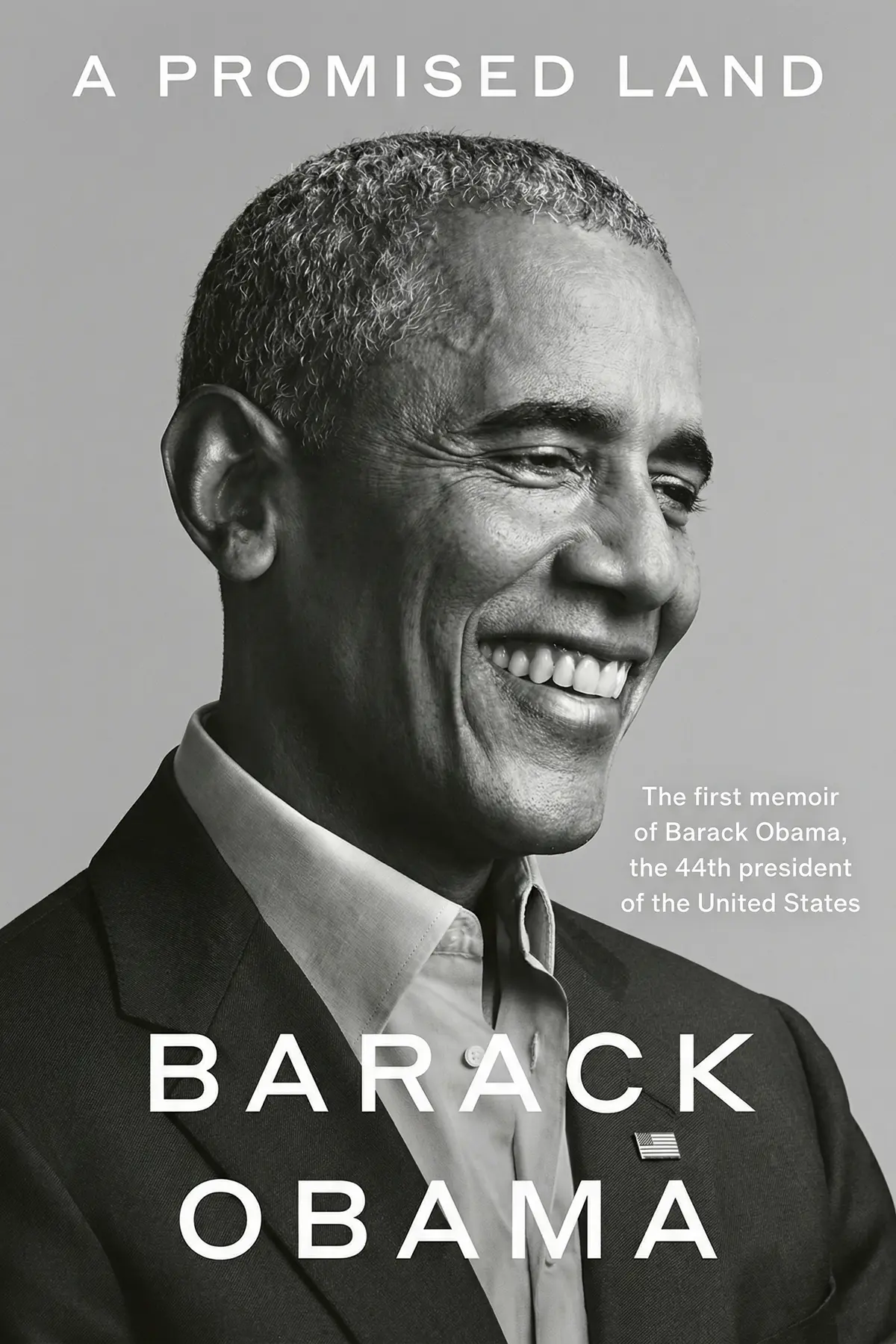
Barack Obama
Masaji Ishikawa
John Rawls
AUDIO SUMMARY AVAILABLE
Get the key ideas from The Reckoning by Mary L. Trump, plus 5,000+ more titles in English and Thai.







