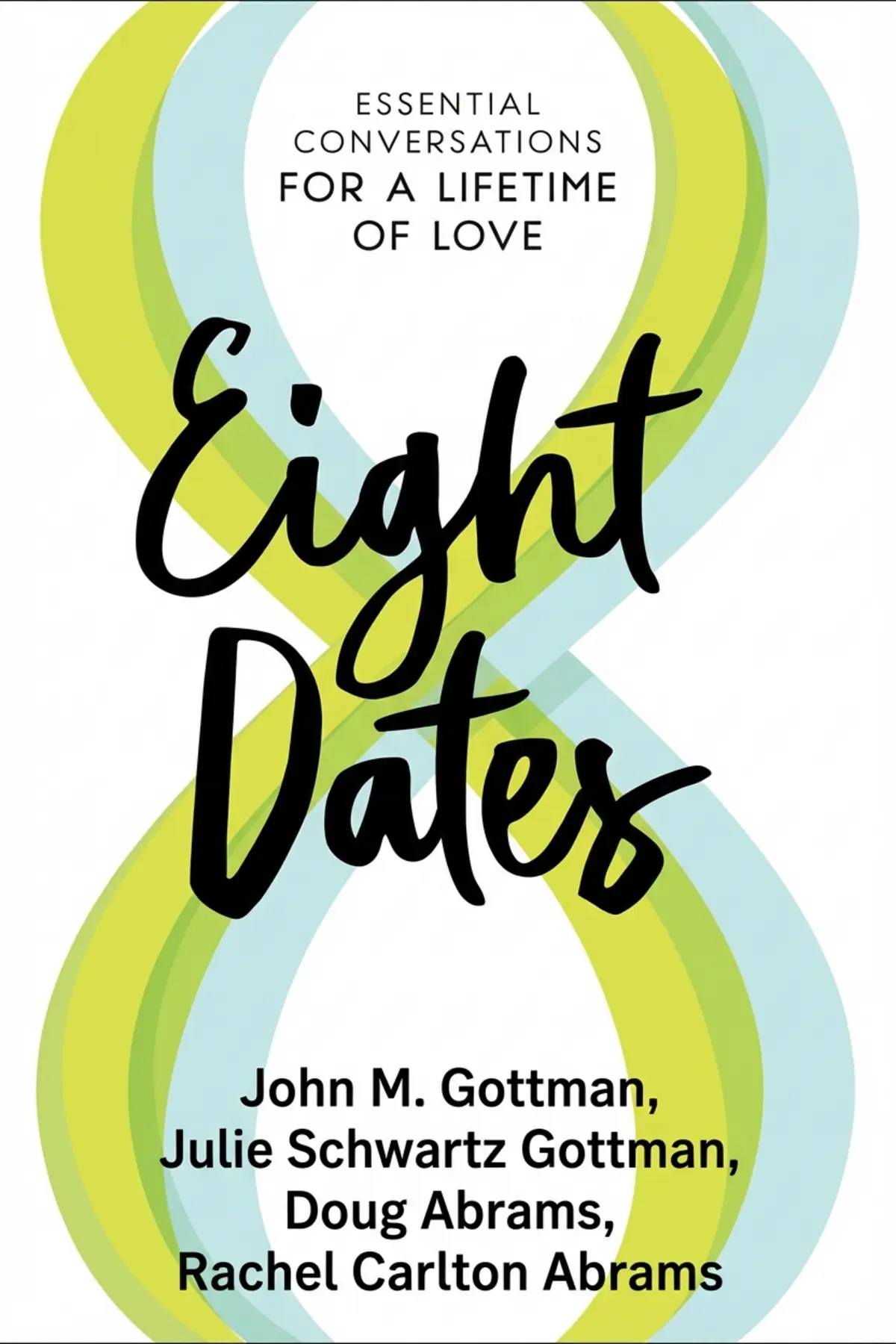
Eight Dates: Essential Conversations for a Lifetime of Love
John M. Gottman
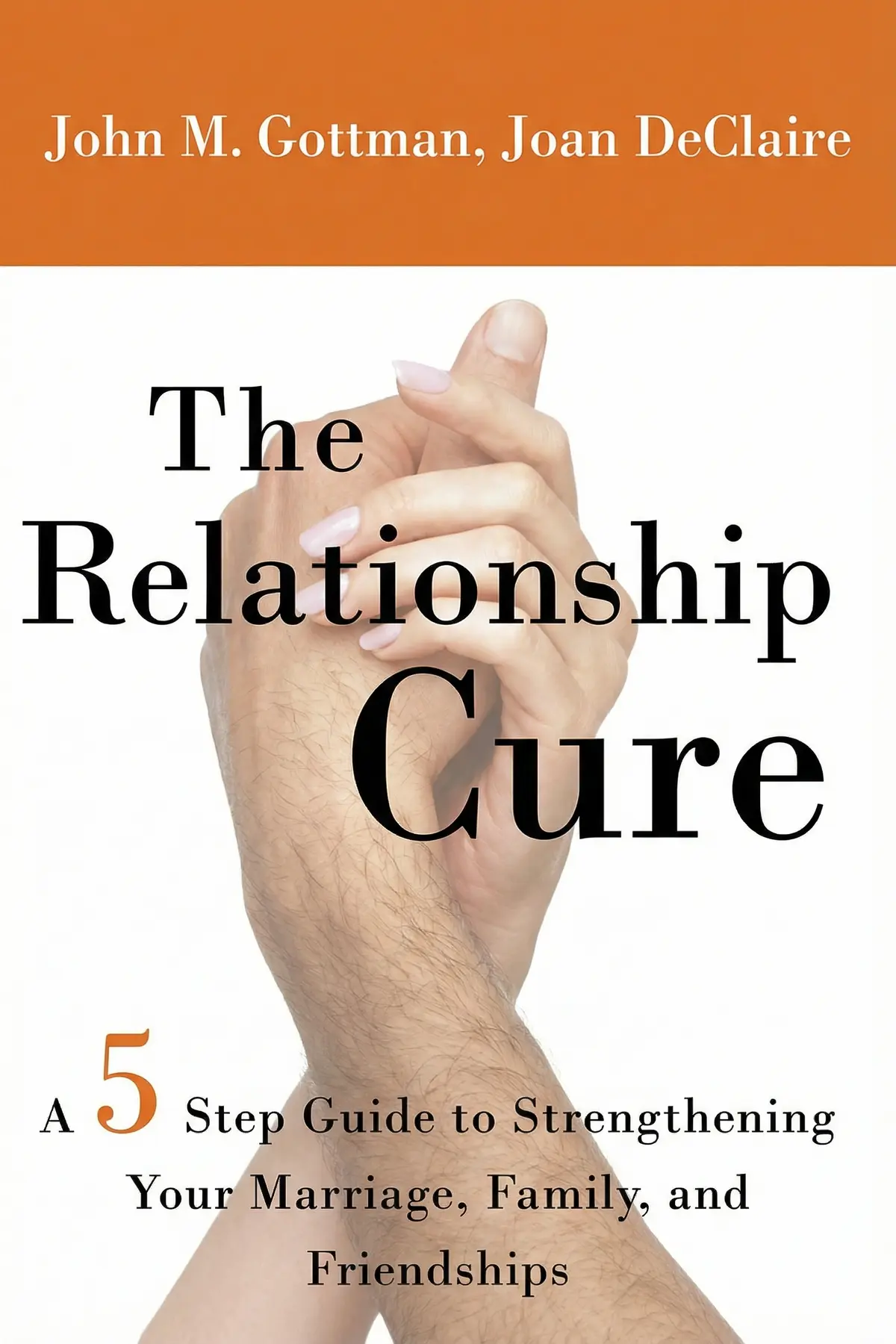
The Relationship Cure offers a research-backed method for improving all human connections. By mastering the art of emotional bids and responses, anyone can build stronger, more resilient bonds with partners, family, and colleagues.
1 min 30 sec
When we think about the factors that make or break a relationship, we often imagine the big things: the massive arguments, the grand romantic gestures, or the life-changing secrets we share late at night. We assume that if we could just ‘open up’ more, everything would fall into place. But what if the real secret to a lasting bond isn’t found in those rare, dramatic moments, but in the small, seemingly boring interactions that happen every single day?
This is the central revelation of The Relationship Cure. Based on extensive scientific research, this guide moves away from the traditional advice of ‘soul-baring’ and instead focuses on a concept known as emotional intelligence in action. It suggests that our relationships are actually built, bit by bit, through a series of tiny exchanges that usually fly right under our radar.
In the following segments, we are going to explore a new way of looking at human interaction. We will discover why mundane conversations about a cup of coffee or a newspaper headline are actually the front lines of emotional health. We’ll learn about the hidden messages we send to one another and, most importantly, how to respond to those messages in a way that creates a ‘cure’ for disconnection. Whether you are looking to save a struggling marriage, get along better with your siblings, or simply feel more heard at work, the principles we’re about to discuss offer a practical, step-by-step roadmap to strengthening the ties that bind us to others.
2 min 12 sec
Discover how a specialized apartment known as the Love Lab revealed the surprising truth about how couples actually build intimacy through small talk.
1 min 49 sec
Learn the concept of the ‘bid,’ the fundamental unit of connection that acts as the building block for every relationship you have.
1 min 50 sec
Every time someone reaches out, you have three choices: you can lean in, look away, or push back. Discover the impact of these reactions.
1 min 50 sec
Why do we make our bids so vague? Explore the psychological safety net of ‘fuzzy bidding’ and how it protects us from rejection.
1 min 44 sec
Even an angry outburst can be a cry for connection. Learn how to transform conflict by looking for the underlying request.
1 min 50 sec
Our past experiences act as a filter for how we communicate. Discover how ’emotional heritage’ shapes your current interactions.
1 min 48 sec
How you begin a conversation often determines how it will end. Learn how to use ‘soft language’ to ensure your bids are heard.
1 min 45 sec
You don’t have to agree to every request to maintain a strong bond. Learn the secret to declining a bid without hurting the relationship.
2 min 01 sec
It’s not the occasional mistake that destroys a relationship, but the long-term patterns. See what the data says about lasting stability.
1 min 20 sec
In the end, the ‘cure’ for our relationships isn’t found in a grand epiphany or a sudden change in personality. It is found in the way we handle the next five minutes. It’s found in whether we look up when our partner speaks, whether we offer a kind word to a stressed coworker, or whether we have the patience to see the bid for love hidden inside a child’s complaint. We have learned that intimacy is a skill that can be practiced and mastered. By understanding the science of the bid and the three ways we respond, we move from being passive participants in our relationships to being active architects of our emotional lives.
Remember that every interaction you have today is a choice. You can turn toward, you can turn away, or you can turn against. While you won’t get it right every time, the goal is to shift your patterns toward connection. Start small. The next time someone reaches out to you with a mundane comment or a fuzzy bid, take a second to acknowledge it. Give them that small bit of attention they are asking for. These tiny deposits into your emotional bank account will compound over time, creating a wealth of trust, affection, and resilience. You have the tools to strengthen every bond you have; all you need to do is start catching the balls that are already being thrown your way. Connection is always within reach, one bid at a time.
The Relationship Cure introduces a revolutionary approach to human connection based on decades of scientific observation in Dr. John Gottman’s Love Lab. Rather than focusing on grand romantic gestures or deep psychological excavating, the book reveals that the health of any relationship—whether a marriage, a friendship, or a professional tie—depends on tiny, mundane moments of interaction. At the heart of this system is the concept of the bid, which is any attempt to get attention, affirmation, or affection. Through practical steps, the book teaches readers how to identify these subtle cues, interpret the hidden needs behind them, and respond in ways that foster trust rather than resentment. By adjusting how we communicate daily, we can repair damaged bonds and deepen our emotional intimacy with the people who matter most.
John M. Gottman is a renowned research and clinical psychologist and professor emeritus at the University of Washington. He is the cofounder of The Gottman Institute and the author of numerous influential works, including the bestseller The Seven Principles for Making Marriage Work. Joan DeClaire is a communications expert with decades of experience translating complex psychology and health research for the general public. She has collaborated with Gottman on several books focusing on emotional intelligence and parenting.
Listeners feel this guide on relationships delivers actionable methods for strengthening ties, while one review highlights its emphasis on fostering closer emotional intimacy. It provides useful advice backed by concrete data and hands-on activities, ensuring the material remains accessible and engaging. Listeners value the gradual, instructional style that promotes growth and believe the content is well worth the investment.
This book is essentially the missing manual for human interaction, regardless of whether you're trying to fix a marriage or just get along better with your boss. Gottman’s research into 'bids' for connection is revolutionary because it’s so simple to observe in real-time. Once you recognize when someone is reaching out—even with something as mundane as a comment about the weather—you can’t unsee it. Frankly, I found the advice to be much more practical and grounded than the fluffy, romanticized nonsense found in most relationship guides. The way he breaks down 'turning toward' versus 'turning away' creates a tangible roadmap for repairing fractured bonds. It’s dense with empirical data, yet the anecdotes make the science feel incredibly personal and relatable. I've already started applying the 'turning toward' method at my job, and the shift in camaraderie was almost immediate. It’s a resource I’ll keep on my shelf forever.
Show moreWow, the chapter on 'Emotional Command Centers' completely changed the way I view my husband’s need for solitude versus my own desire for constant affiliation. After hearing about the 'bids' concept from a friend, I finally got around to reading the whole thing, and I’m so glad I did. It’s like an owner's manual for people. The author explains that when someone makes a bid and you respond with hostility—'turning against'—you’re basically poisoning the well. It’s such a simple concept, but so hard to master in the heat of an argument. I’ve been using the exercises to identify my own triggers, and the results have been eye-opening. Not gonna lie, some of the quizzes are a bit long, but they provide a level of self-awareness that most books can't touch. This isn't just a book you read once; it’s a reference guide for life. Highly recommended for anyone wanting to deepen their emotional bonds.
Show moreGottman’s work is a breath of fresh air because it’s based on actual observation rather than just philosophical theories. I loved reading about his research and how he can predict the success of a relationship just by watching how couples bid for attention. This book isn't just for people in crisis; it’s for anyone who wants to be more mindful in their daily interactions. I found the 'crabby state of mind' section especially convicting, as it forced me to look for things to be grateful for instead of just cataloging my grievances. The combination of anecdotes and exercises makes the complex psychology very accessible. In my experience, most relationship books focus on the big fights, but this one focuses on the small moments that actually make up 99% of our lives. It’s a practical, wise, and deeply necessary book that I wish I had read ten years ago.
Show moreEver wonder why certain conversations just fall flat despite your best intentions? This book offers a fascinating look at the 'Emotional Command Centers' that dictate how we react to stress, play, and intimacy. I loved the variety of inventories and quizzes included; they helped me realize that my 'Sentry' instincts were often clashing with my partner's 'Explorer' needs. To be fair, some of the middle chapters felt a bit repetitive, and the writing style can be a little dry when he gets deep into the data. However, the step-by-step approach to improving communication is worth the effort. It’s not just about romantic love; the insights into parent-child dynamics and friendships are just as valuable. While the title is a bit generic, the actual content is a goldmine of psychological wisdom. It’s a solid 4-star read that I would recommend to anyone looking to be less of a 'jerk' to the people they care about most.
Show moreAs someone who typically avoids self-help, I was surprised by how much I appreciated the research-heavy approach of this book. Gottman doesn't just give you vague affirmations; he provides tangible facts based on decades of observation. The distinction between 'turning away' and 'turning against' a bid for connection was a total lightbulb moment for me. It made me realize how often I ignore my kids' small requests for attention, which is basically 'turning away' and sucking the energy out of our relationship. My only real gripe is the physical book itself—the font is incredibly small and the layout feels a bit dated. But if you can get past the presentation, the actual tools for developing emotional intelligence are top-tier. It’s a very realistic, unromantic look at how we build a life with other people through small, daily choices rather than grand gestures.
Show moreLook, I’ll admit I was skeptical about how much 'turning toward' a simple comment about the weather could actually matter in a long-term relationship. But after reading Gottman's explanation of how these micro-interactions build a 'bank account' of goodwill, I’m a believer. The book is packed with practical ways to improve connections, moving far beyond the usual 'I feel' statements. I particularly appreciated the advice on 'flooding' and how to take a break when things get too heated. It's incredibly grounding to realize that most of our conflicts aren't about the dishes, but about missed bids for connection. My only complaint is that the writing can be a bit redundant, as if the authors didn't trust the reader to get it the first time. Still, the tangible exercises make it an easy and interesting read for anyone serious about self-improvement. It's definitely worth the price.
Show moreAfter hearing so much about Gottman's 'Love Lab,' I had high expectations for this book, and for the most part, it delivered. The central idea—that relationships live or die based on how we respond to each other’s tiny requests for attention—is incredibly powerful. It’s a very interesting book about what makes relationships work or fail to work in the real world. I appreciated that he included diverse relationship types, like siblings and coworkers, which makes the advice feel much more universal. To be fair, some of the 'Command Center' stuff felt a little bit like filler, but the core message about 'bids' is life-changing. It encourages development through small, manageable steps rather than demanding a total personality overhaul. It’s a great resource for mental health professionals and laypeople alike. I just wish the print was a little larger so my eyes didn't hurt after twenty pages!
Show morePicked this up because I’m a huge fan of Gottman’s marriage research, but it was a bit of a slog to finish after the first few chapters. The premise that relationships are built on tiny 'bids' is absolute genius and earns five stars on its own. Unfortunately, the book suffers from the classic therapy-book trap of being way longer than it needs to be. Once the core concept is explained, the subsequent sections feel like they’re just repeating the same points with slightly different scenarios. Truth is, I found myself skimming the last third just to get to the conclusion. The information is solid and the 'crabby state of mind' section was a much-needed wake-up call for me, but it lacked the punch of his other work. If you have the patience for a lot of case studies, you'll love it, but I think a long-form article could have covered the same ground.
Show moreThe first few chapters are brilliant, but the book eventually loses its momentum. Gottman’s research is undeniably impressive, and his theory about 'bids' is something every human being should understand. However, the tone is quite clinical, which might make it a difficult read for someone looking for a more 'heart-centered' approach. Also, let's talk about the title—it's pretty terrible and doesn't do justice to the empirical work inside. Personally, I found the sections on workplace relationships to be a bit forced compared to the family and marriage advice. While the 'Nest-Builder' and 'Commander in Chief' archetypes are interesting, they felt a bit like personality tests you'd find in a magazine. It’s a good resource, but you really have to dig through a lot of repetition to find the most useful nuggets of wisdom. I’d say it’s worth a library borrow rather than a permanent spot on the shelf.
Show moreNot what I expected, but still quite useful in parts. The research is top-notch, as is always the case with Gottman, but the book feels a bit like a collection of different papers stitched together. I really liked the first third where he explains the mechanics of a 'bid,' but then it branches off into 'Emotional Command Centers' and other theories that felt less cohesive. It’s a bit of a challenge to urge myself to pick it up once I made it past the meaty part. Frankly, the writing is a bit dry for my taste, and some of the examples felt a little dated. That said, the theories are solid and there’s no denying the importance of the work. If you're looking for a quick fix, this isn't it, but if you want a deep dive into the 'why' behind communication failures, you'll find plenty to chew on here.
Show moreAUDIO SUMMARY AVAILABLE
Get the key ideas from The Relationship Cure by John M. Gottman, plus 5,000+ more titles in English and Thai.