
19 min 13 sec
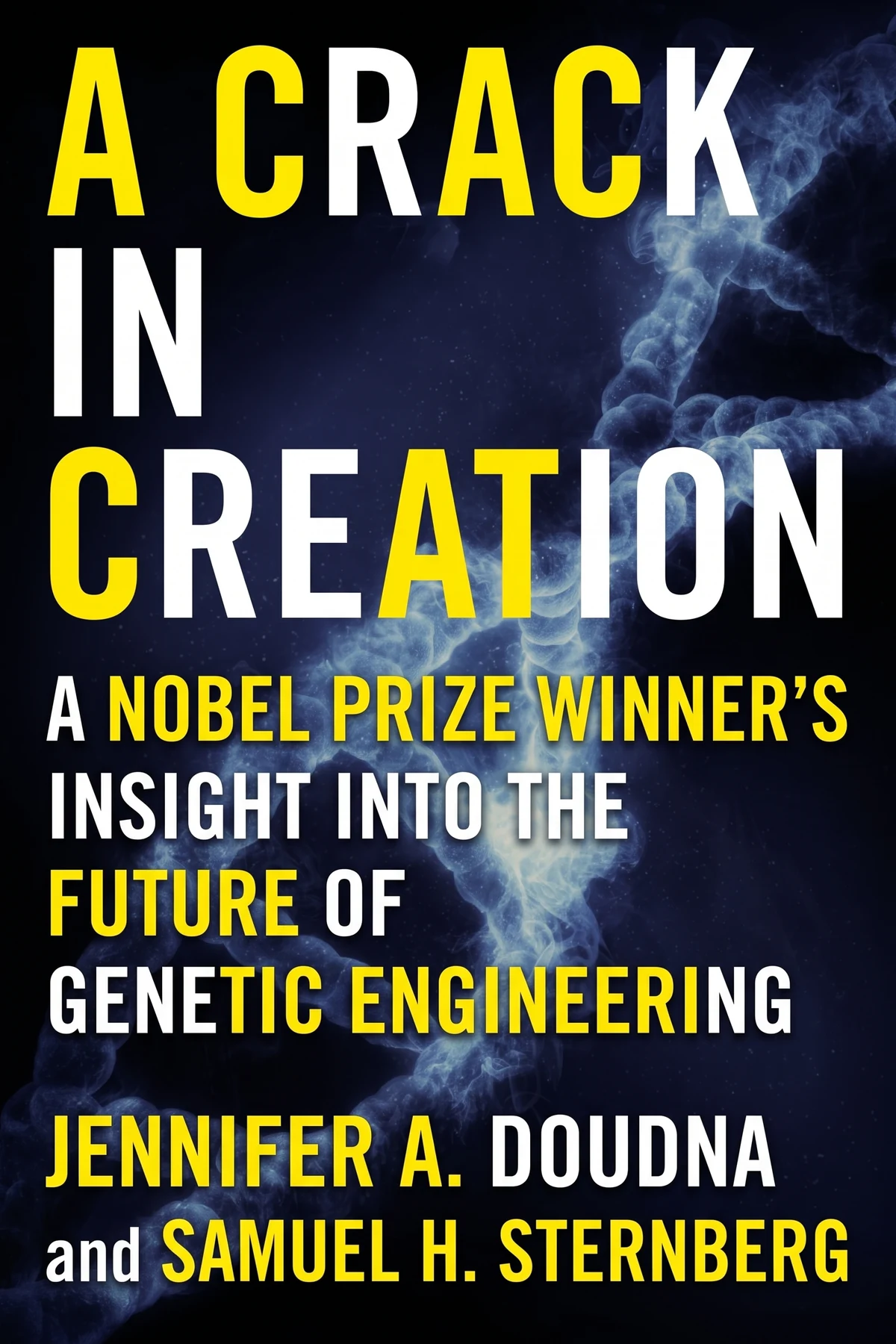
The Rules of Contagion: Why Things Spread – and Why They Stop
Explore the mathematical principles governing the spread of everything from infectious diseases and financial panics to viral internet memes and urban violence in this deep dive into the science of contagion.
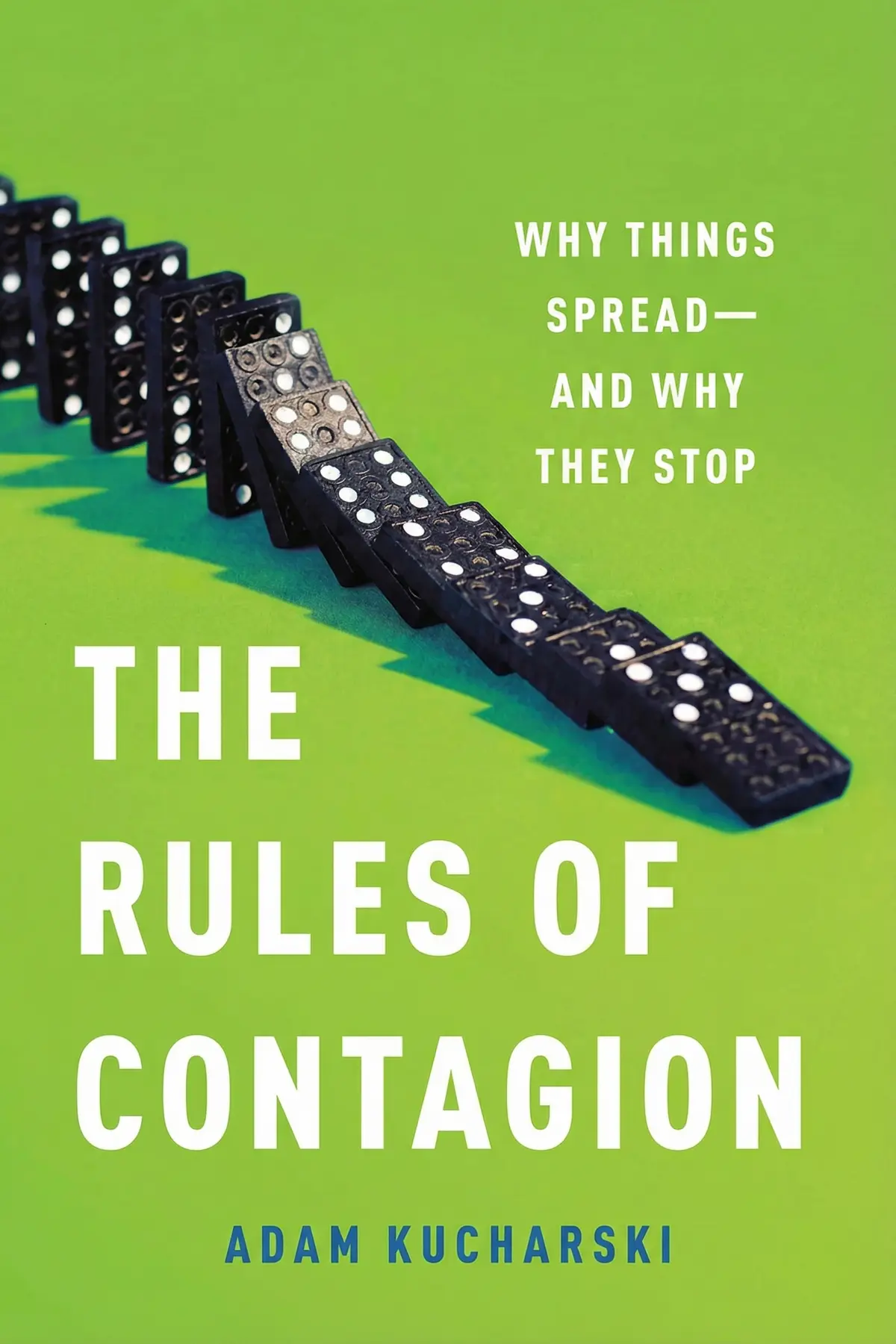
Table of Content
1. Introduction
1 min 56 sec
In a world that feels increasingly interconnected, the word “contagion” often brings to mind images of hospitals, masks, and microscopic pathogens. We think of biological threats that jump from person to person, disrupting our daily lives and challenging our healthcare systems. But as mathematician Adam Kucharski reveals, this is only a small part of the story. Contagion is not just a biological phenomenon; it is a mathematical one. It describes the fundamental way that things—any things—move through a population.
Whether it is the sudden explosion of a new social media platform, the rapid collapse of a global banking system, or the way a specific fashion trend takes over a city, the underlying mechanics are remarkably consistent. In this summary, we are going to explore the hidden logic behind these “outbreaks.” We will see how a nineteenth-century doctor’s quest to stop malaria in India inadvertently created the framework for modern digital marketing, and how the same equations used to track Ebola can help us reduce shootings on our city streets.
The throughline of our journey is the idea that spread is not chaotic. It follows rules. By understanding these rules—how a contagion starts, how it gains momentum, and most importantly, why it eventually stops—we can gain a powerful new lens through which to view the world. We will move beyond the headlines to look at the data and the models that define our modern existence. From the “thought viruses” that triggered the 2008 financial crisis to the surprising limitations of social media influencers, we are going to uncover why some things catch fire while others fizzle out. This isn’t just about science; it’s about the very fabric of human interaction and the invisible forces that shape our behavior, our economy, and our collective future.
2. The Mathematical Foundations of Outbreaks
2 min 18 sec
Discover how a nineteenth-century surgeon’s struggle with mosquitoes in India laid the groundwork for how we calculate and predict the spread of everything today.
3. The SIR Framework and the S-Curve
2 min 31 sec
Explore the universal model that tracks how populations move from being vulnerable to being immune, and why every trend eventually hits a wall.
4. The Viral Nature of Financial Crises
2 min 21 sec
See how the same principles of biological contagion triggered the 2008 global economic collapse through the spread of ‘thought viruses.’
5. Treating Violence as a Public Health Issue
2 min 15 sec
Learn how epidemiologists are using the same maps and math once used for cholera to stop the spread of shootings in modern cities.
6. The Math of Going Viral Online
2 min 05 sec
Discover the secret equations behind internet success and why most things we think of as ‘viral’ are actually just small, localized clusters.
7. Memetic Mutation and the Influencer Myth
2 min 07 sec
Uncover why content that changes as it travels is more likely to survive, and why the power of big-name influencers is often overestimated.
8. The Future of Tracking and the Ethics of Data
2 min 11 sec
As technology gives us unprecedented tools to monitor outbreaks, we must grapple with the fine line between public safety and personal privacy.
9. Conclusion
1 min 29 sec
As we have seen, the rules of contagion are woven into almost every aspect of our lives. From the historical struggle against malaria to the cutting-edge math of social media algorithms, the patterns of spread remain remarkably consistent. We have learned that outbreaks are not just random strokes of bad luck; they are systemic events that follow the predictable logic of the S-curve and the reproduction number.
What this really means for you is that you can start to see these patterns in your own world. When you see a new trend exploding, a financial bubble forming, or a rumor spreading through your community, you can stop and ask: Who are the susceptible? What is the rate of recovery? Is the idea ‘mutating’ to find new life? Understanding these mechanics strips away the mystery and replaces it with a sense of clarity.
The final takeaway is one of empowerment. While we cannot always stop a contagion from starting, we now have the tools to understand why it stops. By focusing on the ‘interrupters’—whether they are doctors, financial regulators, or community leaders—we can push the math in our favor. We are not just passive victims of these invisible forces; by learning the rules, we can better navigate a world where everything is connected, and everything is, in its own way, contagious. Use this knowledge to be more critical of the ‘thought viruses’ you encounter and more aware of the invisible networks you belong to every day.
About this book
What is this book about?
What makes a virus sweep across a continent, a stock market crash overnight, or a specific joke go viral on social media? While these events seem unrelated, they are all governed by a shared set of underlying mathematical principles. In this exploration of The Rules of Contagion, we look at how researchers have decoded the patterns of outbreaks in all their forms. The book promises to bridge the gap between biology, sociology, and economics by showing that the logic of spread is universal. You will learn how the nineteenth-century fight against malaria provided the blueprint for modern sociology, and how tracking a computer virus can help us understand the spread of gun violence in our cities. By examining concepts like the reproduction number and the SIR model, the author reveals that contagions are not just random occurrences; they are predictable events that follow specific rules. Understanding these rules allows us to anticipate the next financial bubble or viral marketing trend, providing a roadmap for managing the complex, interconnected world we live in today.
Book Information
About the Author
Adam Kucharski
Adam Kucharski is a trained mathematician and associate professor at the London School of Hygiene & Tropical Medicine. He is also a TED fellow and winner of the 2012 Wellcome Trust Science Writing Prize. He is the author of The Perfect Bet (2016), as well as a contributor to Scientific American, Financial Times, and the Observer.
Ratings & Reviews
Ratings at a glance
What people think
Listeners find the work thought-provoking, as it offers an outstanding framework for grasping diverse types of contagion, with one listener highlighting the intriguing links between seemingly disconnected ideas. They also value its accessible writing style and consider it a captivating read. Beyond just medical conditions, the book explores various topics, with one listener emphasizing its thorough examination of both literal and analogous epidemics.
Top reviews
Somsri
Adam Kucharski has a knack for making complex math feel like a conversation over coffee. While many of us became armchair epidemiologists during the pandemic, this book offers a much broader perspective that goes beyond mere viral transmission. It explains how the same logic governing a flu outbreak can be applied to the 2008 financial crisis or the spread of misinformation online. I found the sections on 'superspreaders' and network topology particularly enlightening because they shift the focus from the individual to the architecture of the connections themselves. The writing is lucid and engaging, never getting bogged down in dense equations despite the mathematical heavy lifting happening under the hood. It’s a thought-provoking framework that makes you look at every 'viral' trend—from TikTok memes to bank runs—through a completely different lens. Truly an excellent read for anyone curious about the invisible forces shaping our society.
Show moreMaja
It is rare to find a book that seamlessly bridges the gap between biological viruses and financial market crashes. Kucharski is a brilliant guide, taking us from the malaria-infested swamps studied by Ronald Ross to the high-frequency trading floors of modern banks. The concept of 'contagion' is applied so broadly here that it completely changes your perception of the world around you. I loved the deep dive into network topology and how the structure of our interactions determines the speed of a spread. It’s not just about the virus; it’s about the host and the environment. The writing is crisp, and the graphics provided are minimal but effective in driving home the critical points. This is exactly the kind of non-fiction I love—one that provides a new mental model for understanding the news. If you’re interested in social psychology or sociology, this is a must-have for your shelf.
Show moreTitiluck
Wow, what a fascinating look at the hidden architecture behind our connected world. This isn't just a book about germs; it’s a manual for understanding how influence and instability move through society. Kucharski makes the SIR model and Bayesian reasoning feel intuitive, which is no small feat. I loved the exploration of 'social cascades' and why some things go viral while others, seemingly identical, fail to gain traction. The interconnections he draws between seemingly unrelated concepts—like how a banking crisis mirrors a plague—are genuinely eye-opening. It’s the kind of book that makes you want to underline every other paragraph. Readability is high, and the author avoids the trap of being overly academic while still maintaining his scientific integrity. If you want to understand the 'why' behind the chaos of the modern world, start here.
Show moreWissanu
Ever wonder why certain ideas spread like wildfire while others just fizzle out? This book provides a fascinating framework for answering that question by looking at the mathematics of contagion across various disciplines. I particularly appreciated the historical context, like the story of how the 'French pox' got its many names across Europe based on whoever people wanted to blame at the time. It’s a sobering reminder that our social reactions to disease haven't changed much in centuries. Kucharski’s explanation of the R0 and the threshold for herd immunity is the clearest I’ve ever read. My only gripe is that the middle sections on social media cascades felt a little less rigorous than the biological chapters. Still, it’s an incredibly readable and thought-provoking look at how our interconnectedness serves as both a strength and a vulnerability.
Show moreMikael
Picked this up thinking it would be a dry textbook on epidemiology, but I was pleasantly surprised by how much ground it covers. Kucharski doesn't just stick to pathogens; he explores 'outbreaks' of gun violence, pyramid schemes, and even the way innovation spreads through a population. The way he links the 80/20 rule to superspreading events helped me understand why some interventions work so much better than others. Frankly, the math is light enough that you won't get a headache, focusing more on the logic of the models rather than the numbers themselves. There’s a really great bit about how models are simplifications of the world meant to reveal gaps in our understanding, which changed how I view scientific forecasting. It’s a solid, intellectual journey through the science of how things go viral, though it occasionally gets a bit 'in the weeds' with the financial sector examples.
Show moreTanyaporn
Finally got around to reading this, and the framework it provides for understanding 'outbreaks' of all kinds is brilliant. Kucharski explains that the rules of transmission are often universal, whether we are talking about a computer virus or a biological one. I was especially struck by the section on how models are used not to predict the future, but to identify the impacts of policy decisions that aren't obvious to common sense. This insight alone was worth the price of the book. The prose is clear, the tone is professional yet accessible, and the research is clearly top-notch. I did find the chapters on financial contagion a bit dense compared to the rest of the book, which slowed my momentum. However, the overall message about our interconnected world is poignant and timely. A very strong four stars for a book that actually makes you think.
Show moreJeeranan
As someone who usually avoids math-heavy non-fiction, I found the theoretical approach here incredibly accessible. Kucharski manages to explain the basic reproduction number without making you feel like you’re back in a high school algebra class. The book is at its best when it explores how public health tools can be used to fight crime or understand financial bubbles. I specifically enjoyed the discussion on the 'Nextstrain' project and the genetic sequencing of viruses. It’s a bit of a ramble at times, moving from 19th-century malaria research to modern social media algorithms, but the journey is always interesting. Personally, I would have liked more focus on the biological side, as the financial examples felt a bit like a detour, but the overall framework is too useful to ignore. A great choice for fans of Gladwell or Silver.
Show moreSomrutai
The timing of this release is truly a double-edged sword. Published just as the world was shutting down, it missed the chance to analyze COVID-19 specifically, making some of the examples feel a bit dated despite being only a few years old. Kucharski is clearly a master of his craft, but the book feels a bit like a collection of interesting anecdotes rather than a cohesive 'ur-theory' of contagion. I was fascinated by the history of Ronald Ross and the development of the SIR model, but the jump into computer viruses and financial bubbles felt a little like a stretch at times. While the prose is accessible, the structure is somewhat scattergun, moving from one topic to another without a strong enough connective thread. It’s a decent primer for the layperson, but if you’ve been following the author’s Twitter feed, you might find more timely insights there.
Show moreDylan
To be fair, I went into this expecting a deep dive into medical history and came away with a lot of data on internet memes instead. While the author is an expert epidemiologist, a significant portion of the book focuses on 'analogous' epidemics like financial failures and social trends. For me, these sections felt a bit thinner than the biological ones. The transition from talking about the SIR model to talking about 'fake news' felt like a leap that didn't always land. That said, the sections on the history of disease modelling are excellent. Learning about the DOTS components of R helped clarify many of the headlines I see today. It’s a worthwhile read if you want a broad overview, but be prepared for the focus to shift away from medicine quite frequently. I’d call it a 3.5, but rounding down because the ending felt a bit abrupt.
Show moreLandon
Look, I really wanted to love this given Kucharski's credentials, but the narrative felt disjointed. I found myself constantly wondering where the author was going with his arguments. One minute we’re discussing the 'Greater Fool Theory' in finance, and the next we’re back to the 'Spanish' flu, and the connection between them often felt anecdotal rather than scientific. It felt more like a series of loosely related essays than a structured book. While there are certainly some 'cool' facts buried in here—the bit about syphilis naming was funny—the lack of a cohesive 'ur-theory' left me feeling unsatisfied. I didn't feel like I gained a deeper understanding of the 'rules' promised by the title. If you want a rigorous look at epidemics, there are probably better, more focused books out there. This one tries to do too much and ends up feeling a bit shallow.
Show moreReaders also enjoyed
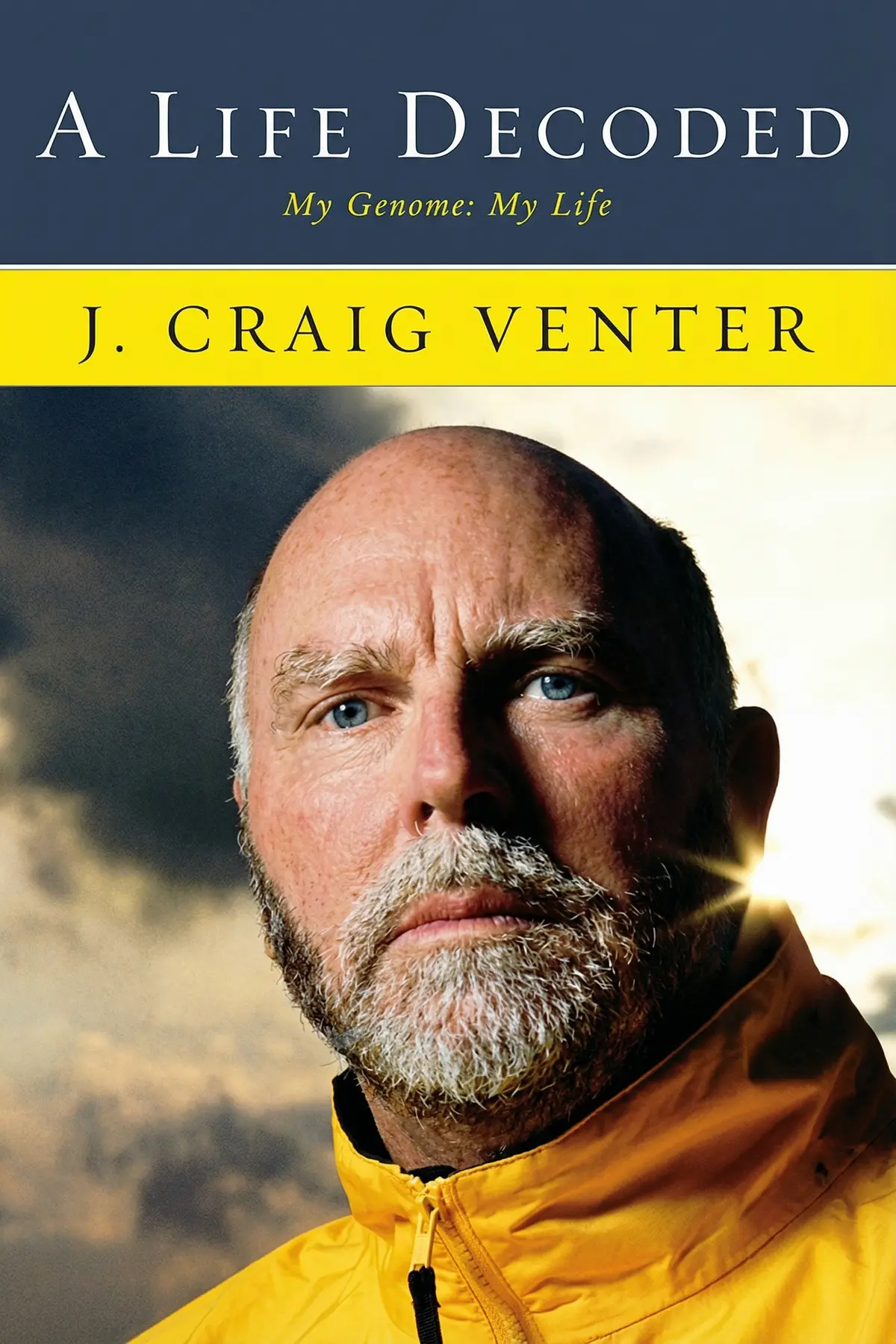
A Life Decoded: My Genome: My Life
J. Craig Venter
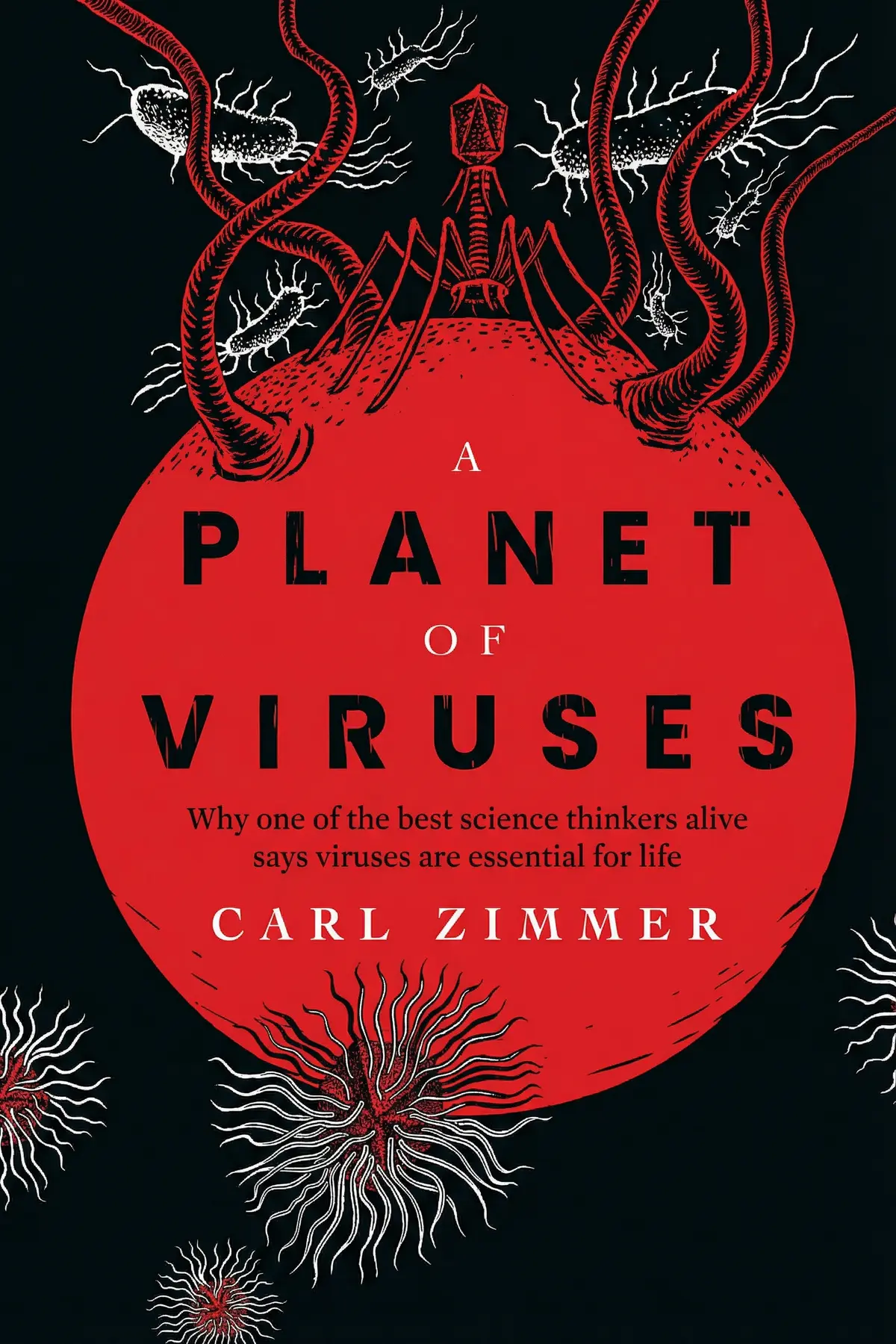
A Planet of Viruses
Carl Zimmer
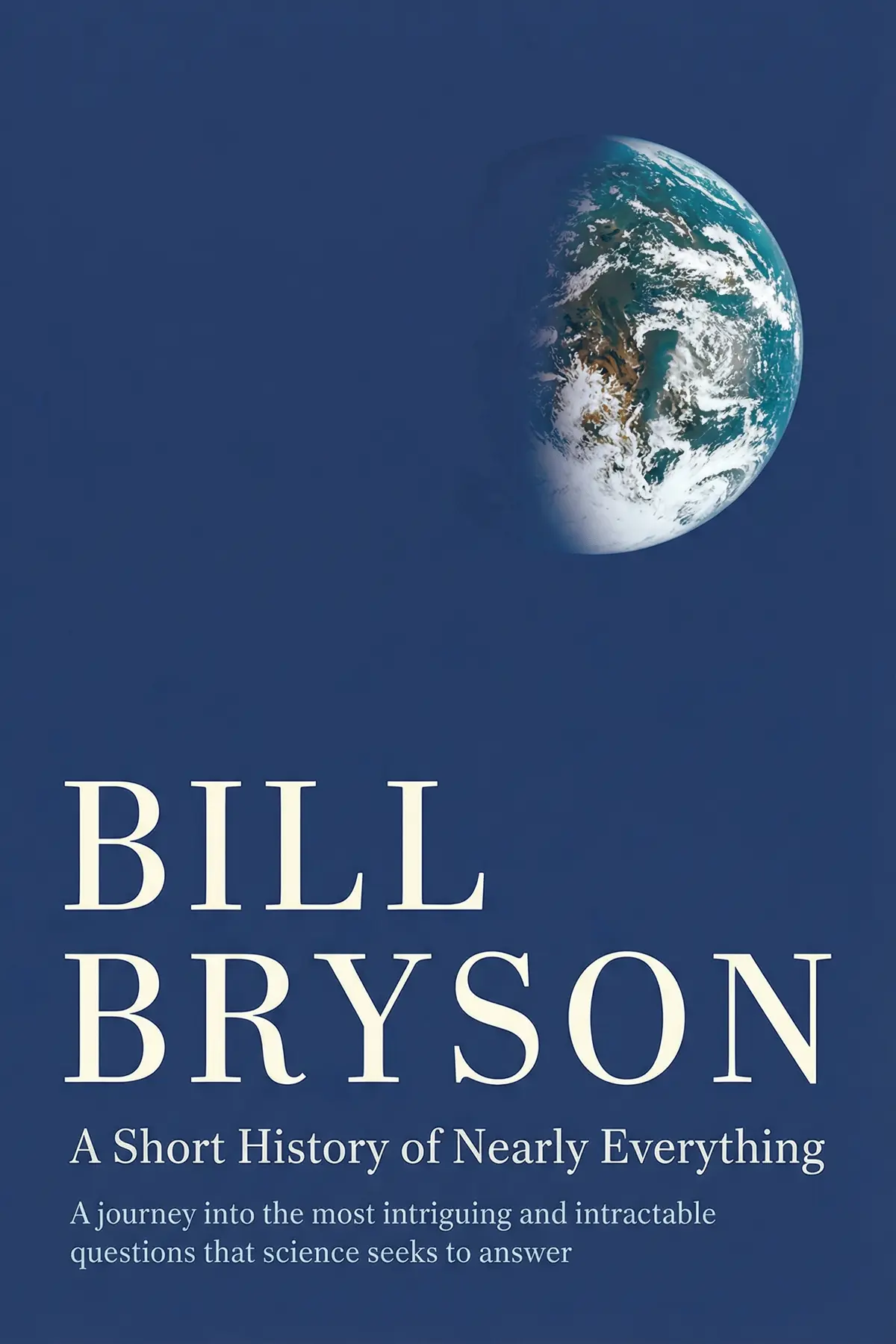
A Short History of Nearly Everything
Bill Bryson
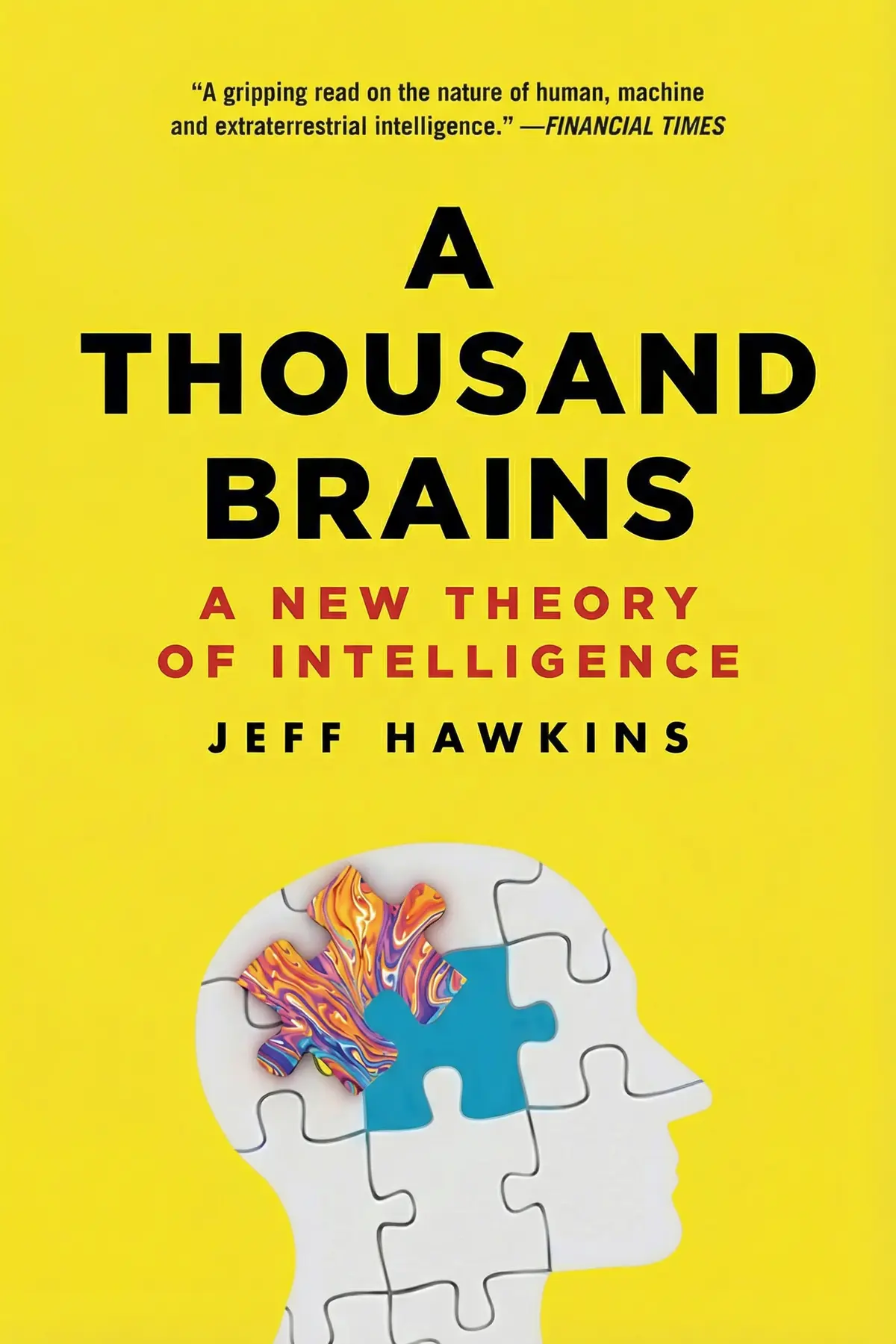
A Thousand Brains: A New Theory of Intelligence
Jeff Hawkins
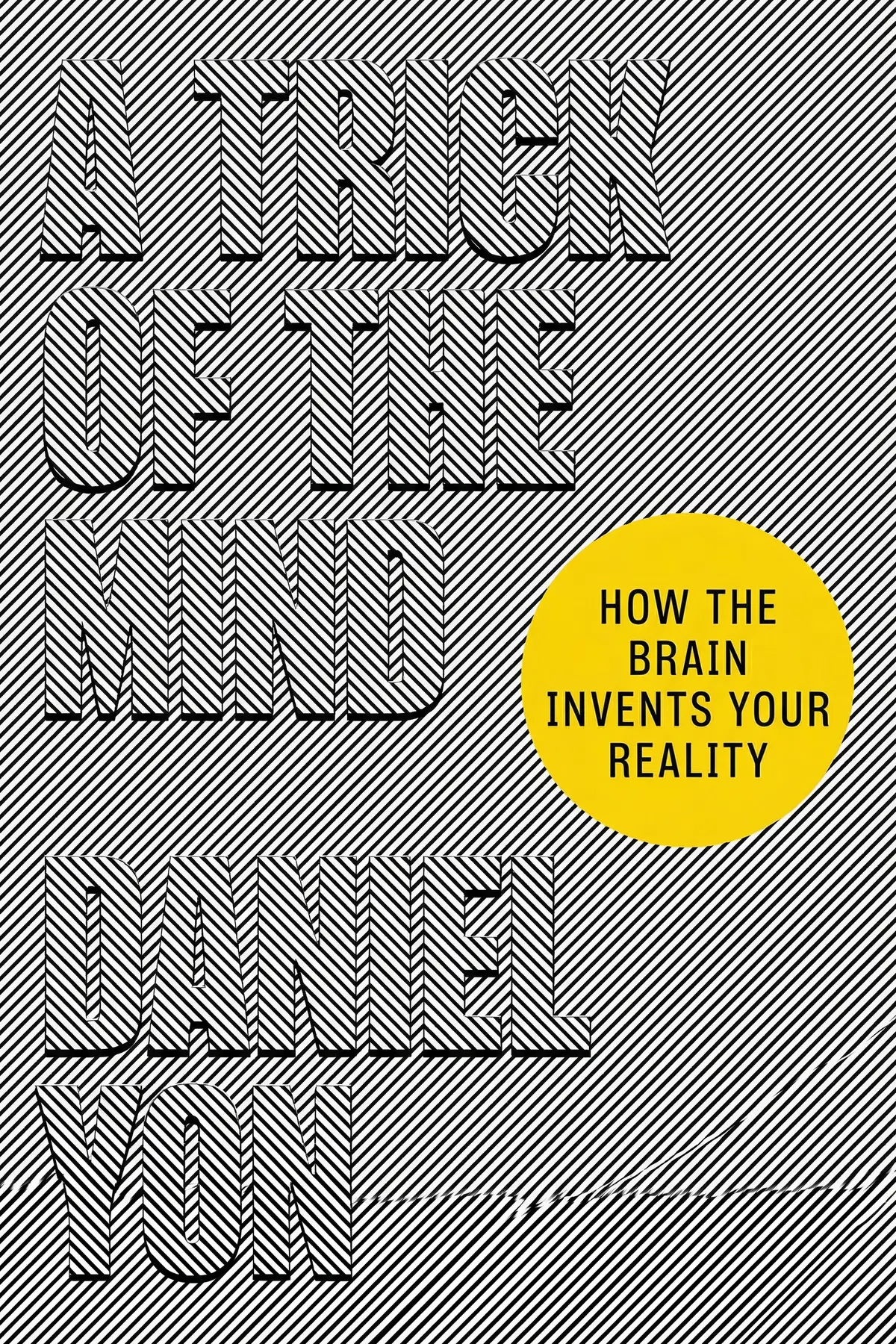
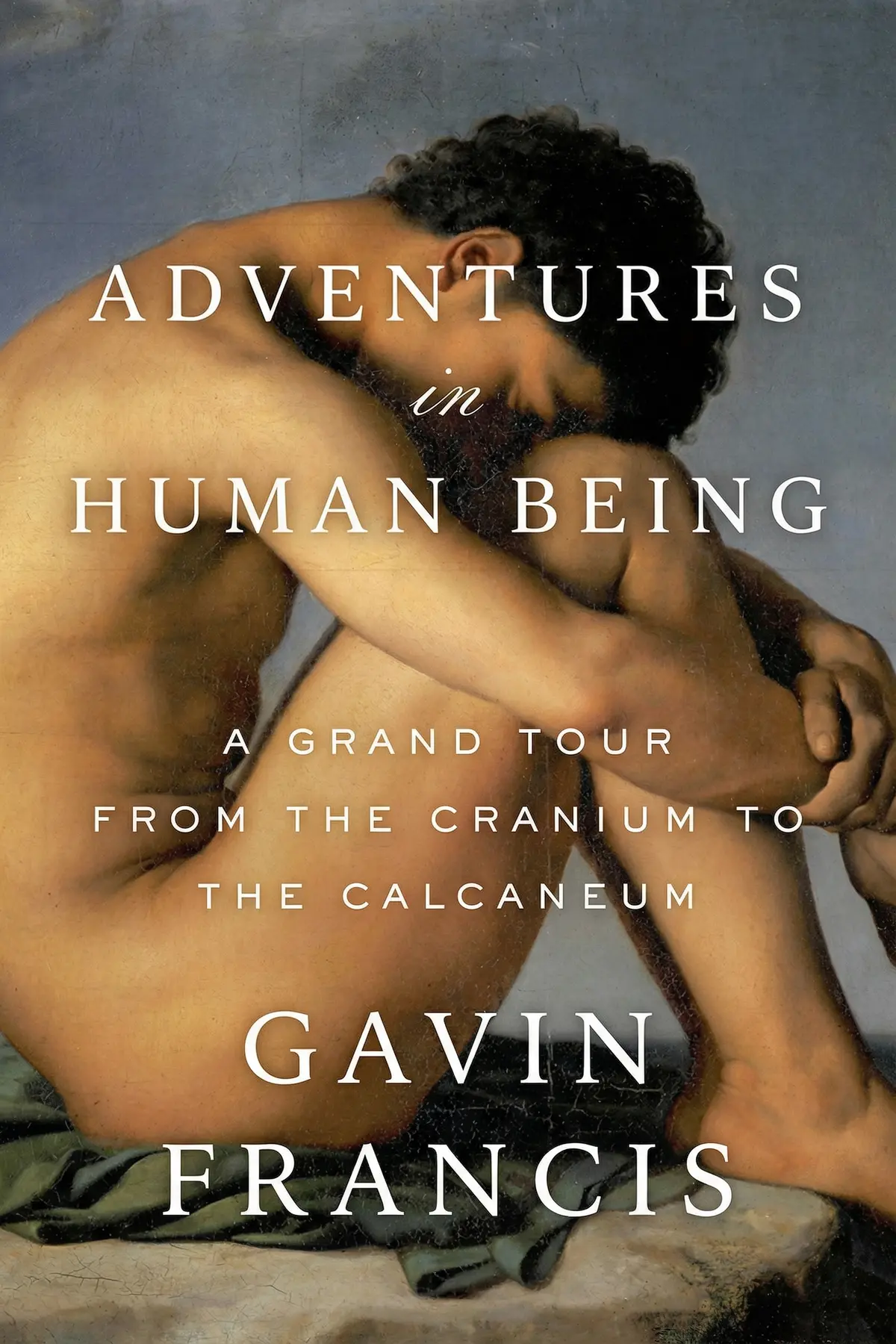
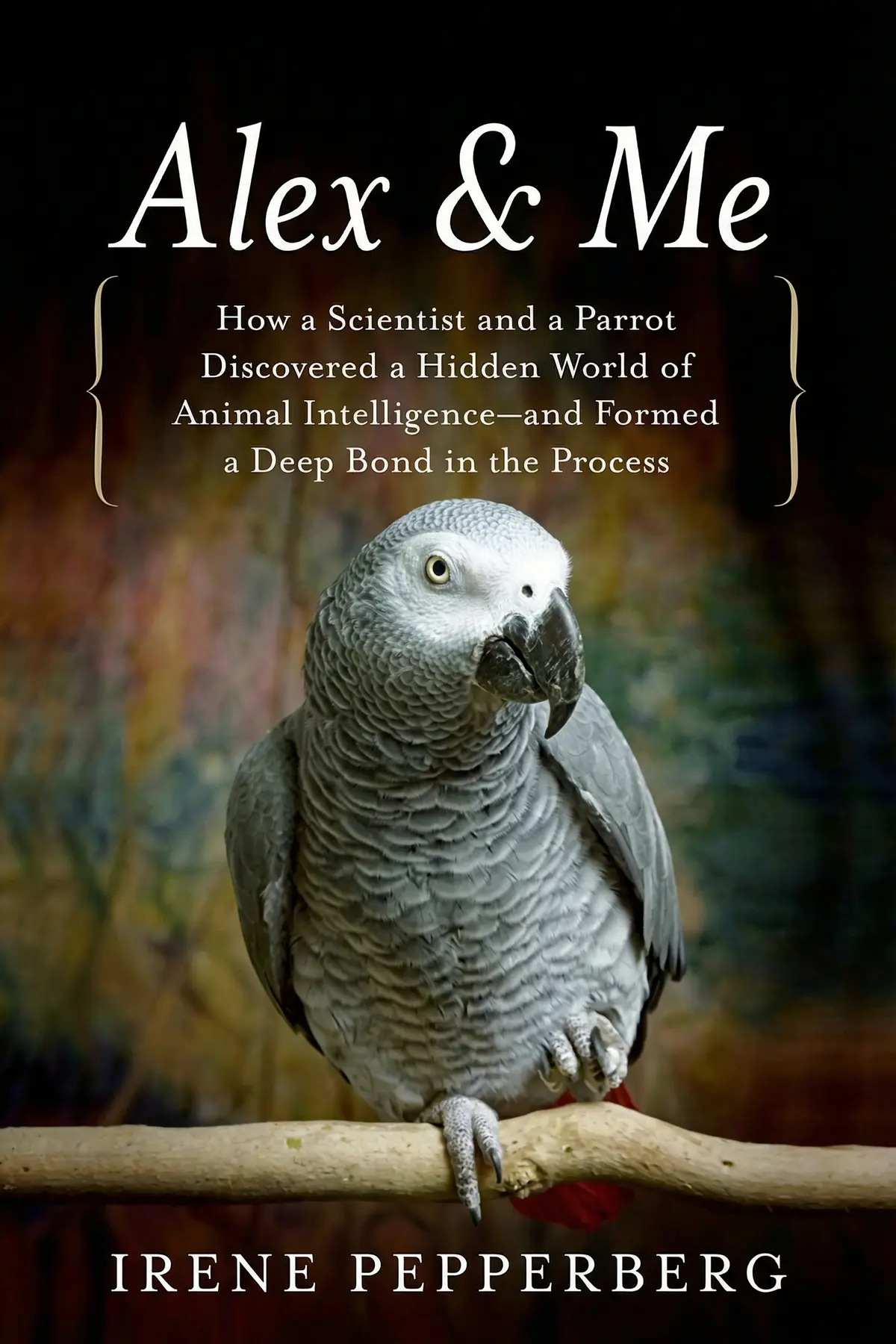
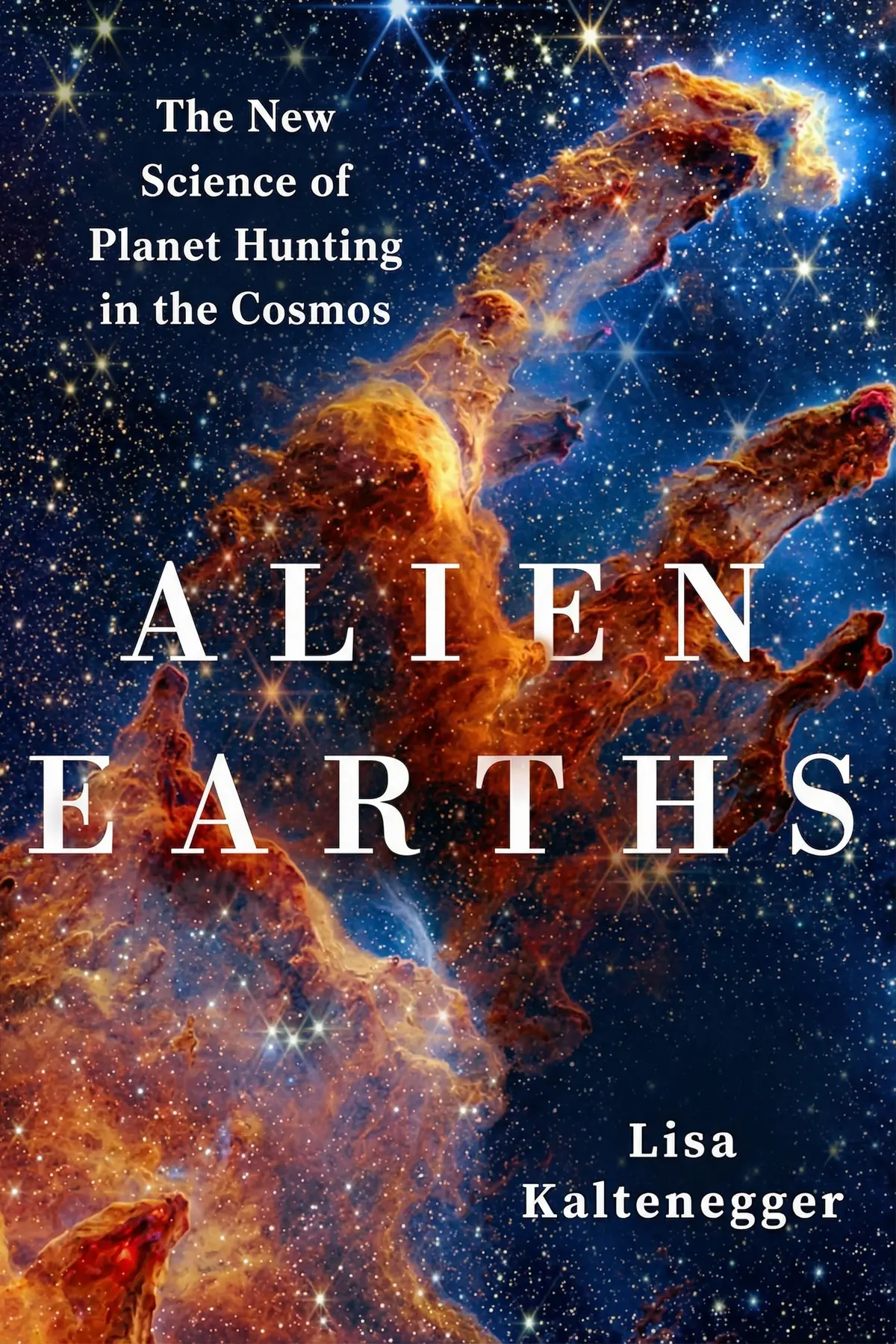
Alien Earths: The New Science of Planet Hunting in the Cosmos
Lisa Kaltenegger
AUDIO SUMMARY AVAILABLE
Listen to The Rules of Contagion in 15 minutes
Get the key ideas from The Rules of Contagion by Adam Kucharski, plus 5,000+ more titles in English and Thai.
- 5,000+ titles
- Listen as much as you want
- 7-day free trial
- Cancel anytime







