
17 min 28 sec
The Science of Intelligent Achievement: How Smart People Focus, Create and Grow Their Way to Success
Explore the intersection of biology and psychology to unlock peak performance. This guide provides a research-based framework for mastering focus, overcoming mental hurdles, and achieving your most ambitious goals with precision.
Table of Content
1. Introduction
1 min 38 sec
In a world that constantly demands our attention, the true competitive advantage is no longer just working harder, but working with a higher level of mental clarity. We often find ourselves caught in a cycle of endless activity that leads to very little progress. We feel busy, yet we aren’t moving the needle on the things that actually matter. This is where the concept of intelligent achievement comes into play. It is the bridge between having an ambition and actually possessing the cognitive infrastructure to realize it.
By looking through the lens of biology and behavioral psychology, we can start to see success as a manageable, scientific process rather than a stroke of luck or a result of grueling, unguided effort. The core of this philosophy is built on the understanding that our mental resources are finite. We only have so much concentration, so much motivation, and so much time each day. If we treat these resources with the same care a scientist treats a delicate experiment, we can produce results that are both consistent and extraordinary.
Throughout this discussion, we are going to explore a roadmap for setting and reaching goals using techniques grounded in research. We will move beyond the surface-level advice of ‘just do it’ and look at the ‘how’ and ‘why’ behind our actions. We will examine how to build a mindset that views challenges as opportunities for growth, how to dismantle the habits that lead to procrastination, and how to stay focused when the world tries to pull us in a thousand different directions. This journey is about taking the wheel of your own psychological engine and steering it toward the life you want to build. Let’s begin by looking at the very foundation of this achievement: the way we manage our mental energy.
2. The Biological Reality of Focus
2 min 10 sec
Discover why your brain is not designed for the modern world and how understanding your biological limits can help you protect your most valuable asset: your concentration.
3. Dismantling the Procrastination Loop
2 min 05 sec
Explore the psychological reasons why we put off our most important work and learn how to bypass the brain’s natural resistance to effort.
4. The Mechanics of Sustainable Motivation
1 min 56 sec
Learn why waiting for inspiration is a losing strategy and how to build a system of motivation that relies on research rather than fleeting emotions.
5. Adopting a Growth Mindset for Resilience
1 min 58 sec
Understand how your fundamental beliefs about your own abilities dictate your success and how to shift toward a mindset of continuous improvement.
6. The Architecture of Effective Goal Setting
1 min 59 sec
Move beyond basic planning and learn how to construct a step-by-step roadmap that aligns your daily actions with your ultimate vision.
7. Leveraging Behavioral Psychology in Your Environment
1 min 59 sec
Discover how the world around you shapes your choices and how to redesign your surroundings to make success the path of least resistance.
8. The Power of Selective Focus
1 min 51 sec
In a world of infinite options, the ability to choose what NOT to do is the ultimate skill. Learn how to filter your opportunities for maximum impact.
9. Conclusion
1 min 52 sec
As we wrap up our look into the mechanics of achievement, it’s clear that success is not a mysterious force, but the result of a deliberate and scientific approach to our own minds and habits. We have seen that by protecting our mental concentration and understanding our biological limits, we can work with a level of intensity that others simply cannot match. We’ve learned that procrastination and motivation are not character traits, but psychological processes that can be managed and mastered with the right strategies.
The throughline of all these ideas is the transition from passive existence to active, intelligent achievement. It’s about taking responsibility for your mental environment, your social circle, and your daily systems. It’s about moving beyond the ‘what’ of your goals and diving deep into the ‘how’ of your behavior. When you apply these research-based techniques, you stop being a victim of your circumstances and start becoming the architect of your own future.
The most important thing to remember is that this is a process. It’s not about achieving perfection overnight, but about making consistent, intelligent adjustments to how you operate. Start by identifying one area where your focus is being drained and take a single, step-by-step action to fix it. Whether that’s redesigning your workspace, setting a specific ‘if-then’ goal, or simply deciding to say ‘no’ to a distracting request, these small choices compound over time.
Achievement is a science, and like any science, it requires observation, experimentation, and persistence. By using the principles of biology and behavioral psychology we’ve discussed, you now have the tools to build a life of impact and meaning. The path is set, the research is clear, and the only thing left to do is to step forward with intention and focus. Your most significant accomplishments are not just possible—they are the logical conclusion of an intelligently managed life.
About this book
What is this book about?
The Science of Intelligent Achievement is an exploration of how we can use our internal biology and psychological makeup to drive success. Rather than relying on simple motivation or willpower, it looks at the mechanics of the brain to explain why we stall and how we can move forward. The book addresses the common pitfalls of the modern worker, such as chronic distraction and the trap of procrastination, offering a systematic way to regain control. By following a structured process, readers are shown how to develop a growth mindset and use behavioral psychology to their advantage. The promise of the book is a shift from busy work to meaningful achievement. It provides the tools necessary to set high-level goals and, more importantly, the mental concentration required to see them through to completion. It is a manual for anyone looking to optimize their output through scientific principles.
Book Information
About the Author
Isaiah Hankel
Isaiah Hankel has a PhD in biology and a talent for coaching people in the areas of mental concentration and behavioral psychology. He is also a successful author in these fields as well as a contributing writer to publications such as the Guardian and Entrepreneur Magazine. His previous book, Black Hole Focus (2014), was an international best seller in the business book genre.
Ratings & Reviews
Ratings at a glance
What people think
Listeners find that this book delivers impactful advice for self-improvement, with one listener noting its emphasis on selective focus and methods for prioritization. Additionally, the material helps individuals direct their mental power toward more significant goals, and listeners appreciate the evidence-based framework. They also view it as a fantastic book that is especially useful for those who feel they are currently stuck.
Top reviews
Hemp
Ever wonder why you're exhausted but haven't actually accomplished your big goals? This book breaks down the biology of achievement in a way that’s both fascinating and terrifying. Hearing that thirty minutes of negativity can actually damage your hippocampus was a massive reality check for my social media habits. Isaiah Hankel doesn't sugarcoat anything, providing hard-hitting advice that forces you to look at who you’re letting into your inner circle. The breakdown of Pragmatic Growth helped me realize that small, consistent steps are far superior to occasional bursts of unorganized effort. If you’re tired of 'participation trophy' motivation, this is the blueprint you've been searching for.
Show moreDaranee
Wow, this was exactly the disruptive punt I needed to get my career back on track. Isaiah Hankel has a gift for taking complex scientific concepts and turning them into actionable, daily strategies. I’ve read plenty of James Altucher, but this feels like the logical, data-driven companion to that 'choose yourself' philosophy. The concept of 'Selective Focus' has completely changed how I handle my email and morning routine. Truth is, I was one of those people who equated being busy with being successful, and this book thoroughly dismantled that delusion. Every chapter challenged me to stop being a passive observer of my own life. It’s a radical life review that I’d recommend to any entrepreneur feeling bogged down by the noise.
Show moreChokdee
The chapter on Selective Focus is worth the price of the book alone. We live in an age of constant distraction, and Hankel provides a necessary defense system for our attention. I was fascinated by the statistic that being around negative people can make your outlook 50 percent more negative. It’s a sobering reminder to be intentional about our social circles and the information we consume daily. Personally, I found the blend of behavioral science and practical business tips like lead magnets to be a winning combination. It’s not just about thinking better; it’s about building a life where you own your output. This is a must-read for anyone serious about shifting from busyness to true, intelligent achievement.
Show moreBook
Picked this up because I was feeling stuck in a loop of endless busyness without real progress. Hankel’s approach to Selective Focus really hit home, especially the idea that our mental energy is a finite resource we must guard. It's not just another fluff-filled self-help guide; there's actual strategy here for filtering out the 'vampires' that drain your productivity. While some of the product development sections felt a bit niche, the core message about pruning distractions is vital. To be fair, the blunt tone might rub some people the wrong way, but it was the wake-up call I needed. I’m already seeing a difference in how I structure my mornings to avoid decision fatigue.
Show moreRania
Not what I expected, but in a surprisingly good way. Most success books rely on anecdotes, but Hankel leans into behavioral science to explain why we fail to stay focused. I found the 'Disney method' for creativity particularly useful for breaking out of stagnant thinking patterns. Look, the writing style is incredibly direct—almost aggressive at times—which works for the chapters on eliminating negative influences. I did feel the section on writing about your own life to build a 'voice' was a bit long-winded compared to the rest. Still, the emphasis on protecting your mental energy from 'vampires' is a lesson I won't soon forget. It’s a solid 4-star read for the practical applications alone.
Show moreCee
As someone who struggles with saying 'no,' the section on energy-draining people was an eye-opener. Hankel describes these individuals as 'vampires' who hijack your focus, and he’s absolutely right about the toll they take on your creativity. The book is divided into three parts, and while they don't always transition smoothly, the individual takeaways are high-value. I especially appreciated the pragmatic approach to growth, emphasizing that you don't need a miracle, just a better system for your mental energy. My only gripe is that it gets a bit repetitive toward the end. However, the science-based perspective provides a level of credibility that many other self-help books lack. It’s a great tool for anyone feeling stuck in mediocrity.
Show moreYongyut
After hearing a lot of buzz about Isaiah Hankel’s 'scientific' approach, I decided to give this a go. It’s a refreshing change from the typical 'just believe in yourself' fluff that dominates the bestseller lists. The focus here is on protecting your most valuable asset: your mental energy. I loved the breakdown of the 'Disney method' and how it can be used to foster independent, creative thinking. Gotta say, the advice is quite hard-hitting and might be a bit much if you’re looking for something gentle. But if you want a pragmatic blueprint for achieving big goals without burning out, this hits the mark. It’s a strategic guide that values results over feelings, which I found quite empowering.
Show moreBig
Frankly, I have very mixed feelings about the structure of this book. The first and third sections—Selective Focus and Pragmatic Growth—are gold mines for anyone trying to sharpen their professional edge. However, the middle part on Creative Ownership felt like it belonged in a completely different manual on digital marketing and lead magnets. It was a jarring shift from psychological mindset shifts to specific business tactics that didn't quite gel for me. There are definitely gems hidden in these pages, but you have to be willing to skim the parts that don’t apply to your situation. It’s worth a read for the science-backed productivity tips, but it lacks a cohesive flow.
Show moreSara
Finally got around to finishing this, and I’m still trying to decide if I liked it or just the ideas in it. Parts of it are brilliant—like the explanation of how negative environments literally kill brain cells—while other parts felt like filler. The shift from Selective Focus to Creative Ownership was weirdly abrupt and focused too much on a specific type of business growth. In my experience, the best self-help books have a single through-line, but this felt like two separate manuscripts mashed together. If you can get past the blunt, almost 'tough love' tone, there is definitely some actionable advice here. Just be prepared to do a lot of mental filtering to find what really applies to your life.
Show moreApichat
The tone was far too blunt and one-sided for my liking, making it difficult to get through the entire thing without feeling lectured. While the back cover promises a scientific look at achievement, the middle portion drifts into very specific product development talk that felt misaligned with the rest of the content. I was looking for a mindset book, not a tutorial on lead magnets and customer acquisition. To be honest, the author’s aggressive stance on cutting people out of your life felt a bit extreme and lacked nuance. There are a few interesting studies cited, like the bit about the hippocampus and negative speech, but they aren't enough to save a disorganized narrative. I’d suggest just reading a summary instead of the full text.
Show moreReaders also enjoyed
A Guide to the Good Life: The Ancient Art of Stoic Joy
William B. Irvine
A High-Performing Mind: Strengthen Your Mind and Live Your Best Life
Andrew D. Thompson
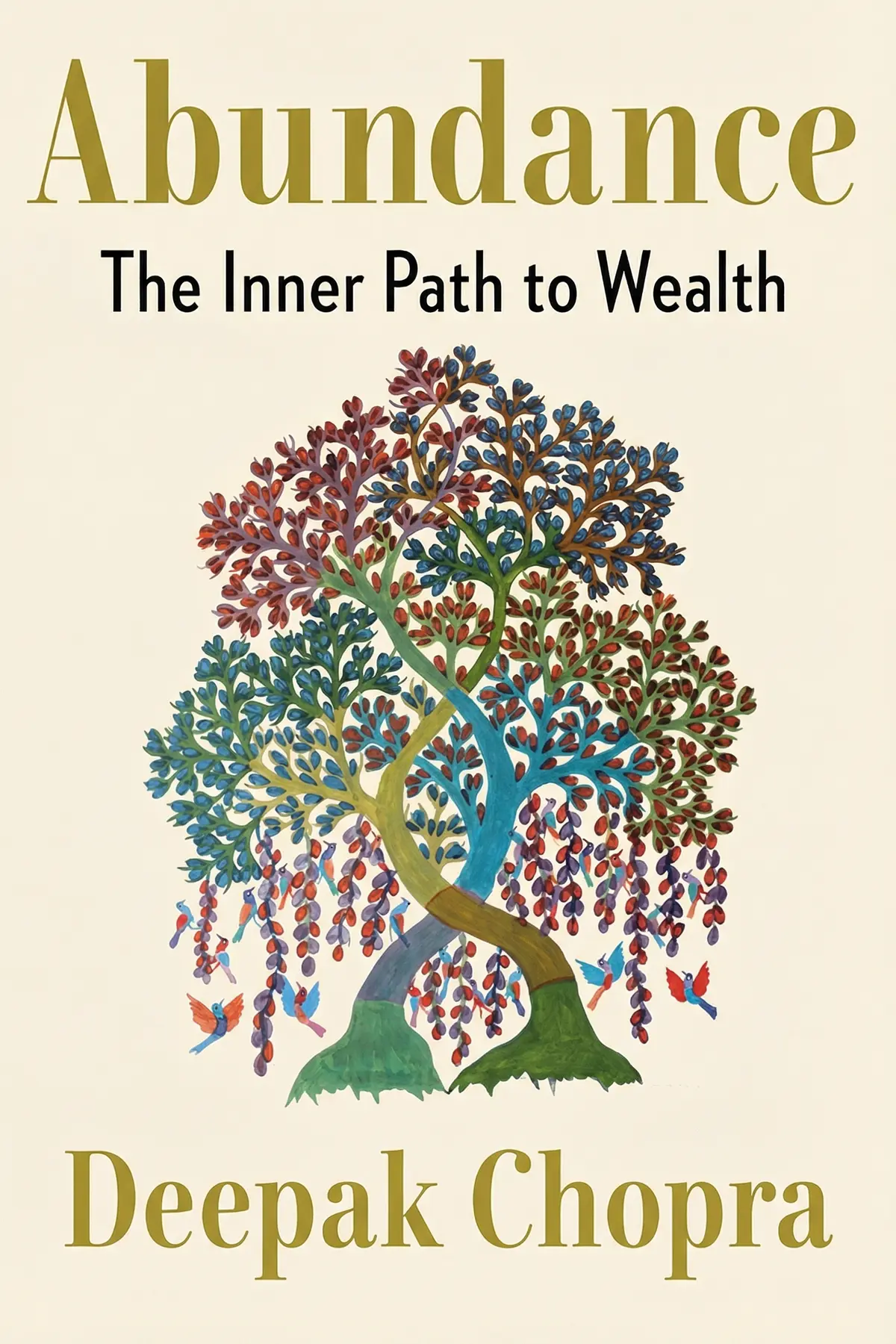
Abundance: The Inner Path to Wealth
Deepak Chopra
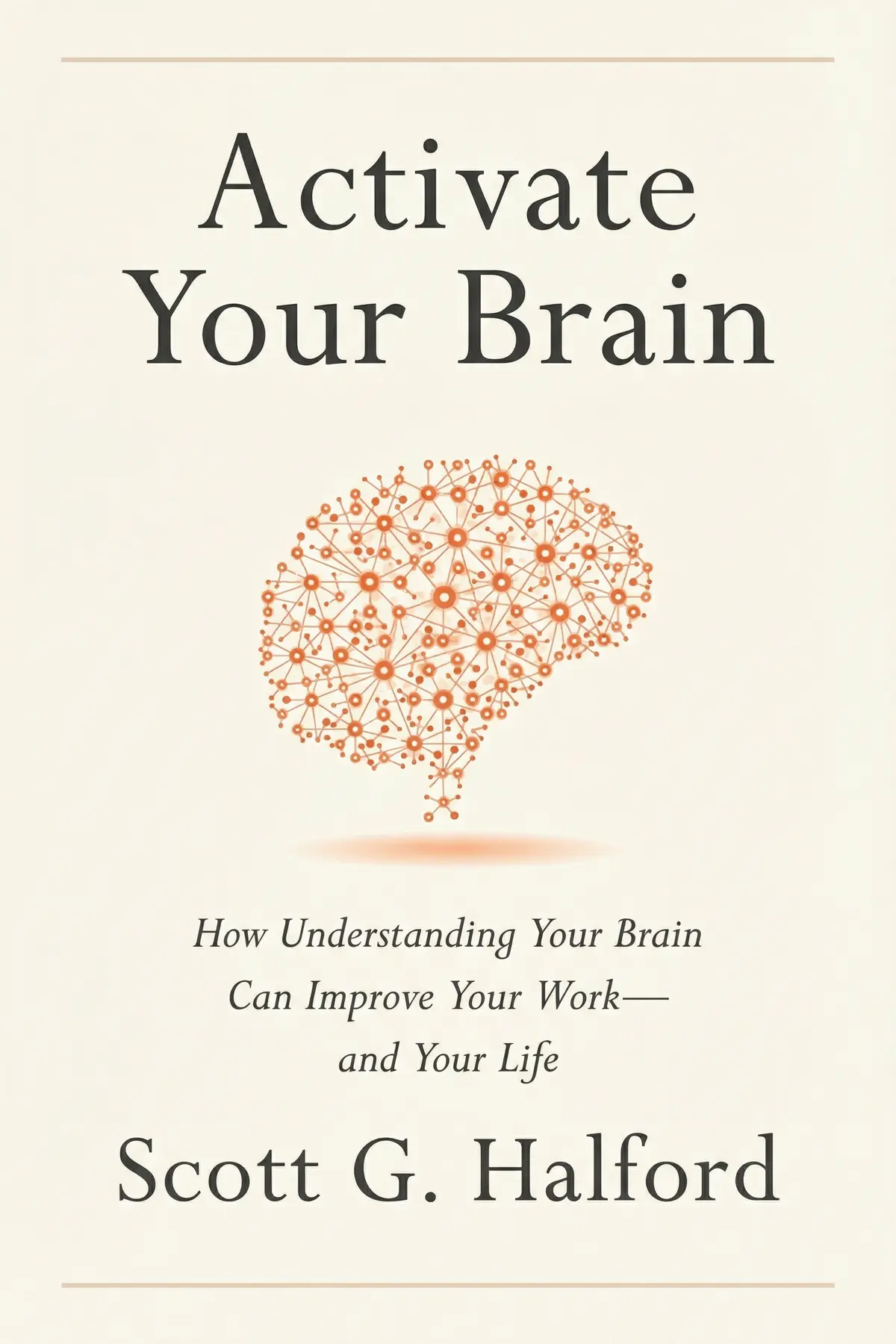
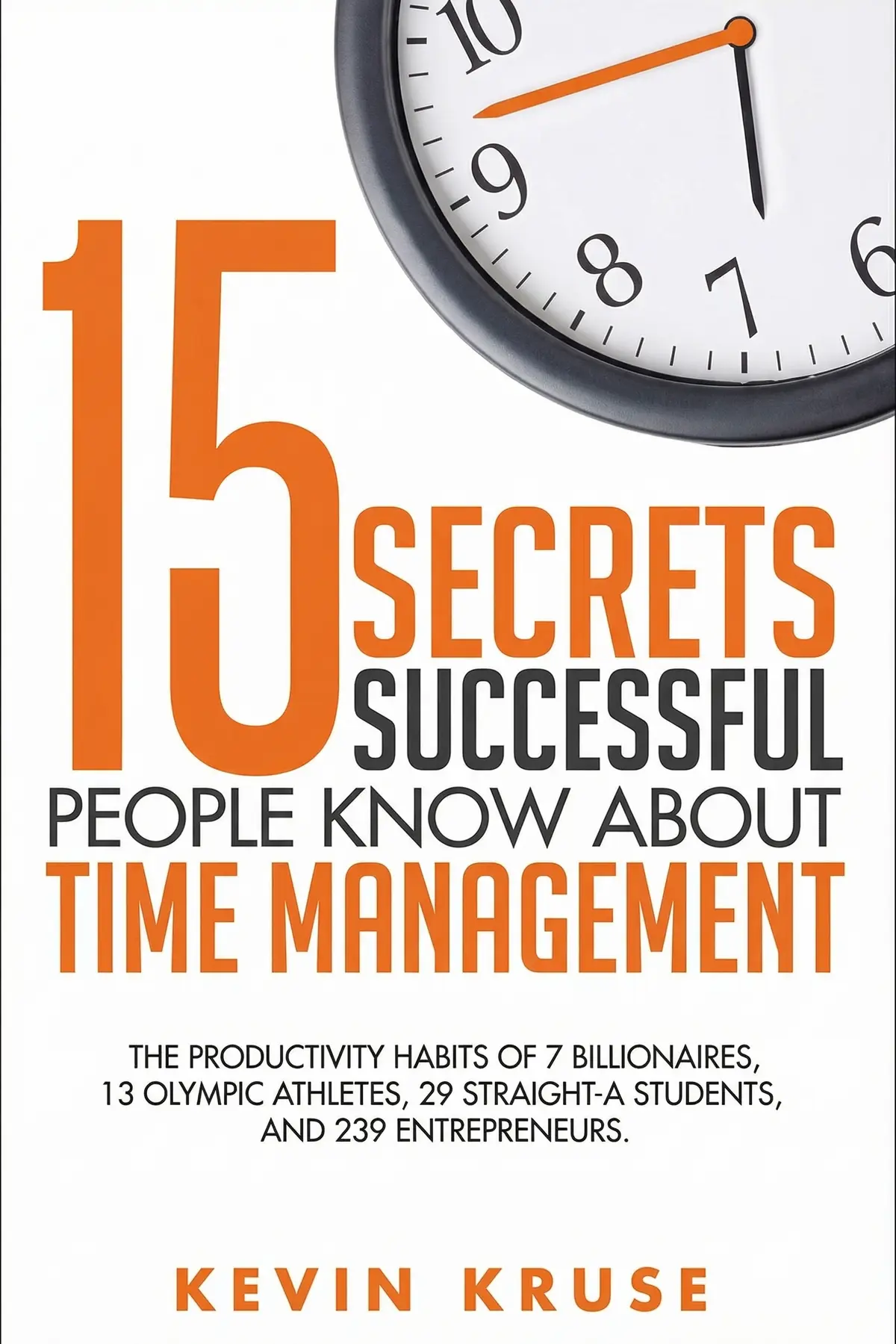
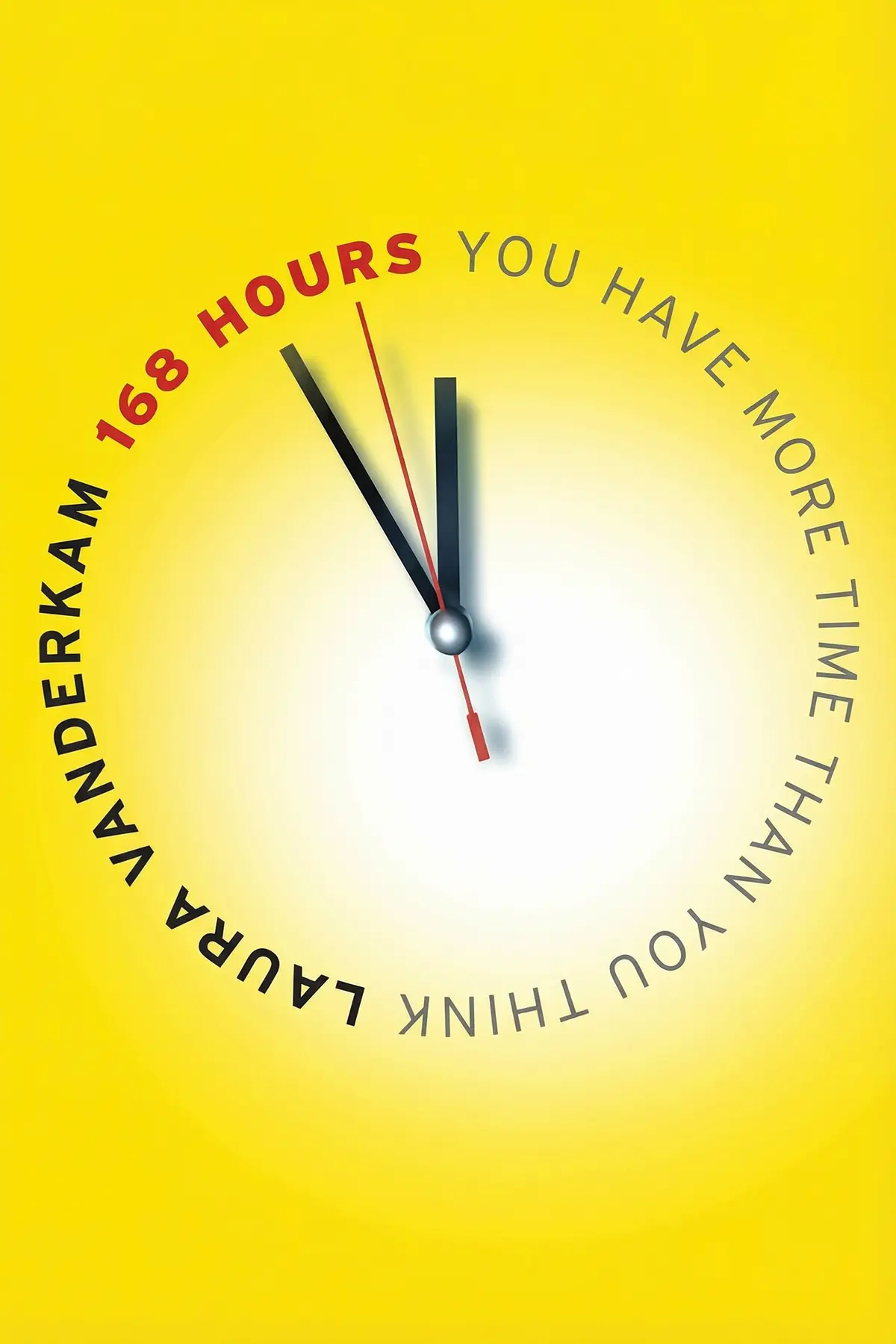
168 Hours: You Have More Time Than You Think
Laura Vanderkam
AUDIO SUMMARY AVAILABLE
Listen to The Science of Intelligent Achievement in 15 minutes
Get the key ideas from The Science of Intelligent Achievement by Isaiah Hankel, plus 5,000+ more titles in English and Thai.
- 5,000+ titles
- Listen as much as you want
- 7-day free trial
- Cancel anytime







