
17 min 43 sec
The Science of Self-Discipline: Resist Temptation and Achieve Your Goals
Master the psychological principles of self-control and willpower. This guide reveals how to bypass biological limitations, design a supportive environment, and build the resilient habits necessary for long-term goal achievement.
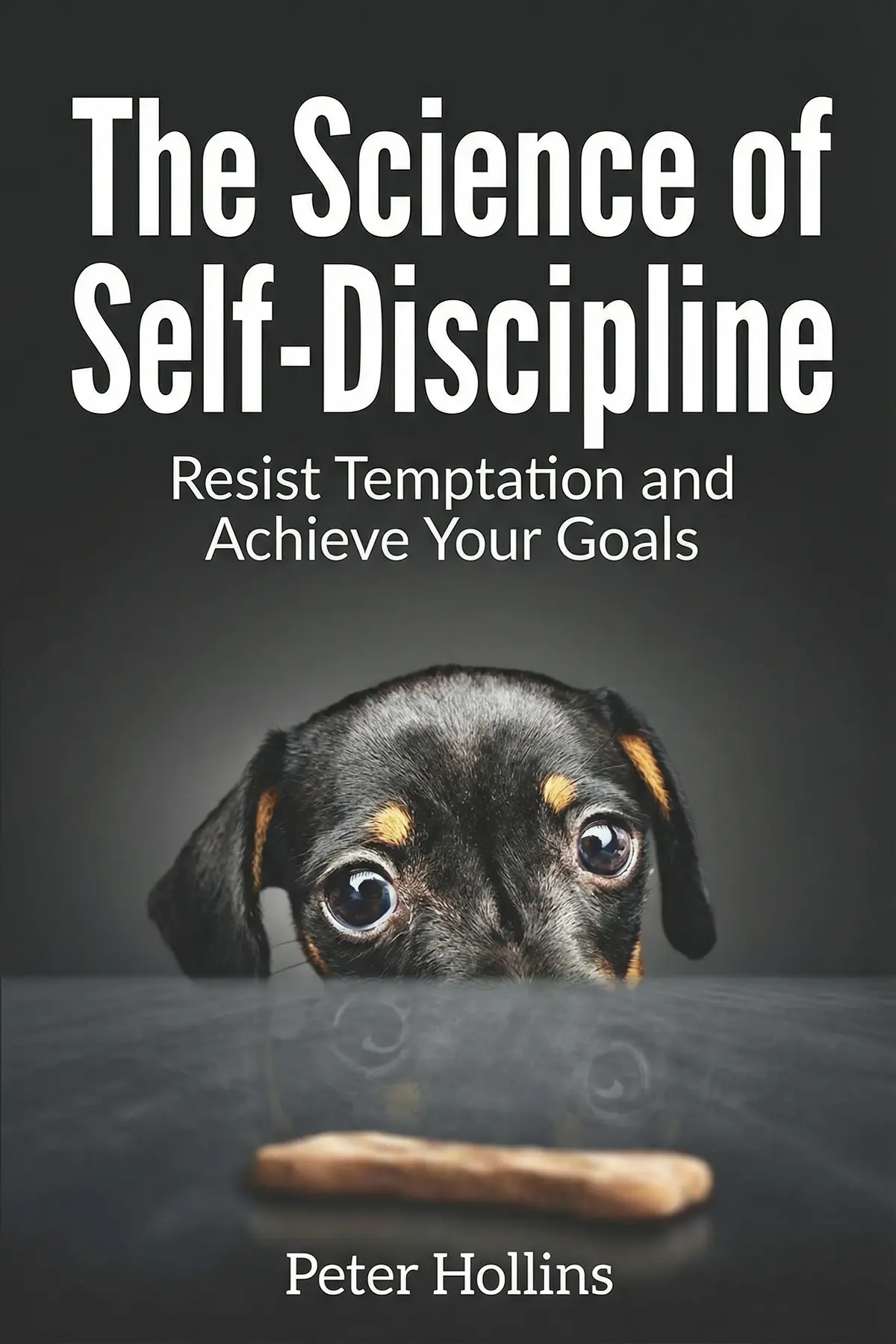
Table of Content
1. Introduction
1 min 41 sec
Have you ever felt like you were your own worst enemy when it comes to productivity? We all start our days with the best of intentions, yet by the afternoon, many of us find ourselves reaching for a sugary snack or scrolling through social media instead of finishing that critical project. This struggle isn’t a sign of a character flaw; it’s a biological reality. Peter Hollins, the author of this guide, understands this better than most because he lived it. During his youth, Hollins faced constant teasing regarding his thin frame, enduring nicknames like ‘beanpole’ and ‘Skeletor.’ The labels stung, but the real challenge was the physical discipline required to change his body.
It wasn’t until his second year of university that things shifted. With a roommate who acted as a constant accountability partner, Hollins committed to a rigorous nutritional plan. This experience revealed a fundamental truth: willpower alone is rarely enough. It’s finite, it’s easily drained, and the world is filled with distractions designed to hijack our focus. However, by understanding the underlying science of how our brains work, we can develop systems that make discipline feel less like an exhausting battle and more like a natural habit.
In the following minutes, we are going to explore the psychological foundations of self-control. We will dive into why your willpower feels like it runs out by five o’clock and what you can do to recharge it. We will look at how to design your physical space so that you don’t have to rely on sheer grit, and we’ll examine the mental frameworks used by elite performers, like Navy SEALs, to push through barriers. The goal here is to provide you with a roadmap to transform your internal drive into consistent, measurable success.
2. The Biological Reality of Willpower
2 min 26 sec
Understand why your self-control feels like a finite resource and how the physical structure of your brain dictates your ability to stay on track.
3. Mental Frameworks for Persistence
2 min 30 sec
Explore the psychological tools used by elite performers to expand their limits and overcome the urge to quit when things get difficult.
4. Avoiding the Traps of Goal-Setting
2 min 19 sec
Learn how perfectionism and unrealistic expectations can sabotage your progress and how to use simpler rules to keep moving forward.
5. Mastering Your Environment and Urges
2 min 11 sec
Discover why ‘urge surfing’ is more effective than suppression and how to engineer your surroundings to make success the path of least resistance.
6. The Power of the Future Self
2 min 35 sec
Bridging the gap between who you are now and who you want to become is the key to delaying gratification and making better long-term choices.
7. Systems, Habits, and the Six Influences
2 min 31 sec
Move beyond temporary motivation and build a permanent architecture of success using progress tracking and the six sources of behavioral influence.
8. Conclusion
1 min 30 sec
As we wrap up our exploration of Peter Hollins’ insights, the throughline becomes clear: self-discipline is a skill to be managed, not just a quality to be summoned. We have seen that while our internal willpower is a finite biological resource, we can strategically expand our limits and protect our energy. By understanding the 40% Rule of the Navy SEALs and the simple power of the 10-Minute Rule, we can push past the initial ‘pain’ of effort and find the hidden reserves within us.
We’ve also learned that the most disciplined people aren’t necessarily the ones with the strongest character; they are often the ones who have designed the best systems. They stack the deck by clearing their environment of temptations, they connect deeply with their future selves to make delaying gratification easier, and they leverage social pressure to stay on track. They don’t wait for perfection—they embrace the 75% Rule and focus on the power of momentum.
Your next step is to take one of these strategies and apply it today. Perhaps it’s clearing your desk of distractions, or maybe it’s committing to a ‘mini habit’ that takes less than two minutes. Whatever it is, remember that discipline is a practice of consistency over intensity. Every time you choose the ‘right thing’ over the ‘easy thing,’ you are strengthening your brain and moving closer to the person you want to become. Stay focused, trust the science, and keep building that muscle. You have more capacity than you know.
About this book
What is this book about?
The Science of Self-Discipline explores the intersection of neurology and behavior to explain why we often fail to stick to our intentions. Peter Hollins argues that self-discipline is not an innate personality trait, but a dynamic muscle that can be strengthened through practice and strategic management. The book provides a comprehensive toolkit for overcoming common obstacles like procrastination, temptation, and the depletion of willpower. Listeners will learn about the role of the prefrontal cortex in decision-making and how to leverage neuroplasticity to improve focus. The guide covers environmental design, the power of social influence, and specific mental frameworks like the 40% Rule and the 10-Minute Rule. By the end, the promise is a clear path toward becoming more resilient and productive by working with your brain's natural tendencies rather than against them.
Book Information
About the Author
Peter Hollins
Peter Hollins is a best-selling author and researcher specializing in human psychology and behavior. He holds both a bachelors and masters degrees in psychology, and has collaborated with individuals from diverse backgrounds to unlock their potential and guide them toward success. Among his notable works are Finish What You Start and The Science of Self-Learning.
Ratings & Reviews
Ratings at a glance
What people think
Listeners find this book to be an incredible guide that offers excellent insights into building self-discipline from the ground up, featuring clear explanations and actionable tips for daily life. Additionally, they value the scientific focus, with one listener highlighting how the author references the most reputable research available. The book also draws praise for its effectiveness in helping people reach significant goals. However, views on the writing style are split, as some listeners consider it well-crafted while others mention issues with grammar.
Top reviews
Tippawan
Wow, this really takes the fluff out of self-help by anchoring every tip in neuroscience and biological realities. I loved how the author explained willpower as a finite resource, much like a muscle that fatigues throughout the day. This shift in perspective helped me stop blaming my character and start looking at my daily schedule differently. The research content is top-notch, and he cites some of the best studies in the field to back up his claims. If you want to understand the biological 'why' behind your procrastination, this is an amazing read that yields actual results. It’s dense with information but never feels like a dry academic textbook.
Show moreDuangjai
Finally got around to reading this, and the chapter on the Navy SEAL 40% rule actually gave me the push I needed for my marathon training. We often stop when we feel tired, but our brains are usually just being overprotective of our energy reserves. Hollins does a great job of distilling elite performance tactics into something a regular person can use at the office or the gym. The focus on intrinsic motivation—finding mastery and purpose—resonated much more than the typical 'hustle' culture advice. This is definitely a book I’ll keep on my shelf for whenever I need a mental reset. It’s practical, research-backed, and surprisingly inspiring for such a technical topic.
Show moreNong
Ever wonder why you can resist a donut at 9 AM but cave by 4 PM? This book explains exactly how our mental energy depletes and provides actionable frameworks like the 10-10-10 rule to combat that fatigue. I’ve started visualizing my future self as a real person I don’t want to let down, and it has genuinely changed my decision-making process. The writing is punchy and direct, making it easy to consume a chapter a night before bed. It’s rare to find a book that balances high-level research with such practical, day-to-day applications for the average person. I highly recommend it for those who feel they’ve hit a plateau in their personal growth.
Show moreKai
The concept of 'rejection therapy' and the 40% rule are worth the price of the book alone. Hollins provides an excellent roadmap for those who feel like they are starting from scratch with their self-control. By focusing on systems instead of just raw willpower, he makes the daunting task of self-improvement feel scientifically grounded. I’ve already started using the '10-minute rule' to beat my morning procrastination, and the results have been immediate. This book doesn't just tell you to 'do better'; it gives you the biological blueprints to actually make it happen. It is easily one of the most useful books on my shelf this year.
Show moreNan
As someone who struggles with constant distractions, Hollins’ focus on environmental design was a total game-changer for my productivity. He makes a compelling case that discipline isn't about being a hero; it's about making your surroundings work for you rather than against you. I’ve already moved my phone to another room and noticed an immediate drop in my urge to mindlessly scroll. The book is a quick, easy read that breaks down complex psychological concepts into bite-sized advice. While some sections felt a little repetitive, the overall framework for building sustainable habits is very effective. It’s perfect for anyone who feels their willpower is constantly depleted by the end of the day.
Show moreGame
Look, I didn’t expect a book about discipline to be this approachable, but the 'mini-habits' approach felt manageable for my hectic life. Instead of demanding a total lifestyle overhaul, the book suggests starting with tiny, repeatable actions that eventually become automatic in the basal ganglia. I appreciated the realistic optimism he promotes—expecting setbacks rather than pretending they won't happen. The idea that it takes roughly 66 days to cement a new behavior gave me a concrete timeline to aim for. It’s a very practical guide for anyone who feels overwhelmed by their own goals. I took several pages of notes that I’m already putting into practice daily.
Show moreBrooklyn
After hearing so much about the prefrontal cortex in productivity circles, it was refreshing to see Hollins explain its role in impulse control so clearly. This book feels like a manual for your own brain, showing you how to manage the 'waves' of cravings without giving in. I found the section on 'rejection therapy' particularly interesting as a way to build tolerance for discomfort. While I noticed some of the grammar issues other reviewers mentioned, the core message remains powerful and easy to implement. It’s a solid resource for anyone looking to bridge the gap between knowing what to do and actually doing it. The summaries at the end of each chapter are helpful.
Show moreJack
Not what I expected in terms of writing quality, as there were several typos and some awkward phrasing that occasionally pulled me out of the flow. That said, the actual information inside is incredibly valuable for building self-discipline from the ground up. I particularly enjoyed the section on the 75 percent rule—waiting until you’re perfectly ready is just another form of procrastination. Even with the editing issues, the practical points about managing stress and environmental cues are too good to ignore. It’s a four-star content experience trapped in a slightly unpolished manuscript. If you can look past the occasional typo, there's gold in here.
Show moreRin
To be fair, if you’ve already read a lot of behavioral psychology books like 'Atomic Habits,' most of this will feel like a review session rather than a revelation. Hollins brings up the classic Marshmallow Experiment and delayed gratification, but he doesn't really go into the modern critiques of those studies. It’s a solid primer for someone starting from scratch who wants a quick toolbox of tactics. However, for a book with 'science' in the title, I expected a bit more nuance regarding the biological drains on willpower. It’s a decent three-star read that works as a refresher, but it lacks the depth of more academic or original texts.
Show moreSam
The contradictions in this book made it almost impossible to finish without getting a headache. One minute the author is pushing the 10X rule to set massive, intimidating goals, and the next he’s warning about 'False Hope Syndrome' and the dangers of overreaching. Which is it? This inconsistency, paired with some pretty glaring grammatical errors and typos, makes it hard to trust the ‘science’ being presented. While there are some decent citations regarding the prefrontal cortex, the lack of a cohesive argument left me feeling more confused than disciplined. I expected a much more polished product given the subject matter, but it felt rushed and unedited.
Show moreFeatured in
Readers also enjoyed
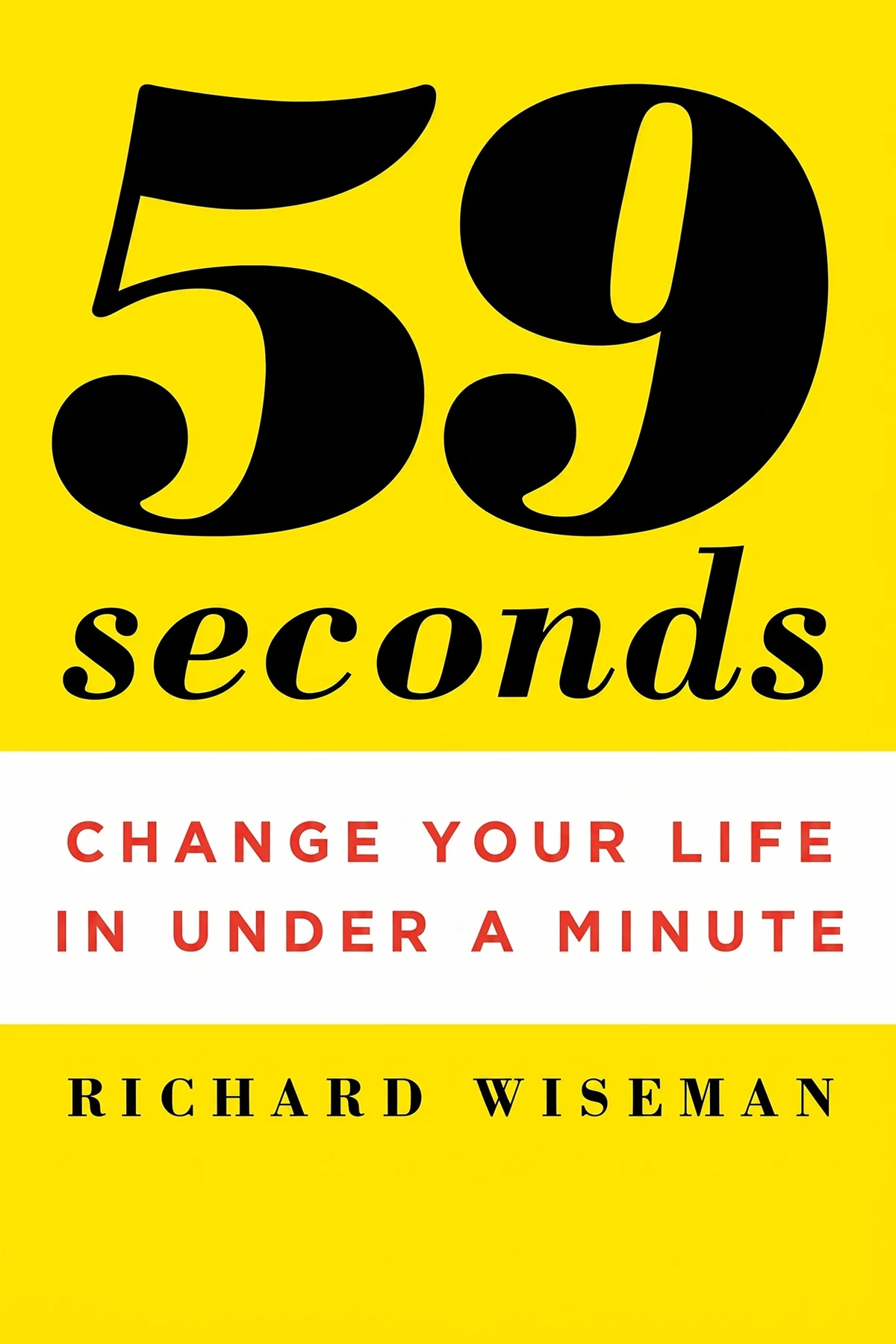
59 Seconds: Change Your Life in Under a Minute
Richard Wiseman
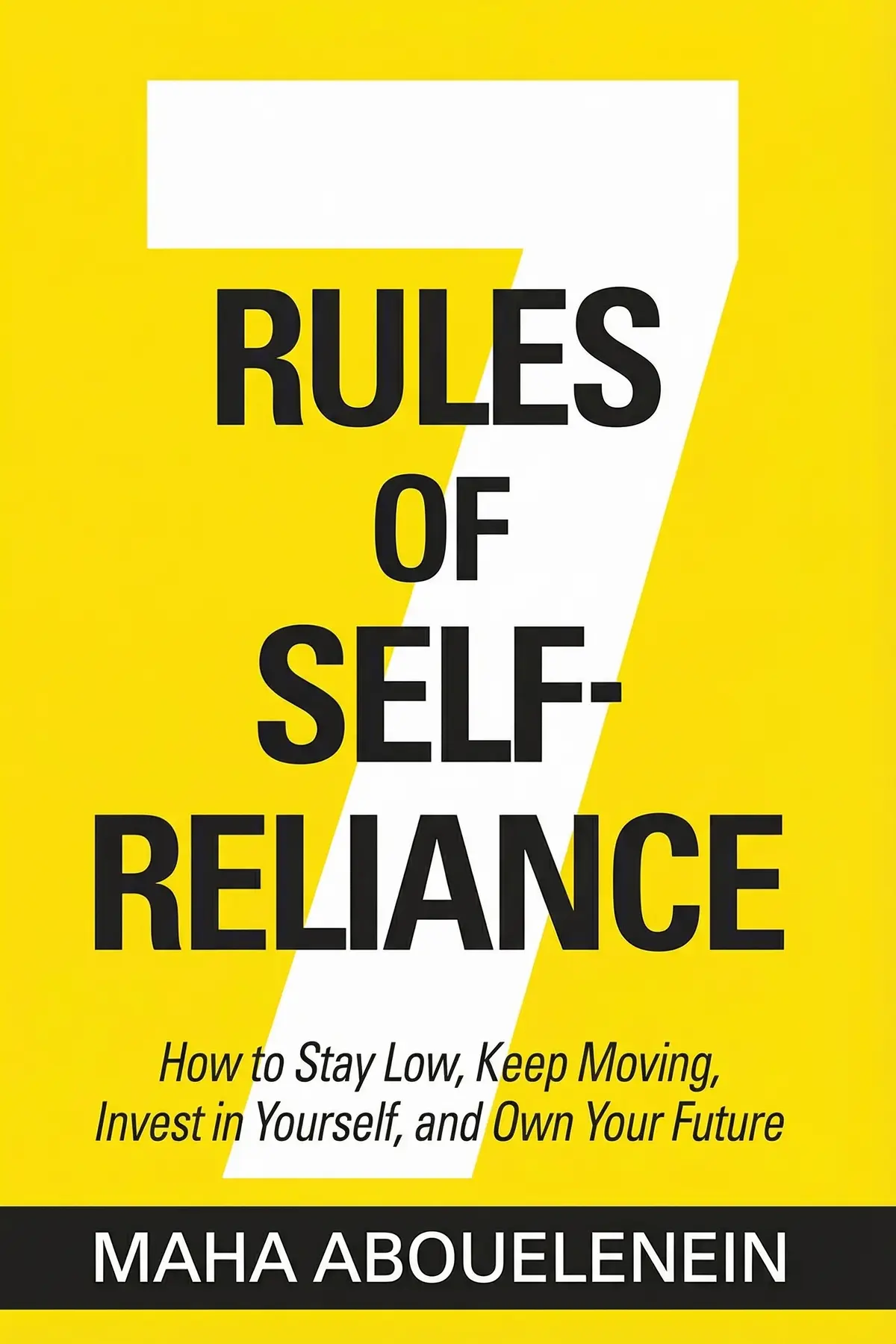
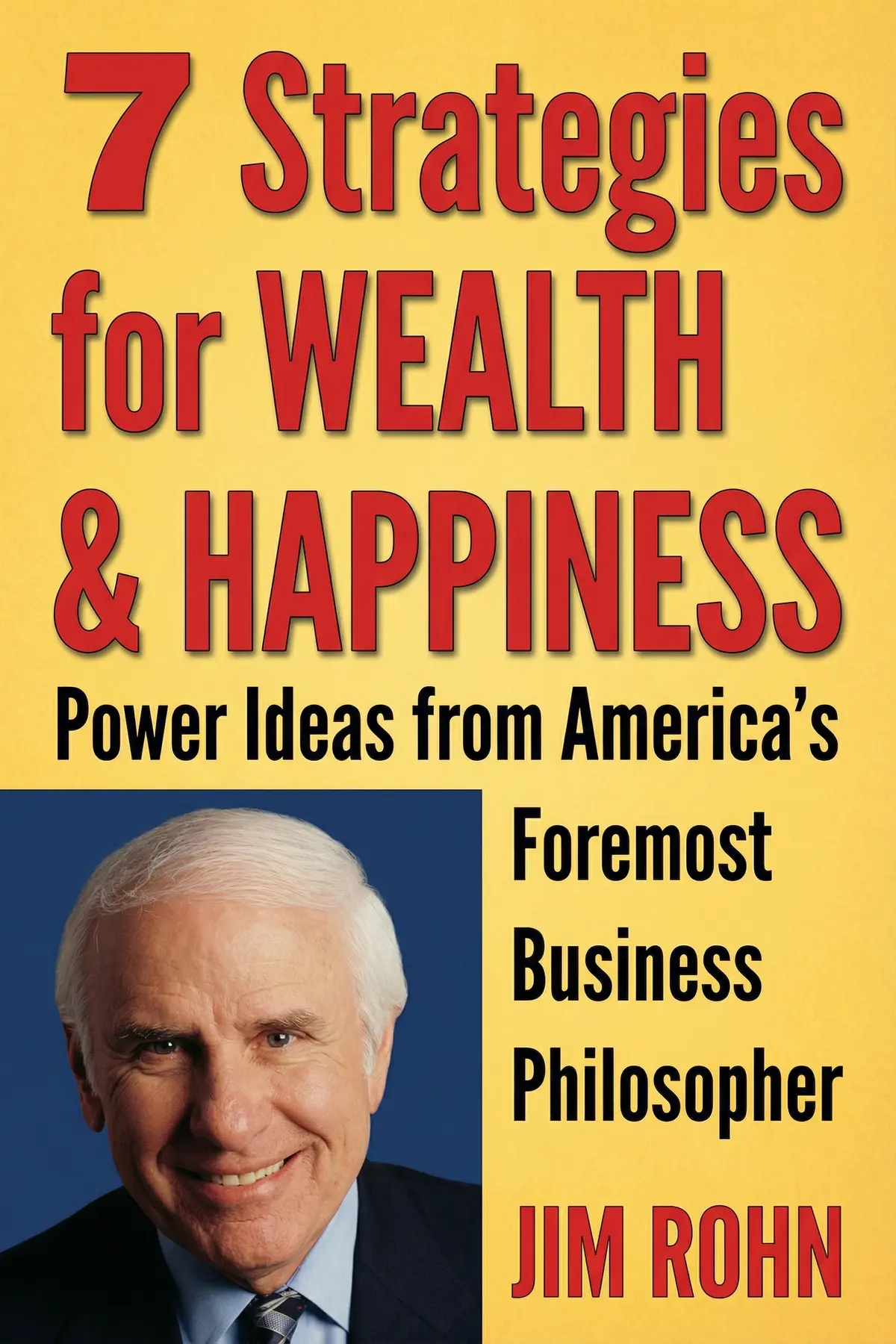
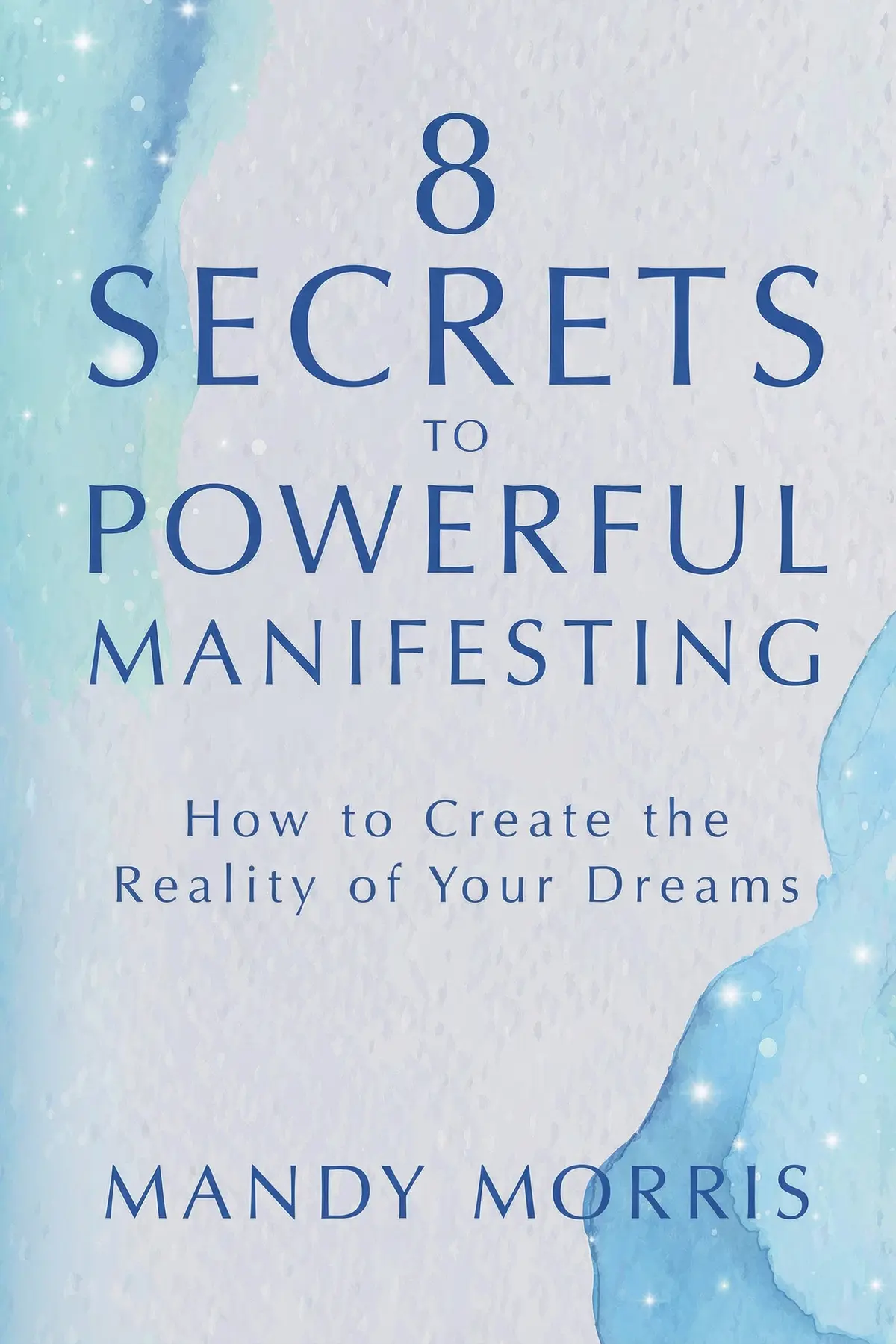

A Guide to the Good Life: The Ancient Art of Stoic Joy
William B. Irvine
A High-Performing Mind: Strengthen Your Mind and Live Your Best Life
Andrew D. Thompson
Abundance: The Inner Path to Wealth
Deepak Chopra
AUDIO SUMMARY AVAILABLE
Listen to The Science of Self-Discipline in 15 minutes
Get the key ideas from The Science of Self-Discipline by Peter Hollins, plus 5,000+ more titles in English and Thai.
- 5,000+ titles
- Listen as much as you want
- 7-day free trial
- Cancel anytime







