
19 min 59 sec
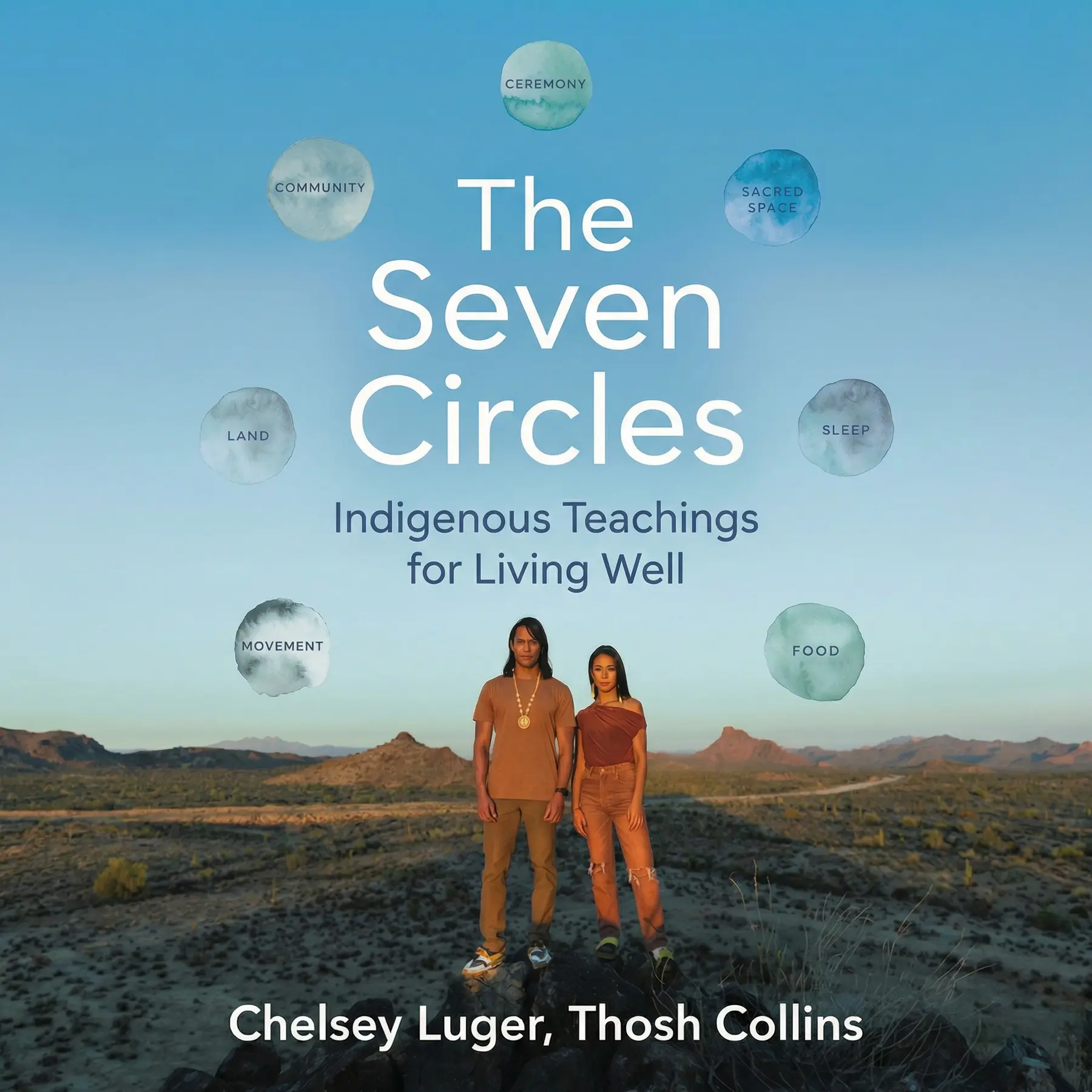
The Seven Circles: Indigenous Teachings for Living Well
Explore a holistic framework for health rooted in Indigenous wisdom. This guide details seven interconnected areas—from movement to community—to help you find balance, resilience, and a deeper connection to the earth.
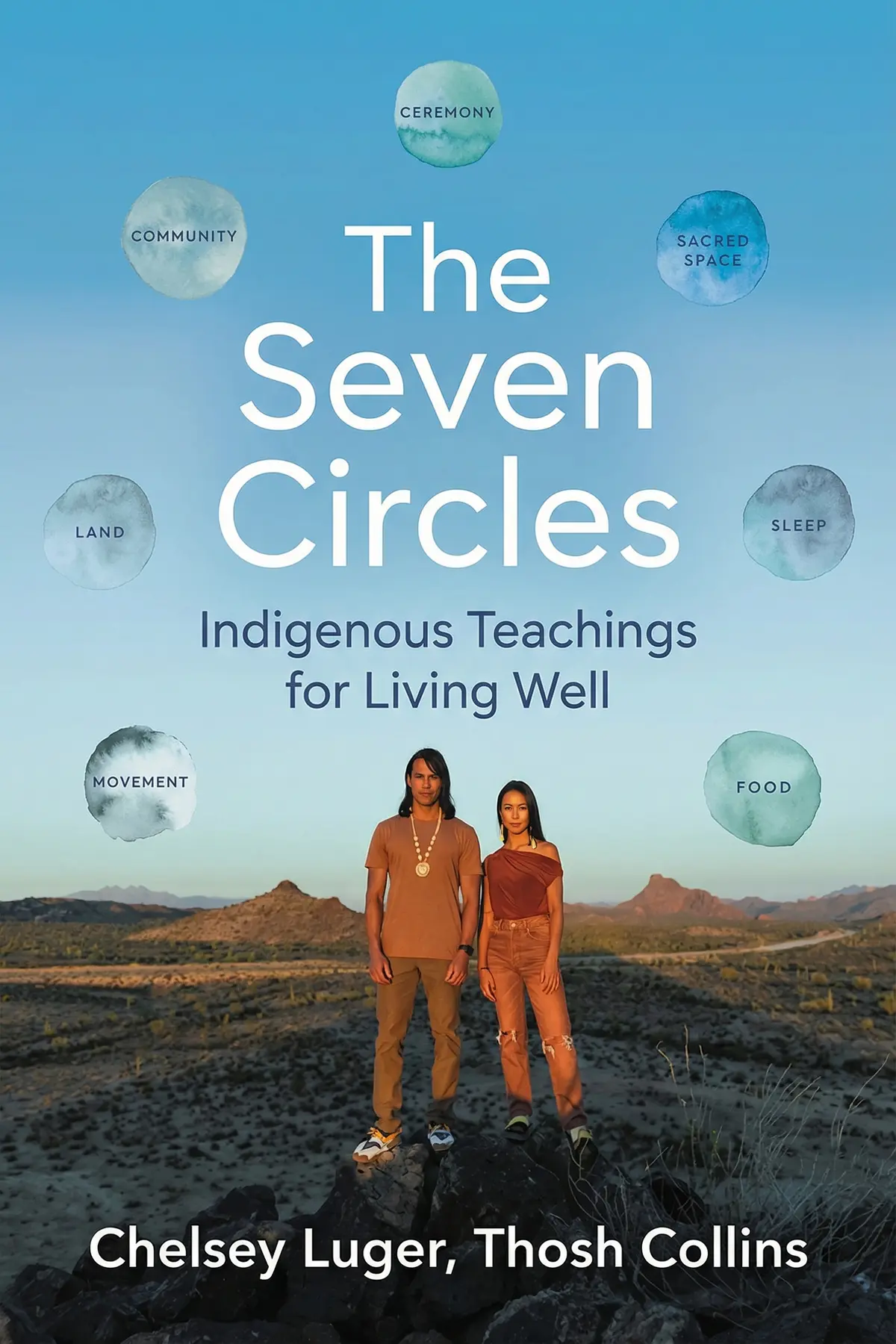
Table of Content
1. Introduction
1 min 41 sec
In our current era, wellness often feels like another chore on an already overflowing to-do list. We are bombarded with data from tracking apps, conflicting dietary advice, and high-intensity workout regimens that frequently leave us feeling more exhausted than empowered. It’s easy to feel as though our health has been fragmented into various boxes—what we eat in one, how we move in another, and how we sleep in a third—with very little connecting them. But what if there was a way to view your well-being not as a series of tasks, but as a harmonious, interconnected whole? This is the central promise of the Seven Circles model.
Rooted in Indigenous wisdom, this approach offers a grounded framework that synthesizes generations of ancestral knowledge into a cohesive path for modern living. It’s an invitation to step away from the noise and return to a more natural way of being. In the following sections, we will explore how seven distinct areas of life—ranging from your physical environment to your relationship with the land—function together as part of a single, living system. This isn’t about adding more pressure to your life; it’s about awakening instincts that may have been dormant for some time.
As we walk through these concepts, consider this a journey home. We aren’t looking for a ‘quick fix’ or a temporary transformation. Instead, we are looking for a way to live with purpose, joy, and resilience. By understanding how these circles overlap, you’ll discover that wellness isn’t a destination you arrive at through sheer willpower, but a way of moving through the world with gratitude and balance. Let’s begin by redefining what it actually means to be well.
2. A Foundation of Balance and Interconnectedness
2 min 07 sec
Traditional wellness is far more than physical health; it is a lifelong process of learning and resilience that begins with a deep sense of gratitude for all our relations.
3. Movement as a Natural Privilege
2 min 21 sec
By reframing physical activity as a form of gratitude and functional training, we can move away from the boredom of the gym and toward the vitality of life.
4. The Land as an Extension of the Self
2 min 05 sec
Our well-being is intrinsically tied to the health of our environment; when we heal the earth, we heal ourselves in return.
5. The Healing Power of Community
1 min 58 sec
True wellness is never achieved in isolation; it is built through the roles, responsibilities, and reciprocal support we find within our tribes.
6. Ceremony as a Daily Anchor
2 min 07 sec
Personal and communal rituals serve as a vital reset, stripping away modern noise to focus our attention on the present moment and the sacred.
7. Curating Your Sacred Space
2 min 04 sec
Your physical environment is a silent influencer of your mental state; by intentionally shaping your home, you can create a sanctuary for the soul.
8. Reclaiming the Foundation of Rest
2 min 01 sec
Sleep is not a luxury to be sacrificed for productivity; it is a spiritual and physical necessity that aligns us with the rhythms of the universe.
9. Nourishment as a Sacred Act
2 min 05 sec
Reconnecting with the origins and traditions of our food allows us to move beyond mere consumption toward a relationship of respect and resilience.
10. Conclusion
1 min 30 sec
As we have seen, the Seven Circles model offers a path to wellness that is as ancient as it is necessary for our modern world. It reminds us that we are not a collection of parts to be managed, but a single, integrated being that thrives on balance and connection. By looking at movement, land, community, ceremony, sacred space, sleep, and food as interconnected circles, we can move away from the stress of fragmented health advice and toward a life of genuine harmony.
The throughline of all these teachings is simple: you already possess the instincts needed to be well. This isn’t about buying the right equipment or following a rigid new set of rules. It’s about listening to the wisdom of those who came before us and realigning ourselves with the natural rhythms that have sustained humanity for millennia. Whether it’s by taking your workout into the ‘Earth Gym,’ creating a small morning ritual of gratitude, or prioritizing a full night’s sleep in sync with the sun, every small step you take helps to close the circle.
Ultimately, this approach to wellness is an act of reclamation. It is about reclaiming your relationship with the earth, your community, and your own body. As you begin to integrate these circles into your life, you will find that the feeling of being ‘overwhelmed’ by health requirements starts to fade, replaced by a sense of groundedness and purpose. You are invited to move, eat, rest, and live with intention. In doing so, you don’t just improve your own health—you contribute to the healing of the world around you. Welcome home to yourself.
About this book
What is this book about?
The Seven Circles provides a refreshing alternative to the often fragmented and stressful world of modern wellness. Instead of focusing on isolated diets or fitness apps, it presents an integrated model based on ancestral Indigenous knowledge. The authors, Chelsey Luger and Thosh Collins, share teachings that emphasize the interconnectedness of all aspects of life, organized into seven specific areas: food, movement, sleep, ceremony, sacred space, community, and the land. This approach isn't about reaching a state of perfection but about cultivating the resilience and gratitude necessary to navigate life's challenges. By realigning our daily habits with natural rhythms and ancient values, we can move away from the chaos of modern living and toward a more grounded, purposeful existence. The book serves as a bridge, connecting traditional wisdom with contemporary lifestyles to foster long-term physical, emotional, and spiritual well-being.
Book Information
About the Author
Chelsey Luger
Chelsey Luger is a journalist and activist from the Turtle Mountain Band of Chippewa and Standing Rock Sioux Tribe. She cofounded the Indigenous wellness initiative Well for Culture with her husband, Thosh Collins, a community organizer from the Salt River Reservation in Arizona. Dedicated to shifting Indigenous communities’ collective consciousness around prioritizing health, the couple travels across North America to teach workshops on their Seven Circles holistic wellness model.
Ratings & Reviews
Ratings at a glance
What people think
Listeners find the guide easy to follow and value its profound insights, with one listener highlighting how it centers on ancestral health principles. They also appreciate how the text connects behaviors across the seven circles, and one listener characterizes it as a lovely holistic way of living. Furthermore, the spiritual themes are well-received, including one listener who notes that the material provides healing to their soul.
Top reviews
Wichai
After hearing so much about the Well for Culture movement, I finally dove into this book, and it truly felt like a cooling balm for my frazzled, digital-weary soul. Luger and Collins don't just offer another set of generic wellness hacks; they invite us into a profound, interconnected way of being that honors the land and our ancestors. I found the chapter on 'Sacred Space' particularly moving, especially the idea of smudging our digital environments to clear out the noise of the modern world. While some might find the concepts simple, there is a deep, ancient wisdom in that simplicity that Big Pharma and the commercial fitness industry could never replicate. The truth is, we’ve become so disconnected from the rhythms of sleep and movement that these 'basic' teachings feel radical. It’s a beautiful, holistic approach to living that emphasizes gratitude over consumption. I’ll be returning to these pages whenever I feel out of balance.
Show moreKae
Wow. What an incredible shift from the usual self-help junk that clutters the 'wellness' section of the bookstore these days. The Seven Circles isn't about selling you a gym membership or a new supplement; it’s about reconnecting with the earth and the inherent wisdom of our bodies. I loved how Chelsey and Thosh integrated the concept of ceremony into daily life, making the act of living feel sacred again. It’s refreshing to read a book that prioritizes the health of the community and the planet as much as the individual. Some might argue it’s 'basic,' but look, we are a society that has forgotten how to breathe and walk—we need these foundations. The writing is graceful, the photos are vibrant, and the message is vital for anyone tired of the capitalist grind. I truly believe this is healing for the soul.
Show moreAiden
Every chapter of this book felt like a reminder of something my heart already knew but my busy brain had forgotten. Luger and Collins have a way of making ancestral knowledge feel incredibly relevant to our modern, urban lives. I was particularly struck by the 'Movement' circle, which encourages us to see physical activity as a way to rev up our spirits rather than just a chore to burn calories. The focus on reciprocity with the land is something you just don't get in standard American wellness books. To be fair, the section on hunting might be a bit challenging for some, but I found their perspective on eating meat that you've hunted yourself to be a breath of fresh air. It’s a healing, soulful guide that manages to be both practical and deeply spiritual. It invites you to weave these practices into your own life with generosity.
Show morePriya
As someone who has struggled with the 'Big Wellness' industry and its focus on profit, this book provided the exact spiritual nourishment I was seeking. The authors speak from a place of resilience and joy, refusing to let Indigenous health be defined only by past trauma. They show us that wellness is a birthright, rooted in gratitude and a relationship with the world around us. I spent a long time reflecting on the 'Ceremony' circle and how I can ritualize my own daily routines to find more balance. In my experience, most self-help books leave you feeling like you aren't doing enough, but this one left me feeling empowered and connected. It is a generous gift of knowledge that encourages us to connect with our own ancestors while honoring the stolen land we stand on. Truly a must-read.
Show moreSawit
Ever wonder why you feel so drained even when you’re doing everything 'right' by modern standards? This book suggests it’s because we’ve lost our connection to the circles of life that our ancestors took for granted. I loved the emphasis on community and how our health is tied to those around us, not just our own individual habits. The writing is incredibly clear and engaging, and the photographs of the authors’ family and community bring the concepts to life in a way that words alone couldn't. It’s not just a book; it’s a call to move, eat, and sleep with intention and gratitude. Got to say, the section on the history of government-incentivized buffalo hunting was eye-opening and heartbreaking. Truly, it’s a guide to healing both the self and the collective. I can't recommend it enough for anyone looking to find real, lasting joy.
Show morePongpan
This book offers a much-needed Indigenous lens on health that completely shifts the perspective from 'fixing' ourselves to living in harmony. Personally, I was fascinated by the historical context provided, such as the heartbreaking history of the buffalo and how that tied into the systematic destruction of Native food systems. The seven circles—movement, community, food, ceremony, sacred space, sleep, and land—provide a sturdy framework for anyone looking to decolonize their lifestyle. To be fair, some sections felt a little repetitive, almost as if the authors were circling back to the same points to drive them home, which slowed the pacing for me. However, the photography is stunning and the tone is remarkably inviting rather than preachy. It’s a solid resource for those who want to move beyond the aesthetic side of wellness and into something more spiritual.
Show moreDome
Finally got around to reading this after seeing Thosh Collins on Reservation Dogs, and it’s a really lovely, grounded piece of work. The authors do a great job of explaining how the 'Seven Circles' are interconnected; you can't really have one without the others. I especially liked the part about creating 'Sacred Space' in our homes, which is something I’ve been trying to do to manage my anxiety. To be honest, I think the 'Food' section could have used a bit more detail, as it felt a little brief compared to the chapters on movement and ceremony. Still, the overall message of walking in a 'good way' is something everyone should hear. It’s a readable, beautifully designed book that feels more like a conversation with a wise friend than a lecture. It provides a much-needed perspective in a very crowded self-help market.
Show moreRin
Picked this up expecting a typical diet and exercise plan, but what I found was a beautiful, wholistic approach to life itself. The truth is, most wellness books focus so much on the 'me' that they forget the 'we,' but this book centers community and land as essential to our well-being. I loved the connection the authors made between our internal health and the biodiversity of the planet. While I did find some of the warnings about cultural appropriation to be a bit repetitive, I understand why they are necessary in today's climate. The book is incredibly readable and the layout makes it easy to jump back into specific circles when you need a refresher. It’s a great introduction for anyone looking to step away from the industrial, capitalist model of health. I really appreciated the insight into Indigenous resilience.
Show moreHom
The chapter on 'Land' alone makes this book worth the price of admission. It’s rare to find a wellness guide that emphasizes our responsibility to the environment as a core component of our personal health. I really appreciated the trauma-informed approach Luger and Collins took, acknowledging the history of colonial abuses while focusing on the 'mino bimadiizawin' or the 'good life.' While I found a few of the analogies a bit repetitive toward the end, the overall insight into Native culture was fascinating. The authors manage to be informative without being overly academic, making this accessible to a wide audience. It’s a beautiful wholistic approach that actually makes you feel better about the world after you finish it. The connections made between the seven circles are intuitive and deeply grounding.
Show moreIsaiah
Frankly, I felt like this book was a bit too elementary for someone who has already spent time researching holistic health or ancestral living. While the authors are clearly passionate and the 'Seven Circles' model is a great visual, many of the suggestions—like getting more sleep and eating whole foods—felt like common knowledge rebranded for a specific niche. Not gonna lie, I was hoping for more specific traditional stories or cultural insights that weren't just surface-level. On the positive side, the section on 'digital smudging' was a clever modern application of tradition, and the photography throughout the volume is absolutely top-notch. It’s a gorgeous book to have on your shelf, but if you’re looking for advanced wellness techniques or dense historical analysis, you might find yourself just talking in circles along with the text.
Show moreReaders also enjoyed
A Force for Good: The Dalai Lama's Vision for Our World
Daniel Goleman
A New Earth: Awakening to Your Life’s Purpose
Eckhart Tolle
A Return to Love: Reflections on the Principles of a Course in Miracles
Marianne Williamson
Abundance: The Inner Path to Wealth
Deepak Chopra
Aflame: Learning from Silence
Pico Iyer
AUDIO SUMMARY AVAILABLE
Listen to The Seven Circles in 15 minutes
Get the key ideas from The Seven Circles by Chelsey Luger, plus 5,000+ more titles in English and Thai.
- 5,000+ titles
- Listen as much as you want
- 7-day free trial
- Cancel anytime







