
14 min 26 sec
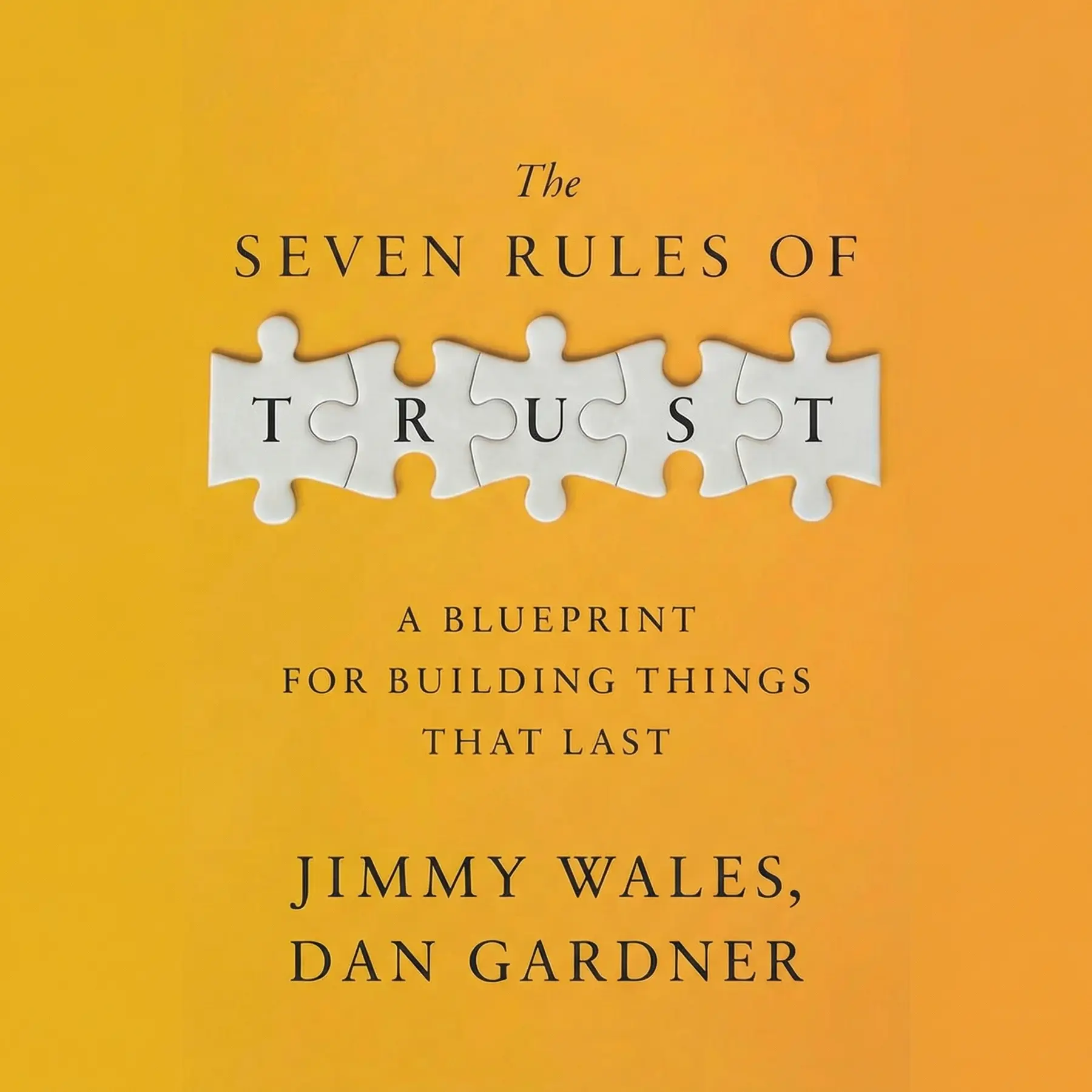
The Seven Rules of Trust: A Blueprint for Building Things That Last
Discover the essential principles of building and maintaining trust in a complex world. This guide offers practical strategies for creating authentic connections and leading with integrity in any professional or personal environment.
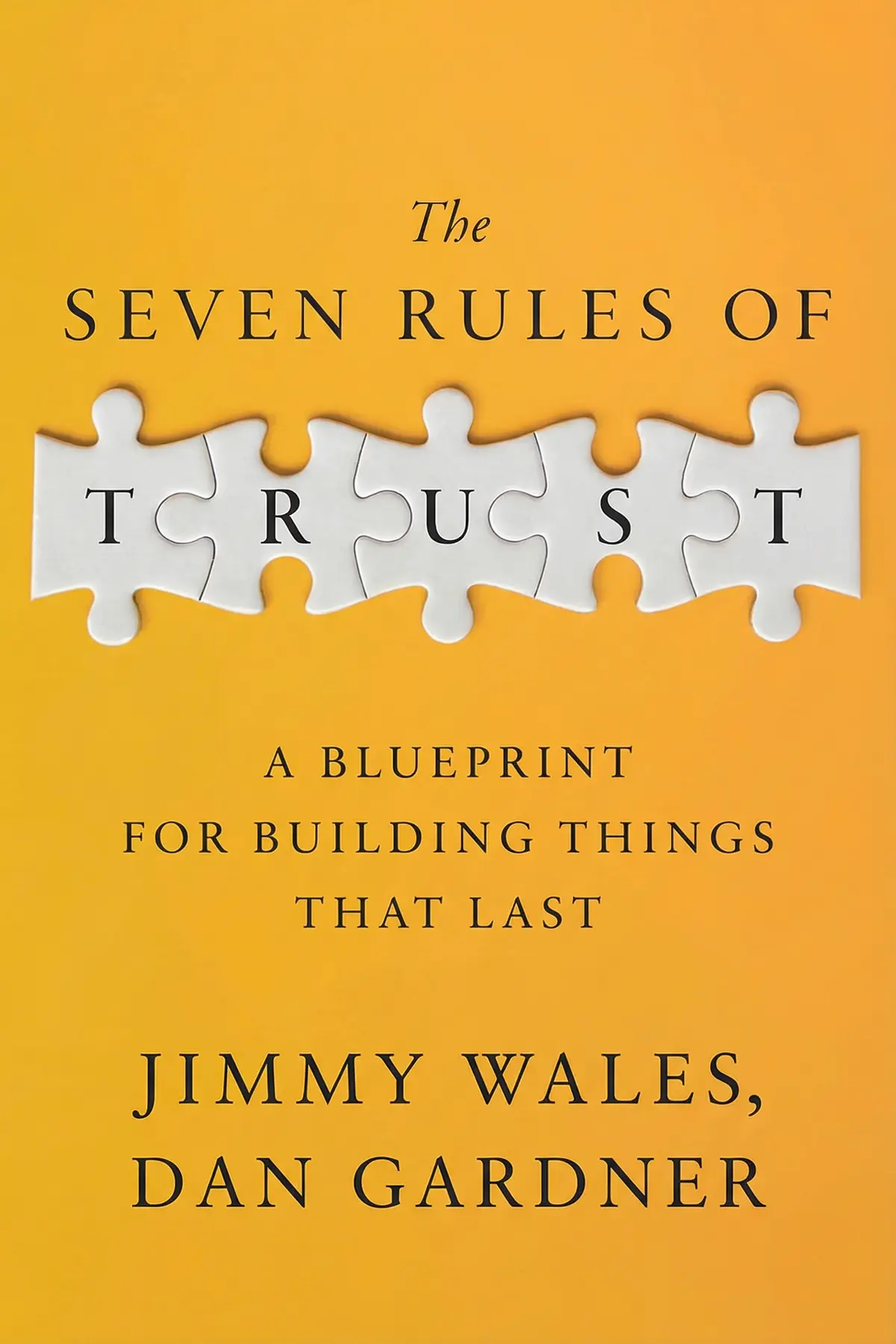
Table of Content
1. Introduction
1 min 29 sec
In the modern economy, we often focus on hard data: revenue streams, conversion rates, and profit margins. However, there is an invisible engine driving every transaction and every collaborative effort that never appears on a spreadsheet. That engine is trust. Without it, the most brilliant business model will eventually grind to a halt. With it, even the most improbable ideas can change the world.
Think about the sheer impossibility of something like Wikipedia. In the early days of the internet, the idea that a collection of strangers could voluntarily build the world’s largest encyclopedia seemed like a recipe for chaos. Critics assumed that without top-down control, the project would be overrun by misinformation. Yet, today, it is one of the most visited and relied-upon sites on the planet. The secret wasn’t just a clever algorithm; it was a fundamental understanding of how to build and scale trust.
This summary dives into the core principles that make such cooperation possible. We aren’t just talking about being a “nice person.” We are talking about the strategic application of seven specific rules that govern how people decide who to follow, who to buy from, and who to work with. Over the next few sections, we will explore why trust must be won person-to-person, how to use the ‘Trust Triangle’ to evaluate your own credibility, and why being honest about your flaws can actually be your greatest competitive advantage. This is a guide for anyone looking to build a foundation that can withstand the pressures of a polarized and rapidly changing world.
2. The Individual Nature of Trust and the Three Pillars
2 min 18 sec
Trust isn’t a corporate asset managed by a department; it’s a series of individual choices built on three essential cornerstones of character.
3. Reciprocity and the Power of Shared Purpose
2 min 34 sec
Building a high-trust culture requires leaders to take the first step and give trust before they expect to receive it in return.
4. The Role of Civility in Protecting Your Reputation
2 min 13 sec
In a world increasingly defined by conflict, maintaining your composure and respect for others is a strategic necessity for long-term trust.
5. Staying on Mission in a Polarized World
2 min 19 sec
Avoid the temptation to take sides in outside controversies; protecting your trust means staying focused on your own specific purpose.
6. Transparency and the Resilience of Failure
2 min 19 sec
Honesty about your weaknesses is not a liability; it is the most effective way to strengthen the bond of trust with your audience.
7. Conclusion
1 min 14 sec
Building a life or a career on a foundation of trust is not the easy path. It requires a level of discipline, honesty, and restraint that many people find difficult to maintain. It means being civil when you are angry, being neutral when you are pressured to take sides, and being transparent when you are embarrassed. But the rewards for following these seven rules are immeasurable.
As we have seen, trust is the currency that allows for massive collaboration. It is what enabled Wikipedia to become a global repository of knowledge and what allowed the Quaker merchants to revolutionize commerce. By focusing on the three pillars of authenticity, empathy, and logic, you can move away from a transactional way of living and toward a model of deep, lasting cooperation.
Your next step is to look at your own professional relationships through this lens. Where can you give trust first to spark a cycle of reciprocity? Where can you be more transparent about your limitations to build more credibility? Trust isn’t something that happens to you; it is something you build, one interaction at a time. By applying these rules consistently, you can create a reputation that doesn’t just open doors, but keeps them open for years to come.
About this book
What is this book about?
Trust is often viewed as an abstract, intangible quality, but it functions as the invisible architecture of every successful business and relationship. The Seven Rules of Trust provides a strategic blueprint for navigating this fundamental human currency. By examining the successes of global platforms like Wikipedia and the historical lessons of the Quaker merchants, this summary explores how trust is earned, protected, and restored when broken. Listeners will learn about the three cornerstones of credibility—authenticity, empathy, and logic—and how to apply them to build high-performing teams and resilient brands. The promise of this guide is a deeper understanding of human cooperation: how to foster an environment where people feel safe to contribute, how to maintain civility in a polarized landscape, and why radical transparency is actually your greatest defense against reputation damage. Whether you are leading a startup or looking to strengthen your personal network, these rules offer a clear path toward building things that truly last.
Book Information
About the Author
Jimmy Wales
Jimmy Wales is a prominent internet entrepreneur best known for co-founding Wikipedia and the Wikimedia Foundation, organizations that revolutionized global access to knowledge. His leadership in technology and society has been recognized by Time magazine and the World Economic Forum. Dan Gardner is a New York Times best-selling author and journalist specializing in psychology and decision-making. His previous works, including Risk and Future Babble, have received acclaim for their deep dives into human behavior and risk assessment.
Risk: The Science and Politics of Fear
Dan Gardner
Superforecasting: The Art and Science of Prediction
Philip E. Tetlock
Ratings & Reviews
Ratings at a glance
What people think
Listeners find this work to be an approachable and motivating study on leadership, utilizing Wikipedia's distinctive history of cooperation to show how empathy and truthfulness establish trust. Furthermore, they value the writer's modest and down-to-earth prose, which offers encouraging perspectives for individuals launching fresh commercial projects. They also highlight the intriguing internal accounts of the website’s development, with one listener describing the experience as a "value-fact-based" chat with a dependable ally. Although perspectives differ on whether the guidance is groundbreaking or simply a self-congratulatory recap of basic logic, listeners typically appreciate the emphasis on nurturing authentic person-to-person collaboration.
Top reviews
Mikael
Wow. I was genuinely taken aback by how personal and humble this narrative felt, especially coming from the founder of one of the internet's most influential giants. Wales doesn't just lecture on abstract concepts; he dives into the messy history of Wikipedia to show how trust is built through vulnerability and logic. It’s a refreshing departure from the usual corporate-speak that dominates the leadership genre. Personally, the stories about early site growth and the sheer scale of human cooperation were the highlights for me. I appreciated the emphasis on empathy and honesty as practical business tools rather than just nice ideas. If you’re looking for a roadmap to building something meaningful in a world full of trolls and skepticism, this is the book to grab. It’s an inspiring, fact-based conversation that makes you want to be a better leader.
Show moreMaya
Finally got around to this ARC, and it’s easily the most supportive business book I’ve encountered this year. Wales has this impeccable writing style that makes you feel like you’re sitting down with a very experienced friend who wants you to succeed. For anyone currently in the middle of a stressful business launch, his insights on reciprocal trust are the exact medicine needed to keep going. The way he describes building confidence person-to-person rather than through marketing gimmicks is so beautifully honest. It’s rare to find a book that balances fact-based information with such a soothing, encouraging outlook on human nature. I found the section on how we might eventually trust AI the way we trust elevators to be particularly thought-provoking. This isn't just a book about a website; it’s an exploration of how we can actually work together in a fractured world. Thank you for the perspective!
Show moreKwame
Ever wonder how a site that anyone can edit remains one of the most trusted sources of information on the planet? This book answers that question by peeling back the curtain on the culture of Wikipedia. It’s a brilliant, beautifully honest exploration of how to build a community based on empathy and logic. I found the analogy between trust in AI and the history of elevators to be one of the most insightful parts of the whole book. Wales writes with a relatable tone that makes his immense success feel attainable through simple, principled actions. Not gonna lie, I finished this feeling incredibly inspired to apply these seven rules to my own collaborative projects. It’s the best business book I’ve read this year because it focuses on what actually matters: being a decent, transparent human being. A must-read for anyone who believes that cooperation is still possible in the digital age.
Show moreTun
The Seven Rules of Trust is a compelling, if somewhat idealistic, look at how transparency can transform an organization. Jimmy Wales and Dan Gardner break down complex interpersonal dynamics into sensible, accessible principles that any manager can apply immediately. While some of the advice feels like a summary of well-known ideas, the Wikipedia-specific context provides a unique weight that other business books lack. The book explores the fascinating behind-the-scenes mechanics of how a volunteer-driven platform maintains accuracy amidst constant digital noise. Truth is, the 'triangle of trust' concept—logic, empathy, and integrity—is nothing new, but seeing it applied through the lens of a global knowledge base is genuinely enlightening. I did find the tone a bit self-congratulatory at times, skipping over some of the darker aspects of community moderation. Still, it’s a solid 4-star read for anyone interested in the future of digital cooperation.
Show moreThanakorn
Can we really apply the rules of a non-profit encyclopedia to the cutthroat world of corporate profit? That was the question on my mind throughout this entire read. Wales makes a strong case that the same principles of logic and empathy that keep Wikipedia accurate also determine whether a company thrives or collapses. I loved the deep dives into the site’s growth, specifically how they handled trolls and bots by sticking to a neutral voice. To be fair, some of the chapters felt a bit repetitive, and the prose can be quite simple at times. However, the core message about giving trust before demanding it is something more leaders need to hear. It’s an accessible guide that strips away the jargon and focuses on the fundamental humanity of our digital interactions. Definitely worth a read if you want to understand the ethics behind the internet’s largest collaborative project.
Show moreScarlett
The chapter on the tobacco industry's historical failures serves as a powerful cautionary tale in this otherwise very optimistic book. Wales and Gardner do an excellent job of illustrating how hiding the truth eventually erodes the foundation of any institution. By contrasting these failures with Wikipedia’s radical transparency, they provide a compelling framework for modern business ethics. I found the discussion on the 'triangle' of trust—honesty, empathy, and logic—to be a useful mental model for evaluating my own team’s culture. While the book can be a tad glowing when it comes to Wales's own achievements, the underlying message is incredibly important. We live in an era where trust is a scarce commodity, and this book offers a practical, if slightly simplified, way to start rebuilding it. It's a valuable fact-based conversation for anyone navigating the complexities of leadership in 2025.
Show moreYulia
After hearing Jimmy Wales speak in an interview, I was curious to see how his philosophy translated to a full-length book. I wasn’t disappointed; the writing is humble and the stories about Wikipedia’s early steps are genuinely fascinating. He manages to make the dry subject of organizational ethics feel like a personal and informative journey. The rules are sensible, emphasizing that trust isn't about marketing, but about the slow process of proving reliability over time. I particularly appreciated the focus on fostering human cooperation in an age of tribes and trolls. My only minor complaint is that the book sometimes skirts around the challenges of scaling these rules to smaller, for-profit businesses. Nevertheless, it provides a supportive outlook and some much-needed medicine for the cynicism often found in the tech world. A very solid 4 stars for a well-written and accessible guide.
Show moreRung
As someone who spent years as an unpaid editor patrolling Wikipedia change logs, reading this felt a bit like watching a victory lap from the sidelines. It was okay. Wales writes with a very confident, polished tone that paints the site's history in a remarkably glowing light. While the rules themselves—like leading with civility and being transparent about mistakes—are undoubtedly important, they aren’t exactly groundbreaking revelations for anyone who has worked in management. The book reads less like a deep dive into the psychology of trust and more like a high-level manifesto for the Wikipedia way of life. Frankly, I would have appreciated more discussion on the sustainability of their unpaid labor model and how that translates to traditional business. It’s a pleasant, easy-to-digest read, but it skirts around the harder questions regarding power dynamics and gatekeeping. A decent summary of common sense.
Show moreFatou
Picked this up hoping for a rigorous analysis of trust in the digital age, but it ended up being more of a light memoir-meets-leadership-guide. The Seven Rules of Trust isn't a bad book by any means, but it does feel like a blog post that got a bit carried away with itself. Wales is clearly proud of what he’s built, and he should be, but the 'seven rules' often feel like they were reverse-engineered to fit the Wikipedia success story. Look, the advice about being civil and maintaining integrity is solid, but you could probably get the same info from a 20-minute TED talk. The writing is relatable and the history is interesting, yet I found myself wanting more data and fewer anecdotes. It’s a quick, easy read for a flight, but don’t expect it to revolutionize your entire worldview on leadership. It's just a nice summary of ideas we probably already knew.
Show morePrapaiwan
Truth is, this book feels like Wales is defining trust as simply getting better at hiding your own agenda while ignoring the scandals his company has faced. It’s deeply ironic to read a manifesto on integrity from someone who has spent years perfecting a model where thousands work for free while the top brass solicits donations relentlessly. The writing is accessible, but it avoids every difficult question about power and gatekeeping on the site. Every word in this book is just describing himself in the best possible light. This is less of a guide and more of a self-congratulatory summary of common-sense principles that don't actually hold up under scrutiny. Personally, the depth that these 'leaders' sink to while trying to sell us their version of morality is shocking. It's like watching a spider-man meme where he's just pointing at himself. Not my cup of tea.
Show moreFeatured in
Readers also enjoyed
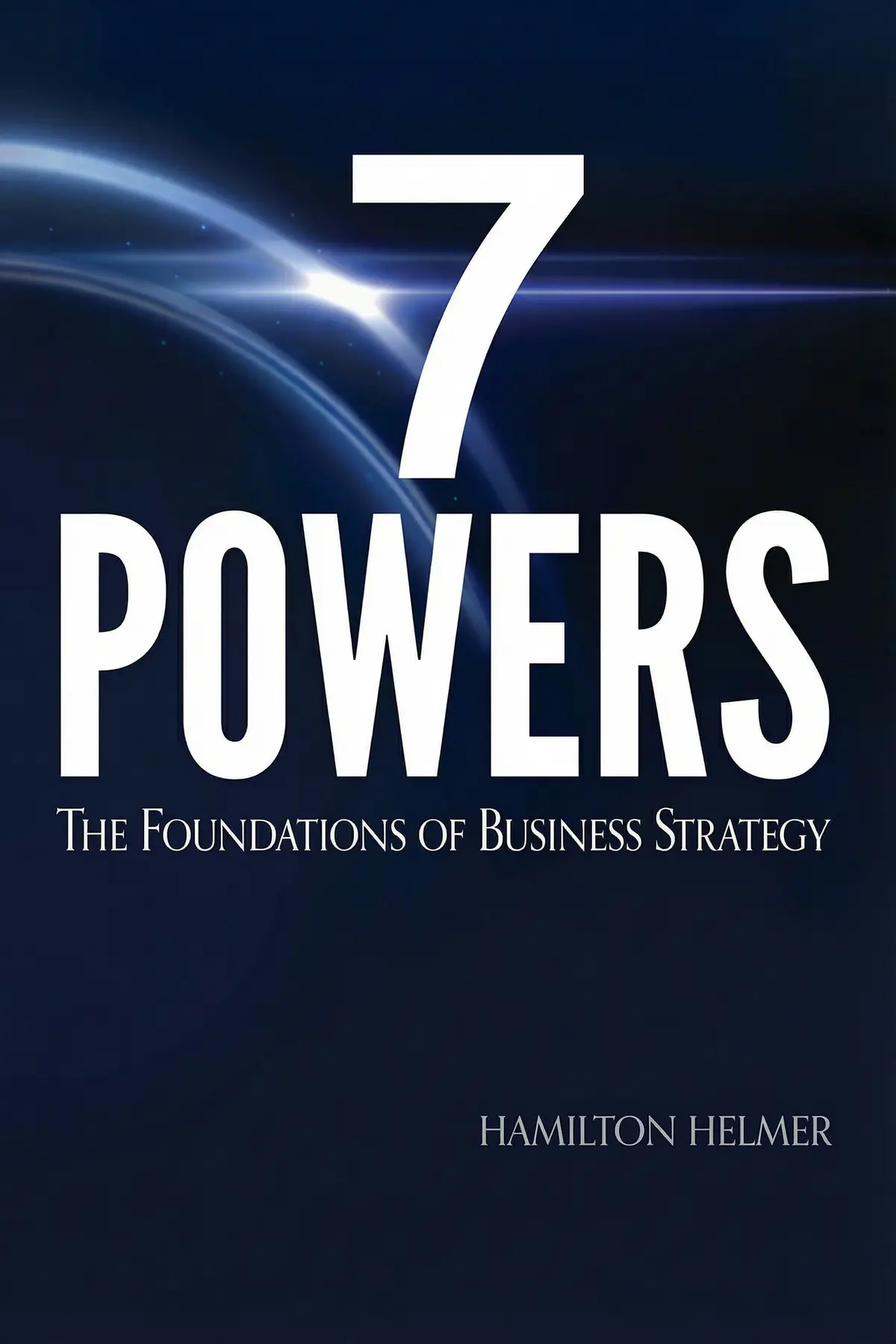
7 Powers: The Foundations of Business Strategy
Hamilton Helmer

A Bigger Prize: How We Can Do Better Than the Competition
Margaret Heffernan
A Year with Peter Drucker: 52 Weeks of Coaching for Leadership Effectiveness
Joseph A. Maciariello
AUDIO SUMMARY AVAILABLE
Listen to The Seven Rules of Trust in 15 minutes
Get the key ideas from The Seven Rules of Trust by Jimmy Wales, plus 5,000+ more titles in English and Thai.
- 5,000+ titles
- Listen as much as you want
- 7-day free trial
- Cancel anytime







