
15 min 23 sec
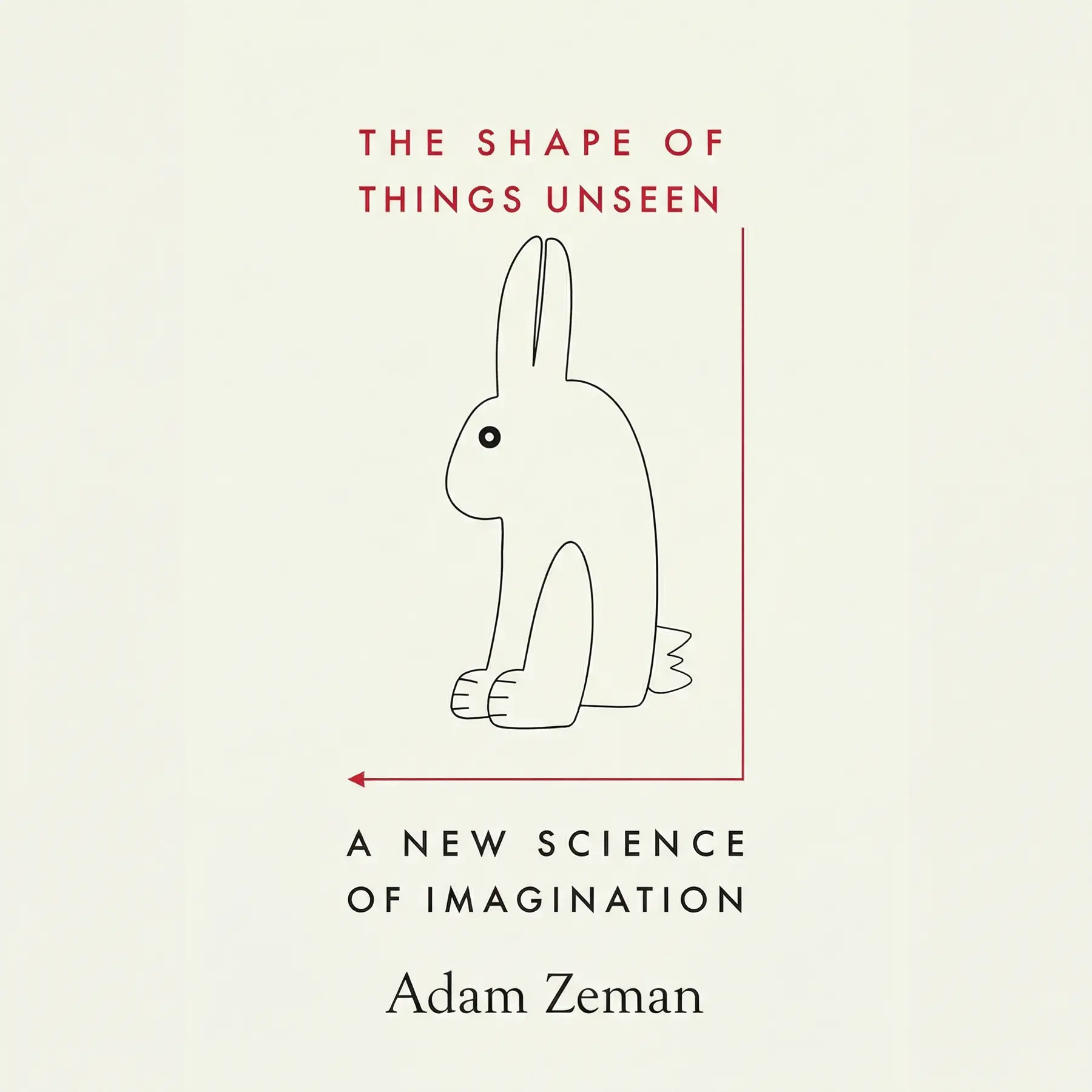
The Shape of Things Unseen: A New Science of Imagination
By Adam Zeman
The Shape of Things Unseen explores the complex relationship between the physical human brain and the invisible world of consciousness, blending neurological insights with philosophical inquiry to understand the nature of our minds.
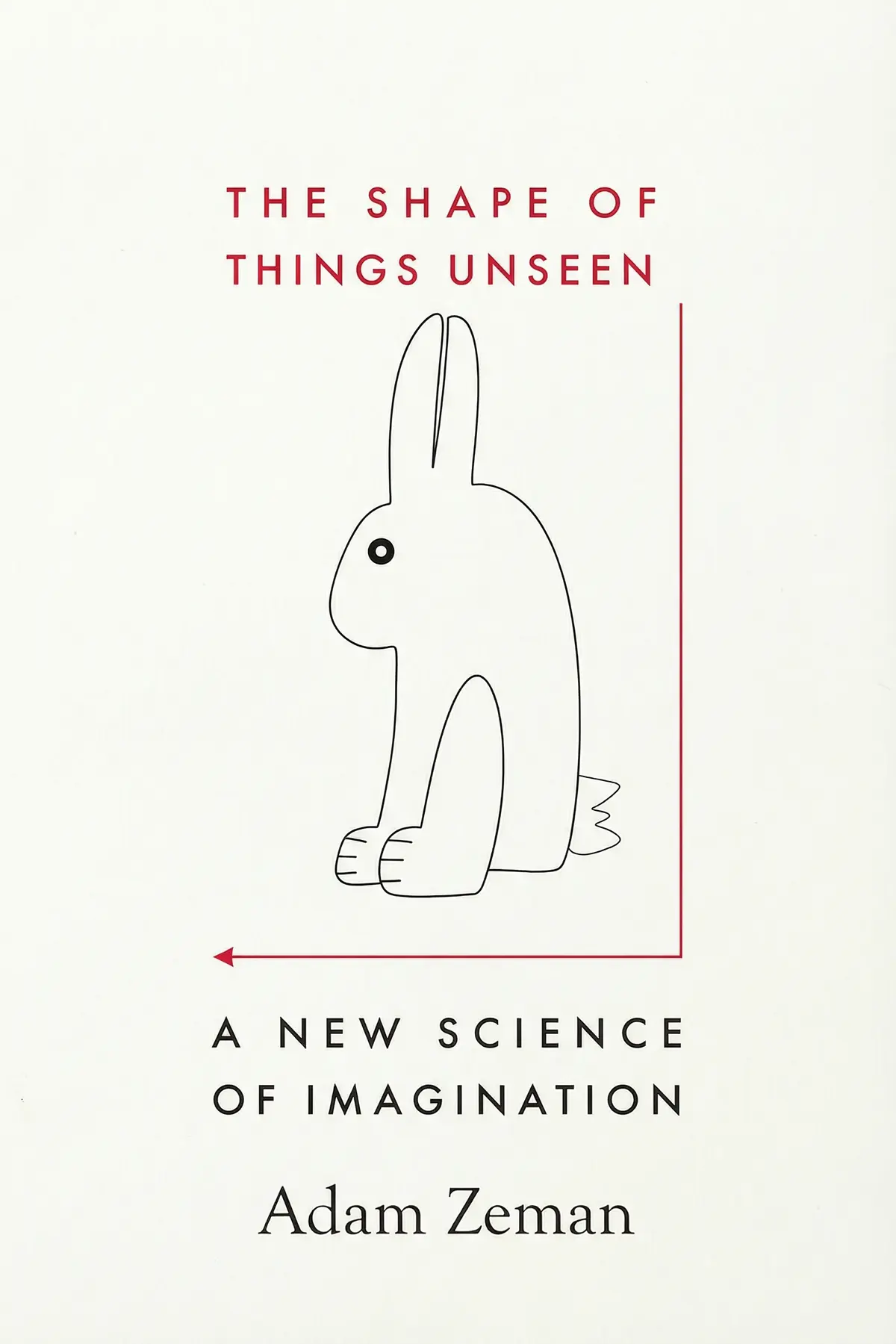
Table of Content
1. Introduction
1 min 43 sec
Have you ever stopped to wonder about the silent, invisible world that exists right behind your eyes? We spend every waking moment inside our own minds, yet the nature of that experience—the sheer fact of our consciousness—remains one of the most elusive puzzles in all of human inquiry. In The Shape of Things Unseen, we are invited to step into the intersection of two very different worlds: the hard, physical reality of the human brain and the fluid, subjective reality of our thoughts and feelings.
This isn’t just a book about biology, nor is it purely a work of abstract philosophy. Instead, it is a bridge. It takes the rigorous data of neurology and uses it to illuminate the deep, personal questions we all have about what it means to be aware. Through this exploration, we begin to see that the ‘unseen’ aspects of our mental lives have a profound structure and a biological foundation that is just as real as the limbs on our bodies.
Over the course of this summary, we will navigate the mysterious landscape of consciousness. We will look at how neurological insights help us map the terrain of the mind and how philosophical queries help us understand the meaning of that map. We’ll also discover why the combination of science and introspection is so vital for a complete picture of ourselves. By the end, you’ll have a new perspective on the invisible forces that shape your every experience, providing a throughline that connects the physical brain to the intangible essence of the human spirit. Prepare to look inward in a way you never have before, as we investigate the shape of things unseen.
2. The Neurological Foundation of Awareness
3 min 01 sec
Explore how the physical structures of the brain serve as the essential scaffolding for our invisible thoughts, turning biological activity into the vibrant experience of consciousness we live every day.
3. The Philosophical Quest for the Mind's Essence
2 min 48 sec
Delve into the deep philosophical questions that science alone cannot answer, examining why the subjective ‘feeling’ of being conscious remains one of humanity’s most intriguing and persistent mysteries.
4. The Power of Introspection in Science
2 min 49 sec
Discover why looking inward is just as important as looking at data, and how the art of introspection provides a vital, personal dimension to the scientific study of the brain.
5. Enriching the Human Experience Through Insight
2 min 53 sec
Learn how the synthesis of neurology and philosophy doesn’t just explain the mind, but actually deepens our appreciation for the rich and varied tapestry of human thought and emotion.
6. Conclusion
2 min 09 sec
As we reach the end of this journey through the landscape of the human mind, we are left with a profound new appreciation for the ‘unseen’ forces that define our lives. We have seen how the physical structures of the brain serve as the foundation for our consciousness, providing the biological scaffolding for everything we think and feel. We have explored the deep philosophical questions that remind us of the mystery and the ‘felt’ reality of our subjective experience. And we have discovered the vital role that introspection plays in bridging the gap between the objective and the subjective.
The throughline of The Shape of Things Unseen is clear: to truly understand ourselves, we must look at the mind from every possible angle. We cannot rely on science alone, nor can we rely solely on introspection. It is the synthesis of these different perspectives—neurological, philosophical, and personal—that provides the most complete picture of our mental phenomena. This integrated approach allows us to see our consciousness not as a distant or abstract concept, but as a living, breathing reality that we participate in every single second.
Moving forward, take this insight with you. Let it change the way you observe your own thoughts and the way you interact with the world. When you experience a moment of joy, a flash of insight, or even a period of doubt, remember that there is a complex and beautiful structure behind that experience. There is a ‘shape’ to your unseen world, and by paying attention to it, you can lead a life that is more aware, more empathetic, and more deeply connected to the essence of what it means to be human. The exploration of the mind is the ultimate human adventure, and the tools of science and philosophy are your guides. Keep looking inward, keep asking the big questions, and never stop marveling at the incredible mystery of your own consciousness.
About this book
What is this book about?
The Shape of Things Unseen is a deep dive into one of the most profound mysteries of human existence: the nature of consciousness. It asks how the physical matter of the human brain can give rise to the rich, subjective experience of being alive. By examining the latest neurological insights alongside age-old philosophical queries, the book provides a comprehensive look at how we perceive the world around us and the world within us. The promise of this exploration is a more nuanced understanding of mental phenomena. It bridges the gap between the objective observations of science and the subjective experience of introspection. For anyone curious about the internal workings of their own mind, this work offers a guide through the intricate pathways of human awareness and the biological structures that support it.
Book Information
About the Author
Adam Zeman
Adam Zeman trained in Medicine at Oxford Medical School. He is currently a distinguished author known for works such as Consciousness: A User’s Guide. Professionally, he serves as an Honorary Fellow of the Centre for Clinical Brain Sciences at the University of Edinburgh and is an Honorary Professor of Neurology at the University of Exeter.
Ratings & Reviews
Ratings at a glance
What people think
Listeners describe this investigation into the "new science of imagination" as an intriguing look at the neurobiological origins of empathy and creativity. Furthermore, they value the author's background as a trustworthy neurologist who successfully connects abstract concepts with lived reality. Although some listeners find the varied academic perspectives slightly fragmented at times, many consider the content highly valuable, with one listener highlighting how the work demonstrates the surprisingly thin boundary between imagination and perception. They also note the engaging discussions on the role of imagination as a vital instrument for mental wellness and social interaction.
Top reviews
Den
As a science enthusiast, I often find books on consciousness to be either too dense or too fluffy. Adam Zeman strikes a remarkable balance here, offering a grounded look at how our internal mental lives are built from the ground up. He connects the dots between basic neurobiology and the high-level empathy required for social navigation. I was particularly struck by the discussion on how our pupils react to imagined light just as they do to real sunshine. It’s these specific, evidence-based details that make the 'new science of imagination' feel so tangible. While the prose is academic, the insights into creative 'bisociation' and the healing power of mental rehearsal are worth the effort. It’s a profound look at what makes us truly human.
Show moreClaire
Wow. This is a masterful deep dive into the hidden machinery of the human mind. Zeman doesn't just treat imagination as a curious diversion; he positions it as the very core of how we experience reality. I was captivated by the description of how children develop symbolic play, turning a simple banana into a phone. It’s a beautiful reminder of how our creative faculties begin shaping our world long before we’re even aware of it. The discussion on how the brain blurs the line between inner and outer experiences was particularly mind-blowing. Though it’s a bit of an interdisciplinary mix, I found the variety of perspectives to be the book’s greatest asset. Truly fascinating stuff.
Show moreSirichai
Picked this up because I’ve always been fascinated by the thin line between perception and mental imagery. Adam Zeman is a wonderful communicator who manages to explain complex neurobiological concepts without sounding like he’s preaching. I loved the practical examples, like how athletes use mental rehearsal to strengthen their actual muscles. The book makes a compelling case for imagination as an essential tool for survival and healing, rather than just a luxury. From the womb to the therapist's office, the 'shape' of these unseen thoughts influences everything we do. It exceeded my expectations, providing a rich, evidence-based exploration of the faculty that allows us to test different futures. A must-read.
Show moreIsabelle
Ever wonder how your brain constructs a world from nothing? Zeman dives deep into the neurobiological roots of our 'everyday imagination,' arguing that our wandering minds are actually essential for planning and processing life. I found the segments on creative imagination—how we derive meaning from a painting or a novel—to be deeply rewarding. The book explains how we fill in gaps and add nuance to our reality, showing that the boundary between perception and imagination is thinner than we think. My only real gripe is that it occasionally feels like a collection of essays rather than a single, flowing book. Still, the insights into how we navigate the world through mental simulation are absolutely top-notch for any psychology buff.
Show moreRoongsak
The chapter on how imagination acts as a social tool was a total eye-opener for me. We often think of 'daydreaming' as a distraction, but Zeman argues it is a fundamental cognitive process for understanding others. The book does an excellent job bridging the gap between clinical neuroscience and the subjective human experience. I was fascinated by the idea of 'bisociation'—the joining of unrelated ideas to spark innovation—and how it led to major scientific breakthroughs. While the structure is a bit disjointed, jumping from brain function to evolution quite suddenly, the quality of the information is high. It provides a credible, evidence-based look at why we dream, play, and create. Definitely a worthwhile read for the curious.
Show moreJames
To be fair, the subject matter here is absolutely gripping, but the execution left me wanting a much stronger central argument. Zeman presents imagination as a central element of consciousness, but the book often meanders through a variety of ideas without a clear destination. I enjoyed learning about the developmental stages of play in children and how theory of mind evolves into complex social navigation. However, the writing style felt a bit unengaging at times, making it easy for my own mind to wander—ironically enough. It’s a solid 3-star read for the facts alone, especially the parts about how delusions can be seen as imagination gone awry. I just wish the narrative was more cohesive.
Show moreTak
After hearing so much buzz about Zeman’s work on aphantasia, I jumped into this expecting a more cohesive narrative about the 'unseen' mind. What I found instead was a text that felt surprisingly uninteresting in its delivery, despite the huge potential of the topic. The book draws selectively from philosophy and psychology, but it never seems to fully land on a specific point. I appreciated the sections on mental health, particularly how PTSD can be treated by 'rescripting' traumatic images. But overall, the lack of an overarching argument made the reading experience feel like a bit of a chore. It’s an informative book, certainly, but it lacks the narrative spark I was hoping for.
Show moreAna
Personally, I found the multidisciplinary approach to be both the greatest strength and the most frustrating weakness of this text. Zeman is a credible neurologist, and his expertise shines when he discusses the predictive coding models of the brain. However, the transitions between philosophy, sociology, and pure neuroscience felt jarring and lacked a focused trajectory. I loved the section on 'social imagination' and how we use it to interpret the intentions of others, like a barista having a bad day. Yet, by the time I reached the chapters on PTSD and Tetris, the overarching message felt a bit lost in the weeds. It’s a good resource for bits of information, but it doesn't quite come together as a whole.
Show morePhichai
Look, Adam Zeman is clearly an expert in his field, but this book reads more like an academic paper than a popular science hit. The information is undeniably valuable, especially the insights into how the brain activates similar networks for both sensation and memory. However, the changes between topics felt jarring at times, with very little pretext to guide the reader through the shifts. One moment you're reading about the discovery of benzene's structure, and the next you're plunged into a discussion on Capgras delusion. It felt a bit like a sequence of facts without a focused objective. While I learned a lot about the 'new science of imagination,' I found the overall experience to be a bit unengaging.
Show moreKwan
I really wanted to love this, but the delivery was just so incredibly dry that I struggled to reach the end. Despite the fascinating premise of exploring the 'shape' of our internal thoughts, the book felt like a disjointed sequence of facts rather than a cohesive argument. One minute we’re talking about evolution, and the next we’re jumping into social psychology without any real connective tissue or pretext. Frankly, it felt like Zeman was pulling from too many different disciplines without ever committing to a central theme. I finished the book feeling like I’d read a series of encyclopedia entries rather than a compelling narrative. If you’re looking for a page-turner about the mind, this unfortunately isn’t it.
Show moreReaders also enjoyed

Acting with Power: Why We Are More Powerful Than We Believe
Deborah Gruenfeld


Alien Earths: The New Science of Planet Hunting in the Cosmos
Lisa Kaltenegger
Age of Propaganda: The Everyday Use and Abuse of Persuasion
Anthony Pratkanis


AUDIO SUMMARY AVAILABLE
Listen to The Shape of Things Unseen in 15 minutes
Get the key ideas from The Shape of Things Unseen by Adam Zeman, plus 5,000+ more titles in English and Thai.
- 5,000+ titles
- Listen as much as you want
- 7-day free trial
- Cancel anytime







