

A Bigger Prize: How We Can Do Better Than the Competition
Margaret Heffernan
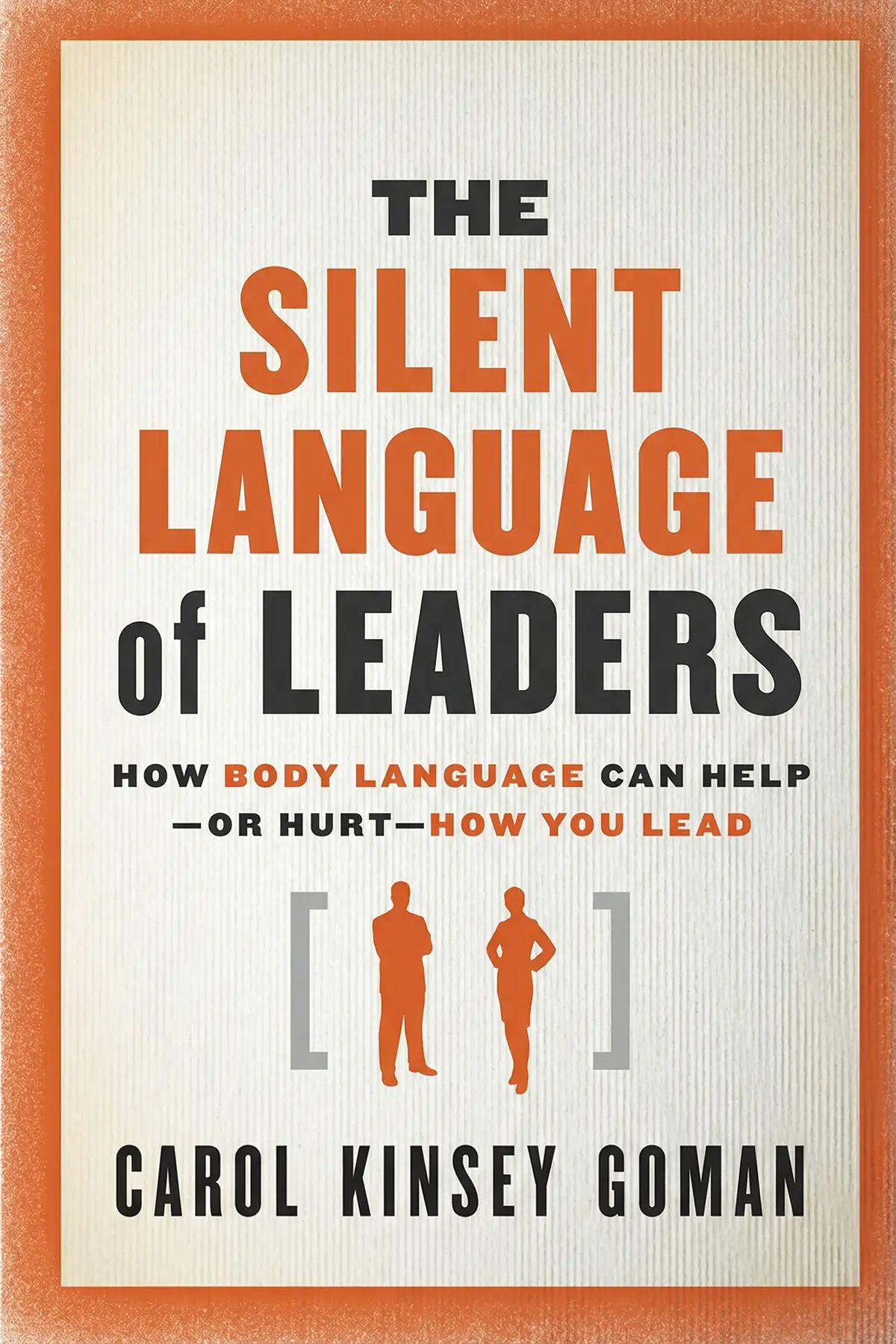
The Silent Language of Leaders explores the hidden power of nonverbal communication, revealing how posture, gestures, and proximity can build trust, project authority, and define your success as a modern leader.
1 min 20 sec
Picture a scenario where a leader stands before their team to deliver a monumental announcement. The words are carefully chosen, the strategy is sound, and the vision is bold. Yet, as the speech concludes, the room feels hesitant, perhaps even skeptical. Why didn’t the message land? Often, the culprit is a disconnect between what was said and how it was delivered. Leadership is fundamentally a performance of communication, but we frequently forget that words represent only a fraction of the data we transmit. The rest is found in our physical presence—the silent language that speaks to the deepest, most instinctive parts of our audience’s brains.
In this exploration, we delve into the world of nonverbal influence. We will see how our biology, specifically the limbic system, acts as a prehistoric filter, judging others in a matter of seconds. We’ll uncover how to project warmth and authority in tandem, and why modern technology makes these physical cues more—not less—important. By the end of this journey, you’ll understand how to read the subtle signals your colleagues are sending and, more importantly, how to master your own body language to lead with authenticity and impact. This isn’t just about standing up straight; it’s about aligning your biology with your intentions so that your message is felt as much as it is heard.
1 min 28 sec
Discover why our brains are hardwired to make snap decisions about leadership potential long before a conversation even begins.
1 min 46 sec
Learn how to project both authority and approachability to become a leader people want to follow.
1 min 30 sec
Uncover the secret physical cues that can give you the upper hand in any business discussion.
1 min 39 sec
Understand how to use your physical presence to overcome resistance and inspire your team during transitions.
1 min 37 sec
Explore the biological bridges that connect us to others and how to use them to foster a collaborative culture.
1 min 38 sec
Delve into the biological differences in how men and women process nonverbal information and manage stress.
1 min 30 sec
Master the complexities of cross-cultural communication to ensure your message is respected worldwide.
1 min 28 sec
As we have seen, leadership is far more than the sum of your spoken words. It is a continuous, silent conversation that takes place between your physical presence and the instinctive brains of those around you. We’ve explored how the limbic system makes snap judgments in seven seconds, how the balance of power and warmth can define your authority, and how biological differences and cultural nuances shape the way we perceive one another. Mastering this silent language is about more than just ‘acting’ like a leader; it is about developing an authentic awareness of the signals you are sending every moment you are in the public eye.
One powerful and often overlooked tool in this repertoire is the use of touch. While it must always be used with extreme care and respect for professional boundaries, appropriate touch—such as a firm handshake or a supportive pat on the shoulder—can be incredibly effective. It has the biological power to lower stress hormones like cortisol and increase oxytocin, the chemical associated with trust and bonding. This demonstrates the ultimate lesson of nonverbal communication: your body has the ability to heal or hurt, to inspire or to alienate. By bringing your physical cues into alignment with your leadership goals, you transform from someone who simply manages people into someone who truly moves them. Start today by paying attention to your own posture and the ‘silent’ signals of your team; you’ll be amazed at what you hear when no one is speaking.
Have you ever wondered why certain leaders command a room before they even speak a single word? The secret often lies in their nonverbal communication. This guide examines how the human brain processes physical signals and why these ancient biological responses are more relevant than ever in today’s high-stakes business environment. From the way you stand during a presentation to how you position your feet in a negotiation, every physical cue sends a message to your team and your competitors. By understanding the science of the limbic system, the impact of gender on communication styles, and the nuances of cross-cultural body language, you can learn to align your physical presence with your professional goals. The book promises to provide leaders with the tools to project warmth and power simultaneously, ensuring their silent language supports, rather than sabotages, their leadership.
Carol Kinsey Goman is a leadership coach, management consultant, keynote speaker and the president of Kinsey Consulting Services. She has published eleven books.
Listeners find the book an accessible read and full of information, with one listener noting how it links theory to real-world situations. Additionally, the book earns praise for its practical advice, as one listener points out its utility for HR/Labor Relations professionals. Listeners also appreciate the observations on nonverbal cues, with one review specifically mentioning intercultural comparisons in business. The writing quality is highly rated, and listeners value the profound depth of the content.
As an HR professional working in a global firm, the intercultural comparisons at the end of this book were pure gold. I’ve read plenty of management books, but Goman’s focus on the nuances of passing business cards and personal space across different countries is incredibly practical. Not gonna lie, I was surprised by how much I enjoyed the section on observing a person's feet and legs to gauge their true level of comfort during a seated negotiation. The writing is accessible and avoids the usual academic jargon, making it easy to apply these concepts to real-world situations immediately. It’s enlightened my perspective on how I come across to my international peers. This is an essential read for anyone navigating a diverse workplace where 'the silent language' often speaks louder than the words in a contract.
Show moreThis book completely shifted how I view my own presence in the boardroom. The focus on authentic body language rather than just 'faking it' is what sets Goman apart from other authors in this space. I loved the specific details about how posture and movement can either build or destroy trust with your team. Gotta say, the chapter on how leaders from different cultures perceive eye contact was eye-opening for my work with our overseas offices. The book is well-written with solid reminders and some truly clever ideas that I haven't seen elsewhere. It’s a must-read for anyone who wants to ensure their physical presence matches the message they are trying to send. I found myself taking more notes than I ever expected from a book on this subject. Truly enlightening and highly recommended.
Show moreEver wonder why a presentation fails even when the data is perfect? This book provides some compelling answers by looking at the micro-expressions and postures that undermine our authority. Goman’s advice on looking for 'clusters' of behavior rather than isolated actions is a game-changer for me. In my experience, most people focus on just one thing—like eye contact—but this book teaches you to see the whole picture, including voice tone and even clothing choices. Truth is, I found myself taking way more notes than I anticipated. While some of the advice felt a little basic, the specific tips on hand placement and movement during high-stakes meetings were very helpful. It’s a thoughtful look at how we project power and build trust without saying a single word. Definitely worth a second read to let the nuances sink in.
Show moreFinally got around to finishing this, and the insights on negotiation were worth the price of admission alone. Goman does a great job of explaining how our bodies can become obstacles to our own success if we aren't careful. I particularly liked the part about acting with intention when negotiating with people from different cultural backgrounds, like Japan or Brazil. It's those little details—like how you handle a business card—that can make or break a first impression. To be fair, some of the early chapters on posture felt like common sense, but the later sections on global leadership really elevated the material. The writing style is brisk and engaging, making it a quick read for busy people. It’s a very good book that provides a thorough look at how we communicate through our physical presence.
Show moreNot what I expected from a business book, as it avoids the typical dry tone for something far more conversational and entertaining. I really appreciated the practical nature of the advice, especially the bits about monitoring your own body language during stressful peer reviews. It’s one thing to know you should look confident, but it’s another to understand how your hand gestures might be betraying your anxiety. The book is rich with information about real-world scenarios that I face every week in my management role. I'll admit that some sections felt a bit like common knowledge, but the overall framework for reading 'clusters' of actions is something I will definitely be using. It’s a very enjoyable read that manages to be both enlightening and easy to digest. I’d recommend it to anyone in a leadership position.
Show moreI picked this up hoping for a deep dive into the psychology of non-verbal cues, but it felt more like a practical handbook for office politics. To be fair, Goman provides some excellent reminders about where to sit at a conference table to maximize your influence, which is something I hadn't consciously considered before. However, much of the first half feels like standard body language 101 that you could find in any long-form article online. I appreciated the emphasis on establishing a 'baseline' before judging someone’s behavior, yet I still found the research a bit thin. It’s an easy enough read for a weekend, but it lacks the scientific rigor I was expecting for a leadership book. It’s a decent starting point if you are new to the corporate world, but seasoned managers might find it a bit repetitive.
Show moreThis is a solid primer for anyone new to the concept of non-verbal cues in a professional setting. Look, the book isn't going to blow your mind with revolutionary research, but it serves as a helpful collection of reminders for daily interactions. I found the section on seating arrangements particularly insightful, specifically how to position yourself to maintain eye contact with the whole room. That said, I did find it a bit light on the actual 'why' behind the behaviors. It focuses more on the 'what' and 'how.' Some of the chapters felt a bit like they were stretching out a single point to meet a page count, which got a little tedious. If you’re a business professional looking for a quick, informative guide to sharpen your awareness, this is fine. Just don't expect an exhaustive academic study on human behavior.
Show moreCarol Kinsey Goman writes with a very accessible style, which makes the pages turn quickly. However, I can't help but feel that the book is a bit light on actual research. Many of the anecdotes felt anecdotal rather than evidence-based, which made me question the depth of the insights. In my experience, body language is far more complex than a list of 'do’s and don’ts' at a conference table. While the international section was a highlight, the rest of the book felt like it was treading very familiar ground. I did find the tips on getting a 'baseline' for people's behavior to be useful, as it prevents you from making snap judgments based on a single gesture. It's an okay book for a beginner, but it wasn't as exhaustive as I had hoped it would be.
Show moreAfter hearing several colleagues mention Goman's work, I decided to see if the hype about 'clusters' was real. The book is definitely business-centric, which is great if you're looking for professional tips, but it can feel a bit narrow at times. I enjoyed the insights into how body language influences perception, yet I struggled with the amount of filler material between the actual takeaways. Frankly, I could have gained most of this knowledge from a much shorter article or a summary. The cultural etiquette section at the end was the most interesting part by far. It's a decent book with some solid advice, but it didn't quite live up to the high expectations I had. It’s worth a skim if you can find it at the library, but maybe not a permanent spot on your shelf.
Show moreThe advice here feels incredibly dated in parts, especially concerning the gender dynamics of the workplace. Personally, I found the suggestion that women should essentially mimic male body language to be quite backward. In today’s management environment, the 'soft skills' often associated with women are exactly what leaders are trying to cultivate. Why should we move toward a more rigid, dysfunctional style of communication? Beyond that, the book feels like it contains a great deal of filler material that doesn't add much value. Frankly, I felt like I could have gathered the core insights from a ten-minute YouTube video. While the section on intercultural differences was interesting, it wasn't enough to save the book for me. It’s far too superficial for someone looking for serious behavioral science or modern leadership strategies.
Show moreMargaret Heffernan
Joseph A. Maciariello


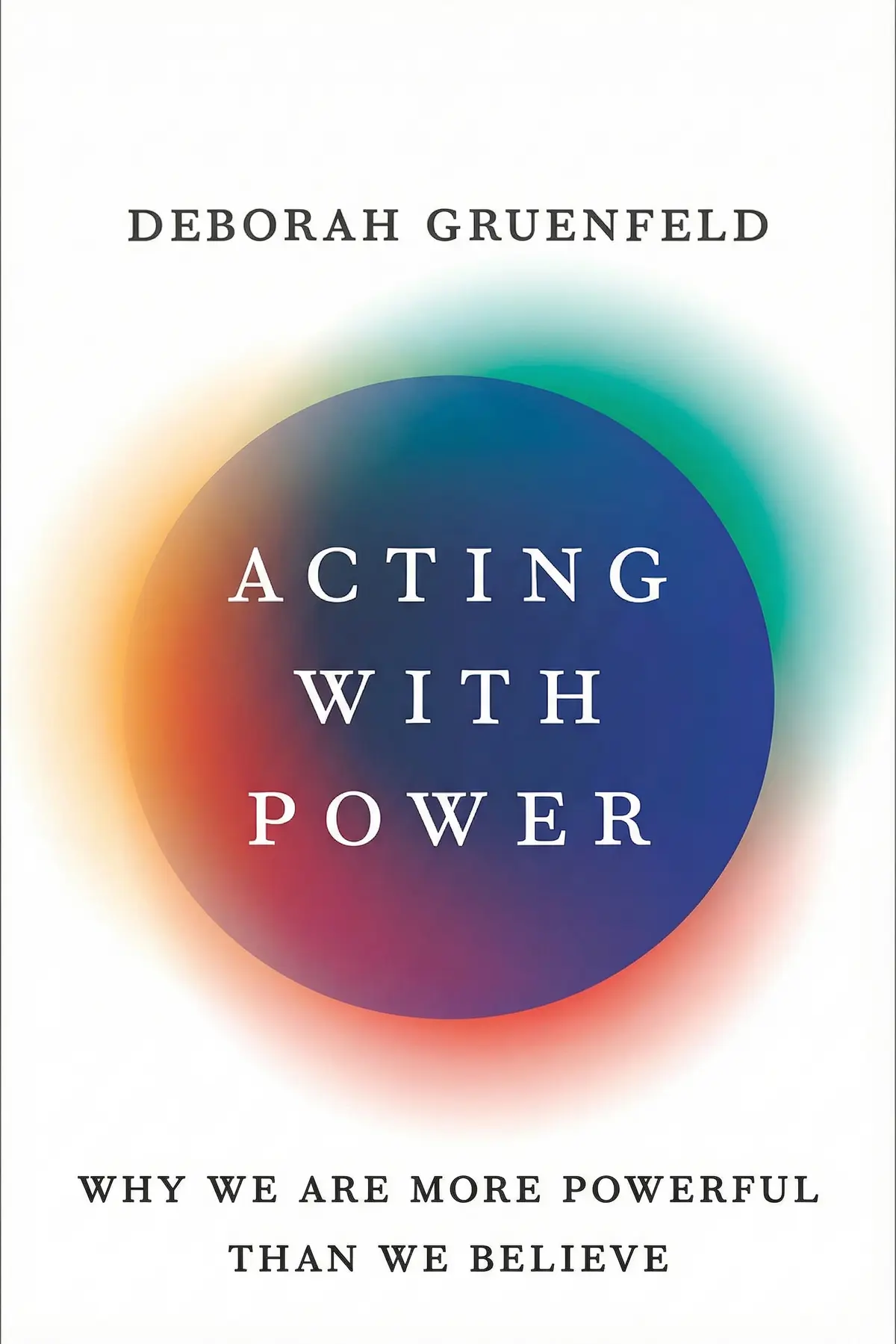
Deborah Gruenfeld
AUDIO SUMMARY AVAILABLE
Get the key ideas from The Silent Language of Leaders by Carol Kinsey Goman, plus 5,000+ more titles in English and Thai.







