
24 min 28 sec
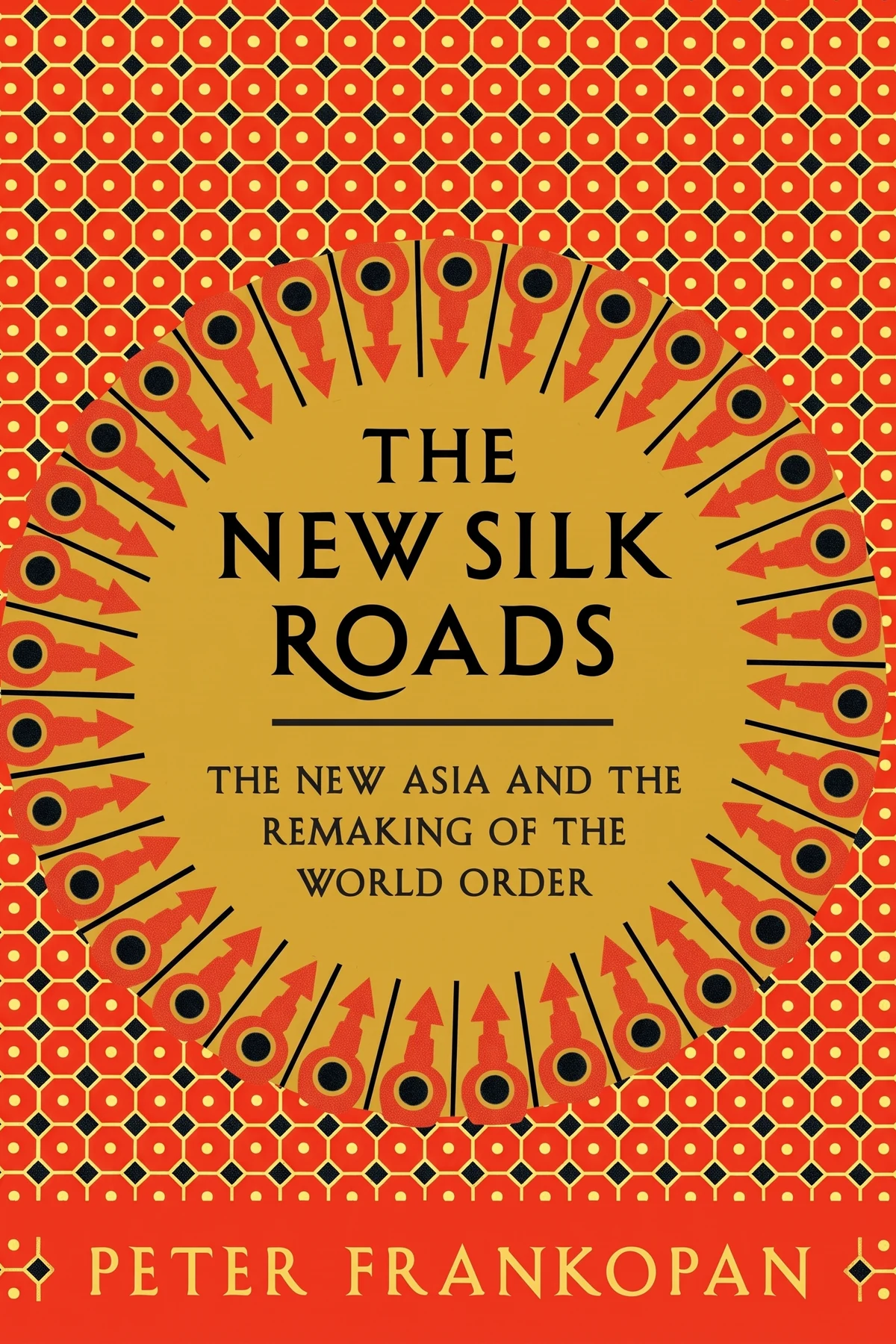
The Silk Roads: A New History of the World
A sweeping re-evaluation of world history that shifts the focus from the West to the ancient trade routes of Central Asia, revealing how control over these crossroads shaped civilizations and modern geopolitics.
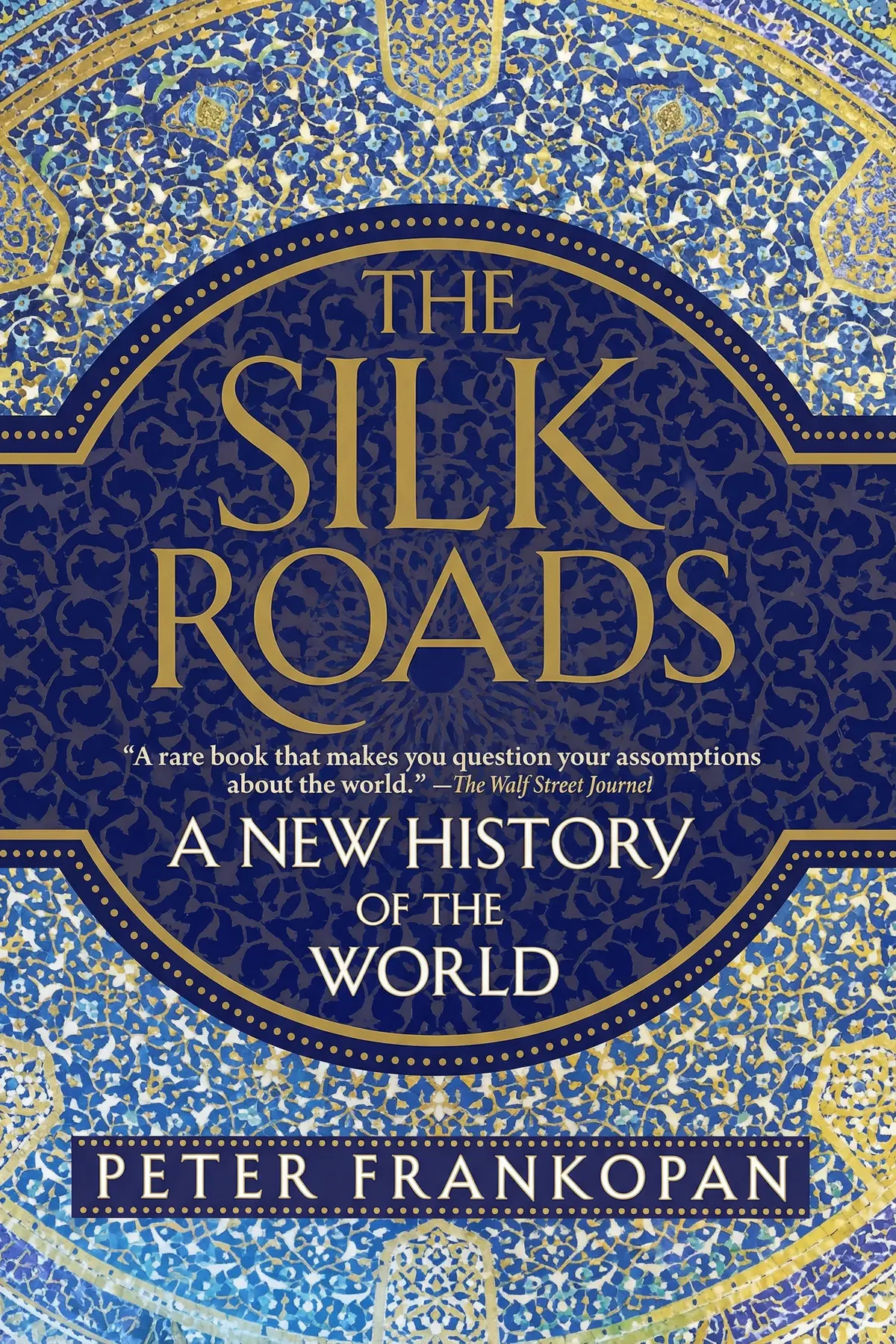
Table of Content
1. Introduction
1 min 50 sec
When we think about the history of the world, most of us have been trained to see it through a very specific lens. We often imagine a straight line of progress starting in Ancient Greece, moving through Rome, then pausing in the Middle Ages before exploding into the Renaissance and the Industrial Revolution. In this version of the story, the West is the protagonist, and everything else is just a supporting character. But what if that narrative is missing the most important part of the puzzle? What if the real heart of human history lies not in the capitals of Europe, but in the vast, dusty plains and mountain passes of Central Asia?
This is the provocative premise of Peter Frankopan’s work. He argues that for thousands of years, the world’s true center of gravity was the network of trade routes we now call the Silk Roads. This wasn’t just a single path through the desert; it was a complex web of arteries that pumped life, wealth, and ideas across the globe. From the rise of the first empires in Mesopotamia to the modern struggle for energy resources, the control of these routes has been the ultimate prize for every major power in history.
In the journey ahead, we are going to look at history from a different perspective. We will see how the expansion of the Chinese Han dynasty met the reach of the Persian Empire to create a global marketplace. We will explore how the rise of Islam created a golden age of science while Europe remained in the dark, and how the brutal efficiency of the Mongols actually paved the way for modern commerce. Most importantly, we will see that the events of the twentieth century—including two World Wars and the Cold War—were deeply tied to a desperate struggle to regain control over these ancient pathways. By looking at the world through the lens of the Silk Roads, we can begin to understand why the East is re-emerging today as the center of global power.
2. The Ancient Foundations of Global Connection
2 min 16 sec
Ancient empires didn’t just conquer land; they built the infrastructure for a global network that linked the Mediterranean to the borders of China for the first time.
3. The Islamic Golden Age and the Shift of Knowledge
2 min 09 sec
While Europe struggled through a period of stagnation, a new power rose in the East that unified trade and ignited a revolution in science and philosophy.
4. Slavery and the Economic Roots of the Crusades
2 min 08 sec
Human trafficking and the desire for Eastern luxuries played a far larger role in the rise of Europe than religious zeal alone.
5. The Mongol Empire and the Paradox of the Plague
2 min 16 sec
The Mongols created the largest empire in history, facilitating unprecedented trade, but their network also became the pathway for a global catastrophe.
6. The Ocean Pivot and the Cost of Discovery
2 min 09 sec
When the Silk Roads were blocked or taxed, Europe looked to the sea, sparking a new age that brought global riches at a terrible human price.
7. The Rise of Northern Europe and the Great Game
2 min 06 sec
As power shifted from the Mediterranean to the Atlantic, new corporate empires and a rivalry with Russia set the stage for modern global conflict.
8. The Curse of Black Gold
1 min 53 sec
The discovery of oil in Persia transformed the Silk Roads from a path for fabric and spices into a high-stakes arena for energy security.
9. Resources and the Dark Logic of World War II
2 min 04 sec
The hunger for the East’s grain and oil drove Hitler’s invasion of the Soviet Union and played a chilling role in the escalation of the Holocaust.
10. The Cold War and the Cost of Western Meddling
2 min 14 sec
Superpower competition in the twentieth century led to a series of short-sighted interventions that continue to haunt the modern world.
11. The Return of the Silk Roads
2 min 01 sec
The metaphorical center of the world is returning to the East as new infrastructure and vast resources shift global power away from the West.
12. Conclusion
1 min 22 sec
The history of the Silk Roads is much more than a collection of ancient tales about silk and spices. It is the story of how our world was built and how it continues to function. By shifting our perspective away from the West, we can see that the rise and fall of empires have always been tied to the control of the crossroads of Eurasia. Whether it was the Romans’ hunger for luxury, the Mongols’ genius for administration, or the twentieth-century obsession with oil, the Silk Roads have always been the ultimate prize.
Today, as we see the global balance of power shifting once again, Peter Frankopan’s work provides a vital roadmap. We are entering a period where the East is no longer a peripheral player but the main actor on the global stage. The lesson of the Silk Roads is that connectivity is the lifeblood of civilization. When these routes are open and peaceful, the world flourishes with new ideas and prosperity. When they are contested or closed, the result is often catastrophe.
As you think about the future, remember that the events we see in the headlines today—from energy crises to shifts in international alliances—are part of a cycle that has been repeating for thousands of years. The Silk Roads are not just a relic of the past; they are the blueprint for our future. To understand where the world is going, we must always keep our eyes on the heart of the East, where the threads of history are once again being woven together.
About this book
What is this book about?
The Silk Roads challenges the traditional Western-centric view of history, arguing that the true center of the world has always been the region connecting the Mediterranean to China. For millennia, this vast network served as the pulse of global civilization, facilitating the exchange of not only luxury goods like silk and spices but also religions, scientific breakthroughs, and even devastating diseases. This summary explores how empires from the Persians to the Mongols rose and fell based on their ability to dominate these pathways. It traces the shift of power from the East to the West during the Age of Discovery and the Industrial Revolution, before highlighting the modern return of influence to the Silk Road region. By the end, listeners will understand how the struggle for oil, grain, and strategic territory in the East continues to drive global conflict and economic transformation today.
Book Information
About the Author
Peter Frankopan
Peter Frankopan is director of the Oxford Centre for Byzantine Research. He has lectured at Cambridge, Yale, Harvard, Princeton, NYU and other Universities. His other books include The First Crusade: The Call from the East (2012).
Ratings & Reviews
Ratings at a glance
What people think
Listeners find this history book captivating, with one remarking that it flows like a novel, and value the meticulously researched material that offers fresh perspectives and clarifies past occurrences. The prose is simple to track, and listeners characterize the work as being as engrossing as any piece of fiction. They commend the excellent storytelling and compelling viewpoint, while one review emphasizes how the book offers a more profound grasp of locations they have traveled to.
Top reviews
Jom
Finally got around to Peter Frankopan’s massive tome, and I must say the narrative flow is absolutely superb. While most history books feel like a dry slog through dates and dusty names, this reads with the propulsive energy of a high-stakes political thriller. It completely reframes how we view the "middle" of the world, shifting the spotlight away from the usual Greco-Roman tropes to the vibrant heart of Eurasia. I particularly loved the exploration of how trade and faith moved along these ancient veins. Truth is, I hadn’t realized how many of our modern global struggles have roots in the shifting power dynamics of the 15th-century silver trade or 20th-century oil politics. My only tiny gripe is that it covers so much ground that some specific cultures feel a bit glossed over in the rush. Still, it’s a brilliant, eye-opening journey that makes the complex story of our world feel tangible and deeply interconnected.
Show moreLincoln
As someone who has always been fed a steady diet of Eurocentric history, this book felt like a much-needed course correction. Frankopan argues that the center of gravity has always been the region between the Mediterranean and the Himalayas, and his evidence is quite compelling. The way he links the flow of precious metals from the Americas to the economic crises in China was a revelation for me. It’s an engaging read, moving away from the "Dark Ages" myth to show a flourishing Islamic and Persian world that was far ahead of Europe for centuries. To be fair, he does occasionally seem to go out of his way to bash Western policy, particularly when discussing the 20th-century Middle East. While some of the criticism is definitely deserved, it occasionally felt a bit one-sided. Regardless, the writing is lucid and the breadth of research is undeniably impressive for a single volume.
Show moreWatcharin
Wow, I am genuinely stunned by the sheer scale of this book and how Frankopan manages to keep the reader hooked through thousands of years of human history. It’s rare to find a non-fiction book that feels as entertaining as a novel, but the prose here is just so fluid and evocative. By centering the story on Central Asia, the author makes you realize how peripheral Western Europe was for the vast majority of human existence. The chapters on the spread of religions and the impact of the Black Death were particularly haunting and insightful. It really helps you understand why the Middle East remains such a volatile powder keg today after centuries of being treated as a chessboard for imperial powers. It’s an essential read for anyone trying to make sense of the modern world's shifting power structures. This is the kind of book that stays with you long after you’ve turned the final page.
Show moreKet
Ever wonder why we focus so much on the Atlantic when the real action for most of history was happening in the East? Frankopan’s masterpiece provides the answer with a clarity that is frankly refreshing. He weaves together economics, religion, and warfare into a seamless tapestry that rivals Yuval Noah Harari’s Sapiens in its ability to change your worldview. The research is meticulous, yet the author never lets the footnotes get in the way of a good story. I was particularly fascinated by the discussion of how the silver trade fundamentally altered the Ming Dynasty and the eventual rise of the West. It’s a sobering look at how greed and the pursuit of resources have dictated human movement since the time of Alexander. This isn't just a history of a region; it’s a history of human ambition and the interconnectedness of our species. It’s easily one of the most important books I’ve read in the last decade.
Show moreAlice
After hearing so many people rave about this, I finally dived in and I’m so glad I did. It’s a total shift in orientation that makes you look at a map of the world in a completely different way. The way the author traces the development of the "Silk Roads" not just as trade routes, but as pathways for ideas, plagues, and empires is nothing short of masterful. I found the sections on the slave trade in the Islamic world to be particularly eye-opening and well-handled. While some critics say it’s too "West-centric" toward the end, I think Frankopan is just highlighting how the West's interference has shaped the region's modern trajectory. The prose is elegant and the pace is perfect for such a massive subject. It’s an illuminating and often disheartening look at the cycles of history, but it’s absolutely necessary reading for anyone who wants to understand the global stage today.
Show moreKevin
Picked this up for a book club and was surprised by how quickly I flew through such a thick volume. The author has a real talent for picking out those "sticky" historical anecdotes that make the past feel alive, like the story of the Khazar ruler choosing Judaism to avoid picking sides between Christians and Muslims. It’s a powerful perspective that challenges the idea that "progress" only happened in the West. My only complaint is that the title is slightly misleading; it’s less about the actual Silk Roads and more about general history viewed from a specific geographic lens. Also, the final chapters on the 20th century felt a bit rushed compared to the earlier, more detailed sections on the medieval era. However, if you want a book that explains the "why" behind global shifts in wealth and power, this is a fantastic place to start. It’s certainly more readable than any textbook I ever had.
Show moreWaree
The chapter on the "Road to Gold" alone makes this book worth the price of admission. Frankopan does an incredible job illustrating how the discovery of the New World impacted the Silk Road regions, creating a globalized economy much earlier than most people realize. Personally, I appreciated the focus on the Persian and Islamic contributions to science and medicine during Europe's leaner years. It’s a dense read, sure, but the writing is so clear that it never feels overwhelming. I did feel that the Ottoman Empire was brushed over a bit too quickly, which seemed like a missed opportunity given their central role in the region. But look, covering 2,000 years in one book is a Herculean task, and the author handles it with more grace than most. It’s a thought-provoking, well-researched piece of scholarship that deserves all the praise it has been getting lately.
Show moreClaire
Look, this is a frustrating book because it’s brilliant in parts but maddeningly inconsistent in others. Frankopan is a gifted writer, and his ability to synthesize vast amounts of information into a readable narrative is impressive. However, his "center of the world" thesis often feels like he’s trying to fit a square peg into a round hole. He dismisses early European history a bit too flippantly for my taste, and the claim that the Renaissance was basically just a byproduct of Eastern riches felt a little hyperbolic. To be fair, the sections on the "Great Game" and the lead-up to WWI are some of the best historical writing I’ve encountered recently. But by the time we got to the detailed breakdown of the Iran-Contra affair, I felt like I was reading a completely different book. It’s a useful resource, but you have to be willing to sift through some of the author’s more biased interpretations.
Show moreMingkwan
Not what I expected when I saw the title, which I find to be a bit of a misrepresentation of the actual content. If you are looking for a granular study of camels, silk, and specific merchant logs, you are going to be disappointed because this is really a political history of the world. Frankopan tries to cover everything from Alexander the Great to the recent wars in Iraq and Afghanistan, but the scope is almost too ambitious for its own good. At times, the "Silk Road" framing feels like a forced gimmick to tie together a standard, if slightly reoriented, world history. I found the sections on the Mongols and the Khazar conversion to Judaism fascinating, but the author often jumps from event to event without enough deep analysis. It is a useful enough overview for a general reader, but serious history buffs might find it a bit superficial in its treatment of China and India.
Show morePatcharaporn
This book was a massive letdown for me, mainly because it feels more like an exercise in branding than a cohesive history of the Silk Roads. The author claims to offer a "New History of the World," yet he often views these eastern regions through what another reviewer aptly called Union-Jack-striped goggles. Much of the narrative eventually devolves into a critique of US and British foreign policy in the Middle East, which is fine, but it’s not what I signed up for. I wanted to learn about the actual trade routes, the architecture, and the daily lives of the steppe peoples, not read a 500-page summary of geopolitical blunders. Furthermore, there are some distracting errors—like misattributing stories from the Ramayana to the Mahabharata—that make me question the depth of the scholarship in certain areas. It’s an entertaining read if you want a fast-paced summary, but it lacks the nuance I was hoping for.
Show moreFeatured in
Readers also enjoyed
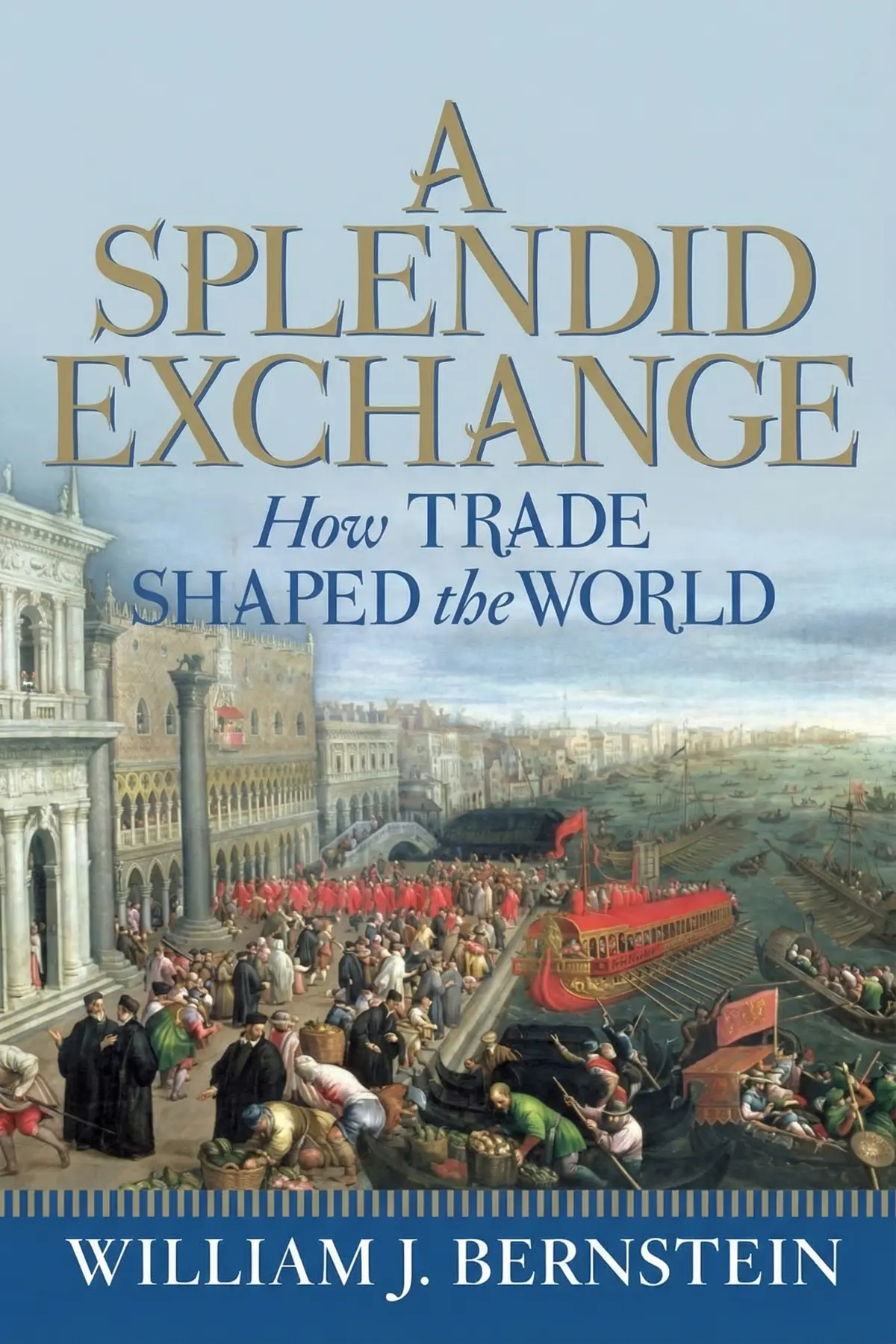
A Splendid Exchange: How Trade Shaped the World
William J. Bernstein
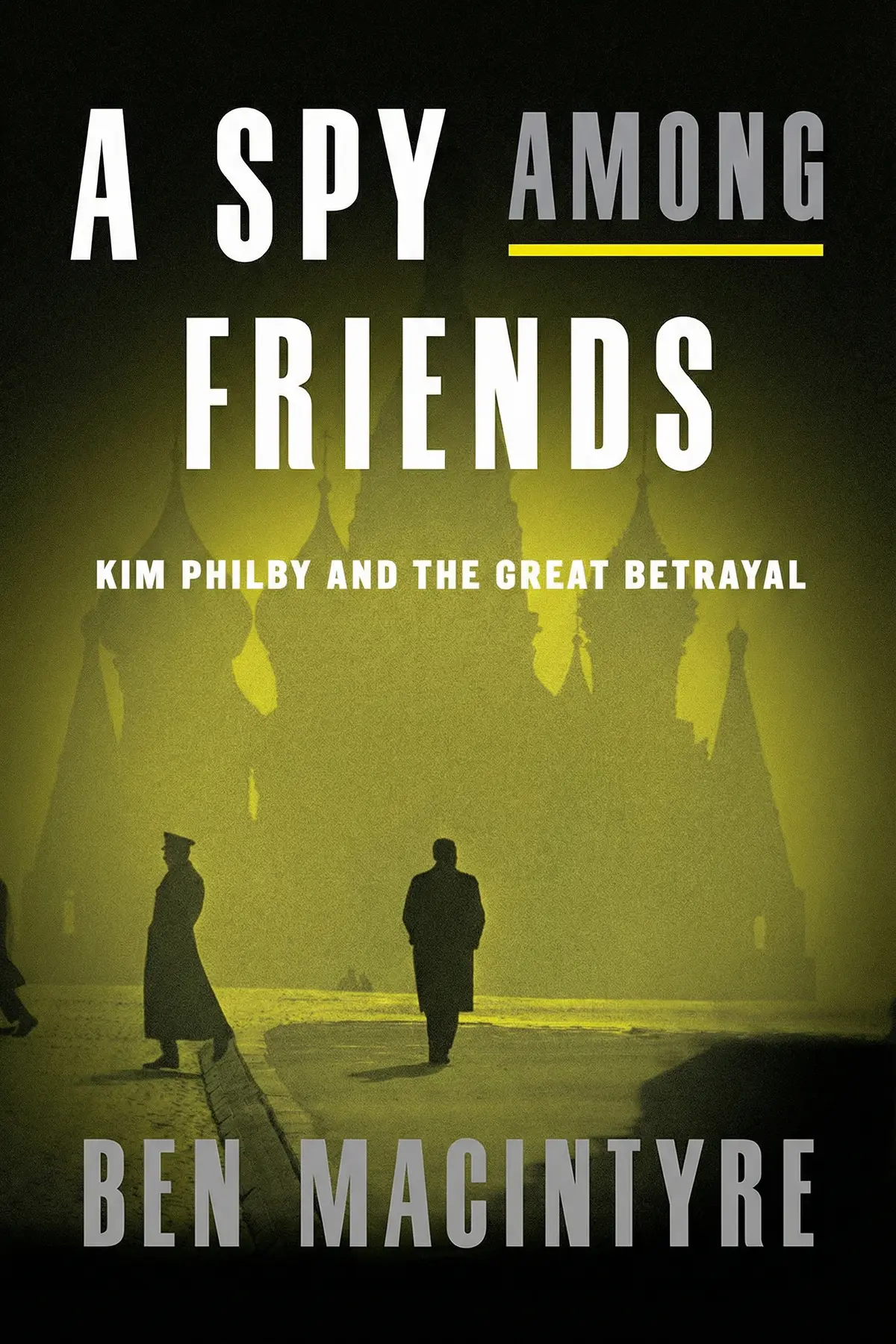
A Spy Among Friends: Philby and the Great Betrayal
Ben Macintyre
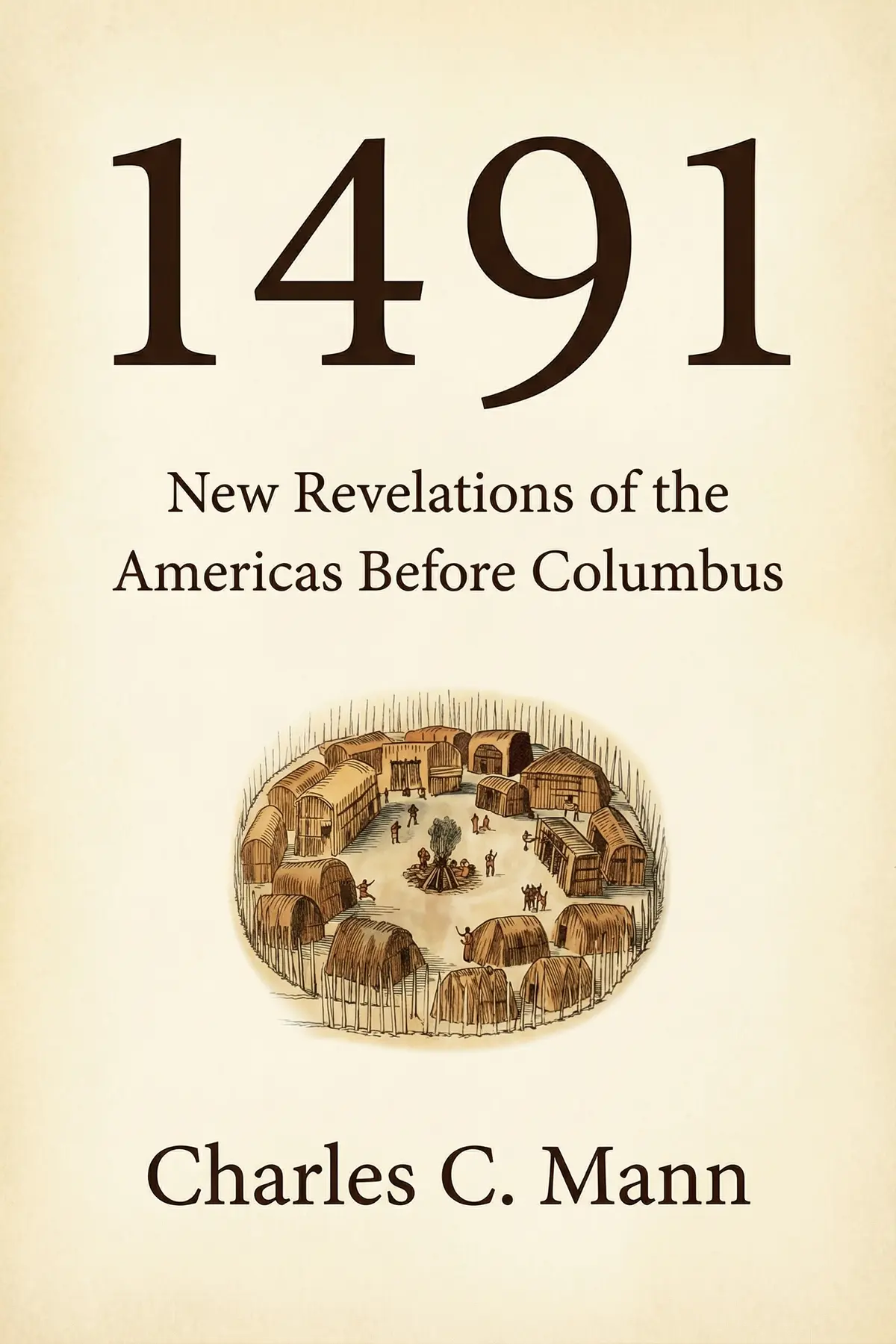
1491: New Revelations of the Americas Before Columbus
Charles C. Mann
A Year in the Life of William Shakespeare: 1599
James Shapiro
1929: Inside the Greatest Crash in Wall Street History--and How It
Andrew Ross Sorkin
AUDIO SUMMARY AVAILABLE
Listen to The Silk Roads in 15 minutes
Get the key ideas from The Silk Roads by Peter Frankopan, plus 5,000+ more titles in English and Thai.
- 5,000+ titles
- Listen as much as you want
- 7-day free trial
- Cancel anytime







