
The Silk Roads: A New History of the World
Peter Frankopan
The New Silk Roads explores the global shift of power from West to East. It analyzes how modern trade, infrastructure, and alliances are revitalizing ancient routes and reshaping the 21st-century economic landscape.
1 min 49 sec
For a long time, the prevailing story of the world was one written almost exclusively by the West. We were taught that progress, power, and the future flowed from Europe and North America. But if you look closely at the maps of history, there were always other paths—ancient veins of commerce and culture known as the Silk Roads. These routes, connecting China to the Mediterranean, were once the literal center of the human experience.
Today, that center is returning. We are witnessing a monumental pivot in the global order. While many in the West are focused on internal debates and looking inward, a massive transformation is happening in the East. This shift isn’t just about ancient history; it’s about the here and now. It’s about who owns the world’s most famous brands, where the next generation of wealthy tourists comes from, and who is building the roads and bridges that will carry the commerce of the next century.
In this exploration of current affairs and future trends, we will see how the nations along these historic routes are revitalizing old connections. We’ll look at the massive investments that are changing the face of Eurasia and how these developments are creating a new reality for everyone on the planet. This isn’t just a story of economic statistics; it’s a story of a world recalibrating. From the luxury boutiques of London to the developing ports of the Indian Ocean, the throughline is clear: the sun is rising in the East, and the structures of the past few centuries are being challenged in ways we can no longer ignore.
By the end of this journey, you’ll understand the new alliances being formed, the reasons behind the rising tensions in the West, and why the future of the global economy might just depend on what happens in cities and countries that many Westerners are only just beginning to pay attention to. Let’s dive into the present and the future of our world.
2 min 29 sec
Wealth and prestige are no longer the exclusive domains of the West as new economic powers begin to claim the world’s most iconic symbols.
2 min 09 sec
While Western nations are increasingly pulling apart, the East is building unprecedented levels of cooperation and free trade.
2 min 06 sec
China’s ambitious infrastructure project is more than just construction; it is a bid for a new kind of global leadership.
2 min 02 sec
The West’s reaction to the East’s rise is often characterized by fear and defensive economic policies that may ultimately backfire.
2 min 06 sec
The decline of Western diplomatic expertise is creating new complications in the already volatile Middle East.
2 min 09 sec
Internal divisions within Europe are providing an opening for Eastern powers to exert influence over the continent’s future.
1 min 26 sec
As we look back at the changing landscape of our world, the evidence is overwhelming. The era of unchallenged Western dominance, which defined the nineteenth and twentieth centuries, is drawing to a close. We are not just witnessing the rise of a single nation like China, but the rebirth of an entire region. The ancient Silk Roads are once again becoming the most important corridors of human activity, driven by a new generation of wealth, a massive wave of infrastructure development, and a spirit of cooperation that seems to be fading in the West.
The decline of Western influence is being accelerated by a retreat into isolationism and a loss of the diplomatic and economic leadership that once anchored the global system. While Europe and America focus on their internal divisions, the East is looking outward, building the networks and alliances that will define the coming decades. This doesn’t mean the West is irrelevant, but it does mean it must adapt to a world where it is no longer the sole author of the global narrative.
The takeaway is clear: to understand the future, we must look to the East. We must pay attention to the new trade routes being carved across Eurasia, the shifting loyalties in the Middle East, and the cultural changes driven by a new global middle class. The world is recalibrating, and the Silk Roads are once again at the heart of the story. Staying informed and open to this transition is the only way to navigate the challenges and opportunities of this new era. The sun is rising on a new global reality, and it’s time we all learned how to read the new map.
The New Silk Roads offers a compelling examination of the rapidly changing geopolitical landscape, focusing on the dramatic ascent of Asia and the simultaneous retreat of Western influence. While the West grapples with internal divisions and isolationist policies, nations along the ancient trade routes are forging new bonds through massive infrastructure projects and cooperative trade agreements. This book promises to show you why the center of the world is moving back to where it began: the heart of the East. Through an analysis of everything from high-end real estate and sports acquisitions to multi-billion-dollar infrastructure initiatives, the book illustrates how the revitalization of the Silk Roads is not just a regional event, but a global transformation. It explains the strategic maneuvers of China, the shifting loyalties in the Middle East, and the economic anxieties of the United States. Ultimately, it provides a roadmap for understanding a future where Eastern dominance is no longer a possibility, but a reality already in motion.
Peter Frankopan is a Professor of Global History at Oxford University, where he also serves as the director of the Oxford Centre for Byzantine Research. He is widely recognized as a leading expert on world history and is the international bestselling author of the acclaimed 2015 work, The Silk Roads: A New History of the World.
Peter Frankopan
Listeners find the book skillfully written and thoroughly investigated. However, the quality of information receives mixed reactions, as some find it educational while others claim it offers no fresh perspectives. Moreover, listeners are split on its value and accessibility; it is considered easy to read, though some call it tedious. Finally, there is disagreement over the intended audience, with one listener noting it is especially appropriate for non-scholars.
Few historians can pivot from the sweeping narratives of the Crusades to contemporary geopolitics with such fluidity. In this follow-up, Frankopan demonstrates that his mastery of the 'Silk Road' concept isn't just about ancient caravans, but about the modern pipelines and fiber-optic cables binding the East. I found his analysis of China’s One Belt and Road initiative particularly illuminating, especially how it stretches into unexpected corners like the Caribbean and Africa. While some might find the heavy reliance on current events a bit journalistic, I think it provides a necessary, real-time map of our shifting world. The contrast between a focused, ambitious China and a fragmented, introspective West—distracted by Brexit and internal polarization—is presented with chilling clarity. This is essential reading for anyone who wants to understand why the 21st century will look nothing like the 20th. It is deeply researched, brilliantly written, and remarkably prescient.
Show moreFrankopan’s central argument—that the global center of gravity is shifting eastward while the West squabbles—is impossible to ignore. Picked this up because I wanted a clear-eyed look at China's growing influence, and the book delivered exactly that. It's written in a way that’s very accessible for non-scholars, eschewing dense academic jargon for a fast-paced survey of trade deals and infrastructure projects. I was particularly struck by the description of the Ashgabat airport in Turkmenistan; it’s a perfect symbol for the ambitious, if occasionally hollow, grandeur of the region. Some critics say it’s just an update, but the sheer scale of the shift happening in Russia, Iran, and Pakistan deserves this level of dedicated focus. Even though it lacks the historical depth of his first masterpiece, it remains a vital primer on the new world order. It’s well-written and serves as a sobering wake-up call for those of us in the West.
Show morePicked this up on a whim after seeing it on a recommended list for current affairs, and I must say it’s quite a ride. The author does a fantastic job of illustrating how interconnected the world has become, where a policy change in Beijing can ripple through the markets of South America. It’s fascinating to see how Russia and China are building a nexus that deliberately bypasses Western influence. The book is easy to read, though some sections on bilateral trade agreements can get a bit repetitive. I appreciated how he highlighted the unpredictability of the Trump era and how that pushed traditional allies toward new partners. While it’s certainly more of a contemporary survey than a deep historical study, it provides a much-needed perspective that isn't focused solely on Europe or the US. It definitely makes you rethink the headlines.
Show moreAfter hearing so much buzz about the 'Asian Century,' I found this to be a sobering and detailed roadmap of what that actually looks like on the ground. Frankopan’s ability to weave together the interests of Turkey, Iran, and the Central Asian 'Stans' into a coherent narrative is impressive. He avoids the usual Eurocentric traps and instead looks at the world from the viewpoint of those who are actually building the future's infrastructure. The prose is sharp and the pacing is generally good, even if the sheer volume of facts can be overwhelming. I especially liked the section on how luxury brands and sports teams in Europe are being snapped up by Eastern investors—it really hits home how much the power balance has shifted. It might not have the timeless quality of his previous work, but it’s an incredibly timely piece of commentary. Definitely worth the time for anyone trying to make sense of the daily news.
Show moreThe sheer volume of references cited here is staggering, proving the author did his homework. I found this to be an excellent, top-level view of what's driving the world today, specifically the rise of the China-Russia-Iran nexus. It’s a bit of a departure from his usual historical style, focusing almost entirely on the political and economic landscape of the last few years. Some might find it a bit dull because it lacks a traditional narrative arc, but I found the factual density quite rewarding. It’s essentially a long thought piece on why the West is becoming less relevant, and it’s hard to argue with his evidence. The writing is clear and the structure is logical, making it a relatively quick read despite the heavy subject matter. It's a great choice for readers who want to understand the 'big picture' without getting lost in academic theory.
Show moreDoes the West realize how quickly the world is changing around it? That is the question that haunted me throughout this book. Frankopan provides a deeply researched account of how the Silk Road regions are integrating and collaborating in ways that the US and Europe seem to be actively rejecting. While the book has been criticized for being a mere 'update,' I think the sheer pace of change since 2015 justified a new volume. It’s a fascinating look at the new alliances being forged in the heart of Asia, from Pakistan to the Caucasus. The tone is more that of a current affairs commentator than a historian, but his expertise still shines through in the way he connects disparate events. Some parts are a bit dry, particularly the lists of trade stats, but the overall message is powerful and necessary. It’s an eye-opening read that challenges our western-centric worldview.
Show moreIs this really a book, or just a very long, very expensive magazine article? I enjoyed the original Silk Road history immensely, but this felt more like a series of footnotes that got out of hand. The information quality is a bit hit-or-miss; while the data on Chinese investment is impressive, the analysis often feels thin. To be fair, Frankopan is a great writer, and he makes even the driest trade policy sound somewhat interesting, but I didn't feel like I gained many new insights that I couldn't have found in a few months of reading The Economist. It's a decent summary of the 2015-2018 era of global politics, yet it lacks the critical edge needed to explain *why* these alliances are forming beyond simple economic gain. A bit too much descriptive summary and not enough deep-dive synthesis for my taste.
Show moreTo be fair, the 'Road' branding of the chapters is a clever stylistic choice that carries over well from his first book, but the content here is much thinner. Look, I appreciate the research that went into the fifty pages of references, but at times it feels like a data dump without a clear thesis. He spends a lot of time on the One Belt One Road initiative, which is important, but then he gets bogged down in minor diplomatic visits that seem largely meaningless in the long run. The truth is, the book is at its best when it compares the unified strategy of the East with the aimless drifting of the West. However, the lack of personal anecdotes or on-the-ground reporting makes the whole thing feel a bit clinical and detached. It’s a worthwhile read for non-scholars who want a quick catch-up, but seasoned followers of geopolitics might find it a bit basic.
Show moreHonestly, I struggled with the middle sections where the narrative seemed to devolve into a list of press releases and bilateral trade agreements. I loved the original 'Silk Roads' for its grand historical sweep, so this contemporary update felt a bit pedestrian by comparison. The information is definitely there, but the synthesis is lacking; it's more of a report than a story. Personally, I would have liked more critical analysis of the 'debt-trap diplomacy' often associated with China's projects, rather than just a summary of the investments themselves. The book is well-written in a technical sense, but it lacks the spark and the human element that brings history to life. It’s useful as a reference guide for current trade routes, but it didn't quite capture my imagination. It’s a decent enough bridge between his past work and the future, but it feels like a minor entry in his bibliography.
Show moreWhat a disappointment after the sweeping majesty of his previous history. While 'The Silk Roads' was a revelation in how we view global development, this update feels like a collection of stitched-together headlines and internet-scraped data points. Frankly, it lacks the soul and the firsthand anecdotal color that made his earlier work so vibrant. The author seems to have traded the dusty archives and actual field research for a few months of obsessive Twitter monitoring and Google News alerts. Page after page of trade agreements and press releases from Central Asian autocrats don't make for a compelling narrative; they make for a dull slog. There is very little critical synthesis here, and the 'Road' themed chapter titles feel like a forced attempt to recapture the magic of the first book. It’s more of a long, dry essay than a proper book in its own right.
Show more
Tracy Rosenthal
Jessica Valenti
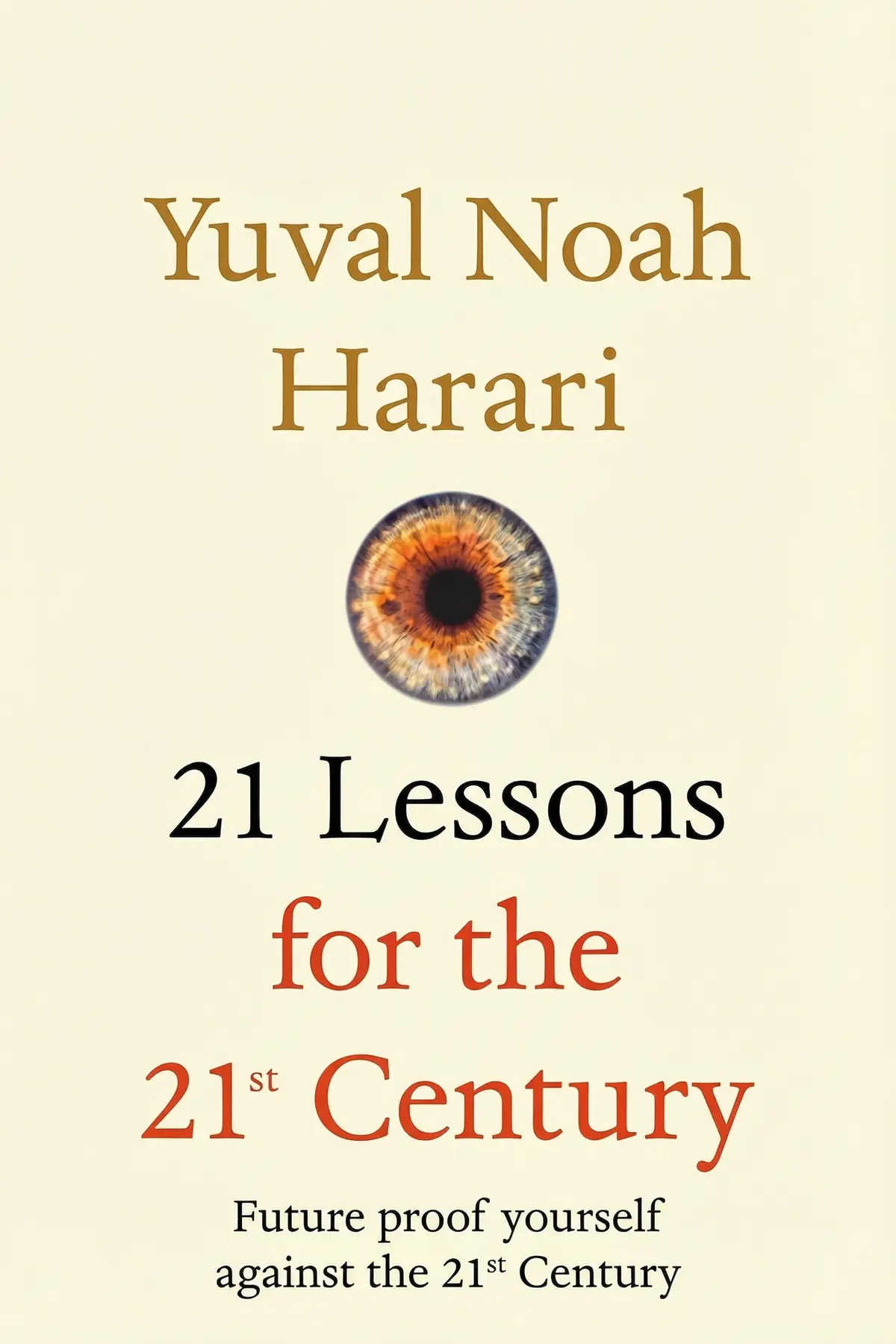
Yuval Noah Harari
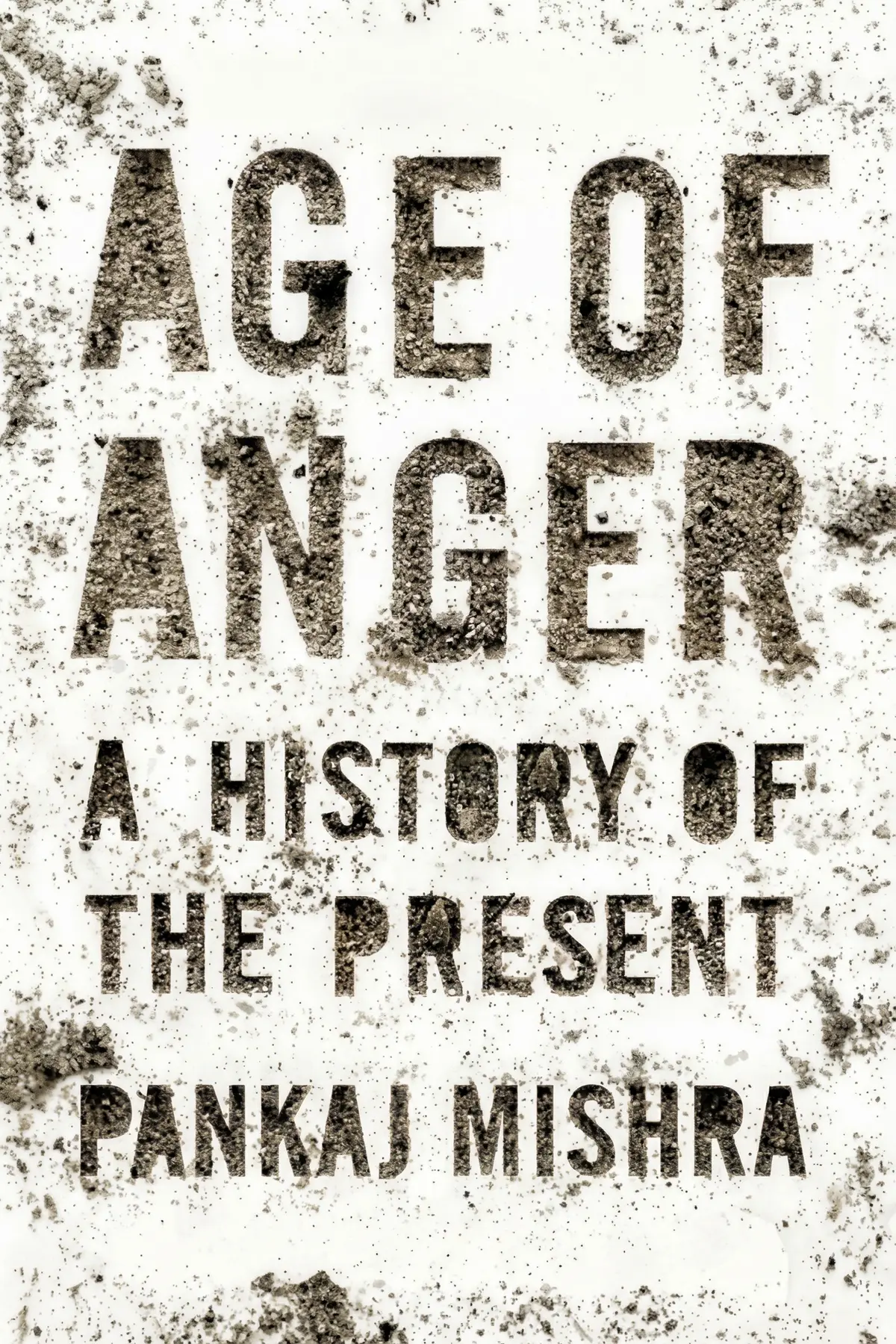
Pankaj Mishra
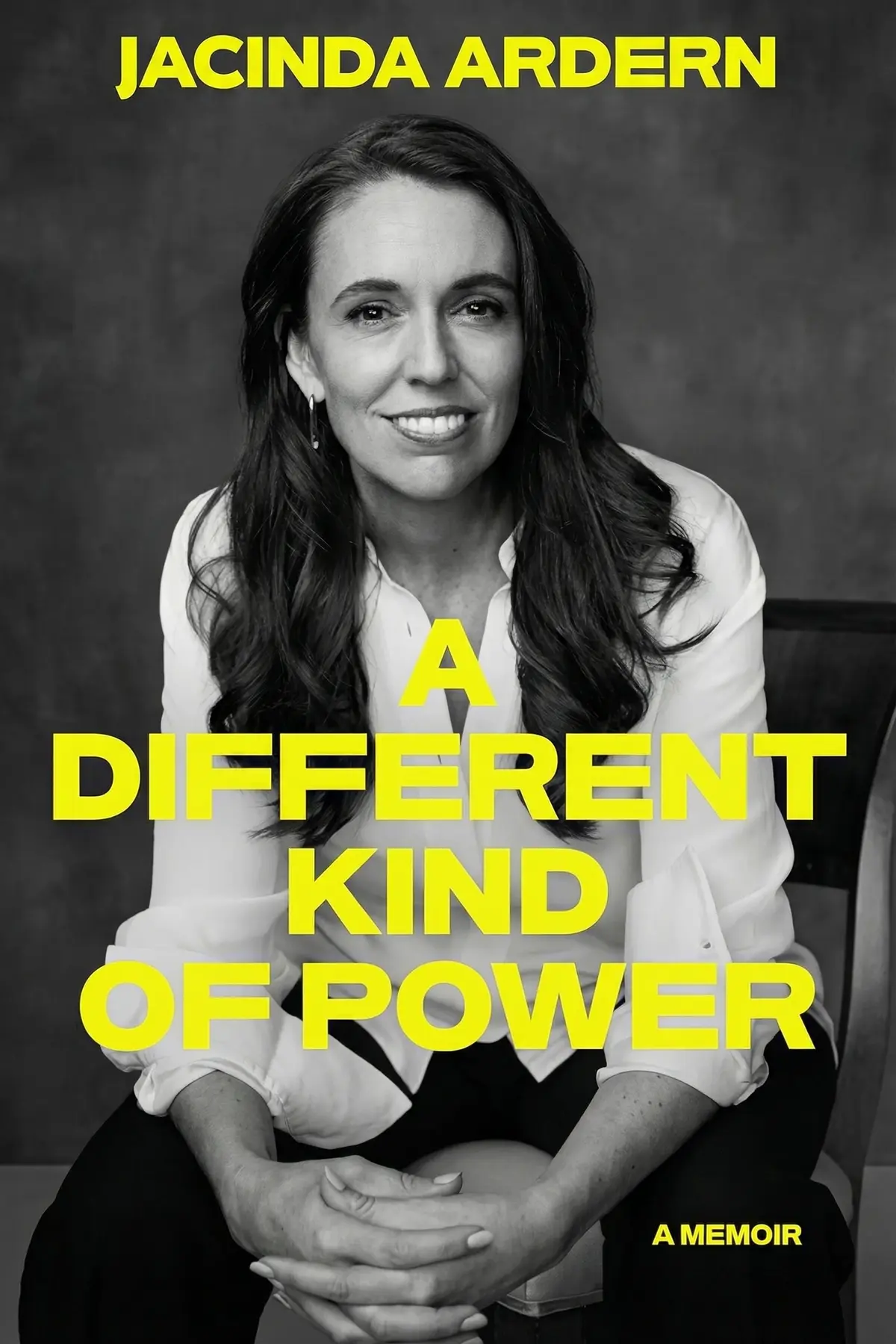
Jacinda Ardern
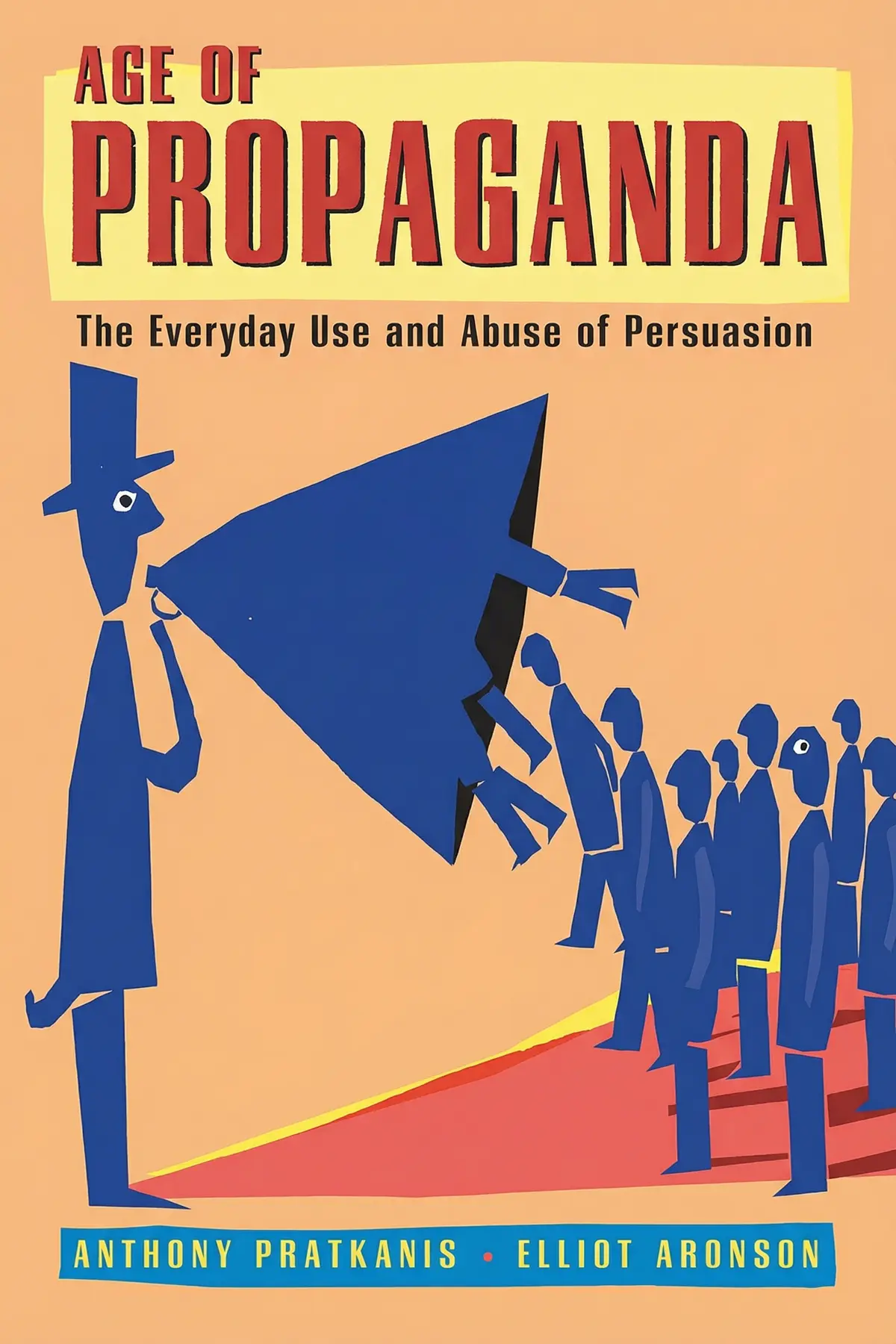
Anthony Pratkanis
Andrew Ross Sorkin
AUDIO SUMMARY AVAILABLE
Get the key ideas from The New Silk Roads by Peter Frankopan, plus 5,000+ more titles in English and Thai.







