
17 min 27 sec
The Six Disciplines of Strategic Thinking: Leading Your Organization Into the Future
Discover the six essential disciplines for mastering strategic thinking. Michael D. Watkins provides a roadmap for leaders to navigate complexity, anticipate future trends, and drive organizational success through disciplined mental habits.
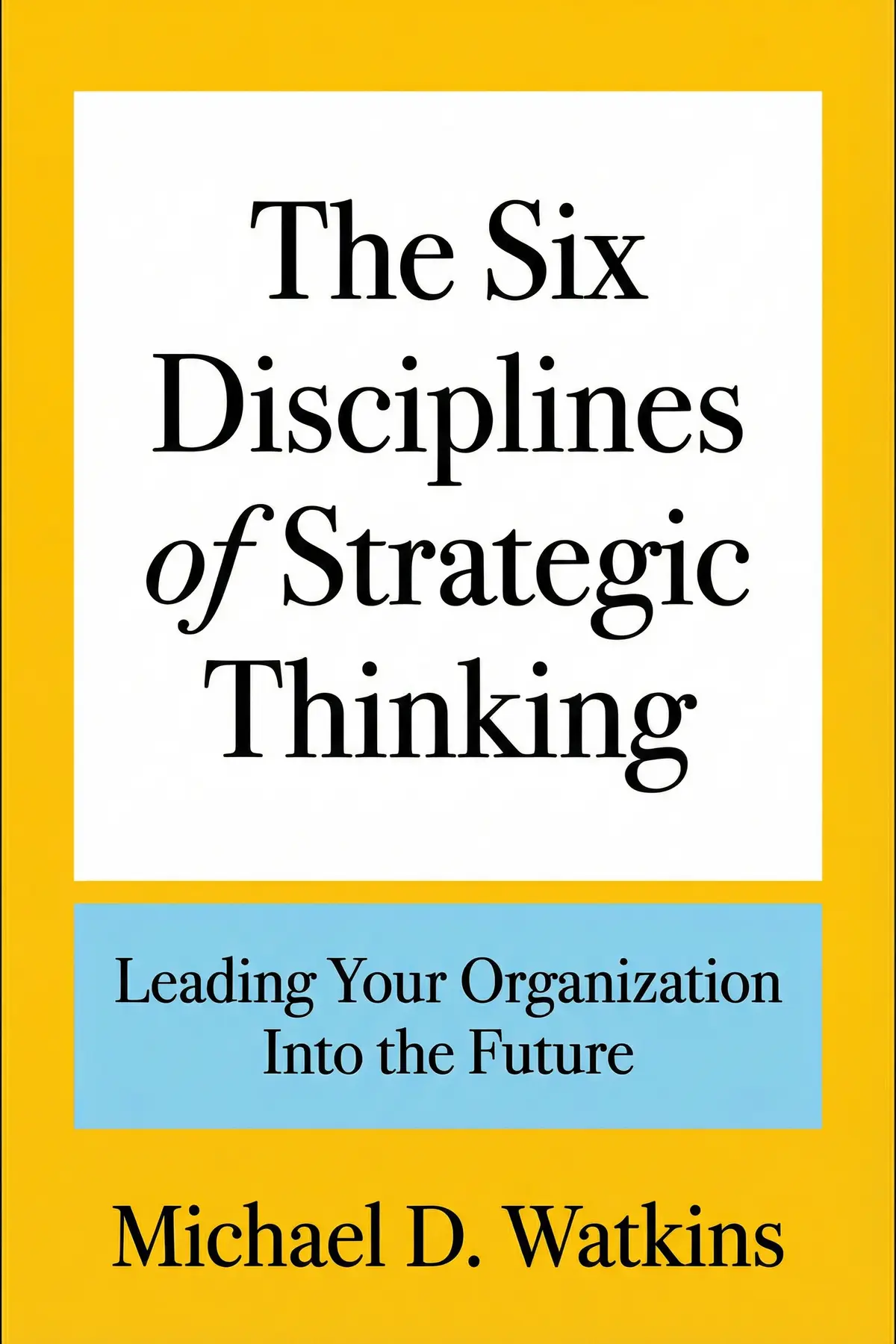
Table of Content
1. Introduction
1 min 42 sec
In the modern professional landscape, the sheer volume of information coming at us can feel like a relentless wave. We see markets shift in a matter of hours, technological breakthroughs that rewrite industry rules overnight, and global events that disrupt supply chains thousands of miles away. In this environment, traditional leadership—the kind that relies on historical data and rigid five-year plans—often falls short. The question then becomes: how do the most successful leaders stay calm and effective in the face of such chaos? The answer lies in their ability to think strategically.
Strategic thinking isn’t a mystical gift that some people are born with and others aren’t. Instead, it’s a collection of disciplined mental habits that can be learned, practiced, and refined. It’s about more than just having a vision; it’s about the underlying cognitive framework that allows you to see the world differently. It involves moving from a state of constant reaction to a state of intentional action.
In our exploration of Michael D. Watkins’s insights, we are going to dive deep into six specific disciplines that define the strategic mind. We will look at how to spot the signals that actually matter, how to map out the complex systems we work within, and how to maintain the mental flexibility required to pivot when the game changes. We will also explore the practical side of strategy—the ability to solve problems systematically, create a future that others want to join, and navigate the delicate political landscape of any organization. By the time we finish, you’ll have a roadmap for elevating your own thinking, allowing you to lead your organization into the future with clarity and confidence. Let’s begin by looking at the foundation of all strategy: the ability to see what others miss.
2. Deciphering the Noise Through Pattern Recognition
2 min 15 sec
Uncover how top leaders identify crucial market signals amidst a sea of data using a dynamic cycle that moves from recognition to mobilization.
3. Mapping the Invisible Web of Systems Analysis
2 min 18 sec
Explore why understanding the interconnected nature of your organization is vital for predicting how a single change can trigger a massive ripple effect.
4. Developing the Flexibility of Mental Agility
2 min 17 sec
Learn to pivot between high-level strategy and ground-level execution while anticipating the moves of your competitors through strategic game-playing.
5. Solving Complex Hurdles with Structured Problem-Solving
2 min 21 sec
Break down even the most daunting organizational challenges into a manageable five-phase process that balances creative thinking with rigorous logic.
6. Creating a Shared Future Through Inclusive Visioning
2 min 20 sec
Discover how to craft a compelling vision that isn’t just a slogan but a deeply resonant purpose that aligns and inspires an entire organization.
7. Navigating Power and Influence with Political Savvy
2 min 31 sec
Master the art of building alliances and using emotional intelligence to ensure your strategic ideas gain the necessary traction and support.
8. Conclusion
1 min 43 sec
As we conclude our journey through the six disciplines of strategic thinking, it becomes clear that being a strategic leader is about much more than just coming up with a clever plan. It is a comprehensive way of being—a set of mental muscles that must be exercised every day. We’ve seen how pattern recognition allows you to see the future before it arrives, and how systems analysis helps you understand the hidden connections that drive your business. We’ve explored the importance of mental agility in staying flexible, and the power of structured problem-solving to bring order to complex challenges. Finally, we looked at how visioning inspires others and how political savvy ensures that your best ideas actually get implemented.
The common thread through all of these disciplines is intentionality. A strategic thinker doesn’t just let things happen to them; they are constantly analyzing, adapting, and influencing the world around them. This isn’t a destination you reach, but a path of continuous improvement. You don’t become a strategic thinker overnight, but by applying these six disciplines to your daily work, you will slowly but surely change the way you see your career and your organization.
The throughline of Michael D. Watkins’s work is that the future belongs to those who can see it, understand it, and navigate its human complexities. Whether you are leading a small team or a multinational corporation, these six disciplines provide the framework you need to move forward with confidence. So, as you go back to your work, I encourage you to pick just one of these disciplines to focus on this week. Perhaps you’ll start by framing a problem more clearly, or by trying to see a situation from a colleague’s perspective. Small shifts in your thinking today will lead to massive shifts in your success tomorrow. The future is waiting to be shaped—and now, you have the tools to shape it.
About this book
What is this book about?
The Six Disciplines of Strategic Thinking serves as a comprehensive guide for modern leaders who find themselves overwhelmed by the speed and complexity of the global business environment. Rather than offering a rigid checklist, the book identifies six core mental disciplines—pattern recognition, systems analysis, mental agility, structured problem-solving, visioning, and political savvy—that collectively form the foundation of a strategic mindset. The promise of this work is a total transformation of how you process information and make decisions. It moves beyond simple planning and into the realm of dynamic strategy, teaching you how to recognize emerging trends before your competitors do, how to understand the hidden interdependencies within your organization, and how to build the political capital necessary to bring a vision to life. By mastering these disciplines, leaders at any level can move from reactive fire-fighting to proactive, long-term leadership, ensuring their organizations are not just surviving the future, but actively shaping it.
Book Information
About the Author
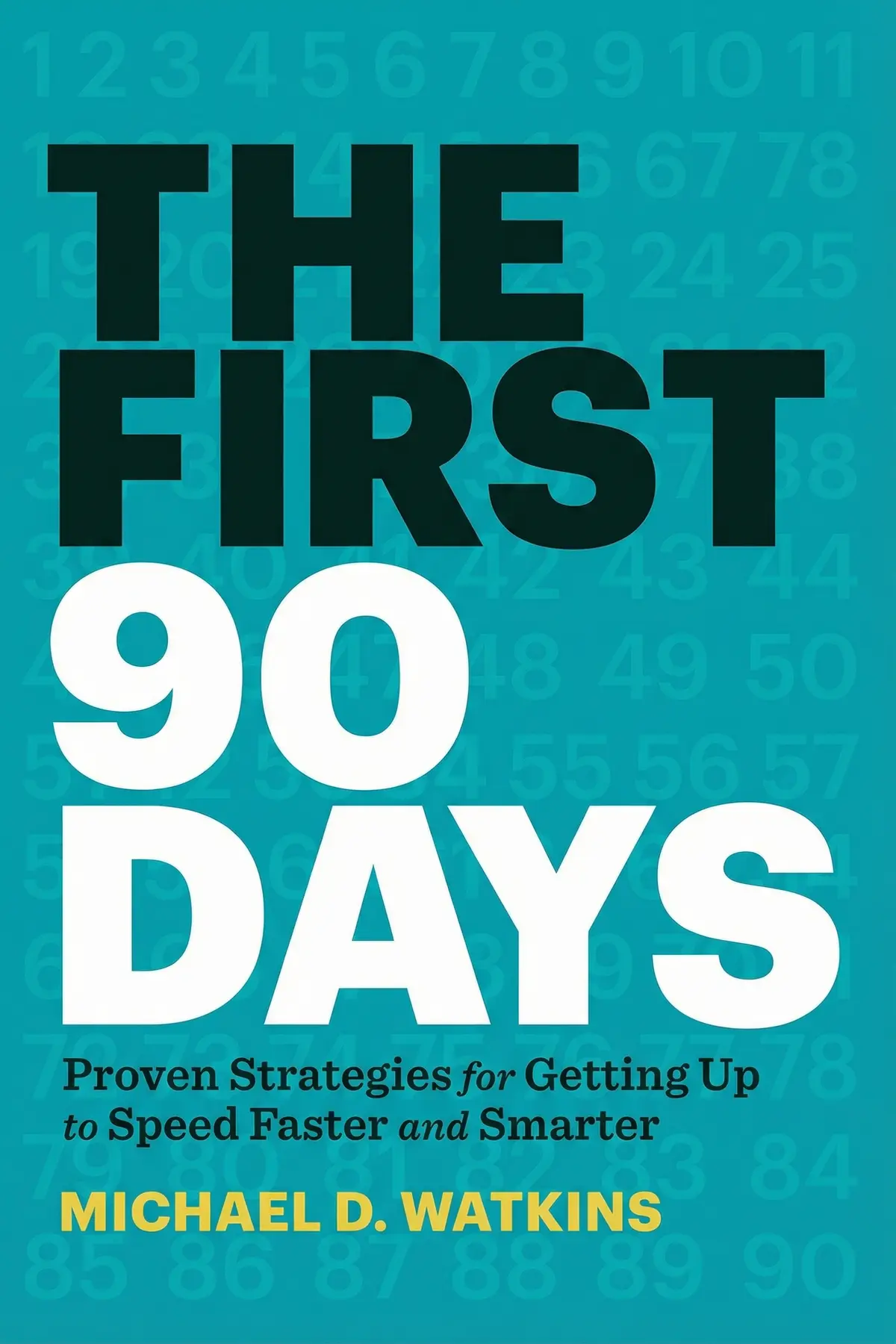
Michael D. Watkins
Michael D. Watkins is a highly esteemed professor of leadership and organizational change at the IMD Business School. As the cofounder of Genesis Advisers, he has dedicated his career to helping executives navigate critical transitions. He is the author of the international best-selling book The First 90 Days and has written numerous influential articles and books focusing on leadership, negotiation, and business strategy. His expertise in management has made him a leading voice in organizational success.
Ratings & Reviews
Ratings at a glance
What people think
Listeners consider this book an exceptional overview of strategic thought, with one review highlighting its highly organized method for presenting practical mental frameworks. Furthermore, the work earns praise for how accessible it is, with one listener characterizing the material as an excellent, effortless read.
Top reviews
Sofia
After hearing so much about Watkins' legendary onboarding book, I had high expectations for this one. It’s a brilliant summary of what it actually takes to lead in a world that feels increasingly volatile and complex. The framework focusing on pattern recognition and systems analysis provides a clear roadmap for anyone looking to level up their career. Truth is, I found the RPM cycle—Recognize, Prioritize, Mobilize—to be a game-changer for my daily workflow. While some might find the tone a bit academic, the structured approach to mental tools is incredibly refreshing. It’s not just about making plans anymore; it’s about responding to an ever-changing environment with real agility. I’ll definitely be keeping this on my desk for reference.
Show moreLaor
Wow, this is exactly the kind of framework our leadership team needed to navigate the mess of the current market. Watkins identifies six specific disciplines that move beyond simple planning and into the realm of true organizational agility. I was particularly struck by the concept of "level-shifting" and how it helps you analyze challenges from multiple vantage points simultaneously. The writing style is crisp and professional, making it a relatively quick read for such a dense subject. Although some parts of the visioning workshop advice felt a bit standard, the overall synthesis of ideas is masterfully done. If you want to thrive in a VUCA environment, you need these mental models in your toolkit.
Show moreNoah
Ever wonder why some leaders just "get it" while others struggle to see the big picture? Watkins answers that by deconstructing the specific habits of mind that lead to better decision-making and influence. This isn't just a book for CEOs; it’s for anyone who wants to understand the power dynamics and system interactions of their workplace. The RPM cycle is a fantastic way to simplify complex environmental signals into something you can actually act upon. I found the sections on emotional intelligence and empathy within "political savvy" to be particularly refreshing and human. It’s a comprehensive guide that bridges the gap between theory and actual leadership practice.
Show morePooja
The chapter on political savvy was a real eye-opener for me because it treats organizational politics as a skill rather than a dirty word. Watkins breaks down the ability to influence stakeholders and align agendas into something that feels manageable and even ethical. I appreciated how he connects mental agility with the need to shift perspectives across different levels of the organization. My only gripe is that some of the case studies felt a bit brief, leaving me wanting more real-world application. To be fair, the structured problem-solving phases provide a solid foundation that most managers are currently lacking. It’s a great easy read that doesn’t sacrifice intellectual depth for the sake of brevity.
Show moreDaranee
Strategic thinking is often treated like a mystical gift, but Watkins breaks it down into a teachable, repeatable science. I loved the emphasis on pattern recognition as a way to stay ahead of market shifts before they become obvious to everyone else. The book is very structured, which makes it easy to dip in and out of depending on what challenge you’re facing at work. One minor criticism is that the "Political Savvy" section could have used more diverse examples outside of the corporate C-suite. Still, the five phases of problem-solving are articulated with such clarity that I’ve already started using them in my team meetings. It’s a solid addition to any leadership library.
Show moreJoe
Personally, I found the systems analysis section to be the most robust part of the entire framework because it forces you to look at the "why" behind organizational friction. Watkins does a great job of explaining how a change in one department can cause a ripple effect across the entire system. The focus on mental agility is also timely, especially with how fast technology is reshaping our industry. My only real complaint is that the book can feel a bit dry in the middle sections. Regardless, the actionable advice on building a vision that is both aspirational and grounded is worth the read. It’s a very practical manual for anyone moving into a high-level strategic role.
Show moreTanyaporn
Finally got around to finishing this, and the structured problem-solving phases are worth the price of admission alone. By defining roles and framing issues correctly from the start, you avoid so much of the wasted energy that plagues most corporate projects. The book is an easy read, but it requires you to actually stop and reflect on your own organization to get the full value. I did think the section on visioning was a bit repetitive compared to other leadership books on the market today. However, the way Watkins integrates all six disciplines into a cohesive whole is quite impressive. It definitely helps you see the "chess board" of business much more clearly.
Show moreLars
Is it helpful? Yes, but maybe not as groundbreaking as I was hoping for given the author's reputation. The book feels like a very well-organized compilation of existing leadership theories rather than a brand-new revelation. Don't get me wrong, the section on systems analysis is excellent for understanding how different parts of a company interact. However, I found the visioning section to be a little too abstract for my taste. Frankly, it lacks the punch of 'The First 90 Days' and occasionally feels like it’s just scratching the surface. It’s a decent guide for someone new to management, but seasoned executives might find themselves skimming through the more familiar concepts.
Show moreKofi
Picked this up after seeing a summary online, and while it's a good book, it serves better as a reference guide than a deep dive. The six disciplines—from systems analysis to political savvy—are all essential, but the book spends more time explaining why they matter than showing you how to master them. I would have loved to see more exercises or specific templates for the structured problem-solving sections. In my experience, the concepts are sound, but the execution feels a bit like a high-level lecture. It’s a nice gift for a new manager, but it might not satisfy those looking for advanced strategic frameworks.
Show moreTantipat
Look, I really wanted to love this after the impact his previous work had on my career, but this felt like a letdown. It gives the impression that the author simply read a few books on strategy and tried to stitch them into a new brand. I found the tone a bit condescending at times, almost like being told "how to think" in a way that felt overly prescriptive. The models, like the RPM cycle, are fine on paper but lacked the granular detail needed for implementation in a fast-paced tech environment. Not gonna lie, I was expecting more original research and fewer high-level summaries. It’s okay as a primer, but it certainly didn’t move the needle for me.
Show moreReaders also enjoyed
A Year with Peter Drucker: 52 Weeks of Coaching for Leadership Effectiveness
Joseph A. Maciariello
Acting with Power: Why We Are More Powerful Than We Believe
Deborah Gruenfeld
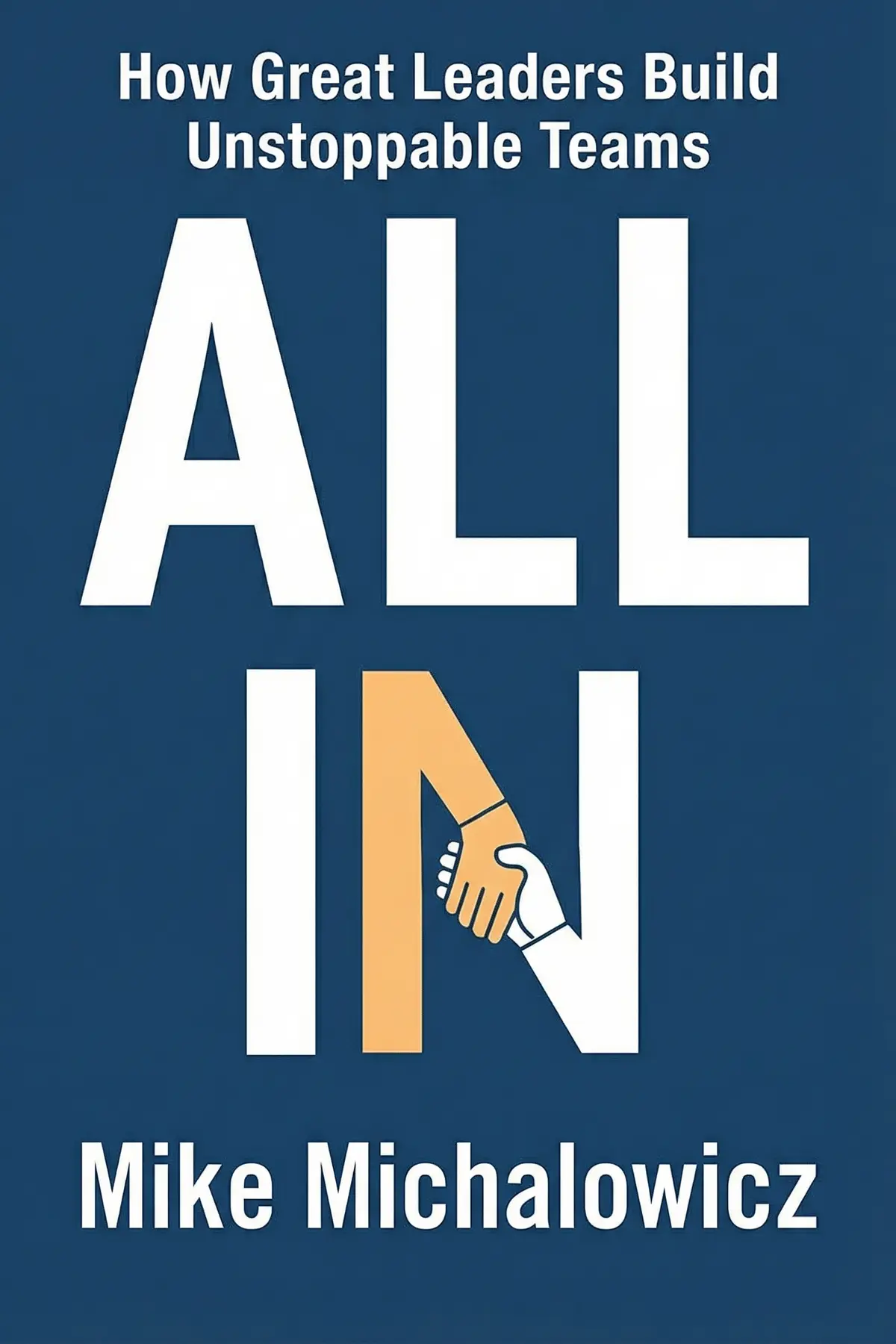
All In: How Great Leaders Build Unstoppable Teams
Mike Michalowicz

7 Powers: The Foundations of Business Strategy
Hamilton Helmer
AUDIO SUMMARY AVAILABLE
Listen to The Six Disciplines of Strategic Thinking in 15 minutes
Get the key ideas from The Six Disciplines of Strategic Thinking by Michael D. Watkins, plus 5,000+ more titles in English and Thai.
- 5,000+ titles
- Listen as much as you want
- 7-day free trial
- Cancel anytime







