
18 min 28 sec
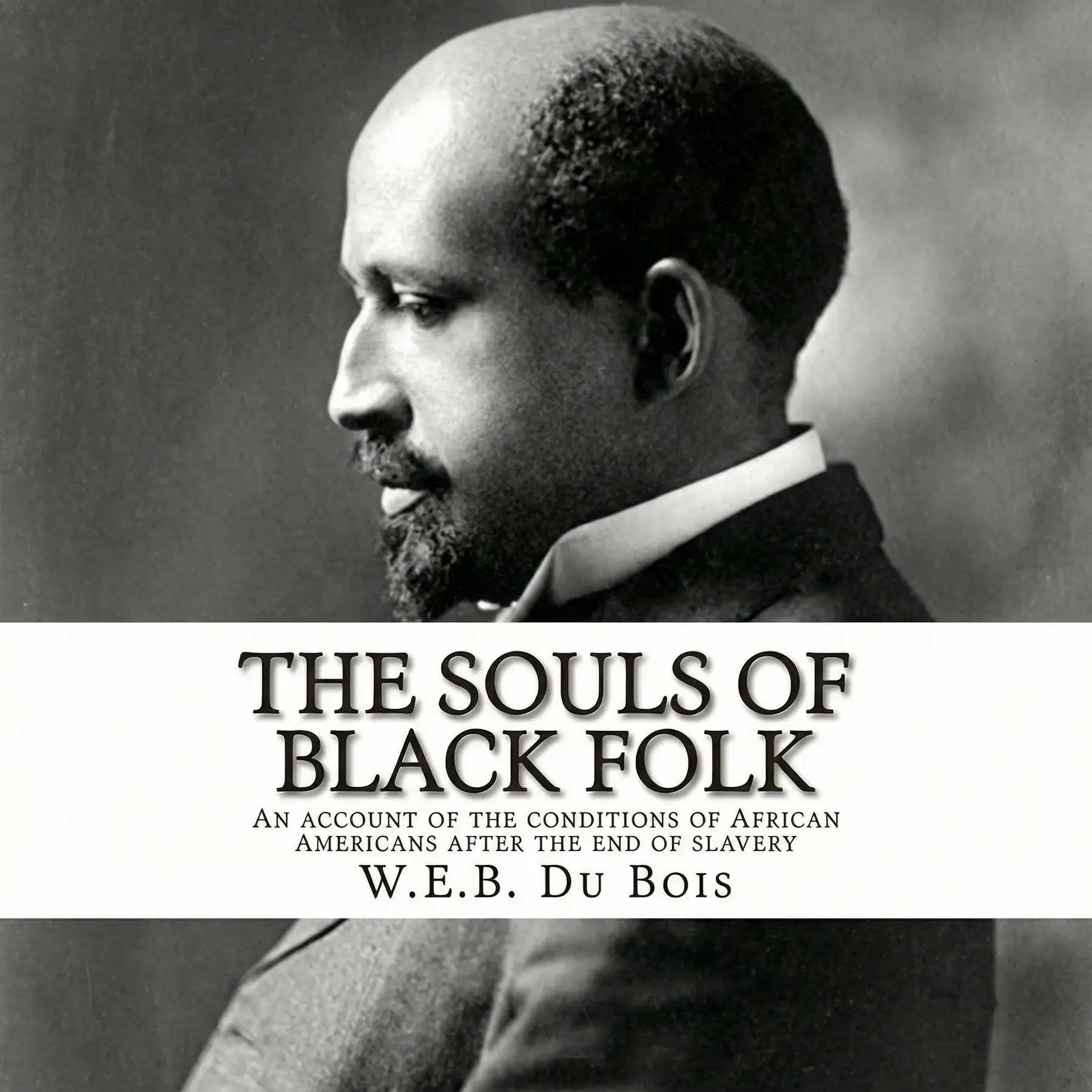
The Souls of Black Folk
Explore W.E.B. Du Bois’s landmark analysis of the African American soul, examining the deep-seated psychological and social barriers that persisted long after the official end of American slavery in the early twentieth century.
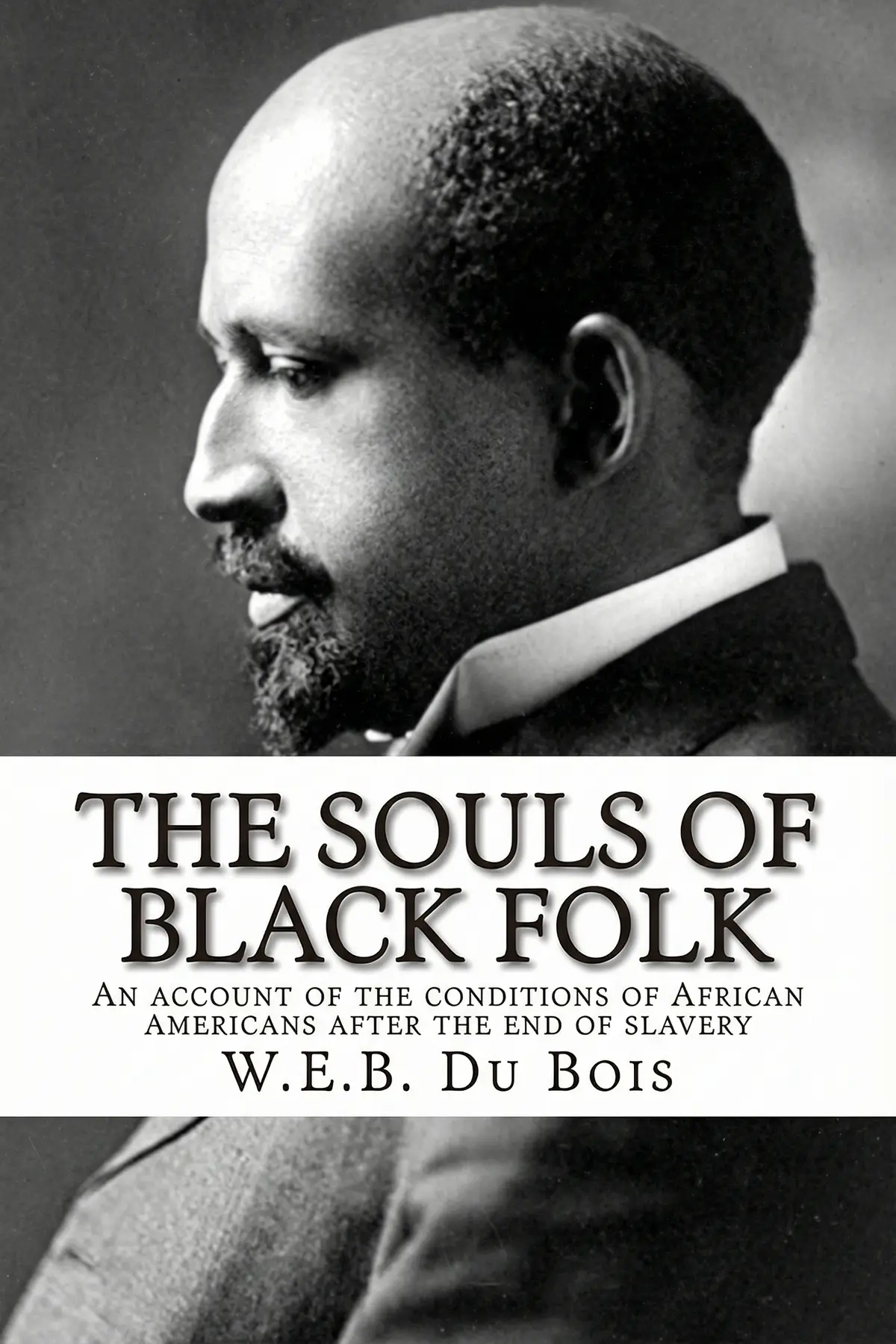
Table of Content
1. Introduction
1 min 35 sec
Imagine standing at a threshold where the heavy chains of the past have finally been struck off, yet the door to the future remains stubbornly bolted shut. This was the reality for millions of African Americans following the conclusion of the Civil War and the official end of slavery. The promise of freedom was in the air, but the ground beneath their feet was still scorched by the fires of systemic oppression.
In this exploration of a foundational text in American sociology and literature, we are led by the brilliant mind of W.E.B. Du Bois. He doesn’t just offer a history lesson; he provides a window into the very spirit of a people. The central throughline of this journey is the concept of the “veil”—the invisible but formidable barrier that separates the worlds of Black and White Americans. This veil doesn’t just block the view of those on the outside; it colors the very perception of those living within it.
As we move through these ideas, we will witness the immense difficulty of integrating a newly freed population into a society that was often hostile to their existence. We will see the debates over how to best achieve equality—whether through economic compromise or the unyielding demand for civil rights. We will also walk through the dusty fields of the South to see how debt replaced the whip as a tool of control. Most importantly, we will confront the internal conflict of the African American soul: the struggle to be both Black and American in a nation that frequently treated those identities as contradictions. This is a story of resilience, intellectual fire, and the ongoing quest for a true, unified selfhood in a divided land.
2. The Stalled Promise of the Freedmen’s Bureau
2 min 27 sec
Explore why the first major attempt to integrate newly freed people was destined for a premature end, leaving millions in a state of precarious vulnerability.
3. The Conflict Over the Path to Progress
2 min 43 sec
Discover the high-stakes intellectual battle between two leaders over whether Black Americans should prioritize economic labor or civil rights.
4. The Economic Shackles of the Black Belt
2 min 29 sec
Go beyond the history books to see how the geography of the South and the trap of debt created a new form of bondage.
5. Living Behind the Social Veil
2 min 24 sec
Understand the strange and strained geography of race relations where physical closeness only highlighted a profound social distance.
6. The Church as the Soul of a People
2 min 28 sec
Witness the transformation of the African American church from a tool of endurance to a powerhouse of social organization and identity.
7. The Double Consciousness of the Veil
2 min 33 sec
Delve into the famous concept of the divided self, where the struggle to be both Black and American creates a unique psychological landscape.
8. Conclusion
1 min 49 sec
As we conclude our journey through W.E.B. Du Bois’s profound reflections, we are left with a clear understanding that the end of slavery was merely the conclusion of one chapter and the beginning of a much more complex one. The transition from bondage to true citizenship was a path filled with obstacles—some made of bricks and laws, others made of debt and psychology. We have seen how the premature end of the Freedmen’s Bureau left a gap in the foundation of equality, and how the debate over education and civil rights defined the strategies of a people.
We have walked through the Black Belt and seen how the beauty of the land masked a system of economic entrapment. We have looked at the geography of the South and seen how the “veil” kept neighbors from truly knowing one another. We have felt the heartbeat of the community in the Black church, a place of both refuge and potential power. And finally, we have explored the haunting concept of double consciousness—the internal struggle to reconcile two identities in a world that often sees them as mutually exclusive.
The throughline of all these ideas is the insistence that equality is a holistic endeavor. It cannot be achieved through the ballot box alone, nor through the bank account alone, nor through the schoolhouse alone. It requires all of these things, working together, to finally lift the veil. The actionable takeaway from this work is a call to recognize the complexity of identity and the persistence of systemic barriers. To move forward, we must look honestly at the past and understand that true freedom is not just the absence of chains, but the presence of the opportunity to be one’s full, authentic self. Du Bois’s voice remains a guiding light, reminding us that the soul of a people is not something to be managed or solved, but something to be understood and set free.
About this book
What is this book about?
This summary provides a profound exploration of the African American experience during a pivotal era of transition. It delves into the systemic failures that followed emancipation, moving beyond the simple end of legal bondage to uncover the complex web of economic, social, and psychological challenges that remained. The promise of this work is a deeper understanding of the American landscape through the eyes of those living behind the "veil" of racial separation. You will learn about the ideological rift between different paths to equality, the harsh realities of the southern sharecropping system, and the powerful role of the Black church as a sanctuary and political force. Ultimately, it articulates the concept of double consciousness—the internal struggle of maintaining a unified identity in a world that demands divided loyalties. It is a necessary examination of how the legacy of the past continues to shape the identity and the struggle for justice in the present.
Book Information
About the Author
W.E.B. Du Bois
W.E.B. Du Bois was a pioneering sociologist, prolific author, and dedicated civil rights activist who shaped the intellectual landscape of the late nineteenth and early twentieth centuries. Breaking historic barriers, he became the first African American to receive a PhD from Harvard University. He was a master of using social science to illuminate the lived realities of Black Americans. As a cofounder of the National Association for the Advancement of Colored People, he significantly influenced the movement for equality and served as the editor of its magazine, The Crisis, for nearly a quarter of a century.
Ratings & Reviews
Ratings at a glance
What people think
Listeners find this work to be essential for every American, commending its informative introduction and depth of African American history. They value the book's honest account and its great physical condition, while one listener highlights its moving perspective on daily life. Although feedback on the prose style is varied, many find the book to be beautifully composed.
Top reviews
Jib
Few works of literature manage to remain this piercingly relevant after more than a century of history has passed. Du Bois writes with a lyrical intensity that shifts effortlessly between cold sociological data and heartbreaking personal narrative. His concept of 'double-consciousness'—the sense of always looking at oneself through the eyes of a world that views you with contempt—resonated with me more than almost any modern text. I was particularly struck by the chapter on the death of his first-born son; the grief is so raw it feels as though the ink is still wet. While the prose can be dense and demands your full attention, the effort is rewarded with a profound understanding of the 'color line' that still divides us. It’s not just a history lesson; it’s a mirror held up to the American soul. Every student of history needs to sit with these essays and really listen to the 'Sorrow Songs' Du Bois so eloquently cherishes.
Show moreYaowaluk
The way this book concludes with an analysis of Negro Spirituals—or 'Sorrow Songs'—is absolutely masterly and deeply moving. Du Bois doesn't just treat these songs as folk music; he elevates them to the status of high art and profound theological expression. He argues that these melodies are the most authentic American gift to the world, born from the depths of suffering and hope. Personally, I found the blend of musicology and spiritual reflection to be the most moving part of the entire collection. The prose is almost biblical in its cadence, sweeping the reader along through a landscape of both beauty and extreme injustice. It’s a mandatory read for anyone who wants to understand the cultural roots of Black identity in America. Frankly, it’s embarrassing that I waited this long to pick it up. The writing is so sharp it cuts right through a hundred years of historical distance.
Show moreJames
Wow, the short story 'The Coming of John' toward the end of this collection completely wrecked me. It illustrates the tragedy of education in a racist society far better than any dry statistic ever could. Du Bois shows how knowledge can become a burden when the world refuses to recognize your humanity. The 'double consciousness' he describes isn't just a theory; it’s a lived, painful reality that he maps out with surgical precision. I loved how each chapter begins with a musical score, rooting the academic arguments in the emotional soil of the spirituals. The transition from teaching in a one-room schoolhouse to analyzing the failures of the Freedmen’s Bureau shows his incredible range as a writer. Truth is, this book feels like a living thing, pulsing with a mix of righteous anger and deep sorrow. It is a hauntingly beautiful collection that should be on every bookshelf in the country.
Show moreAir
As someone who has always been interested in Southern history, reading the chapter on 'The Wings of Atlanta' was a revelation. Du Bois captures the tension between industrial progress and the soul-crushing weight of Jim Crow with such vivid imagery. He argues that material wealth means nothing if a people are denied their spiritual and intellectual freedom. Every page is dripping with a sense of urgency that makes you forget this was written in 1903. The way he weaves together history, memoir, and social criticism is just breathtaking. Personally, I think this is the most important book ever written about the American experience. It challenges you to look past the 'veil' and see the common humanity that racism tries so hard to obscure. Even when he’s discussing complex economic systems, his voice remains deeply personal and compassionate. It’s a masterpiece of both style and substance that demands to be read.
Show moreAdam
Ever wonder where the foundation of modern Black intellectual thought comes from? This is the source. W.E.B. Du Bois writes with the authority of a scholar and the passion of a prophet. His 'Talented Tenth' theory is fascinating, even if you don't agree with the elitism inherent in it. He was the first Black man to earn a PhD from Harvard, and you can see that brilliant mind at work in every sentence. The book is a staggering achievement that balances harsh sociology with the 'Sorrow Songs' of a people. I was mesmerized by his ability to explain 'double consciousness' so clearly—that internal struggle of being both Black and American. It’s a foundational text that explains so much about the current state of our country. In my experience, there are very few books that can change the way you see the world after just a few chapters. This is one of them.
Show moreFelix
After hearing about the legendary rivalry between Du Bois and Booker T. Washington for years, I finally decided to go straight to the source. The critique of Washington’s 'Atlanta Compromise' is devastatingly logical and reveals a fascinating ideological split in early 20th-century leadership. Du Bois argues for the 'Talented Tenth' and full civil rights, refusing to settle for mere industrial training at the expense of political power. To be fair, some of the sociological chapters on crop-liens and debt peonage are quite dry and lean heavily into academic territory. However, the sheer rhetorical power of his 'veil' metaphor makes the tougher sections worth the slog. It’s a foundational text that provides the necessary context for everything from the Civil Rights movement to modern discussions on systemic inequality. I didn't love the short story 'The Coming of John' as much as the essays, but the message was clear and haunting.
Show moreLadawan
Picked this up to better understand the Reconstruction era, and Du Bois did not disappoint in his depth of analysis. His breakdown of the Freedmen’s Bureau in the second chapter is both nuanced and critical, avoiding simple heroes or villains. He paints a vivid picture of the 'Dawn of Freedom' and why it eventually faded into a new kind of economic slavery. The prose is definitely a product of its time—very formal and sometimes a bit flowery—but the insights into the 'color line' are startlingly modern. I did find the chapter on Alexander Crummell a bit slow and overly hagiographic compared to the more grounded essays. However, the overall impact of the book is undeniable and very powerful. It provides a bridge between the abolitionist writings of the 19th century and the civil rights struggles of the 20th. It’s an essential piece of the puzzle for anyone trying to track the trajectory of American race relations.
Show moreAubrey
Finally got around to reading this classic, and the thing that struck me most was how little some of these problems have changed. The 'problem of the color line' is still very much with us in the 21st century. Du Bois has a way of phrasing things that makes you stop and stare at the wall for ten minutes. His critique of Booker T. Washington is firm but respectful, showing two brilliant minds grappling with impossible choices. The writing is top-tier, though a bit dense for casual reading on the bus. Gotta say, the chapter on the death of his son was almost too painful to finish. It’s a heavy book, both in terms of content and vocabulary, but it’s a necessary weight to carry. Anyone calling themselves an American should have a copy of this on their nightstand. It provides a truthful history that is often missing from our classrooms.
Show moreSupranee
Not what I expected at all, considering how much people rave about it being a 'must-read' for everyone. Look, the historical significance is undeniable, but the writing style is incredibly dense and often feels quite elitist to a modern reader. Du Bois’s focus on the 'Talented Tenth' can come across as a bit snobbish toward the very people he is trying to advocate for. I struggled with his frequent use of classical allusions and Latin phrases, which makes the book feel like it was written strictly for the ivory tower. That said, the chapters describing the Black Belt and the struggles of tenant farmers are very enlightening and poignant. The description of the 'veil' is a brilliant concept that I’ll definitely be thinking about for a long time. It’s an important book, certainly, but it isn't exactly a page-turner or accessible for the average person. I respect the intellect behind it more than I actually enjoyed the experience of reading it.
Show moreTuck
I'll probably get flack for this, but I found this collection incredibly difficult to get through. While I understand why it's historically important, the Victorian-era prose is so heavy-handed that it frequently buries the actual message. Du Bois spends pages on poetic flourishes when a direct sentence would have worked much better for the average reader. To be fair, his description of the 'double consciousness' is iconic for a reason, but it’s buried under layers of academic jargon and high-society posturing. I was looking for more of a personal narrative and less of a sociology textbook with biblical aspirations. The pacing is all over the place, jumping from statistics about cotton production to mournful elegies without any real flow. It felt more like a chore than a learning experience for me. If you aren't already a fan of 19th-century academic writing, you might want to find a modern summary instead.
Show moreReaders also enjoyed

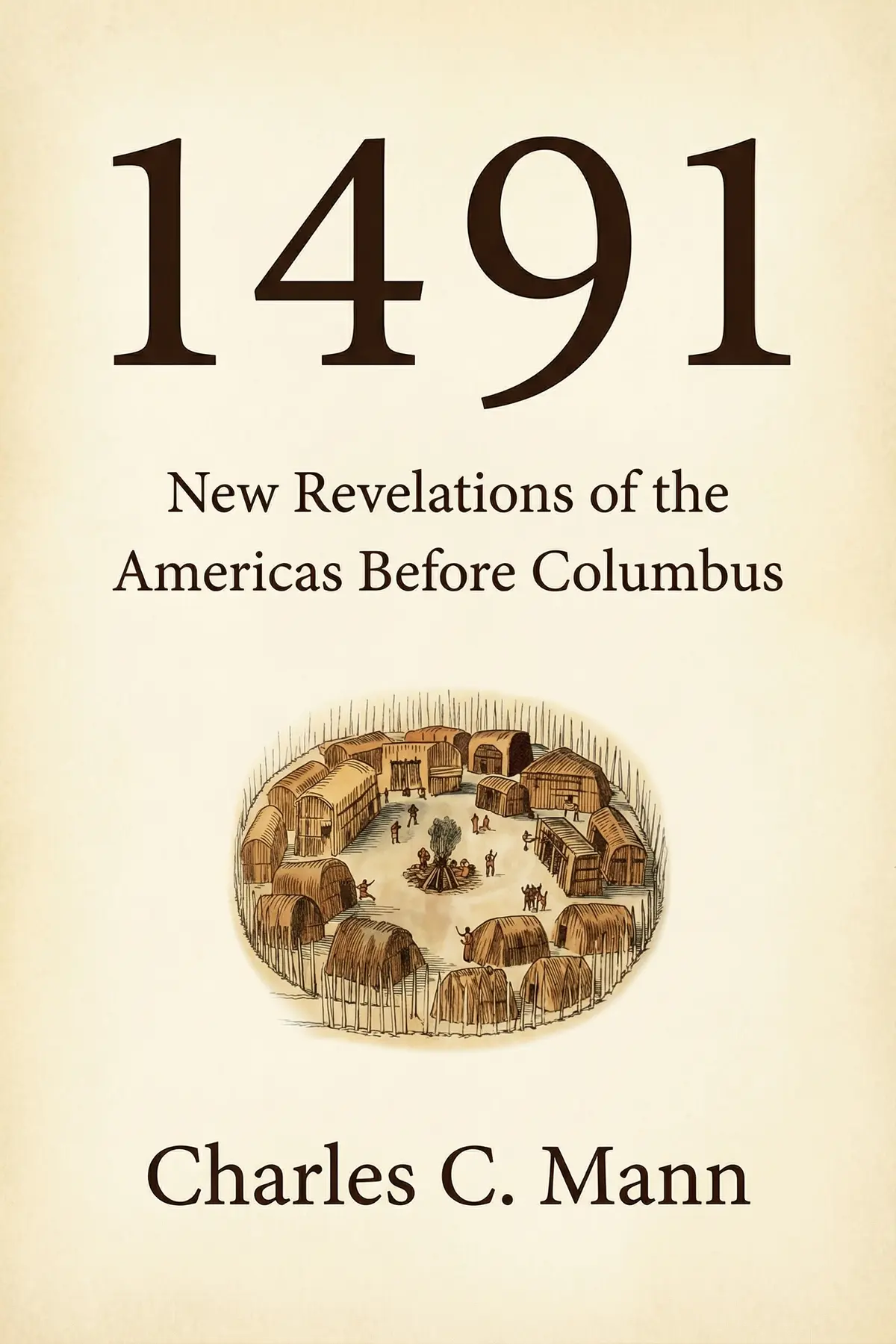
1491: New Revelations of the Americas Before Columbus
Charles C. Mann
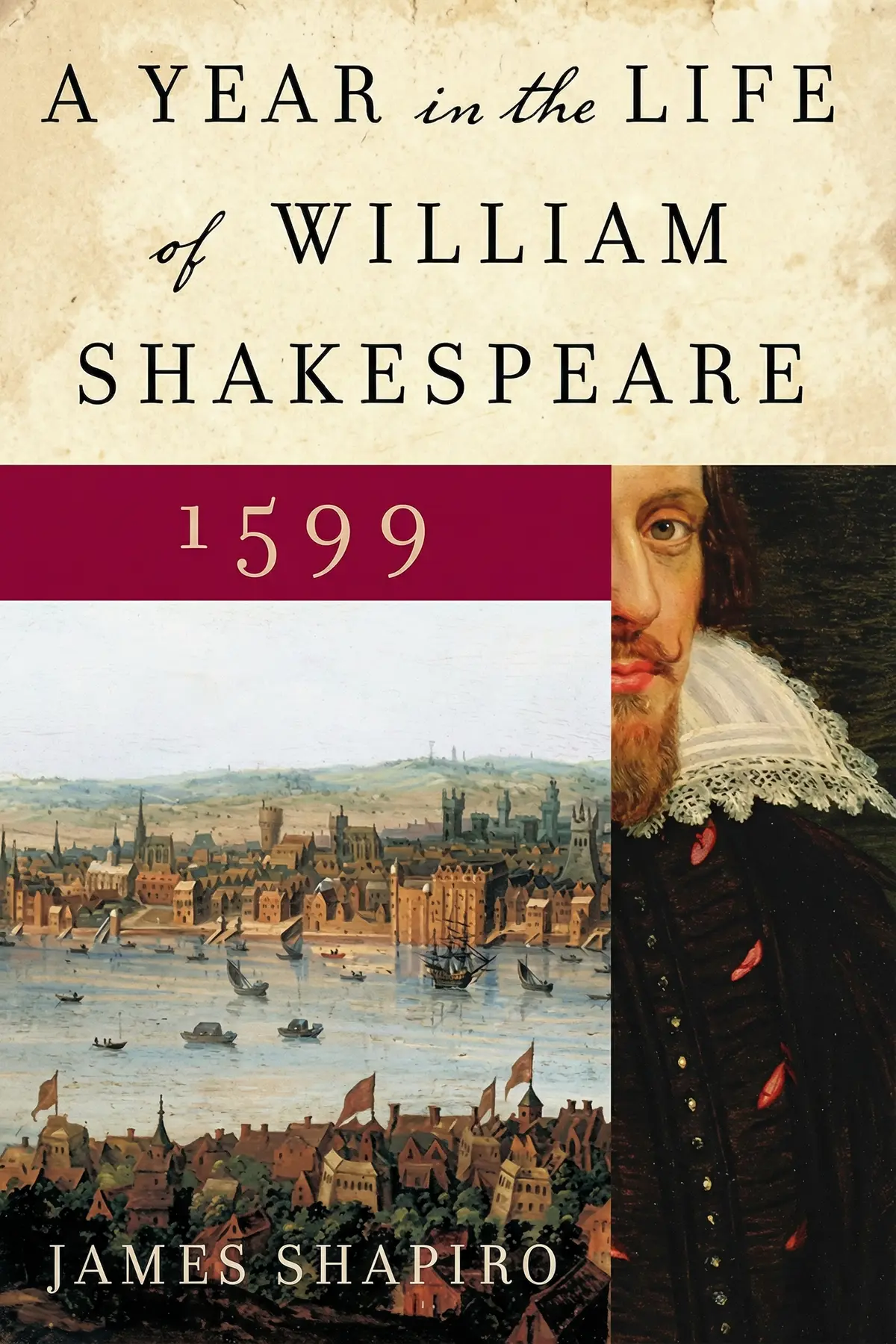
A Year in the Life of William Shakespeare: 1599
James Shapiro
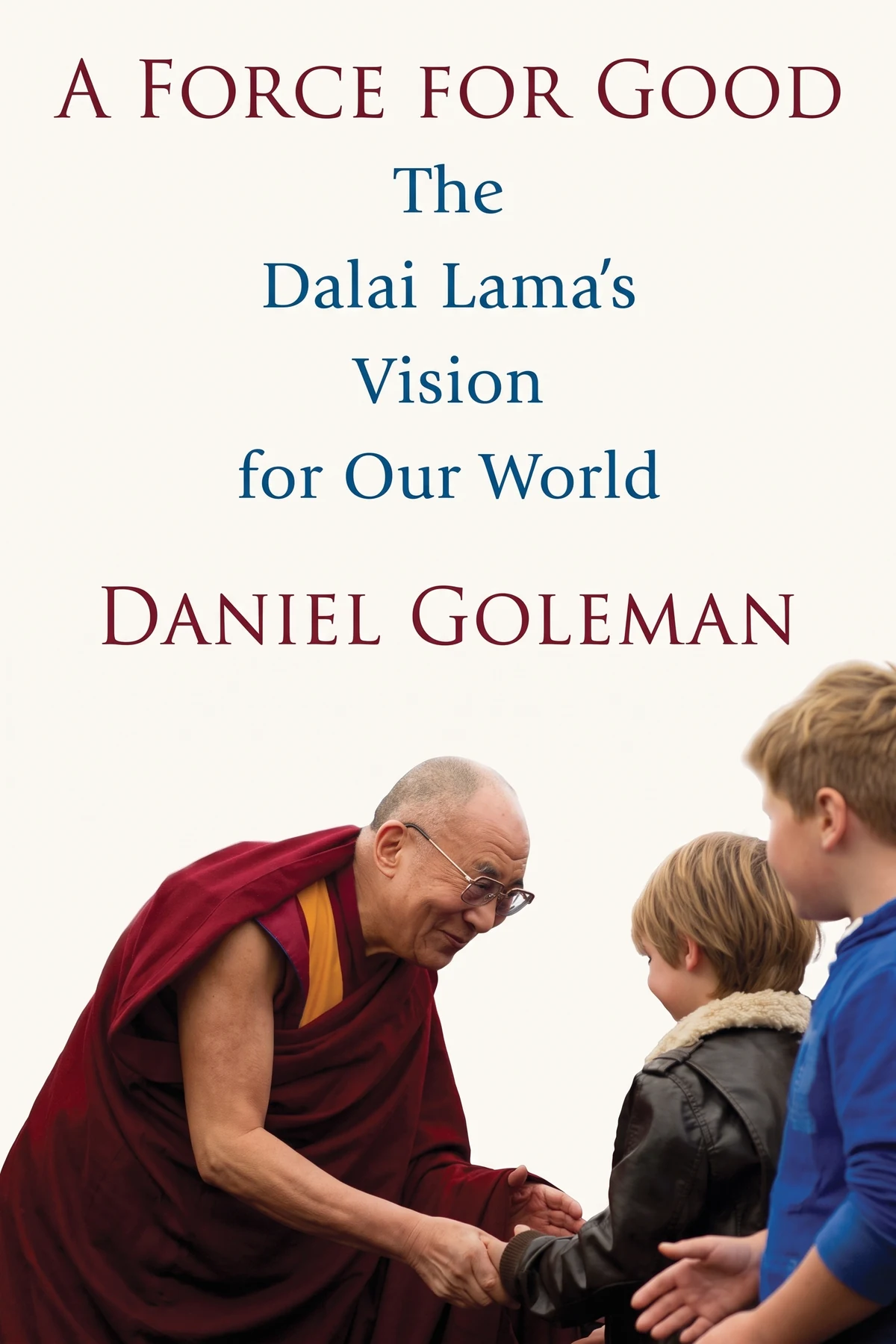
A Force for Good: The Dalai Lama's Vision for Our World
Daniel Goleman
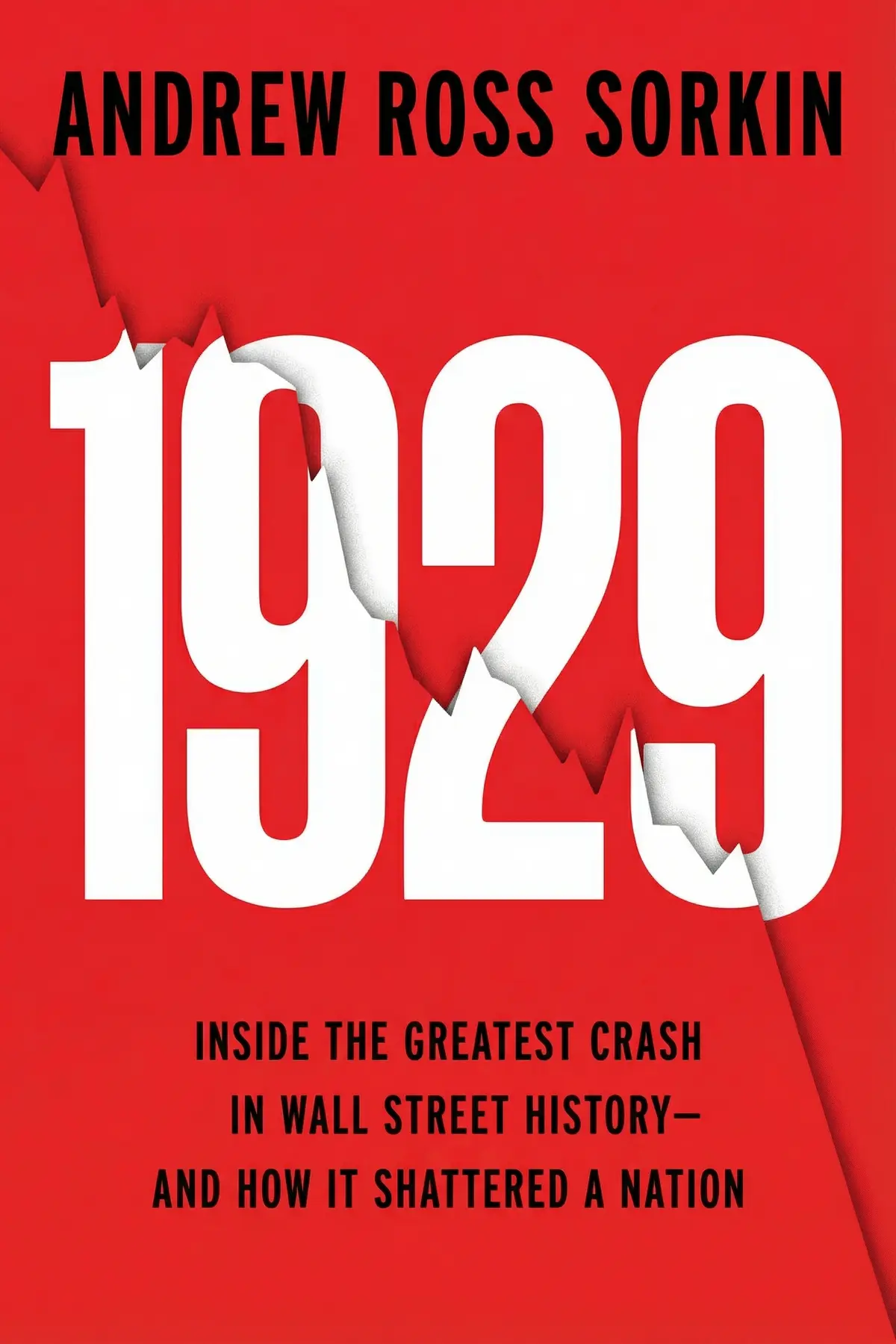
1929: Inside the Greatest Crash in Wall Street History--and How It
Andrew Ross Sorkin
Age of Anger: A History of the Present
Pankaj Mishra
A Room of One’s Own
Virginia Woolf

A Biography of Loneliness: The History of an Emotion
Fay Bound Alberti
AUDIO SUMMARY AVAILABLE
Listen to The Souls of Black Folk in 15 minutes
Get the key ideas from The Souls of Black Folk by W.E.B. Du Bois, plus 5,000+ more titles in English and Thai.
- 5,000+ titles
- Listen as much as you want
- 7-day free trial
- Cancel anytime







